
From Rice to Riches: The Role of Agriculture in Edo's Urban Growth

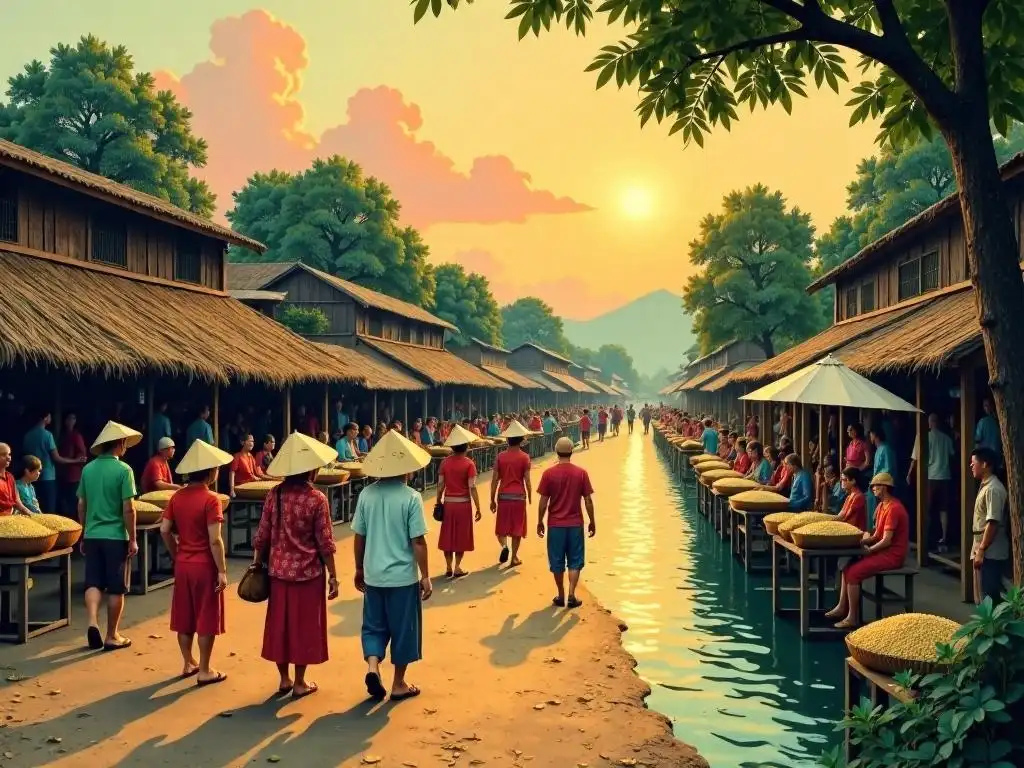
Welcome to Feudal Japan History, where we delve deep into the captivating tapestry of Japan’s feudal era. In this exploration, we unravel the intricate dynamics of Edo period agriculture and its profound impact on the urban growth of one of history's most vibrant cities. Have you ever wondered how the cultivation of rice transformed a nation and spurred economic prosperity? Join us as we journey through time to uncover the secrets behind the agricultural practices that fueled Edo's rise to riches. Get ready to discover the rich narratives that shaped a society—your adventure into the past begins here!
Introduction to Edo Period Agriculture Impact
The Edo period (1603-1868) represents a significant era in Japanese history characterized by profound political, cultural, and economic transformations. One of the most compelling aspects of this period is the pivotal role that agriculture played in driving urban growth, particularly in the burgeoning city of Edo (modern-day Tokyo).
This article delves into the intricate relationship between agriculture and urbanization during the Edo period, examining how agricultural practices not only supported the population but also fueled the economic engine that transformed Edo into one of the largest cities in the world at that time. By exploring the impact of agriculture on Edo's urban development, we can better understand the foundational elements that shaped Japan's socio-economic landscape during this remarkable period.
Overview of the Edo Period (1603-1868)
The Edo period marked the rule of the Tokugawa shogunate, a time when Japan experienced relative peace and stability after centuries of warfare. This era saw the consolidation of power, leading to the establishment of a centralized feudal system. The population in urban centers, especially Edo, grew exponentially as people migrated from rural areas in search of better opportunities. By the end of the Edo period, Edo had become the largest city in the world, with an estimated population of over one million residents.
During this time, agriculture remained the backbone of the economy, providing sustenance for the urban populace and generating surplus products for trade. The Tokugawa shogunate implemented policies that promoted agricultural productivity, helping to stabilize food supplies and support the growing urban population. This historical backdrop sets the stage for a deeper examination of how agriculture influenced the dynamics of urban growth in Edo.
Significance of Agriculture in Edo Urbanization
The urbanization of Edo was intrinsically linked to agricultural advancements and practices. As cities expanded, the demand for food surged, prompting innovations in farming techniques that increased yields. The rise of a merchant class also created a market for agricultural products, leading to the development of a more complex economy. Key factors contributing to this integration of agriculture and urbanization included:
- Population Growth: The influx of people into Edo necessitated an increase in food production.
- Market Development: The emergence of markets in Edo facilitated the distribution of agricultural products.
- Technological Innovations: Improvements in farming techniques and tools enhanced productivity.
Agriculture, therefore, was not merely a means of sustenance but a vital component of Edo's economic framework, underpinning the city's growth and prosperity.
The Foundation of Edo's Economy: Agricultural Practices
Traditional Rice Cultivation Techniques
Rice cultivation served as the cornerstone of Edo period agriculture, shaping both the economy and the culture of the time. Traditional methods included:
- Paddy Field Farming: Utilizing flooded fields to maximize rice yield.
- Seed Selection: Choosing high-quality seeds to improve overall crop performance.
- Irrigation Systems: Developing canals and ditches to ensure adequate water supply.
These techniques were refined over generations, leading to increased rice production that supported the growing urban population.
Crop Rotation and Its Economic Benefits
Crop rotation was another vital practice that enhanced agricultural productivity during the Edo period. Farmers rotated different crops to:
- Maintain Soil Fertility: Preventing nutrient depletion by alternating between nutrient-demanding and nutrient-restoring plants.
- Increase Biodiversity: Reducing the risk of pests and diseases that could devastate crops.
- Maximize Yields: Ensuring that fields were utilized year-round, contributing to a consistent food supply.
This innovative approach to farming not only bolstered the economy but also helped stabilize food prices, which was crucial for urban dwellers in Edo.
The Role of Land Management in Agricultural Productivity
Effective land management was essential to sustaining agricultural productivity in the Edo period. Key strategies included:
- Land Reclamation: Transforming marshy or unusable land into arable fields.
- Terracing: Utilizing slopes for farming to prevent erosion and maximize space.
- Resource Allocation: Distributing land among farmers to ensure equitable access and optimize production.
These practices facilitated increased agricultural output, which in turn supported the burgeoning population of Edo. The interplay between efficient land management and agricultural success exemplifies the critical impact of agriculture on urban growth during this transformative era in Japan's history.
Agricultural Innovations and Their Effects on Urban Growth
The Edo period, spanning from 1603 to 1868, witnessed remarkable agricultural innovations that significantly influenced urban growth in Japan. These innovations not only increased the productivity of farms but also laid the groundwork for the burgeoning urban centers that characterized the era. The introduction of new agricultural techniques, crops, and technologies contributed to a surplus of food, which was fundamental for sustaining the growing population in cities like Edo (modern-day Tokyo).
Introduction of New Crops and Their Impact
During the Edo period, the introduction of new crops played a pivotal role in enhancing agricultural productivity. Notably, the cultivation of crops such as sweet potatoes and various varieties of millet diversified the agricultural landscape. These crops thrived in the diverse climatic conditions and poor soils of Japan, allowing farmers to maximize their yields.
The impact of these new crops was profound. Increased crop diversity not only reduced the risk of famine but also supported a more stable food supply for urban populations. As a result, cities could sustain larger populations, which in turn fueled labor demands and commerce. This agricultural diversity helped create a more resilient economy, as farmers could adapt to changing conditions and market demands.
Advancements in Irrigation Systems
Another crucial factor in the agricultural advancements of the Edo period was the development of sophisticated irrigation systems. Farmers implemented innovative techniques such as the construction of canals and the use of waterwheels to enhance water distribution across fields. These advancements allowed for more efficient use of resources, improving crop yields significantly.
Irrigation not only expanded the cultivable land but also enabled multiple cropping seasons within a year. This increase in productivity was essential for supporting the growing urban centers. The surplus generated from improved irrigation systems meant that food could be transported to Edo and other cities, directly contributing to their growth and prosperity.
The Influence of Agricultural Technology on Urban Development
The impact of agricultural technology on urban development during the Edo period cannot be underestimated. Innovations such as the use of fertilizers, crop rotation, and improved tools like the plow contributed to higher agricultural yields. These advancements not only increased food production but also allowed farmers to produce surplus goods that could be sold in urban markets.
As food supplies grew, cities like Edo experienced rapid population growth, leading to the establishment of a vibrant marketplace. The economic interdependence between rural agriculture and urban areas created a dynamic environment where goods, services, and labor flowed freely. This relationship fostered a thriving urban culture, with Edo becoming a center of commerce and administration.
The Relationship Between Agriculture and Edo's Population Growth
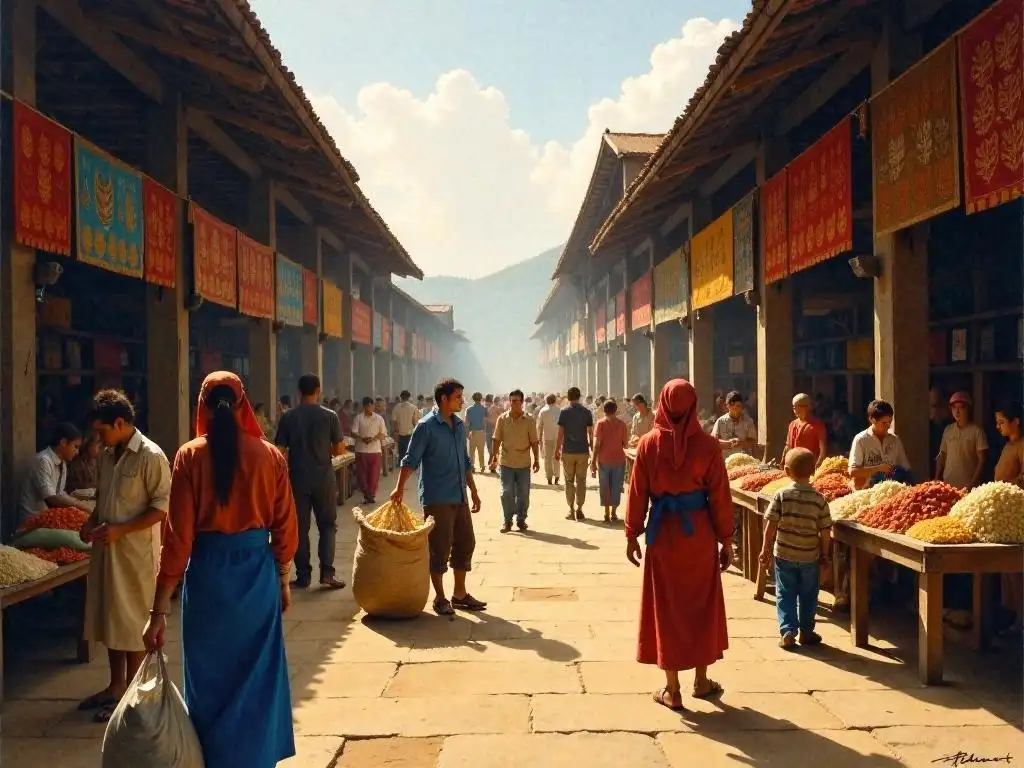
The link between agriculture and population growth during the Edo period is a central theme in understanding the era's urbanization. As agricultural productivity increased, so too did the population of urban areas, particularly Edo.
Population Dynamics During the Edo Period
Throughout the Edo period, Japan's population grew dramatically, from approximately 15 million in the early 1600s to around 30 million by the late 1800s. This population boom was largely driven by improved agricultural practices that ensured a stable food supply. The ability to sustain a larger population fostered the growth of cities, as people migrated from rural areas in search of better opportunities.
Moreover, improved public health measures and a decrease in famine occurrences, thanks to advancements in agriculture, contributed to increased life expectancy. This demographic shift had profound implications on social structures, labor markets, and the overall economy of Edo.
How Agricultural Surplus Supported Urban Expansion
The agricultural surplus generated during the Edo period was a critical factor in supporting urban expansion. As farmers produced more than they needed for subsistence, they began to sell their excess crops in local markets. This surplus not only provided food for the urban population but also generated income for rural families.
The economic prosperity derived from agriculture facilitated investments in urban infrastructure, including roads, markets, and housing. Consequently, urban areas expanded, accommodating an influx of people drawn by the promise of work and commerce. The resultant growth of Edo's population and economy exemplifies the symbiotic relationship between agriculture and urban development during this transformative period.
The Migration of Farmers to Urban Areas
As cities like Edo flourished, many farmers began migrating to urban areas, seeking better economic opportunities. The allure of higher wages in urban centers, coupled with the promise of a more diverse lifestyle, attracted a significant number of rural inhabitants. This migration was not merely a movement of people but a transformation of social dynamics as well.
The influx of farmers into urban environments contributed to a labor force that was essential for the burgeoning industries and services that characterized Edo's economy. As these former farmers adapted to urban life, they brought with them agricultural knowledge and practices that further enriched the urban economy. This continuous cycle of migration and urbanization was a defining feature of the Edo period, illustrating how deeply intertwined agriculture was with the growth of urban centers.
Trade and the Agricultural Economy of Edo
The Edo period (1603-1868) was a time of significant transformation in Japan, marked by a flourishing agricultural economy that played a critical role in the growth of urban centers like Edo (modern-day Tokyo). The agricultural sector not only provided sustenance for the population but also fueled trade, leading to the rise of market towns and a complex distribution network. This interconnectedness between agriculture and trade laid the foundation for Edo's economic prosperity and urban expansion.
The Role of Market Towns in Agricultural Trade
Market towns emerged as vital hubs of commerce during the Edo period, facilitating the exchange of agricultural products between rural producers and urban consumers. These towns acted as nodes where farmers could bring their surplus crops to sell, while city dwellers could purchase fresh produce. Notable market towns included places like Kōfu and Saitama, which specialized in various agricultural goods such as rice, vegetables, and fruits.
The organization of these markets was often seasonal, aligning with harvest cycles, and they became social gathering places for communities. Farmers not only sold their goods but also exchanged information about agricultural practices and market trends, fostering a sense of community and collaboration. The growth of these market towns contributed significantly to the overall economic landscape of Edo, as they provided essential goods and services that supported the burgeoning urban population.
Transportation and Distribution of Agricultural Products
Transportation networks developed alongside agricultural trade, enabling the efficient movement of goods between rural areas and urban centers. Rivers, roads, and canals formed the backbone of this distribution system, allowing for the transport of heavy loads like rice, which was a staple in the Edo diet and economy. The use of boats on rivers and canals significantly reduced the time and labor required to move products.
Additionally, the establishment of the "Tokaido" route, which connected Edo to Kyoto and other regions, was crucial in facilitating the transport of agricultural products. This route allowed for faster trade between regions and contributed to the standardization of prices and availability of goods in Edo. The reliable distribution of agricultural products helped stabilize the economy and ensured that the urban population had access to essential foods year-round.
The Impact of Trade on Edo's Economic Landscape
Trade during the Edo period transformed the economic landscape of Edo from a feudal center into a vibrant urban metropolis. The flourishing agricultural economy provided the necessary resources to support a growing population, which, in turn, stimulated demand for various goods and services. The increase in trade facilitated the rise of merchant classes, who became influential players in the economy and contributed to the development of a market-oriented society.
The accumulation of wealth through trade led to the emergence of a consumer culture, where urban residents sought various agricultural products and luxuries. This shift not only influenced the economic dynamics of Edo but also encouraged innovations in agricultural techniques and practices, further enhancing productivity. The result was a self-reinforcing cycle where trade and agriculture mutually benefited, paving the way for Edo's economic prosperity.
Agriculture in Edo was not only an economic driver but also deeply intertwined with the social and cultural fabric of society. As farming practices evolved, they shaped community identities, traditions, and social hierarchies. The importance of agriculture was celebrated through numerous cultural expressions, reinforcing its significance in the lives of Edo's inhabitants.
The Development of Agricultural Societies and Associations
As agricultural practices became more sophisticated, farmers began to organize themselves into societies and associations. These groups provided mutual support, shared knowledge, and coordinated efforts to improve crop yields and farming techniques. The formation of these associations highlighted the importance of collective action in addressing common challenges, such as pest control and market access.
These agricultural societies also facilitated the exchange of traditional knowledge, ensuring that best practices were passed down through generations. They played a crucial role in educating younger farmers about innovations in agriculture, contributing to the overall improvement of farming methods and productivity within Edo.
Festivals and Cultural Practices Celebrating Agriculture
Agricultural festivals were an integral part of Edo's cultural landscape, celebrating the bounty of the harvest and honoring the deities believed to protect crops. Events such as the "Niinamesai," a harvest festival, involved rituals where offerings of rice and other agricultural products were made to express gratitude for the harvest.
These festivals served not only as a means of celebrating agricultural success but also as a way to strengthen community bonds. They brought together people from various backgrounds, fostering a sense of unity and shared identity. The cultural practices surrounding these celebrations illustrated the deep reverence for agriculture and its central role in the lives of Edo's residents.
The Influence of Agriculture on Edo's Class Structure
The agricultural economy significantly influenced the class structure of Edo society. The samurai class, traditionally seen as the ruling elite, relied heavily on the agricultural output of the peasantry to sustain their status. This relationship created a complex social hierarchy where the wealth generated from agriculture not only sustained the samurai but also allowed for the rise of a prosperous merchant class.
As trade flourished, the merchant class gained wealth and influence, often challenging the traditional power dynamics. This shift led to a more fluid class structure, where economic success could elevate individuals beyond their birth status. The interdependence of agriculture and trade contributed to a more dynamic social landscape, reflecting the changing values and aspirations of Edo's inhabitants.
Challenges Facing Edo Period Agriculture
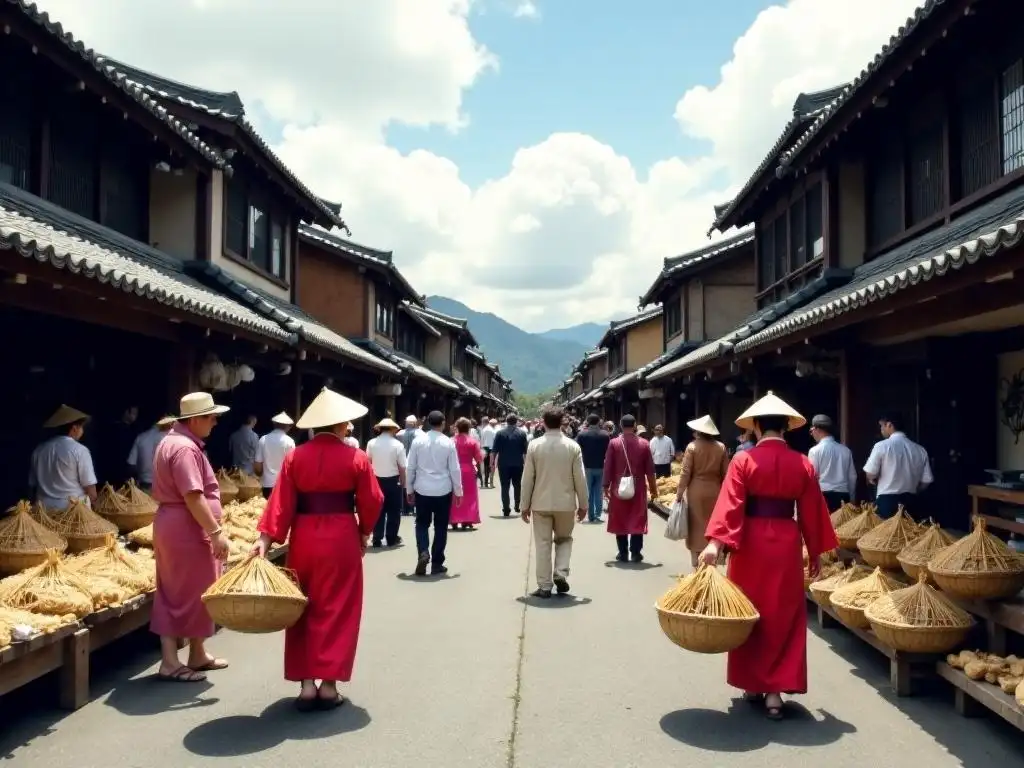
The Edo period, spanning from 1603 to 1868, was marked by significant agricultural advancements, yet it was not without its challenges. Understanding these obstacles is crucial to comprehending the intricate relationship between agriculture and urban growth in Edo. The challenges included natural disasters, policy changes imposed by the Tokugawa shogunate, and economic disparities related to land ownership. Each of these factors played a pivotal role in shaping agricultural practices and, consequently, the socio-economic landscape of Edo.
Natural Disasters and Their Impact on Crop Yield
Natural disasters were a constant threat to agricultural stability during the Edo period. Japan's geographical location made it susceptible to various calamities, including earthquakes, typhoons, and floods. Such events could devastate harvests, leading to food shortages and economic instability. For instance, the great Ansei earthquake of 1855 caused extensive damage to rice paddies in the Kanto region, severely affecting food supply chains.
Additionally, seasonal variations and irregular rainfall patterns could also disrupt farming schedules. Farmers frequently faced the threat of droughts or excessive rain, which compromised their crop yield. These natural disasters not only impacted the immediate agricultural output but also had ripple effects on urban populations reliant on consistent food supplies, further emphasizing the critical relationship between agriculture and urban growth in Edo.
The Effects of Policy Changes on Agricultural Practices
The Tokugawa shogunate implemented various policies that significantly influenced agricultural practices during the Edo period. The shogunate's focus on stability and economic control often led to strict regulations regarding land use and farming techniques. For example, the promotion of specific crops, particularly rice, was enforced to ensure a stable food supply and tax revenue for the government.
However, these policies were not without consequences. The emphasis on rice cultivation often resulted in the neglect of other potentially profitable crops. Furthermore, the shogunate's heavy taxation on agricultural production could discourage farmers from adopting innovative practices or investing in improvements, leading to a stagnation in agricultural productivity over time. These policy shifts ultimately shaped the economic framework of Edo, influencing the city’s growth and the livelihoods of its inhabitants.
Economic Inequality and Land Ownership Issues
Economic inequality was a pervasive issue in Edo period agriculture, primarily driven by land ownership disparities. The feudal system allowed samurai and wealthy landowners to control vast swathes of farmland, while peasant farmers often worked under oppressive conditions. Many farmers were burdened with high rents and taxes, limiting their ability to improve their own agricultural practices or invest in their land.
This inequity not only affected agricultural productivity but also contributed to social unrest. Poor farmers faced food insecurity, leading to periodic uprisings and protests against their landlords. The concentration of land in the hands of a few exacerbated the economic divide, creating a cycle of poverty that stifled the potential for collective agricultural advancement. Consequently, these economic challenges played a significant role in shaping the urban landscape of Edo as the city grew, with many peasants migrating to urban areas in search of better opportunities.
Conclusion: Lasting Legacy of Edo Period Agriculture
The Edo period’s agricultural practices laid foundational structures for Japan’s future economic landscape. Despite the challenges faced, the agricultural sector played an instrumental role in supporting urban growth and shaping societal dynamics within Edo.
Summary of Agriculture's Role in Urban Growth
Agriculture was the backbone of Edo's economy, providing not only sustenance but also a means of trade that fueled urbanization. The surplus production of rice and other crops enabled the burgeoning population of Edo to thrive. The establishment of markets and trade routes allowed for the exchange of goods, thus stimulating economic activity and attracting people to the city.
As agricultural practices evolved and adapted to the challenges of the time, they contributed to a vibrant urban culture that was characterized by commerce, innovation, and community resilience. This transformation from a primarily agrarian society to a bustling urban center exemplifies the profound impact of agriculture on the development of Edo.
Reflections on the Long-Term Impact of Edo Agriculture on Japan
The legacy of Edo period agriculture extends far beyond its immediate economic contributions. The practices and policies established during this era laid the groundwork for Japan’s modernization and industrialization in the late 19th century. The emphasis on rice cultivation not only influenced dietary habits but also shaped cultural perceptions of agriculture as a vital component of Japanese identity.
Moreover, the lessons learned from the challenges of the Edo period, such as the need for agricultural diversification and better land management, continue to resonate in contemporary agricultural practices in Japan. The resilience demonstrated by farmers during this time highlights the importance of adaptability and innovation in overcoming obstacles, a principle that remains relevant in today's agricultural discourse. Thus, the Edo period serves as a pivotal chapter in the narrative of Japanese agriculture, with lasting implications for the nation’s economic and cultural evolution.
Further Reading on Edo Period Agriculture and Urbanization
To gain a deeper understanding of the intricate relationship between agriculture and urban growth during the Edo period, several resources are available that delve into various aspects of this transformative era in Japanese history. Below are some recommended books and articles, along with historical sites that provide context and insights into Edo agriculture and urbanization.
Recommended Books and Articles
-
"Edo and the Japanese Experience: The Emergence of Modern Japan" by John W. Hall
This book explores the socio-economic changes during the Edo period, highlighting how agricultural practices influenced urban development. Hall provides a comprehensive overview of the period's economic structures, including land use and agricultural innovations.
-
"The Making of Modern Japan" by Joshua A. Fogel
Fogel's work examines the evolution of Japan from the Edo period to the modern era, with a focus on how agricultural productivity fueled urbanization. The book offers insights into agricultural policies and their sociopolitical ramifications.
-
"Agriculture in Japan: A Historical Perspective" by Yoko Yamaguchi
This article provides a detailed analysis of the agricultural systems in place during the Edo period, discussing rice cultivation's pivotal role in the urban economy. Yamaguchi emphasizes the connection between agrarian practices and urban growth.
-
"Urbanization and Social Change in Japan: The Edo Period" by Eric J. Hobsbawm
Hobsbawm explores the dynamics of urbanization in Edo, emphasizing the agricultural sector's contribution to the urban economy. The article discusses the migration patterns driven by agricultural surplus.
-
"Edo Society: A Social History of Japan, 1600-1868" by J. Thomas Rimer
This book provides a social history that interweaves agriculture and urbanization, detailing how agrarian wealth led to the rise of urban centers and the transformation of societal structures.
Historical Sites Related to Edo Agriculture and Urban Growth
-
Nihonbashi, Tokyo
Once the center of commerce during the Edo period, Nihonbashi served as a vital market hub where agricultural products were traded. The area reflects how agricultural surplus stimulated urban economic activities.
-
The Edo-Tokyo Museum
Located in Tokyo, this museum showcases the history of Edo and its transition to modern Tokyo. Exhibits highlight agricultural practices and their impacts on urban development, offering artifacts and visual displays from the Edo period.
-
Kōrin-ji Temple
Situated in the outskirts of Edo, Kōrin-ji features traditional agricultural landscapes. The temple area exemplifies how agriculture coexisted with urban growth, providing a historical context for the agricultural practices of the time.
-
The Imperial Palace East Gardens
Once part of the Edo Castle grounds, these gardens provide insight into the landscaping and agricultural practices that were integral to the Edo period's urban environment. They symbolize the blend of nature and urbanization during this era.
-
Ota Memorial Museum of Art
This museum focuses on ukiyo-e (woodblock prints) that often depicted rural and urban landscapes of the Edo period, illustrating the relationship between agriculture and the urban lifestyle during this transformative time.
These resources and sites offer valuable perspectives on the importance of agriculture in shaping the urban landscape of Edo, allowing for a comprehensive understanding of this critical period in Japan's history.
- Introduction to Edo Period Agriculture Impact
- The Foundation of Edo's Economy: Agricultural Practices
- Agricultural Innovations and Their Effects on Urban Growth
- The Relationship Between Agriculture and Edo's Population Growth
- Trade and the Agricultural Economy of Edo
- Social and Cultural Implications of Agriculture in Edo
- Challenges Facing Edo Period Agriculture
- Conclusion: Lasting Legacy of Edo Period Agriculture
- Further Reading on Edo Period Agriculture and Urbanization
- What was the Edo period known for regarding agriculture?
- How did agriculture influence urban growth during the Edo period?
- What role did rice play in Edo period agriculture?
- Were there any significant agricultural innovations during the Edo period?
- How did the societal structure affect agriculture in Edo Japan?
Frequently Asked Questions
What was the Edo period known for regarding agriculture?
The Edo period (1603-1868) was a time of agricultural innovation in Japan, marked by increased rice production and the development of new farming techniques that significantly boosted food supply.
How did agriculture influence urban growth during the Edo period?
Agriculture provided the economic foundation for urban growth, as increased food production supported larger populations in cities, allowing for the rise of commerce and culture.
What role did rice play in Edo period agriculture?
Rice was the staple crop of the Edo period, serving not only as a primary food source but also as a measure of wealth and a basis for the taxation system.
Were there any significant agricultural innovations during the Edo period?
Yes, the Edo period saw the introduction of new farming techniques, including crop rotation and improved irrigation, which enhanced productivity and sustainability in agriculture.
How did the societal structure affect agriculture in Edo Japan?
The feudal system in Edo Japan meant that samurai and landowners controlled agricultural production, which influenced land use and the distribution of resources, ultimately shaping the economy and society.
Final Reflection: The Lasting Impact of Edo Period Agriculture on Urban Growth
The role of agriculture during the Edo period was not merely a backdrop to urban development; it was a driving force that shaped the very fabric of society. Today, as we navigate the complexities of urbanization and sustainability, the lessons from Edo's agricultural practices resonate more than ever. The intricate balance between farming and urban growth during this era serves as a powerful reminder of how foundational agriculture is to societal prosperity and stability.
Edo period agriculture laid the groundwork for a thriving urban landscape, influencing not only economic structures but also social dynamics. The innovations in farming techniques and the establishment of a robust market system fostered a sense of community and interdependence among the people. As we reflect on this historical context, we can draw parallels to our current challenges in food security and urban planning. Agriculture is the foundation of civilization and any stable economy.
This quote encapsulates the essence of how vital agricultural practices were in Edo and how they continue to inform our understanding of urban growth today.
As we look to the future, let us take a moment to reflect on our own relationship with agriculture and urban development. Consider how the principles of sustainability and community engagement that were evident in Edo can inspire our actions today. Whether through supporting local farmers, advocating for sustainable practices, or simply appreciating the food we consume, we can all contribute to a more harmonious relationship between agriculture and urban life. Embrace the lessons of the past as we cultivate a future where both can thrive together.
Elevate Your Understanding and Engage with Edo's Rich Agricultural Legacy!
Thank you for exploring the fascinating story of Edo's agricultural influences on urban growth! Your curiosity plays a crucial role in uncovering the rich tapestry of history. Now that you’ve gained insights into this dynamic relationship, it’s time to take action and further investigate the impact of agriculture in shaping societies.
Here are some exciting actions you can take:
- Join a local farming or history group to connect with others who share your interest in agriculture and urban development.
- Share this article with friends or on social media to spark discussions about how agricultural histories shape modern cities.
- Explore related historical resources or documentaries that delve deeper into Edo’s agricultural practices and their lasting legacy.
How do you think the principles of Edo's agricultural development can be applied to modern urban growth and sustainability today?