
Feudal Japan's Isolationism: A DoubleEdged Sword for Economic Growth


Welcome to Feudal Japan History, where we invite you to embark on a fascinating journey through the intricate tapestry of Japan’s feudal era. In our featured article, “Feudal Japan's Isolationism: A Double-Edged Sword for Economic Growth,” we delve deep into the concept of economic isolationism—a pivotal yet often misunderstood aspect of Japan's past. Discover how this strategy shaped the nation’s trade dynamics, influenced societal norms, and set the stage for both prosperity and challenges.
Prepare to explore the layers of history that reveal why isolationism was both a shield and a shackle for Japan’s economic evolution. Your adventure into the heart of feudal Japan awaits!
- Introduction to Feudal Japan's Economic Isolationism
- The Origins of Economic Isolationism in Feudal Japan
- The Impact of Isolationism on Japan's Economy
- Cultural and Societal Implications of Economic Isolationism
- Comparative Analysis: Economic Isolationism vs. Open Trade
- Case Studies of Economic Isolationism in Feudal Japan
- The Dual Nature of Feudal Japan's Isolationism
- Conclusion: The Legacy of Feudal Japan's Economic Isolationism
- Frequently Asked Questions
- Final Reflection: The Lasting Legacy of Feudal Japan's Economic Isolationism
- Unveil New Perspectives on Feudal Japan's Economic Isolation!
Introduction to Feudal Japan's Economic Isolationism
The concept of Feudal Japan's economic isolationism represents a pivotal chapter in Japan's history, where the nation deliberately limited its foreign interactions to foster internal stability and control. This isolationist policy, particularly prominent during the Edo period (1603-1868), shaped not only Japan's economic landscape but also its cultural and social dynamics. Understanding this duality—a double-edged sword—is essential for comprehending how such policies influenced the nation's growth and its eventual emergence on the global stage. This article delves into the intricacies of Japan's economic isolationism, examining its definition, historical context, and the long-term effects on Japan's economy and society.
Definition of Feudal Japan Economic Isolationism
Feudal Japan's economic isolationism refers to the strategic measures taken by the Tokugawa shogunate to restrict foreign trade and influence, aiming to maintain sovereignty and internal order. This approach manifested primarily through the Sakoku policy, which literally translates to "locked country." Key features of this policy included:
- Limited Foreign Trade:
- Only specific ports, such as Nagasaki, were open to foreign merchants.
- Trade was primarily conducted with the Dutch and Chinese, as they were deemed less threatening.
- Restriction on Foreign Influence:
- The influx of foreign ideas, particularly Christianity, was curtailed to preserve traditional Japanese values and Shinto beliefs.
- Internal Economic Focus:
- Encouragement of domestic industries and agriculture to sustain the economy without reliance on foreign goods.
This isolationist stance, while shielding Japan from external pressures, also laid the groundwork for a unique economic environment that would evolve over the centuries.
Historical Context of Isolationism in Japan
To fully grasp the impact of isolationism on Feudal Japan's economy, it is crucial to explore the historical backdrop leading to these policies. The rise of the Tokugawa shogunate was marked by:
- Civil Wars and Instability:
- The late 16th century was characterized by the Sengoku period, a time of constant warfare among feudal lords, leading to social instability and economic disruption.
- Desire for Control:
- The Tokugawa shogunate sought to establish a centralized government, unifying the country under a strict feudal hierarchy. Isolationism was seen as a means to eliminate foreign influences that could destabilize this new order.
- Cultural Flourishing Amidst Isolation:
- While the country closed its doors to the outside world, Japan experienced a cultural renaissance. The arts, literature, and traditional crafts thrived, leading to a distinctive Japanese identity.
The historical context of isolationism provides a deeper understanding of how these policies not only aimed to protect the nation but also influenced its economic development, ultimately creating both opportunities and challenges that would resonate throughout Japan's history.
The Origins of Economic Isolationism in Feudal Japan
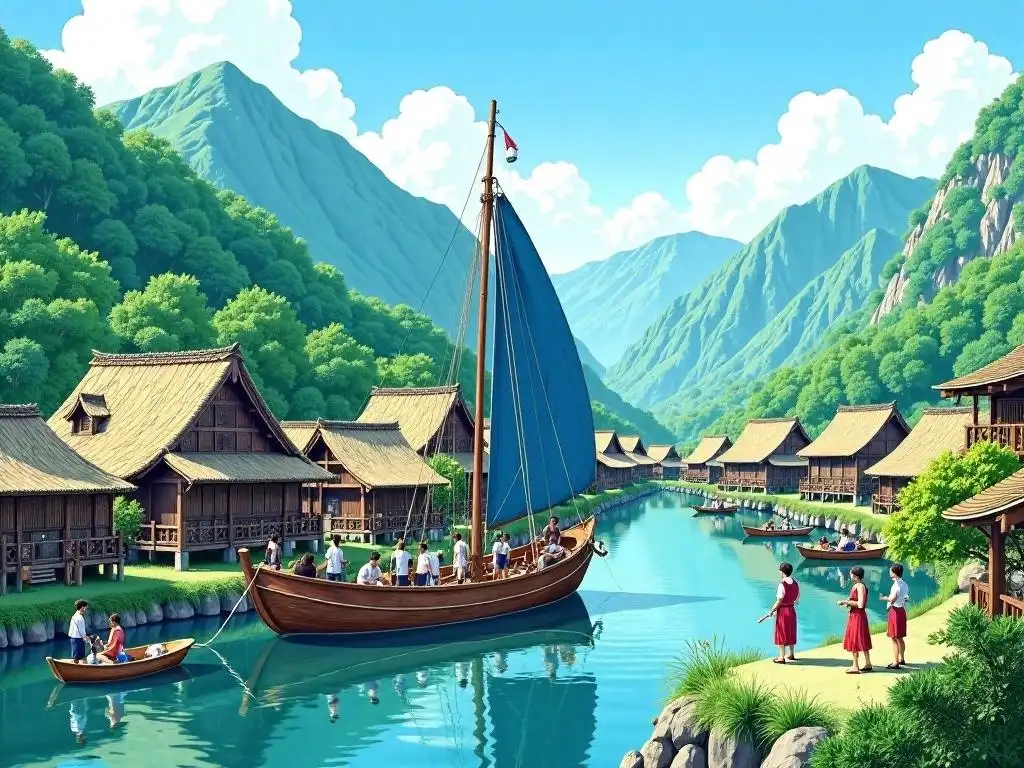
The origins of economic isolationism in Feudal Japan can be traced back to a complex interplay of political, social, and cultural factors that shaped the nation from the early 17th century onwards. This period, marked by the establishment of the Tokugawa Shogunate, laid the groundwork for a series of policies aimed at limiting foreign influence and fostering a self-sufficient economy.
The Rise of the Tokugawa Shogunate
The Tokugawa Shogunate, which began in 1603, emerged after a long period of civil strife known as the Sengoku period. This era of intense warfare led to the consolidation of power under Tokugawa Ieyasu, who sought to bring stability to Japan. Recognizing that external influences could destabilize his regime, Ieyasu and his successors implemented measures that would ultimately lead to economic isolationism.
- Political Stability and Control: The Tokugawa Shogunate established a highly centralized feudal system, where regional daimyō (feudal lords) were controlled through a strict hierarchy and a system of alternate attendance (sankin-kōtai). This system ensured loyalty and reduced the risk of rebellion, but it also facilitated the enforcement of isolationist policies.
- Religious Influence: The spread of Christianity, introduced by European missionaries, was viewed as a threat to the traditional Japanese way of life and the authority of the Shogunate. As the number of converts grew, so did fears of foreign intervention. Consequently, the Tokugawa regime took drastic measures to suppress Christianity, leading to the expulsion of missionaries and the persecution of converts.
- Cultural Homogeneity: The Shogunate promoted a sense of Japanese identity and culture that was distinctly separate from foreign influences. This cultural push not only reinforced the isolationist stance but also fostered a thriving domestic economy that relied on traditional Japanese arts, crafts, and agricultural practices.
Key Policies: Sakoku Edicts and Their Implications
The culmination of the Tokugawa Shogunate’s efforts to isolate Japan from the outside world was the implementation of the Sakoku edicts, a series of laws that formally codified the country's isolationist stance. These edicts had profound implications for Japan's economic development.
- Sakoku Edicts Overview: Initiated in 1635, the Sakoku edicts restricted foreign trade and prohibited Japanese citizens from traveling abroad. Only a limited number of foreign traders, specifically the Dutch and Chinese, were allowed to conduct business in specific ports like Nagasaki.
- Trade Restrictions: The edicts specifically limited trade to designated areas, significantly reducing the diversity of goods available to the Japanese populace and curtailing the influx of foreign ideas and technologies.
- Foreign Relations: The policies established a clear hierarchy of foreign relations, favoring a minimalistic approach that prioritized stability over economic expansion.
- Economic Implications: While the Sakoku edicts aimed to protect Japan’s sovereignty, they had mixed effects on the economy. On one hand, they allowed for the development of a robust domestic market and the flourishing of local industries. On the other hand, the limitations on trade stifled innovation and technological advancement.
- Self-Sufficiency: The isolationist policies encouraged local production and self-sufficiency, leading to advancements in agriculture, textiles, and crafts. This focus on local industries helped to sustain the economy during the centuries of isolation.
- Stagnation and Decline: Over time, the lack of exposure to international markets and ideas led to economic stagnation. By the mid-19th century, Japan's isolationist policies left it ill-prepared to engage with the rapidly industrializing world, ultimately contributing to its vulnerability to foreign pressures.
The origins of economic isolationism in Feudal Japan were deeply rooted in the political and cultural landscape established by the Tokugawa Shogunate. The Sakoku edicts, while fostering a unique Japanese identity and self-sufficient economy, also set the stage for challenges that would emerge as the world evolved around them.
The Impact of Isolationism on Japan's Economy

Short-term Economic Effects of Feudal Japan's Isolationism
Feudal Japan's isolationism, particularly during the Edo period (1603-1868), had immediate and profound impacts on the economy. The policy of sakoku, or "closed country," was implemented by the Tokugawa shogunate, limiting foreign influence and trade. This had several short-term economic effects:
- Trade Limitations:
- Foreign trade was restricted primarily to the Dutch and Chinese at Nagasaki. This restriction limited the variety of goods available in Japan, leading to a reliance on domestic production and local resources.
- Self-Sufficiency:
- The isolationist approach fostered a sense of self-sufficiency among Japanese provinces. Local artisans and farmers became the backbone of the economy, as the need for imported goods diminished. This shift encouraged the development of unique Japanese crafts, such as textiles, ceramics, and metalwork.
- Market Stability:
- With limited external competition, domestic markets enjoyed certain stability. Prices for goods were regulated, and there was less fluctuation caused by foreign market trends. This stability allowed for gradual economic growth in local economies.
- Urban Growth:
- Isolationism spurred urbanization, particularly in castle towns (jokamachi). As trade routes became safer and more predictable, these towns grew into vibrant commercial centers. By the late Edo period, cities such as Edo (Tokyo), Osaka, and Kyoto thrived, showcasing a flourishing merchant class.
- Cultural Flourishing:
- The economic stability allowed for a burgeoning of culture and arts. With more resources allocated to education and the arts, Japan saw the rise of Ukiyo-e (woodblock prints), Kabuki theater, and literature. This cultural investment further enriched the economy by attracting domestic tourism and creating new markets for cultural products.
Long-term Economic Consequences of Isolationist Policies
While the short-term effects of feudal Japan's economic isolationism were generally positive, the long-term consequences began to reveal significant challenges that ultimately shaped Japan's future.
- Technological Stagnation:
- The strict isolation limited Japan’s exposure to technological advancements. As Western nations progressed through the Industrial Revolution, Japan remained largely agrarian and feudal. This lack of technological innovation would later hinder Japan's ability to compete globally when isolationism ended.
- Economic Inequality:
- The isolationist policies reinforced the class structure of feudal Japan, often leading to economic disparities. The samurai class maintained privileges and wealth, while peasant farmers faced heavy taxation and little opportunity for socioeconomic mobility. This inequality sowed seeds of discontent that would later manifest in social upheaval.
- Dependence on Agriculture:
- The focus on self-sufficiency led to an economy heavily reliant on agriculture. While this ensured food security, it also made Japan vulnerable to natural disasters such as famines and earthquakes, which could devastate local economies.
- Delayed Industrialization:
- Japan's late entry into global markets meant that when the country eventually opened up in the mid-19th century, it faced significant challenges in catching up with industrialized nations. The Meiji Restoration (1868) aimed at rapid modernization, but the initial lack of infrastructure and industrial base posed serious hurdles.
- Cultural Isolation:
- The cultural isolation fostered by sakoku resulted in a unique Japanese identity but also created a reluctance to adopt foreign ideas and practices. This cultural insularity would later impact Japan’s ability to adapt to global changes in economy and society.
While feudal Japan's economic isolationism provided immediate benefits by fostering local industries and urban growth, it ultimately led to technological stagnation, economic inequality, and a delayed response to global economic transformations. Understanding these dynamics is crucial to comprehending the complexities of Japan's economic history during the feudal era.
Cultural and Societal Implications of Economic Isolationism
Preservation of Japanese Culture During Isolationism
During the period of economic isolationism, particularly under the Tokugawa shogunate (1603-1868), Japan experienced a remarkable preservation and flourishing of its unique culture. This isolationist stance, formally known as Sakoku, restricted foreign influence and limited trade primarily to the Dutch and Chinese through designated ports like Nagasaki. As a result, Japanese society turned inward, allowing traditional customs and practices to solidify without external interference.
- Art and Literature: The isolationist policies led to the emergence of distinct art forms such as Ukiyo-e (woodblock prints) and Kabuki theater. The focus on local themes and narratives fostered a rich tapestry of artistic expression that reflected the Japanese ethos. Renowned artists like Hokusai and Hiroshige became prominent during this era, their works encapsulating the beauty of Japanese landscapes and daily life.
- Philosophy and Religion: With limited foreign philosophical influence, indigenous belief systems such as Shinto and Buddhism thrived. Confucianism gained prominence as the ruling ideology, emphasizing social harmony and hierarchical relationships. This focus on domestic values fostered a sense of national identity, which played a crucial role in shaping Japan's societal norms.
- Education and Knowledge: The isolation led to the establishment of educational institutions focused on classical studies, fostering intellectual growth within the nation. The Terakoya (temple schools) became crucial in educating the common people, ensuring that literacy and knowledge were not confined to the elite. This grassroots education system contributed to a relatively informed populace.
Overall, the cultural preservation during Japan's economic isolationism laid the groundwork for the unique identity that would define Japan in the centuries to follow. The emphasis on local customs, art, and philosophy created a cohesive societal fabric that would resist foreign encroachment.
The Role of Trade and Commerce in a Closed Economy
While the term "economic isolationism" often conjures images of stagnation or decline, the reality of Japan's closed economy during the Tokugawa period reveals a more nuanced picture. The limited trade that did occur was carefully regulated, but it nevertheless had significant implications for commerce and society.
- Regulated Trade Practices: Japan's isolationist policies meant that trade was not entirely halted. The shogunate allowed limited foreign trade through specific ports, with strict regulations in place. The Dutch East India Company, for example, was one of the few entities permitted to trade with Japan. This controlled interaction enabled the shogunate to benefit economically while maintaining sovereignty over cultural and political matters.
- Domestic Production and Self-Sufficiency: In the absence of extensive foreign trade, Japan developed a strong sense of self-sufficiency. Agricultural advancements, such as improved rice cultivation techniques, helped sustain the population. Craft industries flourished, producing textiles, ceramics, and metalwork that were highly valued domestically. This focus on local production not only supported the economy but also reinforced the cultural identity through the promotion of traditional crafts.
- Urbanization and Economic Growth: The isolationist policies inadvertently spurred urbanization, as commerce thrived in designated cities like Edo (now Tokyo) and Osaka. These urban centers became bustling hubs of trade and culture, where merchants and artisans interacted, leading to a burgeoning middle class. The rise of merchant guilds facilitated economic exchanges and established a vibrant marketplace, contributing to the overall economic growth of the nation.
- Economic Stratification: While the closed economy fostered local commerce, it also led to stratification within society. The merchant class, known as chōnin, gained wealth and influence, sometimes rivaling the traditional samurai class. This shift created tensions within the social hierarchy, as economic power began to challenge the established feudal order.
The economic isolationism of Feudal Japan played a dual role in shaping the nation's trade and commerce. While it limited foreign interaction, it also fostered a self-reliant economy that promoted local production, urban growth, and societal changes that would eventually influence Japan's transition into the modern era.
Comparative Analysis: Economic Isolationism vs. Open Trade
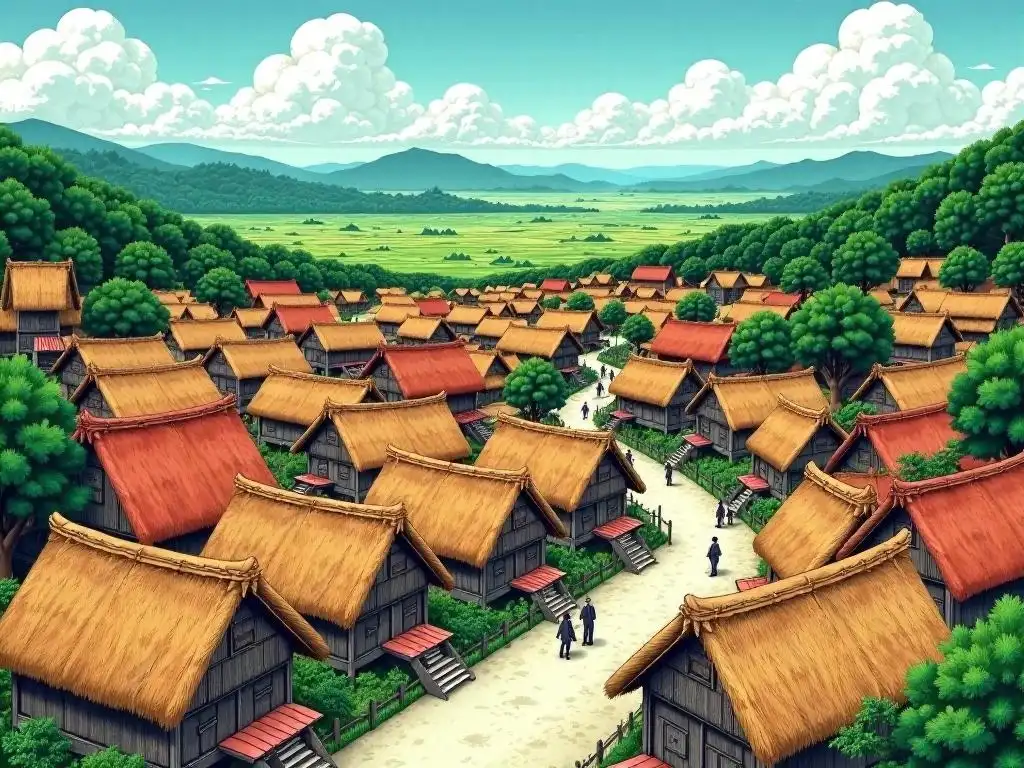
Benefits of Feudal Japan Economic Isolationism
Feudal Japan's economic isolationism, particularly during the Edo period (1603-1868), was characterized by several advantages that shaped the nation's economic landscape. This approach, primarily enforced through the Sakoku policy, had profound implications for the development of Japan's economy, culture, and society.
-
Stable Internal Economy
The isolationist policies allowed Japan to cultivate a self-sufficient economy. By limiting foreign trade, Japanese farmers and artisans were able to focus on local production. This stability led to increased agricultural output and the flourishing of domestic industries, such as textiles and ceramics.
-
Cultural Preservation
Economic isolationism facilitated the preservation of Japanese culture and traditions. With minimal foreign influence, local customs, arts, and social structures remained intact. This period saw the rise of unique art forms, such as ukiyo-e (woodblock prints) and Noh theater, which thrived without external competition.
-
Strengthening of Local Governance
The Tokugawa shogunate utilized isolationism to reinforce its control over the daimyo (feudal lords) and samurai class. By limiting external interactions, the shogunate could maintain a stricter oversight of its domains, reducing the likelihood of rebellion and promoting political stability.
-
Controlled Trade Relationships
While Japan isolated itself from most foreign nations, it did maintain controlled trade with select countries, notably the Dutch and the Chinese. This limited trade allowed for the influx of foreign goods and knowledge without the risk of colonization or significant cultural upheaval, fostering a unique blend of innovation and tradition.
Drawbacks of Economic Isolationism in Feudal Japan
Despite the advantages, the economic isolationism practiced in Feudal Japan also led to several significant drawbacks that ultimately affected the nation's long-term growth and development.
-
Technological Stagnation
One of the most critical consequences of isolationism was the stagnation of technological advancement. By closing its doors to foreign innovations, Japan fell behind in critical areas such as science, industry, and military technology. This became particularly evident in the 19th century when Western nations began to modernize rapidly.
-
Limited Economic Growth
The restrictions on trade stifled opportunities for economic expansion. Without access to international markets, Japanese merchants faced limited avenues for profit. Furthermore, the lack of competition hindered the development of more efficient production methods, keeping Japan's economy relatively stagnant compared to rapidly industrializing nations.
-
Dependence on a Few Trade Partners
Although Japan maintained trade with the Dutch and Chinese, this limited scope made the economy vulnerable to fluctuations in these specific markets. The reliance on a narrow range of foreign trade partners meant that any disruption in those relationships could have severe economic consequences.
-
Resistance to Change
The isolationist mindset fostered a resistance to change within Japanese society. This reluctance to embrace new ideas and practices culminated in a rigid social hierarchy that resisted reform. As the world began to modernize, Japan's inability to adapt quickly became a significant impediment to its development.
While Feudal Japan's economic isolationism provided stability and cultural preservation, it also introduced several challenges that would ultimately necessitate reevaluation and adaptation in the face of a changing global landscape. The dual nature of these policies highlights the complex interplay between isolation and growth in Japan's economic history.
Case Studies of Economic Isolationism in Feudal Japan

Analysis of Key Regions Affected by Isolationist Policies
Feudal Japan's economic isolationism, particularly during the Edo period (1603-1868), had profound effects on various regions across the archipelago. While the Tokugawa shogunate's policies aimed to maintain stability and control, they inadvertently shaped local economies in unique ways. The following regions serve as illustrative case studies of how isolationism influenced economic activities and societal structures.
- Edo (Tokyo)
- As the political center of Japan, Edo became a bustling hub for commerce despite strict isolationist policies. The city thrived on internal trade, with a well-developed transportation network facilitating the movement of goods.
- The Edo period saw the emergence of the merchant class (chōnin), who played a crucial role in the economy. They engaged in various activities, including:
- Rice trading: Edo was a major rice market, with merchants buying and selling rice to ensure food security.
- Artisan crafts: The city became known for its artisans, producing goods such as textiles, ceramics, and ukiyo-e (woodblock prints).
- Osaka
- Often referred to as the "Kitchen of Japan," Osaka was vital for food distribution. Its location near the Yodo River made it an ideal place for commerce, especially during periods of agricultural surplus.
- The city developed into a center for:
- Rice brokers, who managed rice exchange and pricing.
- Manufacturing: Local industries flourished, producing goods like soy sauce and sake that became staples of Japanese cuisine.
- Kamakura
- As a former political capital, Kamakura's economy was shaped by its historical significance and geographical advantages. Its coastal location allowed for limited trade with foreign nations, but it remained largely inward-focused.
- Economic activities included:
- Fishing and maritime trade: Local fishermen supported the economy by providing seafood, while some engaged in limited trade with nearby regions.
- Cultural tourism: Temples and historical sites attracted visitors, fostering a local economy based on hospitality and crafts.
Examples of Economic Activities Under Isolationism
The isolationist policies of feudal Japan created a unique economic landscape characterized by self-sufficiency and limited external influence. The following examples illustrate how various sectors adapted to these policies while still fostering economic growth.
- Agriculture
- Agriculture remained the backbone of the economy, with rice being the staple crop. The shogunate implemented a land taxation system that incentivized increased productivity.
- Farmers developed innovative techniques, such as:
- Crop rotation: This helped maintain soil fertility and increased yields.
- Irrigation systems: Advanced methods were employed to maximize arable land, ensuring food security.
- Handicrafts and Artisanal Production
- With limited foreign goods entering the market, local artisans flourished. Each region specialized in different crafts, contributing to a diverse economic tapestry.
- Examples include:
- Pottery in Arita: Known for its high-quality porcelain, which became a sought-after commodity.
- Textiles in Nishijin: Renowned for silk weaving, producing luxurious fabrics for the samurai class.
- Internal Trade Networks
- The isolationist policies fostered the development of extensive internal trade networks, connecting various regions and enabling the exchange of goods.
- Major routes included:
- The Tōkaidō road: Linking Edo to Kyoto, facilitating the movement of goods and people.
- Local markets: Towns organized regular markets where farmers and artisans could sell their products, promoting economic interaction.
- Cultural Exchange and Economic Growth
- Despite isolation, Japan experienced a rich cultural exchange within its borders. The arts flourished, with literature, theater, and visual arts being produced in abundance.
- This cultural vibrancy indirectly stimulated the economy by:
- Creating demand for art supplies and materials: Such as pigments, paper, and textiles.
- Encouraging tourism: As cultural events attracted visitors, benefiting local economies.
The case studies and examples demonstrate that while feudal Japan's economic isolationism limited foreign interaction, it also spurred innovation and development within the country. This duality underscores the complexity of isolationist policies and their impact on Japan's economic landscape during the feudal era.
The Dual Nature of Feudal Japan's Isolationism

Feudal Japan's isolationism, particularly during the Edo period (1603-1868), presents a fascinating duality that shaped both its economy and culture. While the policy aimed to limit foreign influence and maintain social order, it also had significant implications for economic growth, technology, and cultural identity.
The Dichotomy of Economic Growth and Cultural Preservation
Japan's isolationist policies, known as Sakoku, restricted international trade and foreign relations. However, this isolation had a paradoxical effect on the economy. On one hand, it allowed for the development of a unique cultural identity and preservation of traditional practices. On the other hand, it limited access to foreign goods, ideas, and technologies that could have spurred economic advancement.
- Cultural Flourishing:
- The isolation led to the rise of distinct Japanese art forms, literature, and theater, such as Ukiyo-e (woodblock prints) and Kabuki (theater).
- This cultural preservation contributed to a sense of national identity, which was crucial during a time when Japan was seeking to assert itself against external pressures.
- Economic Limitations:
- The stringent trade restrictions meant that Japan missed out on the industrial revolution that was sweeping through Europe and America in the 18th and early 19th centuries.
- A focus on self-sufficiency led to a stagnant economy, particularly in comparison to Western nations that were rapidly advancing through trade and technological innovation.
- Trade with the Dutch:
- Despite the isolation, Japan maintained limited trade with the Dutch at Dejima, a small island in Nagasaki Bay. This trade allowed Japan to acquire some Western knowledge and technology, albeit in a restricted and controlled manner.
- The Dutch also introduced new agricultural practices that helped improve domestic food production, which was essential for maintaining the population.
The tension between economic growth and cultural preservation highlights the complexities of feudal Japan's isolationism. While it safeguarded the nation from external influences, it simultaneously stunted economic progress in significant ways.
Lessons Learned from Feudal Japan's Economic Isolationism
The isolationist policies of feudal Japan provide valuable lessons for contemporary societies regarding the balance between cultural preservation and economic growth.
- Balancing Tradition and Progress:
- Cultural Identity: Japan's experience underscores the importance of maintaining cultural identity in the face of globalization. Societies must find ways to embrace modernity while preserving their unique traditions and values.
- Economic Adaptation: Innovations in technology and trade practices can coexist with cultural preservation. Countries can learn to adapt and integrate foreign influences without losing their heritage.
- Risk of Stagnation:
- The consequences of Japan's isolation illustrate the dangers of economic stagnation due to self-imposed limitations. Modern nations must be cautious of policies that might protect cultural values at the expense of economic development, especially in an increasingly interconnected world.
- Selective Engagement:
- Japan's selective engagement with the Dutch trade exemplifies how controlled interactions with foreign influences can yield benefits without complete abandonment of isolationist principles. This approach could be mirrored in modern economic policies, where countries selectively engage with global markets to foster growth while safeguarding their interests.
Feudal Japan's economic isolationism serves as a double-edged sword, offering insights into the delicate balance between safeguarding cultural heritage and promoting economic vitality. The lessons learned from this period can inform current economic policies and cultural strategies in an ever-evolving global landscape.
Conclusion: The Legacy of Feudal Japan's Economic Isolationism
The economic isolationism of Feudal Japan, particularly during the Edo period (1603-1868), left an indelible mark on the nation's history and development. This policy, enacted primarily under the Tokugawa shogunate, aimed to stabilize the country by limiting foreign influence and trade. While it achieved some immediate benefits, such as political stability and cultural cohesion, its long-term effects were complex and multifaceted, shaping the trajectory of Japan's economic history for centuries to come.
Reflection on the Historical Significance of Isolationism
Feudal Japan's economic isolationism can be understood as a double-edged sword. On one hand, it fostered a unique cultural identity and allowed domestic industries to flourish without foreign competition. The policies encouraged the growth of local crafts, agriculture, and trade within Japan, leading to a prosperous economy supported by a thriving merchant class. Cities like Edo (modern-day Tokyo) developed into bustling urban centers, characterized by a vibrant culture and a diverse economy.
Key aspects of this historical significance include:
- Cultural Preservation: Japan's isolationism preserved traditional arts, crafts, and social structures, which might have been diluted by foreign influences.
- Economic Self-Reliance: The emphasis on self-sufficiency led to innovations in agriculture and manufacturing, notably in textiles and ceramics.
- Social Stratification: While isolationism promoted internal stability, it also entrenched the class system, limiting social mobility and marginalizing certain groups.
However, this isolationist approach also had drawbacks. By shutting out foreign trade and ideas, Japan risked stagnation and missed opportunities for technological advancement. The lack of exposure to global economic trends ultimately contributed to challenges that would arise later, particularly during the Meiji Restoration when Japan sought to modernize rapidly.
Future Implications for Understanding Japan's Economic History
The legacy of Feudal Japan's economic isolationism continues to inform our understanding of Japan's economic evolution into the modern era. Analyzing this period reveals critical insights into how policies can shape not only national economies but also cultural identities.
Implications for future study include:
- Comparative Analysis: Examining Japan's isolationism alongside other nations that experienced similar policies can yield valuable lessons about the balance between protectionism and globalization.
- Technological Lag: Understanding the consequences of delayed technological adoption during the Edo period can provide context for Japan's rapid industrialization in the late 19th century and its implications for future economic policies.
- Cultural Resilience: The preservation of unique cultural practices during isolationism underscores the importance of cultural resilience in the face of external pressures, a lesson that remains relevant in today's globalized world.
Feudal Japan's economic isolationism serves as a crucial chapter in the narrative of Japan's history, illustrating the intricate interplay between economic policies, cultural identity, and societal structure. As scholars continue to explore this topic, the lessons learned from this era will be vital in understanding the complexities of Japan's economic landscape and its ongoing evolution in the face of global challenges.
Frequently Asked Questions
What is Feudal Japan economic isolationism?
Feudal Japan economic isolationism refers to the period when Japan deliberately limited foreign trade and cultural exchange, primarily during the Edo period (1603-1868), to maintain political stability and cultural integrity.
How did isolationism affect Japan’s economic growth?
While isolationism helped Japan develop a unique culture and social structure, it also stunted potential economic growth by restricting access to foreign markets and innovations, creating a double-edged sword effect.
What were the main policies that enforced isolationism in Feudal Japan?
The Sakoku Edicts, issued in the 17th century, established strict regulations on foreign trade, limiting it mainly to the Dutch and Chinese while banning Christianity and foreign influence, which solidified Japan's isolationist stance.
Did isolationism lead to any cultural advancements in Feudal Japan?
Yes, despite its economic drawbacks, isolationism fostered a rich cultural landscape, allowing unique art forms, literature, and philosophical thoughts to flourish within Japan, leading to a distinct Japanese identity.
How did Japan's isolationism ultimately end?
Japan's isolationism ended in the mid-19th century when Commodore Matthew Perry's arrival in 1853 forced Japan to open its ports to foreign trade, leading to the Meiji Restoration and significant political and economic changes.
Final Reflection: The Lasting Legacy of Feudal Japan's Economic Isolationism
Feudal Japan's economic isolationism serves as a poignant reminder of the delicate balance between protectionism and global engagement. In an era where interconnectedness is often hailed as the pathway to prosperity, the historical lessons from Japan's seclusion challenge us to reconsider the implications of isolationist policies. The dual nature of this strategy—both a shield against external threats and a barrier to innovation—continues to resonate in today's global economy, where nations grapple with the consequences of their trade decisions.
Cultural and social landscapes have been profoundly shaped by Japan's historical stance on isolationism. The period of sakoku not only influenced Japan's economic trajectory but also cultivated a unique cultural identity that still captivates the world. As we reflect on this, we recognize that isolation can foster a rich internal culture, yet it can also stifle growth and adaptability. In the midst of chaos, there is also opportunity.
This quote encapsulates the essence of Japan's experience, reminding us that even in isolation, there lies the potential for profound internal development.
As we move forward, I invite you to reflect on the lessons of Feudal Japan's economic isolationism and consider their relevance in your own life. How do you balance the need for self-protection with the opportunities that come from engaging with the world? Embrace the idea that while it is essential to safeguard what is dear to you, it is equally important to remain open to new ideas and collaborations. Let the story of Japan inspire you to navigate your own path with wisdom, courage, and a willingness to adapt.
Unveil New Perspectives on Feudal Japan's Economic Isolation!
Thank you for diving into the fascinating world of Feudal Japan's isolationism! You've explored how this unique period shaped economic growth and cultural development. Now, it’s time to put that knowledge into action.
Here are some ways you can deepen your understanding and share your insights:
- Explore more! Delve into various aspects of Feudal Japan's history by visiting our related articles section to broaden your perspective on this captivating era.
- Join the conversation! Share your thoughts with fellow enthusiasts in our online forum—let's discuss how isolationism has influenced modern perceptions of Japan.
- Surprise yourself! Conduct a small research project on a specific aspect of Japan's isolation and present your findings in a blog post or on social media to spark curiosity among your friends.
Which intriguing aspect of Feudal Japan's economy do you believe would captivate a wider audience if they were aware of it?