
The Tokugawa Shogunate and the Rise of Urban Economies: A Case Study of Edo


Welcome to Feudal Japan History, where we embark on a captivating journey through the intricate tapestry of Japan’s feudal era. Here, we delve deep into the historical, cultural, and societal nuances that shaped this fascinating period. In our featured article, we explore the Tokugawa Shogunate's urban economy, a pivotal topic that unveils the transformation of Edo into a bustling economic hub.
What drove this remarkable evolution, and how did it influence the lives of its inhabitants? Join us as we unravel these questions and invite you to discover the rich layers of Japan’s past—your adventure into the heart of feudal history begins now!
The Tokugawa Shogunate, which ruled Japan from 1603 to 1868, marked a significant turning point in the nation's history, particularly regarding its urban economy. This era was characterized by a unique blend of political stability, social hierarchy, and economic policies that collectively fostered the growth of urban centers, with Edo (modern-day Tokyo) emerging as the most prominent among them.
Understanding the dynamics of the Tokugawa Shogunate's governance and its economic strategies provides valuable insights into how urban economies evolved during this period. This article aims to explore the intricate relationship between the Tokugawa Shogunate and the rise of urban economies, focusing specifically on Edo as a case study.
Introduction to the Tokugawa Shogunate
Overview of the Tokugawa Period
The Tokugawa period, known as the Edo period, was a time of remarkable peace and stability in Japan, following centuries of civil war. This peace was achieved through a strict social order and the enforcement of the sakoku policy, which limited foreign influence and trade. The era saw significant advancements in culture, technology, and economy, laying the groundwork for the modern nation of Japan. The governance of the Tokugawa Shogunate was marked by a feudal system where the shogun held the highest power, supported by a network of daimyo (feudal lords) and samurai.
Key Features of Tokugawa Governance
The Tokugawa governance system was characterized by several key features:
- Centralized Authority: The shogunate centralized power in Edo, maintaining control over the daimyo through a system of alternate attendance ( sankin-kotai), which required them to spend every other year in the capital.
- Social Hierarchy: Society was structured into distinct classes: samurai, farmers, artisans, and merchants, each with defined roles and privileges.
- Economic Regulation: The shogunate implemented policies to regulate trade, agriculture, and the economy, which included rice as the main currency and the promotion of domestic industries.
These features not only ensured political stability but also created an environment conducive to urban economic growth.
The Urban Economy of Edo
Definition and Characteristics of Urban Economies
Urban economies refer to the economic activities and structures that develop in cities, characterized by trade, commerce, and diverse services. In the context of Edo, this urban economy was defined by:
- Commercialization: The rise of markets and merchant classes who played a crucial role in trade and distribution.
- Specialization: Artisans and craftsmen began to specialize in various trades, leading to increased production efficiency and innovation.
- Infrastructure Development: The growth of roads, waterways, and communication systems facilitated trade and movement within and outside the city.
These characteristics contributed to a vibrant urban life, transforming Edo into a bustling metropolis.
The Significance of Edo in Tokugawa Japan
Edo's significance during the Tokugawa Shogunate cannot be overstated. As the political and cultural heart of Japan, it:
- Became the Largest City: By the late 18th century, Edo was the largest city in the world, boasting a population of over one million residents.
- Cultural Hub: Edo was a center for arts and culture, fostering the development of ukiyo-e (woodblock prints) and kabuki theater, which reflected the urban lifestyle.
- Economic Powerhouse: The city's economy thrived due to its strategic location, serving as a vital trade hub that connected various regions of Japan.
The Tokugawa Shogunate's policies and Edo's urban economy were intricately linked, resulting in a period of unprecedented growth and transformation that shaped Japan's future.
Factors Contributing to the Rise of Edo's Urban Economy
The rise of Edo, now known as Tokyo, as a bustling urban economy during the Tokugawa Shogunate can be attributed to several interrelated factors. These elements not only fostered economic growth but also transformed Edo into one of the largest cities in the world during the early modern period. The convergence of agricultural advancements, robust trade networks, and significant demographic changes created a dynamic environment conducive to urban commercialization.
Agricultural Innovations and Their Impact on Urban Growth
Agricultural innovations played a pivotal role in the urbanization of Edo. The introduction of new farming techniques, such as the use of fertilizer and crop rotation, significantly increased agricultural productivity. Improved rice cultivation methods, particularly in the Kanto region surrounding Edo, allowed for surplus production. This surplus was crucial as it provided the necessary food supply to support a growing urban population.
Additionally, the establishment of irrigation systems and the cultivation of diverse crops contributed to food security. As food became more readily available, rural populations migrated to urban centers in search of better opportunities, further fueling Edo’s growth. This agricultural prosperity not only supported the city’s population but also created a thriving market for goods, laying the groundwork for an urban economy.
Trade Networks and Economic Exchange in Edo
Edo's economic landscape was profoundly influenced by its extensive trade networks. The Tokugawa Shogunate implemented policies that encouraged both domestic and international trade, facilitating the flow of goods into the city. Key trade routes connected Edo with major regions across Japan, such as the Kansai area, allowing for the exchange of rice, textiles, and other commodities.
The establishment of the "Five Highways" (Gokaido) enhanced transportation and communication, enabling merchants to efficiently move goods. The rise of merchant classes, particularly the "Chonin," who specialized in trade, contributed significantly to the urban economy. As they gained wealth and influence, these merchants became instrumental in the development of Edo’s commerce, fostering a culture of entrepreneurship and economic innovation through the establishment of markets and commercial districts.
Population Growth and Demographic Changes in Edo
Edo experienced remarkable population growth during the Tokugawa period, with estimates suggesting that the city’s population swelled to over a million by the early 18th century. This demographic shift was driven by a combination of agricultural advancements and the opportunities created by the vibrant urban economy.
The influx of people from rural areas seeking employment in commerce, crafts, and services contributed to the city's diverse social fabric. The increase in population not only expanded the labor market but also stimulated demand for goods and services, further enhancing economic activity. The urban population was characterized by a mix of social classes, including samurai, merchants, and artisans, creating a complex and dynamic social structure that underpinned Edo's economic vitality.
Economic Policies of the Tokugawa Shogunate
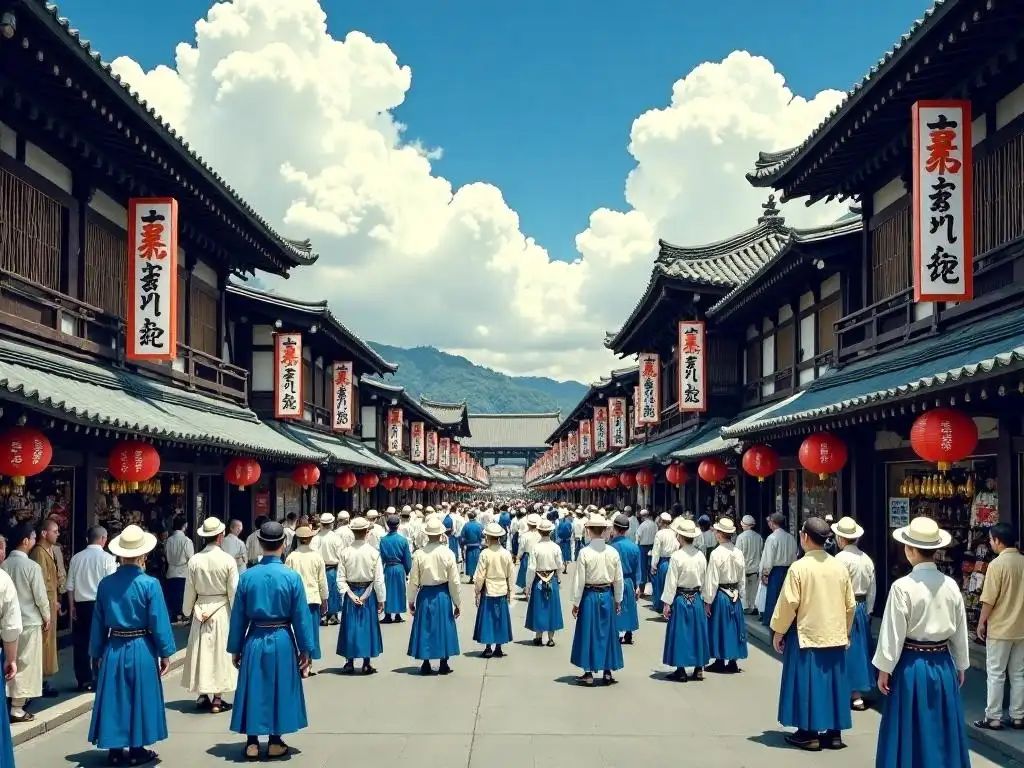
The economic policies of the Tokugawa Shogunate were essential in shaping the urban economy of Edo. These policies aimed to maintain social order and stability while encouraging economic growth through various regulatory measures and institutional frameworks.
Overview of Tokugawa Economic Policies
The Tokugawa Shogunate implemented a range of economic policies designed to promote agricultural production, regulate trade, and ensure the stability of the urban economy. Central to these policies was the idea of kansei, or frugality, which emphasized the importance of self-sufficiency and careful resource management. The government established a system of land surveys to assess agricultural output, which allowed for better tax collection and resource allocation.
Furthermore, the Shogunate promoted the development of infrastructure, including roads and marketplaces, which facilitated commerce and trade. These initiatives not only stimulated economic growth but also contributed to the socio-political stability that characterized the Tokugawa era.
The Role of the Shogunate in Regulating Trade
The Shogunate played a crucial role in regulating trade to maintain economic order and prevent excessive wealth accumulation among merchant classes. This regulation included the establishment of licensing systems for merchants and the enforcement of price controls on essential goods. Such measures ensured that basic commodities remained affordable for the urban population while preventing monopolistic practices.
Additionally, the Shogunate strategically restricted foreign trade to select ports, ensuring that the flow of goods could be monitored and controlled. This policy not only protected domestic industries but also allowed the Shogunate to maintain a favorable balance of trade, contributing to Edo's economic stability.
Taxation and Revenue Generation in Edo
Taxation was a fundamental aspect of the Tokugawa economic framework, essential for generating revenue to support the Shogunate's administrative and military functions. The Shogunate implemented a system of land taxation based on the assessed value of agricultural output, primarily rice, which served as the main currency of the economy.
In addition to land taxes, the government imposed various levies on trade and commerce, ensuring a steady stream of income. This revenue was crucial for funding public works, maintaining infrastructure, and supporting social services within Edo. The efficient collection of taxes and the prudent management of finances contributed significantly to the prosperity of the Tokugawa urban economy, allowing Edo to flourish as a center of commerce and culture during this era.
The Tokugawa Shogunate established a highly stratified social structure that significantly influenced the urban economy of Edo. This hierarchy, primarily divided into four main classes—samurai, farmers, artisans, and merchants—determined the economic activities and social interactions within the city. The rigid class system not only dictated the social status of individuals but also shaped the emerging urban economy, as each class contributed uniquely to the economic landscape of Edo.
Class Hierarchies in Edo Society
In Edo, the class hierarchy was deeply entrenched and functioned as a framework for social organization. The samurai class, at the top of this hierarchy, served as the ruling elite and were primarily engaged in administrative and military roles. They were supported by the farmers, who formed the backbone of the economy by producing rice, the staple currency of the period. Below them were artisans, who contributed to the urban economy through craftsmanship and production of goods. Finally, the merchant class, initially regarded with disdain, became increasingly influential as trade and commerce flourished.
This stratification had implications for economic activities; for instance, samurai were often reliant on stipends, while merchants engaged in trade and banking, gradually accumulating wealth and gaining social mobility. The interaction between these classes fostered an environment ripe for economic development, as merchants began to finance the samurai class and invest in urban enterprises.
The Emergence of a Merchant Class
The Tokugawa period witnessed a transformation in societal views toward the merchant class. Initially considered lower in the social hierarchy, merchants began to gain prominence due to their roles in trade, finance, and the burgeoning urban economy. With the rise of Edo as a commercial hub, merchants found opportunities to expand their businesses, leading to the establishment of a vibrant marketplace.
As the urban population grew, so did the demand for goods and services, allowing merchants to flourish. They created networks that connected rural producers with urban consumers, facilitating the flow of rice, textiles, and luxury items. The emergence of this merchant class not only contributed to economic growth but also led to the development of a consumer culture in Edo, paving the way for changes in social dynamics and cultural practices.
Cultural Developments and Their Economic Implications
Cultural advancements during the Tokugawa period played a vital role in shaping the urban economy of Edo. The flourishing of arts, literature, and entertainment, alongside the rise of the merchant class, contributed to a vibrant cultural milieu that attracted both residents and visitors. This cultural renaissance stimulated economic activities, as theaters, tea houses, and festivals became significant aspects of urban life.
Moreover, the popularity of ukiyo-e (floating world) prints and literature reflecting the lives of the urban populace enhanced the appeal of Edo as a cultural center. The demand for these cultural products led to the establishment of artisan guilds, which further integrated cultural development with economic growth. Thus, the cultural landscape of Edo was not merely an artistic phenomenon but a crucial component of the urban economy that fostered innovation and entrepreneurship.
Case Study: Edo's Economic Transformation
Edo's transformation into a bustling urban center is a compelling example of how the Tokugawa Shogunate's policies affected economic development. The policies aimed at stabilizing the society and promoting peace laid the groundwork for commerce and trade, which were essential to Edo's evolution into one of the world's largest cities by the early 18th century.
Early Economic Conditions in Edo
Initially, Edo was a small fishing village, but with Tokugawa Ieyasu's decision to establish the shogunate in 1603, it underwent rapid development. The influx of samurai and their families, along with government officials, created a demand for goods and services, stimulating local production. The city’s strategic location along trade routes facilitated the movement of supplies, and the establishment of markets became a focal point for commerce.
As the administrative capital, Edo benefitted from the shogunate's policies that encouraged agricultural production in the surrounding regions. The stable supply of rice, combined with a growing population, laid the foundation for a robust urban economy characterized by trade, commerce, and the diversification of economic activities.
Key Events Leading to Economic Expansion
Several pivotal events contributed to the economic expansion of Edo during the Tokugawa period. The implementation of the sankin-kōtai system, which required daimyo (feudal lords) to alternate their residence between their domains and Edo, brought substantial wealth into the city. This system stimulated the economy through the spending of the daimyo and their retinues, leading to a surge in demand for goods and services.
Additionally, the establishment of the "Tōkaidō" highway, which connected Edo to other major cities, facilitated trade and the movement of people. The increased connectivity not only enhanced commercial activities but also allowed for the spread of ideas and cultural exchanges, further enriching Edo's urban economy.
Comparison of Edo with Other Tokugawa Cities
While Edo emerged as the most significant urban center during the Tokugawa period, other cities such as Osaka and Kyoto also played vital roles in the economic landscape. Osaka, known as the "Kitchen of Japan," became a major commercial hub due to its role in rice trading and wholesale markets. In contrast, Kyoto maintained its status as a cultural and religious center, attracting artisans and scholars.
Edo, however, distinguished itself through its sheer size and population density, which fostered a unique economic environment. The concentration of merchants, artisans, and cultural developments in Edo created a dynamic urban economy that outpaced other Tokugawa cities. This comparison highlights how Edo adapted and thrived under the Tokugawa economic policies, ultimately becoming a model for urban economic development in feudal Japan.
Challenges Faced by the Urban Economy of Edo
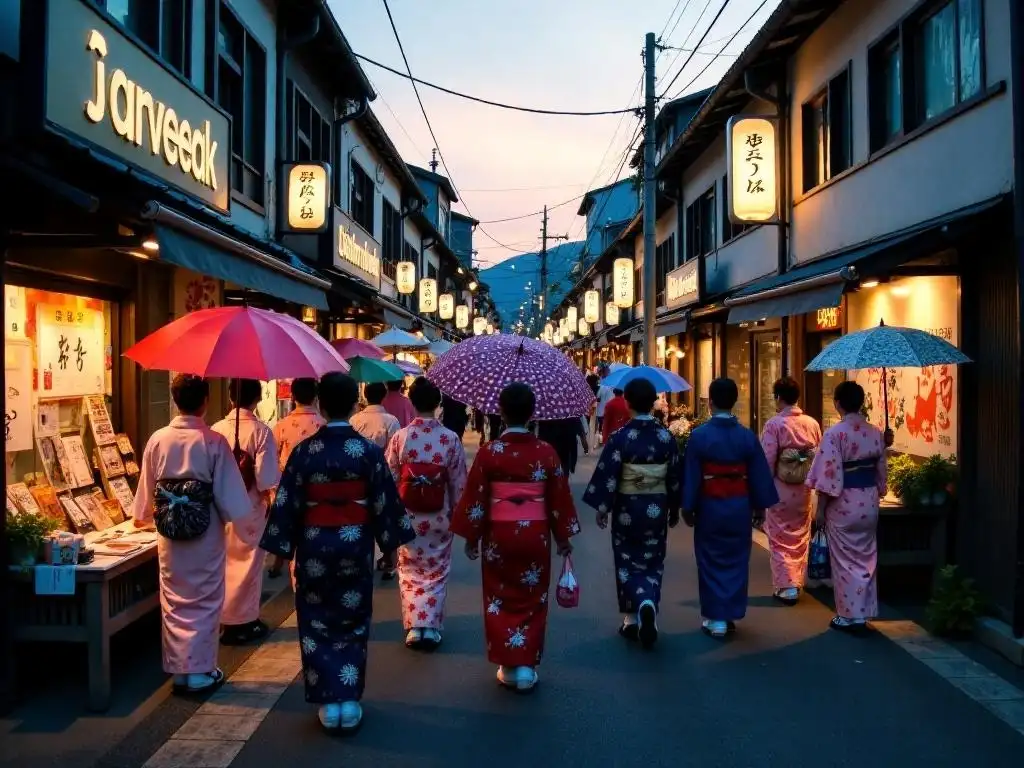
The urban economy of Edo during the Tokugawa Shogunate flourished under a unique set of circumstances; however, it was not without its challenges. The rapid growth of the city brought with it various economic trials that tested the resilience of its infrastructure, governance, and social fabric. Some of the most significant challenges included natural disasters, social unrest stemming from economic disparities, and the influence of foreign entities.
Natural Disasters and Their Economic Impact
Edo was prone to natural disasters, including earthquakes, fires, and floods, which posed significant threats to its urban economy. Notably, the Great Ansei Earthquakes of the 1850s caused widespread destruction, resulting in loss of life and property. The economic impact of such disasters was profound, as they disrupted trade, damaged vital infrastructure, and caused food shortages.
The response to these disasters often involved extensive rebuilding efforts, which, while providing temporary economic stimulus, highlighted the vulnerabilities of Edo's urban economy. For instance, after the Ansei Earthquakes, the government implemented policies to improve urban planning and fire safety, reflecting a shift towards a more resilient economic structure. However, the recurring nature of these disasters meant that the urban economy was constantly under strain, requiring ongoing adjustments and innovations to cope with the adversity.
Social Unrest and Economic Disparities
Despite Edo's economic growth, social unrest was prevalent, primarily due to economic disparities that existed within the urban population. The wealth generated by the burgeoning economy was not evenly distributed, leading to significant gaps between the affluent merchant class and the poorer laborers. The rise of a wealthy merchant class (the chōnin) contrasted sharply with the suffering of the common people, who often faced high taxes and food shortages.
This disparity contributed to social tensions that erupted in various forms of unrest, including riots and protests. The most notable of these was the "Kōdō" riots, which were fueled by grievances over food prices and taxation. Such social unrest not only threatened the stability of Edo's urban economy but also challenged the legitimacy of the Tokugawa regime itself. The government was forced to implement measures to stabilize prices and provide relief to the poorer classes, indicating the intricate link between social stability and economic health.
The Role of Foreign Influence on Edo's Economy
The Tokugawa Shogunate initially adopted a policy of isolation, limiting foreign influence and trade. However, the arrival of Western powers in the mid-19th century began to alter the economic landscape of Edo. Commodore Matthew Perry's expedition in 1853 forced Japan to open its ports, leading to an influx of foreign goods and ideas.
This exposure to foreign markets prompted a shift in Edo's economy, as local artisans and merchants began to adapt to new demands and competition. While this integration into the global economy opened up new opportunities, it also posed challenges. Traditional industries struggled to compete with cheaper, mass-produced foreign goods, leading to economic disruptions and the need for modernization. The resulting tensions between traditional practices and emerging global influences set the stage for significant transformations in Edo's urban economy.
Conclusion: Legacy of the Tokugawa Shogunate's Urban Economy
The urban economy of Edo during the Tokugawa Shogunate laid the groundwork for many aspects of modern Japanese economic life. Despite the challenges it faced, the era was marked by significant developments that influenced both the structure and resilience of urban economies in Japan.
Lasting Effects on Modern Japanese Urban Centers
The policies and practices established during the Tokugawa era have had lasting effects on modern Japanese urban centers. The emphasis on trade, commerce, and urban planning has evolved into contemporary economic models seen in cities like Tokyo and Osaka. Additionally, the social dynamics and economic policies that emerged in Edo continue to inform Japan's approach to urban development and economic management today.
The urban infrastructure developed during this period, including transportation networks and market systems, set the stage for Japan's rapid industrialization in the late 19th century. The lessons learned from Edo’s challenges also resonate in modern urban planning, where resilience to natural disasters and social equity remain key considerations.
Reflection on the Economic Policies of the Tokugawa Era
The economic policies implemented during the Tokugawa Shogunate were a complex interplay of regulation, innovation, and adaptation. While they successfully fostered a vibrant urban economy, they also revealed significant vulnerabilities and inequities. The reflections on these policies underscore the importance of balancing growth with social welfare and sustainability, a lesson that continues to be relevant in today's globalized economy.
The Tokugawa Shogunate's urban economy was a foundational chapter in Japan's economic history, characterized by both remarkable achievements and significant challenges. Understanding this legacy allows for a deeper appreciation of the complexities and evolutions of Japan's economic landscape.
References and Further Reading
The study of the Tokugawa Shogunate and its impact on urban economies, particularly in Edo, is enriched by a variety of historical texts and contemporary resources. These works provide critical insights into the socio-economic transformations during this pivotal era in Japanese history.
Key Historical Texts on the Tokugawa Shogunate
-
"The Tokugawa World" by Peter Nosco
This comprehensive work delves into the political, social, and economic frameworks of the Tokugawa period, providing readers with a nuanced understanding of the Shogunate's governance and policies that shaped urban growth.
-
"Edo: The City That Became Tokyo" by Edward Seidensticker
Seidensticker's narrative explores the evolution of Edo from a small town to one of the world's largest cities. His writing illuminates the cultural and economic factors that contributed to this transformation.
-
"Japan's Early Modern History, 1600–1868" by Christopher G. Frish
This book discusses the broader historical context of the Tokugawa period, emphasizing the economic developments that laid the groundwork for modern Japan. It offers detailed analyses of trade, agriculture, and urbanization.
-
"The Making of Modern Japan" by Johan M. W. van der Molen
Van der Molen provides a critical look at how the Tokugawa Shogunate's policies influenced Japan's transition into the modern era, focusing on economic strategies and their effects on urban centers like Edo.
-
"Edo Culture: Daily Life and Diversions in Urban Japan, 1600–1868" by John W. Dower
This work presents a vivid picture of daily life in Edo, highlighting how cultural practices intertwined with economic activities, thus shaping the urban economy.
Recommended Resources for Understanding Edo's Urban Economy
-
The National Museum of Japanese History
This institution offers a wealth of online resources, including articles, exhibitions, and collections focused on the economic and cultural history of Edo during the Tokugawa period.
-
"Edo: The City and Its Culture" (Exhibition Catalog)
This catalog from a past exhibition provides insights into Edo's urban economy, including trade practices, crafts, and daily life, making it a valuable resource for visual and contextual understanding.
-
Academic Journals
Journals such as Monumenta Nipponica and The Journal of Japanese Studies frequently publish articles that explore aspects of the Tokugawa urban economy, providing peer-reviewed research and discussions on various economic models.
-
"Edo and the Cultural History of Japan" - An Online Course
This course offers an immersive experience into the urban structures and economic practices of Edo, making it an excellent resource for both students and history enthusiasts.
-
Local Libraries and Archives
Many libraries, especially in Japan, hold extensive collections of primary sources related to the Tokugawa Shogunate. Local archives can provide unique insights into the economic activities that shaped Edo's urban landscape.
These texts and resources collectively contribute to a deeper understanding of the Tokugawa Shogunate's urban economy, particularly in the context of Edo, and are essential for anyone looking to explore this fascinating period in Japanese history comprehensively.
- Introduction to the Tokugawa Shogunate
- The Urban Economy of Edo
- Factors Contributing to the Rise of Edo's Urban Economy
- Economic Policies of the Tokugawa Shogunate
- Social Structures and Their Influence on the Urban Economy
- Case Study: Edo's Economic Transformation
- Challenges Faced by the Urban Economy of Edo
- Conclusion: Legacy of the Tokugawa Shogunate's Urban Economy
- References and Further Reading
Frequently Asked Questions
What was the Tokugawa Shogunate?
The Tokugawa Shogunate was a feudal regime in Japan from 1603 to 1868, characterized by political stability and a strict social hierarchy. It laid the foundation for modern Japan's political structure.
How did urban economies develop under the Tokugawa Shogunate?
The urban economy flourished due to increased trade, the growth of market towns, and the rise of a wealthy merchant class in cities like Edo. This transformation significantly impacted Japanese society and culture.
What role did Edo play in the Tokugawa urban economy?
Edo, now Tokyo, became the political and cultural center of Japan, leading to a surge in commerce and craftsmanship. Its development as a bustling metropolis was crucial for the overall urban economy during this period.
The Tokugawa Shogunate enforced a rigid social structure that divided society into classes, including samurai, farmers, artisans, and merchants. This hierarchy influenced economic interactions and power dynamics within urban settings.
What were the long-term impacts of the Tokugawa urban economy?
The urban economy established during the Tokugawa era set the stage for Japan's industrialization in the late 19th century. It fostered a commercial culture, leading to significant economic growth and changes in societal norms.
Final Reflection: The Enduring Legacy of the Tokugawa Shogunate's Urban Economy
The Tokugawa Shogunate's urban economy remains a pivotal chapter in Japan's history, illustrating how centralized governance can foster economic growth and urbanization. Today, as cities around the world grapple with rapid urbanization and economic challenges, the lessons from Edo's transformation during the Tokugawa period resonate more than ever. The interplay between governance, commerce, and culture in Edo serves as a powerful reminder of the potential for urban economies to thrive under strategic leadership.
Edo's rise as a bustling metropolis not only reshaped Japan's economic landscape but also laid the groundwork for modern urban life. The intricate networks of trade, the flourishing of the merchant class, and the cultural vibrancy of the city reflect a dynamic society that continues to influence contemporary urban development. As historian John W. Hall aptly stated, The Tokugawa period was a time of great change, where the seeds of modern Japan were sown amidst the bustling streets of Edo.
This observation highlights the ongoing relevance of the Tokugawa Shogunate's urban economy in understanding the complexities of modern urban environments.
As we reflect on the lessons from the Tokugawa Shogunate, let us consider how we can apply these insights to our own lives and communities. How can we foster economic growth while ensuring that our urban spaces remain vibrant and inclusive? I invite you to explore the dynamics of your local economy, engage with your community, and think critically about the role of governance in shaping urban futures. By embracing the spirit of innovation and collaboration that characterized Edo, we can contribute to building resilient urban economies that honor our past while paving the way for a sustainable future.
Embrace the Legacy of Edo: Take Action Today!
Thank you for diving deep into the fascinating world of the Tokugawa Shogunate and the urban economies of Edo! We hope you’ve gained valuable insights into how this era shaped Japanese history. Now, it's time to immerse yourself deeper into this intriguing chapter of the past.
Here’s how you can connect with this rich history:
- Visit a local museum or exhibit that showcases artifacts from the Edo period to experience the culture firsthand.
- Start a book club focused on feudal Japanese history to explore stories, themes, and the impact of Edo’s urban economy alongside friends.
- Engage with our community by sharing your thoughts and insights about Edo's economic rise—your voice matters!
How do you think the urban economy of Edo would compare to today’s modern cities? We invite you to share your thoughts below!