
The Dynamics of Urban Labor: Craftsmen and Laborers in Edo

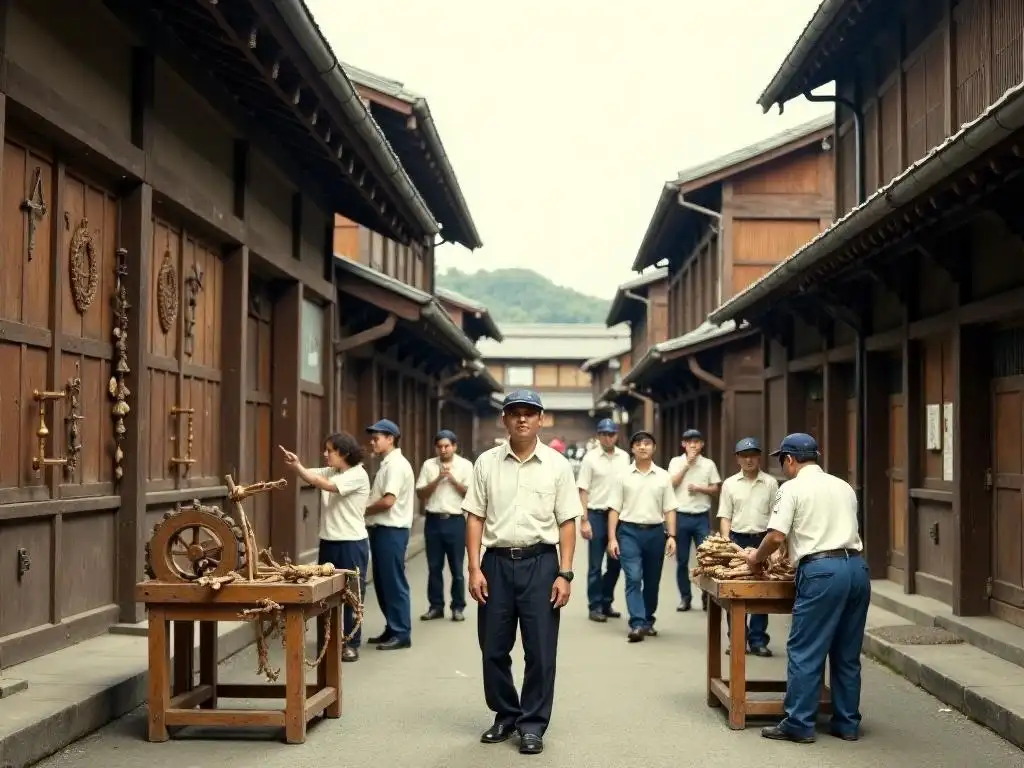
Welcome to Feudal Japan History, where we embark on a captivating journey through the intricate tapestry of Japan’s feudal era. Here, you'll uncover the fascinating world of Edo period craftsmen and laborers—the backbone of urban life during this transformative time. What drove their creativity and resilience?
How did their contributions shape the society around them? Dive into our featured article, The Dynamics of Urban Labor: Craftsmen and Laborers in Edo, and unravel the rich narratives that define this pivotal chapter in history. Prepare to be intrigued as we explore the economic forces at play and the cultural legacies that continue to resonate today!
Introduction to Edo Period Craftsmen and Laborers
The Edo period, spanning from 1603 to 1868, represents a pivotal era in Japan's history, characterized by significant social, economic, and cultural transformations. During this time, the urban landscape of Japan evolved dramatically, particularly in the bustling city of Edo, which became a thriving center for trade and craftsmanship. The dynamics of urban labor, especially among craftsmen and laborers, played a crucial role in shaping the culture and economy of Edo society.
Understanding the lives and contributions of these individuals provides invaluable insights into the complexities of urbanization during this influential period. This exploration will delve into the historical context of urbanization in Edo, examining the rise of the city as a major urban center and the factors that drove this transformation.
Overview of the Edo Period (1603-1868)
The Edo period, also known as the Tokugawa period, was marked by the establishment of the Tokugawa shogunate, which brought about a long-lasting peace known as the Pax Tokugawa. This stability allowed for economic growth and urbanization, leading to the emergence of Edo as one of the world's largest cities by the 18th century. The population of Edo swelled, attracting a diverse array of individuals, including merchants, artisans, and laborers, all contributing to the city's vibrant economy.
Key characteristics of the Edo period include:
- Political Stability: The Tokugawa shogunate maintained control over the country, suppressing the warring states that preceded this era.
- Social Hierarchy: A strict class system developed, with samurai at the top, followed by farmers, artisans, and merchants.
- Economic Growth: Expansion of trade and commerce led to the rise of a merchant class, which significantly influenced urban life.
Significance of Urban Labor in Edo Society
Urban labor during the Edo period was not merely a means of survival; it was integral to the social fabric of Edo society. Craftsmen and laborers contributed to a burgeoning economy, creating goods that met the demands of an expanding population. The significance of urban labor can be highlighted through several key points:
- Economic Contribution: Craftsmen produced essential goods, from textiles to pottery, while laborers engaged in various trades, supporting the overall economy.
- Cultural Exchange: The concentration of diverse crafts and trades in Edo facilitated cultural exchange and innovation, leading to unique styles and practices.
- Social Mobility: Opportunities for artisans and laborers to improve their social standing emerged, challenging the rigid class structure.
Historical Context of Urbanization in Edo
Urbanization in Edo was a multifaceted phenomenon, influenced by various historical, economic, and social factors. The city's rapid growth transformed it into a hub of activity and commerce, impacting the lives of its inhabitants.
The Rise of Edo as a Major Urban Center
Edo's rise as a major urban center was a result of strategic political decisions and economic developments. The shogunate's focus on consolidating power and controlling trade routes contributed to the city's growth. By the late 17th century, Edo had surpassed Kyoto as the political and cultural capital of Japan.
Key factors in the rise of Edo include:
- Geographical Advantages: Located near the bay, Edo had access to trade routes that facilitated commerce.
- Infrastructure Development: The construction of roads and bridges improved connectivity and accessibility, encouraging migration and trade.
- Market Economy: The establishment of markets and merchant guilds stimulated economic activity, attracting craftsmen and laborers seeking opportunities.
Factors Driving Urbanization in the Edo Period
Several key factors drove the urbanization of Edo, reflecting broader trends within Japan during this period. The interplay of these factors created a dynamic urban environment that shaped the experiences of craftsmen and laborers.
- Population Growth: A significant increase in population due to agricultural advancements and improved living conditions led to urban migration.
- Economic Opportunities: The flourishing merchant class created demand for various goods and services, drawing craftsmen and laborers to the city.
- Cultural Developments: The Edo period saw a rise in arts and culture, which increased the need for skilled artisans and laborers to produce and support these endeavors.
The dynamics of urban labor among craftsmen and laborers during the Edo period were central to the development of Edo as a major urban center. Understanding this context not only sheds light on the economic history of Japan but also highlights the intricate social interactions that defined life in Edo.
Roles and Responsibilities of Craftsmen in Edo
During the Edo period (1603-1868), craftsmen played a pivotal role in the burgeoning urban economy of Edo (modern-day Tokyo). They were essential contributors to the city’s cultural and material wealth, engaging in various trades that supported both daily life and the aesthetic values of the era. Craftsmen were not only skilled artisans but also community leaders, often involved in local governance through their guilds.
The responsibilities of craftsmen were diverse, ranging from the production of everyday items to luxury goods. They created essential tools, clothing, and household items, fulfilling the needs of the growing urban population. Moreover, many craftsmen specialized in intricate arts such as pottery, textiles, and woodblock printing, which were highly valued both domestically and abroad. This specialization led to a rich tapestry of craftsmanship that characterized Edo's urban landscape.
In addition to their production roles, craftsmen were responsible for training apprentices, ensuring the transmission of skills and techniques to future generations. They participated in the organization of guilds, which regulated their trades, maintained quality standards, and provided support networks for members. This structure not only enhanced craftsmanship but also fostered a sense of community among artisans.
Types of Craftsmen in Edo
Edo was home to a wide array of craftsmen, each specializing in different trades that contributed to the city's economy and culture. Some of the prominent types included:
- Textile Artisans: Weavers and dyers produced silk kimonos and other garments, vital to Edo's fashion scene.
- Woodworkers: Carpenters and joiners crafted furniture, temple structures, and residential buildings, showcasing exquisite joinery techniques.
- Metalworkers: Blacksmiths and coppersmiths created tools, weapons, and ornamental items, often using advanced techniques inherited from earlier periods.
- Potters: Ceramics produced by potters ranged from everyday tableware to elaborate tea ceremony utensils, reflecting both utility and artistry.
- Painters and Printmakers: Artists like ukiyo-e printmakers captured everyday life and landscapes, contributing significantly to Japan's cultural legacy.
These craftsmen not only served local markets but also engaged in trade with other regions, thereby enriching the cultural exchange during the Edo period.
The Craft Guild System in Edo
The craft guild system in Edo was a vital framework that organized craftsmen into collective groups based on their trades. These guilds, known as za, provided numerous benefits to their members, including the establishment of standards for quality and pricing, as well as access to training and apprenticeships.
Each guild operated within a specific trade and was responsible for regulating practices, mediating disputes, and protecting the interests of its members. They often held the power to grant licenses, ensuring that only qualified individuals could practice particular crafts. This regulation helped maintain high standards and fostered a reputation for quality in Edo’s products.
Guilds also played a significant role in social and cultural events, organizing festivals and ceremonies that celebrated their trades. These events not only strengthened community ties but also enhanced the visibility and status of the craftsmen within Edo society. Over time, the guilds became instrumental in shaping the identity and economic landscape of the city.
Laborers in the Edo Urban Economy
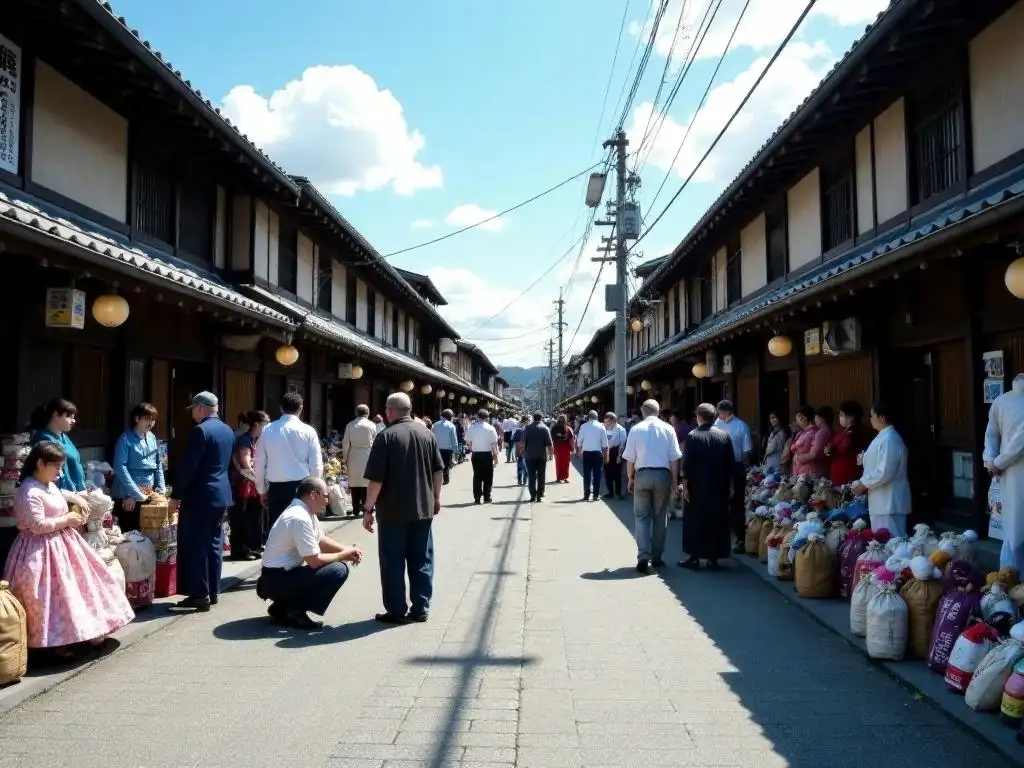
Laborers constituted a significant part of the urban workforce in Edo, engaging in various forms of unskilled and semi-skilled labor that supported the city’s infrastructure and daily operations. They worked in various sectors, including construction, agriculture, transportation, and service industries, and were essential for maintaining the city's functionality and vibrancy.
Definition and Classification of Laborers
Laborers in Edo can be classified into several categories based on their roles and the nature of their work. These classifications include:
- Construction Laborers: Engaged in building and repairing homes, temples, and public structures, often working under the direction of skilled craftsmen.
- Street Vendors and Peddlers: Individuals who sold goods directly to consumers, contributing to the bustling market atmosphere of Edo.
- Servants and Domestic Workers: Employed in households, these laborers performed various tasks, from cooking and cleaning to assisting their employers in daily activities.
- Transportation Workers: Laborers involved in the transport of goods and people, including porters and cart pullers, essential for the movement of products across the city.
This classification highlights the diverse roles laborers played in supporting Edo's economy and society.
Working Conditions for Laborers
The working conditions for laborers in Edo varied significantly depending on their occupation, but many faced challenges that reflected the social and economic realities of the time. Laborers often worked long hours for minimal pay, with little job security or benefits.
Many were subjected to physically demanding tasks, particularly in construction and transportation, which required significant strength and endurance. The lack of formal labor rights meant that laborers had limited recourse for grievances or unsafe working conditions.
Despite these challenges, some laborers found ways to organize and advocate for better conditions. Informal networks and mutual aid societies emerged, providing support and resources for workers facing hardship. This sense of solidarity among laborers was crucial in navigating the difficulties of urban life in Edo, highlighting their resilience amidst the demands of an evolving economy.
During the Edo period (1603-1868), craftsmen and laborers played a pivotal role in shaping the urban landscape of Japan. This era marked a significant transition within Japanese society, where the rigid class structure began to evolve, allowing for a more complex social hierarchy. Craftsmen, often organized into guilds, were recognized for their specialized skills and craftsmanship, which elevated their status compared to unskilled laborers.
While they were not part of the samurai or aristocratic classes, many craftsmen enjoyed a degree of respect due to their contributions to daily life and culture. This respect was reflected in various cultural expressions, such as woodblock prints that celebrated their artistry.
Laborers, on the other hand, often occupied a lower position within the social hierarchy. Despite this, their labor was integral to the functioning of urban life in Edo. They were involved in various sectors, including construction, transportation, and service industries. The cultural significance of laborers became particularly evident during festivals, where their participation highlighted the community's reliance on their skills. The interconnectedness of craftsmen and laborers underscored a shared cultural identity that was rooted in the vibrancy of urban life during the Edo period.
Perceptions of Craftsmen in Edo Society
In Edo society, craftsmen were viewed through a dual lens of admiration and distinction. On one hand, they were respected for their artistic abilities and the high-quality goods they produced, which included textiles, pottery, and intricate metalwork. Their work not only fulfilled practical needs but also contributed to the aesthetic enhancement of daily life. The appreciation for craftsmanship led to the establishment of various artisan guilds, which helped maintain standards and fostered a sense of community among craftsmen.
On the other hand, the perception of craftsmen was also influenced by their social mobility. Some skilled artisans could elevate their status through wealth accumulation and patronage from the affluent classes. This dynamic created a complex social narrative wherein craftsmen could attain a level of prestige comparable to that of the lower samurai class. However, the stigma associated with manual labor persisted, particularly towards those who engaged in more physically demanding jobs. Thus, while craftsmen enjoyed a certain level of respect, their social standing remained nuanced and varied across different contexts in Edo society.
The Role of Laborers in Urban Culture and Festivals
Laborers were the backbone of Edo's urban culture, contributing significantly to its vibrant social life. Their involvement in various industries enabled the city to flourish, providing essential services and goods that supported both the economy and daily life. The laborers' role extended beyond mere work; they were integral participants in the cultural fabric of Edo, especially during festivals and public events.
Festivals in Edo, such as the Sanja Matsuri and the Kanda Matsuri, showcased the collaborative spirit of the community, where laborers played crucial roles in organizing and executing festivities. They were responsible for the construction of floats, the arrangement of stalls, and the overall management of these events.
This involvement not only highlighted their skills but also fostered a sense of belonging and pride among laborers, as they contributed to the cultural identity of Edo. Furthermore, these festivals provided laborers with a rare opportunity to engage with other social classes, blurring the lines of status and creating a shared cultural experience.
Economic Contributions of Craftsmen and Laborers
Craftsmen and laborers in Edo were not merely participants in the economy; they were fundamental to its growth and sustainability. Their contributions spanned various sectors, from artisanal production to manual labor in construction and transportation. This economic interdependency between craftsmen and laborers facilitated a robust urban economy that thrived during the Edo period.
Impact on Edo's Economic Growth
The economic contributions of craftsmen and laborers significantly impacted Edo's growth, transforming it into one of the largest cities in the world at the time. Craftsmen produced goods that not only met local demand but also catered to regional markets, enhancing trade networks across Japan. The quality and variety of products, such as textiles and ceramics, attracted merchants and consumers alike, stimulating economic activity.
Laborers, in turn, supported this burgeoning economy by providing the necessary manpower for construction projects, including the development of infrastructure like roads and bridges. Their work facilitated the movement of goods and people, enhancing trade efficiency and contributing to the overall prosperity of Edo. As a result, the economic contributions of craftsmen and laborers were interwoven, creating a dynamic urban economy that thrived within the framework of the Edo period.
Craftsmen and Laborers in the Edo Trade Network
The Edo period saw the establishment of a complex trade network that connected craftsmen and laborers with merchants and consumers throughout Japan. Craftsmen, with their specialized skills, produced a wide range of products that were essential to everyday life. These goods often found their way into larger markets, where merchants acted as intermediaries, facilitating trade between producers and consumers.
Laborers played a crucial role in this trade network by ensuring the movement of goods from workshops to marketplaces. They were involved in transportation, often utilizing carts and boats to deliver products efficiently. This collaborative effort between craftsmen and laborers fostered a sense of community within the urban trade system, as both groups relied on each other for success. The interplay of craftsmanship and labor not only enriched the local economy but also contributed to the cultural exchange and integration that characterized the Edo period's vibrant urban life.
Challenges Faced by Craftsmen and Laborers
During the Edo period, craftsmen and laborers encountered a variety of challenges that shaped their work environments and lifestyles. The urban landscape of Edo (modern Tokyo) was marked by rapid growth, leading to increased competition, economic pressures, and changing social dynamics. These factors not only affected their livelihoods but also influenced the cultural fabric of the era.
Economic Pressures and Competition
The economic landscape of Edo was characterized by a burgeoning urban population that created high demand for goods and services. This demand, however, came with significant competition among craftsmen and laborers. Many artisans specialized in specific trades—such as carpentry, textiles, or pottery—leading to a saturated market where skilled workers faced the challenge of standing out.
- Market Saturation: With an influx of migrants moving to Edo for work, the number of craftsmen often exceeded the demand for their products. As a result, many artisans struggled to maintain their livelihoods amidst fierce competition.
- Price Wars: To attract customers, craftsmen sometimes engaged in price wars, which could lead to unsustainable business practices. Lowering prices could result in a loss of quality, as artisans sought to cut costs to remain competitive.
- Economic Disparities: There were also significant disparities in income among different trades. For instance, highly skilled artisans such as swordsmiths or lacquerware makers could command higher prices, while laborers engaged in more basic tasks often earned minimal wages.
These economic pressures forced many craftsmen to adapt their business practices, leading to collaboration in guilds or cooperatives, which provided some stability and mutual support against the backdrop of economic uncertainty.
Social Changes and Their Effects on Urban Labor Dynamics
The Edo period also witnessed profound social changes that impacted urban labor dynamics. The rigid class structure of the time was challenged by urbanization, which facilitated new interactions among different social classes.
- Shift in Social Status: Craftsmen and laborers, traditionally seen as lower-status individuals, began to gain recognition for their skills. This shift was partly due to the growing consumer culture that valued craftsmanship, allowing skilled artisans to elevate their social standing.
- Urbanization and Mobility: The rapid urbanization of Edo encouraged labor mobility. Craftsmen often moved to different areas within the city or between cities to pursue better opportunities. This mobility allowed them to share techniques and innovations, enriching the overall craftsmanship in Edo.
- Cultural Exchanges: With increased interactions between various social classes, there was a blending of ideas and practices. Craftsmen were not only influenced by their peers but also by the tastes and preferences of the merchant class, which demanded higher quality and more diverse products.
These social changes fostered an environment where craftsmanship became celebrated, influencing both the economy and cultural identity of Edo.
The Legacy of Edo Period Craftsmen and Laborers

The contributions of craftsmen and laborers during the Edo period left an indelible mark on Japanese culture and economy. Their skills, techniques, and innovations continue to resonate in modern Japan, shaping contemporary craftsmanship and labor practices.
Influence on Modern Japanese Craftsmanship and Labor
Edo period craftsmen laid the foundation for many traditional Japanese arts and crafts that are still practiced today. The emphasis on quality, aesthetics, and functionality established standards that modern artisans strive to uphold.
- Artisan Guilds: The guild system developed during the Edo period has influenced modern craft organizations, fostering collaboration and knowledge sharing among artisans.
- Cultural Heritage: Many traditional crafts, such as kimono weaving and pottery, trace their roots back to the techniques perfected during the Edo period. Today, these crafts are celebrated as vital components of Japan's cultural heritage.
- Market Adaptation: The adaptability seen among Edo craftsmen serves as a model for modern artisans who navigate the challenges of globalization and changing consumer preferences. Techniques that emphasize local materials and traditional methods are increasingly valued in today’s market.
Preservation of Edo Period Skills and Techniques
Efforts to preserve the skills and techniques developed during the Edo period have gained momentum in recent years. Various initiatives aim to ensure that these practices are not lost to time.
- Cultural Workshops: Many artisans offer workshops to teach traditional skills, ensuring that younger generations have the opportunity to learn and appreciate these crafts. This transmission of knowledge helps to keep Edo period techniques alive.
- Government Support: Japanese authorities have recognized the importance of preserving traditional crafts, providing funding and support for artisans to continue their work. This acknowledgment helps sustain the economic viability of traditional crafts.
- Cultural Festivals: Events celebrating Edo period craftsmanship provide a platform for artisans to showcase their skills and educate the public about the significance of their work. These festivals not only promote awareness but also foster a sense of community among craftsmen.
Through these preservation efforts, the legacy of Edo period craftsmen and laborers continues to thrive, influencing both contemporary culture and the broader appreciation of Japanese craftsmanship.
Conclusion: Understanding the Dynamics of Urban Labor in Edo
The Edo period, spanning from 1603 to 1868, was a time of significant transformation in Japan, particularly in urban labor dynamics. This era witnessed the flourishing of cities, with Edo (modern-day Tokyo) becoming the largest city in the world by the 18th century.
The labor landscape within these urban centers was characterized by a diverse array of craftsmen and laborers, each playing a crucial role in the economic and cultural fabric of society. Understanding the dynamics of these groups provides valuable insights into not only the economic history of feudal Japan but also the social and cultural developments that shaped its legacy.
The craftsmen of Edo, skilled in various trades such as carpentry, pottery, and textiles, were essential to the burgeoning urban economy. They contributed not only through their craftsmanship but also by fostering a sense of community through guilds and trade associations. These organizations were vital for protecting the interests of craftsmen, regulating quality, and ensuring the transmission of skills from one generation to the next.
On the other hand, laborers, often engaged in manual tasks and less specialized work, were equally important in supporting the infrastructure and daily functioning of the city. The interplay between these two groups created a vibrant urban economy that was both competitive and collaborative.
Summary of Key Insights on Craftsmen and Laborers
- Diverse Skill Sets: Edo period craftsmen specialized in numerous trades, including carpentry, metalworking, and textiles, reflecting a highly skilled labor force.
- Guild Structure: Craftsmen organized themselves into guilds, which played a crucial role in regulating trade practices, ensuring quality control, and providing social support.
- Labor Dynamics: Laborers, often less skilled, supported the urban economy through various menial tasks, contributing to the overall productivity of the city.
- Economic Interdependence: The relationship between craftsmen and laborers was marked by interdependence; craftsmen relied on laborers for support, while laborers depended on craftsmen for skilled guidance and resources.
- Cultural Contributions: Craftsmen significantly influenced Edo culture, producing art and goods that reflected both local traditions and broader societal changes.
Reflection on the Importance of Urban Labor in Feudal Japan History
The urban labor dynamics of the Edo period are critical for understanding the broader historical context of feudal Japan. This era marked a significant shift from rural agrarian lifestyles to urban-centered economies, laying the groundwork for modern Japan. The contributions of craftsmen and laborers not only fueled economic growth but also fostered cultural innovations, such as the rise of ukiyo-e (woodblock prints) and other art forms that captured the essence of Edo life.
Moreover, the organization of labor in guilds and associations established precedents for labor relations and professional standards that would influence Japan's economic practices well into the modern era. By reflecting on the importance of urban labor during this time, we gain insights into the complexities of Japanese society, the evolution of its economy, and the rich tapestry of cultural heritage that continues to influence Japan today. Understanding these dynamics is essential for appreciating the transformative role of urban labor in shaping the historical trajectory of feudal Japan.
- Introduction to Edo Period Craftsmen and Laborers
- Historical Context of Urbanization in Edo
- Roles and Responsibilities of Craftsmen in Edo
- Types of Craftsmen in Edo
- Laborers in the Edo Urban Economy
- Social Status and Cultural Significance of Craftsmen and Laborers
- Economic Contributions of Craftsmen and Laborers
- Challenges Faced by Craftsmen and Laborers
- The Legacy of Edo Period Craftsmen and Laborers
- Conclusion: Understanding the Dynamics of Urban Labor in Edo
- Summary of Key Insights on Craftsmen and Laborers
- Reflection on the Importance of Urban Labor in Feudal Japan History
Frequently Asked Questions
What is the Edo period known for in terms of craftsmanship?
The Edo period (1603-1868) is celebrated for its distinctive craftsmanship, featuring artisans who excelled in various trades, including textiles, ceramics, and woodblock printing.
Who were the primary laborers in the Edo period?
Laborers in the Edo period primarily consisted of farmers, artisans, and merchants, each playing a crucial role in the urban economy and contributing to the vibrant culture of the time.
How did craftsmen contribute to Edo's economy?
Craftsmen significantly boosted the Edo economy by producing high-quality goods that catered to both local markets and international trade, enhancing Japan's economic standing during this era.
In Edo society, craftsmen often enjoyed a higher social status compared to laborers, as their skills were valued, but both groups faced challenges due to class divisions and economic pressures.
How did urbanization affect craftsmanship during the Edo period?
Urbanization led to a flourishing of craftsmanship, as the growing population in Edo created a demand for diverse goods, encouraging innovation and the development of specialized trades.
Final Reflection: The Enduring Legacy of Edo Period Craftsmen and Laborers
The dynamics of urban labor during the Edo period remain strikingly relevant today, as we navigate the complexities of modern craftsmanship and labor relations. The intricate interplay between craftsmen and laborers in Edo not only shaped the economic landscape of the time but also laid the groundwork for contemporary discussions about labor rights, craftsmanship, and the value of skilled trades. As we reflect on this historical narrative, it becomes clear that the lessons learned from the Edo period resonate with our current societal challenges, reminding us of the importance of recognizing and valuing every role within the labor spectrum.
Edo period craftsmen and laborers were not merely workers; they were the backbone of a thriving urban culture that celebrated skill, creativity, and community. Their contributions have continued to influence our understanding of labor and craftsmanship in modern society. As we witness a resurgence of interest in artisanal work and sustainable practices, we can draw parallels to the dedication and innovation of Edo's laborers. Craftsmanship is not just about making things; it’s about making things that matter.
This quote encapsulates the essence of the Edo period's labor dynamics, highlighting the significance of purpose and pride in one’s work.
As we move forward, let us take a moment to reflect on our own roles within the labor landscape. Consider how you can honor the legacy of Edo period craftsmen and laborers by valuing your own work and the work of others. Whether you are a creator, a laborer, or an advocate for labor rights, your contributions matter.
Embrace the spirit of craftsmanship in your daily life and strive to create a community that recognizes and uplifts the diverse tapestry of skills that shape our world. Together, we can carry forward the lessons of the past into a future that celebrates the dignity of labor in all its forms.
Transform Your Understanding of Urban Labor in Edo!
Thank you for taking the time to explore the intricate relationships between craftsmen and laborers in Edo! Your interest in this pivotal aspect of feudal Japan not only enriches your knowledge but also connects you to the vibrant history that shaped our modern world. Now, it’s time to expand your journey further!
- Dive deeper into the influence of trade guilds on urban dynamics by researching local Japanese historical archives or visiting museums focused on Edo history.
- Consider sharing your insights or favorite findings in discussions with friends or on social media to spread awareness about the importance of crafts and labor in cultural development.
- Join a community or forum dedicated to Japanese history to engage with fellow enthusiasts and exchange ideas on the narratives of urban labor.
What unique perspective do you think the craftsmen and laborers of Edo offer us about the social structures in our own communities today?