
Samurai and the Silk Road: Trade Networks that Shaped Japan’s Economy


Welcome to Feudal Japan History, where we embark on a captivating journey through the rich tapestry of Japan’s feudal era. Here, you will uncover the intricate connections between culture, society, and economy as we delve into our featured article, "Samurai and the Silk Road: Trade Networks that Shaped Japan’s Economy." Discover the profound impact of samurai involvement in Silk Road trade and how it transformed Japan's economic landscape. Get ready to explore fascinating insights that will ignite your curiosity and deepen your understanding of this pivotal period in history!
- Introduction to Samurai and the Silk Road Trade Impact
- Historical Context of the Silk Road
- The Samurai's Role in Trade and Economy
- Samurai Silk Road Trade Impact on Japan’s Economy
- Case Studies of Samurai Involvement in Trade
- The Legacy of Samurai and Silk Road Trade in Modern Japan
- Conclusion: The Enduring Impact of Samurai and Silk Road Trade
- Frequently Asked Questions
- Final Reflection: The Enduring Legacy of Samurai and Silk Road Trade
- Forge Your Path Through History!
Introduction to Samurai and the Silk Road Trade Impact
The intricate tapestry of Japan's feudal era is woven with the threads of trade, culture, and the indomitable spirit of the samurai. Among the myriad influences that shaped Japan's economy during this period, the Silk Road stands out as a pivotal network facilitating not just commerce, but also cultural exchanges that enriched the Japanese archipelago.
This article delves into the profound impact of the Samurai on the Silk Road's trade networks, exploring how these warrior nobility not only played a crucial role in protecting trade routes but also contributed to the economic prosperity of feudal Japan. By examining the nuances of this relationship, we gain insight into a transformative era that was as much about swords and honor as it was about trade and commerce.
Overview of the Silk Road and Its Significance
The Silk Road was a vast network of trade routes connecting the East and West, facilitating the exchange of goods, culture, and ideas for centuries. Established during the Han Dynasty of China around 130 BCE, it reached its zenith during the Tang and Song Dynasties, extending into various regions including Persia, the Indian subcontinent, and eventually Japan.
- Key Features of the Silk Road:
- Diverse Trade Goods: Items traded included silk, spices, precious metals, textiles, and ceramics. The demand for silk alone was a driving force behind trade.
- Cultural Exchange: The Silk Road was not just a trade route; it was a conduit for ideas, religions, and technologies. Buddhism, for instance, journeyed from India to Japan via these routes.
- Economic Growth: The influx of goods and wealth contributed significantly to the economic development of regions involved in trade, including Japan.
The significance of the Silk Road lies not only in its economic impact but also in how it fostered relationships between distant cultures. This exchange laid the foundation for Japan's burgeoning economy during the feudal era.
The Role of Samurai in Feudal Japan's Economy
The samurai were more than just warriors; they were integral to the socio-economic fabric of feudal Japan. As the ruling military class, they held significant power and responsibility in maintaining order and security, which directly influenced trade activities.
- Protection of Trade Routes: Samurai were instrumental in ensuring the safety of merchants and traders traveling through potentially dangerous territories. Their presence often facilitated smoother and more secure trade, encouraging economic exchanges.
- Economic Contributions:
- Land Ownership: Many samurai were landowners who collected taxes and managed agricultural production, which underpinned Japan's economy. This agrarian wealth was often exchanged for luxury goods from the Silk Road.
- Market Participation: Samurai engaged in trade, not merely as protectors but as active participants. They established networks that connected local markets with international trade routes, enhancing their economic status.
- Cultural Influences: Through their interactions with foreign traders, samurai were exposed to new ideas, technologies, and goods, which led to a diversification of Japanese culture and economy. The introduction of foreign art, fashion, and technology can be traced back to these exchanges.
The samurai played a multifaceted role in shaping Japan's economy during the feudal period, particularly through their involvement in the Silk Road trade networks. Their influence helped establish a thriving economic landscape that would have lasting effects on Japan's historical trajectory.
Historical Context of the Silk Road

The Silk Road was not merely a single route but a vast network of trade pathways that connected the East and West, significantly influencing the economic and cultural landscape of many civilizations, including Japan. Understanding the historical context of the Silk Road is essential to grasping its impact on Japan, particularly during the feudal era when the samurai class emerged as a powerful societal force.
Origins and Development of the Silk Road Trade Routes
The Silk Road's origins can be traced back to the Han Dynasty of China (206 BCE - 220 CE), when trade routes began to form to facilitate the exchange of goods, culture, and ideas. The term "Silk Road" itself was popularized in the 19th century, but the network of routes existed long before, evolving through various empires and cultures.
- Key Phases of Development:
- Early Routes (2nd Century BCE): Initial trade routes emerged, linking China to Central Asia.
- Expansion (1st Century CE): As demand for silk and other luxury goods grew, more routes were established, reaching places like Persia and the Mediterranean.
- Peak Activity (8th - 14th Century): The Silk Road reached its zenith during the Tang and Mongol Empires, facilitating a robust exchange of not only goods but also technologies and philosophies.
Japan’s engagement with the Silk Road began later, primarily through maritime routes that connected Japan to the Asian continent, particularly during the Heian period (794-1185). The samurai class, emerging in the late Heian period, would later play a crucial role in managing and protecting trade, thus integrating the Silk Road’s influence into Japan’s economy.
Key Goods Traded Along the Silk Road
The Silk Road was a conduit for a diverse array of goods, which played a significant role in shaping economies and cultures. In the context of the samurai and Japan, several key items stand out:
- Silk: The most iconic product, silk was highly prized in Japan and symbolized wealth and status.
- Spices: These were not only culinary enhancements but also valuable for their preservative properties.
- Metals and Weapons: The exchange of iron and steel had a direct impact on Japan’s weaponry, enhancing the samurai's martial capabilities.
- Ceramics and Textiles: Craftsmen in Japan were influenced by the intricate designs and techniques introduced via the Silk Road.
| Goods | Description | Impact on Samurai Economy |
|---|---|---|
| Silk | Luxurious fabric, often used in clothing and armor | Elevated status and wealth among samurai |
| Spices | Varied culinary uses, enhancing flavors | Boosted trade and culinary diversity |
| Metal Weapons | Iron and steel, essential for samurai armament | Improvement in military capabilities |
| Ceramics | Fine pottery and porcelain from China | Influenced Japanese craftsmanship and aesthetics |
The Cultural Exchange Between East and West
The Silk Road facilitated not only the exchange of goods but also a profound cultural interchange between East and West. This cultural exchange had lasting implications for Japan, particularly during the feudal era.
- Philosophy and Religion: Buddhism, which traveled from India to China and then to Japan, was one of the most significant cultural imports. The samurai were influenced by Buddhist principles, which shaped their code of conduct, known as Bushido.
- Art and Literature: The introduction of new artistic techniques and literary themes from the Silk Road enriched Japanese culture. For example, the aesthetics of Chinese painting and poetry influenced Japanese artists and writers.
- Technological Innovations: The transmission of technologies, such as papermaking and printing, had a transformative effect on Japanese society, enhancing communication and record-keeping.
The Samurai were not just warriors; they were also cultural bearers, absorbing and adapting the influences that flowed along the Silk Road.
The Samurai's interaction with the Silk Road shaped not only their economy through the trade of valuable goods but also their cultural identity, blending the traditions of East and West to create a unique feudal society in Japan. The Samurai Silk Road Trade Impact is a testament to how interconnected the world was even in ancient times, setting the stage for Japan's future developments.
The Samurai's Role in Trade and Economy
Evolution of the Samurai Class and Their Economic Influence
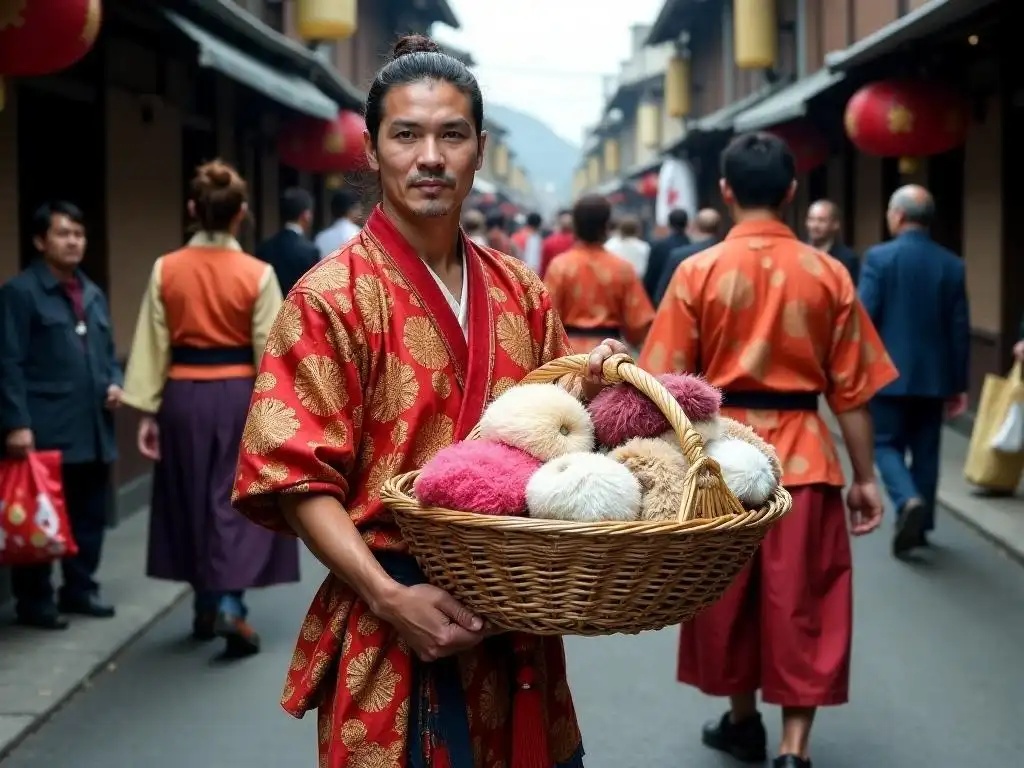
The samurai class underwent significant transformations throughout Japan's feudal period, particularly in their relationship with trade and the economy. Initially, the samurai were primarily known as warriors, bound by the code of bushido, which emphasized honor, loyalty, and martial prowess. However, as Japan entered the late Heian period and subsequently the Kamakura period (1185-1333), the samurai began to take on additional roles in governance and economic management.
Key Developments in Economic Influence:
- Land Ownership: Many samurai became landowners, which allowed them to collect taxes from peasants. This shift from mere fighters to economic stakeholders marked a pivotal change in their influence. The management of land directly correlated with wealth accumulation, providing them with resources to maintain their status and support their military endeavors.
- Feudal System: The feudal system established a hierarchy where samurai served daimyos (feudal lords) in exchange for land and protection. This relationship fostered an economic structure where samurai were integral to local economies, facilitating agriculture and local trade.
- Participation in Trade: While traditionally viewed as warriors, many samurai engaged in trade activities. They often acted as intermediaries between local producers and larger markets, enhancing their economic influence. This dual role allowed them to accumulate wealth and further solidify their status.
Samurai as Protectors of Trade Routes
The samurai's role extended beyond direct economic participation; they also served as protectors of vital trade routes. With the rise of the Silk Road, which connected Japan to mainland Asia, the samurai were crucial in ensuring the safety and security of merchants and goods traversing these routes.
Aspects of Protection:
- Military Presence: The presence of samurai along trade routes deterred banditry and ensured that merchants could transport their goods without fear. This military oversight was vital for the flourishing of trade, particularly with foreign entities.
- Political Alliances: Samurai often formed alliances with merchants and local leaders to protect trade interests. By ensuring safe passage for goods, they fostered economic stability and growth, which in turn benefited their own standing within society.
- Cultural Exchange: The protection of trade routes facilitated cultural exchanges. As samurai interacted with foreign traders, they were instrumental in the introduction of new ideas, technologies, and goods into Japan, enriching its cultural landscape and economy.
The Interplay Between Samurai Duty and Trade Activities
The relationship between samurai duty and trade activities was complex and multifaceted. While samurai were bound by their obligations to serve their lords and uphold their honor, the economic realities of the feudal system often required them to engage in trade.
Balancing Duties and Economic Interests:
- Duty to the Daimyo: Samurai were expected to fulfill their military and administrative responsibilities to their daimyos. However, the economic pressures of maintaining their status often led them to seek additional income through trade. This created a delicate balance between martial duties and economic pursuits.
- Trade as a Means of Sustenance: As the economy evolved, many samurai found themselves relying on trade to supplement their income. This was particularly true during times of peace when martial engagements were less frequent, prompting samurai to turn to trade for financial stability.
- Legacy of Economic Adaptation: The samurai's ability to adapt to economic changes laid the groundwork for Japan's economic development. Their involvement in trade helped transition Japan into a more interconnected economy, setting the stage for future growth and modernization.
The samurai's role in trade and the economy during Japan's feudal era was pivotal. Their evolution from warriors to economic influencers, protectors of trade routes, and adaptors to changing economic landscapes illustrates the profound impact they had on shaping Japan's economic history. The interplay between samurai duty and trade activities highlights the complexities of their position in society and the enduring legacy of their contributions to Japan's economic development.
Samurai Silk Road Trade Impact on Japan’s Economy

The intersection of the samurai class and the Silk Road trade significantly influenced Japan’s economy during the feudal era. The samurai, primarily known as warriors, also played crucial roles as landowners and local leaders, which positioned them as pivotal figures in the economic transformation that occurred due to trade.
Through their connections and control over various territories, samurai were instrumental in facilitating trade routes and engaging in commerce that brought a wealth of goods and ideas from the continent. This section delves into how these trade networks impacted agricultural practices, introduced exotic goods, and fostered economic growth and urbanization in Japan.
Influence on Agricultural Practices and Production
The Silk Road trade had a profound effect on Japan’s agricultural landscape. As trade flourished, the samurai class began to adopt and promote new agricultural techniques and crops, which were often learned from traders and emissaries from other regions.
- Introduction of New Crops: The arrival of new plant species, such as rice varieties and other grains, led to increased agricultural diversity. The samurai, as landholders, encouraged farmers to cultivate these crops, enhancing food security and productivity.
- Advanced Farming Techniques: The exchange of knowledge through trade networks introduced innovative farming methods, such as crop rotation and irrigation techniques. These methods improved yield and efficiency, allowing for surplus production.
- Land Management: Samurai often implemented systems of land management that optimized agricultural output. Their control over land enabled them to enforce practices that benefitted both their estates and the local peasantry.
The synergy between the samurai and local farmers not only improved agricultural practices but also ensured a steady supply of goods for trade, further integrating Japan into the broader Silk Road network.
The Introduction of Exotic Goods and Luxury Items
As the samurai engaged with the Silk Road trade, Japan began to see an influx of exotic goods and luxury items that were previously unavailable.
- Silks and Textiles: One of the most notable imports was silk, which became a symbol of status and wealth among the samurai. The demand for silk garments influenced local textile production, leading to the development of unique Japanese styles.
- Spices and Medicines: The introduction of spices and herbal medicines from the continent not only enhanced cuisine but also impacted traditional Japanese medicine. Samurai and their families incorporated these exotic goods into their diets and health practices, further elevating their social standing.
- Art and Aesthetics: The trade networks also facilitated the exchange of artistic ideas and materials. The samurai class, known for their appreciation of art, began to collect and commission works that reflected the diverse influences of Silk Road cultures.
This influx of luxury items not only enriched the samurai lifestyle but also stimulated local economies through the demand for handcrafted goods and new production techniques.
Economic Growth and Urbanization in Feudal Japan
The impact of the Silk Road trade on Japan’s economy extended beyond the samurai class, fostering widespread economic growth and urbanization.
- Emergence of Market Towns: As trade expanded, market towns began to flourish, providing venues for exchange and commerce. These towns became hubs of economic activity, attracting merchants and artisans, which facilitated increased trade and interaction among different social classes.
- Development of Infrastructure: The need for efficient transport of goods led to improvements in infrastructure, such as roads and ports. The samurai, often responsible for local governance, played a significant role in developing these infrastructures, enhancing trade routes that connected rural areas with urban centers.
- Rise of a Merchant Class: The increased demand for goods and services led to the emergence of a merchant class, which began to gain influence and wealth. This shift altered the traditional feudal structure, as merchants increased their power and began to challenge the dominance of the samurai in economic matters.
The Samurai Silk Road trade impact catalyzed significant changes in Japan’s economy, leading to improved agricultural practices, the introduction of exotic goods, and a wave of economic growth and urbanization. The samurai, with their unique position in society, were not only warriors but also key players in shaping the economic landscape of feudal Japan.
Case Studies of Samurai Involvement in Trade
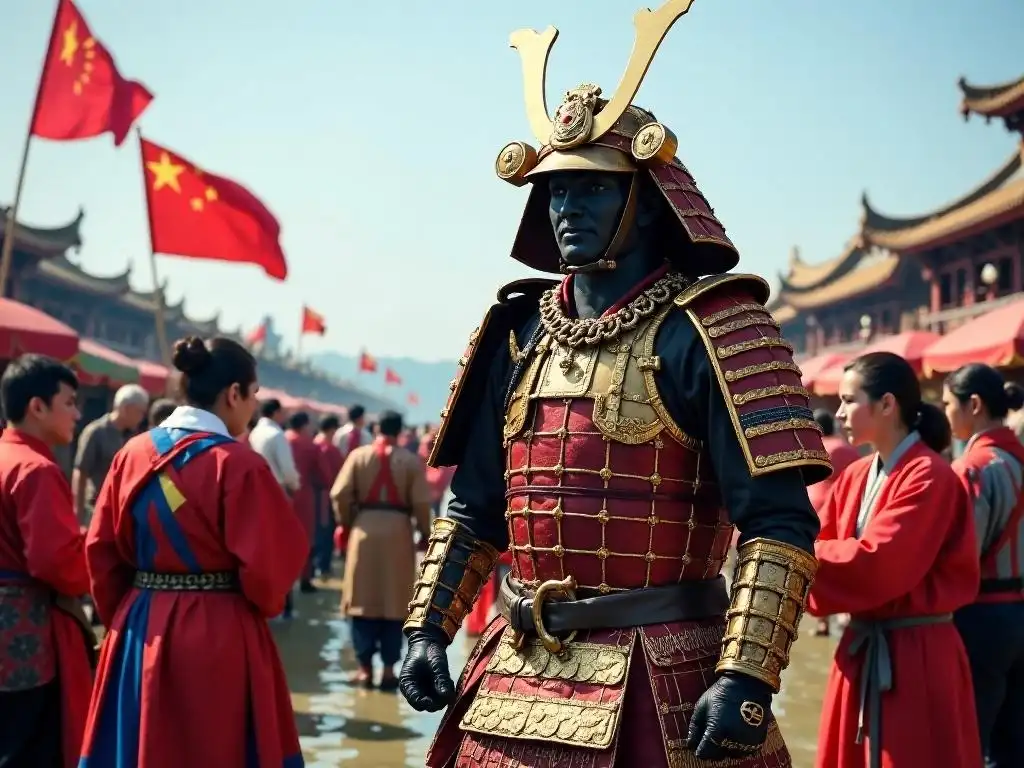
The intricate relationship between the samurai class and trade during Japan's feudal era reveals a dynamic aspect of their societal role. While often depicted primarily as warriors, many samurai engaged directly in trade, leveraging their status and connections to influence economic networks. This section highlights notable samurai traders who made significant contributions to the economy and examines the regional trade networks they established.
Notable Samurai Traders and Their Contributions
Throughout the feudal period, several samurai emerged as pivotal figures in trade, navigating the complexities of both domestic and international markets. Their contributions were instrumental in shaping Japan's economic landscape.
-
Kira Yoshinaka (1641-1703)
Kira was a prominent samurai from the Edo period known for his involvement in the lucrative silk trade. He established connections with foreign merchants, facilitating the importation of silk from China. His efforts not only enriched his clan but also stimulated the local economy by creating demand for silk-related products.
-
Hattori Hanzō (1542-1596)
Renowned as a spy and warrior, Hattori Hanzō also engaged in trade activities. His strategic alliances with merchants enabled him to control vital trade routes, particularly in the Iga region. Hanzō's dual role as a samurai and trader exemplified the blend of martial and commercial pursuits during the feudal era.
-
Miyoshi Chōken (1567-1633)
A lesser-known samurai who became a successful trader in the early Edo period, Miyoshi Chōken capitalized on the booming maritime trade. He established shipping routes that connected Japan with Southeast Asia, particularly in the rice trade. His initiatives contributed significantly to the economic prosperity of his domain.
These samurai exemplify how the warrior class adapted to the changing economic landscape, using their status and networks to engage in trade, which ultimately enhanced their power and influence.
Regional Trade Networks Established by Samurai
The samurai's involvement in trade led to the establishment of various regional networks that facilitated the exchange of goods, culture, and ideas. These trade networks can be categorized as follows:
-
Domestic Trade Networks
Samurai facilitated trade within Japan by establishing connections between different provinces. This internal trade was primarily focused on essential goods such as rice, textiles, and ceramics. Notable routes included:
- Tōkaidō Route: A crucial corridor for trade between Edo (Tokyo) and Kyoto, heavily utilized by samurai merchants.
- Nakasendō Route: This inland route connected the eastern and western regions of Japan, allowing samurai to engage in trade while on military campaigns or travels.
-
International Trade Networks
Samurai also played a key role in establishing Japan's international trade routes, particularly during the Nanban trade period (16th-17th centuries). They were often intermediaries between foreign traders and Japanese markets. Significant networks included:
- Silk Road Connections: Samurai engaged in trade with Chinese merchants, importing silk and spices, which were highly sought after in Japan. Samurai families established long-term relationships with these traders, facilitating a steady flow of goods.
- Maritime Trade with Europe: The arrival of Portuguese and Dutch traders introduced new markets for Japanese goods. Samurai adapted by creating alliances with these foreign entities, ensuring a profitable exchange of Japanese products such as silver and ceramics against European textiles and firearms.
The impact of samurai participation in these trade networks was profound, as it not only enriched their domains but also contributed to the overall economic development of Japan during the feudal era. The legacy of these trade connections continues to resonate in modern Japan's economic practices and international relations.
The Legacy of Samurai and Silk Road Trade in Modern Japan
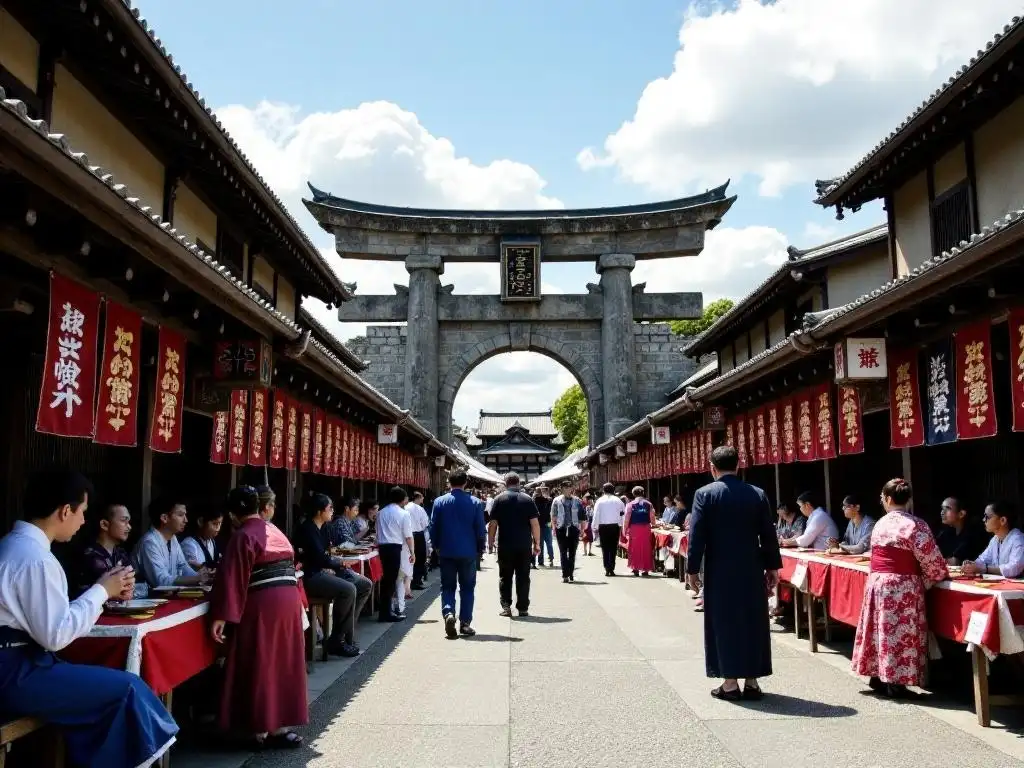
The legacy of the samurai and the Silk Road trade is deeply woven into the fabric of modern Japan. These historical elements have not only influenced Japan's cultural identity but have also played a significant role in shaping its economic landscape. The interactions between the samurai class and the trade networks established along the Silk Road laid the groundwork for Japan's future as a trading nation.
One of the most profound impacts of this legacy is seen in the values that the samurai upheld, such as loyalty, honor, and discipline. These principles continue to resonate in contemporary Japanese society, influencing various aspects of daily life, business ethics, and interpersonal relationships. The samurai ethos has also been romanticized and preserved in modern media, literature, and popular culture, serving as a cultural touchstone for many Japanese people.
In terms of economy, the samurai's involvement in trade helped to establish a more organized and structured commercial system. The merchants who collaborated with samurai warriors contributed to the emergence of a market economy in Japan. This collaboration laid the groundwork for modern business practices, as the samurai class began to recognize the importance of economic stability and growth, which ultimately shaped Japan's development.
Furthermore, the trade routes that connected Japan to the Silk Road facilitated the exchange of goods, ideas, and technologies. This exchange enriched Japanese culture, introducing new products such as silk and spices, as well as influencing art, cuisine, and fashion. The impact of these trade networks can still be seen today, as Japan continues to be a major player in global trade.
Continuing Influence on Japanese Culture and Economy
The influence of samurai and Silk Road trade is not merely a relic of the past; it continues to manifest in various aspects of modern Japanese culture and economy. The samurai's contributions to trade laid the foundation for Japan’s robust economic framework, integrating traditional values with modern business practices.
Culturally, the samurai's legacy can be observed in Japan's emphasis on craftsmanship and quality. The meticulous attention to detail that characterized samurai weaponry and armor is echoed in contemporary Japanese industries, from electronics to automotive manufacturing. This commitment to excellence has positioned Japan as a global leader in various sectors.
Additionally, the historical trade routes have influenced the culinary landscape of Japan. Ingredients originally introduced through Silk Road trade, such as spices and noodles, have been adapted and transformed into unique Japanese dishes, showcasing the enduring legacy of these early interactions. The fusion of flavors and cooking techniques reflects the cultural exchange that occurred along these trade networks.
In the realm of international relations, the historical connections established through Silk Road trade have paved the way for Japan's active participation in global trade agreements. Modern Japan continues to foster relationships with countries along the old trade routes, emphasizing mutual cooperation and economic collaboration. This has resulted in a diversified economy that benefits from both domestic and international markets.
The Silk Road's Role in Shaping Japan's Global Trade Relations
The Silk Road was instrumental in shaping Japan's global trade relations, acting as a conduit for cultural, technological, and economic exchanges between Japan and other civilizations. The samurai class, known for their military prowess, played a crucial role in protecting trade routes and ensuring safe passage for merchants, which facilitated the flow of goods and ideas.
One significant aspect of the Silk Road's influence on Japan was the introduction of new technologies and innovations. The samurai's involvement in trade allowed for the exchange of military techniques, agricultural practices, and artisanal skills. For instance, the introduction of advanced weaponry and agricultural tools from the Asian continent contributed to Japan's self-sufficiency and military strength.
Moreover, the establishment of diplomatic relationships with other nations through the Silk Road laid the groundwork for Japan's future interactions on the global stage. This historical context has influenced Japan's approach to foreign policy, fostering a culture of trade and collaboration that remains relevant today. Japan's participation in international trade organizations and agreements is a testament to the enduring impact of the Silk Road trade networks.
The legacy of the Silk Road is further reflected in Japan's contemporary trade partnerships. Countries that were once part of the Silk Road, such as China and Korea, continue to be vital economic partners for Japan. The shared history of trade and cultural exchange creates a foundation for ongoing collaboration and mutual growth in today's interconnected world.
The Silk Road's role in shaping Japan's global trade relations has left an indelible mark on the nation's economy and cultural identity. The samurai's legacy, intertwined with the trade networks of the past, continues to influence modern Japan, reinforcing the importance of trade, diplomacy, and cultural exchange in a rapidly changing global landscape.
Conclusion: The Enduring Impact of Samurai and Silk Road Trade
Summary of Key Points
The intersection of the Samurai culture and the Silk Road trade networks significantly influenced the economic landscape of feudal Japan. Key points to consider include:
- Economic Growth: The influx of goods and commodities from the Silk Road, such as silk, spices, and precious metals, stimulated Japan's economy, allowing the Samurai class to amass wealth and power.
- Cultural Exchange: The trade networks facilitated a rich exchange of ideas, art, and technology. The Samurai were not only warriors but also patrons of culture, promoting the adoption of foreign influences that enriched Japanese society.
- Strategic Alliances: Samurai leaders often engaged in diplomacy and trade with foreign nations along the Silk Road, which helped to establish Japan's presence in global trade networks. This strategic engagement enhanced their political power and economic resources.
- Market Development: The demand for luxury goods, such as silk, led to the development of markets within Japan, where merchants flourished. The Samurai's patronage of these markets contributed to a burgeoning economy that benefited both the elite and commoners.
Final Thoughts on the Historical Significance of Trade Networks in Feudal Japan
The Samurai and the Silk Road trade networks played a pivotal role in shaping Japan's economic and cultural identity during the feudal era. The impact of these interactions can still be observed today, as they laid the groundwork for Japan's future as a thriving nation in global commerce.
The legacy of the Samurai is intertwined with the influences brought by the Silk Road, demonstrating how trade can transcend borders and cultures. As Japan evolved, the values and practices established during this period continued to resonate, reminding us that the impact of the Samurai and Silk Road trade extends far beyond their time.
Understanding the "Samurai Silk Road Trade Impact" provides invaluable insight into how historical trade networks not only shaped economies but also fostered cultural exchanges that created a complex tapestry of human interaction. The lessons learned from this era continue to inform our understanding of global trade dynamics today.
Frequently Asked Questions
What was the role of the Samurai in the Silk Road trade?
The Samurai played a crucial role in the Silk Road trade by providing protection for merchants and ensuring safe passage through their territories, thus facilitating economic exchanges.
How did the Silk Road influence Japan's economy?
The Silk Road significantly impacted Japan's economy by introducing luxury goods and new ideas, which enhanced trade relationships and stimulated local markets.
What types of goods were traded along the Silk Road?
Goods traded along the Silk Road included silk, spices, ceramics, and precious metals, which were highly sought after in Japan and contributed to its cultural exchange.
How did the Silk Road affect Japanese society and culture?
The Silk Road influenced Japanese society and culture by introducing new art forms, religions, and ideas, which blended with local traditions and enriched the cultural landscape.
Were there any significant trade agreements established during this period?
Yes, several significant trade agreements were established, which not only enhanced economic cooperation but also led to increased cultural interactions between Japan and other regions connected by the Silk Road.
Final Reflection: The Enduring Legacy of Samurai and Silk Road Trade
The intricate connections between the Samurai and the Silk Road reveal a profound truth about our world today: the past is not merely a series of events but a tapestry of influences that continue to shape our present. The trade networks established along the Silk Road were not just routes for goods; they were conduits for ideas, cultures, and innovations that transformed Japan's economy and society. As we navigate our interconnected global landscape, it becomes increasingly clear that the lessons from these historical exchanges are more relevant than ever.
Culture and commerce have always been intertwined, and the legacy of the Samurai and Silk Road trade is a testament to this enduring relationship. The Samurai, often romanticized as warriors, were also key players in the economic landscape of their time, facilitating trade and cultural exchange. Their role in shaping Japan's economy through these networks underscores the importance of understanding history as a dynamic force. History is not a burden on the memory but an illumination of the soul.
This quote resonates deeply as we reflect on how the past informs our identity and actions in the present.
As we look to the future, let us embrace the lessons of the Samurai and the Silk Road. Consider how the values of resilience, adaptability, and cultural appreciation can guide your own journey. Reflect on your role in the ongoing narrative of trade and exchange, and how you can contribute to a more interconnected and understanding world. The impact of the Samurai and Silk Road trade is not just a chapter in history; it is a call to action for each of us to engage with our global community thoughtfully and purposefully.
Forge Your Path Through History!
Thank you for taking the time to explore the fascinating intersection of Samurai history and the Silk Road. You've gained a deeper understanding of how these trade networks significantly shaped Japan’s economy and culture. Now, it's time to take your interest further!
Here are some **inspiring actions** you can take right now:
- Dive Deeper: Explore books or documentaries on the Silk Road to uncover **compelling narratives** about its impact on Japan.
- Join the Conversation: Share your thoughts with fellow history enthusiasts in online forums or social media groups dedicated to the rich tapestry of Feudal Japan.
- Plan a Visit: Consider visiting a local museum or historical site that features exhibits on Japan's trade history to engage with these concepts in a tangible way.
What unique insights from the connection between the Samurai and the Silk Road do you think could influence modern trade today?