
The Role of Ukiyoe: Art and Urban Culture in Edo

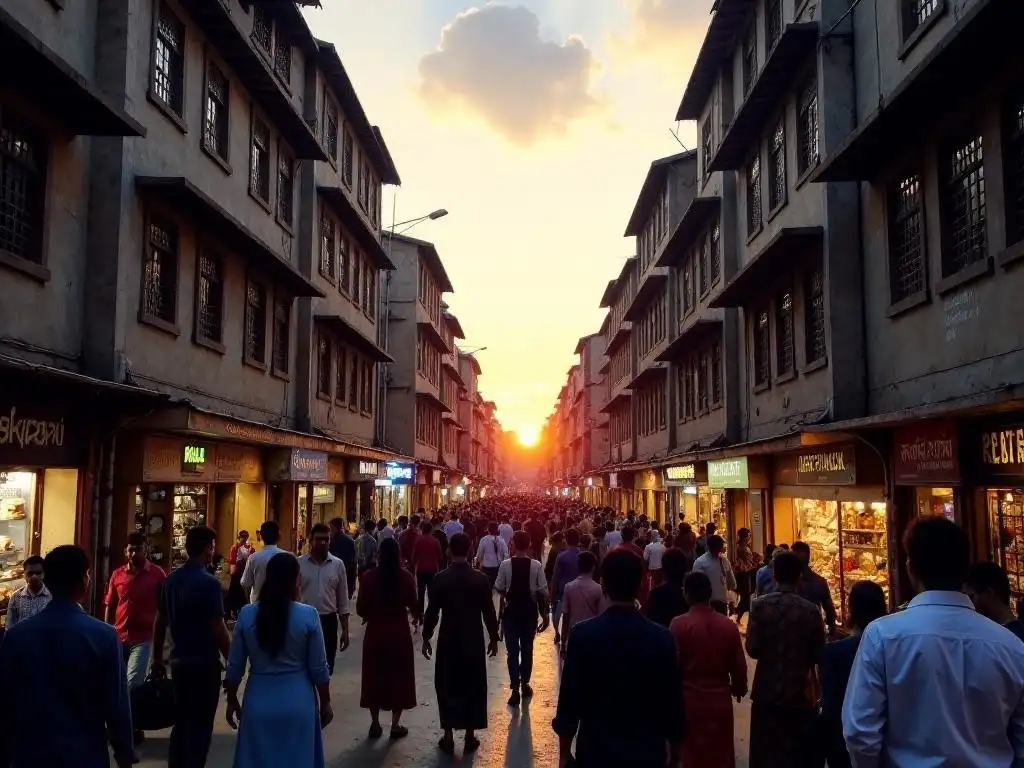
Welcome to Feudal Japan History, where we invite you to embark on a journey through the captivating world of Japan’s feudal era. In our latest article, "The Role of Ukiyoe: Art and Urban Culture in Edo," we delve into the intricate tapestry of Ukiyoe art in the Edo period, revealing how this vibrant artistic movement shaped urban culture and reflected the societal dynamics of its time. Prepare to uncover the layers of history, culture, and economics that intertwine in this fascinating exploration.
Are you ready to discover the stories behind the art that captivated a nation? Join us as we unveil the secrets of Edo's artistic legacy!
Introduction to Ukiyoe Art in the Edo Period
Ukiyoe, translating to "pictures of the floating world," represents a significant artistic movement that flourished during Japan's Edo period (1603-1868). This captivating genre of woodblock printing and painting not only reflects the aesthetic sensibilities of its time but also encapsulates the vibrant urban culture of Edo (modern-day Tokyo).
As Japan transitioned into a period of relative peace and economic prosperity, Ukiyoe art emerged as a means of documenting the lives, fashions, and landscapes of a rapidly urbanizing society. The interplay between art and everyday life during this era reveals a rich tapestry of cultural narratives, making Ukiyoe a vital subject of study for understanding the socio-economic dynamics of the period.
Definition and Historical Context of Ukiyoe
Ukiyoe is characterized by its focus on the ephemeral pleasures of life, portraying subjects such as beautiful women (bijin), kabuki actors, landscapes, and scenes of leisure from the bustling streets of Edo. The technique of woodblock printing allowed for mass production, making art accessible to a broader audience, which was a significant shift from the exclusive practices of the past. Historically, this art form emerged in the early 17th century and flourished until the mid-19th century, coinciding with Japan's isolation from the West.
The Edo period itself was marked by the Tokugawa shogunate's strict social hierarchy and economic growth, leading to the rise of a merchant class that sought cultural and artistic expression. Ukiyoe became a reflection of this new urban identity, portraying not only the allure of city life but also the complexities of human emotion and societal norms.
Significance of Ukiyoe in Edo Urban Culture
Ukiyoe served as a visual chronicle of Edo's urban culture, capturing the essence of daily life and societal changes. The art form played a crucial role in shaping public perception and taste, influencing fashion trends, entertainment, and even tourism. Notable subjects in Ukiyoe included:
- Kabuki Theater: Actors were immortalized through prints, which helped boost their popularity.
- Beautiful Women: Bijin prints celebrated femininity and beauty, reflecting the ideals of the time.
- Landscapes: Artists like Hokusai and Hiroshige showcased the natural beauty surrounding Edo, reinforcing the connection between urban and natural environments.
Through these themes, Ukiyoe not only provided entertainment but also offered insights into the social dynamics and cultural shifts occurring in Edo society.
The Evolution of Ukiyoe Art in Edo
Ukiyoe evolved significantly throughout the Edo period, influenced by various artistic movements, societal changes, and technological advancements. Understanding this evolution requires a closer look at the early influences that shaped its development, as well as the key artists who contributed to its legacy.
Early Influences on Ukiyoe Art
The origins of Ukiyoe can be traced back to earlier Japanese painting styles, such as the Yamato-e, which focused on narrative and decorative elements. The introduction of woodblock printing technology from China also played a pivotal role in its emergence. By the late 17th century, Ukiyoe began to flourish as artists experimented with color, composition, and themes that resonated with the urban population. The combination of traditional techniques with innovative concepts laid the groundwork for the distinctive style that would come to define Ukiyoe.
Key Artists and Their Contributions to Ukiyoe
Several renowned artists emerged during the Edo period, each bringing unique perspectives and techniques to Ukiyoe. Some of the most notable figures include:
- Hokusai: Renowned for his series "Thirty-Six Views of Mount Fuji," Hokusai's work exemplified the beauty of the natural world and its relationship with urban life.
- Hiroshige: Famous for his landscape prints, Hiroshige captured the changing seasons and the transient nature of life, enhancing the emotional depth of Ukiyoe.
- Utamaro: A master of bijin prints, Utamaro's work celebrated the beauty of women, often portraying them in intimate and candid moments.
These artists not only popularized Ukiyoe but also elevated it to a respected art form, influencing generations of artists both in Japan and abroad. Their contributions have left an indelible mark on the cultural landscape, ensuring that the legacy of Ukiyoe endures through time.
Themes and Subjects of Ukiyoe in the Edo Period
Ukiyoe, a genre of woodblock printing that flourished during the Edo period (1603-1868), is characterized by its vivid representation of various themes that reflect the dynamic urban culture of the time. The term "Ukiyoe" translates to "pictures of the floating world," capturing the essence of transient beauty and the pleasures of life. The themes often encompassed a broad range of subjects, including:
- Kabuki Actors: The theatrical arts were central to Edo period entertainment, and Ukiyoe prints frequently depicted famous kabuki actors in dramatic poses, showcasing their costumes and expressions.
- Beautiful Women (Bijin-ga): These prints celebrated the aesthetics of women, presenting them in various contexts, from everyday life to seasonal festivities, emphasizing grace, beauty, and fashion.
- Landscapes: Artists like Hokusai and Hiroshige popularized landscape prints, portraying famous sites and seasonal changes, thereby fostering a growing appreciation for nature among urban dwellers.
- Historical Events and Legends: Ukiyoe also depicted significant historical moments, legendary tales, and folklore, often blending fact with fiction to engage viewers.
This rich thematic diversity not only entertained but also educated the populace about their cultural heritage, societal norms, and the evolving urban environment.
Representation of Urban Life in Ukiyoe
The representation of urban life in Ukiyoe provides a fascinating lens through which to view the Edo period. These prints captured the vibrancy of city life, portraying bustling streets, festivals, and the daily activities of the common people.
- Street Scenes and Markets: Ukiyoe artists often illustrated lively marketplaces, showcasing merchants, customers, and the exchange of goods, which reflected the economic vitality of Edo.
- Festivals and Celebrations: Seasonal festivals were integral to Edo culture, and Ukiyoe prints immortalized these events, depicting crowds in festive attire, traditional performances, and food stalls, emphasizing community spirit.
- Everyday Life: Scenes of daily activities, such as tea ceremonies, family gatherings, and leisure pursuits, were common, offering insights into the social fabric and lifestyle of ordinary citizens.
Through these portrayals, Ukiyoe not only documented urban life but also influenced public perceptions and aspirations, making it a pivotal aspect of Edo culture.
Cultural Symbolism and Aesthetics in Ukiyoe Art
Ukiyoe art is rich in cultural symbolism and aesthetic principles that reflect the values and beliefs of the Edo period. The use of color, composition, and motifs plays a significant role in conveying deeper meanings.
- Color Palette: The vibrant colors used in Ukiyoe were not merely for aesthetics but also held symbolic meanings. For example, red often symbolized good fortune, while blue could represent calmness.
- Nature Motifs: Natural elements, such as cherry blossoms and waves, were frequently depicted, symbolizing the transient nature of life and beauty—central themes in Japanese philosophy.
- Asymmetrical Composition: The unique arrangement of subjects within the frame often drew attention to specific elements, creating a sense of depth and movement that engages viewers and reflects the dynamic nature of urban life.
These aesthetic choices not only enhanced the visual appeal of Ukiyoe but also allowed artists to convey complex cultural narratives, making their work resonant with the Edo audience.
The Impact of Ukiyoe on Edo Society
The impact of Ukiyoe on Edo society was profound, influencing various aspects of daily life, culture, and even politics. As a popular medium, it played a critical role in shaping societal norms and public discourse.
Ukiyoe as a Reflection of Social Classes and Urbanization
Ukiyoe prints often mirrored the stratification of Edo society, depicting various social classes and their lifestyles. The art form illustrated the disparities between the samurai, merchants, and commoners, offering a window into the hierarchical structure of the time.
- Samurai Culture: Ukiyoe often depicted samurai in heroic poses or tranquil settings, reinforcing their status and ideals of honor and loyalty.
- Merchant Life: As the merchant class gained influence, Ukiyoe began to celebrate their wealth and contributions to the economy, often portraying them in opulent settings or engaged in leisure activities.
- Common Folk: The everyday lives of laborers, artisans, and townspeople were also showcased, highlighting their struggles and joys, which fostered a sense of community and shared identity among the urban populace.
Through such representations, Ukiyoe not only documented the realities of urbanization but also contributed to shaping perceptions of social classes in Edo society.
The Role of Ukiyoe in Shaping Public Opinion and Trends
Ukiyoe played a significant role in shaping public opinion and influencing trends during the Edo period. As a widely circulated art form, it allowed for the dissemination of ideas and cultural values.
- Fashion and Aesthetics: By portraying the latest fashions and beauty ideals, Ukiyoe prints influenced what was considered stylish and desirable, impacting consumer behavior and trends in clothing and accessories.
- Political Commentary: Some Ukiyoe artists used their work to comment on social issues or critique political figures, subtly influencing public opinion and encouraging discourse on governance and societal norms.
- Cultural Exchange: The popularity of Ukiyoe extended beyond Japan, influencing Western art movements in the 19th century. This cross-cultural exchange not only enhanced Japan’s artistic reputation but also introduced new ideas and styles to both regions.
In this way, Ukiyoe served as a powerful tool for cultural expression, reflecting and shaping the values, trends, and sentiments of Edo society.
Ukiyoe Art Techniques and Styles
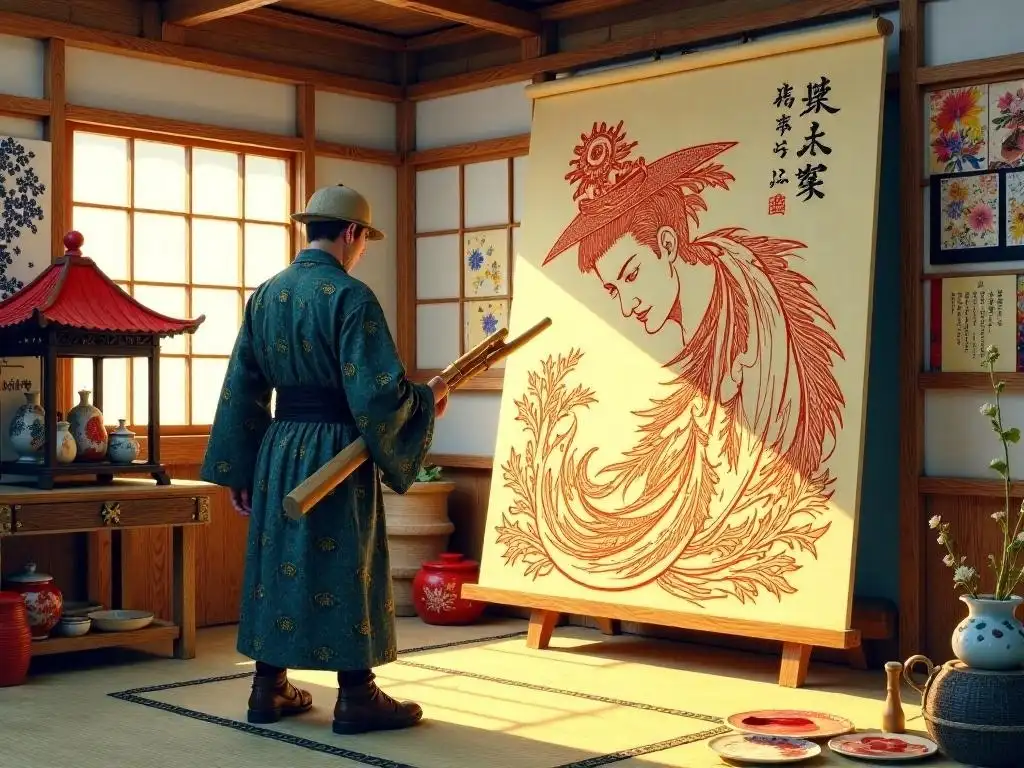
Ukiyoe, often translated as "pictures of the floating world," is a significant genre of Japanese art that flourished during the Edo period (1603-1868). This art form is characterized by its vibrant colors, intricate designs, and themes that reflect the urban culture of Edo. The techniques and styles employed in ukiyoe are diverse, showcasing the talent and creativity of the artists of the time.
The primary medium of ukiyoe is woodblock printing, a painstaking process that involves multiple steps, including carving, inking, and pressing. Artists often collaborated with skilled craftsmen, such as woodblock carvers and printers, to produce their works, which allowed for a high level of detail and finesse. These collaborations led to various styles that emerged within the ukiyoe genre, each with its unique characteristics and appeal.
Printing Techniques Used in Ukiyoe Production
The production of ukiyoe involved several key printing techniques that contributed to its distinct look:
- Woodblock Carving: Artists began by creating a sketch of their design, which was then transferred onto a cherry wood block. Skilled carvers would meticulously carve away the areas not intended to hold ink, allowing the raised surface to create the image when pressed onto paper.
- Multi-Block Printing: Many ukiyoe prints utilized multiple woodblocks to achieve a range of colors. Each block was carved for a specific color, and the printing process required precision to align the blocks accurately, resulting in vibrant, multi-colored images.
- Inking Techniques: The application of ink was done using a brush, with craftsmen applying different colors in layers. The choice of pigments and the blending techniques used contributed to the overall aesthetic, allowing for gradients and intricate details.
- Paper Selection: The type of paper used also played a significant role in the final appearance of ukiyoe prints. Traditional washi (Japanese paper) was often chosen for its texture and absorbency, enhancing the vibrancy of the colors.
These techniques combined to create stunning works of art that were both accessible and appealing to the burgeoning urban population of Edo.
Notable Styles of Ukiyoe and Their Characteristics
Within the realm of ukiyoe, several notable styles emerged, each reflecting different aspects of Edo society:
- Surimono: This style is characterized by its use of fine paper and delicate colors, often featuring poetic texts and luxurious imagery. Surimono prints were typically commissioned for special occasions, making them highly collectible.
- Yoko-e and Tate-e: These refer to the horizontal (yoko-e) and vertical (tate-e) formats of prints. Each format offered different compositional possibilities, with yoko-e often depicting landscapes and tate-e focusing on portraits and scenes from kabuki theater.
- Bijin-ga: Translated as "pictures of beautiful women," this style emphasizes the elegance and beauty of women, often portraying them in everyday activities or in historical contexts. Artists like Kitagawa Utamaro became famous for their bijin-ga works.
- Landscape Prints: Artists such as Hokusai and Hiroshige pioneered landscape ukiyoe, capturing the natural beauty of Japan’s scenery. Their works often featured famous sites and seasonal landscapes, showcasing the harmonious relationship between nature and urban environments.
These styles contributed to the richness of ukiyoe art, making it a vital element of Edo's cultural landscape.
The Economic Aspects of Ukiyoe Art in Edo
The ukiyoe art market played a crucial role in the economic fabric of Edo society. As the demand for these prints grew, so did the establishment of a vibrant marketplace that allowed artists to thrive and innovate.
The Ukiyoe Market and Its Influence on Artists
The ukiyoe market was characterized by its accessibility and reach, enabling artists to distribute their works widely. Publishers acted as intermediaries, funding artists and promoting their prints. This relationship allowed for a competitive atmosphere where artists needed to continually innovate to attract buyers.
Moreover, the popularity of ukiyoe created a demand for specific themes, such as kabuki actors, beautiful women, and scenic landscapes. Artists who could tap into these trends often found greater success, leading to a dynamic and responsive art market. The commercialization of ukiyoe also encouraged the production of lower-cost prints, making art accessible to a broader audience, including the rising merchant class.
Collecting and Patronage of Ukiyoe in Edo Society
Collecting ukiyoe became a fashionable pastime among Edo's affluent classes, including samurai, merchants, and wealthy townsfolk. This growing interest in collecting spurred the creation of various print series and special editions, catering to collectors’ desires for exclusivity and prestige.
Patrons played a vital role in supporting artists, often commissioning works that reflected their tastes or social status. This patronage system not only provided financial stability for artists but also facilitated the spread of ukiyoe art throughout different social strata.
As a result, ukiyoe prints became not only a form of artistic expression but also a symbol of cultural identity, reflecting the values, aspirations, and tastes of Edo society during this vibrant period in Japanese history.
Conclusion: The Lasting Legacy of Ukiyoe in Japanese Culture
Ukiyoe art, which translates to "pictures of the floating world," has left an indelible mark on Japanese culture and art that extends far beyond the Edo period. This unique blend of artistry, craftsmanship, and thematic exploration reflects the complexities of urban life during a time of significant social and economic transformation. The legacy of Ukiyoe is evident in various forms, from modern graphic design to contemporary art, where its influences can still be observed.
The themes often depicted in Ukiyoe—such as landscapes, kabuki actors, and scenes of daily life—continue to resonate with audiences today. This timeless appeal is a testament to the skill of artists like Hokusai and Hiroshige, whose works captured both the essence of their time and a universal human experience. Furthermore, the ability of Ukiyoe to convey stories and emotions through visual narratives has influenced countless artists globally, establishing a connection between Eastern and Western art traditions.
Influence of Ukiyoe Beyond the Edo Period
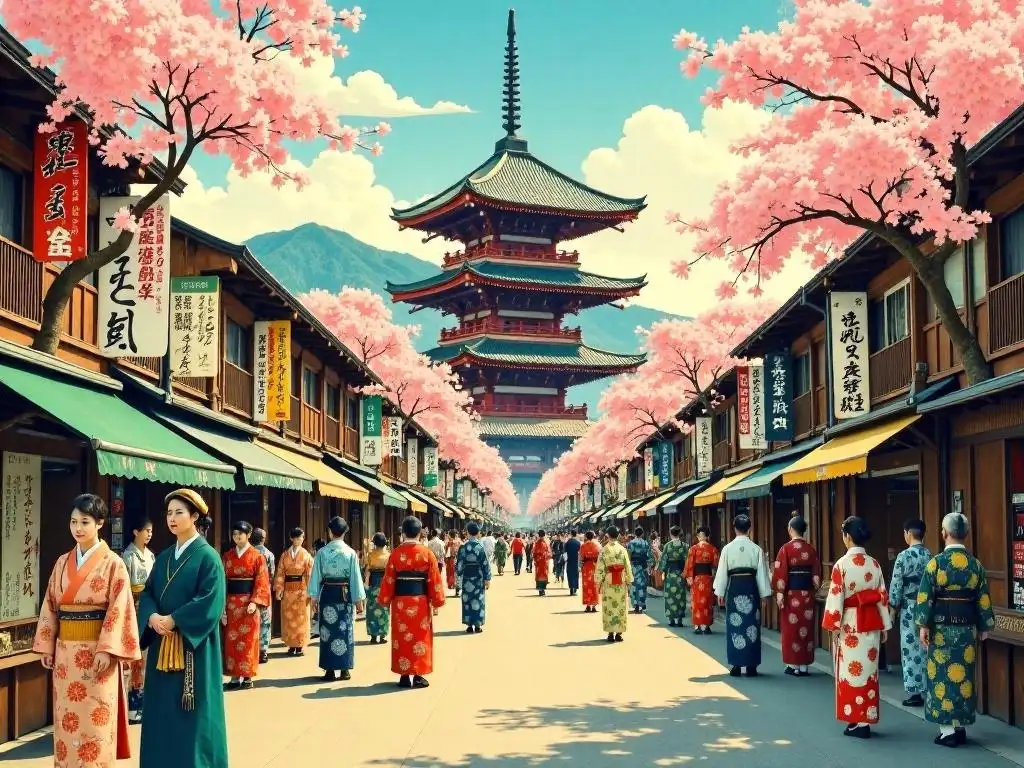
The influence of Ukiyoe art has transcended the confines of the Edo period, shaping various art movements and cultural expressions in Japan and abroad. Following the Meiji Restoration in 1868, Western artists began to discover and appreciate Ukiyoe, leading to the Japonisme movement in Europe. Artists such as Vincent van Gogh and Claude Monet drew inspiration from Ukiyoe’s unique compositional techniques and color palettes, incorporating these elements into their own works.
In addition to its impact on the visual arts, Ukiyoe has also influenced literature, theater, and fashion. The narratives depicted in Ukiyoe prints often inspired kabuki plays and literary works of the time, creating a rich tapestry of interconnected cultural forms. In contemporary Japan, Ukiyoe motifs can be found in fashion design, product packaging, and even digital media, showcasing its enduring relevance in modern culture.
Modern Interpretations and Revivals of Ukiyoe Art
Today, Ukiyoe art continues to inspire a new generation of artists and collectors. Various contemporary artists are reinterpreting traditional Ukiyoe themes and techniques, merging them with modern concepts and technologies. This revival is not only preserving the art form but also expanding its boundaries, allowing it to evolve in response to contemporary societal issues and aesthetics.
Exhibitions and workshops focused on Ukiyoe techniques are becoming increasingly popular, encouraging individuals to engage with this rich artistic heritage. Furthermore, the rise of digital art has allowed for innovative adaptations of Ukiyoe styles, making it accessible to a broader audience. Artists are exploring how Ukiyoe can translate into new mediums, such as animation and interactive digital art, ensuring its legacy endures in the digital age.
Suggested Further Reading on Ukiyoe and Edo Urban Culture
Recommended Books and Articles
- The Floating World: A New Perspective on Ukiyoe by Richard Lane
- Hokusai: Beyond the Great Wave by Timothy Clark
- Ukiyo-e, the Art of the Japanese Print by Roger S. Keyes
- The World of the Japanese Print by John D. Pierson
These resources provide in-depth analyses of Ukiyoe art and its contextual relevance within the Edo period, offering readers a comprehensive understanding of its cultural significance.
Online Resources and Museums
- The Metropolitan Museum of Art: A collection of Ukiyoe prints available online, showcasing various artists and styles.
- The British Museum: Features an extensive digital collection of Ukiyoe artworks along with informative articles.
- Tokyo National Museum: Offers insights into Ukiyoe through exhibitions and online resources that discuss its history and influence.
These online platforms and museums provide valuable access to Ukiyoe art, allowing enthusiasts and scholars alike to appreciate its historical and cultural richness.
- Introduction to Ukiyoe Art in the Edo Period
- The Evolution of Ukiyoe Art in Edo
- Themes and Subjects of Ukiyoe in the Edo Period
- The Impact of Ukiyoe on Edo Society
- Ukiyoe Art Techniques and Styles
- The Economic Aspects of Ukiyoe Art in Edo
- Conclusion: The Lasting Legacy of Ukiyoe in Japanese Culture
- Influence of Ukiyoe Beyond the Edo Period
- Modern Interpretations and Revivals of Ukiyoe Art
- Suggested Further Reading on Ukiyoe and Edo Urban Culture
Frequently Asked Questions
What is Ukiyoe art?
Ukiyoe is a Japanese woodblock printing technique that flourished during the Edo period (1603-1868), depicting subjects such as landscapes, kabuki actors, and beautiful women.
How did Ukiyoe influence urban culture in Edo?
Ukiyoe played a crucial role in shaping urban culture by reflecting the daily life and entertainment of the Edo period, helping to popularize cultural trends and fashion among the urban populace.
Who were the prominent Ukiyoe artists during the Edo period?
Notable Ukiyoe artists include Hokusai and Hiroshige, whose works captured the essence of Edo life and significantly influenced both Japanese and Western art movements.
What themes are commonly found in Ukiyoe art?
Common themes in Ukiyoe art include landscapes, kabuki theater, geishas, and scenes of urban leisure, showcasing the vibrant lifestyle and culture of the Edo period.
How is Ukiyoe art preserved today?
Ukiyoe art is preserved through museum collections, printmaking workshops, and digital archives, ensuring that this significant aspect of Japanese heritage continues to be appreciated and studied.
Final Reflection: The Enduring Legacy of Ukiyoe Art in Edo Period Culture
The vibrant world of Ukiyoe art in the Edo period continues to resonate today, illustrating the profound connection between art and urban culture. As we navigate a modern landscape increasingly influenced by visual media, the significance of Ukiyoe art serves as a reminder of how artistic expression can encapsulate the essence of a society, its values, and its daily life. The intricate woodblock prints of this era not only depict the beauty of fleeting moments but also reflect the dynamic urban culture that thrived in Edo, making them timeless treasures that still inspire contemporary artists and enthusiasts alike.
Ukiyoe art has left an indelible mark on our cultural and social fabric, shaping perceptions of beauty and identity. Its influence can be seen in various forms of modern art, fashion, and even digital media, demonstrating how the past continues to inform the present. As noted by art historian Richard Lane, Ukiyoe is not merely a reflection of the past; it is a bridge that connects us to the ongoing narrative of human creativity.
This connection underscores the importance of understanding and appreciating the historical context of art, as it enriches our cultural landscape and fosters a deeper appreciation for diverse artistic expressions.
As we reflect on the lessons of Ukiyoe art in the Edo period, I invite you to explore how these themes of transience, beauty, and urban life resonate in your own experiences. Consider how art shapes your understanding of the world and how you can engage with it in meaningful ways.
Whether through creating, collecting, or simply appreciating art, let the legacy of Ukiyoe inspire you to recognize the beauty in the everyday and to celebrate the rich tapestry of culture that surrounds us. Embrace the spirit of Ukiyoe, and allow it to guide you in your journey of artistic exploration and personal reflection.
Unveil the Vibrancy of Ukiyoe in Your World!
Thank you for diving into the fascinating realm of Ukiyoe and its pivotal role in Edo's art and urban culture! We hope you gained a deeper understanding of how this exquisite art form reflects the vibrancy of life during Japan’s feudal era.
Now, it's time to take your newfound knowledge and immerse yourself further. Here are some actions you can take today:
- Explore a local gallery or museum that features Ukiyoe art. Discover exhibitions in your area or virtual showcases that can enhance your appreciation.
- Share this article with friends or on social media to spark conversations about the beauty of Ukiyoe and its unique cultural significance.
- Try your hand at a Ukiyoe-inspired craft or painting, allowing the enchanting world of Edo to influence your creativity!
How will you incorporate the spirit of Ukiyoe into your daily life or creative expression? Join the conversation in the comments below!