
The Intersection of Art and Commerce: How Craftsmanship Fueled Trade


Welcome to Feudal Japan History, where we invite you to embark on a fascinating journey through the intricate tapestry of Japan's feudal era. In our featured article, "The Intersection of Art and Commerce: How Craftsmanship Fueled Trade," we delve into the dynamic relationship between Japanese feudal era craftsmanship trade and its profound impact on society and economy. Discover how artistry not only shaped cultural identity but also drove the wheels of commerce, unearthing secrets that will ignite your curiosity. Ready to explore the vibrant crossroads of art and trade? Let’s dive in!
Introduction to Japanese Feudal Era Craftsmanship Trade
The Japanese feudal era, spanning from the late 12th century to the early 19th century, was a time marked by significant social, political, and economic transformations. Within this rich historical backdrop, craftsmanship emerged not only as a vital aspect of cultural identity but also as a driving force behind trade and commerce.
The intricate relationship between art and commerce during this period reflects the profound influence of skilled artisans on the economy and society at large. This article delves into how craftsmanship fueled trade in feudal Japan, exploring its historical context and the multifaceted roles artisans played in shaping the commercial landscape.
Overview of the Japanese Feudal Era
The Japanese feudal era was characterized by a hierarchical social structure dominated by the samurai class, with a significant reliance on agricultural production and regional governance. This system created a unique environment for the development of artisanal crafts, as local economies flourished and trade routes expanded. The interplay between social classes and the need for specialized goods laid the groundwork for a burgeoning marketplace where craftsmanship was both a respected art form and a crucial economic driver.
Importance of Craftsmanship in Feudal Society
Craftsmanship during the feudal era was not merely a profession; it was a reflection of cultural values and societal status. Artisans were often revered for their skills, and their creations—ranging from textiles to ceramics and weaponry—were essential for everyday life. The quality of craftsmanship directly influenced trade opportunities, as finely crafted goods were highly sought after both locally and abroad. The intricate designs and techniques developed during this time laid the foundation for Japan's artistic heritage, making craftsmanship a cornerstone of Japanese culture.
Historical Context of Craftsmanship in Feudal Japan
The Role of Artisans in the Feudal System
Artisans occupied a critical niche within the feudal hierarchy, often organized into guilds that regulated production and trade practices. These guilds provided training and resources for aspiring craftsmen, fostering a community of skilled workers dedicated to their craft. The artisans' role extended beyond mere production; they were instrumental in preserving traditional techniques and adapting them to meet the demands of an evolving market. Their contributions not only supported local economies but also facilitated cultural exchange through trade.
Key Periods of Craftsmanship Development
Craftsmanship in feudal Japan can be traced through several key periods, each marked by unique developments in artistic expression and trade practices:
- Heian Period (794-1185): This era saw the emergence of distinct Japanese aesthetics, with a focus on refined art forms such as pottery and textiles.
- Kamakura Period (1185-1333): The rise of the samurai class led to increased demand for functional yet beautifully crafted items, such as swords and armor.
- Muromachi Period (1336-1573): This period was characterized by the flourishing of ceramics and the tea ceremony, intertwining artistry with cultural practices.
- Edo Period (1603-1868): A time of relative peace and stability, the Edo period witnessed a boom in commerce, with urbanization driving demand for a wide variety of crafts.
Influence of Samurai Culture on Trade and Craftsmanship
The samurai culture significantly influenced the art of craftsmanship, as warriors sought not only functional weaponry but also items that reflected their status and aesthetic ideals. The importance placed on ritual and ceremony in samurai life led to the creation of specialized crafts, such as elaborate armor and ceremonial swords. As trade expanded, these high-quality items became symbols of prestige, further intertwining the realms of art and commerce.
Through this exploration, we can understand how craftsmanship was not just an isolated practice but a vital component of the economic and cultural tapestry of feudal Japan, shaping both trade and societal norms in profound ways.
Types of Craftsmanship in the Japanese Feudal Era
The Japanese feudal era, which spanned from the late 12th century to the mid-19th century, was marked by a rich tapestry of craftsmanship that reflected the cultural and societal values of the time. Craftsmen played an integral role in shaping both the aesthetic and economic landscapes of Japan, producing goods that were not only functional but also imbued with artistic value. This section explores the various types of craftsmanship that flourished during this period, highlighting their significance in trade and commerce.
Traditional Crafts: Pottery, Textiles, and Woodwork
Traditional crafts such as pottery, textiles, and woodwork were foundational to Japan's artisanal heritage. Each craft held deep cultural significance, often tied to regional identities and practices.
- Pottery: Renowned styles like Imari and Bizen pottery emerged, characterized by unique glazes and firing techniques. These ceramics were highly valued for both domestic use and export, influencing trade dynamics significantly.
- Textiles: The production of textiles, especially silk and cotton, was a major industry. Techniques such as dyeing and weaving, including the famous kimono-making process, showcased intricate patterns and craftsmanship that attracted both local and international markets.
- Woodwork: Japanese woodwork, including the construction of temples, shrines, and furniture, exemplified superior craftsmanship. Artisans used indigenous woods like cedar and cypress, employing methods that emphasized durability and aesthetics. This craft not only met the needs of everyday life but also served as a testament to the artistic prowess of the period.
Metalwork and Weaponry: A Blend of Art and Utility
Metalwork in the Japanese feudal era was characterized by a harmonious blend of utility and artistry. Blacksmiths played a crucial role in producing tools, utensils, and weaponry, particularly swords, which became symbols of status and power.
- Swords: The craft of sword-making, particularly from the Kamakura period onwards, reached extraordinary heights. Techniques like folding and differential hardening resulted in blades that were both functional and visually stunning, often adorned with intricate designs. Renowned schools of sword-making, such as the Bizen and Soshu traditions, were instrumental in establishing a prestige economy around these weapons.
- Utility Items: Beyond weaponry, craftsmen produced everyday items such as cooking utensils, agricultural tools, and decorative objects. The meticulous techniques employed in metalwork contributed to the durability and appeal of these products, fostering trade relationships both within Japan and with foreign entities.
The Rise of Unique Craft Specializations
As commerce expanded during the feudal era, so too did the emergence of specialized crafts. Artisans began to focus on specific skills, leading to the development of unique craft traditions that would later define regional identities.
- Regional Specializations: Certain regions became known for particular crafts, such as the lacquerware of Wajima or the textiles of Nishijin. This specialization not only improved quality but also created a sense of pride and competition among artisans.
- Guilds and Associations: The formation of guilds helped standardize practices and protect trade secrets, fostering an environment where craftsmanship could thrive. These organizations supported artisans by providing training, resources, and platforms for marketing their products.
The Economic Impact of Craftsmanship on Trade
Craftsmanship had profound implications for trade during the Japanese feudal era. As artisans honed their skills and produced high-quality goods, these products became valuable commodities that fueled both local and international trade networks.
Craftsmanship as a Catalyst for Local and Regional Trade
The proliferation of skilled artisans contributed significantly to local economies, transforming villages and towns into hubs of production and trade.
- Local Markets: Artisans often sold their goods in local markets, where unique products would attract buyers from surrounding areas. The demand for quality craftsmanship created a vibrant marketplace that stimulated economic activity.
- Regional Trade Networks: As certain crafts gained recognition, regional trade networks emerged. Artisans collaborated with merchants to distribute their goods, leading to increased connectivity and economic interdependence among different regions.
Trade Routes and Their Influence on Craftsmanship Distribution
The geography of Japan, combined with established trade routes, played a pivotal role in the distribution of crafted goods.
- Land and Sea Routes: The development of trade routes, both overland and maritime, facilitated the movement of goods across Japan and beyond. Key ports, such as Nagasaki, became crucial points for the export of Japanese craftsmanship to foreign markets, particularly during the Edo period.
- Cultural Exchange: The interaction between different regions and cultures through trade routes led to the exchange of techniques and ideas, enriching Japanese craftsmanship. Artisans were often inspired by foreign styles, leading to innovative practices and hybrid forms of craftsmanship.
The Role of Merchants in Promoting Crafts
Merchants were vital in bridging the gap between artisans and consumers, acting as conduits for trade and cultural exchange.
- Market Expansion: Merchants identified market trends and consumer preferences, helping artisans adapt their products to meet demand. Their knowledge of trade routes and marketing strategies expanded the reach of crafted goods.
- Cultural Preservation: Beyond commerce, merchants played a role in preserving and promoting traditional crafts. By supporting artisans and facilitating access to broader markets, they helped maintain the cultural heritage that defined Japanese craftsmanship.
The intersection of art and commerce during the Japanese feudal era illustrates the profound impact of craftsmanship on trade. Through the exploration of various crafts, the economic implications, and the roles of merchants, we gain a deeper understanding of how craftsmanship fueled trade and shaped the historical narrative of Japan.
The Cultural Significance of Craftsmanship in Japanese Society
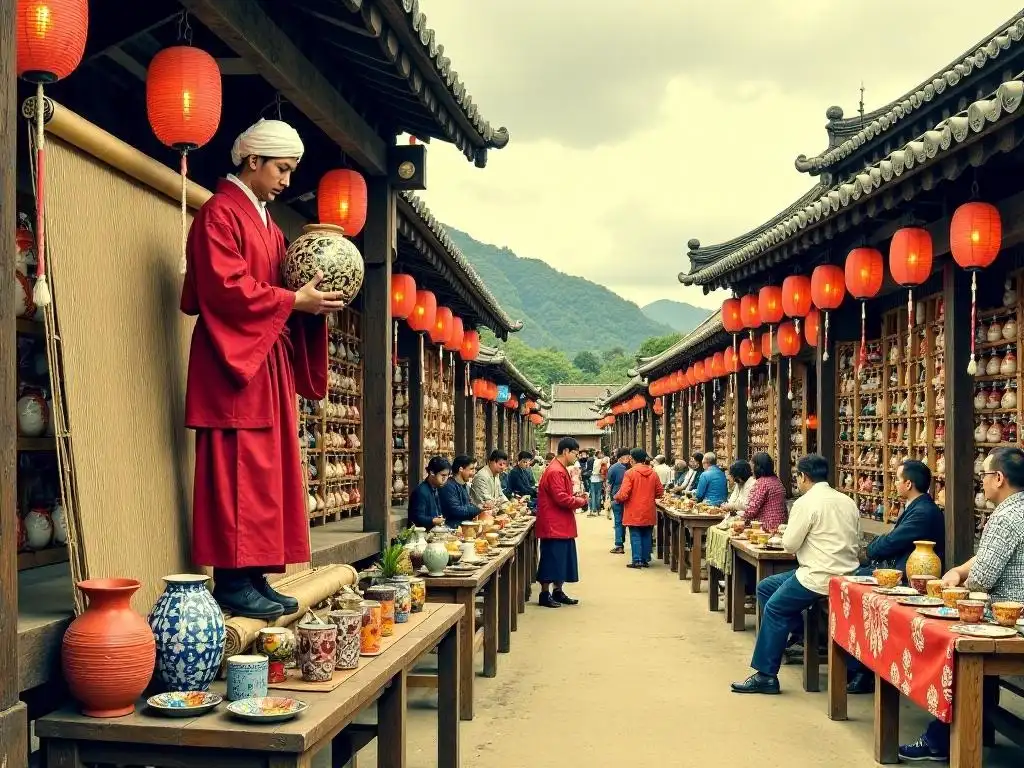
Craftsmanship in Japan during the feudal era was not merely about producing goods; it played a crucial role in shaping cultural identity and societal values. Artisanship was deeply intertwined with the everyday lives of the people, reflecting their beliefs, traditions, and social structures. Each crafted item, whether it be pottery, textiles, or metalwork, was imbued with cultural significance, often representing the unique characteristics of different regions or clans. This connection to local identity fostered a sense of pride amongst artisans, as their work was seen as a continuation of age-old traditions that connected them to their ancestors.
Moreover, craftsmanship served as a vessel for the expression of aesthetic values that defined Japanese society. The meticulous attention to detail and reverence for nature found in various art forms, such as Ikebana (flower arranging) and Sumi-e (ink painting), highlighted a philosophical approach that emphasized harmony and balance. These aesthetic principles not only guided artisans in their work but also influenced broader societal norms and tastes, establishing a collective appreciation for beauty and quality.
Craftsmanship as an Expression of Identity and Tradition
Artisanship was inherently linked to regional identities, with different provinces specializing in unique crafts that showcased their cultural heritage. For instance, the intricate textiles of Nishijin in Kyoto, known for their vibrant colors and complex patterns, became a symbol of aristocratic elegance. Meanwhile, the pottery of Mino was celebrated for its rustic beauty and utilitarian function. Such craftsmanship was not only a source of livelihood but also a means of preserving local customs and narratives.
The passing down of skills and techniques from generation to generation ensured that traditions were maintained, fostering a strong sense of community among artisans. Apprenticeships were common, and the relationship between master and apprentice was often steeped in familial bonds, reinforcing the notion that craftsmanship was both a livelihood and a cultural legacy. This transmission of knowledge was vital in maintaining the integrity and authenticity of the crafts, ensuring that the essence of Japanese culture was preserved even amidst the challenges of the feudal landscape.
Festivals and Craft Fairs: Celebrating Artisanship
Throughout the feudal era, festivals and craft fairs became important social events that not only showcased artisans’ skills but also reinforced community ties. These gatherings provided artisans with a platform to exhibit their work, enabling them to reach broader audiences and engage with potential customers. Such events often coincided with agricultural harvests or seasonal celebrations, further embedding craftsmanship within the rhythm of everyday life.
During these festivals, the atmosphere was charged with a sense of pride and celebration. Artisans would display their finest works, while visitors could appreciate the craftsmanship up close. Traditional performances, food stalls, and communal activities created an environment that fostered cultural exchange, allowing artisans to share techniques and ideas with one another. This not only helped elevate the status of craftsmanship within society but also encouraged the diversification of trade, as artisans began to collaborate and innovate in response to changing tastes and demands.
The Interplay of Religion and Craftsmanship
Religion played a significant role in shaping craftsmanship during the feudal era, influencing both the themes and techniques of various art forms. Many artisans were associated with specific religious practices, creating objects that served spiritual purposes. For example, Buddhist artisans crafted intricate statues and temple decorations that reflected their devotion and craftsmanship, while Shinto practitioners produced ritual implements designed to honor the kami (spirits).
This sacred dimension of craftsmanship imbued the work with a sense of purpose and meaning, often elevating the artisans' status within their communities. The spiritual significance associated with their creations fostered a unique bond between artisans and their patrons, who often sought out specific craftsmen for their expertise in producing items that resonated with their spiritual beliefs. This interplay between religion and craftsmanship not only enriched the artistic landscape of feudal Japan but also solidified the role of artisans as custodians of cultural and spiritual traditions.
Challenges Faced by Artisans During the Feudal Era
Despite the rich tapestry of craftsmanship during the feudal era, artisans faced numerous challenges that threatened their livelihoods and the preservation of their craft. The economic landscape was often precarious, influenced by political instability, shifts in trade routes, and changing consumer demands. As a result, artisans had to navigate a complex web of challenges that tested their skills and resilience.
Economic Constraints and Market Access
Access to markets was a significant hurdle for many artisans in feudal Japan. With the rise of powerful samurai clans and the establishment of rigid social hierarchies, the ability to sell goods was often restricted. Artisans were frequently required to sell their wares through intermediaries or at designated markets, limiting their profit margins and economic independence. This dependence on middlemen not only diminished their earnings but also stifled innovation, as artisans were often pressured to produce in bulk rather than pursue creative endeavors.
Moreover, economic constraints were exacerbated by the fluctuating demand for crafts. Periods of peace often led to increased consumer spending, while war and instability caused significant downturns in trade. Artisans had to adapt quickly to these changing circumstances, often resorting to diversifying their skill sets or finding alternative markets to sustain their livelihoods. This constant struggle for economic viability shaped the evolution of craftsmanship, as artisans sought to balance tradition with the demands of an increasingly competitive marketplace.
Preservation of Techniques Amidst Change
The preservation of traditional techniques became increasingly challenging as social and economic changes swept across Japan. With the advent of new materials and technologies, many artisans found themselves at a crossroads between innovation and tradition. While some embraced modernization and adapted their techniques to meet contemporary preferences, others remained steadfast in their commitment to preserving age-old methods.
The risk of losing traditional craftsmanship was particularly pronounced during periods of significant political upheaval, such as the Sengoku period, when warfare and instability disrupted the transmission of skills. Many artisans were forced to abandon their crafts or relocate, leading to a potential loss of invaluable knowledge. Efforts to document and teach traditional techniques became essential during these turbulent times, as artisans recognized the importance of safeguarding their cultural heritage for future generations.
Impact of Political Changes on Craftsmanship Trade
The political landscape of feudal Japan had a profound impact on the craftsmanship trade. Shifts in power dynamics, such as the rise of the Tokugawa shogunate, brought about changes in patronage and demand for various crafts. With the establishment of a more centralized government, the focus on samurai culture and the aesthetic preferences of the ruling class influenced the types of crafts that flourished.
Artisans often had to navigate the complexities of political favor, aligning their work with the tastes of those in power to secure commissions and patronage. This sometimes meant compromising on traditional methods or themes to cater to the desires of the elite. Conversely, political stability also allowed for the flourishing of specific crafts, as artisans could engage in trade and showcase their work without the looming threat of conflict. Ultimately, the interplay between politics and craftsmanship shaped not only the types of goods produced but also the very identity of artisans within the feudal framework.
The Legacy of Japanese Feudal Era Craftsmanship
The craftsmanship of the Japanese feudal era holds a significant place in the annals of art history, influencing both domestic and international perceptions of Japanese culture. During this period, artisans honed their skills through rigorous training and dedication, creating high-quality goods that were not only functional but also aesthetically remarkable. From intricate pottery to delicate textiles, the craftsmanship embodied a deep cultural significance, reflecting the values and traditions of the time.
The guild system played a pivotal role in the development of these crafts. Artisans were often organized into guilds that regulated quality, techniques, and trade practices. This not only ensured a standard of excellence but also fostered a sense of community and collaboration among craftsmen. As a result, specific regions became renowned for particular crafts, such as Kyoto for textiles and Kanazawa for gold leaf. The legacy of this craftsmanship is evident today in both traditional and contemporary art forms, underscoring the enduring impact of these artisans on Japanese culture.
Lasting Influence on Modern Japanese Art and Design
The influence of Japanese feudal era craftsmanship is profoundly evident in modern Japanese art and design. Contemporary artists and designers frequently draw inspiration from historical techniques and aesthetics, incorporating traditional motifs into their work. For instance, the minimalistic approach seen in modern Japanese design mirrors the simplicity and elegance of historical craftsmanship, emphasizing the beauty of natural materials and forms.
Moreover, the principles of wabi-sabi, which appreciate the beauty in imperfection and transience, have their roots in the craftsmanship of the feudal era. This philosophy continues to shape modern artistic expressions, encouraging artists to embrace flaws and irregularities as integral components of their work. The seamless blend of traditional techniques with modern sensibilities allows for a rich tapestry of artistic expression that honors the legacy of the past while innovating for the future.
Preservation and Continuation of Traditional Crafts
Efforts to preserve traditional crafts from the feudal era are ongoing in Japan, with various organizations and artisans dedicated to maintaining these age-old techniques. Programs that promote the teaching of traditional crafts, such as pottery, weaving, and woodworking, ensure that these skills are passed down through generations. Workshops and exhibitions showcase the work of contemporary artisans who blend historical techniques with modern designs, creating a dialogue between the past and present.
Furthermore, government initiatives recognize certain crafts as "Important Intangible Cultural Properties," providing support and resources to artisans who practice these traditional skills. This recognition not only helps to sustain the craftsmanship but also elevates the cultural significance of these practices in contemporary society. The commitment to preserving these crafts underscores their importance not only as artistic expressions but also as vital components of Japan’s cultural heritage.
Contemporary Perspectives on Feudal Trade Practices
Modern interpretations of feudal trade practices reveal a complex interplay between commerce, culture, and craftsmanship. Researchers and historians explore how the trade networks established during the feudal era laid the groundwork for Japan's economic development. These trade routes facilitated the exchange of goods and ideas, creating a dynamic market that fostered innovation in craftsmanship.
Today, there is a growing interest in fair trade and sustainable practices, drawing parallels with the methods of the feudal era. Artisans are increasingly recognized for their roles in local economies, and there is a movement towards promoting handmade goods that reflect traditional craftsmanship. This contemporary perspective not only honors the legacy of feudal trade practices but also advocates for a more sustainable and ethical approach to commerce in the modern world.
Conclusion: The Lasting Impact of Craftsmanship on Trade in Feudal Japan
The craftsmanship of the Japanese feudal era was not merely an artistic pursuit; it was a fundamental aspect of trade that shaped the economic landscape of the time. The high-quality goods produced by skilled artisans fueled both domestic and international trade, creating a vibrant marketplace that thrived on the exchange of culture and commerce.
As we reflect on this intersection of art and trade, it becomes clear that the legacy of craftsmanship continues to influence modern practices and perceptions. The traditional skills and artistic philosophies developed during the feudal era endure, illustrating the profound impact of these artisans on Japan's cultural and economic history.
Summary of Key Points
- Artisan Guilds: The organization of craftsmen into guilds ensured quality and fostered community.
- Modern Influence: Contemporary art and design draw heavily from feudal craftsmanship, emphasizing simplicity and natural beauty.
- Preservation Efforts: Initiatives aimed at preserving traditional crafts are vital for maintaining Japan's cultural heritage.
- Trade Networks: Feudal trade practices established connections that continue to inform modern commerce, highlighting sustainability and ethical production.
Reflection on the Importance of Craftsmanship in Economic History
Craftsmanship during the Japanese feudal era serves as a vital case study in understanding the relationship between art and commerce. The high standards of quality and aesthetic values established by artisans not only defined cultural identity but also contributed to economic prosperity. By examining the historical interplay between craftsmanship and trade, we gain insights into the broader implications of artisanal work on economic systems, cultural exchange, and social development. The lessons learned from this era remain relevant today, as we navigate the complexities of modern commerce and seek to honor the rich traditions of the past.
- Introduction to Japanese Feudal Era Craftsmanship Trade
- Historical Context of Craftsmanship in Feudal Japan
- Types of Craftsmanship in the Japanese Feudal Era
- The Economic Impact of Craftsmanship on Trade
- The Cultural Significance of Craftsmanship in Japanese Society
- Challenges Faced by Artisans During the Feudal Era
- The Legacy of Japanese Feudal Era Craftsmanship
- Conclusion: The Lasting Impact of Craftsmanship on Trade in Feudal Japan
- What was the significance of craftsmanship in the Japanese feudal era?
- How did trade impact the development of craftsmanship during this period?
- What types of crafts were prominent in feudal Japan?
- How did the social structure influence craftsmanship and trade?
- In what ways did craftsmanship contribute to Japan's cultural identity?
Frequently Asked Questions
What was the significance of craftsmanship in the Japanese feudal era?
Craftsmanship played a crucial role in the Japanese feudal era, as it not only showcased artistic talent but also facilitated trade and economic growth within society.
How did trade impact the development of craftsmanship during this period?
Trade during the Japanese feudal era allowed craftsmen to reach wider markets, enhancing their skills and promoting the exchange of ideas and techniques across various regions.
What types of crafts were prominent in feudal Japan?
Prominent crafts included pottery, textiles, and metalwork, each reflecting the unique cultural influences and regional resources available during the feudal period.
The class system in feudal Japan dictated the roles of artisans, often leading to a patron-client relationship where higher classes commissioned works, driving both craftsmanship and trade.
In what ways did craftsmanship contribute to Japan's cultural identity?
Craftsmanship served as a reflection of cultural values and aesthetics, helping to establish a sense of national pride and identity that resonated throughout Japanese society.
Final Reflection: The Enduring Legacy of Japanese Feudal Era Craftsmanship Trade
The intricate relationship between art and commerce during the Japanese feudal era remains profoundly relevant today, as it exemplifies how craftsmanship can transcend mere utility to become a vital component of cultural identity and economic vitality. In a world increasingly driven by mass production and digital transactions, the lessons from this era remind us of the value of skilled artisanship and the stories woven into each handcrafted piece. The craftsmanship of this period not only shaped trade but also laid the groundwork for the appreciation of art as a vital economic force, echoing through the ages.
Craftsmanship has always been a bridge between cultures, and the Japanese feudal era stands as a testament to this enduring connection. The meticulous attention to detail and the dedication to quality in craftsmanship fostered a unique trade network that influenced not only Japan but also the global market. As we reflect on this legacy, we can draw inspiration from the words of the renowned artist and philosopher, Yoshida Hiroshi: Art is the most beautiful of all lies; it is the truth of our existence.
This sentiment underscores how the artistry of the past continues to resonate in our contemporary lives, shaping our understanding of value and beauty.
As we move forward, let us take a moment to reflect on how we can incorporate the principles of craftsmanship into our own lives. Consider the ways in which you can support local artisans, appreciate the stories behind handmade goods, and recognize the artistry in everyday objects. By doing so, we not only honor the legacy of the Japanese feudal era but also contribute to a future where craftsmanship and commerce coexist harmoniously, enriching our lives and communities. Embrace the call to action: seek out the beauty in craftsmanship, and let it inspire your own creative journey.
Unveil Your Own Craftsmanship Journey!
Thank you for diving into the fascinating world where art and commerce intertwine. You have explored how the craftsmanship of feudal Japan not only shaped cultural identities but also fueled thriving trade. Now, it’s time to take that inspiration and apply it to your own journey!
Here are some actionable steps you can take right now:
- Start a creative project: Whether it’s painting, pottery, or another form of craftsmanship, choose something that ignites your passion and dedicate time to it each week.
- Share your progress: Join an online community or social media group focused on craftsmanship. Share your work, seek feedback, and connect with fellow artisans.
- Explore local markets and artisan fairs: Discover local craftspeople and their unique creations. Engaging with their stories can deepen your appreciation for the craft!
What unique ways will you express your creativity and connect with others on your craftsmanship journey? We’d love to hear your thoughts in the comments!