
Silk and Spices: The Impact of International Trade on Feudal Japan


Welcome to Feudal Japan History, where we invite you to embark on a fascinating journey through the intricacies of Japan’s feudal era. In our featured article, “Silk and Spices: The Impact of International Trade on Feudal Japan,” we delve into the vibrant world of commerce that shaped not only the economy but also the culture and society of this remarkable period. What secrets did the flow of silk and spices unveil about Japan's connections to the wider world?
Join us as we unravel the threads of history and explore how international trade transformed feudal Japan, sparking curiosity and igniting the flames of discovery within you. Prepare to dive deeper into a time where every trade route told a story!
Introduction to International Trade in Feudal Japan
The feudal era of Japan, spanning from the late 12th century to the mid-19th century, was a transformative period that saw the rise of a distinct social hierarchy, characterized by the shogunate and the samurai class. Amidst this evolving landscape, international trade played a crucial role in shaping the economy, culture, and society of Japan.
While self-sufficiency was a hallmark of feudal Japan, the introduction of silk and spices through international trade routes significantly influenced the material culture and economic exchanges of the time. This article delves into the complexities of the international trade in feudal Japan, examining its historical context, key players, and the broader implications on society.
Overview of Feudal Japan's Economy
Feudal Japan's economy was primarily agrarian, relying heavily on rice cultivation as the mainstay of sustenance and wealth. However, the period also witnessed the emergence of a vibrant market economy, where local artisans, merchants, and traders began to flourish. Key aspects of the economy included:
- Agriculture: Predominantly rice-based, with seasonal crops that supported the local population.
- Craftsmanship: Artisans produced textiles, ceramics, and metalwork, contributing to trade.
- Marketplaces: Towns and cities developed marketplaces where goods were exchanged, both locally and internationally.
The introduction of foreign goods, particularly silk and spices, created new opportunities for wealth accumulation and the expansion of trade networks.
Significance of Trade in the Feudal Era
Trade during the feudal era was not merely an economic endeavor; it was also a cultural exchange that facilitated the flow of ideas, customs, and technologies. The significance of trade can be highlighted through:
- Cultural Exchange: International trade brought new culinary practices, art forms, and religious beliefs to Japan.
- Economic Growth: The influx of luxury goods, like silk, stimulated local industries and created demand for Japanese products abroad.
- Political Dynamics: Trade relations influenced diplomatic interactions, often leading to alliances or conflicts over control of trade routes.
Overall, international trade became a vital component of feudal Japan's economic framework, intertwining with its social and political structures.
The Historical Context of International Trade
The historical backdrop of international trade in feudal Japan reveals a complex interplay of geography, culture, and politics that shaped trade routes and practices.
The Emergence of Trade Routes
The development of trade routes was pivotal in connecting Japan with other regions, both within Asia and beyond. Key factors included:
- Geographical Positioning: Japan's location along the Silk Road and maritime routes facilitated trade with China, Korea, and Southeast Asia.
- Maritime Navigation: Advances in shipbuilding and navigation allowed for greater exploration and trade with distant lands, including the introduction of the Nanban trade with European powers in the 16th century.
- Trade Goods: Key imports included silk from China and spices from Southeast Asia, which significantly impacted local tastes and fashion.
The emergence of these trade routes not only enhanced the availability of foreign goods but also laid the groundwork for Japan's integration into the global economy.
Key Players in Feudal Japan's Trade System
The trade system in feudal Japan involved various stakeholders, each playing a pivotal role in facilitating exchanges:
- Merchants: Local merchants acted as intermediaries, bringing foreign goods to domestic markets and vice versa.
- Daimyo: Powerful feudal lords who controlled territories and influenced trade policies, often engaging in trade to enhance their wealth and power.
- Government Officials: The shogunate implemented policies that regulated trade, including tariffs and restrictions on foreign interactions.
Together, these players created a dynamic trade environment that was essential for the economic vitality of feudal Japan.
The Role of the Samurai in Trade
The samurai class, traditionally viewed as warriors, also played a significant role in the trade dynamics of feudal Japan. Their involvement can be understood through:
- Protection of Trade Routes: Samurai were tasked with protecting merchants and trade routes, ensuring safe passage for goods.
- Economic Interests: Many samurai engaged in trade as a means of diversifying their income, investing in local businesses and trade ventures.
- Cultural Influence: The samurai's patronage of artisans and merchants contributed to the flourishing of arts and crafts, directly linked to trade.
The multifaceted role of samurai in trade illustrates the intricate connections between military power, economic interests, and cultural development in feudal Japan.
Commodities Traded: Silk and Spices
During the feudal era, Japan was intricately linked to international trade networks that facilitated the exchange of valuable commodities, notably silk and spices. These goods were not merely items of commerce; they represented cultural connections, economic vitality, and social status. Silk, highly prized for its luxurious feel and vibrant colors, became a symbol of wealth among the samurai and aristocracy.
Spices, on the other hand, not only enhanced culinary practices but also held medicinal and preservative qualities, making them sought after by various social classes. The trade in these commodities influenced Japan's economy, culture, and even diplomatic relations with neighboring regions.
The Importance of Silk in Feudal Japan
Silk played a pivotal role in the economic landscape of feudal Japan. The demand for this exquisite fabric surged during the Heian period (794-1185), leading to its establishment as a key export. Japanese silk was woven using traditional methods, creating textiles that were both durable and aesthetically pleasing. The introduction of sericulture, or silk farming, in Japan around the 3rd century further solidified its importance, with multiple regions specializing in the production of silk.
The social implications of silk trade were profound. Possessing silk garments was a status symbol, particularly among the samurai class, who used silk to signify their rank and honor. Moreover, the government's regulation of silk production and trade helped consolidate power among the ruling elite, as they controlled the distribution and pricing of this valuable commodity.
Spices and Their Cultural Significance
Spices also held a significant place in the everyday life of feudal Japan. They were not only used to enhance food flavors but also played a vital role in preserving food, an essential need for a society with limited refrigeration. Spices such as pepper, ginger, and cinnamon were imported from various regions, including Southeast Asia and China, through established trade routes.
The cultural significance of spices extended beyond their culinary uses. They were often associated with health and wellness, featuring prominently in traditional Japanese medicine. Additionally, the allure of exotic spices permeated art, literature, and folklore, reflecting the broader worldviews of the Japanese people during this period. The appreciation for diverse flavors also contributed to the evolution of Japanese cuisine, leading to the development of unique dishes influenced by foreign tastes.
Other Notable Trade Goods in Feudal Japan
In addition to silk and spices, a variety of other trade goods circulated in feudal Japan. Pottery, for instance, was a significant export, with regions like Seto and Mino becoming renowned for their exquisite ceramics. The trade of precious metals, particularly gold and silver, also flourished, as these materials were crucial for currency and decorative arts.
Additionally, the import of Chinese goods, such as tea, textiles, and books, enriched Japanese culture and society. The introduction of tea not only influenced social customs but also led to the development of the tea ceremony, a practice that emphasized harmony, respect, and tranquility. These diverse trade goods collectively contributed to the economic prosperity and cultural sophistication of feudal Japan.
Mechanisms of International Trade
International trade during feudal Japan was characterized by a complex network of exchanges, involving various mechanisms that facilitated commerce across borders. The trade routes established during this period were not only vital for economic transactions but also served as conduits for cultural exchange, ideas, and innovations.
Trade Agreements and Diplomacy
Trade agreements were essential in establishing and maintaining trade relationships between Japan and other nations. Diplomatic missions often accompanied trade negotiations, as rulers sought to forge alliances that would secure favorable trade terms. The most notable agreement was between Japan and the Portuguese in the 16th century, which allowed for the exchange of goods, ideas, and technology.
These diplomatic exchanges were not solely driven by economic interests; they also reflected the broader geopolitical landscape. Japan’s leaders recognized the importance of international trade for enhancing their power and influence, and thus actively participated in negotiations to ensure that Japan remained a significant player in the global trading arena.
The Role of Merchant Classes
The rise of the merchant classes was integral to the functioning of international trade in feudal Japan. Merchants became the backbone of commerce, facilitating the movement of goods between producers and consumers. Many merchants formed guilds, which helped regulate prices, maintain quality standards, and provide mutual support among members.
The merchant class also played a crucial role in local economies, as they not only traded goods but also provided financial services, such as loans and credit. Their influence gradually increased over time, challenging the traditional social hierarchy dominated by the samurai class. This shift contributed to the emergence of a more dynamic economy and laid the groundwork for future economic transformations in Japan.
Barriers and Challenges Faced in Trade
Despite the flourishing trade during feudal Japan, various barriers and challenges hindered the process. Geographical factors, such as Japan's insular nature and mountainous terrain, made transportation and communication difficult. The reliance on maritime routes also exposed traders to the risks of piracy and adverse weather conditions.
Additionally, political instability and the constant power struggles among feudal lords often disrupted trade activities. Regulations imposed by the shogunate, including restrictions on foreign interactions, limited the scope of international trade at times. The complex interplay between local interests and international demands further complicated trade relations, necessitating adaptability and resilience from merchants and traders.
The Influence of International Trade on Japanese Society
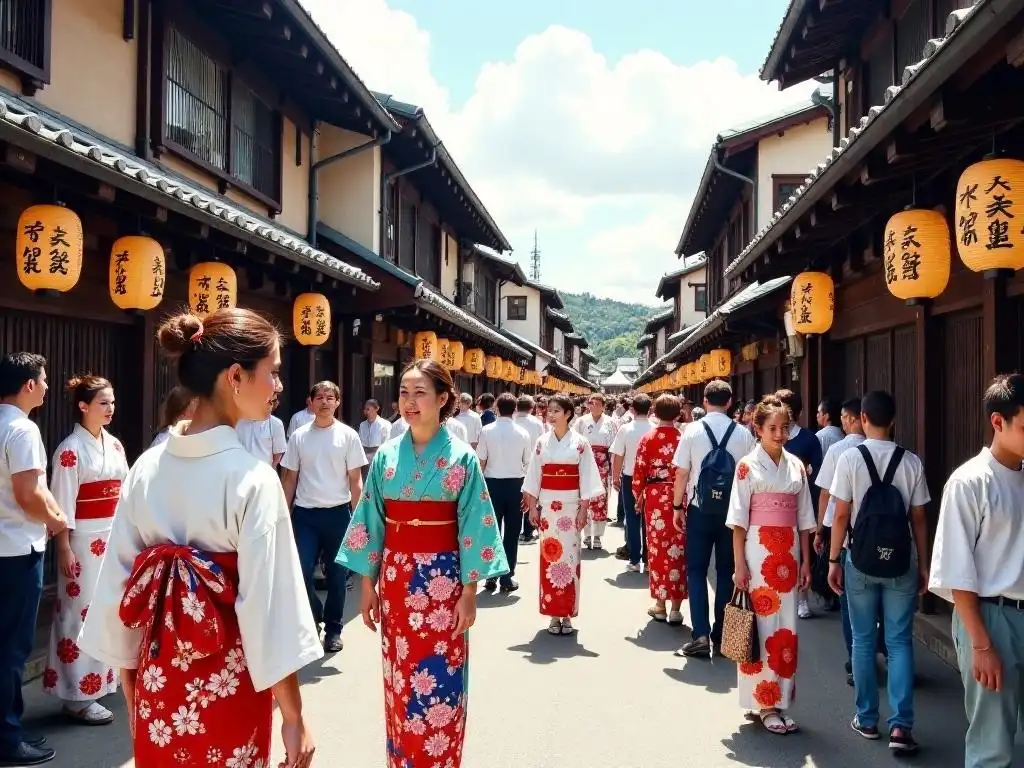
International trade had a profound effect on Japanese society during the feudal era, shaping not only the economy but also the cultural and social fabric of the nation. The arrival of foreign goods, particularly silk and spices, introduced new products, ideas, and practices that transformed daily life and social interactions. As Japan engaged with international markets, it became increasingly integrated into a global trading network, which in turn influenced the Japanese worldview and societal norms.
Trade routes connected Japan with various regions, including China, Korea, and Southeast Asia, facilitating the exchange of not just goods but also cultural practices and technologies. This interaction helped foster a sense of identity and adaptation among Japanese people as they navigated the complexities of a changing world. The impact of international trade can be seen in various aspects of life, from the economy to social structures, and even in religious practices, which began to incorporate elements from other cultures.
Economic Growth and Urbanization
The influx of trade goods, particularly luxury items such as silk, significantly stimulated Japan's economy. This economic growth led to the development of urban centers, as cities like Kyoto, Edo (modern Tokyo), and Osaka became bustling hubs of commerce. Merchants and artisans thrived in these urban areas, leading to a burgeoning middle class that could afford luxury goods and engage in trade.
As urbanization progressed, the demand for various products increased, prompting innovations in production techniques and the establishment of specialized markets. The economic benefits of international trade also encouraged the rise of a merchant class, which played a crucial role in the distribution of goods. This shift not only altered the economic landscape but also transformed social hierarchies, as wealth began to be redistributed in ways that challenged the traditional samurai-dominated order.
Cultural Exchange and Its Impact on Society
Cultural exchange was a significant outcome of international trade in feudal Japan. The introduction of new ideas, philosophies, and artistic practices enriched Japanese culture. For instance, the arrival of Buddhism and Confucianism through trade routes brought profound changes to spiritual and ethical thought in Japan. These philosophies influenced social behavior, governance, and education, shaping a more complex societal structure.
Moreover, trade introduced foreign customs and festivals, which were often adapted or integrated into local traditions. This blending of cultures not only enhanced Japan's cultural diversity but also fostered a spirit of curiosity and innovation among the populace. As a result, international trade contributed to a dynamic culture that was characterized by both stability and change.
The Influence on Japanese Art and Craftsmanship
The impact of international trade on Japanese art and craftsmanship was profound. The influx of foreign materials and techniques inspired Japanese artisans to experiment and innovate. The demand for silk led to advancements in textile production, while the introduction of new painting techniques and styles, such as those influenced by Chinese art, propelled the evolution of Japanese painting.
Furthermore, the desire for exotic goods resulted in the creation of unique art forms that blended traditional Japanese aesthetics with foreign elements. This fusion can be seen in various art forms, including ceramics, textiles, and architecture. The wealth generated through trade allowed patrons to support artists, leading to a flourishing of creativity that defined the period.
The Decline of International Trade in Feudal Japan
The decline of international trade in feudal Japan was a complex phenomenon influenced by various factors, including political, social, and economic changes. As Japan moved into the Edo period, the Tokugawa shogunate implemented policies that drastically altered the landscape of trade and commerce.
Factors Leading to Trade Reduction
Several factors contributed to the reduction of international trade in feudal Japan. One primary factor was the rise of nationalism and a desire for self-sufficiency. The shogunate aimed to consolidate power and control over foreign influences, leading to restrictions on trade with non-Japanese entities. The growing concern over piracy and the influence of Christianity also spurred efforts to limit foreign interactions.
Additionally, internal strife and the need to focus on domestic stability led to a shift in priorities. Agricultural reforms and the promotion of local industries became paramount as the shogunate sought to ensure food security and economic stability within Japan. These changes ultimately diminished the reliance on international trade.
The Impact of Isolationist Policies
The implementation of sakoku (closed country) policies in the 17th century marked a significant turning point in Japan's trade practices. Under the sakoku policy, foreign contact was severely limited, with the exception of specific Dutch and Chinese trade at designated ports. This isolationist stance aimed to protect Japanese culture and maintain political control but also resulted in considerable economic ramifications.
While this policy successfully preserved certain aspects of Japanese culture, it also stifled innovation and the exchange of ideas that had previously flourished through trade. The lack of international engagement hindered Japan's ability to adapt to global changes, leading to economic stagnation and a decline in the sophistication of Japanese craftsmanship.
Lessons Learned from Trade Dynamics
The history of international trade in feudal Japan offers valuable lessons about the interplay between trade, culture, and state policy. It highlights the importance of balancing openness to foreign influences with the need to protect national identity and sovereignty. The initial benefits of trade, including economic growth and cultural enrichment, were ultimately undermined by isolationist policies that limited Japan's engagement with the world.
As Japan moved into the modern era, the consequences of these trade dynamics became evident. The lessons learned from the feudal period would eventually inform Japan's approach to international relations and trade in the late 19th century, as the nation sought to reestablish itself on the global stage. Understanding this historical context provides critical insights into the enduring effects of trade on Japanese society and its evolution.
Conclusion: The Legacy of International Trade in Feudal Japan
The impact of international trade during the feudal era of Japan has left an indelible mark on the country's historical trajectory. The exchange of silk, spices, and other goods not only enriched the economy but also facilitated cultural exchanges that shaped Japanese society. The interactions with foreign traders and the adoption of various practices led to advancements in technology, art, and even governance. As Japan navigated its position within the global trade network, it created a unique blend of influences that contributed to its distinctive cultural identity.
The legacy of international trade during this period is evident in Japan's continued engagement with global markets. The historical foundations laid during the feudal era paved the way for Japan's modernization in the Meiji period and its emergence as a significant player in the global economy. Furthermore, the lessons learned from historical trade practices continue to inform modern economic strategies, reflecting the importance of adapting to changing dynamics in international commerce.
Lasting Effects on Modern Japanese Economy
The repercussions of international trade in feudal Japan extend into contemporary economic practices and policies. One of the most notable outcomes is the establishment of trade routes that have evolved over centuries into the sophisticated networks used today. The early embrace of trade fostered a spirit of innovation, leading to the development of industries that remain pivotal in Japan’s economy, such as textiles and technology.
Moreover, the experience gained from managing trade relationships has influenced Japan’s approach to international trade agreements. The emphasis on quality, craftsmanship, and mutual respect in trade relationships can be traced back to these historical interactions. As Japan continues to navigate global trade disputes and partnerships, the foundational principles established during the feudal era resonate in modern economic strategies, highlighting the enduring impact of international trade on Japan's economic landscape.
Reflection on Cultural Heritage from Trade
International trade during the feudal period not only transformed the economy but also enriched Japan's cultural heritage. The introduction of foreign goods, ideas, and customs created a dynamic cultural exchange that influenced everything from cuisine to art. For instance, the importation of spices and new agricultural products led to innovations in cooking that are still celebrated in Japanese cuisine today.
Moreover, the aesthetic influences from trade, such as the introduction of Western art techniques and materials, can be seen in the evolution of Japanese painting and crafts. This cultural amalgamation fostered a unique identity that blends indigenous traditions with foreign influences, contributing to Japan's rich cultural tapestry. The enduring nature of this cultural heritage serves as a testament to the profound effects of international trade, revealing how interconnectedness can shape a society’s character and values.
Further Reading and Resources
To delve deeper into the intricate relationship between international trade and feudal Japan, numerous resources are available that explore various aspects of this topic. The following recommendations provide a solid foundation for understanding the historical context and cultural implications of trade during this era.
Recommended Books on International Trade in Feudal Japan
-
"The Silk Roads: A New History of the World" by Peter Frankopan
This book offers a comprehensive overview of the Silk Roads, including their significance to Japan and its trade relationships.
-
"Japan and the World: From the Meiji Restoration to the Present" by K. D. Brown
This work details Japan's historical interactions with the world, focusing on trade developments during the feudal period.
-
"Merchants and Trade in the Japanese Empire" by John M. Merriman
Focusing on the role of merchants, this book examines how trade practices evolved and influenced Japanese society.
Articles for Deepening Understanding of Economic History
-
"Trade and Cultural Exchange in Feudal Japan"
This article explores the impact of trade on cultural exchanges and the mutual influences between Japan and its trading partners.
-
"Economic Structures of Feudal Japan"
An analysis of the economic systems in place during the feudal era, including the role of trade in shaping these structures.
-
"The Role of Foreign Goods in Japanese Society"
This piece discusses how foreign imports influenced daily life and societal norms in feudal Japan, highlighting the transformative power of trade.
- Introduction to International Trade in Feudal Japan
- The Historical Context of International Trade
- Commodities Traded: Silk and Spices
- Mechanisms of International Trade
- The Influence of International Trade on Japanese Society
- The Decline of International Trade in Feudal Japan
- Conclusion: The Legacy of International Trade in Feudal Japan
- Further Reading and Resources
Frequently Asked Questions
What was the significance of international trade in feudal Japan?
International trade played a crucial role in shaping Japan’s economy and culture, allowing the exchange of silk, spices, and other goods that enriched society.
How did international trade influence Japanese culture?
The influx of foreign goods and ideas through international trade led to the adoption of new customs, art forms, and technologies, significantly impacting Japanese culture.
What were the main goods traded in feudal Japan?
Key items in trade included silk, spices, ceramics, and metals, which were highly valued both domestically and abroad, driving economic growth.
How did trade routes impact feudal Japan's economy?
The establishment of various trade routes allowed for increased commerce, leading to a more interconnected economy, which contributed to the rise of powerful clans and cities.
Were there any restrictions on international trade in feudal Japan?
Yes, there were periods of regulation and isolation, particularly under the Tokugawa shogunate, limiting foreign contact and trade to maintain political control and cultural integrity.
Final Reflection: The Enduring Legacy of International Trade in Feudal Japan
The intricate web of international trade in feudal Japan not only shaped its economy but also influenced its culture and society in profound ways. Today, as we navigate a globalized world, the lessons from Japan's historical trade practices remind us of the interconnectedness of nations and the importance of cultural exchange. The silk and spice routes were not merely conduits for goods; they were pathways for ideas, innovations, and identities that transcended borders.
The impact of international trade in feudal Japan continues to resonate in contemporary society, highlighting how commerce can bridge cultural divides and foster mutual understanding. The exchange of goods like silk and spices was a catalyst for social change, introducing new customs and philosophies that enriched Japanese life. As noted by historian John W. Hall, Trade is not merely an economic activity; it is a cultural one that shapes the very fabric of society.
This observation underscores the transformative power of trade, which remains relevant as we face the challenges of globalization today.
As we reflect on the lessons from feudal Japan's international trade, I invite you to consider how you can embrace the spirit of cultural exchange in your own life. Think about the ways you can learn from and engage with diverse cultures, whether through travel, culinary exploration, or simply by fostering conversations with those from different backgrounds. By doing so, you contribute to a richer, more interconnected world, echoing the legacy of trade that has shaped societies for centuries. Let us honor this history by actively participating in the ongoing dialogue of global exchange.
Unveil the Rich Legacy of Trade in Feudal Japan!
Thank you for exploring the intricate world of international trade and its profound influence on feudal Japan. Your journey through this fascinating history has unlocked insights into how silk and spices shaped the culture and economy of the time. Now, let's take that newfound knowledge and make it actionable!
Here are some exciting ways to dive deeper into this captivating topic:
- Visit local museums or cultural centers that showcase artifacts and exhibits from feudal Japan; experience history up close!
- Join a history discussion group or online community to share your insights and learn from others who are passionate about Japan's trading heritage.
- Investigate lesser-known commodities that influenced trade routes, such as porcelain or rice, and share your discoveries with friends or on social media.
What aspect of international trade in feudal Japan fascinates you the most, and how will you incorporate it into your next conversation or project?