
Samurai Estates: The Economic Engines of Feudal Japan


Welcome to Feudal Japan History! Prepare to embark on a captivating journey through the intricate tapestry of Japan's feudal era, where the legendary samurai not only wielded swords but also shaped the economic landscape. In our featured article, “Samurai Estates: The Economic Engines of Feudal Japan,” we delve into the fascinating interplay between the samurai class and the economy, uncovering how their estates functioned as vital economic hubs.
What secrets lie within these historical estates, and how did they influence the very fabric of society? Join us as we unravel the rich narratives that define this extraordinary period—your adventure awaits!
- Introduction to Feudal Japan Samurai Economy
- The Structure of Samurai Estates
- Economic Functions of Samurai Estates
- The Cultural Significance of Samurai Estates
- Challenges Faced by Samurai Estates
- The Legacy of Samurai Estates in Modern Japan
- Conclusion: The Lasting Impact of the Samurai Economy
-
Frequently Asked Questions
- What were the main economic activities of samurai estates in Feudal Japan?
- How did the samurai contribute to the economy during Feudal Japan?
- What was the relationship between samurai and peasants on these estates?
- How did the samurai estates influence Japan's economic structure?
- What changes occurred in the samurai economy over time?
- Final Reflection: The Enduring Legacy of the Samurai Economy
- Unleash Your Inner Samurai: Engage with Japan's Rich Heritage!
Introduction to Feudal Japan Samurai Economy
The feudal era of Japan, spanning from the late 12th century to the mid-19th century, presents a unique tapestry of social, political, and economic structures that shaped the nation. Central to this epoch were the samurai, who not only served as the military elite but also played a pivotal role in the economic framework of feudal Japan.
This article delves into the intricate dynamics of the samurai economy, highlighting how samurai estates functioned as vital economic engines within the broader landscape of feudal society. Understanding the Feudal Japan samurai economy is essential for grasping the complexities of this historical period, as it intertwines the martial, agricultural, and administrative aspects that defined the samurai's influence.
Overview of the Samurai Economy in Feudal Japan
The samurai economy was characterized by a unique blend of martial prowess and land management. At the heart of this system were the samurai estates, known as "han," which were granted to samurai by their lords, or daimyōs. These estates were not merely landholdings; they represented a comprehensive economic unit that included:
- Agricultural Production: The primary source of wealth, with rice being the central commodity. Rice cultivation required significant labor and resources, making the management of agricultural practices crucial for economic stability.
- Taxation Systems: Samurai received stipends or a portion of the agricultural output, which were vital for their sustenance and military obligations. The taxation system ensured a steady flow of resources to both samurai and their lords.
- Trade and Commerce: While samurai primarily focused on land and military duties, many engaged in trade, contributing to local economies and facilitating the exchange of goods and services.
This multifaceted approach to the economy allowed samurai to maintain their status and power while ensuring the prosperity of their estates. The interplay between military service and economic management underscores the samurai's dual role as warriors and landowners.
Importance of Samurai Estates in Economic Development
Samurai estates were not only significant for the samurai class but also played a crucial role in the broader economic development of feudal Japan. Their importance can be summarized in several key aspects:
- Stability and Security: Samurai estates provided a sense of stability in a tumultuous period marked by constant warfare and political strife. By managing their lands effectively, samurai created secure environments conducive to agricultural production and local trade.
- Social Hierarchies: The organization of samurai estates reinforced social hierarchies, with samurai at the top and peasant farmers working the land below. This structure was essential for maintaining order and governance in feudal society.
- Economic Innovation: Samurai were often responsible for introducing agricultural innovations and improved farming techniques, which enhanced productivity and led to economic growth within their regions. This drive for innovation benefited not only the samurai but also the peasant populace.
- Cultural Exchange: The economic activities surrounding samurai estates facilitated cultural exchanges, as trade routes connected different regions. This exchange of goods and ideas contributed to the development of a shared cultural identity across feudal Japan.
The samurai estates were fundamental to the economic structure of feudal Japan, serving as crucial engines of both local and regional development. By examining the intricacies of the Feudal Japan samurai economy, we gain a deeper appreciation for the social and economic frameworks that underpinned this fascinating historical period.
The Structure of Samurai Estates
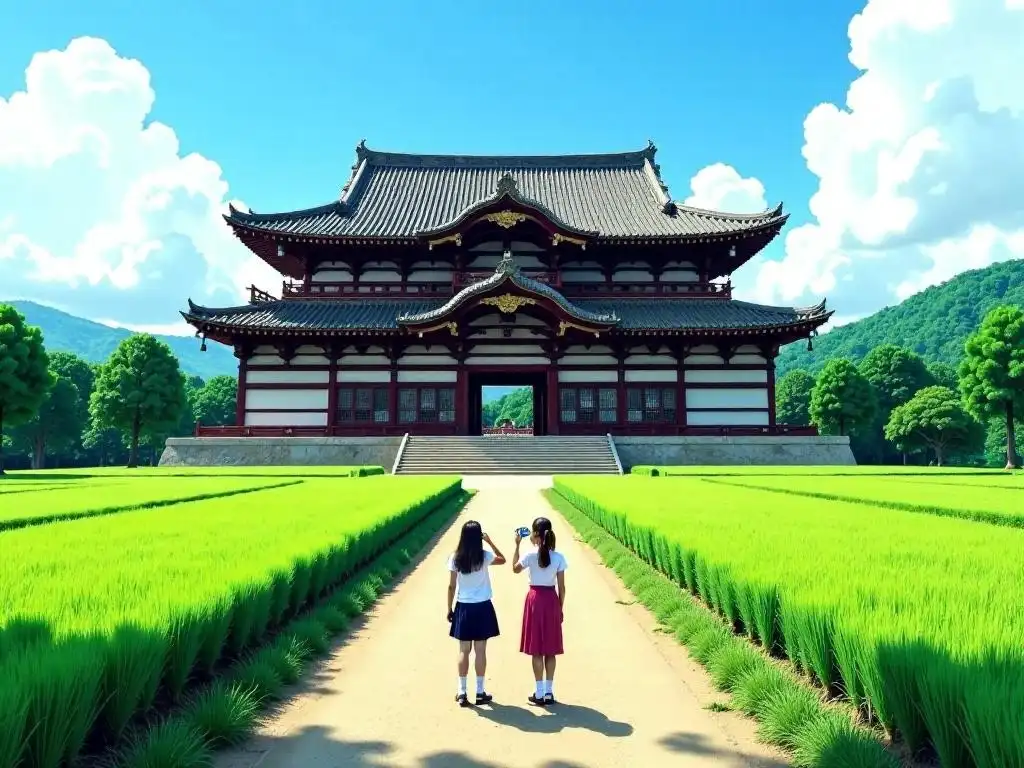
Definition and Role of Samurai Estates in Feudal Japan
Samurai estates, known as shōen, were significant economic units during the feudal period of Japan. These estates were large, often self-sustaining lands owned by samurai or noble families, playing a crucial role in the Feudal Japan samurai economy. Shōen not only provided the necessary resources for the samurai class but also shaped the agricultural landscape of Japan.
The primary function of these estates was to generate revenue through agricultural production. Rice was the principal crop, serving as both a staple food and a form of currency. The economic stability of a samurai household heavily relied on the productivity of their shōen. In essence, the wealth and power of a samurai were directly linked to the size and productivity of their estate.
In addition to agriculture, samurai estates also facilitated various artisanal and commercial activities. Craftsmen and merchants often operated within or near these lands, contributing to the local economy and enhancing the estate's revenue streams. This integration of agriculture and commerce exemplified how samurai estates functioned as dynamic economic engines in feudal Japan.
Hierarchical Organization within Samurai Estates
The hierarchical structure of samurai estates was intricate and reflected the broader social stratification of feudal Japan. At the top of this hierarchy was the daimyō, or lord, who owned the estate. Below the daimyō were the samurai, who served as vassals. Their loyalty and military service were exchanged for protection and the right to cultivate land within the estate.
- Daimyō:
- The estate owner, responsible for governance and military defense.
- Samurai:
- Vassals who managed the land and collected taxes from the peasants.
- Peasants:
- The backbone of the economy, engaged in agricultural production and responsible for sustaining the estate.
The daimyō had the authority to appoint officials to oversee various aspects of estate management. This included administrators, who handled tax collection and dispute resolution, and foremen, who supervised agricultural production.
The relationships within this hierarchy were governed by a code of loyalty known as bushidō, which emphasized honor and duty. This code ensured that each level of the hierarchy was committed to the welfare of the estate, creating a stable economic environment essential for the survival of the samurai class.
Types of Estates: Land Ownership and Management
In feudal Japan, different types of samurai estates existed, each with its own structure of land ownership and management. Understanding these distinctions is vital to grasping the complexities of the Feudal Japan samurai economy.
- Private Estates (Shōen):
- Often owned by powerful samurai or noble families, these estates were typically exempt from direct imperial taxation.
- They operated with significant autonomy, allowing owners to implement their own systems of governance and taxation.
- Public Estates (Kōri):
- These lands were owned by the state and were subjected to imperial control.
- Taxation was collected directly by the government, and management was often more bureaucratic.
- Temple Estates (Tōji):
- Managed by religious institutions, these estates were significant economic players as they combined agricultural and religious activities.
- They often had vast landholdings and operated independently of samurai control, generating income through offerings and land produce.
The management of these estates varied; while some were run using traditional agricultural practices, others embraced innovations to increase productivity. Techniques such as crop rotation, irrigation systems, and the introduction of new rice strains were common.
| Estate Type | Ownership | Taxation | Management |
|---|---|---|---|
| Private (Shōen) | Samurai/Nobility | Exempt from direct taxation | Autonomous governance |
| Public (Kōri) | State | Direct imperial taxation | Bureaucratic oversight |
| Temple (Tōji) | Religious institutions | Varied by temple | Independent management |
The interplay of these various estate types contributed to the economic complexity of feudal Japan, ensuring that the samurai class maintained their status and influence through effective land management and production strategies.
Economic Functions of Samurai Estates
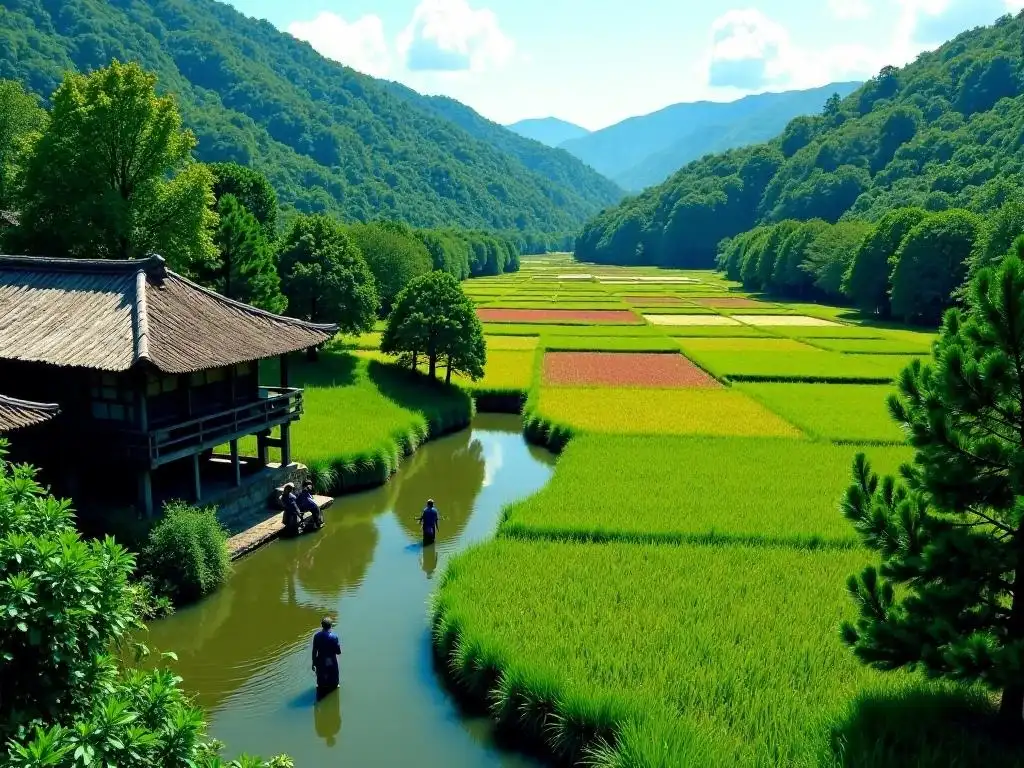
The economic framework of feudal Japan was intricately tied to the estates owned by samurai, which served as crucial engines of economic activity. These estates not only provided the necessary resources to sustain the samurai class but also contributed significantly to the broader economy of feudal Japan. The samurai estates operated through various economic functions, including agricultural production, trade and commerce, and taxation, creating a multifaceted economic landscape.
Agricultural Production: The Backbone of the Samurai Economy
Agricultural production was the cornerstone of the samurai economy, providing sustenance and wealth. The samurai estates were primarily agrarian, with vast fields cultivated to produce rice, the staple food of Japan. The significance of rice cannot be overstated; it was not only a dietary staple but also a form of currency and a measure of wealth.
Key Features of Agricultural Production:
- Rice Cultivation: The predominant crop grown on samurai estates. The quality and quantity of rice produced directly impacted the samurai's wealth and status.
- Labor Force: Peasants worked the land under a system of tenant farming, often bound by contracts that stipulated a portion of the harvest would be paid as rent to the samurai landlord.
- Irrigation and Technology: Advanced agricultural techniques, such as irrigation systems and crop rotation, were employed to maximize yields. Samurai often invested in these improvements to enhance productivity.
The agricultural surplus generated from these estates enabled samurai to maintain their status and support their military endeavors. Furthermore, the production of rice and other crops facilitated trade, as excess produce was exchanged for goods and services, stimulating local economies.
Trade and Commerce: Samurai Involvement in Markets
While samurai were primarily known for their warrior status, many engaged in trade and commerce, recognizing the potential for profit beyond agricultural production. Samurai estates often became hubs of economic activity, facilitating the exchange of goods not only within their domains but also in wider markets.
Aspects of Samurai Involvement in Trade:
- Market Participation: Samurai often participated in local markets, selling surplus agricultural products and purchasing necessary goods. This engagement helped foster a vibrant local economy.
- Control of Trade Routes: Many samurai controlled critical trade routes, allowing them to tax goods that passed through their territories. This control gave them significant economic power and influence.
- Craftsmanship and Industry: Some samurai estates diversified into craftsmanship, producing goods such as textiles, pottery, and weapons. This not only catered to local needs but also opened up trade opportunities with other regions.
The samurai's involvement in trade and commerce contributed to the overall economic vitality of feudal Japan, allowing for the flow of goods and resources that benefited both the samurai class and the peasantry.
Taxation and Revenue Generation from Samurai Estates
Taxation served as the primary means by which samurai estates generated revenue, ensuring the financial sustainability of the samurai class. The taxation system was structured around the agricultural output of the estates, with peasants obligated to pay a portion of their harvest to their samurai lords.
Key Elements of Taxation:
- Rice Tax: The most common form of taxation was the rice tax, where a fixed percentage of the harvested rice was collected by the samurai. This system tied the samurai’s wealth directly to agricultural productivity.
- Land Surveys: To ensure fair taxation, samurai conducted regular land surveys to assess productivity and enforce tax collection. Accurate records were essential for maintaining economic stability.
- Tax Incentives: In some cases, samurai offered incentives to peasants to increase production, such as reduced tax rates for higher yields. This approach fostered a cooperative relationship between samurai and peasants, encouraging improved agricultural practices.
The revenue generated through taxation not only supported the samurai’s lifestyle but also funded their military activities, administrative functions, and local infrastructure projects. Consequently, the taxation system played a pivotal role in maintaining the socio-economic structure of feudal Japan and ensuring the samurai class's dominance.
The economic functions of samurai estates were integral to the broader framework of feudal Japan. Agricultural production, trade involvement, and a structured taxation system collectively formed the backbone of the samurai economy, illustrating the complex interplay between military power and economic resources during this historical period.
The Cultural Significance of Samurai Estates
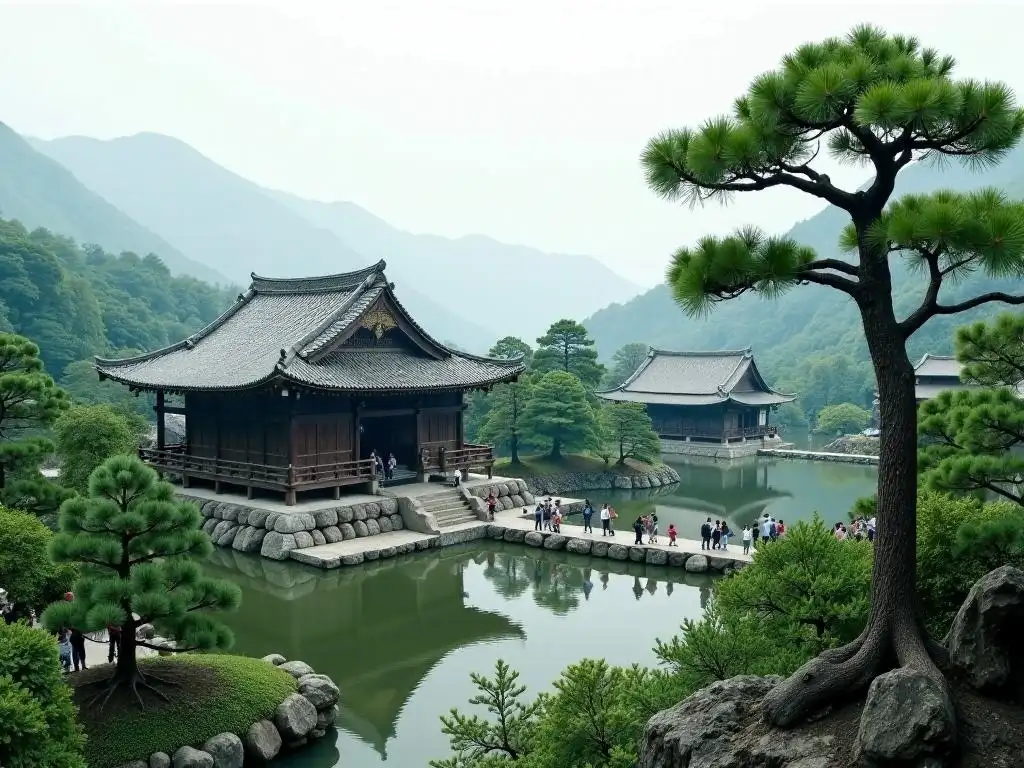
The samurai estates, known as han, played a pivotal role in the socio-economic landscape of feudal Japan. These estates were not merely agricultural lands; they represented the very essence of samurai identity, embodying their status, power, and the intricate relationships they maintained with the surrounding communities. The cultural significance of these estates extends beyond economics, influencing the social fabric and cultural practices of the era.
Samurai as Landowners: A Symbol of Status and Power
The samurai class, originally warriors, evolved into a formidable landowning elite during the feudal period. Owning land was synonymous with power and prestige, and samurai were esteemed for their roles as both warriors and administrators. The ownership of estates allowed samurai to accumulate wealth, control resources, and exert influence over their domains.
- Land and Loyalty:
- Land ownership was often tied to the samurai's loyalty to their daimyō (feudal lord), creating a system of mutual obligation.
- In return for land grants, samurai were expected to provide military service and support.
- Economic Implications:
- The economic structure of the samurai estates was built around agricultural production, particularly rice, which served as a primary currency in feudal Japan.
- Control over these lands allowed samurai to dictate the economy of their regions, fostering a sense of autonomy and governance.
The concentration of land in the hands of the samurai not only solidified their status but also reinforced the hierarchical structure of feudal society, with samurai at the apex.
The Relationship Between Samurai and Peasants
The relationship between samurai and peasants was complex and multifaceted, characterized by both interdependence and conflict. Peasants, who formed the backbone of the agricultural economy, were crucial to the sustenance of samurai estates.
- Interdependence:
- Peasants worked the land, producing the rice and other crops necessary for the samurai's wealth and sustenance.
- In return, samurai provided protection and governance, ensuring that peasants could cultivate their fields without fear of outside threats.
- Taxation and Labor:
- Samurai imposed taxes on the peasants, often in the form of rice or labor. This system, while beneficial for samurai, could lead to resentment among peasants, especially during times of famine or hardship.
- The burden of taxation often resulted in peasant uprisings, reflecting the tension within this relationship.
Despite the challenges, the symbiotic nature of this relationship was vital for the stability of feudal Japan, illustrating how the samurai economy was inextricably linked to the agricultural labor of the peasantry.
Cultural Practices and Rituals Surrounding Samurai Estates
Samurai estates were not just economic units; they were cultural hubs that fostered distinctive practices and rituals. These cultural elements helped to reinforce the samurai's identity and their connection to the land.
- Rituals and Festivals:
- Agricultural festivals, such as niinamesai (the harvest festival), were significant events that celebrated the bounty of the land and the hard work of the peasants.
- Such festivals often included rituals performed by samurai to honor the deities of agriculture, showcasing their role as guardians of the land.
- Cultural Exchange:
- Samurai estates served as venues for cultural exchange, where samurai engaged in arts, poetry, and philosophies that were influenced by their agricultural practices and the natural environment.
- The aesthetics of the gardens and landscapes surrounding estates often reflected the samurai's appreciation for nature, blending practicality with beauty.
- Legacy of Samurai Culture:
- The cultural practices surrounding samurai estates have left a lasting legacy in Japan, influencing contemporary customs and societal values.
- The ideals of honor, loyalty, and respect for nature that were cultivated within these estates continue to resonate in modern Japanese culture.
The cultural significance of samurai estates extends beyond their economic function, encapsulating the intricate relationships of power, labor, and cultural expression that defined feudal Japan. These estates were not only economic engines but also symbols of the samurai's complex identity and their enduring legacy in Japanese history.
Challenges Faced by Samurai Estates

The samurai estates in feudal Japan were not only centers of military power but also crucial economic engines that sustained the broader society. However, these estates faced a myriad of challenges that ultimately affected their stability and productivity. This section explores the key difficulties encountered by samurai estates, including internal conflicts, external pressures, and the decline of these powerful entities.
Internal Conflicts: Power Struggles Among Samurai
Internal conflicts within samurai estates were often the result of power struggles among the samurai class itself. These disputes frequently revolved around issues such as:
- Succession Disputes: Disagreements over the rightful heir to a lord's estate could lead to intense rivalries. For instance, the conflict between the Takeda and Uesugi clans during the Sengoku period exemplified how succession issues could spiral into full-blown warfare, draining resources and destabilizing local economies.
- Territorial Ambitions: Samurai often sought to expand their territories at the expense of neighboring estates. This aggressive expansionism led to frequent skirmishes and battles, which diverted economic resources from agricultural production to military campaigns.
- Factionalism: Within a single estate, factions could develop based on loyalty to different samurai leaders or ideologies. This fragmentation weakened the overall unity of the estate and hampered efficient governance, ultimately affecting economic stability.
These internal conflicts not only strained the resources of samurai estates but also disrupted agricultural production and trade, leading to economic uncertainties.
External Pressures: Invasions and Economic Disruptions
Samurai estates were also vulnerable to external pressures that significantly impacted their economic viability. These included:
- Invasions: The Mongol invasions in the late 13th century posed a significant threat to the stability of samurai estates. While Japan successfully repelled these invasions, the military mobilization required to defend the islands strained local economies and disrupted trade routes.
- Natural Disasters: Earthquakes, floods, and famines were common occurrences that could devastate agricultural output. The Great Ansei Earthquake of 1855 is an example of how natural disasters could disrupt the economy, forcing samurai lords to allocate resources for recovery efforts rather than for expanding their estates.
- Foreign Relations: The increasing interaction with foreign powers during the late feudal period created both opportunities and challenges. The arrival of Western traders and missionaries introduced new economic dynamics but also led to conflicts over control of trade routes and resources.
These external pressures often exacerbated the internal conflicts faced by samurai estates, leading to a compounded effect on their economic health.
The Decline of Samurai Estates and Its Economic Impact
The decline of samurai estates during the late Edo period and the subsequent Meiji Restoration marked a significant turning point in Japan's economic landscape. Several factors contributed to this decline:
- Centralization of Power: The Meiji Restoration (1868) led to the dismantling of the feudal system and the centralization of power under the emperor. This shift reduced the autonomy of samurai estates and restructured the economy to favor a modern industrial system.
- Economic Reforms: The new government implemented various reforms aimed at modernizing Japan’s economy, including land tax reforms that diminished the financial power of samurai estates. These changes forced many samurai to relinquish their lands, leading to a loss of income and status.
- Rise of Capitalism: The emergence of a capitalist economy introduced new economic players, such as merchants and industrialists, who challenged the traditional power of samurai estates. As commerce and industry flourished, the reliance on agricultural production diminished, further eroding the economic foundation of samurai households.
The decline of samurai estates had far-reaching economic implications, as it not only altered the social structure of Japan but also paved the way for the rise of a modern economy. The transition from a feudal economy, heavily reliant on samurai estates, to a more diversified and industrialized economy marked a significant shift in Japan's historical trajectory.
The Legacy of Samurai Estates in Modern Japan
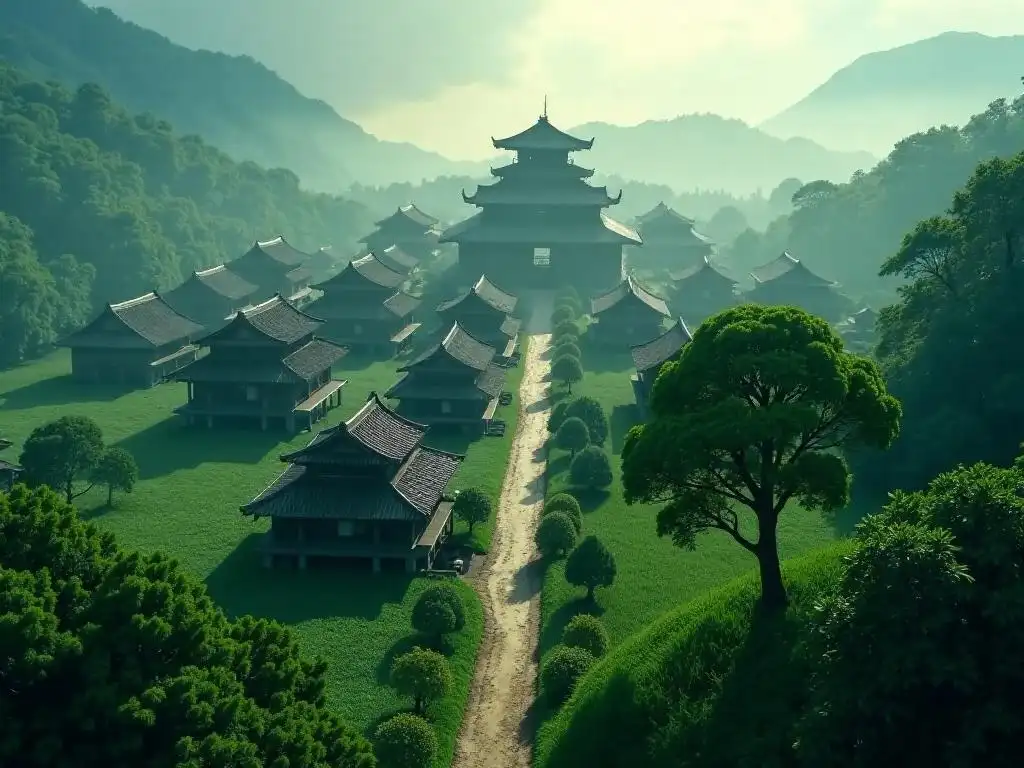
The samurai estates, known as han, played a pivotal role in shaping not only feudal Japan's economy but also its modern landscape. These estates were not merely military domains; they were complex economic units that facilitated agricultural production, trade, and even cultural development. The legacy of these estates continues to influence contemporary Japan in various ways, particularly in land ownership and cultural preservation.
Influence on Contemporary Land Ownership and Economy
The economic framework established by the samurai estates has left a lasting imprint on Japan's current land ownership patterns. The land redistribution policies initiated during the Meiji Restoration (1868) can trace their roots back to the feudal land tenure system. Here are some key points to consider:
- Land Tenure Transformation: During the Edo period, samurai were granted lands in exchange for their loyalty and military service. This feudal land system created a hierarchy of land ownership that persisted into the modern era. Today, while formal feudal systems have been abolished, the legacy of samurai estates can be seen in the way land is owned and managed in Japan.
- Agricultural Practices: The agricultural techniques and practices developed under the samurai estates, including irrigation methods and crop rotation, continue to influence modern Japanese agriculture. This heritage contributes to the efficiency and productivity of current farming practices, ensuring food security in contemporary Japan.
- Economic Diversification: Many samurai estates transitioned into commercial centers during the later periods of feudalism, establishing trade networks that connected rural areas to urban markets. This historical integration of trade has paved the way for modern economic diversification, where rural regions leverage their historical trade routes to enhance tourism and local economies.
- Real Estate Development: The transformation of former samurai lands into urban real estate has significantly shaped Japan's economic landscape. Many cities today are built on land that once constituted samurai estates, and the historical significance of these areas often drives contemporary real estate prices.
This complex intertwining of history and modern economics illustrates how the samurai estates have not only shaped the past but continue to influence present-day land ownership and economic strategies.
Preservation of Samurai Culture and History in Modern Society
The cultural legacy of the samurai estates is not merely an artifact of history; it persists actively in modern Japanese society. The preservation of samurai culture encompasses several dimensions:
- Cultural Heritage Sites: Many samurai estates have been preserved as historical sites, attracting tourists and scholars alike. These locations offer insights into the architectural styles, agricultural practices, and daily lives of the samurai class. For example, the remains of han can be seen in places like Kanazawa, where the samurai district retains its historical charm.
- Martial Arts and Traditions: The values and codes of conduct established during the samurai era continue to influence modern martial arts, such as kendo and iaido. These disciplines not only preserve the physical techniques of the samurai but also embody the philosophical teachings and ethical standards that defined their way of life.
- Festivals and Events: Various festivals across Japan celebrate samurai history, showcasing traditional clothing, martial arts, and cultural performances. Events such as the Jidai Matsuri in Kyoto reenact historical battles and honor the samurai legacy, fostering a sense of pride and continuity within the community.
- Literature and Media: The romanticized portrayal of samurai culture in literature, films, and anime has kept the samurai spirit alive in popular culture. These narratives often emphasize themes of honor, loyalty, and sacrifice, resonating with contemporary values and drawing interest from new generations.
In essence, the preservation of samurai culture and history is an integral part of Japan's identity. It reinforces the connection between past and present, ensuring that the values and achievements of the samurai continue to inspire future generations. Through various avenues—be it cultural festivals, martial arts, or educational initiatives—the legacy of samurai estates remains a vital component of Japan's societal fabric.
Conclusion: The Lasting Impact of the Samurai Economy
Summary of the Samurai Estates' Role in Feudal Japan
The samurai estates, or han, played a pivotal role in shaping the economic landscape of Feudal Japan. These estates were not merely landholdings; they were integral economic units that facilitated agricultural production and trade, serving as the backbone of the samurai economy. Each estate was typically governed by a daimyo, a feudal lord, who exerted control over the land and its resources.
- Economic Structure:
- Agriculture: Samurai estates were primarily agrarian, producing rice, which was the staple currency of the time. Each han was responsible for maintaining its own agricultural output, which supported not only the samurai class but also the broader population.
- Taxation: The samurai economy was sustained through a complex system of taxation. The daimyo collected taxes in the form of rice and other goods, which funded their military endeavors and maintained their households.
- Trade and Commerce: The samurai estates engaged in local and regional trade, exchanging surplus produce for goods that were not locally available. This commerce helped to stimulate local economies and fostered an interconnected network of trade across Japan.
- Social Hierarchy:
- The samurai estates were also reflective of the strict social hierarchy of Feudal Japan. The samurai class occupied the top tier, enjoying privileges and responsibilities that dictated their economic activities. Beneath them were the farmers, artisans, and merchants, who were essential to the overall functionality of the estate.
- The mutual dependence between the samurai and the peasantry established a sense of duty and loyalty, which was further reinforced by the samurai's role as protectors of the land.
The dynamics of these estates were crucial not only for the samurai but also for the socio-economic fabric of Japan during the feudal period. The intricate systems of land management, production, and trade established by samurai estates laid the groundwork for the economic structures that would evolve in subsequent centuries.
Reflection on the Economic Legacy of the Samurai in Modern Context
The economic legacy of the samurai extends far beyond the confines of Feudal Japan, influencing modern Japanese society in significant ways. Even today, the impact of the samurai economy can be discerned in various aspects of contemporary Japan.
- Cultural Values:
- The principles of loyalty, duty, and honor that were central to the samurai ethos continue to resonate in modern Japanese culture. These values have shaped business practices and interpersonal relationships, promoting a sense of community and collective responsibility.
- The samurai's relationship with the land and agricultural production can be seen in Japan's continued emphasis on sustainable farming and local production, reflecting a deep-rooted respect for nature.
- Economic Structure:
- The historical reliance on agriculture established by the samurai estates has evolved into Japan's modern agricultural policies, which prioritize food security and self-sufficiency.
- Additionally, the trade networks established during the feudal era have paved the way for Japan's current position as a global economic powerhouse, with intricate supply chains and international trade partnerships.
- Modern Business Practices:
- The hierarchical organization seen in samurai estates resonates with contemporary corporate structures in Japan, where respect for authority and seniority often dictate workplace dynamics.
- Moreover, the emphasis on craftsmanship and quality, hallmarks of the samurai's dedication to their art and trade, continue to influence Japanese industries, particularly in manufacturing and technology.
Ultimately, the samurai economy has left an indelible mark on Japan's historical trajectory, shaping its cultural identity and economic practices well into the present day. Understanding the intricacies of the samurai estates allows for a deeper appreciation of how Feudal Japan's economic mechanisms have evolved and continue to impact society today.
Frequently Asked Questions
What were the main economic activities of samurai estates in Feudal Japan?
Samurai estates primarily engaged in agriculture and land management, which were the backbone of the feudal economy. These activities enabled samurai to generate wealth and maintain their status.
How did the samurai contribute to the economy during Feudal Japan?
The samurai played a crucial role by overseeing land production and collecting taxes from peasants. Their leadership ensured the stability and sustainability of the economy, contributing to the overall prosperity of their regions.
What was the relationship between samurai and peasants on these estates?
The relationship was often characterized by a feudal hierarchy, where samurai provided protection and governance in exchange for labor and taxes from peasants. This system created a mutual dependence that sustained the local economy.
How did the samurai estates influence Japan's economic structure?
Samurai estates acted as economic engines by centralizing resources and creating a structured system of production and trade. This helped establish a more organized economic framework during the feudal era.
What changes occurred in the samurai economy over time?
As Japan transitioned from feudalism to a more centralized government, the samurai economy began to shift. The decline of their estates led to new economic practices, including merchant trade and urbanization, altering the traditional economic landscape.
Final Reflection: The Enduring Legacy of the Samurai Economy
The intricate relationship between the samurai and the economy of feudal Japan remains profoundly relevant today, highlighting how historical structures can shape modern societal frameworks. As we explore the dynamics of the samurai estates, we uncover not just a historical narrative but a reflection of how power, land, and economic systems intertwine to influence the fabric of society. The samurai economy was not merely a means of sustenance; it was a complex system that laid the groundwork for social hierarchies and governance, echoing in the economic structures we see today.
Cultural and social landscapes are continuously molded by the legacies of the past, and the samurai economy is a prime example of this phenomenon. The samurai's role as both warriors and landholders created a unique economic model that emphasized loyalty, duty, and honor. This model has influenced contemporary views on leadership and responsibility in various sectors. History is not a burden on the memory but an illumination of the soul.
– Lord Acton. The samurai's commitment to their estates and the people they governed serves as a reminder of the importance of ethical stewardship in our own economic pursuits.
As we reflect on the lessons of the samurai economy, I invite you to consider how these historical insights can inform your own life and choices. What values do you hold in your personal and professional relationships? Embrace the spirit of the samurai by fostering a sense of duty and responsibility in your community.
By understanding the past, we can better navigate the complexities of the present and build a future that honors the principles of honor, loyalty, and economic sustainability. Let the legacy of the samurai inspire you to be an active participant in shaping a more equitable and prosperous society.
Unleash Your Inner Samurai: Engage with Japan's Rich Heritage!
Thank you for diving into the captivating world of Samurai Estates and their pivotal role in shaping Feudal Japan. We hope you now have a deeper understanding of their economic significance and cultural legacy. But the journey doesn’t end here—there’s so much more to explore!
Take these next steps to connect further with this vibrant history:
- Dive Deeper: Explore additional articles on feudal systems and their impacts on modern society to broaden your perspective.
- Join the Discussion: Contribute your insights in our community forum about how samurai values resonate in contemporary life.
- Visit a Historical Site: Plan a visit to a local museum or historical estate to experience the essence of feudal Japan firsthand!
What aspect of Samurai Estates intrigues you most, and how do you think it influences our understanding of economic systems today?