
Women in Edo: Their Role in the Urban Economy

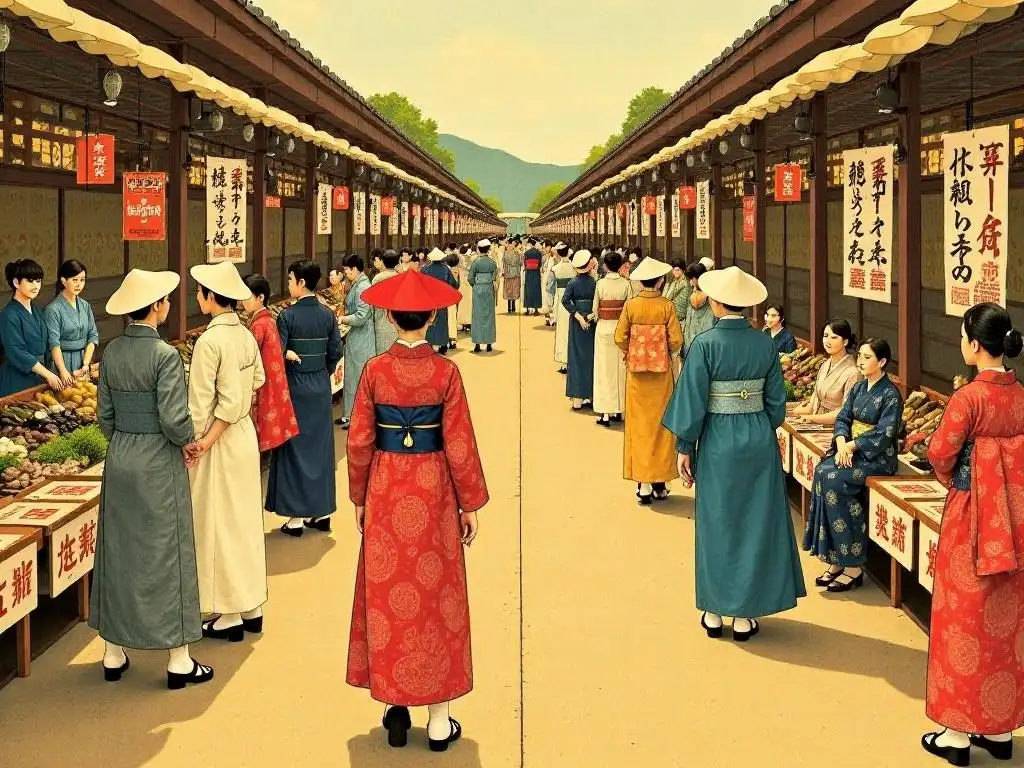
Welcome to Feudal Japan History, where we invite you to journey through the fascinating tapestry of Japan's feudal era. In our latest article, “Women in Edo: Their Role in the Urban Economy,” we unravel the significant yet often overlooked contributions of women in shaping the economic landscape of Edo. What roles did they play in a society dominated by rigid hierarchies?
Join us as we explore the intricate dynamics of gender, work, and economy in urban Edo, sparking curiosity and revealing the untold stories that await just a click away. Dive deeper into the vibrant world of feudal Japan and discover the powerful influence of women in this pivotal period!
- Introduction to Women in Edo Urban Economy
- Historical Context of Women in Edo
- Key Roles of Women in the Edo Urban Economy
- Challenges Faced by Women in the Edo Urban Economy
- Case Studies: Notable Women in Edo's Urban Economy
- The Evolution of Women's Roles in Edo's Economy
- Conclusion: Legacy of Women in Edo Urban Economy
- Further Reading and Resources
- Frequently Asked Questions
- Final Reflection: The Enduring Legacy of Women in the Edo Urban Economy
- Empower Yourself: Explore the Legacy of Women in Edo!
Introduction to Women in Edo Urban Economy
The Edo period, spanning from 1603 to 1868, marks a significant chapter in Japan's history, characterized by the establishment of a stable and centralized government under the Tokugawa shogunate. This era witnessed remarkable urbanization, especially in cities like Edo (present-day Tokyo), where a vibrant economy thrived. Within this complex social fabric, women played pivotal roles that have often been overlooked in historical narratives.
This article delves into the multifaceted contributions of women to the urban economy of Edo, exploring how their labor, skills, and entrepreneurial spirit shaped the economic landscape of this bustling metropolis. By examining the historical context and the significance of women's roles, we aim to provide a comprehensive understanding of their impact on the Edo urban economy.
Overview of Edo Period and Urbanization
The Edo period was marked by significant population growth and urban development. Edo itself transformed from a small fishing village into one of the world's largest cities, with an estimated population of over one million by the mid-19th century. This rapid urbanization was driven by various factors, including:
- Political Stability: The Tokugawa shogunate established a centralized authority that maintained peace (known as the Pax Tokugawa) and enabled economic activities to flourish.
- Infrastructure Development: The construction of roads, bridges, and merchant districts facilitated trade and commerce, contributing to urban growth.
- Cultural Flourishing: The era saw the rise of a unique urban culture, where arts, theater, and literature thrived, providing new opportunities for women to engage in cultural and economic activities.
Women in Edo were not merely passive participants in this urbanization; they were integral to the economy, contributing to various sectors such as textiles, food production, and crafts, often balancing domestic responsibilities with economic activities.
Significance of Women's Roles in Edo Economy
The role of women in the Edo urban economy was multifaceted and essential for the functioning of both households and the broader economy. Women were involved in a wide array of economic activities:
- Entrepreneurs and Artisans: Many women operated their own businesses, ranging from small-scale food stalls to textile production. They contributed significantly to the local economy by providing goods and services that were in high demand.
- Labor Force Participation: Women often worked alongside their male counterparts in family businesses, contributing labor in agriculture, manufacturing, and trade. Their involvement was crucial, especially in sectors like silk weaving and kimono production.
- Cultural Contributions: Women were not only economic agents but also cultural influencers. Their engagement in arts and performances, such as kabuki and traditional crafts, enriched the urban cultural landscape, creating new markets and demand.
- Social Networks: Women formed social networks that facilitated trade and information exchange, enhancing community ties and economic collaboration.
The economic contributions of women in Edo were vital to the urban economy's dynamism and resilience. By recognizing their roles, we can gain a deeper appreciation for the complexity of Edo society and the indispensable part women played in shaping its economic history.
Historical Context of Women in Edo
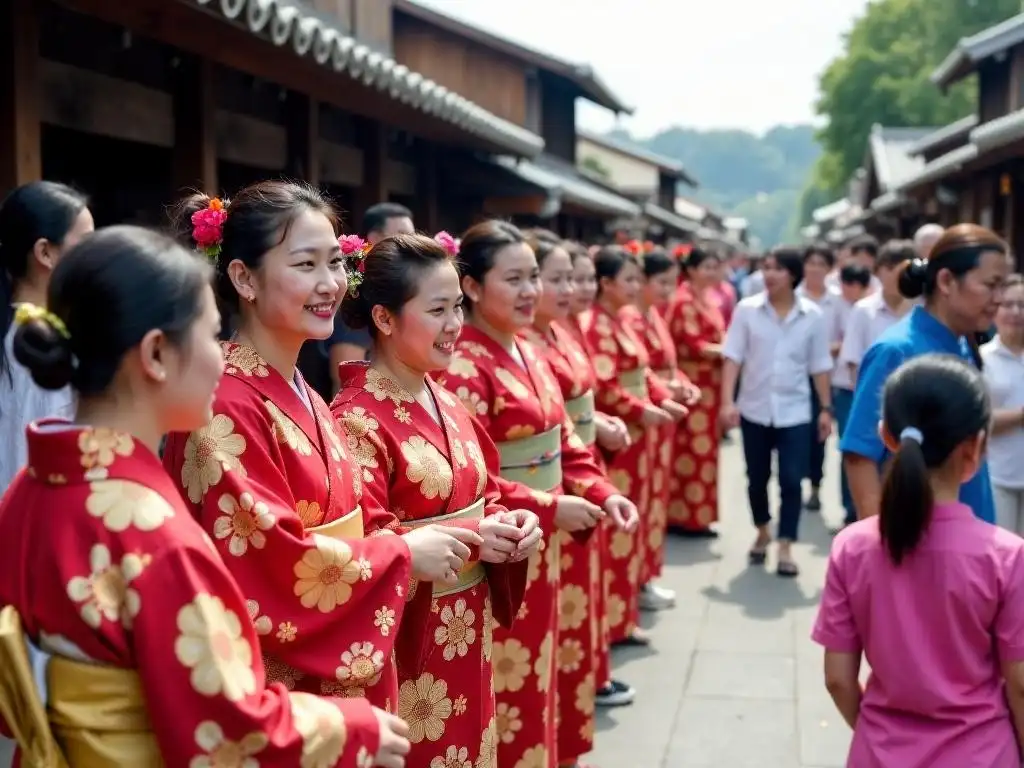
The Edo period (1603-1868) marked a significant transformation in Japan's socio-economic landscape. With the establishment of a stable Tokugawa shogunate, the urban centers flourished, particularly Edo (modern-day Tokyo). This era saw the emergence of a vibrant urban economy, where women played a crucial role despite the prevailing patriarchal norms.
Edo society was characterized by a rigid class system, comprising samurai, farmers, artisans, and merchants, often referred to as the "four divisions of society." Within this framework, women held varied statuses depending on their social class:
- Samurai Women: Typically confined to domestic roles, samurai women were expected to manage the household and educate their children. Some, however, engaged in cultural pursuits, contributing to the arts and literature.
- Artisans and Merchants: Women in these classes were more active in the urban economy. Many worked alongside their husbands in family businesses, contributing significantly to trade and craftsmanship.
- Lower-Class Women: In the lower echelons, women often took on labor-intensive roles, such as street vendors or workers in textile production. Their economic contributions were vital for family sustenance.
The social structure dictated that women's roles were often relegated to the domestic sphere; however, the urbanization of Edo provided new opportunities for economic participation.
Women's Status in Feudal Japan
The status of women in feudal Japan was multifaceted, shaped by Confucian ideals that emphasized male authority. Despite these constraints, women in Edo displayed resilience and resourcefulness:
- Legal Status: While women had limited rights in terms of property ownership and inheritance, they could manage household finances, especially in merchant families. Some women inherited businesses, showcasing their economic agency.
- Cultural Influence: Women in Edo were influential in cultural practices, particularly in literature and the performing arts. They participated in the creation and dissemination of Ukiyo-e (woodblock prints) and Kabuki theater, which often depicted women's lives and struggles.
- Education and Literacy: Although education was primarily reserved for men, some women, particularly from wealthier families, received education. This literacy allowed them to engage in cultural and economic discussions, furthering their influence within society.
Economic Contributions of Women Throughout History
The economic contributions of women in the Edo period were significant, particularly in urban settings. Their involvement can be categorized into several key areas:
- Family Businesses: Women often worked in family-run enterprises, from shops to workshops. Their roles ranged from financial management to hands-on production, which was essential for the family's economic success.
- Market Participation: Many women were active in local markets, selling goods such as textiles, food, and crafts. This not only provided income for their households but also allowed them to establish networks and influence local economies.
- Labor in Industries: In addition to market activities, women were crucial in sectors like textile production and agriculture. They engaged in silk weaving, which was a significant industry during the Edo period.
- Cultural Economy: The arts, particularly in literature and theater, provided economic opportunities for women as they became performers, writers, and artists. These roles contributed to the burgeoning entertainment industry of Edo, showcasing women's talents and creativity.
The role of women in the Edo urban economy was multifaceted and critical to the socio-economic fabric of the time. Despite facing societal constraints, women adapted and thrived, contributing to the prosperity of Edo through their labor, creativity, and resilience.
Key Roles of Women in the Edo Urban Economy
Merchants and Traders: Women in Commerce
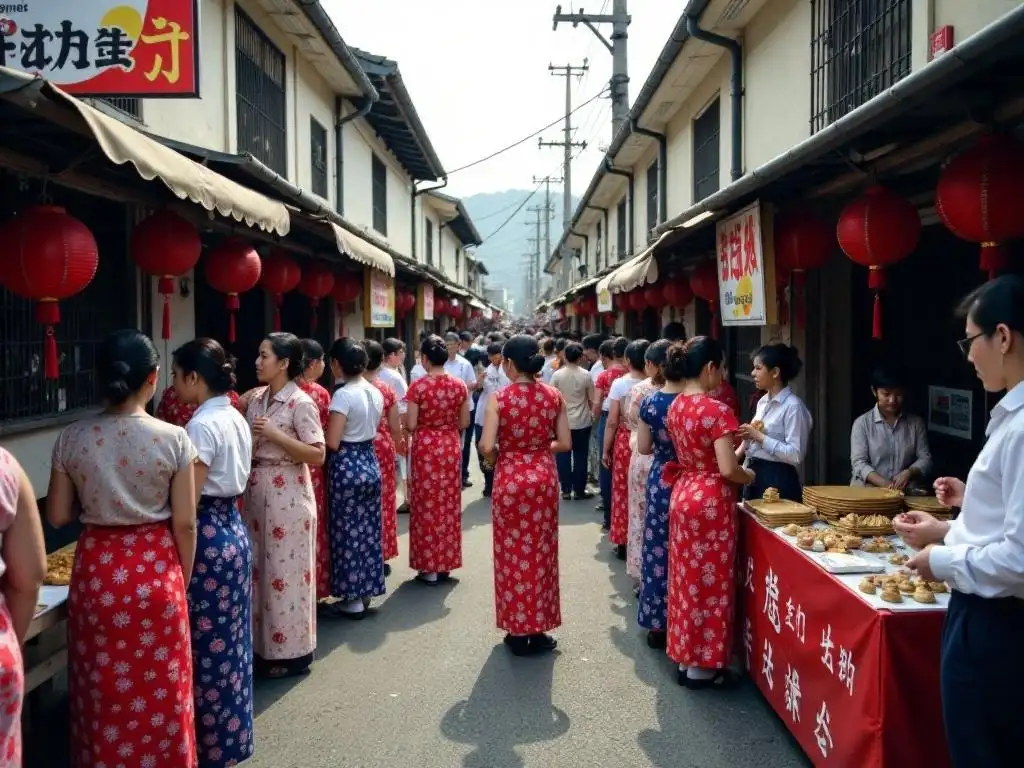
In the bustling urban economy of Edo (modern-day Tokyo) during the Edo period (1603-1868), women played a vital role as merchants and traders. The socio-economic landscape allowed women to engage in various commercial activities, often alongside their male counterparts. Many women operated small shops, selling goods ranging from textiles to food items. This was particularly common among the lower and middle classes, where family businesses often required the participation of all members.
Women in commerce were not just passive participants; they were active agents in their economic spheres. For instance, women known as “kama” (female merchants) engaged in the sale of goods at local markets, contributing significantly to the distribution of products. This engagement in trade was not merely a necessity for survival but also an opportunity for women to build networks and gain influence within their communities.
Significantly, women in Edo often managed household finances and were responsible for negotiating prices and maintaining customer relations. Their involvement in trade provided them with a degree of independence and agency that was relatively rare in other historical contexts.
Artisans and Craftswomen: Contributions to Industry
Artisan work was another area where women made substantial contributions to the Edo urban economy. Many women engaged in handicrafts, producing goods that were essential for everyday life. The textile industry, in particular, saw a significant number of women artisans, who specialized in weaving, dyeing, and sewing. Women were often responsible for the intricate designs and production of kimono, which were not only clothing but also a vital part of Japanese cultural identity.
In addition to textiles, women were involved in various crafts such as pottery, lacquerware, and paper-making. Their skills were often passed down through generations, creating a rich tradition of female craftsmanship. Workshops operated by women were not uncommon, where they trained apprentices and contributed to the local economy by supplying goods to markets and shops.
Moreover, the contributions of women artisans were recognized in the broader context of Edo society. For instance, the “Onna no Soko” (Women’s Market) was a specific space where women artisans showcased and sold their products. This space not only reinforced their role in the economy but also highlighted their creativity and innovation.
Service Sector: Women in Hospitality and Entertainment
The service sector in Edo was another prominent area where women significantly impacted the urban economy. Women worked in various roles, from serving as waitresses in teahouses to providing entertainment in the form of music and dance. The rise of the “Yoshiwara” district, known for its licensed red-light district, exemplified the complex roles women played in hospitality and entertainment.
Within the Yoshiwara, women known as “oiran” (courtesans) offered companionship and entertainment, often becoming influential figures in their own right. These women were not only entertainers but also skilled conversationalists and cultural icons, influencing trends in fashion and art. Their earnings could be substantial, allowing some to gain financial independence and social status.
Outside the Yoshiwara, women also participated in the burgeoning tea culture of Edo. Teahouses became popular social venues, and women serving tea played a crucial role in hospitality. They were responsible for creating a welcoming atmosphere, which was essential for attracting customers and ensuring repeat business.
Women in the Edo urban economy were pivotal across various sectors, including commerce, craftsmanship, and service. Their contributions not only supported families and local economies but also fostered a unique cultural identity that characterized the Edo period. By understanding the multifaceted roles of women during this era, we gain insight into the broader historical narrative of urbanization and economic development in Japan.
Challenges Faced by Women in the Edo Urban Economy
The Edo period (1603-1868) marked a significant transformation in Japan's socio-economic landscape. While urbanization flourished during this era, women in Edo faced numerous challenges within the urban economy. Their roles were often constrained by economic limitations, social stigmas, and legal restrictions that shaped their participation in economic activities.
Economic Limitations and Class Barriers
During the Edo period, the economic landscape was heavily stratified, with rigid class distinctions impacting women's opportunities. The societal hierarchy was divided primarily into the samurai, farmer, artisan, and merchant classes. Each class had specific roles and expectations, which limited women's economic engagement based on their social standing.
- Samurai Class: Women of the samurai class were expected to uphold the family's honor and were often restricted from working outside the home. Their contributions were more focused on domestic duties than economic activities.
- Merchant Class: Women in merchant families had somewhat more freedom, with some engaging in trade and managing family businesses. However, their activities were still largely overshadowed by male family members.
- Working Class: Women from the artisan and lower classes found themselves in more precarious economic situations. They often resorted to labor-intensive jobs, such as textile production or working in rice fields, but faced competition and wage disparities.
For example, a woman working as a weaver might earn significantly less than her male counterparts, reflecting the broader economic limitations imposed by gender and class.
Social norms of the Edo period shaped perceptions of women's roles in the economy. Traditional beliefs regarding gender roles often relegated women to the private sphere, emphasizing their responsibilities as wives and mothers over their potential as economic contributors.
- Cultural Expectations: The prevailing ideology of "Onna daigaku" (the Great Learning for Women) instructed women to focus on obedience and domestic skills. This cultural narrative marginalized women's economic aspirations, creating a stigma around their participation in public economic life.
- Workplace Discrimination: In many urban settings, women who sought employment outside the home faced social ostracism and were often seen as neglecting their familial duties. This stigma perpetuated a cycle of limited opportunities for women, as many chose not to pursue economic activities that might expose them to societal judgment.
This social framework not only affected women's self-perception but also shaped the attitudes of potential employers, often leading to discriminatory hiring practices.
Legal Restrictions on Women's Economic Activities
The legal framework of the Edo period further constrained women's economic participation. Several laws and regulations explicitly limited the scope of activities in which women could engage.
- Property Rights: Women had limited rights to own and manage property. In many cases, any property inherited or acquired would revert to male relatives upon marriage or death, effectively nullifying women's economic autonomy.
- Business Regulations: The shogunate imposed regulations on trade and business that often excluded women. For instance, women were frequently barred from participating in certain trades or guilds, which were dominated by men.
- Marriage and Labor: Upon marriage, women's legal identity often became subsumed under their husband’s, further diminishing their ability to engage in economic activities. This meant that many women could only work in capacities that aligned with their husband's permission or oversight.
The challenges faced by women in the Edo urban economy were multifaceted, rooted in economic limitations, social stigmas, and legal restrictions. Despite these obstacles, many women navigated the complexities of urban life, carving out spaces for themselves within the constraints of their society. Understanding these challenges is crucial for a comprehensive exploration of the role of women in the Edo urban economy.
Case Studies: Notable Women in Edo's Urban Economy

Profiles of Influential Women in Business
Edo, the capital of Japan during the Tokugawa shogunate (1603-1868), witnessed a dynamic urban economy where women played pivotal roles. Notably, several women rose to prominence in business, challenging the traditional gender norms of the time.
- Tōka Kōrin: An influential figure in the textile industry, Tōka Kōrin established a successful dyeing business in Edo. Her innovative techniques in indigo dyeing not only increased the quality of textiles but also expanded the market for women's clothing, making her a significant contributor to the urban economy.
- Osen: Known for her establishment of a thriving sake brewery, Osen leveraged her family's business connections and her keen understanding of the market to dominate the local beverage scene. Her ability to navigate the male-dominated business world allowed her to create a legacy that influenced future generations of female entrepreneurs.
- Kikuno: A well-respected owner of a tea house, Kikuno catered to both local elites and traveling merchants. Her establishment became a social hub, showcasing the importance of women in creating spaces that facilitated trade and cultural exchange within Edo.
These women exemplified the ability to blend traditional roles with entrepreneurial spirit, significantly impacting Edo's urban economy.
Impact of Female Artisans on Edo Culture
The contributions of female artisans in Edo were not only economically significant but also culturally enriching. Women engaged in various crafts and trades, from textiles to ceramics, often becoming the backbone of the local economy.
- Textile Production: Women were predominantly involved in spinning, weaving, and dyeing fabrics. Their skills contributed to the flourishing kimono industry, which was vital for both domestic use and trade. The intricate patterns and designs crafted by female artisans reflected social status and cultural identity, thereby intertwining art with commerce.
- Ceramics and Pottery: Female potters played a crucial role in developing unique ceramic styles. Their work often featured designs that celebrated nature and daily life, thereby enriching Edo's artistic landscape. This not only provided economic benefits through sales but also fostered a sense of community around shared cultural practices.
- Traditional Crafts: Women also participated in other traditional crafts, such as lacquerware and paper making. By preserving and innovating these crafts, female artisans helped maintain cultural heritage while contributing to Edo’s economy.
The impact of female artisans extended beyond commerce; they were instrumental in shaping the cultural identity of Edo, leaving a lasting legacy in Japanese art.
Contributions of Women to Urban Development
Women’s contributions to the urban development of Edo were multifaceted, influencing both the economy and the social structure of the city. Their involvement in various sectors helped shape the urban landscape significantly.
- Market Participation: Women actively participated in local markets, both as vendors and consumers. Their roles in trade supported the growth of market towns and facilitated the exchange of goods, which was crucial for urban expansion.
- Real Estate Management: Many women inherited property and managed real estate, particularly after the death of their husbands. This allowed them to maintain economic stability and even grow their wealth, demonstrating their ability to influence the urban economy directly.
- Community Builders: Women often organized community events and festivals that not only promoted local businesses but also strengthened social bonds among residents. These gatherings played a vital role in urban life, fostering a sense of belonging and community cohesion.
The contributions of women to Edo's urban economy were significant and far-reaching. Their involvement in various sectors not only enhanced economic productivity but also enriched the cultural and social fabric of the city, highlighting the essential role of women in the development of Edo.
The Evolution of Women's Roles in Edo's Economy
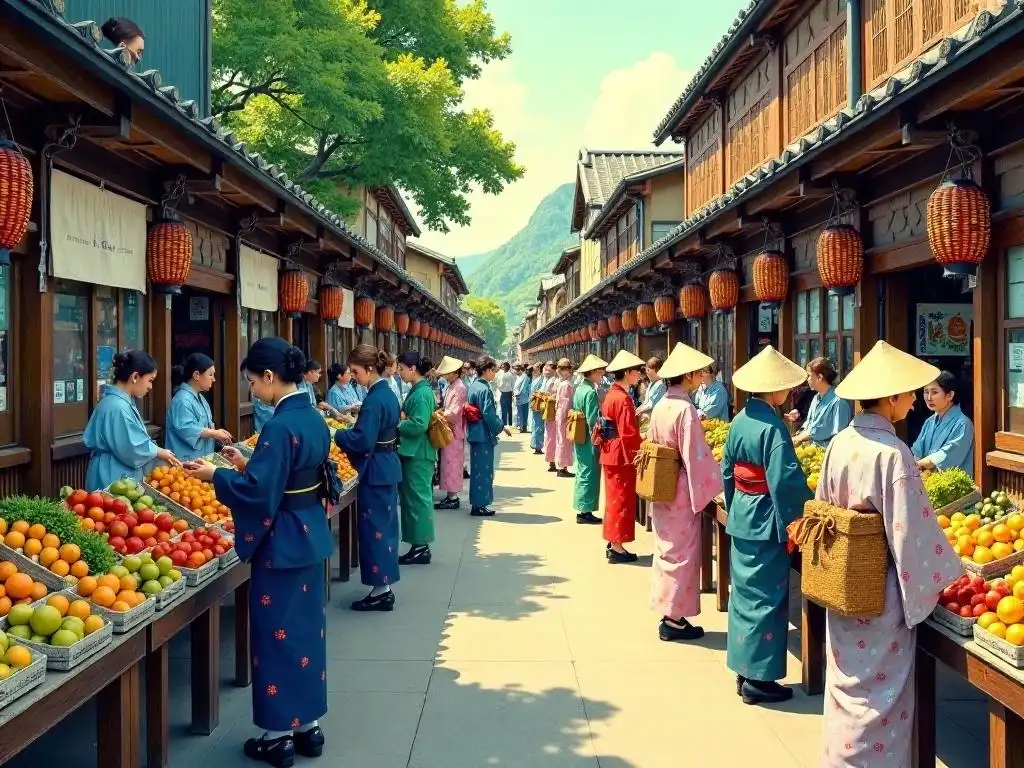
The Edo period (1603-1868) marked a significant transformation in Japan's societal structure, particularly regarding women's roles within the urban economy. While traditionally, women's contributions were often overlooked, the bustling urban centers of Edo (modern-day Tokyo) provided avenues for women to engage in economic activities that were previously constrained. This evolution reflects broader changes in societal norms, economic demands, and the urbanization process.
Initially, women's roles in Edo society were largely dictated by the Confucian values that emphasized their domestic responsibilities. However, as urbanization progressed, perceptions of women began to shift.
- Early Edo Period: Women were primarily viewed as caretakers and homemakers. Their economic contributions were limited to family-run businesses or agricultural work, often deemed secondary to men's roles.
- Mid to Late Edo Period:
- Emergence of the Merchant Class: As commerce flourished, women from merchant families started to participate actively in trade, managing shops and engaging in negotiations.
- Cultural Shifts: With the rise of the ukiyo-e (pictures of the floating world) culture, the portrayal of women in art began to celebrate their beauty and agency, challenging earlier perceptions of passivity.
- Increased Visibility: Women began to appear more frequently in the public sphere, engaging in activities such as street vending, which not only provided income but also fostered a sense of community among urban women.
This changing social perception laid the groundwork for women to take on more diverse roles, contributing significantly to the urban economy of Edo.
The Influence of Urbanization on Women's Employment
The rapid urbanization of Edo created a dynamic economic environment that necessitated the involvement of women in various sectors.
- Economic Diversification: The growth of industries such as textiles, food production, and services led to a demand for labor that women filled.
- Types of Employment:
- Artisans and Crafts: Many women became skilled artisans, producing textiles, pottery, and other crafts that catered to the burgeoning middle class.
- Service Sector: Women found employment as geishas, tea house attendants, and in entertainment, which were not only lucrative but also offered them a degree of independence.
- Commerce: Women operated small businesses and markets, selling goods ranging from food to fashion. Their participation in the economy was critical in ensuring the flow of goods within urban settings.
The urban landscape thus became a pivotal platform for women, transforming them from passive participants to active contributors in the economy.
Transition from Edo Period to Meiji Era
As Japan transitioned into the Meiji era (1868-1912), the roles of women in the urban economy underwent further evolution, influenced by modernization and changes in governance.
- Legal Reforms: The Meiji government implemented laws that began to recognize women's rights, allowing them greater freedom to engage in business and education.
- Shift in Economic Focus: The industrialization process led to a growing demand for factory labor, and women became a significant part of the workforce in textile and manufacturing industries.
- Cultural Shifts:
- Education: Increased emphasis on education for women during the Meiji era enabled them to participate more actively in the economy, leading to roles in teaching and healthcare.
- Societal Expectations: Despite advancements, the traditional view of women as primary caregivers persisted, creating a dual expectation of domestic responsibilities alongside their economic participation.
The transition from the Edo period to the Meiji era highlights a complex relationship between societal expectations and economic necessity, shaping the ongoing evolution of women's roles in Japan's urban economy.
Through these changes, women in Edo not only navigated their societal constraints but also carved out significant niches within the urban economy, laying the groundwork for future generations.
Conclusion: Legacy of Women in Edo Urban Economy
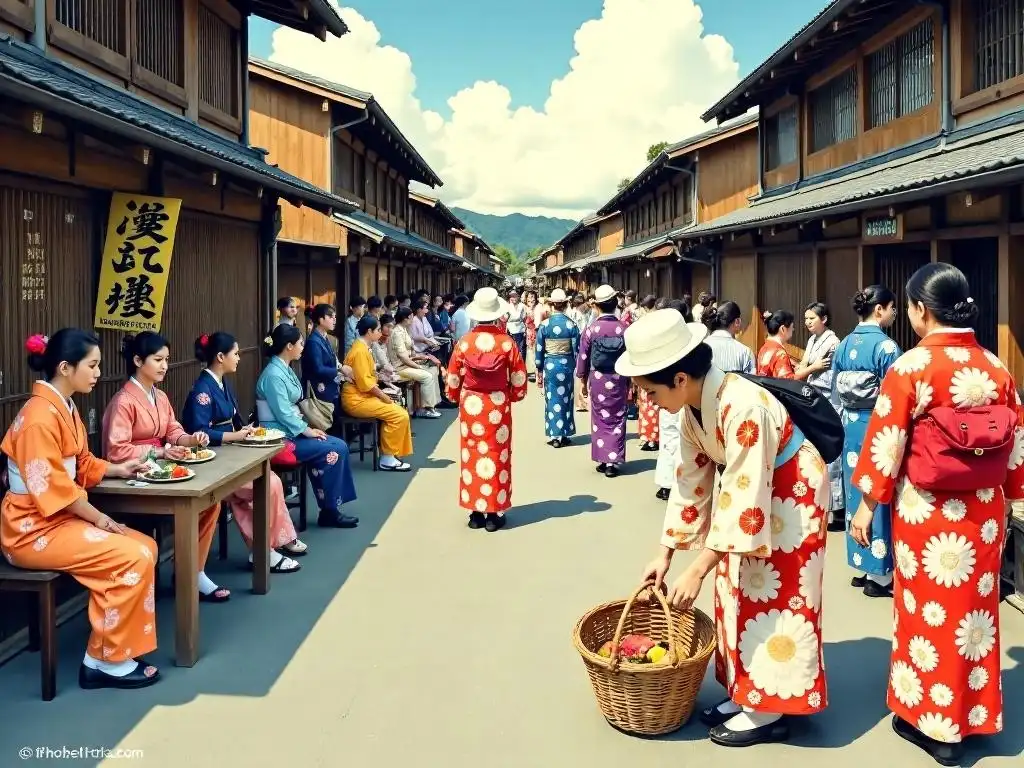
The role of women in the Edo urban economy is a fascinating aspect of Japan's feudal history that has left a profound legacy. Women were not merely passive figures within Edo society; they were active contributors to the economic landscape. Their influence can be observed in various spheres, from commerce to crafts, and their participation shaped the dynamics of urban life during this pivotal era.
This economic engagement laid the groundwork for future generations, helping to redefine gender roles in Japanese society. As women navigated the complexities of Edo's urban economy, they demonstrated resilience and adaptability, traits that continue to resonate within contemporary Japanese culture. The entrepreneurial spirit they exhibited during this period is mirrored in modern women's roles in business and economics, highlighting a continuity of influence that transcends centuries.
Lasting Impact on Modern Japanese Society
The economic activities of women in Edo have had lasting repercussions on modern Japanese society. Today, women continue to play vital roles in various industries, reflecting the foundations established during the Edo period. Their involvement in the urban economy of Edo is often seen as a precursor to the modern push for gender equality in the workplace.
Key Contributions:
- Entrepreneurship: Women during the Edo period often managed family businesses, a practice that has evolved into a robust modern entrepreneurial landscape where women are increasingly taking leadership roles.
- Cultural Influence: The cultural practices and economic contributions of Edo women have influenced contemporary art, literature, and societal norms, fostering a rich heritage that celebrates women's roles in society.
This historical context provides a framework for understanding the evolution of women's rights and economic participation in Japan. As society continues to progress, the legacy of Edo women serves not only as a reminder of their historical significance but also as an inspiration for ongoing efforts toward equality in the modern economic sphere.
Reflection on Women's Historical Economic Roles
Reflecting on the historical economic roles of women in Edo reveals a narrative of strength and innovation. Women were integral to the economic fabric of urban life, engaging in various activities such as:
- Market Trade: Many women participated actively in the markets, selling goods ranging from textiles to food products. This not only provided economic sustenance for their families but also contributed to the overall vitality of Edo's economy.
- Artisan Work: Women craftsmen were instrumental in producing goods that were both utilitarian and artistic, showcasing their skills in areas such as weaving and pottery. This artisanal work helped cultivate a diverse economic landscape in Edo.
- Social Networks: Women's roles extended beyond economic contributions; they were pivotal in creating and maintaining social networks that supported trade and community cohesion. These networks often allowed for the sharing of resources and information, further enhancing their economic impact.
In examining these roles, it becomes evident that women in Edo were not merely participants in the economy; they were foundational architects of urban economic systems. Their contributions have been often overlooked in historical narratives, but a closer examination reveals a rich tapestry of influence that has shaped Japan's economic history. Understanding these roles enriches our comprehension of the complexities of the Edo urban economy and highlights the need for a continued exploration of women's contributions throughout history.
Further Reading and Resources
Recommended Books on Women in Edo History
-
"Women of the Edo Period" by Aiko Shimizu
This book provides a comprehensive overview of women's lives during the Edo period, highlighting their roles in various aspects of society, including economic contributions. Shimizu's research delves into both the struggles and strengths of women in a male-dominated society.
-
"Edo Women: A History of Their Lives" by Hiroko Tsuji
Tsuji explores the daily lives of women in Edo, focusing on their roles in the urban economy. The book features personal narratives and case studies that illuminate how women navigated the challenges of their time.
-
"The Urbanization of Japan: The Role of Women in the Edo Period" by Keiko Yamamoto
This scholarly work examines the impact of urbanization on women's roles in Edo society. Yamamoto provides an analytical perspective on how economic opportunities for women evolved with the growth of urban centers.
-
"Voices from Edo: Women’s Perspectives on History" edited by Masako Fujita
A collection of essays that brings together various historians’ insights on women's perspectives during the Edo period. This book is particularly useful for understanding personal narratives that reveal women's contributions to the urban economy.
Online Resources for Edo Period Studies
-
National Diet Library of Japan
A treasure trove of digitized documents and resources regarding the Edo period, including materials specifically focused on women. Their online archives allow for extensive research into historical texts and records.
-
Edo-Tokyo Museum
The museum's website offers a wealth of information on the cultural and economic history of Edo, including exhibits that emphasize women's roles. They provide virtual tours and educational resources related to the urban economy.
-
Japan Focus: The Asia-Pacific Journal
An online platform featuring scholarly articles and essays on various aspects of Japanese history, including the role of women in the Edo urban economy. The articles are accessible and often provide updates on current research.
-
The Japanese Historical Society
This organization maintains a robust online presence with resources and publications focusing on the Edo period. They often host webinars and discussions that feature women's contributions to Japan's economic history.
Academic Journals Focusing on Women’s Economic History
-
Signs: Journal of Women in Culture and Society
This interdisciplinary journal includes articles that examine women's roles throughout history, including specific studies on the Edo period's urban economy.
-
The Journal of Japanese Studies
Featuring a range of articles on various aspects of Japanese history, this journal occasionally publishes works focusing on women's economic roles, offering valuable insights into their contributions during the Edo period.
-
Gender & History
This journal provides a comparative perspective on gender in history, including examinations of economic roles. Some issues feature articles that specifically investigate women's participation in the Edo urban economy.
-
Japanese Studies
This academic journal focuses on Japanese history and culture, with occasional special issues dedicated to women's studies, including their economic roles during the Edo period.
By exploring these resources, readers can gain a deeper understanding of the vital contributions that women made to the urban economy of Edo, as well as the broader implications for Japanese society during this transformative era.
Frequently Asked Questions
What was the role of women in the Edo urban economy?
Women in the Edo period played a crucial role in the urban economy, contributing significantly to trade, craftsmanship, and family businesses.
How did women's roles change during the Edo period?
During the Edo period, women's roles evolved from traditional household duties to more prominent participation in the commercial sector, reflecting broader societal changes.
Were there specific professions that women dominated in Edo?
Yes, women often dominated professions in textile production, food preparation, and entertainment, showcasing their diverse contributions to the urban economy.
Social class greatly influenced women's economic roles; while upper-class women had limited public engagement, lower-class women were more active in market activities and trades.
What impact did women's work in the urban economy have on society?
Women’s work in the Edo urban economy not only supported their families but also contributed to the overall economic stability and growth of urban centers during this period.
Final Reflection: The Enduring Legacy of Women in the Edo Urban Economy
The role of women in the Edo urban economy is not merely a historical footnote; it is a testament to their resilience and ingenuity that resonates profoundly in today's society. As we explore the multifaceted contributions of women in Edo, we uncover a narrative that challenges traditional gender roles and highlights the essential part women played in shaping the economic landscape of their time. This legacy is not only relevant but serves as a powerful reminder of the strength and capability of women throughout history.
Clearly, the influence of women in the Edo urban economy extends far beyond their immediate contributions; it has left an indelible mark on cultural and social dynamics that continue to evolve today. The stories of these women remind us that their entrepreneurial spirit and community involvement were pivotal in fostering economic growth and social cohesion. As we reflect on their impact, we are reminded of the words of historian Joan Wallach Scott: Gender is a primary way of signifying relationships of power.
This insight encourages us to recognize the ongoing struggle for gender equality and the importance of acknowledging women's roles in shaping economies across the globe.
As we conclude this exploration, I invite you to reflect on the lessons learned from the women in Edo and consider how their experiences can inspire us in our own lives. Let us honor their legacy by advocating for gender equity and recognizing the vital contributions of women in all spheres of life. By doing so, we not only pay tribute to the past but also pave the way for a future where the voices and talents of women are celebrated and empowered.
Empower Yourself: Explore the Legacy of Women in Edo!
Thank you for taking the time to delve into the vital contributions of women in the Edo urban economy. You have uncovered a rich tapestry of history that showcases their resilience and influence. Now, it's time to take inspired action based on what you’ve learned!
- Dive deeper: Read a biography or historical novel about a prominent woman from the Edo period to truly understand her impact.
- Join the conversation: Share your thoughts and findings on social media or in a local history group to raise awareness and inspire others.
- Visit a museum: Seek out exhibits that highlight the lives of women in feudal Japan for a firsthand experience of their stories.
What aspect of women's contributions in Edo history surprised you the most, and how might it change your perspective on their role in shaping history today?