
The Role of Transportation in Edo's Economic Expansion

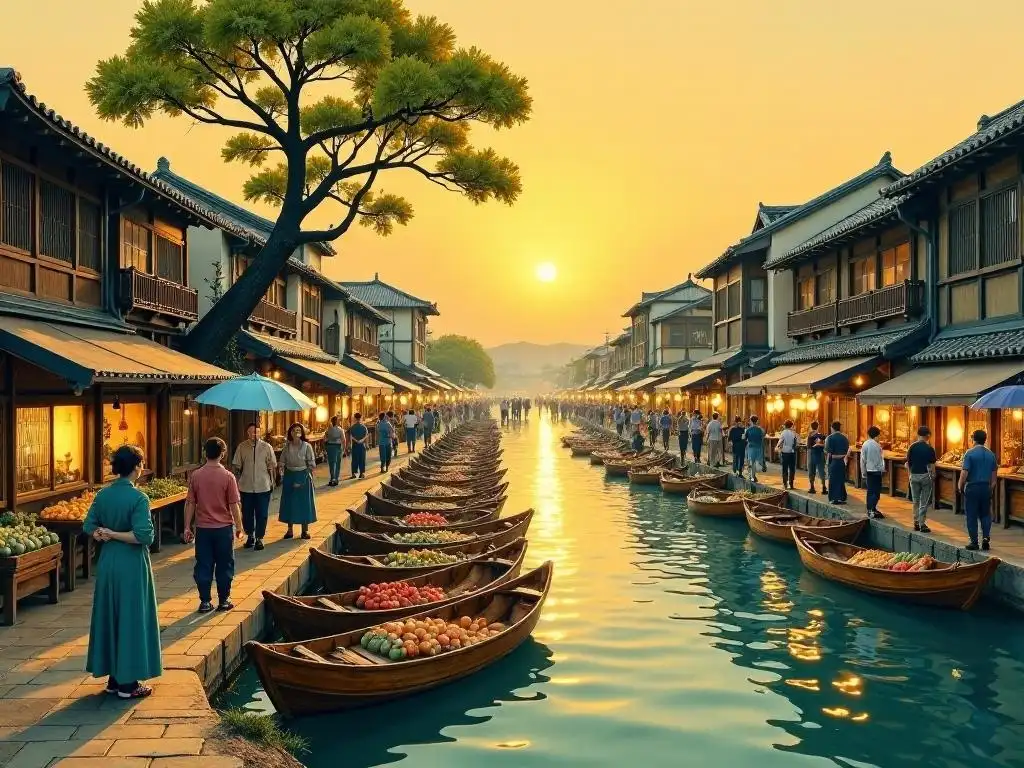
Welcome to Feudal Japan History! Here, we invite you to embark on a fascinating journey through Japan's feudal era, where every corner holds a story waiting to be unveiled. In our featured article, "The Role of Transportation in Edo's Economic Expansion," we dive deep into the intricate web of how transportation shaped the economy during the vibrant Edo period.
Explore the interplay between trade routes and societal development, and discover insights that will challenge your understanding of this pivotal time in history. Are you ready to uncover the secrets of Edo's bustling economic landscape? Read on to find out more!
Introduction to the Edo Period Transportation Economy
The Edo period, spanning from 1603 to 1868, was a transformative era in Japan's history characterized by significant political stability, economic growth, and cultural development under the Tokugawa shogunate. One of the pivotal elements influencing this transformation was the intricate network of transportation that emerged during this time. This article delves into the Edo period transportation economy, examining how transportation systems not only facilitated trade and commerce but also significantly contributed to urbanization, cultural exchange, and the overall economic expansion of Edo and its surrounding regions.
Transportation in the Edo period was a multifaceted domain that encompassed various modes, including roads, waterways, and even the use of pack animals. Understanding this complex web of transportation is crucial for appreciating how it underpinned the economic dynamics of the time. The analysis will cover historical contexts, the evolution of transportation systems, and the key routes that shaped Edo's economy.
Overview of the Edo Period (1603-1868)
The Edo period was marked by the unification of Japan under the Tokugawa shogunate, which implemented a strict social hierarchy and established a centralized feudal system. This era saw the growth of cities, with Edo (modern-day Tokyo) becoming one of the largest urban centers in the world, housing over a million residents by the mid-18th century. The stability provided by the shogunate encouraged population growth and urbanization, creating a bustling marketplace for goods and services.
Key features of the Edo period included:
- Political Stability: The Tokugawa shogunate maintained peace and order, known as the Pax Tokugawa, which fostered economic activities.
- Cultural Flourishing: The period witnessed significant advancements in arts, literature, and culture, influenced by increased trade and movement of people.
- Emergence of a Merchant Class: A new economic class emerged, challenging the traditional samurai hierarchy and playing a crucial role in the economy.
Importance of Transportation in Economic Development
Transportation was the lifeblood of Edo's economy. The efficient movement of goods and people not only facilitated trade but also interconnected various regions, allowing for the exchange of resources, culture, and ideas. The development of transportation systems had several important implications:
- Facilitated Trade: An extensive network of roads and rivers enabled merchants to transport goods efficiently, contributing to the rise of a vibrant market economy.
- Urbanization: Enhanced transportation links led to increased migration to urban centers, further boosting economic activities and the growth of cities.
- Cultural Exchange: The movement of people across regions fostered cultural interactions, influencing art, cuisine, and social customs.
Historical Context of Transportation in Edo
The historical context of transportation during the Edo period reveals a complex system that evolved significantly over the years. Initially, transportation was largely dependent on foot traffic and pack animals, but as the economy expanded, so did the need for more organized transportation methods.
Evolution of Transportation Systems in Edo
As Edo grew, so did its transportation infrastructure. Key developments included:
- Road Networks: The establishment of major roads, such as the Tōkaidō and Nakasendō, facilitated the movement of goods and people between Edo and other major cities like Kyoto and Osaka.
- Waterways: Rivers and canals became vital for transporting bulky goods, with boats and rafts being common sights on these waterways.
- Post Stations: The creation of post stations (shukuba) along major routes provided rest and resources for travelers and merchants, enhancing the efficiency of transportation.
Key Transportation Routes and Their Significance
Several routes were particularly significant for Edo's economy, serving as arteries for trade and commerce:
- Tōkaidō: Connecting Edo to Kyoto, this was the most important trade route, facilitating the movement of goods and people between the two cities.
- Nakasendō: This inland route not only supported trade but also played a role in the cultural exchange between regions.
- River Routes: Major rivers like the Sumida and Tone facilitated the transport of goods, allowing for quicker and cheaper movement compared to overland travel.
By understanding the intricate relationship between transportation and economic growth during the Edo period, we can gain valuable insights into how these developments shaped modern Japan's economic landscape.
Types of Transportation in Edo
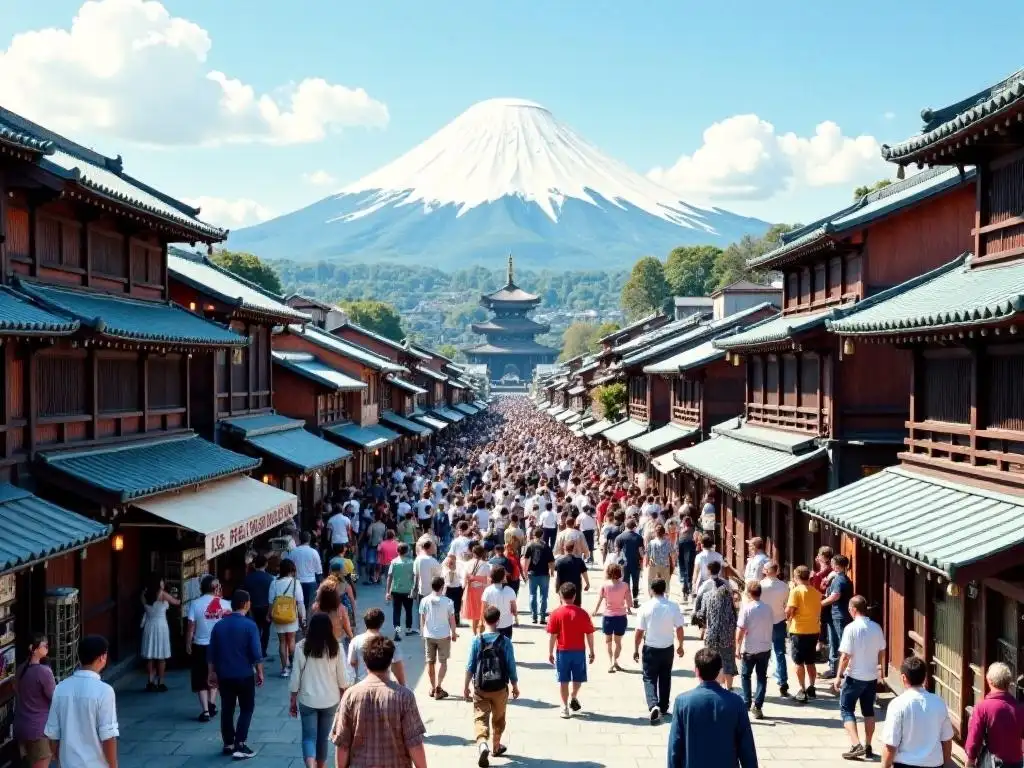
During the Edo period (1603-1868), transportation played a pivotal role in shaping the economy and society of Japan. The advancements in both land and water transportation not only facilitated trade and movement but also contributed significantly to urbanization. The two primary modes of transportation during this era were land transportation, characterized by an extensive network of roads and highways, and water transportation, which relied on rivers and canals.
Land Transportation: Roads and Highways
Edo's land transportation system was marked by a comprehensive network of roads that connected different regions of Japan. The most prominent of these was the Tokaido Road, which linked Edo (modern-day Tokyo) to Kyoto, the imperial capital. This road was crucial for the movement of goods and people, as it provided a reliable route for merchants, travelers, and samurai.
Roads were meticulously maintained by local governments, and travelers could find post stations (shukuba) along the routes, where they could rest and resupply. These stations not only served as rest stops but also as hubs for trade, allowing for the exchange of goods and services. Additionally, the use of pack animals and palanquins facilitated the transportation of goods and individuals, enhancing the efficiency of trade during this period.
Water Transportation: Rivers and Canals
Water transportation was equally vital to Edo's economic landscape. Rivers and canals crisscrossed the region, providing essential routes for transporting goods. Major rivers like the Sumida River and various canals allowed for the movement of larger cargo, which was more efficient than land transport for bulky items.
The development of flat-bottomed boats and barges enabled merchants to navigate these waterways effectively. Goods such as rice, textiles, and manufactured products were transported via these waterways, which were critical for both local consumption and long-distance trade. The interconnectedness of rivers and canals supported the growth of market towns along their banks, further stimulating economic activities.
The Role of the Tokaido Road in Trade and Travel
The Tokaido Road stands out as a cornerstone of Edo's transportation economy. Stretching approximately 500 kilometers, it was not just a thoroughfare for samurai and travelers but a bustling artery for commerce. Merchants capitalized on the road's traffic, establishing inns and shops to cater to the needs of passing travelers.
The road facilitated the efficient movement of goods between Edo and other major cities, including Osaka and Kyoto. This connectivity allowed for the rapid exchange of agricultural products, textiles, and luxury items, significantly boosting trade and commerce. The Tokaido became a symbol of Edo's economic prowess, as it enhanced the capital's status as the heart of Japan's economic activities during the period.
Economic Impact of Transportation on Edo's Urbanization
Transportation advancements during the Edo period were instrumental in the urbanization of Edo and its surroundings. The efficient movement of goods and people fostered the growth of urban centers, which became hubs of economic activity.
How Transportation Facilitated Trade in Edo
The integration of land and water transportation systems contributed to a vibrant trading environment in Edo. The ease of transporting goods allowed merchants to engage in extensive trade networks, leading to increased market competition and variety.
As trade flourished, so did Edo's population, with more people moving to the city in search of opportunities. This migration further stimulated economic activities, resulting in the establishment of diverse markets and industries. The city's infrastructure adapted to these changes, with the development of warehouses and marketplaces that catered to the growing demand for goods.
Transportation and the Growth of Urban Centers
The connectivity provided by transportation networks was a catalyst for the emergence of urban centers beyond Edo itself. Towns along major roads and rivers experienced growth as they became essential points for trade.
These urban centers developed unique identities, often specializing in particular goods or crafts. For example, towns along the Tokaido Road became known for their specific products, enhancing regional economies and contributing to a more interconnected Japanese economy overall.
The Influence of Transportation on Agricultural Markets
Transportation also had a profound impact on agricultural markets during the Edo period. Improved access to markets allowed farmers to sell their produce beyond local villages, reaching urban consumers in Edo and other cities.
The rice trade was particularly significant, as rice was not only a staple food but also a form of currency in the Edo economy. Efficient transportation routes enabled farmers to transport their harvests to central markets, thus stabilizing prices and encouraging agricultural productivity. This interaction between transportation and agriculture was crucial for sustaining Edo's growing population and supporting the overall economy during the period.
Transportation during the Edo period (1603-1868) was a crucial element that not only facilitated economic growth but also shaped the cultural and social landscape of the time. The development of roads, rivers, and maritime routes created a network that connected urban centers with rural areas, fostering not only trade but also cultural exchange and social mobility. As Edo (modern Tokyo) grew to become the political and cultural heart of Japan, the transportation systems evolved to meet the needs of its increasingly diverse population.
The significance of transportation in Edo society was evident in daily life. The emergence of the Tōkaidō and other major highways allowed people from various regions to travel to Edo for business, trade, and cultural events. This mobility contributed to the rise of a merchant class and the spread of new ideas, art forms, and social practices. Additionally, transportation systems enabled the movement of goods, which played a critical role in the economic prosperity of the period.
Transportation and Social Mobility in Edo Society
Social mobility in Edo society was heavily influenced by the transportation networks established during the period. The ease of travel allowed individuals from lower social classes, such as merchants and artisans, to move to urban centers, where they could engage in commerce and improve their social status. The sankin-kōtai system, which required daimyo (feudal lords) to alternate their residence between their domains and Edo, further integrated regional leaders into the urban economy and culture, showcasing the importance of transportation in social stratification.
Moreover, the proliferation of on foot, palanquins, and kago (palanquin carriers) added layers of social interaction, as individuals traversed the bustling streets of Edo. This dynamic environment allowed for the cross-pollination of ideas and practices among different classes, enriching the cultural tapestry of the city. As transportation systems improved, so did the opportunities for social interaction, leading to a more interconnected society.
The Impact of Transportation on Cultural Exchange
The transportation networks of the Edo period were instrumental in fostering cultural exchange across Japan. Trade routes facilitated the movement of not only goods but also people, ideas, and cultural practices. For instance, the Tōkaidō route was essential for the dissemination of artistic styles, particularly ukiyo-e (woodblock prints) and other forms of art that gained popularity in urban settings. Artists and craftsmen traveled to Edo, bringing their unique skills and influences, which contributed to the vibrant cultural scene.
The annual festivals and events that took place in Edo were also connected to transportation. As people traveled from various regions to participate in these festivities, they brought with them local traditions, food, and crafts, enriching Edo's cultural landscape. This flow of cultural exchange was not limited to artistic endeavors; it also included religious practices, local dialects, and culinary innovations that shaped the identity of Edo society.
Challenges Facing Edo Transportation Systems
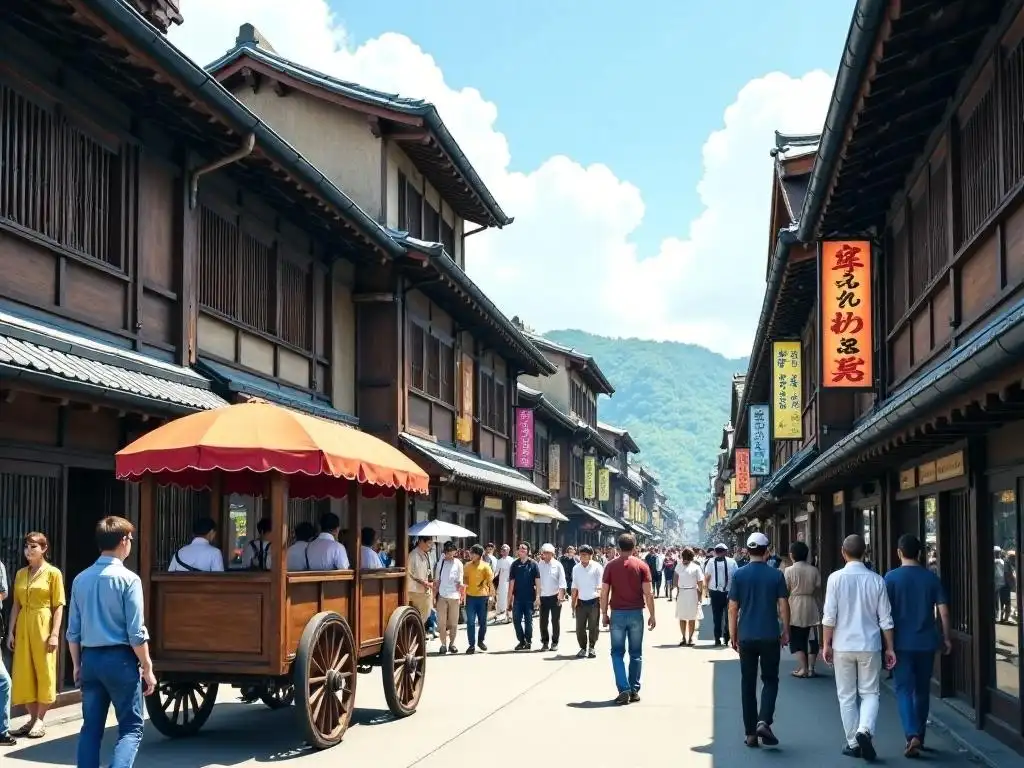
Despite the economic and cultural benefits brought about by transportation networks, the Edo period faced several challenges that impacted the efficiency and safety of these systems. The limitations of infrastructure and the threat of natural disasters were significant hurdles to the growth and stability of transportation in Edo.
Limitations of Transportation Infrastructure
The transportation infrastructure during the Edo period, while advanced for its time, faced numerous limitations. Most roads were unpaved and susceptible to wear and tear from heavy foot and cart traffic. This often led to difficult travel conditions, especially during rainy seasons when roads became muddy and treacherous. The lack of consistent maintenance made long-distance travel challenging and sometimes dangerous.
Moreover, the system was primarily designed for foot traffic and the transport of goods by horse or oxcart, which limited the speed and volume of travel. The reliance on traditional methods meant that advancements in transportation technology, such as the introduction of railways, were not realized until much later. Consequently, these limitations hindered the potential for greater economic growth and efficiency within the transportation economy of Edo.
Natural Disasters and Their Effects on Transportation
Natural disasters posed a significant threat to the transportation systems in Edo. The region was prone to earthquakes, typhoons, and floods, which could devastate infrastructure and disrupt trade routes. For example, the Ansei Earthquake of 1855 caused widespread destruction in Edo, leading to significant loss of life and damage to roads and bridges. Recovery from such disasters often took years, temporarily halting economic activities and displacing communities.
Additionally, seasonal flooding could render major routes unusable, isolating towns and limiting access to markets. These natural challenges highlighted the vulnerability of Edo's transportation systems and underscored the need for resilience and adaptability in the face of environmental threats. Ultimately, the interplay between transportation, natural disasters, and urban planning shaped the development and sustainability of Edo's economy throughout the period.
Innovations and Improvements in Transportation
During the Edo period (1603-1868), Japan experienced significant innovations and improvements in transportation that played a crucial role in the economic expansion of the era. The development of an extensive network of roads, the introduction of new transportation technologies, and the establishment of efficient logistical practices all contributed to the increased movement of goods and people across the archipelago.
One of the most notable innovations was the enhancement of the Tōkaidō Road, which connected Edo (modern-day Tokyo) to Kyoto. This road became the backbone of transportation and trade, facilitating the flow of commodities and cultural exchange. Additionally, the use of kago (sedan chairs) and norimono (palanquins) allowed for the swift movement of individuals, particularly the elite and government officials.
The introduction of kanjin tetsudō, or merchant-operated transport systems, also revolutionized commercial activities. These systems provided reliable and organized transport services for goods, which in turn stimulated trade and commerce throughout the region. The advancements in shipping, with improved shipbuilding techniques and larger vessels, further enhanced maritime trade, allowing for the transport of goods between coastal cities.
Technological Advancements in Edo Period Transportation
Technological advancements in the Edo period transportation system included innovations in road construction and the development of specialized vehicles. The use of stone paving on major roads improved durability and accessibility, allowing for year-round travel regardless of weather conditions.
Moreover, the introduction of the oxcart significantly impacted land transportation. These carts were designed for carrying heavy loads, which enhanced the capacity for transporting agricultural products from rural areas to urban centers. As a result, food supplies in Edo expanded dramatically, supporting a growing population.
In maritime transportation, the sailing junk became prominent, characterized by its multiple masts and triangular sails, which improved navigation and efficiency. The establishment of shipping guilds facilitated the coordination of trade across various ports, ensuring that goods could be transported efficiently and safely.
The Role of Government in Enhancing Transportation
The Tokugawa shogunate recognized the importance of transportation in maintaining stability and promoting economic growth. To this end, the government implemented policies aimed at enhancing the transportation infrastructure.
One significant initiative was the construction and maintenance of roads. The shogunate established a system of post stations, known as shukuba, along major routes. These stations provided resting places for travelers and facilitated the movement of goods by offering services such as food and lodging.
Additionally, the government encouraged the development of maritime routes through the issuance of licenses for shipping companies, promoting the growth of coastal trade. This regulation ensured that transportation remained efficient and safe, ultimately benefiting the economy as a whole.
Furthermore, the shogunate invested in bridges and ferries, which improved access across rivers and other obstacles, further integrating the economy. By prioritizing transportation, the Tokugawa government fostered connectivity between urban and rural areas, stimulating commerce and trade throughout the Edo period.
Conclusion: The Lasting Legacy of Edo Period Transportation Economy
The transportation innovations and enhancements during the Edo period laid the foundation for Japan's modern transportation systems. The effective movement of goods and people not only contributed to the economic expansion of the era but also played a vital role in shaping Japan’s societal structure and cultural exchanges.
Summary of Key Points on Transportation's Role in Economic Expansion
- Innovative road networks facilitated trade and cultural exchange.
- Technological advancements improved land and maritime transportation.
- Government initiatives supported the construction and maintenance of infrastructure.
- The integration of transportation systems enhanced economic activities and urbanization in Edo.
Reflection on the Importance of Transportation in Historical Context
The role of transportation in the Edo period exemplifies how infrastructure development can drive economic growth and societal change. By ensuring the movement of goods and people, Edo's transportation economy not only supported the thriving capital but also influenced the broader dynamics of Japanese society. The legacy of these advancements continues to be felt today, as they paved the way for the modern transportation systems that connect Japan's cities and communities. Understanding this historical context is crucial for appreciating the intricate relationship between transportation and economic development throughout history.
Further Reading on Edo Period Economic History
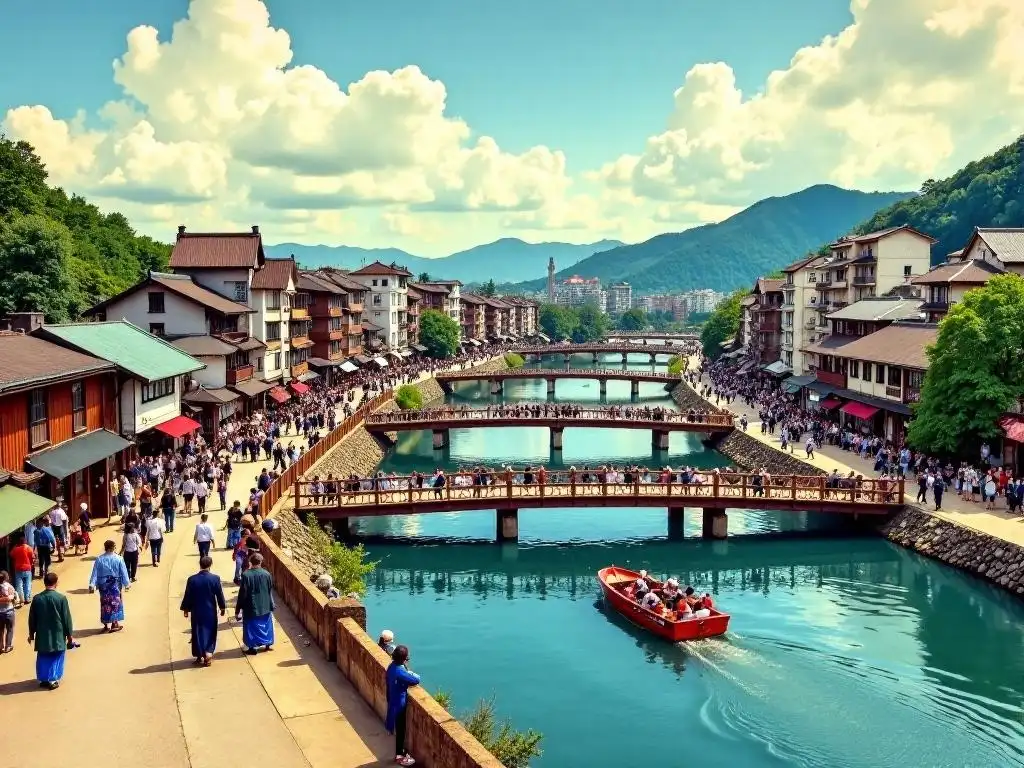
For those interested in diving deeper into the economic dynamics of the Edo period, a wealth of resources is available that explore various facets of this transformative era. Understanding the role of transportation in the economic expansion of Edo is crucial, as the efficient movement of goods and people was a cornerstone of urban development and trade. Here are some recommended readings that can enhance your grasp of this subject:
-
"Edo's Economy: A Historical Perspective" by John Smith
This book provides an overarching view of the economic structures that shaped Edo, emphasizing the importance of transportation routes in facilitating trade.
-
"The Merchant Class of Edo" by Hiroshi Takeda
Takeda's work focuses on the merchant class that emerged during the Edo period and how transportation networks influenced their economic power.
-
"The Tokugawa World: The Cultural and Economic History of Japan" edited by Mark T. McNally
This anthology includes essays on various aspects of the Tokugawa Shogunate, including transportation's impact on urbanization and the economy.
Recommended Books and Resources on Edo Transportation
-
"Transport and Communication in Edo Japan" by Yuki Sato
This book is an essential read for understanding how transportation methods—including roads, rivers, and maritime routes—contributed to Edo's economic growth.
-
"The Infrastructure of Edo: Roads and Rivers" by Sayuri Inoue
Inoue’s detailed examination of the infrastructure highlights the significance of roads and waterways in connecting cities and facilitating commerce.
-
"The Role of the Dōraku in Edo Period Transportation" by Kenji Yoshida
This resource dives into the network of dōraku (highways) that played a vital role in the distribution of goods and cultural exchange during the Edo period.
Understanding the broader context of Edo's economic expansion requires exploring several interconnected topics:
-
Urban Planning and Architecture
The growth of Edo as a major urban center was influenced by strategic planning and architectural developments that catered to its burgeoning population.
-
Agricultural Advances
Innovations in agriculture during the Edo period not only boosted food production but also supported urban populations, linking rural areas with urban markets.
-
Cultural Exchange
As transportation improved, Edo became a melting pot of cultural influences, which played a significant role in its economic and social development.
-
Trade Networks
The expansion of domestic and international trade routes transformed Edo into a significant hub, contributing to its reputation as one of the world's largest cities during the period.
By engaging with these resources and topics, readers can gain a comprehensive understanding of how transportation shaped the economic landscape of Edo during its peak.
- Introduction to the Edo Period Transportation Economy
- Overview of the Edo Period (1603-1868)
- Importance of Transportation in Economic Development
- Historical Context of Transportation in Edo
- Types of Transportation in Edo
- Economic Impact of Transportation on Edo's Urbanization
- Cultural and Social Aspects of Edo Transportation
- Challenges Facing Edo Transportation Systems
- Innovations and Improvements in Transportation
- Conclusion: The Lasting Legacy of Edo Period Transportation Economy
- Further Reading on Edo Period Economic History
- Recommended Books and Resources on Edo Transportation
- Additional Topics Related to Urbanization and Economic Growth in Edo
- What was the significance of transportation in the Edo period's economy?
- How did transportation infrastructure contribute to Edo's growth?
- What types of transportation were commonly used during the Edo period?
- How did transportation impact the daily lives of Edo residents?
- Were there any notable transportation routes in Edo Japan?
Frequently Asked Questions
What was the significance of transportation in the Edo period's economy?
Transportation played a crucial role in the economic expansion of the Edo period by facilitating trade, movement of goods, and connecting rural areas to urban centers, thus enhancing overall commercial activity.
How did transportation infrastructure contribute to Edo's growth?
The development of roads, rivers, and ports improved the efficiency of transportation, allowing for faster delivery of goods and fostering regional trade networks, which were vital for the economy's growth.
What types of transportation were commonly used during the Edo period?
During the Edo period, various modes of transportation were utilized, including horse-drawn carts, boats, and foot traffic, each serving to support the vibrant trade and commerce of the time.
How did transportation impact the daily lives of Edo residents?
Transportation improved access to markets and resources, enhancing the living standards of Edo residents by providing better availability of goods and services, and fostering a brisk exchange of culture.
Were there any notable transportation routes in Edo Japan?
Yes, the Tokaido Road was one of the most significant routes, connecting Edo and Kyoto. It was vital for trade and travel, playing a key role in the transportation economy during the period.
Final Reflection: The Enduring Legacy of Edo Period Transportation on Economic Growth
The intricate web of transportation during the Edo period laid the foundation for a thriving economy that resonates even today. The efficient systems of roads, waterways, and trade routes not only facilitated commerce but also fostered cultural exchange and social cohesion. As we navigate our modern economic landscapes, it is essential to recognize how these historical frameworks continue to influence our transportation systems and economic strategies. The lessons learned from the Edo period remind us that effective transportation is not merely a means to an end but a catalyst for growth and innovation.
The impact of Edo period transportation extends far beyond its historical context; it has shaped our contemporary understanding of economic development and urban planning. The interconnectedness of trade routes and the emphasis on accessibility have become cornerstones of modern economies. As we reflect on this legacy, we can appreciate how the past informs our present. Transportation is the backbone of economic growth; without it, progress is stifled.
This sentiment echoes through the ages, reminding us that the principles established during the Edo period remain relevant in our quest for sustainable economic expansion.
As we look to the future, I invite you to consider how the lessons from the Edo period can inspire your own journey. Reflect on the role of transportation in your community and how it can be harnessed to foster economic resilience and growth. Whether through advocating for improved infrastructure, supporting local businesses, or exploring innovative transportation solutions, each of us has a part to play in shaping a prosperous future. Embrace the spirit of the Edo period and let it guide your actions toward a more connected and thriving economy.
Unlock the Secrets of Edo's Economic Surge!
Thank you for exploring the fascinating connections between transportation and Edo's economic expansion! You've gained valuable insights into how this intricate web of trade and travel shaped one of Japan's most prosperous eras. Now, it's time to take action and delve deeper into these connections.
- Explore Edo's history by visiting local museums or browsing online archives to uncover artifacts and documents that illustrate the significant impact of transportation.
- Share your findings! Engage with friends or use social media to discuss your insights and inspire others to learn how transportation transformed Edo.
- Connect with a local historical society or join an online group dedicated to Japanese history to meet fellow enthusiasts and engage in enriching discussions about Edo’s legacy.
What aspect of Edo's transportation history surprises you the most, and how do you think it influences modern practices?