
Economic Resilience: How Feudal Japan Thrived Under Isolationist Policies

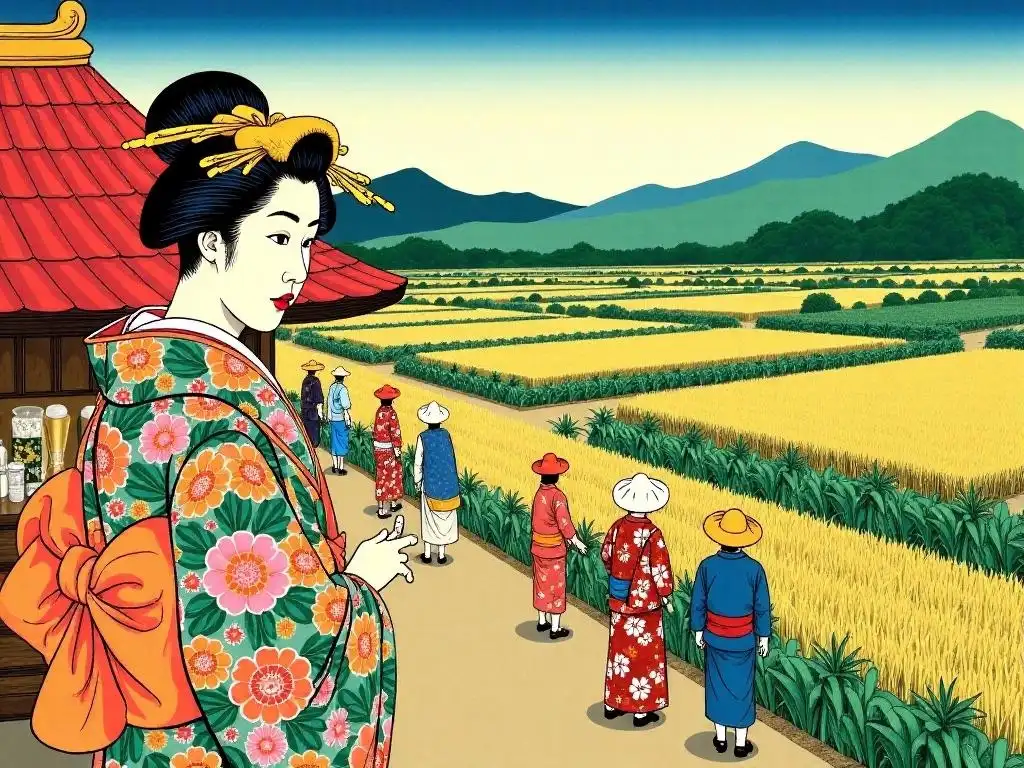
Welcome to Feudal Japan History, where we embark on a comprehensive exploration of the fascinating tapestry that is Japan’s feudal era. Here, we delve deep into the intricate layers of historical, cultural, and societal transformations that shaped a nation. In our featured article, “Economic Resilience: How Feudal Japan Thrived Under Isolationist Policies,” we uncover the remarkable strategies that enabled Feudal Japan to flourish despite its economic isolation.
What secrets lie within this unique chapter of history? Join us as we unravel the complexities of Japan's past and discover how these isolation policies not only defined an era but also laid the groundwork for a resilient economy. Dive in and let the journey begin!
- Introduction to Feudal Japan Economic Isolation Policies
- Historical Context of Feudal Japan's Economic Isolation
- Mechanisms of Economic Isolation Policies
- Economic Resilience in Feudal Japan
- Cultural and Societal Impacts of Economic Isolation
- Comparative Analysis of Economic Policies
- Challenges Faced During Economic Isolation
- Conclusion: Legacy of Feudal Japan's Economic Isolation Policies
- Further Reading and Resources
-
Frequently Asked Questions
- What were the economic isolation policies in Feudal Japan?
- How did Feudal Japan manage to thrive economically despite isolation?
- What impact did isolation have on cultural development in Feudal Japan?
- Were there any negative effects of the economic isolation policies?
- How long did the economic isolation last in Feudal Japan?
- Final Reflection: Embracing Resilience in Economic Isolation
- Embrace the Lessons of Economic Resilience!
Introduction to Feudal Japan Economic Isolation Policies
The economic landscape of Feudal Japan is a fascinating area of study, particularly when examining how the nation thrived despite adopting strict isolationist policies during the Edo period (1603-1868). This period was marked by the Tokugawa shogunate's deliberate attempts to limit foreign influence and control trade, which shaped the socioeconomic fabric of the country.
Understanding these economic isolation policies reveals not only the resilience of Japan's economy during this time but also how these measures laid the groundwork for future developments in Japanese society. In this article, we will explore the intricacies of Feudal Japan’s economic isolation policies, their implications on trade and industry, and the remarkable adaptability of Japanese society in the face of external pressures.
Overview of Feudal Japan’s Isolationist Era
The isolationist era of Feudal Japan, often referred to as "Sakoku," was formally instituted in the early 17th century. Under the leadership of Tokugawa Ieyasu and his successors, Japan closed its borders to most foreign nations, allowing only limited trade with the Dutch and Chinese at specific ports, such as Nagasaki. This policy served multiple purposes:
- Political Control: By restricting foreign influence, the shogunate aimed to eliminate the threats posed by Christian missionaries and foreign powers.
- Economic Autarky: The isolationist policies promoted self-sufficiency, compelling local industries to grow and innovate.
- Cultural Preservation: By limiting external cultural influences, Japan was able to maintain its unique traditions and societal structures.
The result was a complex economy that, while isolated, managed to flourish through internal trade, agriculture, and the development of distinct crafts and industries.
Importance of Economic Resilience in Isolation
The economic resilience of Feudal Japan during its isolationist policies is a testament to the ingenuity and adaptability of its people. Despite strict limitations on foreign trade, Japan experienced significant growth in various sectors, including agriculture, handicrafts, and domestic trade networks. Key factors contributing to this resilience included:
- Agricultural Innovation: Improvements in farming techniques, such as crop rotation and the introduction of new rice strains, led to increased productivity and food security.
- Urbanization: The rise of castle towns and merchant cities facilitated economic activity, creating hubs for trade and commerce.
- Cultural Production: The demand for goods such as textiles, ceramics, and lacquerware spurred local artisans, leading to a vibrant cultural economy that thrived on domestic consumption.
The ability of Feudal Japan to maintain economic stability under isolationist policies not only demonstrates the resourcefulness of its society but also highlights the complexities of economic systems in closed environments. This exploration into Japan's historical economic practices offers valuable insights into the interplay between isolation and economic resilience.
Historical Context of Feudal Japan's Economic Isolation
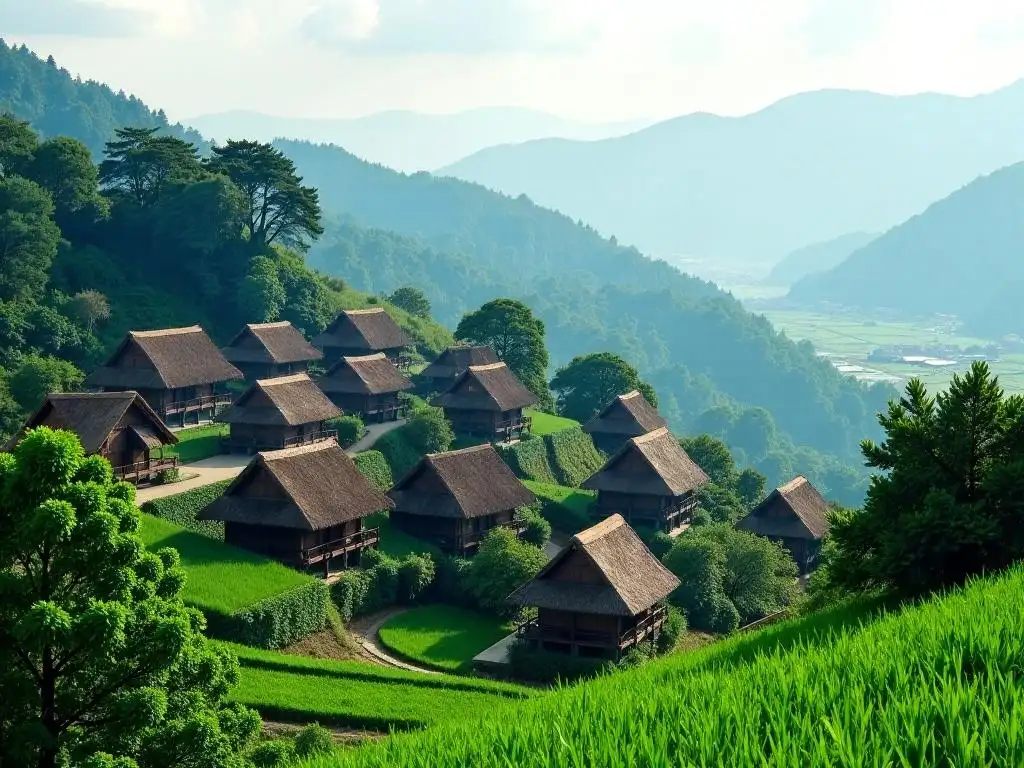
The Rise of Isolationist Policies in Japan
The establishment of isolationist policies in Japan during the early 17th century was a response to both internal and external pressures. The Tokugawa shogunate, which came to power in 1603, sought to stabilize and consolidate its rule over a fragmented nation that had experienced a prolonged period of civil war known as the Sengoku period. This tumultuous backdrop necessitated strict control over foreign influence and trade.
Motivations Behind Isolation
- Political Stability: The Tokugawa regime aimed to prevent the resurgence of feudal lords (daimyō) who might challenge their authority. By limiting foreign interactions, they could mitigate the risks of internal dissent and rebellion.
- Cultural Preservation: The influx of foreign ideas, particularly from European missionaries and traders, threatened traditional Japanese values and social structures. The shogunate viewed isolation as a means to preserve Japanese culture, religion, and societal norms.
- Economic Control: By restricting trade to select ports and limiting foreign merchants' access, the Tokugawa shogunate could regulate the economy more effectively, ensuring that wealth remained concentrated within Japan and reducing dependency on foreign goods.
The culmination of these motivations led to the Sakoku Edicts (鎖国令), which were enacted in the 1630s. These laws effectively closed Japan's borders to all foreign nations, except for limited trade with the Dutch and the Chinese, and imposed severe penalties on those who violated the edicts.
Key Figures in the Implementation of Economic Isolation
Several notable figures played crucial roles in the establishment and enforcement of economic isolation policies during the Tokugawa era. Their influence shaped Japan's economic landscape and its interactions with the outside world.
Tokugawa Ieyasu
As the founder of the Tokugawa shogunate, Ieyasu's vision and leadership laid the groundwork for Japan's isolationist policies. He recognized the threats posed by Christianity and foreign powers, advocating for restrictions that would preserve both the shogunate's power and Japan's cultural integrity. His decisions initiated the long-lasting Sakoku period.
Tokugawa Iemitsu
The third shōgun, Tokugawa Iemitsu, further solidified isolationist policies through stringent enforcement of the Sakoku Edicts. His administration saw the expulsion of Christian missionaries and the execution of Japanese converts, which underscored the shogunate's commitment to maintaining control. Iemitsu also limited trade to the Dutch and Chinese, effectively monopolizing foreign interaction.
The Role of the Daimyō
While the shogunate enforced isolation, local daimyō also played a significant role in the economic landscape. Many daimyō adapted to these policies by focusing on domestic production and trade within their domains. This adaptation not only ensured their economic resilience but also contributed to the overall stability of the Tokugawa system.
The strategic decisions made by these key figures in the implementation of economic isolation policies laid the foundation for a unique economic environment in feudal Japan, allowing it to thrive despite the limitations imposed by its isolationist stance.
Mechanisms of Economic Isolation Policies
Trade Restrictions and Their Impact on the Economy
During the feudal era in Japan, particularly in the 17th century, the implementation of trade restrictions had profound implications for the economy. The government, under the Tokugawa shogunate, established strict guidelines governing foreign trade, which primarily aimed to limit the influence of Western powers and maintain social order.
- Limited Foreign Relations: Only a few designated ports, such as Nagasaki, were allowed to engage in foreign trade. This restriction significantly reduced the number of foreign merchants and goods entering Japan, leading to a controlled economic environment.
- Control of Trade Goods: The shogunate selectively allowed certain goods to be imported, such as silk and spices, while banning others. This not only protected domestic producers but also created a monopoly on certain trade goods.
- Impact on Prices: The limited supply of foreign goods often resulted in inflated prices. While this may appear detrimental at first glance, it also encouraged the growth of domestic alternatives as local industries sought to fill the void left by restricted imports.
The overall impact of these trade restrictions was a double-edged sword: while they fostered a sense of national identity and stability, they also stunted international economic growth and technological advancement.
The Sakoku Edict: An Overview of Isolationist Regulations
The Sakoku Edict, issued in 1635, was the cornerstone of Japan's isolationist policies. This series of regulations aimed to minimize foreign influence and stabilize the social order by restricting interactions with the outside world.
- Prohibition of Christianity: One of the primary goals was to eliminate the spread of Christianity, which was seen as a threat to the established social order. Missionaries were expelled, and converts faced severe penalties.
- Banned Foreign Travel: Japanese citizens were forbidden from traveling abroad, and those who attempted to return after foreign exposure faced execution. This measure aimed to prevent foreign ideas and practices from infiltrating Japanese society.
- Limited Trade Partners: The edict allowed trade solely with the Dutch and the Chinese, effectively excluding other nations. This selective engagement was pivotal in maintaining Japan's economic autonomy while still benefiting from essential foreign goods.
The Sakoku Edict laid the groundwork for a unique economic environment that prioritized domestic stability over foreign commerce, fundamentally shaping Japan's societal structure.
How Economic Isolation Shaped Domestic Industries
The policies of economic isolation not only limited foreign influence but also spurred the development of domestic industries. As Japan isolated itself, several key changes occurred:
- Rise of Local Industries: With limited access to foreign goods, local artisans and manufacturers began to flourish.
- Silk Production: The silk industry saw significant growth as domestic demand for textiles surged, leading to advancements in weaving techniques.
- Pottery and Ceramics: Regions such as Arita and Imari became renowned for their unique pottery styles, which thrived under the absence of foreign competition.
- Innovation and Self-Sufficiency: Economic isolation necessitated innovation within Japan.
- Agricultural Improvements: Farmers adopted new techniques and crop varieties to enhance productivity, eventually leading to a more self-sufficient agricultural sector.
- Craftsmanship Excellence: The absence of foreign imports allowed local crafts to reach new heights in quality and aesthetic, fostering a rich cultural heritage.
- Trade Within Japan: With foreign trade restricted, internal trade networks flourished, connecting regional markets and allowing for the exchange of goods across the archipelago.
- Transportation Development: Infrastructure, such as roads and bridges, was developed to facilitate the movement of goods, thus enhancing economic resilience.
Overall, the forced isolation fostered a unique economic landscape that prioritized local industries, ultimately leading to a resilient and self-sufficient economy that could withstand external pressures when the time for opening up eventually came.
Economic Resilience in Feudal Japan
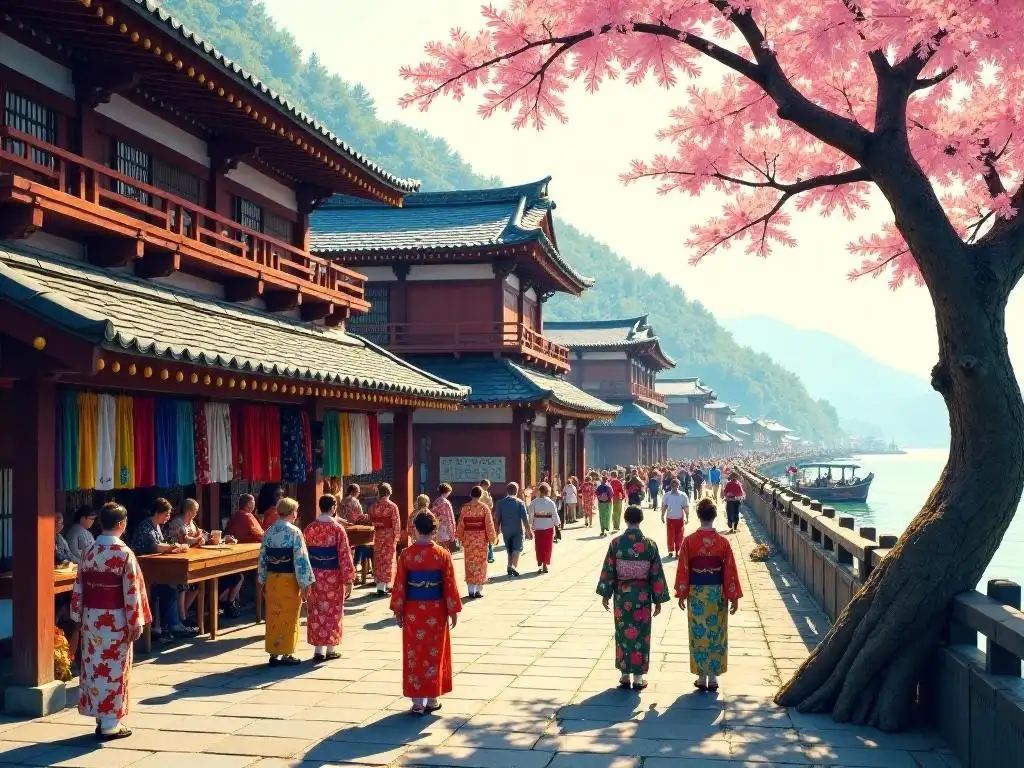
In the context of feudal Japan, economic resilience was largely built upon a combination of social structure, resource management, and strategic policies that allowed the nation to thrive despite its isolationist stance. The Tokugawa shogunate (1603-1868) established a period of relative peace and stability known as the Edo period, which facilitated advancements in various economic sectors while maintaining strict control over foreign relations and trade. This isolationist approach, while limiting external influences, inadvertently fostered a robust internal economy that supported the needs of its population.
The shogunate implemented policies that restricted foreign trade and interaction, allowing Japan to develop its agricultural base and local industries. By focusing on self-sufficiency, the nation capitalized on its natural resources and labor force, leading to innovative practices that enhanced productivity. This economic model ultimately contributed to the resilience of feudal Japan, enabling it to withstand external pressures and maintain a degree of autonomy.
The Role of Agriculture in Sustaining Economic Isolation
Agriculture served as the backbone of feudal Japan's economy, with rice being the primary staple crop. The shogunate's emphasis on rice production not only ensured food security but also facilitated the collection of taxes and the maintenance of social hierarchies. The following factors underline the importance of agriculture in sustaining economic isolation:
- Land Management: The implementation of land reforms allowed for improved agricultural practices. Feudal lords (daimyō) were incentivized to increase productivity on their lands, leading to innovations in irrigation and crop rotation.
- Rice as Currency: The use of rice as a form of currency in transactions further entrenched agriculture's role in the economy. This practice allowed for a barter system where surplus rice could be traded for goods and services, strengthening local economies.
- Rural Communities: Rural areas became self-sufficient, producing not only food but also textiles and crafts. This self-reliance ensured that communities could thrive without relying on external trade, aligning perfectly with the isolationist policies of the shogunate.
- Population Growth: Improved agricultural practices led to population growth, which in turn created a larger labor force. This demographic shift allowed for more diversified economic activities, including craftsmanship and internal trade.
Craftsmanship and Local Production: A Response to Isolation
As feudal Japan adopted isolationist policies, craftsmanship and local production became vital components of the economy. The lack of foreign goods and influences encouraged artisans to develop unique Japanese styles and techniques, resulting in a flourishing of local industries. Key aspects of this phenomenon include:
- Specialization of Crafts: Different regions began to specialize in particular crafts, such as pottery in Seto, textiles in Kōfu, and metalwork in Kanazawa. This specialization not only enhanced the quality of goods produced but also fostered a sense of regional identity.
- Guilds and Associations: The formation of guilds allowed craftsmen to share knowledge, resources, and market access, increasing production efficiency. These organizations also played a crucial role in maintaining quality standards, which further elevated the reputation of Japanese goods.
- Cultural Preservation: The focus on local production led to the preservation of traditional crafts and techniques, which were passed down through generations. This cultural continuity enriched Japan's artistic heritage and provided an additional layer of economic resilience.
- Innovation: Constrained by isolation, artisans were compelled to innovate, leading to the development of new techniques and materials. For instance, the introduction of indigo dyeing and advancements in textile production reflected a creative response to the limitations imposed by isolation.
The Emergence of Internal Trade Networks
With external trade severely restricted, Japan's internal trade networks flourished during the feudal era. These networks facilitated the exchange of goods and resources across regions, allowing local economies to thrive despite the absence of international markets. Significant features of these internal trade networks include:
- Road Systems: The construction of extensive road systems, such as the Tōkaidō, enabled faster and more efficient movement of goods. This infrastructure facilitated trade between major cities and rural areas, strengthening economic ties.
- Market Towns: The emergence of market towns acted as hubs for commerce, where farmers and artisans could exchange goods. These markets became integral to regional economies, creating a vibrant marketplace that supported local production.
- Barter and Trade Practices: The reliance on barter allowed for flexibility in trade, adapting to local needs and available goods. This decentralized approach to commerce encouraged economic interactions and fostered community ties.
- Urbanization: The growth of cities such as Edo (modern-day Tokyo) and Osaka became centers of commerce and culture. As urban populations expanded, demand for local goods increased, further stimulating economic activity.
The economic resilience of feudal Japan under isolationist policies was a multifaceted phenomenon that involved the interplay of agriculture, craftsmanship, and internal trade. By fostering self-sufficiency and encouraging local production, Japan was able to create a robust economy that thrived despite external constraints. This historical analysis not only highlights the innovative spirit of the Japanese people during this era but also provides valuable insights into the complexities of economic systems shaped by political decisions.
Cultural and Societal Impacts of Economic Isolation

The economic isolation policies implemented during the Edo period (1603-1868) had profound cultural and societal implications for feudal Japan. These policies, primarily aimed at limiting foreign influence and maintaining social order, inadvertently fostered a unique cultural identity and social structure that would define Japan for centuries.
The Influence of Isolation on Japanese Culture and Art
The isolationist policies of feudal Japan, particularly the Sakoku Edicts instituted by Tokugawa Ieyasu, greatly influenced the development of Japanese culture and art. By restricting foreign interactions, the government created an environment where indigenous traditions could flourish without external interference. This led to several notable cultural developments:
- Artistic Expression: The period saw the rise of distinctive art forms such as ukiyo-e (woodblock prints), which depicted scenes of urban life, landscapes, and kabuki theater. Artists such as Hokusai and Hiroshige became renowned for their works, which are celebrated for their intricate detail and vivid colors.
- Literature: The Edo period also witnessed a boom in literature, particularly in the form of popular novels and poetry. Authors like Matsuo Bashō and Saikaku produced works that captured the essence of daily life and human emotions, reflecting the societal values of the time.
- Craftsmanship: Isolation encouraged the development of unique craftsmanship. Techniques in pottery, textiles, and metalwork evolved, leading to exquisite products that reflected local resources and aesthetic sensibilities. The focus on domestic production not only improved quality but also fostered a sense of national pride.
The absence of foreign influences allowed Japan to cultivate a rich cultural tapestry, one characterized by its traditional arts, literature, and craftsmanship, which continue to resonate in modern Japanese culture.
The economic isolation policies of feudal Japan necessitated significant adaptations within its social structures. The rigid class hierarchy established during this period was both a response to and a reinforcement of the isolationist policies. Key adaptations included:
- Class Stratification: The Tokugawa shogunate solidified a four-tier caste system: the samurai, farmers, artisans, and merchants. This stratification ensured that each class played a specific role in maintaining the economy and social order. The samurai were tasked with governance and military defense, while farmers produced the rice that formed the backbone of the economy.
- Self-Sufficiency: With limited foreign trade, communities became increasingly self-sufficient. Agricultural practices evolved, with innovations in rice cultivation and irrigation techniques that enhanced productivity. This self-reliance not only supported local economies but also reinforced social bonds within communities.
- Cultural Cohesion: The isolationist policies fostered a strong sense of national identity and cultural cohesion among the populace. Festivals, rituals, and communal activities became vital in strengthening community ties, as they celebrated local customs and traditions that might have been overshadowed by external influences.
The economic isolation policies of feudal Japan not only shaped its cultural landscape but also reinforced social structures that were integral to its stability and resilience. The interplay between isolation and culture during this period resulted in a unique societal framework that persisted long after the end of the Tokugawa shogunate.
Comparative Analysis of Economic Policies
Feudal Japan vs. Other Isolationist Societies
Feudal Japan is often recognized for its unique approach to economic isolation, particularly during the Edo period (1603-1868). This period was marked by the Tokugawa shogunate's stringent policies that limited foreign trade and interaction. To appreciate the distinctiveness of Japan's economic isolation, it is essential to compare it with other societies that adopted similar isolationist policies, such as Ming China and the early modern states of Europe.
Economic Structures
- Feudal Japan:
- The economy was predominantly agrarian, relying on rice as the staple currency.
- The class structure was rigid, with a clear hierarchy from the shogun to the peasants.
- Local production was emphasized, resulting in self-sufficient domains (han) that minimized reliance on foreign goods.
- Ming China:
- The Ming dynasty saw a flourishing economy bolstered by trade, particularly in silk and ceramics, before succumbing to isolationist policies that restricted foreign influence.
- Unlike Japan, China had a more centralized bureaucratic system that managed trade but eventually retreated from international engagement due to Confucian ideals.
- Early Modern Europe:
- Nations like France and England practiced mercantilism, promoting export-led growth, yet they maintained relatively open trade routes compared to Japan.
- The economic policies in Europe were often dynamic and responsive to global shifts, unlike Japan’s more static approach.
Trade Relations
- Feudal Japan:
- The Sakoku (closed country) policy effectively banned foreign trade except for select Dutch and Chinese merchants in Nagasaki.
- This policy allowed Japan to develop a unique domestic culture, but it also limited technological advancements and global economic participation.
- Ming China:
- Policies fluctuated between open trade and isolation, with the maritime ban of the 17th century reflecting a retreat from international commerce.
- China engaged in limited trade through tributary systems, but this was not as restrictive as Japan's Sakoku.
- Early Modern Europe:
- European states actively sought out colonies and trading partners, leading to significant economic growth and the establishment of global trade networks.
- Their isolationist policies were often temporary and strategically designed to protect national interests while remaining economically engaged.
Lessons Learned from Japan's Economic Isolation Experience
The experience of Feudal Japan under isolationist policies offers several critical lessons that resonate with contemporary economic discussions.
Resilience Through Self-Sufficiency
- Domestic Production: Japan’s focus on local agriculture and crafts fostered a resilient economy capable of sustaining itself without foreign imports. This self-sufficiency allowed for the development of unique cultural practices and technologies, albeit at the cost of slower technological progression.
Cultural Flourishing
- Cultural Identity: The isolationist policies led to a rich cultural renaissance, as arts such as ukiyo-e (woodblock printing) and traditional theater flourished. This cultural identity became a significant part of Japan's economic value in later years, attracting interest once isolation was lifted.
Caution Against Over-Isolation
- Technological Lag: While isolation helped preserve Japanese culture, it also resulted in a technological lag compared to Western nations. The lack of foreign interaction stunted advances in industries that were critical to modernization, highlighting the risks of excessive isolation.
Strategic Engagement
- Selective Interaction: Japan's eventual re-engagement with the world in the mid-19th century demonstrated the importance of strategic economic policies. The limited trade with the Dutch during isolation provided a foundation for later modernization and industrialization when foreign engagement resumed.
The economic isolation policies of Feudal Japan not only shaped its historical trajectory but also serve as a valuable case study for understanding the balance between self-sufficiency and global engagement. The lessons drawn from this period highlight the complexities of isolationist strategies in shaping economic resilience and cultural identity.
Challenges Faced During Economic Isolation
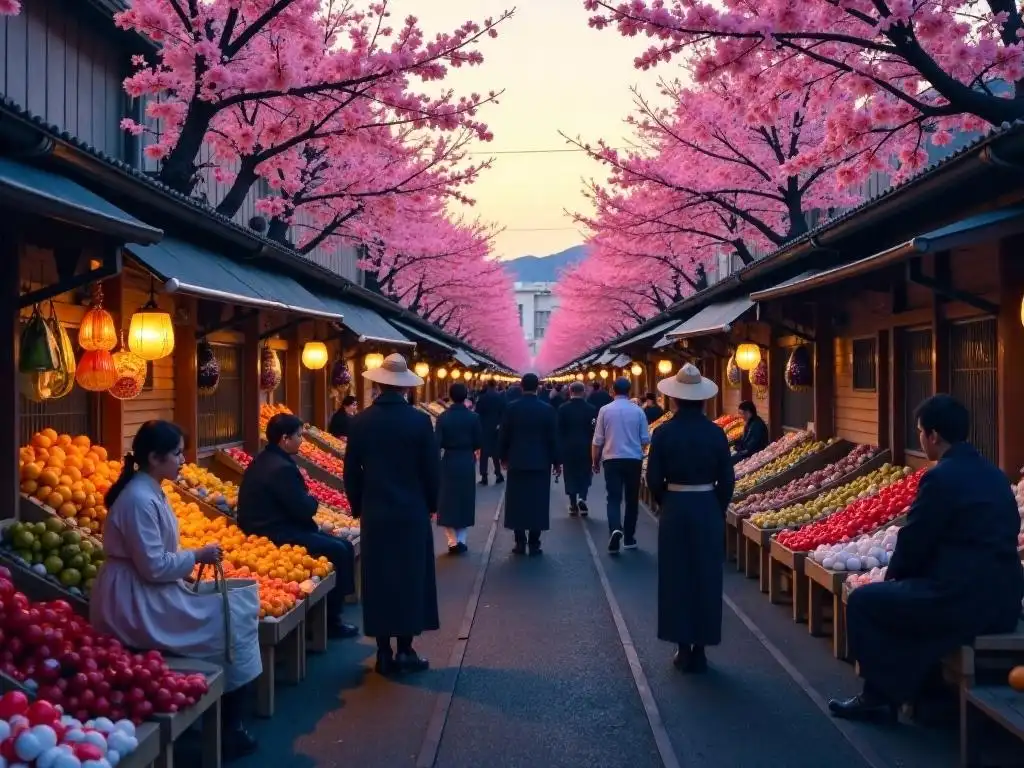
Addressing Resource Scarcity in Feudal Japan
During the period of economic isolation in Feudal Japan, particularly under the Tokugawa shogunate (1603-1868), the nation faced significant challenges related to resource scarcity. One of the most pressing issues was the limited access to foreign goods and raw materials, which were crucial for various sectors of the economy.
Key Strategies Employed:
- Agricultural Innovation:
- The Tokugawa period saw advancements in agricultural techniques, such as the introduction of new rice strains and improved irrigation methods. This led to increased rice production, which was vital for both sustenance and trade.
- The establishment of irrigation systems and the use of composting techniques helped optimize farmland productivity, ensuring food security amidst isolation.
- Local Resource Utilization:
- Japan turned to its indigenous resources to compensate for shortages. For example, the country relied on abundant timber for construction and shipbuilding, leading to a flourishing domestic lumber industry.
- In response to the scarcity of metals, particularly copper and iron, local mines were developed and mining techniques were improved to enhance production efficiency.
- Trade with Neighboring Regions:
- Despite strict isolationist policies, limited trade was maintained with certain regions, such as the Dutch at Dejima Island. This allowed for the importation of essential goods, including scientific knowledge and technologies, which indirectly supported local industries.
- Barter systems emerged in local markets, where communities exchanged surplus goods, helping to mitigate the scarcity of specific resources.
External Pressures and Internal Struggles
The economic isolation policies of Feudal Japan did not exist in a vacuum; they were influenced by both external pressures and internal struggles that shaped the era's economic landscape.
External Pressures:
- Western Imperialism:
- The rise of Western powers during the 19th century posed a significant threat to Japan's isolationist stance. Countries like the United States and European nations sought to open trade relations with Japan, which led to conflicts such as the Perry Expedition (1853-1854).
- These external pressures forced Japan to reconsider its isolationist policies, leading to the eventual signing of unequal treaties that favored foreign powers, which created economic imbalances.
- Regional Conflicts:
- Neighboring countries, such as Korea and China, faced their own challenges and conflicts during this time, which impacted Japan’s regional security and trade dynamics. The Sino-Japanese War (1894-1895) exemplified how regional tensions could affect Japan’s economic strategies and responses.
Internal Struggles:
- Social Stratification:
- The rigid social hierarchy of the feudal system created disparities in wealth and access to resources. The samurai class, while initially benefiting from economic policies, began to struggle economically as the peace times reduced their income from military service.
- The peasant class, often burdened with heavy taxes, faced hardship and limited access to resources, leading to civil unrest and revolts, such as the Peasant Revolt of 1842.
- Economic Policies:
- The shogunate's policies aimed to control trade and limit foreign influence often resulted in economic inefficiencies. The promotion of self-sufficiency created a paradox where local economies became stagnant, unable to innovate or expand beyond their limitations.
- Bureaucratic control over trade and production stifled entrepreneurial initiatives, which could have offered solutions to internal economic struggles.
While Feudal Japan's economic isolation policies were designed to preserve the nation's autonomy and cultural integrity, they also led to significant challenges. By addressing resource scarcity through innovation and local resource utilization, and navigating external pressures alongside internal struggles, Japan managed to maintain a degree of economic resilience during this complex period.
Conclusion: Legacy of Feudal Japan's Economic Isolation Policies

The economic isolation policies of Feudal Japan, particularly during the Edo period (1603-1868), have left a lasting legacy that shaped the nation’s development trajectory. These policies, primarily enforced through the Sakoku Edict, aimed to restrict foreign influence and maintain stability within Japanese society. While isolation may seem counterproductive in a globalized context, it fostered unique economic practices and cultural developments that contributed to Japan's resilience.
Long-term Effects on Japan’s Economic Development
The long-term effects of Feudal Japan's economic isolation policies can be observed in several key areas:
- Self-sufficiency and Domestic Growth:
- The isolation encouraged local production and consumption. By limiting foreign goods, Japan developed its own industries, such as textiles and ceramics, which thrived in the absence of foreign competition.
- Agricultural practices were refined, leading to increased rice production and the establishment of a more robust agrarian economy.
- Cultural Flourishing:
- The seclusion allowed for the preservation and enhancement of traditional Japanese culture. Art forms such as Ukiyo-e (woodblock prints) and Kabuki (theater) flourished, promoting tourism and domestic trade.
- The development of a unique Japanese aesthetic and social structure created a cohesive national identity.
- Infrastructure Development:
- The need to support internal trade led to significant advancements in infrastructure. The construction of roads, bridges, and merchant facilities facilitated the movement of goods across regions.
- This infrastructure not only supported the economy during the Edo period but also laid the groundwork for future modernization efforts.
- Economic Disparities:
- While the isolation policies fostered certain industries, they also led to economic disparities among regions. The urban centers, particularly Edo (modern-day Tokyo), thrived at the expense of rural areas, creating a divide that would have implications for Japan’s future economic landscape.
| Aspect | Impact |
|---|---|
| Self-sufficiency | Growth of local industries |
| Cultural preservation | Flourishing of traditional arts and identity |
| Infrastructure development | Enhanced internal trade and connectivity |
| Economic disparities | Divergence between urban and rural economies |
Reflections on Economic Resilience in Historical Context
Feudal Japan's experience under isolationist policies provides a fascinating case study of economic resilience. The ability of the Japanese economy to adapt and thrive in a closed system speaks to the ingenuity and resourcefulness of its people.
-
Adaptation to Constraints:
The isolationist policies forced Japan to innovate and find solutions to challenges without relying on foreign assistance. This adaptability is a hallmark of the Japanese spirit, evident in various sectors from agriculture to crafts.
-
Lessons for Modern Economies:
Contemporary economies can draw lessons from Japan's historical experience. The interplay between isolation and economic growth can inform current discussions on trade policies, globalization, and the balance between foreign influence and local development.
-
Crisis Management:
The resilience demonstrated during the Edo period can also be viewed through the lens of crisis management. Japan faced external pressures and internal challenges, yet its ability to maintain stability while fostering economic growth stands as a testament to strategic governance.
The legacy of Feudal Japan's economic isolation policies reveals a complex interaction between restriction and resilience. This historical context enriches our understanding of economic development and highlights the unique path Japan has taken through its isolationist era. The principles gleaned from this period remain relevant as nations navigate the challenges of a rapidly changing global economy.
Further Reading and Resources
Recommended Books and Articles on Feudal Japan's Economic History
For those interested in delving deeper into the economic nuances of Feudal Japan, several key texts provide valuable insights:
-
"The Economic History of Japan: 1600-1990" by Masahiro Oda
This comprehensive work examines the economic developments in Japan from the early modern period through to the late 20th century, providing a thorough context for understanding the economic isolation policies implemented during the Edo period.
-
"Japan's Economic History: 1600-1990" by Richard J. Smethurst
Smethurst's book offers a detailed analysis of Japan's economic transformations, highlighting the role of isolationist policies in shaping the country's trade practices and market structures.
-
"The Making of Modern Japan" by Bruce Stronach
This text discusses how Feudal Japan's isolationist policies influenced its economic resilience and adaptation in the face of external pressures, providing a narrative that bridges historical events with economic outcomes.
-
"Edo: The City of the Shogun" by John C. Brown
A focused exploration of Edo (modern-day Tokyo), this book delves into the economic systems and trade practices that flourished under the shogunate, illustrating the intricate relationship between governance and economic policies.
-
"Feudal Japan: A History" by William Wayne Farris
Farris’s work offers an overview of Feudal Japan's political and economic structures, emphasizing how isolationism helped maintain social order and stability during turbulent times.
Additional Resources for Understanding Isolationist Policies
To further explore the implications and intricacies of isolationist policies in Feudal Japan, consider the following resources:
-
Documentaries
Several documentaries provide visual insights into the complexities of Japan's isolationist era, including "Japan: Memoirs of a Secret Empire" which covers the Tokugawa shogunate and its policies.
-
Academic Journals
Journals such as The Journal of Asian Studies and The Journal of Economic History frequently publish articles that analyze specific aspects of Japan’s economic history, including the impacts of isolationist policies.
-
Online Lectures and Courses
Platforms like Coursera and edX offer courses on Japanese history that include modules focusing on the economic implications of isolationist policies, allowing for a structured and engaging learning experience.
-
Museums and Archives
Visiting museums dedicated to Japanese history or accessing archives that house primary sources can provide firsthand perspectives on how economic policies were enacted and their effects on society.
These resources will enrich your understanding of Feudal Japan's economic landscape during its isolationist period, offering various perspectives and analyses that highlight the resilience and adaptability of its economy.
Frequently Asked Questions
What were the economic isolation policies in Feudal Japan?
The economic isolation policies in Feudal Japan, primarily enforced during the Edo period, restricted foreign trade and limited interactions with other countries to maintain cultural integrity and social order.
How did Feudal Japan manage to thrive economically despite isolation?
Feudal Japan thrived economically through the development of a self-sufficient agricultural system, promotion of domestic industries, and the growth of a robust merchant class that bolstered local economies.
What impact did isolation have on cultural development in Feudal Japan?
The isolation policies allowed for the flourishing of unique Japanese arts, literature, and traditions, as there was little foreign influence, enabling a strong sense of national identity to emerge.
Were there any negative effects of the economic isolation policies?
Yes, while the policies promoted internal stability, they also led to technological stagnation and limited Japan's ability to adapt to changes in the global economy, ultimately impacting its open trade in the later years.
How long did the economic isolation last in Feudal Japan?
The economic isolation lasted for over two centuries, from the early 17th century until the mid-19th century, when Japan was forced to open its borders due to external pressures from Western powers.
Final Reflection: Embracing Resilience in Economic Isolation
The lessons from Feudal Japan's economic isolation policies resonate profoundly in today's global landscape. As nations grapple with the complexities of globalization and the challenges posed by economic interdependence, the historical example of Japan's ability to thrive under isolationist policies serves as a striking reminder of the potential for resilience and self-sufficiency. In an era where interconnectedness often overshadows local strengths, we must recognize that economic isolation can sometimes foster innovation, cultural richness, and sustainable growth.
The legacy of Feudal Japan's economic strategies continues to shape our understanding of cultural and social dynamics in contemporary society. The ability of Japan to cultivate a robust economy while remaining largely isolated from foreign influences speaks volumes about the importance of adaptability and resourcefulness. As we navigate the complexities of modern economies, we can draw inspiration from Japan's past. In the midst of chaos, there is also opportunity.
This quote encapsulates the essence of resilience, reminding us that even in challenging circumstances, there is potential for growth and transformation.
As we reflect on the insights gleaned from Feudal Japan's economic isolation policies, I invite you to consider how these lessons can be applied to your own life and community. What opportunities for resilience and innovation can you identify in your current circumstances? Embrace the challenges you face as a chance to cultivate your unique strengths and foster a sense of self-sufficiency. By doing so, you not only honor the lessons of history but also pave the way for a future where resilience becomes a cornerstone of your personal and collective journey.
Embrace the Lessons of Economic Resilience!
Thank you for taking the time to explore the fascinating world of economic resilience in Feudal Japan! You've uncovered how isolationist policies shaped a vibrant and self-sufficient society. Now, it's time to take that inspiration to heart and put it into action!
Here are some simple yet impactful steps you can take:
- Reflect on local solutions: Identify a specific way to support local businesses or community initiatives, inspired by Japan’s emphasis on self-reliance.
- Join the conversation: Share your thoughts about economic resilience on social media using the hashtag #FeudalResilience or comment below to connect with others who share your interest!
- Explore historical parallels: Investigate another culture’s period of isolation and discover the economic strategies they implemented. You might uncover valuable insights!
As you consider these actions, think about this: What modern strategies can we adopt from Feudal Japan to strengthen our communities today? We’d love to hear your reflections!