
The Rise of the Samurai Economy: How Warriors Became Wealthy Landowners


Welcome to Feudal Japan History, where we invite you to embark on a fascinating journey through the intricate tapestry of Japan’s feudal era. In this exploration, we delve into the samurai economy and land ownership, uncovering how these legendary warriors transformed into powerful landowners, reshaping the socio-economic landscape of their time. Curious about the interplay between honor and wealth? Join us as we unravel the secrets behind the rise of the samurai economy, and discover the profound impact it had on history. Your adventure awaits—dive in and uncover the untold stories!
The transformation of the samurai from mere warriors to influential landowners is a pivotal chapter in the history of feudal Japan. This intricate evolution, often referred to as the "samurai economy," not only reshaped the socio-economic landscape of the time but also solidified the samurai's role as a dominant class in Japanese society. Understanding how these once-military figures amassed wealth and power through land ownership provides invaluable insights into the broader economic history of Japan.
This article delves into the factors that propelled the samurai into the realm of land ownership, examining the interplay between military service, economic necessity, and the feudal system that underpinned their rise. By exploring this complex relationship, we uncover the significant impact that the samurai economy had on Japan’s historical trajectory and the legacy it left behind.
Introduction to the Samurai Economy
The samurai economy is characterized by a unique blend of martial prowess and economic acumen. Emerging from the chaotic periods of warfare, samurai began to realize the importance of land as a source of wealth and stability. This section will provide an overview of the samurai economy, highlighting its key features and the vital role of land ownership.
Understanding the Samurai Economy and Land Ownership
The samurai economy was fundamentally intertwined with the concept of land ownership. As feudal lords (daimyō) granted land to samurai in exchange for military service, these warriors began to manage and cultivate their estates. This shift marked a significant departure from their traditional role as soldiers. Key aspects include:
- Land as Wealth: Land was the primary source of income, and control over agricultural production allowed samurai to accumulate wealth.
- Taxation and Tribute: Samurai often collected taxes from peasants working their lands, solidifying their financial power.
- Social Status: Ownership of land elevated the samurai’s status, allowing them to transition from warriors to respected landowners.
The Transition from Warriors to Landowners
The transition from warriors to landowners was gradual but transformative. Several factors contributed to this change:
- End of Constant Warfare: As Japan entered periods of relative peace, the need for full-time warriors diminished, prompting samurai to seek alternative livelihoods.
- Economic Development: The growth of agriculture and trade provided new opportunities for samurai to invest in land and other profitable ventures.
- Inheritance Practices: Land was often passed down through generations, allowing wealth to accumulate within samurai families.
Historical Context of the Samurai Economy
To fully comprehend the rise of the samurai economy, it is crucial to consider the historical context in which it developed. This includes the feudal system that governed Japan and significant events that influenced samurai wealth.
The Feudal System in Japan
The feudal system established the framework for samurai land ownership and economic power. Key features of this system included:
- Hierarchical Structure: Society was divided into classes, with the emperor at the top, followed by shōgun, daimyō, samurai, and peasants.
- Land Grants: Daimyō granted land to samurai in exchange for loyalty and military service, creating a network of obligations and dependencies.
- Local Governance: Samurai often acted as local rulers, managing land and enforcing law within their territories.
Key Historical Events Impacting Samurai Wealth
Several historical events significantly impacted the wealth and status of the samurai class, including:
- The Gempei War (1180-1185): This conflict between the Taira and Minamoto clans led to the establishment of the Kamakura shogunate, marking the rise of samurai power.
- The Onin War (1467-1477): A civil war that devastated the capital and allowed for the emergence of powerful daimyō.
- The Sengoku Period (1467-1603): A time of social upheaval and constant military conflict that ultimately led to the consolidation of land and power among successful samurai.
By examining the samurai economy in this historical context, we gain a deeper understanding of how these warriors transitioned into wealthy landowners, shaping the course of Japanese history.
The Role of Samurai in Land Ownership
The samurai, originally conceived as warriors serving under feudal lords, evolved into significant landowners during Japan's feudal era. By the late 12th century, particularly during the Kamakura period, samurai began to transition from mere military retainers to influential figures in land management and ownership. This shift was largely facilitated by the evolving socio-political landscape that emphasized loyalty and military prowess in exchange for territorial grants. As samurai gained more responsibilities, they also acquired the means to accumulate wealth through land ownership, which became a pivotal aspect of their identity and status.
Land ownership not only provided financial resources but also solidified the samurai’s status within the social hierarchy. The samurai class, thus, became synonymous with landholding, as they were entrusted with the stewardship of agricultural land, which was the backbone of the economy. This transformation marked a significant departure from their earlier roles solely as warriors, positioning them as both military leaders and economic players in feudal Japan.
How Samurai Acquired Land and Wealth
Samurai acquired land primarily through a combination of military service, inheritance, and strategic marriages. As they served powerful daimyos (feudal lords), samurai were often rewarded with land grants in recognition of their loyalty and military accomplishments. These grants could vary significantly in size, from small plots to extensive estates, depending on the samurai’s rank and the favor of their lord.
Inheritance also played a crucial role in land acquisition. Many samurai families passed down estates through generations, ensuring that wealth and land remained within the family. This practice not only maintained the family’s status but also allowed for the accumulation of more substantial estates over time.
Moreover, marriages among the samurai class often involved the transfer of land and wealth, further entrenching their economic power. Strategic alliances formed through marriage could lead to increased landholdings, as families sought to bolster their influence and resources.
The Importance of Agricultural Production for Samurai
Agricultural production was central to the samurai economy, as it provided the necessary sustenance and wealth that allowed samurai to thrive. The samurai class relied heavily on the agricultural outputs from the lands they owned, which included rice, the staple food of Japan. Rice not only served as a primary food source but also functioned as a form of currency, facilitating trade and the payment of taxes.
The productivity of the land directly influenced the samurai's wealth and status. High agricultural yields allowed samurai to collect taxes from their peasants, strengthening their economic standing and enabling them to sustain their lifestyle, which included maintaining armor, weapons, and horses. Additionally, surplus production could be sold or traded, further enhancing their wealth and influence.
The samurai's relationship with the peasantry was also significant, as their fortunes were intricately tied to the productivity of the land. While samurai provided protection and governance, peasants managed the agricultural work necessary for the samurai’s wealth. This symbiotic relationship underscored the importance of agricultural production in sustaining the samurai economy.
Economic Structures Supporting the Samurai Economy
The samurai economy was underpinned by various economic structures that facilitated land ownership and wealth accumulation. These structures included feudal land management systems, taxation policies, and the socio-political framework that supported the samurai class's economic endeavors.
The Development of Feudal Land Management
Feudal land management evolved to support the unique needs of samurai landowners. As samurai became more entrenched in land ownership, they developed systems to oversee their estates effectively. This involved appointing retainers and managers who were responsible for the day-to-day operations of the land, including agricultural production, labor management, and maintenance of resources.
The division of land into smaller units, known as shōen, allowed samurai to manage their holdings more efficiently. These estates operated semi-autonomously, with the samurai overseeing them from a distance, often relying on local administrators to ensure productivity and compliance with their rules. This system not only maximized agricultural output but also reinforced the samurai's authority over the land and its inhabitants.
Taxation and Its Impact on Samurai Wealth
Taxation was a critical aspect of the samurai economy, directly influencing their wealth and power. Samurai collected taxes from the peasants who worked their lands, typically in the form of rice or other agricultural products. These taxes could be substantial, with samurai often demanding a significant portion of the harvest, which provided them with a steady income.
The taxation system was intricately tied to the feudal structure, where the amount collected varied based on the land's productivity and the agreements established with the peasantry. Effective tax collection mechanisms allowed samurai to maintain their economic status, fund their military endeavors, and support their households.
However, the burden of taxation could lead to discontent among peasants, sometimes resulting in uprisings or resistance. This tension highlighted the delicate balance between the samurai’s need for wealth and the well-being of those who worked the land. Ultimately, taxation not only affected the samurai's wealth but also played a crucial role in the broader socio-economic dynamics of feudal Japan.
Cultural Aspects of Samurai Land Ownership
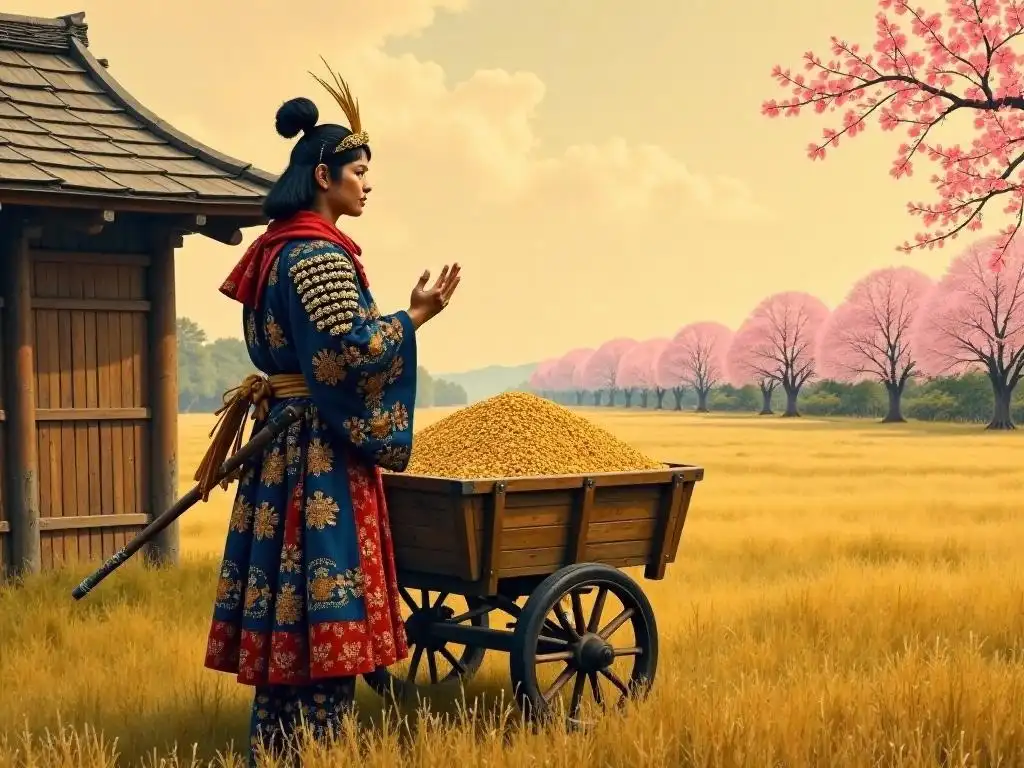
The cultural landscape of feudal Japan was intricately tied to the concept of land ownership, particularly among the samurai class. Land was not merely a source of economic wealth; it was also a symbol of status and power. The samurai operated under a strict code of conduct, known as bushido, which emphasized loyalty, honor, and martial prowess. As they transitioned from mere warriors to influential landowners, their identities and social roles evolved significantly.
Ownership of land conferred a unique prestige to samurai families, allowing them to assert their influence over local populations. This shift in identity was not only economic but also deeply cultural, as landownership became synonymous with noble status. The samurai's role as protectors of the realm transformed them into stewards of agricultural production, which was foundational to the economy of feudal Japan. Thus, the samurai economy and land ownership were inextricably linked, with land serving as both an economic asset and a cultural cornerstone.
The Samurai as Landowners: Social Status and Identity
In the feudal hierarchy, land ownership played a crucial role in determining social status among the samurai. As warriors, samurai were originally compensated with stipends and land grants from their lords. Over time, many samurai acquired additional land through conquest, inheritance, or purchase, elevating their status within the social structure. This transition marked a shift from being solely martial figures to becoming significant landowners with responsibilities towards their vassals and peasants.
The social identity of samurai as landowners was also reinforced by their duties to maintain order and ensure agricultural productivity. They were expected to protect their domains, collect taxes, and oversee agricultural practices. This dual role as both warrior and landowner solidified their position within society, as they were seen as both military leaders and benevolent rulers. The samurai's identity was thus woven into the fabric of Japanese culture, where landownership not only provided economic stability but also affirmed their status as elite members of society.
Cultural Significance of Land in Samurai Society
In samurai society, land held profound cultural significance beyond its economic value. It was viewed as a tangible representation of one's honor and legacy. The act of cultivating land was imbued with a sense of duty and responsibility, as samurai believed that proper stewardship of the land reflected their virtue and commitment to their people. This connection to the earth fostered a deep reverence for nature and the cycles of agricultural life, which were celebrated through various festivals and rituals.
Additionally, land ownership allowed samurai families to establish their lineage and secure their place in history. Inheritance of land was a matter of pride, often accompanied by ceremonies that honored ancestors and reinforced family ties. The cultural narratives surrounding landownership contributed to a sense of belonging and identity among the samurai, as it linked them to their heritage and the broader narrative of Japan's feudal past.
Case Studies of Notable Samurai Landowners
To understand the dynamics of the samurai economy and land ownership, examining the lives of notable samurai landowners provides valuable insights into how wealth accumulation and land management shaped feudal Japan.
Minamoto no Yoritomo: A Case Study in Wealth Accumulation
Minamoto no Yoritomo, one of the most prominent figures in samurai history, serves as an exemplary case study in wealth accumulation and land ownership. As the founder of the Kamakura shogunate, Yoritomo skillfully navigated the political landscape of the late 12th century to establish himself as a powerful landowner. His rise to power was characterized by strategic alliances and military conquests that expanded his territory and influence.
Yoritomo's wealth was derived from the land he controlled, including rice-producing territories that were crucial to sustaining his military campaigns and supporting his followers. He implemented a system of governance that allowed him to effectively manage his domains, collect taxes, and ensure the loyalty of his vassals. His ability to transform military success into economic power exemplifies the synergy between samurai prowess and land ownership, setting a precedent for future samurai leaders.
The Impact of Oda Nobunaga on the Samurai Economy
Oda Nobunaga, a key figure in the unification of Japan during the late 16th century, significantly impacted the samurai economy through his innovative approaches to land management and military organization. Nobunaga recognized the importance of efficient agricultural production and integrated new farming techniques that boosted crop yields across his territories.
His policies encouraged land redistribution, allowing more samurai and peasants to participate in the economy. By fostering relationships with local farmers and incentivizing agricultural output, Nobunaga created a more robust economic foundation that benefited both the samurai and the peasant class. His emphasis on the economic potential of land ownership helped establish a model for future samurai leaders, illustrating how effective governance could enhance wealth and power in feudal Japan.
The rise of the samurai economy and land ownership is deeply rooted in cultural, social, and historical contexts. Through the lens of notable figures like Minamoto no Yoritomo and Oda Nobunaga, we see how the interplay of land, wealth, and identity shaped the samurai's role in Japanese society, leaving a lasting legacy that continues to influence Japan's cultural narrative.
The Decline of the Samurai Economy
The decline of the samurai economy marked a significant transition in Japan's socio-economic landscape, particularly during the late Edo period and into the Meiji Restoration. As the power of the samurai diminished, so did their wealth and influence. This shift was influenced by a myriad of factors, including political changes, economic shifts, and social transformations that redefined the roles of the samurai in Japanese society.
The samurai, once the elite warrior class that commanded respect and authority, began to face increasing challenges from the rising merchant class and the changing political climate. The establishment of a centralized government and the introduction of new economic practices gradually eroded the foundations of the samurai economy. As a result, many samurai found themselves struggling to maintain their status and livelihoods in an evolving society that no longer prioritized their traditional roles.
Factors Leading to the Erosion of Samurai Wealth
Several factors contributed to the erosion of samurai wealth.
- Economic Changes: The burgeoning merchant class began to accumulate wealth that surpassed that of many samurai. As trade and commerce flourished, the focus shifted from land ownership to trade and industry, which benefitted merchants more than the landholding samurai.
- Political Reforms: The Tokugawa shogunate implemented policies that centralized power and diminished the autonomy of samurai. These reforms often undermined the traditional feudal system, leading to a decline in samurai privileges and income from their lands.
- Land Taxation: The introduction of a more systematic taxation system placed a burden on samurai landowners. Many samurai were forced to sell their lands to pay taxes, leading to a loss of their economic base.
- Social Mobility: The rise of the merchant class allowed for increased social mobility, challenging the rigid social hierarchy that once placed samurai at the top. This shift diminished the samurai’s status and economic power in society.
These factors combined to create an environment where the samurai economy could no longer sustain itself, leading to a decline in the wealth and power of the warrior class.
The Transition to Modern Economic Structures in Japan
As the samurai economy waned, Japan was on the verge of significant transformation. The Meiji Restoration in 1868 heralded a new era that sought to modernize Japan and integrate it into the global economy. This period marked several key changes:
- Abolition of the Feudal System: The Meiji government dismantled the feudal system, redistributing land and promoting a more centralized landownership model. This transition facilitated the emergence of a capitalist economy and allowed for greater economic development.
- Industrialization: Japan embarked on a path of rapid industrialization, shifting from an agrarian society to one focused on manufacturing and trade. The emphasis on industrial growth diminished the traditional land-based wealth that had sustained the samurai.
- Creation of New Classes: The rise of a new bourgeoisie class of entrepreneurs and business owners further displaced the samurai from their previously privileged economic position. The new economic structures prioritized commerce and industry over land ownership.
- Western Influence: Japan's engagement with Western nations introduced new economic philosophies and practices, prompting a cultural shift that affected traditional values associated with the samurai.
This transition ultimately led to the disintegration of the samurai economy, paving the way for a modern economic framework that would redefine Japanese society.
Conclusion: Legacy of the Samurai Economy and Land Ownership
The legacy of the samurai economy and its intertwining with land ownership has had a profound and lasting impact on Japanese society. While the samurai class itself has largely faded into history, the structures and values they established continue to influence Japan’s socio-economic landscape.
Lasting Impact on Japanese Society and Economy
The decline of the samurai economy initiated significant changes that affected the socio-economic fabric of Japan.
- Cultural Perspectives: The values of loyalty, honor, and discipline, which were central to the samurai ethos, have permeated Japanese culture and continue to be revered in various forms today.
- Economic Structure: The shift from a land-based economy to one focused on industry and commerce shaped Japan into a modern economic powerhouse. The remnants of the samurai landholding system laid the groundwork for property rights and modern real estate practices.
- Social Dynamics: The rise of a merchant class and the democratization of wealth altered social dynamics, fostering a more meritocratic society that values innovation and entrepreneurship.
Reflections on the Samurai Economy in Contemporary Japan
In contemporary Japan, reflections on the samurai economy reveal a complex relationship with its past.
- Cultural Heritage: Many Japanese people take pride in their samurai heritage, celebrating it through festivals, literature, and media. This heritage serves as a reminder of the values that can still resonate in modern society.
- Economic Evolution: The evolution of Japan's economy from the samurai era to the present day illustrates a journey of resilience and adaptation. While the samurai economy may have declined, its transformation into a modern economic model showcases Japan’s ability to innovate and thrive in an ever-changing world.
- Lessons Learned: The challenges faced by the samurai serve as a historical lesson on the importance of adaptability in the face of changing economic landscapes. This lesson remains relevant as Japan navigates contemporary global economic issues.
The rise and fall of the samurai economy are not just historical events; they are pivotal chapters in the story of Japan’s evolution into a modern nation. The legacies of land ownership and economic practices established by the samurai continue to shape contemporary Japanese identity and economic structures.
- Introduction to the Samurai Economy
- Historical Context of the Samurai Economy
- The Role of Samurai in Land Ownership
- Economic Structures Supporting the Samurai Economy
- Cultural Aspects of Samurai Land Ownership
- Case Studies of Notable Samurai Landowners
- The Decline of the Samurai Economy
- Conclusion: Legacy of the Samurai Economy and Land Ownership
Frequently Asked Questions
What was the samurai economy in feudal Japan?
The samurai economy refers to the economic system where warriors transitioned from military roles to becoming wealthy landowners, managing agricultural production and resources.
How did samurai gain land ownership?
Samurai gained land ownership through loyalty to their lords, often receiving land as rewards for military service, which allowed them to collect taxes and manage agricultural output.
What role did agriculture play in the samurai economy?
Agriculture was the backbone of the samurai economy, as it provided the necessary resources for wealth accumulation and supported the warrior class's lifestyle and power.
How did the feudal system influence samurai wealth?
The feudal system created a hierarchy where samurai could accumulate wealth through land ownership and tax revenues, which were essential for funding their military endeavors and maintaining their status.
What impact did the samurai economy have on Japanese society?
The samurai economy significantly shaped Japanese society by establishing a warrior elite that influenced culture, politics, and social structure, leading to a unique class system that persisted for centuries.
Final Reflection: The Enduring Legacy of the Samurai Economy
The transformation of the samurai from warriors to wealthy landowners is not just a historical phenomenon; it is a reflection of how societal roles can evolve in response to changing economic landscapes. Today, as we navigate a world marked by rapid change and economic uncertainty, the lessons from the samurai economy resonate more than ever. The adaptability and resilience of these warriors remind us that success often lies in our ability to embrace new roles and opportunities.
Culture and society are inextricably linked to the evolution of economic systems, and the samurai economy serves as a powerful example of this dynamic. The shift from martial prowess to land ownership illustrates how individuals can redefine their identities and contributions to society. As we witness similar shifts in our own time, it is crucial to remember the words of historian William McNeill: The past is a foreign country; they do things differently there.
This quote invites us to reflect on how historical transformations can inform our understanding of contemporary issues, particularly in the realms of wealth and power.
As you contemplate the lessons of the samurai economy, I encourage you to consider your own journey and the roles you play in your community. How can you adapt to changing circumstances and seize new opportunities for growth? Embrace the spirit of the samurai by being open to transformation and innovation in your own life. By doing so, you not only honor the legacy of these remarkable warriors but also pave the way for your own success in an ever-evolving world.
Unveil Your Own Samurai Spirit: Take Action Today!
Thank you for diving into the fascinating world of the samurai economy! You've explored how these legendary warriors transformed into influential landowners, gaining insights that can inspire us today. Now, let's channel that spirit into action!
Here are some ways you can engage further with this theme:
- Dive Deeper: Explore articles on our website about the business strategies of feudal Japan to enhance your understanding.
- Share Your Thoughts: Join the conversation! We invite you to comment below with your perspective on how the transition from warrior to landowner can inform modern entrepreneurship.
- Connect with Others: Become part of our community on social media to connect with fellow history enthusiasts and exchange insights about feudal Japan.
Which aspect of the samurai's evolution from warriors to wealthy landowners resonates with you the most?