
Understanding the Role of Foreign Trade in Tokugawa Economic Policies

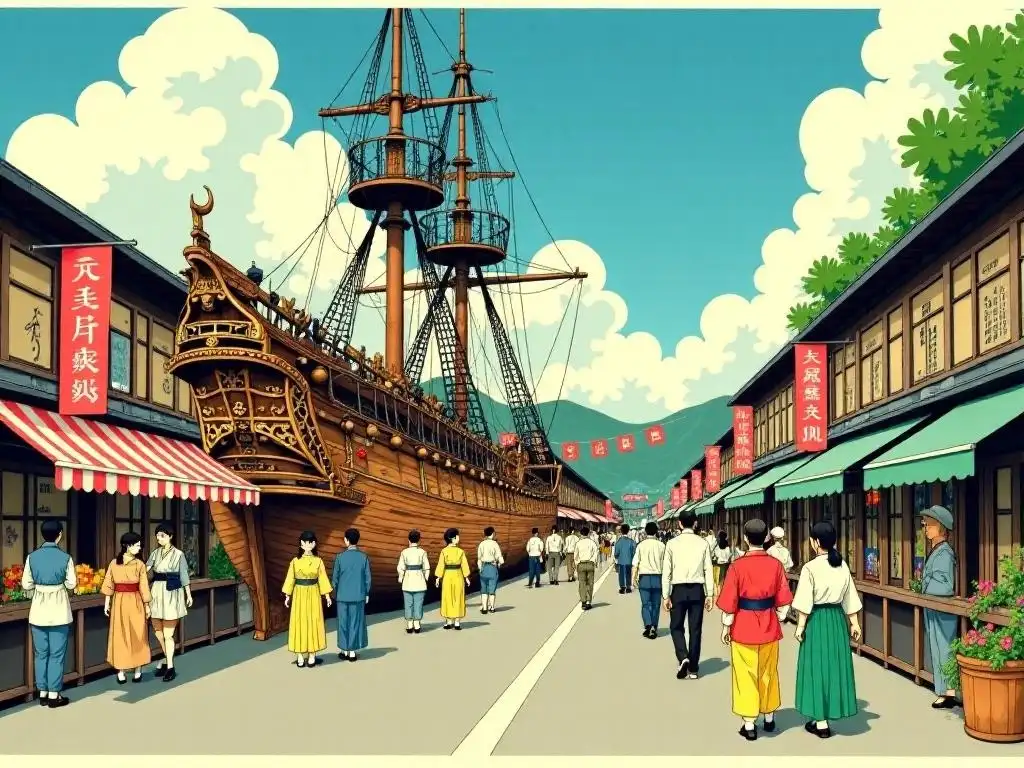
Welcome to Feudal Japan History, where we invite you to embark on an enlightening journey through the captivating world of Japan's feudal era. In our featured article, "Understanding the Role of Foreign Trade in Tokugawa Economic Policies," we delve into the intricate dynamics of the Tokugawa shogunate and its profound impact on foreign trade. How did these trade policies shape not only Japan's economy but also its cultural and societal fabric? Prepare to uncover hidden narratives and expert insights that will leave you eager to explore further. Your adventure into the depths of Japan's past starts here!
Introduction to Tokugawa Foreign Trade
The Tokugawa Shogunate, which ruled Japan from 1603 to 1868, represents a pivotal era in the nation’s economic, cultural, and political development. One of the most intriguing aspects of this period is the Shogunate's approach to foreign trade, which was a complex interplay of isolation and selective engagement. This article delves into the Tokugawa foreign trade impact, examining how the Shogunate's policies shaped Japan's economy and its interactions with the outside world. By understanding the nuances of Tokugawa foreign trade, we gain insights into the broader economic strategies that influenced Japan’s trajectory during the feudal era.
Overview of the Tokugawa Shogunate
The Tokugawa Shogunate emerged after a long period of civil strife known as the Sengoku period. Founded by Tokugawa Ieyasu, this regime established a centralized feudal government that brought stability to Japan after years of conflict. The Shogunate implemented a strict social hierarchy and a series of policies designed to control commerce and trade, both internally and externally. This governance model profoundly influenced Japan's economic landscape, setting the stage for the role of foreign trade within the confines of a largely isolationist policy.
Importance of Foreign Trade in Feudal Japan
Foreign trade played a crucial role in the economic development of Japan during the Tokugawa period. While the Shogunate enforced strict regulations on trade to maintain control, certain foreign exchanges were permitted and even encouraged. The influx of foreign goods, ideas, and technologies contributed to the growth of urban centers and the merchant class. As a result, foreign trade became a double-edged sword—serving both to enrich the economy and to challenge the Shogunate's authority.
Historical Context of Tokugawa Foreign Trade
To fully understand the impact of foreign trade during the Tokugawa era, it is essential to contextualize it within the broader historical framework of the period. The Shogunate's policies, particularly the isolationist Sakoku policy, significantly shaped the dynamics of trade.
The Isolation Policy (Sakoku) and Its Implications
The Sakoku policy, which translates to "locked country," was formally enacted in the 1630s. This policy restricted foreign influence and limited trade to a few select partners, primarily to prevent the spread of Christianity and maintain political stability. The implications of Sakoku were profound:
- Limited Trade Routes: Japan's foreign trade was largely confined to specific ports, such as Nagasaki, where strict regulations governed the activities of foreign traders.
- Cultural Exchange Restrictions: While some foreign ideas and goods were permitted, the flow of culture was tightly controlled, limiting the impact of external influences on Japanese society.
- Economic Isolation: The Sakoku policy contributed to Japan's self-sufficiency, but it also hindered potential economic growth that could have arisen from broader international trade relations.
Key Trade Partners during the Tokugawa Era
Despite the isolationist stance, the Tokugawa Shogunate did engage with a few foreign nations. The key trade partners included:
- The Dutch: Represented by the Dutch East India Company, they were allowed to trade at Nagasaki, providing a gateway for Western goods and ideas.
- The Chinese: Engaged in significant trade, particularly in silk and porcelain, the Chinese were vital in supplying luxury goods to the Japanese elite.
- Korea and Southeast Asia: Limited trade interactions also took place with Korea and various Southeast Asian nations, although these were less prominent compared to Dutch and Chinese trade.
The Role of Dutch and Chinese Traders
The Dutch and Chinese traders played essential roles in the Tokugawa economy. The Dutch, with their unique position in Nagasaki, served as intermediaries between Japan and the West, introducing technologies and scientific advancements. Chinese traders contributed to the cultural and economic landscape by providing essential goods that catered to the Japanese market. Their influence helped shape the material culture of the era, making their trade relations critical to understanding the Tokugawa economic policies.
The impact of foreign trade during the Tokugawa Shogunate was multifaceted and pivotal to Japan's economic history. By exploring these dynamics, we gain a clearer picture of how foreign engagement influenced Japan's development in a period marked by both isolation and selective openness.
Economic Impact of Foreign Trade on Tokugawa Policies
The Tokugawa shogunate, which lasted from 1603 to 1868, implemented a range of economic policies that significantly influenced the role of foreign trade. Despite Japan's renowned isolationist stance during this period, limited trade with specific countries had profound economic implications. The shogunate's policies aimed at consolidating power and ensuring stability, while at the same time managing the complexities of foreign interactions, primarily with the Dutch and the Chinese.
Foreign trade during the Tokugawa era was heavily regulated, focusing on a few select ports and controlled commodities. The involvement of foreign merchants provided essential goods, such as silk, spices, and firearms, which were not produced domestically. This exchange enriched the local economy, leading to the growth of certain industries and the emergence of a merchant class that would later play a crucial role in the transformation of Japanese society.
Additionally, the revenue generated from trade taxes contributed to the shogunate's coffers, helping to fund military and administrative expenses. However, the limited scope of foreign trade also led to a focus on domestic production and self-sufficiency, shaping the Tokugawa economic landscape in complex ways.
Influence on Domestic Economy
The impact of foreign trade during the Tokugawa era was a double-edged sword for the domestic economy. While it introduced foreign goods and resources that were beneficial, it also posed challenges to local industries. The influx of foreign products, particularly luxury items, created competition for domestic artisans and merchants, which sometimes resulted in economic distress in traditional sectors.
The Tokugawa government sought to mitigate these issues by enforcing strict regulations on trade practices. The sakoku policy (closed country) limited foreign influence, allowing only the Dutch and the Chinese to engage in trade through designated ports like Nagasaki. This selective engagement ensured that foreign goods did not undermine local industries while still providing access to valuable imports.
Moreover, foreign trade stimulated the growth of urban centers, as merchants and artisans flocked to trading hubs. This urbanization led to the rise of a cash economy and a burgeoning merchant class, which gradually shifted the economic balance from the feudal lords to more economically empowered commoners.
Effects on Currency and Trade Systems
The Tokugawa period also saw significant developments in currency and trade systems as a direct consequence of foreign trade interactions. The shogunate's regulations fostered a more standardized currency system, which was essential for facilitating trade both domestically and internationally. The introduction of silver as a primary currency, driven by trade with foreign entities, allowed for more straightforward transactions and fostered a more vibrant marketplace.
Additionally, the reliance on foreign trade prompted the establishment of new financial instruments and practices. The growth of merchant guilds and the rise of banking systems improved capital flow, enabling merchants to invest more efficiently in trade ventures.
While these advancements ultimately contributed to a more dynamic economy, they also created vulnerabilities. For instance, fluctuations in foreign silver supplies could lead to economic instability, influencing local prices and trade balances. The Tokugawa shogunate grappled with these challenges, leading to adaptations in their economic policies to stabilize the currency and maintain trade equilibrium.
Cultural Exchange through Foreign Trade
Foreign trade during the Tokugawa period did not merely affect economics; it also served as a vital conduit for cultural exchange. This interaction with foreign nations allowed Japan to integrate various ideas, technologies, and artistic influences that would later shape its cultural landscape.
Introduction of Western Ideas and Technologies
The limited interaction with foreign traders, particularly the Dutch, introduced a wealth of Western ideas and technologies to Japan. The Tokugawa shogunate, while cautious of Western influence, recognized the importance of certain innovations, especially in fields like medicine, navigation, and military technology.
Western texts and knowledge were translated and studied, leading to the development of Rangaku or "Dutch Learning." This movement sparked a curiosity about Western sciences and philosophies, paving the way for future modernization. For instance, advancements in shipbuilding and firearms technology were adopted, enhancing Japan's military capabilities and maritime activities.
Moreover, the introduction of Western agricultural techniques and instruments improved productivity, crucial for a nation reliant on agriculture. These innovations laid the groundwork for Japan’s eventual industrialization in the Meiji era.
Influence on Japanese Arts and Culture
Cultural exchange through foreign trade also manifested in the arts. The influx of new ideas and materials influenced traditional Japanese art forms, leading to the development of unique styles that blended Western and Japanese elements.
For example, Ukiyo-e, or floating world prints, began to incorporate Western techniques such as perspective and shading, enriching their visual depth and complexity. Additionally, foreign motifs and themes found their way into Japanese art, leading to a fusion that reflected the changing dynamics of society.
Furthermore, the Tokugawa era witnessed the emergence of new literary genres influenced by Western literature, which encouraged a diversification of thought and expression. This cultural exchange not only enriched Japan's artistic heritage but also fostered a broader worldview among its people.
While the Tokugawa shogunate maintained strict control over foreign trade, the limited interactions that did occur had a lasting economic and cultural impact on Japan. Through foreign trade, Japan experienced a unique blend of isolation and openness that ultimately shaped its path toward modernization.
Challenges and Consequences of Tokugawa Foreign Trade

The Tokugawa shogunate, which ruled Japan from 1603 to 1868, implemented a series of stringent policies regarding foreign trade. While these policies aimed to stabilize and control the economy, they also led to numerous challenges and consequences that would shape Japan's social and economic landscape for centuries. The isolationist stance adopted during this era, known as Sakoku, limited Japan's engagement with the outside world, yet foreign trade remained a contentious issue, revealing both internal and external conflicts.
Conflicts with Foreign Powers
The Tokugawa era was marked by significant tension with foreign powers, particularly European nations and the United States. Initially, the Portuguese and Dutch established trade routes, but as foreign influence grew, so did concerns over Christianity and colonial ambitions. The shogunate viewed the spread of Christianity as a direct threat to its authority and societal cohesion, leading to the suppression of missionaries and the expulsion of foreigners.
This conflict culminated in the 1853 arrival of Commodore Matthew Perry and his "Black Ships," which forced Japan to open its ports to American trade. The unequal treaties that followed not only highlighted the Tokugawa government's inability to resist foreign pressure but also signaled a shift in power dynamics, ultimately contributing to the shogunate's downfall. The inability to effectively manage foreign relations underscored the challenges the Tokugawa faced in navigating the complexities of international trade.
Internal Struggles and Economic Disparities
While foreign trade was restricted, internal economic disparities began to surface during the Tokugawa period. The shogunate's policies favored certain regions and social classes, particularly the samurai and merchant classes, leading to a widening gap between the wealthy and the poor. The rigid class structure limited social mobility, causing discontent among lower classes, especially farmers who struggled under heavy taxation.
Moreover, the limited foreign trade opportunities resulted in stagnation in certain industries, as domestic production was insufficient to meet the demands of a growing population. Economic disparities fueled unrest, culminating in peasant revolts and the eventual questioning of the Tokugawa regime's legitimacy. Thus, while foreign trade was tightly controlled, the consequences of this policy manifested as significant internal strife and economic challenges.
Conclusion: The Legacy of Tokugawa Foreign Trade
The legacy of Tokugawa foreign trade is complex, characterized by both the constraints imposed by isolationist policies and the eventual push towards modernization. As Japan transitioned from feudalism to a more open economy, the effects of Tokugawa trade practices continued to resonate.
Lasting Effects on Japan's Economic Policies
The Tokugawa period laid the groundwork for Japan's economic policies in the Meiji era and beyond. The experience of managing limited foreign trade and the subsequent challenges fostered a sense of urgency among Japanese leaders to modernize and engage with global markets. This shift led to the development of infrastructure, industrialization, and the establishment of modern economic practices.
The emphasis on state control during the Tokugawa period also influenced subsequent governance, as leaders recognized the need for a balanced approach to managing both domestic and foreign economic interests. The lessons learned from the Tokugawa experience with foreign trade ultimately informed Japan's strategic decisions in its quest for modernization and economic growth.
The Transition to Modern Trade Practices
The transition from Tokugawa isolationism to modern trade practices was not instantaneous; it required a reevaluation of Japan's place in the world. After the fall of the Tokugawa shogunate in 1868, Japan embraced international trade, entering into treaties that facilitated economic expansion. This shift marked the beginning of Japan’s rapid industrialization and integration into the global economy.
As Japan navigated this transition, it transformed its economic policies to promote trade and encourage foreign investment. The legacy of Tokugawa foreign trade, characterized by its challenges, ultimately paved the way for Japan to emerge as a significant player in international commerce, demonstrating the profound impact of historical policies on contemporary economic practices.
References
The study of Tokugawa foreign trade impact is enriched by various historical texts and scholarly articles that provide insights into the economic policies of the Tokugawa shogunate. These references are essential for understanding the complex interplay between foreign trade and the internal dynamics of Japan during the early modern period.
Key Historical Texts
-
The Tokugawa Shogunate: A Historical Overview
This foundational text explores the establishment of the Tokugawa shogunate and its governance, highlighting the initial foreign trade policies that shaped Japan's economic landscape.
-
The Closed Country: Japan's Sakoku Policy
This work delves into Japan's Sakoku (closed country) policy, which restricted foreign interactions and trade. It examines how this policy was implemented and its long-term consequences on Japan's economy and society.
-
The Dutch and the Japanese: A Trade Relationship
Focused on the unique relationship between the Dutch East India Company and Tokugawa Japan, this text provides an in-depth analysis of the limited but significant foreign trade that occurred during this era, shedding light on economic exchanges and cultural interactions.
-
Economic History of Japan: The Tokugawa Period
This comprehensive history offers a detailed examination of the economic systems in place during the Tokugawa period, including the role of foreign trade and its impact on domestic markets and agriculture.
-
Mercantilism in Tokugawa Japan
This text discusses the mercantilist policies adopted by the Tokugawa shogunate, outlining how foreign trade was strategically managed to benefit the shogunate and maintain stability within the realm.
Scholarly Articles on Tokugawa Foreign Trade Impact
-
"Global Trade Networks and the Tokugawa Economy"
This article investigates the influence of global trade networks on the Tokugawa economy, arguing that foreign trade played a crucial role in the economic development of Japan during the shogunate.
-
"The Impact of Dutch Trade on Japanese Culture and Economy"
This scholarly piece analyzes the cultural and economic exchanges brought about by Dutch trade during the Tokugawa period, discussing how these interactions influenced Japanese society.
-
"Sakoku and the Transformation of Japan's Economic Policies"
This research article examines the implications of the Sakoku policy on Japan's economic strategies, focusing on how limited foreign trade shaped domestic economic practices.
-
"The Role of Foreign Merchants in Tokugawa Japan"
This article highlights the contributions of foreign merchants to Japan's economy and the complexities of trade relationships, offering insights into how these interactions affected Tokugawa policies.
-
"Trade and Isolation: The Tokugawa Shogunate's Economic Dilemma"
This paper discusses the paradox of isolationist policies alongside the necessity of foreign trade, analyzing the economic implications and the balancing act performed by the Tokugawa government.
These references provide a robust foundation for understanding the multifaceted role of foreign trade in shaping Tokugawa economic policies and their broader implications for Japanese history.
- Introduction to Tokugawa Foreign Trade
- Historical Context of Tokugawa Foreign Trade
- Economic Impact of Foreign Trade on Tokugawa Policies
- Cultural Exchange through Foreign Trade
- Challenges and Consequences of Tokugawa Foreign Trade
- Conclusion: The Legacy of Tokugawa Foreign Trade
- References
- What were the key features of Tokugawa foreign trade policies?
- How did foreign trade impact the Tokugawa economy?
- Which countries were involved in Tokugawa foreign trade?
- What was the effect of foreign trade on Japanese culture during the Tokugawa period?
- Why did the Tokugawa shogunate eventually limit foreign trade?
Frequently Asked Questions
What were the key features of Tokugawa foreign trade policies?
The Tokugawa shogunate implemented strict trade regulations that limited foreign interaction, primarily to maintain social order and cultural integrity.
How did foreign trade impact the Tokugawa economy?
Foreign trade contributed to the growth of commerce and the emergence of a merchant class, which significantly influenced the overall economic landscape during this period.
Which countries were involved in Tokugawa foreign trade?
The Dutch and Chinese were the primary trading partners during the Tokugawa era, as they were allowed to conduct trade under strict regulations.
What was the effect of foreign trade on Japanese culture during the Tokugawa period?
Foreign trade introduced various cultural influences, including new technologies and ideas, while also fostering a sense of national identity through selective cultural exchange.
Why did the Tokugawa shogunate eventually limit foreign trade?
The shogunate sought to prevent the influence of foreign powers and maintain political stability, leading to a more isolationist stance known as sakoku.
Final Reflection: The Enduring Impact of Tokugawa Foreign Trade
The exploration of Tokugawa foreign trade reveals its profound influence on Japan's economic policies and cultural exchanges, highlighting how historical trade dynamics continue to shape modern economic landscapes. Today, as nations grapple with globalization and trade relationships, understanding the intricate balance of foreign trade during the Tokugawa period offers invaluable insights into the complexities of economic interdependence and cultural exchange. The lessons learned from this era remind us that trade is not merely an economic transaction but a bridge that connects diverse cultures and ideas.
The legacy of Tokugawa foreign trade resonates deeply within our contemporary society, influencing how we perceive international relations and economic policies. The careful navigation of trade during the Tokugawa shogunate not only fostered economic growth but also cultivated a unique cultural identity that persists in Japan today. As historian John W. Hall noted, The Tokugawa period was a time of remarkable stability and cultural flourishing, shaped significantly by its foreign trade policies.
This observation underscores the importance of understanding historical trade practices as they continue to inform our current global interactions and cultural exchanges.
As we reflect on the lessons from the Tokugawa era, let us consider how we can apply these insights to our own lives and communities. Think about the role of trade and cultural exchange in your own experiences—how can you foster connections that transcend borders? Embrace the spirit of collaboration and understanding, recognizing that the past offers a roadmap for navigating the complexities of our interconnected world. By honoring the legacy of Tokugawa foreign trade, we can contribute to a future that values diversity, mutual respect, and shared prosperity.
Unlock the Secrets of Tokugawa Trade!
Thank you for taking the time to explore the intricate role of foreign trade in Tokugawa economic policies! Your curiosity has not only deepened your understanding but also opened the door to a fascinating chapter of history.
Now, let’s take your newfound knowledge a step further! Here are some engaging actions you can pursue:
- Dive deeper: Research a specific trade good from the Tokugawa period, such as silk or ceramics, and understand its journey and impact on both local and international markets.
- Share your insights: Discuss this article with friends or fellow history enthusiasts to spark engaging conversations about the complexities of feudal trade.
- Get involved: Join an online community focused on Japanese history to connect with others who share your passion and exchange ideas!
What aspect of Tokugawa trade intrigues you the most, and how do you think it shaped Japan's modern economic landscape?