
The Cultural Economy of Isolation: Art and Commerce in Feudal Japan

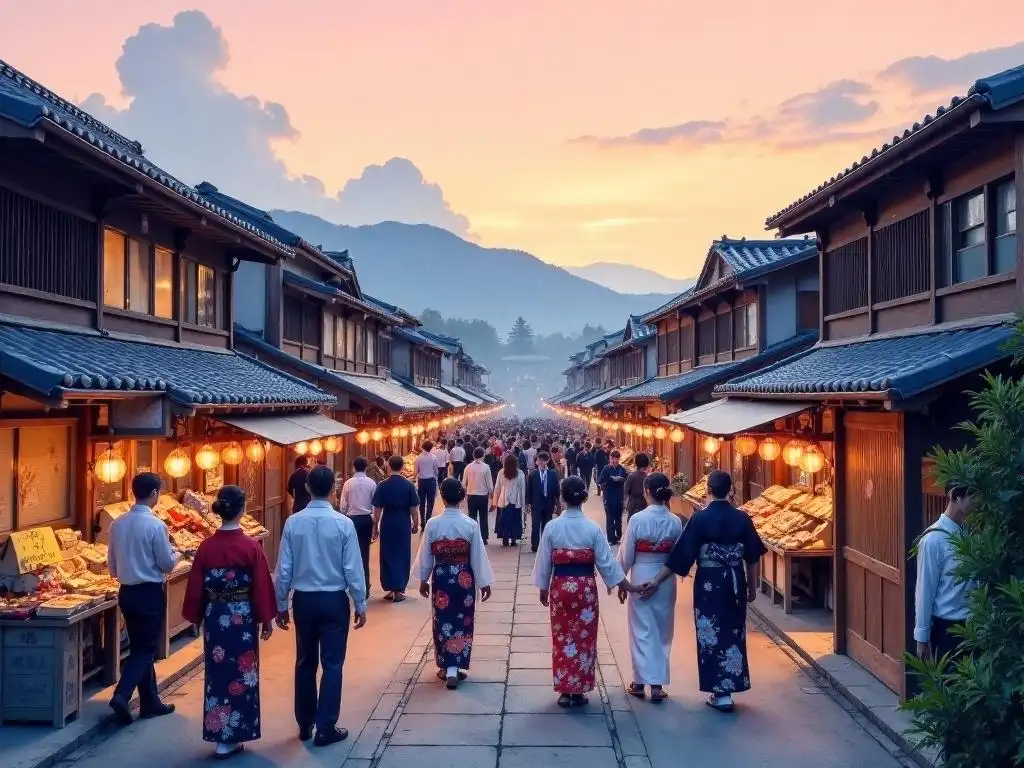
Welcome to Feudal Japan History, where we embark on an intriguing journey through the captivating layers of Japan’s feudal era. In our featured article, "The Cultural Economy of Isolation: Art and Commerce in Feudal Japan," we delve into the unique interplay between culture and commerce that defined this remarkable period. Discover how art flourished amidst isolation, shaping not just the economy but the very soul of feudal society. Curious about the hidden connections between artistic expression and economic structures? Let’s uncover the rich tapestry of history that awaits you!
Introduction to the Cultural Economy of Feudal Japan
The Cultural Economy of Feudal Japan is a fascinating study of how art, commerce, and societal structures evolved during a period marked by isolationist policies and limited foreign interaction. Between the early 17th century and the mid-19th century, Japan entered a state of self-imposed isolation under the Tokugawa shogunate. This era, characterized by strict regulations and a focus on internal development, fostered a unique cultural landscape that significantly influenced the nation’s economy. By examining the intricate relationship between art and commerce, we can better understand how this cultural economy shaped Japan's identity and societal framework during feudalism.
Overview of Feudal Japan's Historical Context
To comprehend the cultural economy of feudal Japan, it is essential to grasp the historical backdrop against which these developments occurred. The Tokugawa period (1603-1868) was defined by a feudal system that prioritized social hierarchy and centralized political power. Under this regime, Japan experienced a prolonged period of peace, known as the Edo period, which allowed for the flourishing of various cultural and economic activities.
- Political Structure:
- The shogunate exercised control over the daimyō (feudal lords) and samurai, ensuring a stable governance system.
- This stability encouraged the growth of cities and trade, particularly in urban centers like Edo (modern-day Tokyo), Osaka, and Kyoto.
- Cultural Flourishing:
- Isolation fostered a unique Japanese culture, characterized by distinct artistic styles, such as ukiyo-e (woodblock prints) and tea ceremonies.
- Literature, theater, and other art forms thrived, reflecting societal values and the experiences of the time.
Despite limited foreign engagement, the internal market expanded, leading to significant changes in trade dynamics and consumer culture. The synthesis of artistic expression and economic activity during this period laid the groundwork for Japan's modern identity.
Significance of Isolationist Policies in Economic Development
The isolationist policies enacted during the Tokugawa shogunate played a crucial role in shaping Japan's economic landscape. These policies not only limited foreign influence but also encouraged the development of a robust internal economy.
- Regulated Trade:
- The sakoku policy, which restricted foreign trade to select ports and nations, ensured that Japan maintained control over its economy.
- This regulation allowed local artisans and merchants to flourish without the threat of foreign competition.
- Cultural Exchange and Commerce:
- Although foreign trade was limited, the exchange of ideas and goods within Japan created a rich cultural tapestry that fueled economic growth.
- The rise of merchant classes, particularly in urban areas, led to increased demand for art and luxury goods, further intertwining cultural production with economic prosperity.
- Impact on Art and Industry:
- The flourishing of arts such as pottery, textiles, and painting not only served aesthetic purposes but also became significant contributors to the economy.
- This interplay between art and commerce illustrated how isolation facilitated the cultivation of a distinct cultural economy that defined feudal Japan.
Understanding the cultural economy of feudal Japan reveals the complexities of a society that, while isolated, produced a rich tapestry of art and commerce, ultimately shaping the nation’s historical trajectory.
- Introduction to the Cultural Economy of Feudal Japan
- Overview of Feudal Japan's Historical Context
- Significance of Isolationist Policies in Economic Development
Understanding the Cultural Economy in Feudal Japan
Definition of Cultural Economy
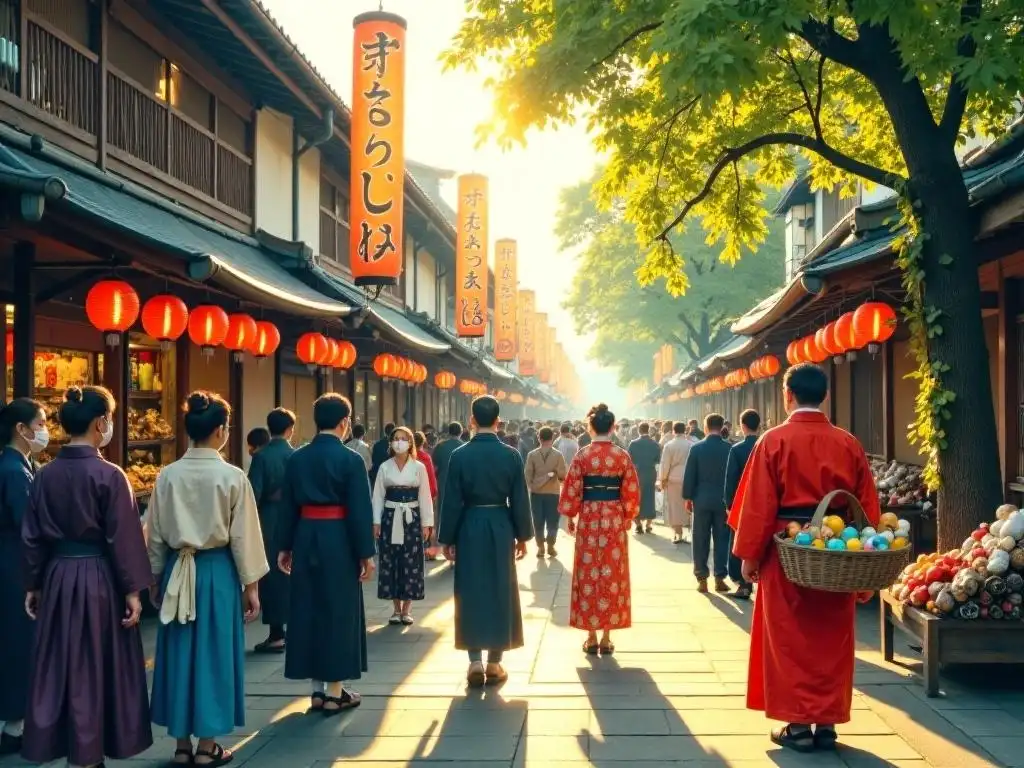
The cultural economy of feudal Japan refers to the intricate relationship between culture and economic practices during a period marked by isolation and self-sufficiency. This concept encompasses not only the production and exchange of goods but also the transmission of artistic and cultural values that influenced social structures and economic activities. In feudal Japan, particularly during the Edo period (1603-1868), the government enforced strict isolationist policies (sakoku) that limited foreign influence and promoted domestic production.
This environment fostered a unique cultural economy where art, literature, and crafts were not mere byproducts of economic transactions but were deeply intertwined with the social fabric and identity of the time. The cultural economy, therefore, reflects how artistic expression and commercial activities coalesced, leading to a distinctive societal framework where aesthetics and commerce informed each other.
Key Features of the Cultural Economy of Feudal Japan
1. Artisan Guilds and Craftsmanship
Artisan guilds played a crucial role in the cultural economy of feudal Japan. These guilds were organized groups of craftsmen who specialized in various trades, from pottery and textiles to metalwork and woodblock printing. Each guild maintained strict standards of quality and technique, ensuring that their products not only met economic demands but also adhered to cultural expectations.
- Hierarchy and Specialization: Within these guilds, a clear hierarchy existed, with master craftsmen training apprentices, thus preserving knowledge and skills across generations.
- Cultural Significance: The works produced often carried cultural narratives, reflecting local traditions, mythology, and the natural world, thereby enhancing their value beyond mere economic exchange.
2. Consumer Culture and Urbanization
The rise of urban centers during the Edo period led to a burgeoning consumer culture that significantly impacted the cultural economy. Cities like Edo (modern Tokyo), Osaka, and Kyoto became vibrant marketplaces where goods were traded and cultural practices flourished.
- Accessibility of Art: As more people moved to urban areas, access to art and cultural experiences increased. This democratization allowed a broader segment of society to engage with and appreciate the arts.
- Entertainment and Leisure: Kabuki theatre, tea ceremonies, and festivals became popular forms of entertainment, stimulating both the economy and cultural life. These activities were not only leisure pursuits but also economic engines that supported artisans and performers.
3. Integration of Nature and Aesthetics
In feudal Japan, the integration of nature into art and commerce was a defining characteristic of the cultural economy. The aesthetic principle of wabi-sabi, which appreciates beauty in imperfection and transience, permeated various forms of artistic expression.
- Natural Materials: Craftsmen often used local and natural materials, reflecting a deep connection to the environment. This practice promoted sustainability and local resource utilization.
- Cultural Symbolism: Nature-inspired art, such as landscapes and flora, often served as metaphors for social and spiritual concepts, reinforcing cultural identity and values.
Relationship Between Art and Commerce in Feudal Japan
The relationship between art and commerce in feudal Japan was symbiotic, where each sphere influenced and enriched the other.
- Art as a Commodity: As urbanization progressed, art became a commodity. Woodblock prints (ukiyo-e), for instance, were mass-produced and sold, making them accessible to the growing middle class. Artists such as Hokusai and Hiroshige created works that not only captured the beauty of the era but also served as commercial products.
- Cultural Patronage: Wealthy merchants and samurai often patronized artists and craftspeople, commissioning works that showcased their status and taste. This patronage system provided artists with financial support while simultaneously allowing patrons to express their cultural sophistication.
- Marketplaces of Ideas: Fairs and markets became venues not only for trade but also for the exchange of cultural ideas. The mingling of artisans and consumers led to the evolution of styles and techniques, fostering innovation while maintaining traditional practices.
The cultural economy of feudal Japan exemplifies how artistic endeavors and commercial activities were intricately woven into the social fabric of the era. This interplay not only shaped the economic landscape but also crafted a rich cultural heritage that continues to influence Japanese society today.
The Impact of Isolationist Policies on Art and Culture
Overview of Isolationist Policies in the Edo Period
The Edo period (1603-1868) marked a significant era in Japanese history characterized by the Tokugawa shogunate's enforcement of isolationist policies, collectively known as Sakoku. These policies were primarily designed to consolidate power, maintain social order, and limit foreign influence. The shogunate restricted trade to designated ports, notably Nagasaki, and prohibited Japanese citizens from traveling abroad.
Under Sakoku, Japan's cultural economy became distinctly insular, fostering the development of unique artistic expressions that reflected the nation's identity. The banning of Christianity and foreign ideas played a crucial role in shaping the cultural landscape, as did the promotion of Confucian ideals and the samurai ethos. This isolation led to a flourishing of domestic arts, crafts, and literature, as artisans and scholars turned inward to explore and refine their practices devoid of external influence.
Effects of Sakoku on Artistic Expression
The cultural economy of feudal Japan during the Edo period was profoundly influenced by the Sakoku policies. Artists and craftsmen, no longer exposed to foreign styles and techniques, began to develop distinctive forms of expression that were deeply rooted in Japanese tradition.
- Preservation of Traditional Arts: The restrictions on foreign interaction allowed traditional Japanese arts, such as ukiyo-e (woodblock prints), to thrive. Artists like Hokusai and Hiroshige captured the beauty of landscapes, kabuki actors, and scenes of daily life, which became emblematic of Japanese culture.
- Emergence of New Genres: The isolationist policies fueled the emergence of new artistic genres. For instance, Nihonga, a style of painting that utilized traditional Japanese materials and techniques, gained prominence as artists sought to establish a distinctly Japanese aesthetic.
- Literature and Theater: The storytelling arts flourished as well. Kabuki theater and bunraku (puppet theater) became popular forms of entertainment, often reflecting societal themes and moral lessons. The works of playwrights like Chikamatsu Monzaemon explored human emotions and social issues, resonating deeply with the Edo populace.
- Craftsmanship and Decorative Arts: With limited access to foreign goods, Japanese artisans excelled in creating intricate crafts. Ceramics, textiles, and lacquerware became highly refined, often decorated with motifs inspired by nature and folklore. The raku pottery style, developed during this period, exemplifies the harmony between utility and aesthetic beauty.
Case Studies of Art Forms During Isolation
To better understand the effects of isolationist policies on artistic expression, we can examine specific case studies of art forms that flourished during the Edo period:
1. Ukiyo-e Woodblock Prints
Ukiyo-e, or "pictures of the floating world," became one of the most iconic art forms of the Edo period. Artists like Hokusai produced prints that depicted landscapes, kabuki actors, and scenes from everyday life. These prints not only reflected the aesthetic preferences of the time but also served as a commercial product that reached a wide audience, contributing significantly to the cultural economy.
| Artist | Notable Works | Themes |
|---|---|---|
| Hokusai | The Great Wave off Kanagawa | Nature, beauty, and transience |
| Hiroshige | Fifty-three Stations of the Tōkaidō | Travel, landscapes, seasonal changes |
2. Kabuki Theater
Kabuki emerged as a popular form of entertainment characterized by its stylized performances, elaborate costumes, and dynamic storytelling. The theater often employed music, dance, and dramatic dialogue to engage audiences, reflecting the societal values and conflicts of the time.
- Key Elements:
- Onnagata: Male actors who portrayed female roles, showcasing the blending of gender norms in performance.
- Hanamichi: A runway extending into the audience, enhancing the theatrical experience and audience engagement.
3. Nihonga Paintings
Nihonga is a traditional Japanese painting style that emphasizes the use of mineral pigments, rice paste, and washi paper. This art form arose as a reaction to Western painting techniques, allowing artists to maintain cultural integrity while exploring new themes.
- Characteristics:
- Natural Materials: Use of indigenous materials like gold leaf, shell powder, and plant-based dyes.
- Symbolism: Themes often include nature, seasons, and spiritual motifs, embodying the harmony between humanity and the environment.
The cultural economy of feudal Japan during the Edo period was intricately tied to the isolationist policies of the time. These policies not only preserved traditional arts but also fostered innovation, leading to the emergence of distinct forms of artistic expression that continue to influence Japanese culture today.
Commerce and Trade in Feudal Japan
The cultural economy of feudal Japan, particularly during the Edo period (1603-1868), is characterized by a unique interplay between art, commerce, and the social hierarchies established by isolationist policies. The Tokugawa shogunate’s emphasis on stability and control led to an environment where commerce flourished under strict regulations, shaping the cultural landscape profoundly.
The Role of Merchant Class in the Cultural Economy
The merchant class, known as "chonin," played a pivotal role in the cultural economy of feudal Japan. While they were often seen as lower in status compared to samurai and farmers, their economic influence was significant.
- Economic Power:
- By the Edo period, merchants began to accumulate wealth through trade and the production of goods. They became crucial in financing cultural activities, such as kabuki theater and ukiyo-e (woodblock prints).
- Merchants contributed to the patronage of artists and performers, shifting cultural practices toward a more urban and accessible format.
- Cultural Exchange:
- The chonin facilitated cultural exchange by supporting the arts and literature, leading to a vibrant urban culture.
- They established teahouses and theaters, where art forms thrived, making cultural experiences more widespread and democratized.
- Social Mobility:
- The wealth of the merchant class allowed for some degree of social mobility, leading to new cultural expressions that blended traditional and modern influences.
- This dynamic challenged the rigid class structures of the time and allowed for a richer tapestry of cultural production.
Analysis of Domestic Trade Practices
Domestic trade practices during the feudal era were essential in shaping the cultural economy of Japan. The structure of trade was heavily influenced by the shogunate’s policies, which aimed to control and encourage specific types of commerce.
- Market Regulations:
- The shogunate established a complex system of regulations that governed trade routes and market operations. This included the creation of "shukuba" (post towns) along the highways, which served as vital hubs for commerce.
- Regional Specialization:
- Different regions began to specialize in specific goods, leading to a flourishing of local crafts and products. For example, Echigo became known for its silk, while Osaka emerged as a center for rice trade.
- Cultural Artifacts:
- The increase in domestic trade led to the distribution of goods such as ceramics, textiles, and art, which not only served economic purposes but also fostered cultural identity and regional pride.
- Festivals and Markets:
- Local festivals and markets became cultural events, where people gathered not only for trade but also to celebrate and share artistic expressions, from music to food.
Influence of Foreign Trade Despite Isolation
Despite Japan's self-imposed isolation under the sakoku (locked country) policy, foreign trade continued to have a notable impact on the cultural economy of feudal Japan.
- Limited Foreign Contacts:
- The shogunate permitted limited trade with specific nations, such as the Dutch and the Chinese, through designated ports like Nagasaki. This selective engagement allowed for the import of foreign ideas, technologies, and goods.
- Cultural Exchange:
- Foreign trade introduced Western scientific knowledge, art styles, and commodities, which influenced Japanese art and culture. For example, Western painting techniques began to merge with traditional Japanese aesthetics, creating new forms of artistic expression.
- Economic Impact:
- The foreign trade brought luxury goods, such as silk and spices, which were highly valued in Japanese markets, enriching the merchant class and enhancing their cultural patronage.
- Adaptation and Resistance:
- While isolation was strictly enforced, the desire for foreign goods led to an underground economy where ideas and products were exchanged, demonstrating a complex relationship between isolation and cultural engagement.
The cultural economy of feudal Japan was a dynamic interplay of commerce, art, and social structures, shaped by both domestic practices and selective foreign influences. The unique role of the merchant class, alongside regulated trade practices and limited foreign contact, created a rich cultural landscape that thrived even amid isolationist policies.
Art as a Reflection of Economic Conditions
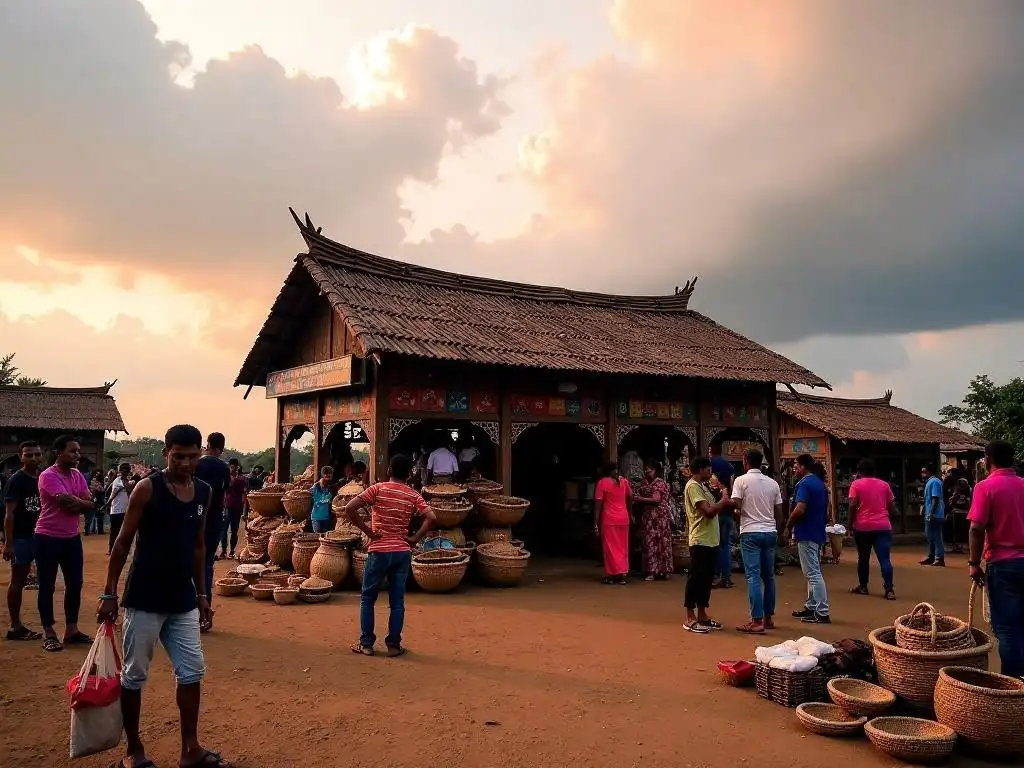
Art in feudal Japan serves not only as an aesthetic expression but also as a profound reflection of the economic conditions of the time. The cultural economy of feudal Japan was significantly shaped by the socio-economic environment, where art became intertwined with commerce, social status, and regional identity. As Japan pursued isolationist policies, particularly during the Edo period (1603-1868), art evolved in response to the shifting economic landscape, reflecting both the prosperity and challenges faced by the society.
The relationship between art and the economy is evident in how artistic production was often driven by market demands. Wealthy patrons, including feudal lords and prosperous merchants, commissioned artworks that aligned with their status and aspirations. This patronage system created a market for art that was not only a means of personal expression but also a tool for economic advancement and social mobility.
The Link Between Economic Prosperity and Artistic Production
The flourishing of the cultural economy in feudal Japan can be traced back to periods of economic prosperity, particularly during the Edo period. The establishment of a stable government under the Tokugawa shogunate led to significant agricultural advancements, which in turn spurred urbanization. This urban growth created a burgeoning middle class with disposable income, eager to invest in art and culture.
- Wealth Distribution: The distribution of wealth among various classes allowed for a diverse range of artistic expressions.
- Market Demand: The increased demand for art and luxury goods fostered innovative artistic techniques and styles, such as the rise of ukiyo-e, or "pictures of the floating world."
The interplay of economic growth and artistic production is well-documented, with key art movements emerging during times of financial stability. For instance, the production of ukiyo-e prints during the late 17th and 18th centuries coincided with an increase in commerce and the leisure activities of the urban populace.
Examination of Art Forms: Ukiyo-e and Traditional Crafts
Two prominent art forms that exemplify the cultural economy of feudal Japan are ukiyo-e and traditional crafts.
-
Ukiyo-e: This genre of woodblock prints depicted scenes from everyday life, landscapes, and kabuki actors. Artists like Hokusai and Hiroshige became household names, and their works not only captured the essence of the Edo period but also served as commodities in the marketplace.
Artist Notable Works Economic Impact Hokusai "The Great Wave off Kanagawa" Increased international interest in Japanese art Hiroshige "Fifty-Three Stations of the Tōkaidō" Boosted tourism and trade routes -
Traditional Crafts: Beyond ukiyo-e, traditional crafts such as ceramics, textiles, and lacquerware thrived. These crafts were often produced in specific regions, each with its unique techniques and styles, contributing to local economies. For example, the Arita porcelain from Kyushu became highly sought after, both domestically and for export.
The artistic techniques developed during this time were not only expressions of creativity but also essential components of local and international trade, thus reinforcing the connection between art and the cultural economy of feudal Japan.
Cultural Significance of Art in Economic Transactions
Art in feudal Japan held significant cultural value that transcended mere aesthetics; it played a crucial role in economic transactions. The exchange of art not only reflected social hierarchy but also facilitated trade and commerce.
- Symbol of Status: Owning art was a symbol of wealth and status. The elite class would often gift or trade art pieces to solidify social ties and display their economic power.
- Barter Economy: In many cases, art served as a medium of exchange. For example, artisans and craftsmen would trade their creations for goods and services, illustrating the integral role of art in everyday economic activities.
- Cultural Exchange: During periods of limited foreign interaction, the domestic art market flourished, reflecting a unique blend of local influences and the remnants of cultural exchanges from previous eras.
The cultural economy of feudal Japan was intricately linked to its art forms. As economic conditions shaped artistic production, the resulting artworks became vital components of social interaction and economic transactions, highlighting the profound significance of art in both cultural and economic spheres.
The Role of Patronage in Feudal Japan's Cultural Economy
Understanding the Patron-Artist Relationship
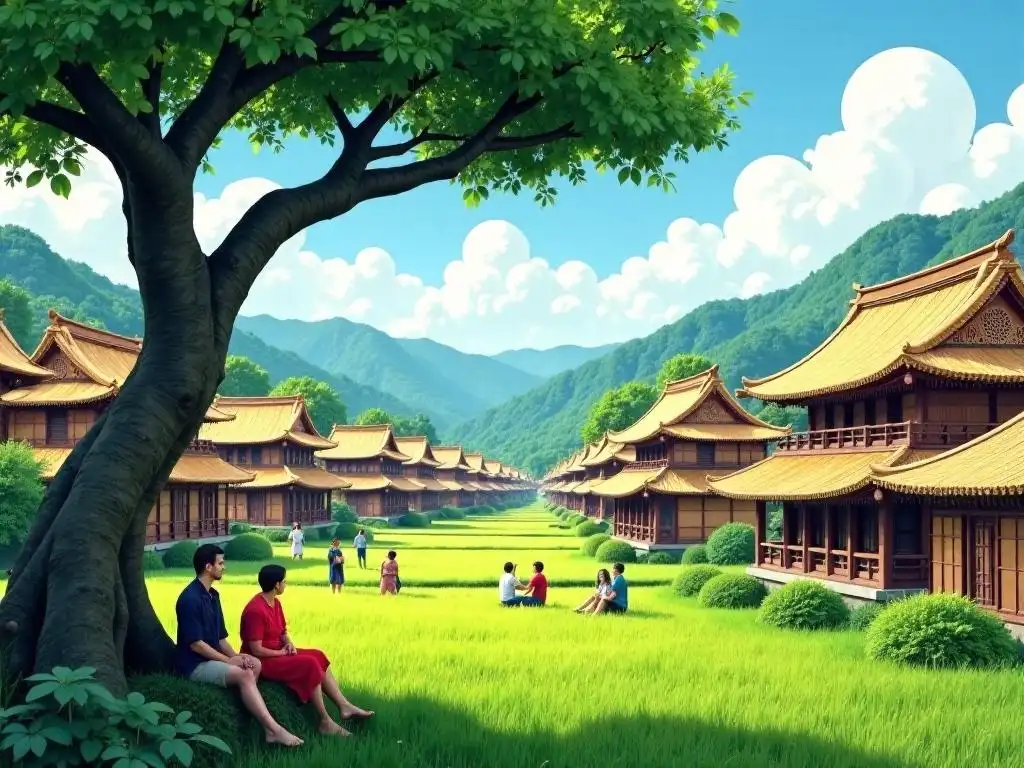
The cultural economy of feudal Japan was significantly shaped by the intricate relationships between patrons and artists. During this era, patrons—often affluent samurai, feudal lords (daimyō), and religious institutions—played a critical role in the commissioning and support of various art forms. This patronage not only provided financial backing but also established a framework within which artists could thrive creatively.
In feudal society, the patron-artist relationship was often characterized by a mutual exchange of benefits. Patrons sought to enhance their status and influence through the acquisition of unique artworks, while artists gained access to resources, materials, and a platform to showcase their talents. This relationship was typically formalized through contracts, which outlined the expectations of both parties, including timelines for completion and styles to be adhered to.
Patrons were instrumental in defining artistic trends and styles during this period. For instance, the samurai class favored artworks that reflected their values of honor and loyalty, leading to the popularity of themes such as warriors and nature. As a result, artists adapted their creations to resonate with the desires of their patrons, thereby shaping the broader cultural landscape of feudal Japan.
Case Studies of Notable Patrons and Their Influence
Several notable patrons emerged throughout feudal Japan, each leaving a profound mark on the cultural economy.
-
Ashikaga Yoshimitsu (1358-1408)
As the third shōgun of the Ashikaga shogunate, Yoshimitsu was a significant patron of the arts. He is renowned for his support of Noh theater and Zen gardens, which became integral to Japan's cultural identity. His patronage facilitated the development of the unique aesthetic qualities found in Noh performances, emphasizing the interplay of subtlety and expression.
-
Toyotomi Hideyoshi (1537-1598)
A pivotal figure in unifying Japan, Hideyoshi was also a prominent patron of tea ceremonies and the arts. His support for the tea master Sen no Rikyū revolutionized the Japanese tea ceremony, elevating it to an art form that emphasized harmony, respect, purity, and tranquility. Hideyoshi’s lavish constructions, such as the Jurakudai palace, showcased the artistic talents of various craftsmen and significantly influenced architectural styles.
-
Tokugawa Ieyasu (1543-1616)
The founder of the Tokugawa shogunate, Ieyasu's patronage extended beyond the arts into education and philosophy. His support for Confucian scholars helped cultivate an intellectual environment that influenced artistic expression. The establishment of the Edo period under his rule also allowed for the flourishing of ukiyo-e (woodblock prints), which became a hallmark of Japanese art.
Through these case studies, it is evident that the influence of patrons extended beyond mere financial support; they were instrumental in shaping cultural narratives and artistic movements that defined feudal Japan.
Economic Implications of Artistic Patronage
The economic implications of artistic patronage in feudal Japan were multifaceted and profound. Patronage not only stimulated the arts but also created a vibrant marketplace for artistic goods, fostering economic growth within local communities.
- Job Creation: The demand for art led to the establishment of workshops and guilds, which employed artisans, craftsmen, and laborers. This surge in job creation contributed to local economies and provided livelihoods for many families.
- Material Supply Chains: The flourishing art scene necessitated a steady supply of materials, such as paper, ink, and pigments. This demand spurred the growth of industries surrounding the production and distribution of these materials, enhancing trade networks within Japan.
- Cultural Tourism: Prominent artworks and cultural events attracted visitors from across the country. This influx of tourists contributed to local economies, as patrons often hosted grand exhibitions and festivals showcasing their collections, further stimulating economic activity.
- Wealth Redistribution: The patronage system also facilitated a form of wealth redistribution, where affluent lords would commission artworks from local artisans, thereby circulating wealth within the community rather than concentrating it solely at the top.
The cultural economy of feudal Japan was intricately woven into the fabric of artistic patronage, leading to a dynamic interplay of economic growth, cultural development, and societal transformation. Understanding this relationship is essential for appreciating the broader implications of art and commerce during this unique historical period.
Challenges and Limitations of the Cultural Economy
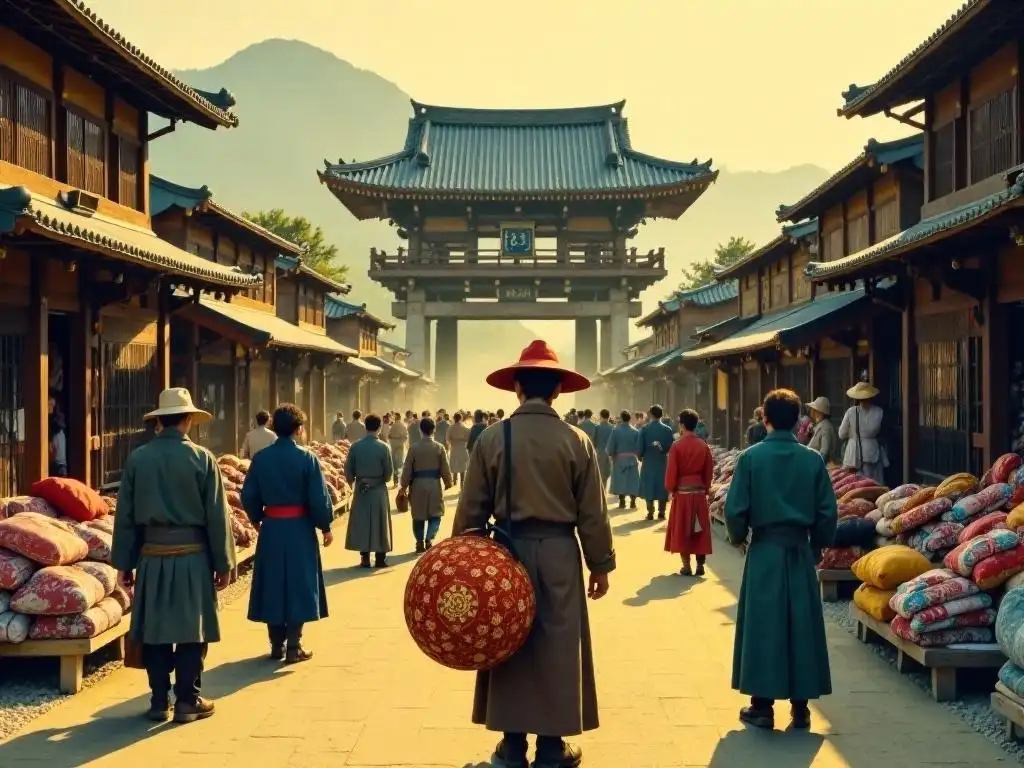
The cultural economy of feudal Japan was not without its challenges and limitations. While the period marked significant artistic and economic development, various internal and external factors influenced the dynamics of this economy, often constraining its potential. Understanding these challenges provides a clearer picture of how the cultural economy evolved and transformed during this era.
One of the primary internal challenges affecting the cultural economy of feudal Japan was the rigid social stratification that defined the era. The society was divided into distinct classes, including the samurai, farmers, artisans, and merchants, each playing a specific role within the economic framework. This hierarchical structure not only dictated social interactions but also influenced economic opportunities and access to cultural resources.
- Samurai Class: The samurai were the ruling elite and often received privileges that allowed them to engage in cultural patronage. Their economic stability, supported by stipends from landholders, enabled them to commission art and literature, fostering a vibrant cultural scene.
- Farmers: Despite being the backbone of the economy, farmers often faced harsh conditions and were subjected to heavy taxation. Their economic struggles limited their ability to engage with and contribute to the cultural economy, often relegating them to a background role in cultural production.
- Artisans and Merchants: While artisans produced essential goods and created art, they were considered lower in the social hierarchy compared to samurai. Merchants, although economically powerful, were viewed with disdain and faced restrictions in their social mobility. This created an environment where economic disparities limited collaboration across classes, stifling innovation and diverse cultural expressions.
The combination of these class distinctions resulted in limited access to cultural initiatives for lower classes, creating an environment where the cultural economy primarily reflected the values and interests of the elite.
External Challenges: Impact of Western Influence Post-Isolation
As Japan entered the late feudal period, the influence of Western powers began to pose significant challenges to its cultural economy. The isolationist policies, particularly under the Tokugawa shogunate, had initially served to protect Japan’s unique cultural identity. However, as Western contact increased, particularly in the 19th century, several factors began to disrupt the established cultural economy.
- Commodification of Culture: The introduction of Western goods and ideas led to a commodification of traditional Japanese art forms. This shift often prioritized profit over cultural authenticity, leading to a dilution of traditional practices and an increase in mass-produced items that catered to foreign tastes.
- Cultural Exchange and Transition: The arrival of Western influences prompted a cultural exchange that challenged the traditional norms of feudal Japan. Artists began to experiment with new styles and techniques, leading to a transformation in artistic expression. This transition, while innovative, also created tension between preserving traditional art forms and embracing new influences.
- Economic Disruption: The opening of Japan's ports to foreign trade disrupted local economies that had thrived under the isolationist policies. As foreign competition increased, traditional industries faced challenges in maintaining their economic viability, ultimately affecting the funding and patronage available for cultural initiatives.
The cultural economy of feudal Japan faced substantial internal and external challenges that shaped its development. The rigid social structure led to economic disparities that limited participation in cultural production, while the influence of Western powers introduced new dynamics that complicated traditional practices. Understanding these challenges is crucial for appreciating the complexities and transformations that characterized Japan's cultural economy during this pivotal period.
Conclusion: Legacy of the Cultural Economy of Feudal Japan
Summary of Key Insights into Art and Commerce
The cultural economy of feudal Japan was characterized by a unique interplay between art and commerce, significantly shaped by the country's isolationist policies. Throughout the Edo period (1603-1868), Japan experienced a flourishing of artistic expression while simultaneously developing a robust internal economy. Key insights into this cultural economy include:
- Art as a Reflection of Society: Artists such as ukiyo-e printmakers illustrated the lives of the merchant class, capturing the dynamics of urban culture and leisure activities. This art form not only served as a means of entertainment but also played a crucial role in documenting the societal changes of the time.
- Commercial Networks: The rise of merchant towns, known as "chōnin," facilitated the growth of a vibrant economy focused on domestic trade. Merchants became influential patrons of the arts, commissioning works that resonated with their social status and cultural interests.
- Craftsmanship and Local Industries: The emphasis on regional craftsmanship led to the development of specialized industries, such as ceramics, textiles, and lacquerware. Local artisans contributed to a cultural economy that prioritized quality and tradition, further enriching Japan’s artistic heritage.
- Isolation and Self-Sufficiency: Japan's sakoku (closed country) policy limited foreign influence, fostering a self-reliant cultural economy. This isolation allowed for the cultivation of unique artistic styles and practices, which were deeply rooted in Japanese traditions.
Lasting Influence on Modern Japanese Culture and Economy
The legacy of the cultural economy of feudal Japan endures in contemporary Japanese culture and economy. This influence manifests in various ways:
- Cultural Heritage: Traditional arts such as tea ceremonies, calligraphy, and ikebana (flower arrangement) continue to be celebrated and practiced today, emphasizing the importance of aesthetics and cultural identity in modern Japan.
- Consumerism and Pop Culture: The historical relationship between art and commerce has evolved into today’s vibrant consumer culture, where anime, manga, and fashion reflect the rich artistic traditions of feudal Japan while also engaging global markets. This fusion of heritage and modernity has positioned Japan as a leader in cultural exports.
- Tourism and Economy: The preservation of historical sites and traditional crafts contributes significantly to Japan's tourism industry. Visitors are drawn to the rich cultural experiences that originate from the feudal era, highlighting the economic potential of cultural heritage.
- Art Market Dynamics: Contemporary Japanese artists often draw inspiration from their feudal ancestors, leading to a unique art market that values both innovation and tradition. This dynamic has created opportunities for cross-cultural exchange and dialogue within the global art community.
Final Thoughts on the Cultural Economy's Role in Isolationist Policies
The cultural economy of feudal Japan was intricately linked to the nation’s isolationist policies, which, while restrictive, allowed for a unique environment where art and commerce could thrive independently. The emphasis on self-sufficiency fostered a distinctive cultural identity, enabling the development of art forms that were not only aesthetically pleasing but also reflective of societal values and economic practices.
This legacy serves as a reminder that the interplay between culture and economy can lead to profound societal transformations. The isolationist policies of the Edo period, although limiting in many respects, inadvertently created a fertile ground for the flourishing of Japan's rich artistic traditions and commercial practices. As we examine the historical context of this cultural economy, it becomes evident that the lessons learned from feudal Japan remain relevant today, offering insights into the complex relationship between culture, commerce, and identity in an increasingly interconnected world.
Frequently Asked Questions
What was the cultural economy of feudal Japan?
The cultural economy of feudal Japan refers to the interplay between art and commerce, highlighting how cultural practices influenced economic activities and vice versa during this era.
How did isolation impact the cultural economy?
The isolation policy, known as Sakoku, led to a unique cultural economy by limiting foreign trade, which fostered the development of distinct Japanese arts and crafts that thrived within the country.
What role did art play in feudal Japan's economy?
Art played a crucial role in feudal Japan's economy as it was not only a form of cultural expression but also a significant commodity in trade, influencing both local and regional economies.
How did the samurai class influence the cultural economy?
The samurai class significantly influenced the cultural economy by patronizing arts and crafts, which led to the flourishing of various art forms and the establishment of a market for luxury goods.
What are some key art forms that emerged during this period?
Key art forms that emerged during feudal Japan include ukiyo-e woodblock prints, ceramics, and calligraphy, which were essential to both the cultural and economic landscape of the time.
Final Reflection: The Enduring Legacy of the Cultural Economy of Feudal Japan
The cultural economy of feudal Japan remains a powerful lens through which we can understand the intricate relationship between art and commerce in a society shaped by isolation. In today's globalized world, where cultural exchange is more accessible than ever, the lessons from feudal Japan remind us of the profound impact that isolation can have on artistic expression and economic structures. The unique ways in which art flourished within the confines of a closed society challenge us to consider how our own cultural landscapes are influenced by both connection and separation.
The cultural economy of feudal Japan has left an indelible mark on contemporary art and commerce, illustrating how creativity can thrive even in isolation. As we navigate a world that often feels fragmented, the historical context of feudal Japan serves as a poignant reminder of the resilience of culture. Art is the most beautiful of all lies.
This quote encapsulates the notion that even in isolation, the beauty of artistic expression can transcend boundaries and speak to the human experience. The legacy of this era continues to inspire artists and entrepreneurs alike, who draw from its rich tapestry to create meaningful connections in their own work.
As we reflect on the cultural economy of feudal Japan, let us consider how we can apply its lessons in our own lives. How can we cultivate creativity and connection in our communities, even amidst the challenges of modern isolation? I invite you to explore the intersections of art and commerce in your own context, to engage with the world around you, and to find inspiration in the stories of the past. By doing so, we not only honor the legacy of feudal Japan but also contribute to a vibrant cultural economy that thrives on innovation and collaboration.
Thank you for immersing yourself in the intricate cultural tapestry of feudal Japan. Your exploration of the delicate balance between art and commerce has revealed the rich heritage that shapes our understanding of both isolation and creativity. Now, let’s carry that curiosity forward!
Here’s how you can continue to engage with this fascinating topic:
- Dive Deeper: Explore additional resources on the relationship between art and economy during feudal Japan on our website. Discover rare artifacts and their intriguing stories to enhance your understanding!
- Share Your Insights: Join the conversation! Share this article on social media or with friends who have an interest in cultural history, and spark discussions that illuminate these important connections.
- Contribute Your Thoughts: Reflect on how themes of isolation influence contemporary artistic expressions. Consider writing your own short piece for our community page!
What hidden insights about art and commerce in your own culture can you share that reflect a similar sense of isolation?