
Edo's Literary Scene: The Intersection of Urban Life and Literature

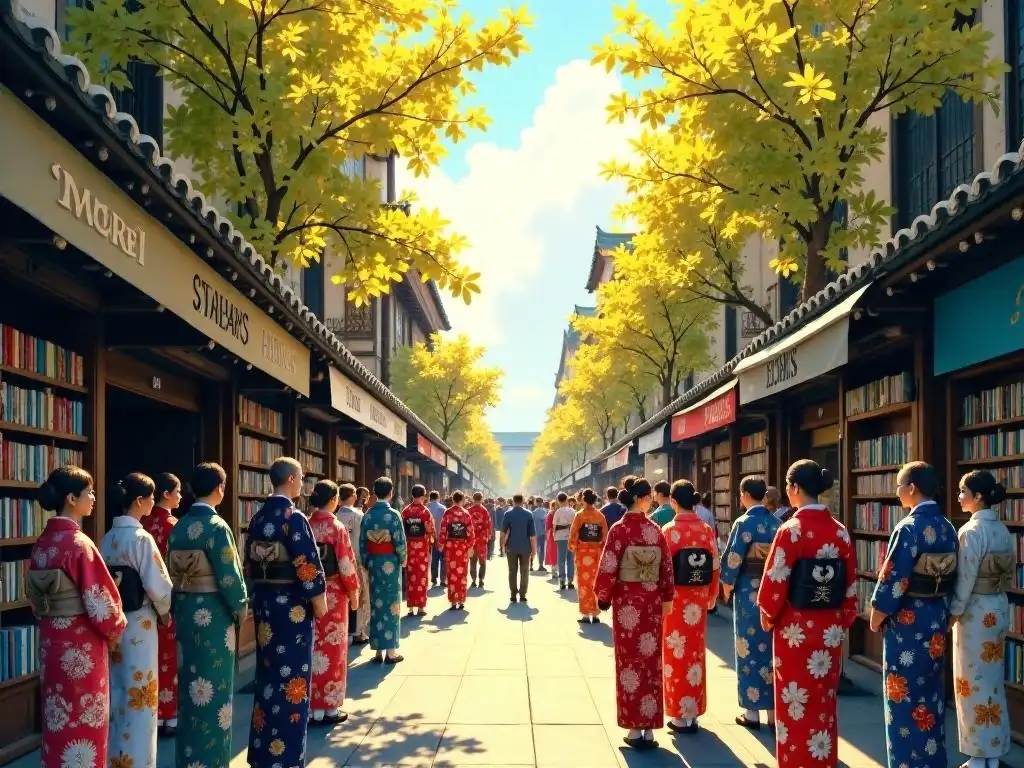
Welcome to Feudal Japan History, where we invite you to journey through the rich tapestry of Japan’s feudal era. Our focus today is on the captivating world of Edo period literature and culture, a time when urban life flourished and creativity thrived. Have you ever wondered how the bustling streets of Edo inspired some of the most remarkable literary works?
Join us as we unravel the intricate connections between this vibrant urban culture and its profound literary scene. Delve into our latest article, “Edo's Literary Scene: The Intersection of Urban Life and Literature,” and discover the stories that shaped a nation. Your adventure begins now!
- Introduction to Edo Period Literature and Culture
- The Urban Environment of Edo
- Key Literary Genres of the Edo Period
- Prominent Edo Period Writers and Their Works
- The Role of Print Culture in Edo Literature
- Themes Reflected in Edo Period Literature
- The Influence of Edo Literature on Modern Japanese Culture
- Conclusion: The Lasting Impact of Edo Period Literature and Culture
- Frequently Asked Questions
- Final Reflection: The Enduring Legacy of Edo Period Literature and Culture
- Dive Deeper into Edo's Literary Treasures!
Introduction to Edo Period Literature and Culture
The Edo period (1603-1868) represents a transformative era in Japanese history, marked by profound changes in society, culture, and urbanization. During this time, Japan experienced relative peace, economic growth, and a burgeoning urban populace, particularly in cities like Edo (now Tokyo). This environment fostered a unique literary scene that intertwined the lives of its inhabitants with the ever-evolving cultural landscape. Edo period literature and culture reflect the complexities of urban life, showcasing the interplay between societal norms, artistic expression, and the rapid changes that defined this vibrant era.
As we delve into the literary scene of Edo, it is essential to explore the roots of its cultural significance, the prominent literary forms that emerged, and how these works encapsulated the urban experiences of the time. The literature produced during this period not only entertained but also served as a mirror reflecting the diverse voices and experiences of the Edo populace.
Overview of the Edo Period in Japan
The Edo period was characterized by the establishment of the Tokugawa shogunate, which brought about a centralized feudal government. This era saw a significant shift in Japan’s social structure:
- Political Stability: The Tokugawa shogunate maintained peace through strict governance, allowing for the development of commerce and urban centers.
- Economic Growth: The rise of the merchant class led to increased trade, both domestic and international, fostering a vibrant economy.
- Urbanization: Cities like Edo grew rapidly, becoming cultural and economic hubs, where diverse social classes interacted.
The period also saw the flourishing of arts and culture, including theater, painting, and, notably, literature. Writers and poets drew inspiration from the daily lives, struggles, and aspirations of the urban populace, creating works that resonated with a wide audience.
Significance of Literature in Urban Life
Literature during the Edo period played a pivotal role in shaping urban culture and reflecting the dynamics of city life. It served various functions, including:
- Social Commentary: Many literary works critiqued social norms and hierarchies, providing a voice to the lower classes and highlighting the challenges of urban existence.
- Entertainment and Escapism: The flourishing of genres like ukiyo-e (pictures of the floating world) and kabuki theater offered escapism for the urban dwellers, allowing them to experience stories of love, adventure, and intrigue.
- Cultural Exchange: The Edo period was a time of rich cultural exchange, where literature integrated influences from Chinese classics, leading to the creation of unique Japanese literary forms.
The literary scene of the Edo period not only reflects the era's cultural richness but also provides invaluable insights into the lives of those living in urban Japan. As we continue our exploration, we will uncover the specific literary movements and prominent figures that shaped this vibrant landscape.
The Urban Environment of Edo
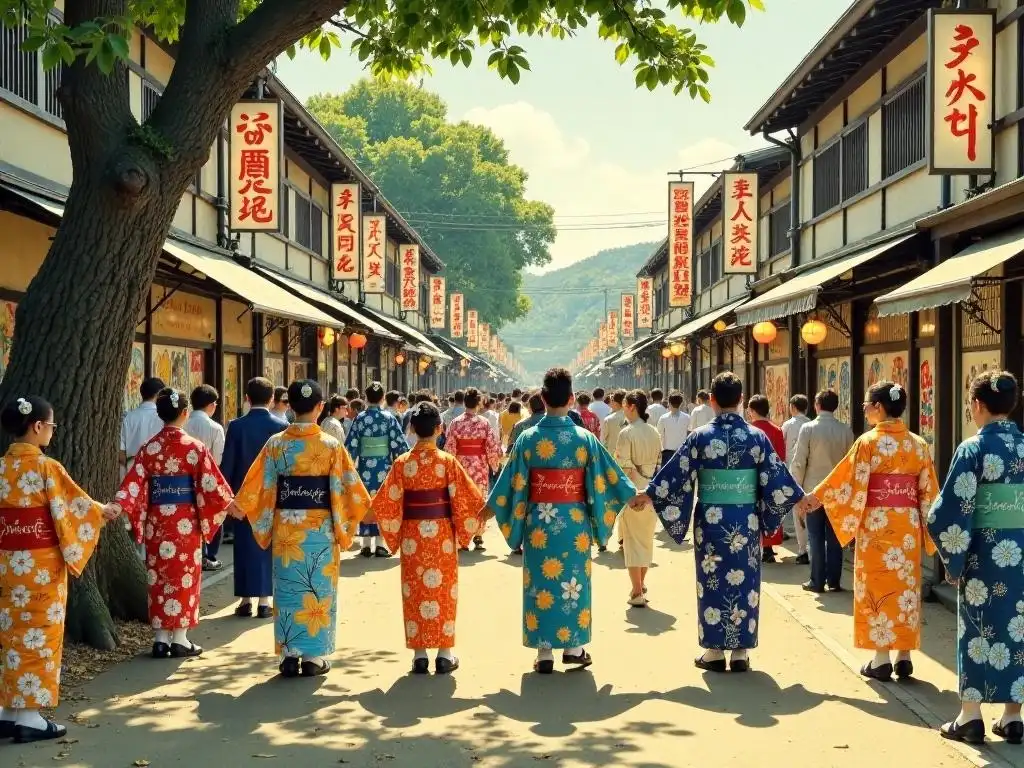
Edo, now known as Tokyo, was the bustling capital of Japan during the Edo period (1603-1868). The urban environment of Edo played a pivotal role in shaping its literature and culture. With a population that swelled to over a million by the late 18th century, Edo became a melting pot of ideas, traditions, and artistic expression.
Characteristics of Edo as a Cultural Hub
Edo was characterized by its distinct social classes, vibrant marketplaces, and an intricate web of cultural interactions. The city was divided into various districts, each serving different segments of society, from the samurai class to merchants and artisans. This stratification fostered a rich cultural tapestry, as each group contributed to the flourishing literary scene:
- Diverse Social Classes:
- Samurai: The ruling class, who often engaged in literature and philosophy.
- Merchants: Wealthy due to trade, they became patrons of the arts and literature.
- Artisans: Creators of visual arts and crafts, their works often inspired literary themes.
- Cultural Institutions:
- Theater: Kabuki and Bunraku emerged as significant forms of entertainment, influencing narrative styles in literature.
- Publishing Houses: The rise of woodblock printing allowed for the mass production of books, making literature more accessible to the urban populace.
- Public Spaces:
- Teahouses and Baths: These venues served as social hubs where literary ideas and styles flourished through informal gatherings and discussions.
- Festivals: Seasonal festivals often featured performances and storytelling, further integrating literature into daily urban life.
Edo's unique characteristics as a cultural hub not only facilitated the exchange of ideas but also encouraged the emergence of new literary genres and styles.
Influence of Urbanization on Literary Themes
The rapid urbanization of Edo significantly influenced the themes and styles found in Edo period literature. As the city expanded, so did the complexity of its social interactions and cultural expressions. The following aspects illustrate this interplay between urban life and literary themes:
- Realism and Everyday Life:
- Urban authors began to depict the lives of common people, moving away from the courtly and heroic narratives of earlier periods. Works such as "The Tale of Genji" were reimagined to reflect contemporary urban experiences.
- Transience and Impermanence:
- The concept of mono no aware, or the awareness of the impermanence of things, became a common theme. This was reflective of the bustling, ever-changing urban life in Edo, where fleeting moments were captured in poetry and prose.
- Social Critique:
- Literature often served as a mirror to society, with authors critiquing social norms and class disparities. The works of authors like Saikaku Ihara highlighted the lives of the merchant class and their pursuit of pleasure, providing insight into the values and vices of urban life.
- Cultural Syncretism:
- Edo's cosmopolitan nature allowed for the blending of traditional Japanese themes with influences from Chinese literature, resulting in a unique literary style that celebrated both local and foreign narratives.
The urban environment of Edo not only shaped its literature but also reflected the dynamic societal changes of the time. The themes that emerged during this period continue to resonate within Japanese literature today, illustrating the lasting impact of the Edo period on Japan's cultural heritage.
Key Literary Genres of the Edo Period
The Edo period (1603-1868) was a transformative era in Japan, witnessing significant developments in literature that paralleled the profound urbanization and cultural shifts occurring in cities like Edo (now Tokyo). This section highlights three key literary genres that flourished during this time, offering a glimpse into the vibrant artistic expressions that characterized Edo period literature and culture.
Ukiyo-zōshi: The Floating World Novels
Ukiyo-zōshi, often translated as "floating world novels," emerged as a prominent literary genre during the Edo period, capturing the essence of urban life and the transient pleasures of the Edo populace.
- Themes and Characteristics:
- Urban Life: These novels typically depicted the daily lives of common people in Edo, including merchants, courtesans, and artists, reflecting the vibrant atmosphere of the city.
- Transience: The notion of "ukiyo," or "floating world," embodies the idea of enjoying life’s fleeting pleasures, a central theme that resonates throughout these narratives.
- Realism and Detail: Authors paid meticulous attention to the details of everyday life, providing readers with a rich, immersive experience.
- Notable Works:
- "The Life of an Amorous Man" by Ihara Saikaku: This novel presents the life of a man who indulges in the pleasures of love and leisure, illustrating the hedonistic aspects of Edo life.
- "The Shogunate's Playhouse" by Asai Ryōi: A critical exploration of the entertainment industry, capturing the allure and complexities of city life.
Haiku and the Poetic Tradition
Haiku, a form of poetry that gained prominence during the Edo period, encapsulates the essence of Japanese aesthetics and the appreciation of nature, seasonality, and fleeting moments.
- Structure and Style:
- Syllabic Form: Traditional haiku consists of 17 syllables distributed in a 5-7-5 pattern, allowing for concise and impactful expression.
- Kigo and Kireji: Haiku often includes a seasonal word (kigo) and a cutting word (kireji) to create a pause or juxtaposition, enhancing the poem's emotional depth.
- Influential Poets:
-
Matsuo Bashō: Renowned as the master of haiku, Bashō's works often reflect his deep connection with nature and Zen philosophy. His famous haiku:
An old silent pond...
A frog jumps into the pond—
Splash! Silence again. -
Yosa Buson and Kobayashi Issa: Other notable poets who contributed to the haiku tradition, each bringing their unique voice and perspective on life’s simplicities.
-
Kabuki and Its Literary Contributions
Kabuki, a theatrical art form that flourished during the Edo period, significantly influenced literature, intertwining dramatic storytelling with rich literary elements.
- Characteristics of Kabuki:
- Performance Art: Kabuki is known for its stylized performances, elaborate costumes, and dynamic choreography, often based on historical events, moral conflicts, and romantic tales.
- Literary Adaptations: Many kabuki plays are adaptations of classic literary works, folklore, or popular stories, thereby bridging the gap between literature and performance.
- Notable Plays and Authors:
- "Kanadehon Chūshingura": This famous kabuki play tells the story of the forty-seven ronin, exemplifying themes of loyalty, revenge, and honor, which resonate deeply within Japanese culture.
- Chikamatsu Monzaemon: Often regarded as the Shakespeare of Japan, Chikamatsu's works contributed profoundly to the kabuki repertoire, merging drama and poetry in ways that captivated audiences.
The interplay of these genres illustrates the rich tapestry of Edo period literature and culture, reflecting the complexities of urban life and the artistic expressions that emerged from it. As the cities flourished, so too did the literary landscape, marking an era of creativity and intellectual exploration that continues to influence Japanese culture today.
Prominent Edo Period Writers and Their Works
Matsuo Bashō: The Master of Haiku
Matsuo Bashō (1644-1694) is often celebrated as one of the most significant figures in Edo period literature, particularly for his contributions to the haiku form. His poetic style marked a departure from the more elaborate and ornamental poetry of the past, favoring simplicity and a deep connection with nature. Bashō's haiku encapsulate profound emotions and moments in time, often reflecting the ephemeral beauty of the world around him.
Bashō's journey as a poet began in the bustling urban environment of Edo, where he engaged with the growing merchant class and the rich cultural life of the city. His most renowned work, "The Narrow Road to the Deep North" (Oku no Hosomichi), serves as both a travelogue and a philosophical reflection. Through his travels, Bashō captured the essence of landscapes, seasons, and human experiences, often using vivid imagery and sensory details.
Here are some notable elements of Bashō's haiku:
- Nature as a Central Theme: Bashō's poems often explore themes of nature, seasons, and the transient nature of life.
- Economy of Language: His use of minimalistic language allows readers to engage with the imagery and emotions, creating a profound impact with few words.
- Cultural Significance: Bashō's work not only influenced Japanese literature but also inspired poets worldwide, establishing haiku as a respected poetic form.
Matsuo Bashō's mastery of haiku not only reflects the cultural and urban dynamics of Edo but also lays the groundwork for future generations of poets.
Ihara Saikaku: Novelist of the Urban Experience
Ihara Saikaku (1642-1693) was a prolific writer whose works vividly portrayed the urban lifestyle of Edo, particularly the experiences of the merchant class. His novels are characterized by their exploration of contemporary society, including themes of love, greed, and the complexities of human relationships, making him a pivotal figure in Edo period literature and culture.
Saikaku's most famous work, "The Life of an Amorous Man" (Koshoku ichidai onna), presents a candid exploration of the life of a man obsessed with love and pleasure. Through his characters, Saikaku examines the moral dilemmas and societal pressures faced by individuals in the bustling urban setting of Edo. His writing style combines humor with critical social commentary, making his narratives both entertaining and thought-provoking.
Key features of Saikaku's novels include:
- Realistic Characters: Saikaku's characters are often drawn from the urban populace, reflecting a wide range of social classes and personal struggles.
- Detailed Descriptions of Urban Life: His novels provide rich descriptions of Edo's vibrant culture, including its theaters, tea houses, and the lives of courtesans.
- Innovative Narrative Techniques: Saikaku employed a unique narrative style that blended prose with poetry, enhancing the emotional depth of his stories.
Ihara Saikaku's contributions to Edo period literature illuminate the complexities of urban life and the human condition, making him a vital figure in the literary landscape of the era.
Chikamatsu Monzaemon: The Father of Japanese Drama
Chikamatsu Monzaemon (1653-1725) is regarded as the father of Japanese drama, particularly for his pioneering work in the bunraku (puppet theater) and kabuki genres. His plays often depicted the lives of the common people, addressing themes of love, betrayal, and moral conflict, making them resonate deeply with Edo's urban audience.
One of Chikamatsu's most beloved works, "The Love Suicides at Sonezaki" (Sonezaki shinjū), tells the tragic story of two lovers forced to take their own lives due to societal pressures and familial obligations. This play highlights the emotional depth and complexity of human relationships within the context of Edo period society.
Significant aspects of Chikamatsu's contributions include:
- Merging of Poetry and Drama: His plays often include poetic dialogue, enhancing the emotional impact and lyrical quality of the performances.
- Complex Characters: Chikamatsu created multifaceted characters who grappled with intense emotions and moral dilemmas, reflecting the struggles of the Edo populace.
- Cultural Reflection: His works provide valuable insights into the societal norms and values of the period, showcasing the intersection of personal desires and societal expectations.
Chikamatsu Monzaemon's legacy as a dramatist has profoundly influenced Japanese theater, making him a cornerstone of Edo period literature and culture. Through his works, he not only entertained audiences but also offered critical reflections on the human experience within the vibrant urban life of Edo.
The Role of Print Culture in Edo Literature
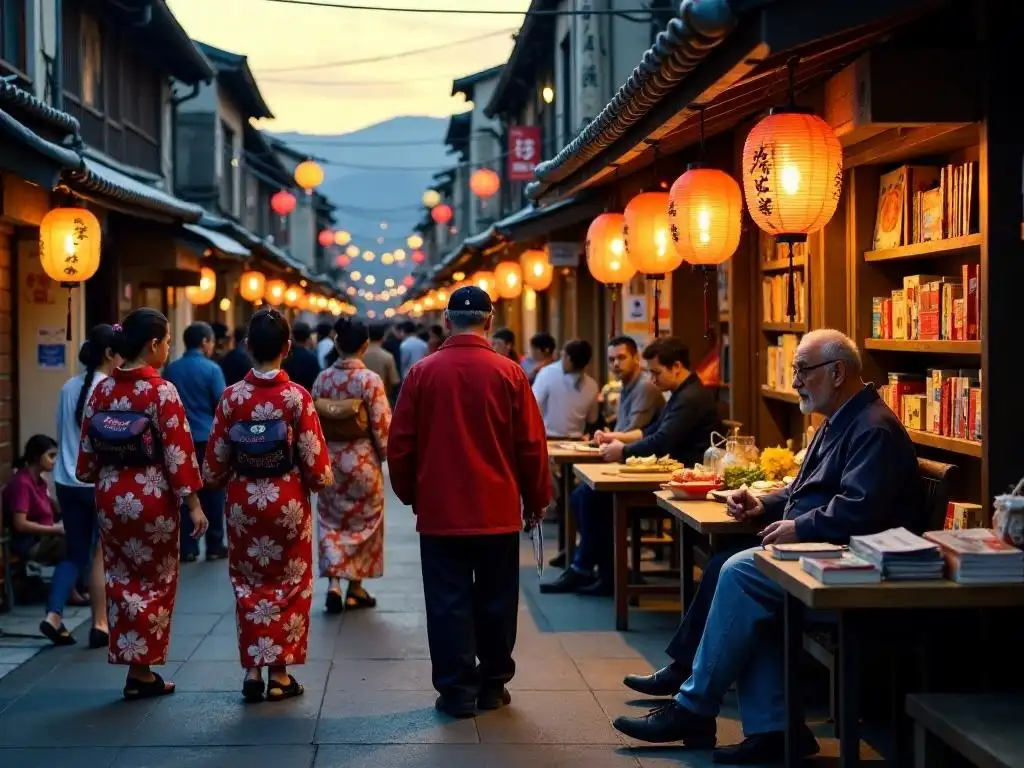
The Edo period (1603-1868) marked a significant transformation in Japan’s literary landscape, largely influenced by the advent of print culture. This period saw the rise of various printing techniques, most notably woodblock printing, which revolutionized how literature was produced, distributed, and consumed. The proliferation of printed materials not only democratized access to literature but also fostered a vibrant literary community that thrived on urban life.
The Rise of Woodblock Printing
Woodblock printing, or ukiyo-e, emerged as a major printing technique during the Edo period. This method involved carving images and text onto wooden blocks, which were then inked and pressed onto paper. The following factors contributed to its rise:
- Technological Advancements: Innovations in the printing process allowed for more intricate designs and faster production. This made it feasible to print books, pamphlets, and illustrations in large quantities.
- Cultural Shifts: With the growth of urban centers, particularly Edo (modern-day Tokyo), there was an increased demand for literature that reflected the lives and interests of the burgeoning merchant class. Woodblock printing catered to this demand by producing works that were both visually appealing and accessible.
- Popular Genres: The Edo period saw the rise of new literary genres such as narrative tales, poetry collections, and illustrated guides. Works like The Tale of Genji and The Tale of the Heike were reimagined and printed, making them accessible to a wider audience.
The combination of these factors led to a flourishing of literature that was not only reflective of urban experiences but also aesthetically engaging, as illustrated in the works of renowned artists like Hokusai and Hiroshige.
Impact on Accessibility and Spread of Literature
The impact of print culture during the Edo period was profound, as it transformed the accessibility and distribution of literature in several key ways:
- Increased Availability: Print culture allowed for the mass production of texts, making literature available to a broader segment of society. This accessibility enabled a shift from elite, court-centered literature to works that resonated with the common people, thus democratizing literary consumption.
- Affordability: With woodblock printing, the cost of books significantly decreased. More individuals, including those from the merchant class, could afford literature, which previously had been a privilege of the aristocracy. This shift changed the demographic of readers and writers.
- Cultural Exchange: The spread of printed literature facilitated cultural exchange among different social classes and regions. Literature often contained themes and narratives that mirrored urban life, allowing for a shared cultural experience across diverse social strata.
- Literary Networks: The proliferation of print culture fostered literary salons and networks, where writers, artists, and critics could engage, critique, and collaborate. This collective interaction fostered new ideas and genres, enriching the literary tapestry of the Edo period.
The intersection of urban life and literature during the Edo period was significantly shaped by the rise of print culture. The accessibility of literature through woodblock printing not only changed how literature was produced but also expanded its reach, ultimately creating a vibrant literary scene reflective of the dynamic urban environment of the time. The legacy of Edo period literature and culture continues to influence modern Japanese literature and remains a pivotal part of Japan's historical narrative.
Themes Reflected in Edo Period Literature
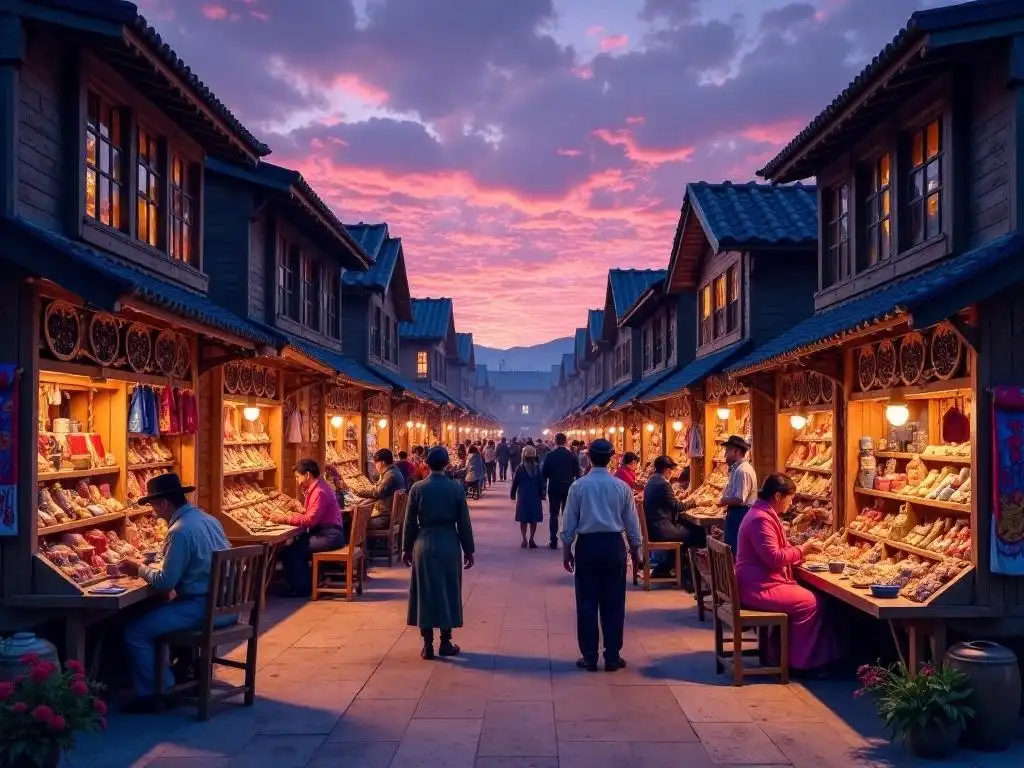
The Edo period, spanning from 1603 to 1868, marked a significant transformation in Japanese society, particularly through its urbanization and cultural developments. Literature from this era reflects the complexities of urban life, the shifting social dynamics, and the deep intertwining of human experiences with nature. Below are some prominent themes that characterized Edo period literature.
The Interplay of Urban Life and Nature
Edo period literature often explores the juxtaposition of urban environments with the beauty of nature. As cities like Edo (now Tokyo) burgeoned, the contrast between the bustling urban landscape and serene natural settings became a central motif.
- Urbanization Effects: Writers depicted the rapid changes in society—markets, theaters, and the new merchant class—while also yearning for the tranquility of nature. This duality is encapsulated in works like Matsuo Bashō’s haiku, which reflects a deep appreciation for nature amidst the chaos of city life.
- Nature as a Refuge: The concept of “mono no aware” (the pathos of things) permeated literature, emphasizing the fleeting beauty of nature and the nostalgic longing it evokes. For example, poets would often describe the cherry blossoms in full bloom, symbolizing both beauty and the transient nature of life.
- Cultural Practices: The practice of “hanami” (flower viewing), which gained popularity during the Edo period, further illustrates this theme, as it was not just an appreciation of beauty but also a communal experience that bridged urban dwellers with nature.
Edo period literature served as a mirror reflecting societal norms, class structures, and the everyday lives of people. Many writers used satire to critique the social and political landscape of their time.
- Class Distinctions: Authors like Jippensha Ikku depicted the lives of the lower classes, exposing the discrepancies between social classes. Through humor and irony, these works highlighted the absurdities of rigid class structures and the struggles of common people.
- Satirical Works: The genre of “ukiyo-zōshi” (pictures of the floating world) often incorporated satire, focusing on the pleasures and vices of urban life. These narratives critiqued the excesses of the merchant class and the fleeting nature of fame and success, as seen in works like “Shank’s Mare” by Ikku.
- Political Commentary: Writers also addressed the Tokugawa shogunate's policies, using allegory and wit to discuss governance and societal constraints. Such literature not only entertained but also encouraged readers to think critically about their environment.
Love, Desire, and the Human Experience
Edo period literature is rich with explorations of love and desire, capturing the nuances of human relationships in a rapidly changing society.
- Romantic Poetry and Prose: The emergence of “narrative fiction,” particularly in the form of “kibyōshi” (yellow-covered books), depicted romantic entanglements and the complexities of love. These narratives often blended realism with fantasy, showcasing the struggles and joys of love.
- Human Emotions: The exploration of desire was not limited to romantic love; it also encompassed familial and platonic relationships. Writers like Seidensticker captured the depth of human emotions, offering insight into the joys and sorrows of love and companionship.
- Philosophical Reflections: Many literary works delved into existential themes, prompting readers to reflect on the nature of happiness, fulfillment, and the human condition. This introspection was often expressed through poetic forms, allowing for a more profound exploration of personal experiences.
Edo period literature not only provides a window into the cultural and social dynamics of the time but also continues to resonate with contemporary themes of urbanization, human experience, and the profound connection to nature. Through its rich tapestry of narratives, the literature of this era remains a vital aspect of Japan's historical and cultural identity.
The Influence of Edo Literature on Modern Japanese Culture
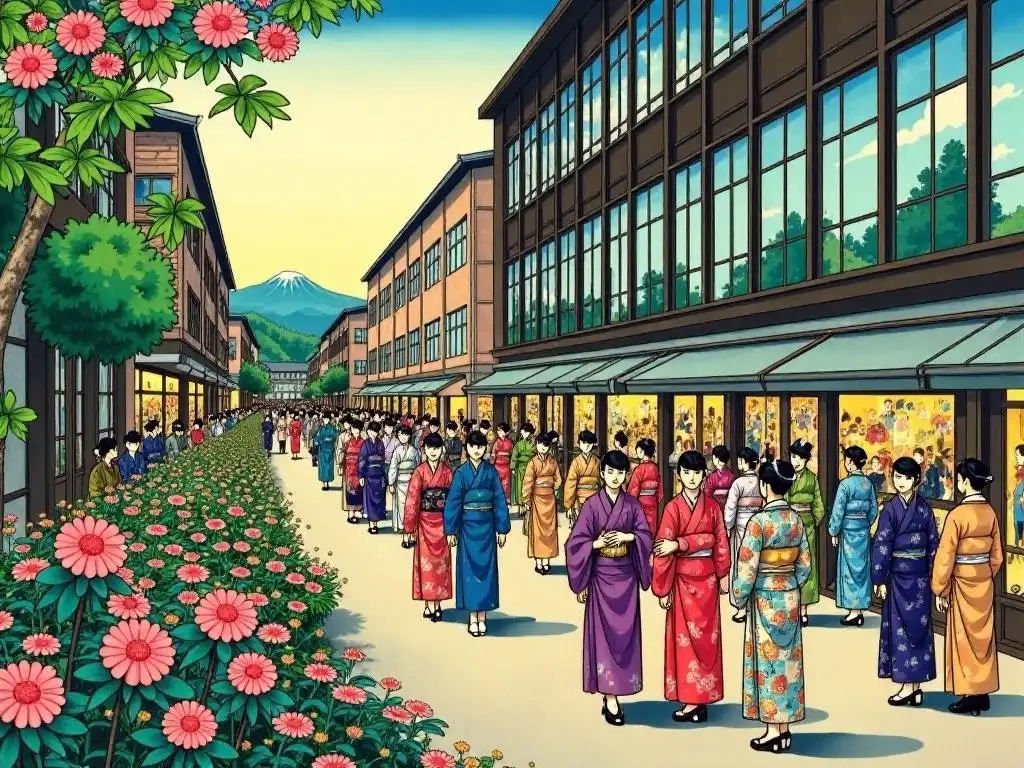
The Edo period, spanning from 1603 to 1868, was a transformative time in Japan, marked by significant urbanization and cultural development. The literature produced during this era has had a profound and lasting impact on modern Japanese culture, shaping not only literary forms but also societal perspectives and artistic expressions.
Continuity and Change in Literary Traditions
Edo period literature is characterized by its rich diversity, ranging from kabuki plays to haiku poetry, and the emergence of popular fiction. These literary forms have evolved over time, but many of their core themes and stylistic elements continue to resonate in contemporary Japanese literature.
- Emphasis on Urban Life:
- The bustling urban environment of Edo (modern-day Tokyo) fostered a unique literary culture that celebrated the experiences of common people.
- Modern writers often draw inspiration from this focus on urban life, depicting the complexities of city living, social interactions, and the struggles of everyday individuals.
- Genres and Styles:
- The Edo period saw the rise of various genres, including ukiyo-zōshi (floating world novels) and narratives of the supernatural.
- Today's authors frequently incorporate elements of magical realism and urban fantasy, echoing the blend of the mundane and the extraordinary found in Edo literature.
- Cultural Reflection:
- Edo literature often reflected the societal norms and values of its time, such as the importance of honor, duty, and familial relationships.
- This reflective nature persists in modern works, where literature serves as a medium for social critique and exploration of identity.
As we see the evolution of these literary traditions, it becomes evident that while styles may change, the underlying themes continue to influence contemporary narratives.
Legacy of Edo Writers in Contemporary Literature
The writers of the Edo period have left an indelible mark on modern Japanese literature. Their innovative approaches to storytelling and character development can be seen in the works of today’s authors, who are often inspired by the literary giants of the past.
- Notable Figures:
- Writers like Saikaku Ihara, known for his humorous and often satirical portrayals of merchant life, and Murasaki Shikibu, who, although predating the Edo period, influenced later writers with her complex characters, set the stage for modern storytelling.
- Influence on Modern Authors:
- Contemporary authors such as Haruki Murakami and Banana Yoshimoto often weave elements of the surreal and the everyday, reminiscent of their Edo predecessors. Their works explore themes of alienation and societal change, drawing parallels to the urban experiences depicted in Edo literature.
- Theatre and Performance:
- The legacy of Edo’s dramatic arts, particularly kabuki, continues to inform modern performance literature. The narrative techniques and character archetypes from kabuki are evident in contemporary scripts and adaptations.
The interplay between Edo period literature and modern Japanese culture is a testament to the enduring power of storytelling. The themes, genres, and stylistic innovations of this literary era not only reflect the socio-cultural dynamics of their time but also continue to inspire and shape the narratives of contemporary Japan. The exploration of these connections enriches our understanding of the past and its relevance in today’s literary landscape.
Conclusion: The Lasting Impact of Edo Period Literature and Culture
The Edo period, spanning from 1603 to 1868, was a time of remarkable transformation in Japan, particularly in the realms of literature and culture. This era saw the flourishing of urban centers, which became hotbeds of artistic and literary expression. The literature produced during this time not only reflects the nuances of daily life in Edo (modern-day Tokyo) but also serves as a window into the socio-political dynamics and cultural shifts that shaped Japan.
Reflection on the Urban Literary Landscape
The urban literary landscape of Edo was characterized by a diverse array of genres and forms, including ukiyo-zōshi (popular fiction), sewamono (domestic tales), and narrative poetry. Many works were centered around the ukiyo or "floating world," which depicted the lives of common people, merchants, and pleasure-seekers. This genre provided a rich tapestry of urban life, illustrating the intricate connections between social classes and the everyday experiences of individuals.
Prominent authors such as Saikaku Ihara and Chikamatsu Monzaemon emerged during this time, their works navigating themes of love, betrayal, and the human condition. Saikaku's writings, for instance, often highlighted the lives of merchant classes and their pursuits, capturing the essence of Edo's burgeoning commercial society. Chikamatsu, known for his bunraku and kabuki plays, explored the complexities of human emotions and moral dilemmas, resonating deeply with audiences.
The literary scene in Edo was not only about storytelling; it was also an essential part of a broader cultural movement that included theatrical performances, painting, and music. These interconnected art forms contributed to the vibrant atmosphere of the city, fostering a unique urban culture that was celebrated and critiqued through literature. The emergence of publishing houses and literary salons further facilitated the dissemination of ideas and artistic expressions, allowing literature to thrive in an urban context.
The Importance of Preserving Edo's Literary Heritage
Preserving the literary heritage of the Edo period is crucial for several reasons. Firstly, it provides invaluable insights into the historical context of Japan during a time of significant change. The Edo period literature reflects the socio-economic conditions, cultural norms, and philosophical ideas prevalent at the time, offering a deeper understanding of Japan's development.
Additionally, Edo period literature serves as a foundation for contemporary Japanese literature and culture. Many modern writers draw inspiration from the themes and styles of this era, showcasing the enduring relevance of Edo's literary contributions. By studying and preserving these works, we can appreciate the evolution of literary techniques and the ongoing dialogue between past and present.
Moreover, the preservation of Edo's literary heritage fosters cultural pride and identity. Understanding the richness of this period allows Japanese society to connect with its historical roots, promoting a sense of belonging and continuity. Efforts to digitize texts, maintain archives, and support educational programs are essential to ensuring that future generations can access and appreciate these literary treasures.
The Edo period's literature and culture not only shaped the urban landscape of its time but also laid the groundwork for Japan's literary future. By reflecting on the urban literary landscape and the importance of preserving this heritage, we can recognize the profound impact that Edo period literature continues to have on Japanese society and culture today.
Frequently Asked Questions
What was the Edo period?
The Edo period (1603-1868) was a time of relative peace and stability in Japan, marked by the rule of the Tokugawa shogunate, which greatly influenced cultural and literary developments.
How did urban life influence Edo period literature?
Urban life in Edo, with its bustling markets and entertainment districts, provided rich material for literary works, leading to the emergence of popular genres like ukiyo-e and kabuki plays that reflected daily experiences.
What are some notable literary figures from the Edo period?
Key figures include Mizukami Tsutomu, known for his haiku poetry, and Saikaku Ihara, who wrote picaresque novels, both contributing significantly to the era's literary richness.
How did the Edo period contribute to Japanese culture?
The Edo period fostered a unique cultural identity, blending traditional and modern elements, which was evident in art, theater, and literature, shaping the foundation of contemporary Japanese culture.
What role did print culture play in Edo period literature?
The rise of print culture during the Edo period allowed for the mass production of books and woodblock prints, making literature more accessible and promoting the spread of literary trends across Japan.
Final Reflection: The Enduring Legacy of Edo Period Literature and Culture
Edo period literature and culture continue to resonate profoundly in today’s urban landscapes, illustrating how the vibrancy of city life can inspire creativity and artistic expression. As we navigate our modern environments, we find echoes of the Edo period’s rich literary scene, reminding us that the interplay between urban life and literature is not merely historical but a living, breathing phenomenon that shapes our contemporary narratives.
The influence of Edo period literature extends beyond its time, weaving itself into the fabric of our cultural and social identities. The themes of urbanity, social dynamics, and human experience explored by writers of the Edo period remain relevant, prompting us to reflect on our own lives and the stories we tell. Literature is the most agreeable way of ignoring life.
This quote encapsulates the duality of literature as both an escape and a mirror, inviting us to engage with the complexities of our existence while also providing a sanctuary for our thoughts and emotions.
As we conclude our exploration of Edo's literary scene, I invite you to reflect on the narratives that shape your own life. Consider how the stories you encounter—whether in books, conversations, or art—intersect with your urban experience. Embrace the lessons of the past and allow them to inspire your own creativity, fostering a deeper connection with the world around you. In doing so, you contribute to the ongoing dialogue between literature and urban life, ensuring that the legacy of Edo period literature continues to thrive in our modern age.
Dive Deeper into Edo's Literary Treasures!
Thank you for exploring the vibrant world of Edo's literary scene with us! You've uncovered the fascinating relationship between urban life and literature during one of Japan's most captivating periods. Now, it's time to turn that newfound knowledge into action!
Here’s how to connect further with Edo’s literary legacy:
- Join a local or online book club focused on Japanese literature to discuss and celebrate works from the Edo period.
- Explore historical sites that highlight the literary influence of Edo, or plan a trip to Japan to visit these significant locations.
- Share this article with friends or on social media to spark conversations about how literature shapes our understanding of culture and society.
What part of Edo's literary scene has inspired you the most, and how do you plan to delve deeper into it in your life?