
From Samurai to Merchants: The Shift in Economic Power During the Tokugawa Period

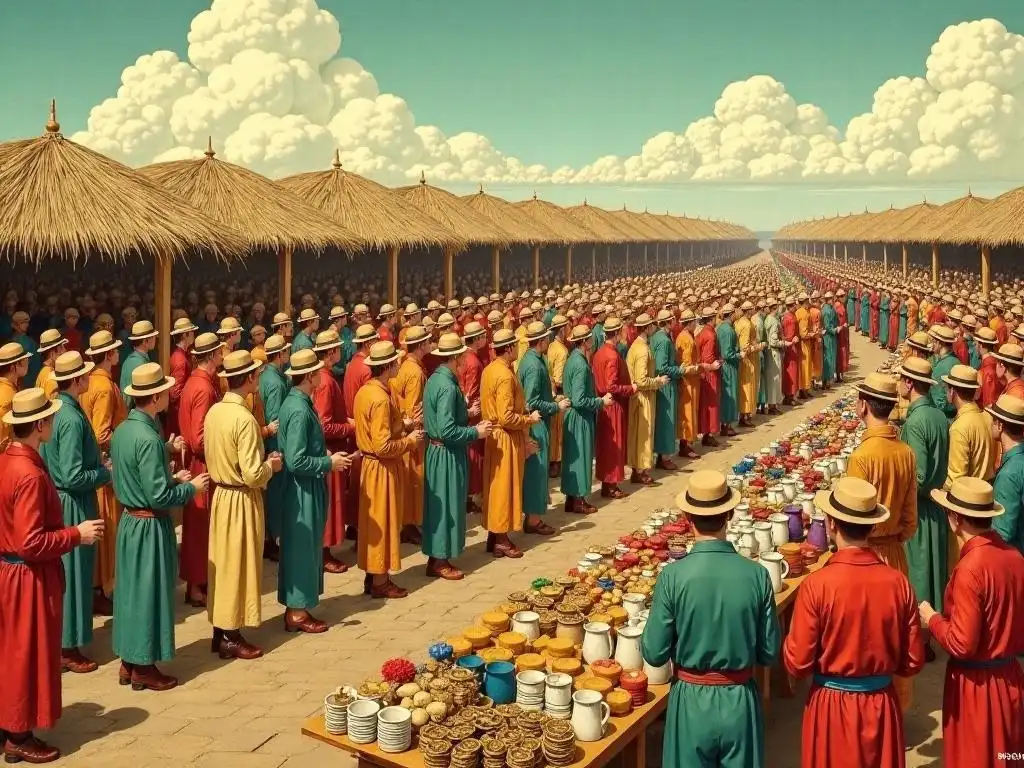
Welcome to Feudal Japan History, where we embark on a captivating journey through the intricate tapestry of Japan's feudal era. Dive deep into our latest article, "From Samurai to Merchants: The Shift in Economic Power During the Tokugawa Period," as we unravel the transformative forces that reshaped the social and economic landscape of this fascinating period. Discover how the rise of merchant classes challenged centuries of samurai dominance, sparking a revolution in wealth and influence.
Are you ready to explore the pivotal moments that defined an era? Join us as we delve into the profound changes that shaped Japan's future!
The Tokugawa Period, spanning from 1603 to 1868, represents a critical juncture in Japanese history that saw significant transformations in economic structures, power dynamics, and social hierarchies. During this era, the rigid class system established by the Tokugawa shogunate not only emphasized the distinction between samurai and commoners but also set the stage for a dramatic shift in economic power.
As the samurai class, traditionally viewed as the military elite, faced economic constraints and a diminishing role in governance, a new class of merchants began to emerge as pivotal players in Japan’s economy. This article delves into the complexities of this transition, exploring how economic policies, cultural shifts, and societal changes contributed to the realignment of power from the warrior class to the burgeoning merchant class.
By examining the interplay between these elements, we gain a clearer understanding of how the Tokugawa Period laid the groundwork for modern Japan’s economic landscape.
The Tokugawa Shogunate: An Overview
The Tokugawa shogunate established a centralized feudal government that aimed to maintain peace and stability in Japan after a long period of civil war. The shogunate's policies had profound implications for economic activity, trade, and commerce, which ultimately influenced the power dynamics of the era. Central to this discussion is the pivotal role played by the samurai class, who, despite being the ruling elite, found themselves increasingly marginalized as economic power shifted.
Economic Policies of the Tokugawa Period
The economic policies implemented during the Tokugawa Period played a significant role in shaping the power dynamics between samurai and merchants. The shogunate instituted policies that encouraged agricultural productivity, which in turn supported the growth of urban centers and the merchant class. Key policies included:
- Land Reforms: The shogunate promoted land surveys to increase tax revenues and incentivized agricultural improvements.
- Market Regulation: The Tokugawa government regulated markets and trade to maintain order and stability, allowing merchants to thrive under controlled conditions.
- Sankin-kotai System: This system required feudal lords to spend alternate years in Edo, thereby stimulating local economies as they spent money on their households and retinues.
The Rise of the Merchant Class
As agricultural output increased, a thriving merchant class emerged, capitalizing on the growing economy. Merchants began to wield considerable influence, often surpassing the samurai in wealth and status, leading to a redefinition of societal norms. This shift was characterized by:
- Financial Innovation: Merchants introduced new financial practices, such as credit and banking systems, which facilitated trade and commerce.
- Urbanization: Cities like Edo, Osaka, and Kyoto became bustling centers for trade, further empowering merchants and diminishing the samurai's economic base.
- Cultural Influence: As the merchant class grew in prominence, they began to influence culture, arts, and even politics, challenging the long-held prestige of the samurai.
Conclusion: A New Economic Order
The transition from samurai dominance to merchant power during the Tokugawa Period reflects a significant evolution in Japanese society. As economic power shifted, the foundations for modern Japan's economic structure were laid. Understanding this transformation is crucial in grasping the complexities of Japan’s historical development and the lasting impacts of the Tokugawa economic policies on contemporary society.
- The Tokugawa Shogunate: An Overview
- Economic Policies of the Tokugawa Period
- The Rise of the Merchant Class
- Conclusion: A New Economic Order
Introduction to the Tokugawa Period Economic Power Shift

The Tokugawa Period, spanning from 1603 to 1868, represents a significant chapter in Japan's history, marked by a shift in economic power that reshaped societal structures and culture. During this time, Japan was under the rule of the Tokugawa shogunate, which established a centralized feudal system that had profound implications for the economy and class dynamics. The transformation from a samurai-centric economy to one that increasingly empowered merchants and townsfolk is a key aspect of this era.
Overview of the Tokugawa Period (1603-1868)
The Tokugawa Period, also known as the Edo Period, was characterized by relative peace and stability after centuries of warfare. This era began when Tokugawa Ieyasu defeated his rivals at the Battle of Sekigahara and subsequently established the shogunate in Edo (modern-day Tokyo). The shogunate enforced strict social hierarchies and isolationist policies, which led to economic developments that favored certain classes over others.
Key Economic Features:
- Agricultural Base: The economy was primarily agrarian, with rice serving as the main currency and measure of wealth. The samurai class, receiving stipends in rice, dominated the social hierarchy.
- Emergence of Merchant Class: As the period progressed, the merchant class (chōnin) began to gain influence, particularly in urban areas. Cities like Edo, Osaka, and Kyoto became bustling centers of trade, commerce, and culture.
- Infrastructure Development: The Tokugawa shogunate invested in infrastructure, including roads and waterways, facilitating trade and connectivity between regions. The development of the Tōkaidō road, for instance, was crucial for commerce.
- Market Regulations: The government imposed regulations on trade to ensure stability and control. This included restrictions on the movement of goods and pricing controls, which aimed to prevent market fluctuations.
The dynamic interactions between these economic features set the stage for the eventual shift in power from the samurai class to the rising merchant class, impacting Japan's societal structure significantly.
Significance of Economic Power in Feudal Japan
Economic power during the Tokugawa Period was not only a reflection of wealth but also of social status and influence. The rise of the merchant class marked a pivotal change in the traditional feudal hierarchy, redefining the relationships between different social groups.
Implications of Economic Power Shift:
- Social Mobility: The increased wealth of merchants allowed for greater social mobility, challenging the rigid class structure that had defined earlier periods. Wealthy merchants could afford to engage in cultural pursuits, influencing art and literature.
- Cultural Flourishing: With economic power came cultural influence. The merchant class patronized arts, theater, and literature, giving rise to distinctive cultural forms such as ukiyo-e (woodblock prints) and kabuki theater.
- Political Influence: The economic clout of merchants eventually led to their increased political influence, even though they were not part of the ruling samurai class. Their financial resources allowed them to engage in political maneuvering, impacting local and regional governance.
The economic power shift during the Tokugawa Period was a complex phenomenon that altered the landscape of Japanese society. The transition from a samurai-dominated economy to one that embraced merchant influence not only transformed economic practices but also reshaped cultural and political dynamics, laying the groundwork for modern Japan.
The Feudal Structure and Its Economic Implications
During the Tokugawa Period (1603-1868), Japan's feudal structure underwent significant dynamics, fundamentally impacting its economic landscape. The Tokugawa shogunate established a rigid class hierarchy, which included the samurai at the top, followed by farmers, artisans, and merchants. This structure was not just a social order but a reflection of the economic roles each class played.
The samurai, traditionally seen as the warrior class, were initially supported by land revenues from the daimyō (feudal lords). However, as the Tokugawa period progressed, the economic implications of this hierarchy became increasingly pronounced. The shogunate's policies, aimed at stabilizing the country after a long period of civil war, resulted in a controlled economy that limited the samurai's direct involvement in commerce. Instead, the samurai were often paid in rice stipends, known as koku, which tied their income directly to agricultural production.
The economic implications of this structure included:
- Stagnation of Samurai Wealth: As the economy began to shift, the fixed stipends of samurai became insufficient due to inflation and rising living costs.
- Increased Tax Burdens on Farmers: To maintain their status, samurai relied heavily on taxes from farmers, leading to discontent among the agricultural class.
- Emergence of Alternative Economic Activities: Many samurai began seeking alternative income sources, including trade and commerce, which blurred the lines of the traditional feudal roles.
Understanding this feudal structure is crucial to comprehending the subsequent shifts in economic power that characterized the Tokugawa Period, particularly the gradual decline of samurai influence and the rise of the merchant class.
Role of Samurai in the Tokugawa Economy
The samurai were not just warriors; they were also administrators and local leaders. Their role in the Tokugawa economy was multifaceted and evolved dramatically over time. Initially, samurai maintained their wealth and status through land ownership and military prowess. However, as the period of peace known as the Pax Tokugawa took hold, their traditional roles began to change.
- Land Management: Samurai served as stewards of the land, managing agricultural production and ensuring the collection of taxes from peasant farmers. They were responsible for maintaining order and facilitating agricultural output, which was the backbone of the Tokugawa economy.
- Cultural Patrons: Many samurai became patrons of the arts and education, fostering a culture of learning and intellectual growth. This cultural investment indirectly contributed to the economy by enhancing craftsmanship and promoting local products.
- Military and Administrative Costs: The samurai class bore the burden of maintaining their status and military readiness, leading to increased financial strain. The costs of maintaining a warrior lifestyle often led samurai to seek alternative income sources, such as engaging in trade or investing in agriculture.
- Transition to Bureaucratic Roles: As the need for military engagement diminished, many samurai transitioned into bureaucratic roles within the Tokugawa administration, further detaching themselves from traditional economic activities.
Through these roles, the samurai played a pivotal part in shaping the Tokugawa economy, but their traditional economic power began to wane as the merchant class rose in prominence.
The Decline of Samurai Influence
As commerce flourished during the Tokugawa Period, the influence of the samurai class began to decline, resulting from several intertwined factors:
- Economic Stagnation: The fixed stipends of the samurai became increasingly inadequate due to inflation and the growth of urban markets, leading to financial difficulties among many in the class.
- Policy Changes: The Tokugawa shogunate implemented policies that restricted samurai participation in trade, reinforcing the notion that commerce was beneath their status. These policies inadvertently contributed to the rise of the merchant class, as merchants filled the economic void left by the declining samurai.
- cultural Shifts: The rise of a consumer culture began to emerge as towns and cities expanded. Wealthier merchants started to invest in the arts and culture, which diminished the social status once exclusively held by samurai.
- Social Mobility: The rigid class structure began to shift, allowing for greater social mobility. Merchants, who were previously seen as inferior, started gaining wealth and influence, challenging the traditional power of the samurai.
These factors combined to create a landscape where the samurai could no longer maintain their previous economic dominance, marking a pivotal shift in the Tokugawa economic power dynamics.
Rise of the Merchant Class
The Tokugawa Period witnessed a remarkable ascent of the merchant class, which fundamentally altered the economic landscape of Japan. This rise can be attributed to several key developments:
- Urbanization: The growth of towns and cities created new markets and trade opportunities. Merchants established themselves as crucial players in local economies, often becoming wealthier than their samurai counterparts.
- Innovative Business Practices: Merchants adopted innovative practices, including credit systems, and established networks that facilitated trade across Japan. This fostered a more interconnected economy, allowing for the exchange of goods and resources.
- Cultural and Social Influence: With their newfound wealth, merchants began influencing culture and society. They became patrons of the arts, contributing to the flourishing of Ukiyo-e (woodblock prints) and Kabuki theater, which further entrenched their status in society.
- Declining Power of the Samurai: As merchants gained economic power, they began to challenge the samurai's traditional authority. The merchants' ability to wield influence through wealth diminished the samurai's position, contributing to a gradual transformation of social hierarchies.
- Tokugawa Policies: While the shogunate sought to control the economy, their policies often had the unintended consequence of empowering merchants. For example, restrictions on samurai involvement in commerce allowed merchants to dominate trade and commerce without competition from the warrior class.
The rise of the merchant class during the Tokugawa Period epitomizes the significant economic power shift, as Japan transitioned from a feudal economy dominated by samurai to one where merchants played a pivotal role in shaping the nation's prosperity. This transformation laid the groundwork for Japan's modernization in the Meiji Restoration that followed.
Factors Contributing to the Economic Power Shift

Political Stability Under Tokugawa Shogunate
The Tokugawa Shogunate, which ruled Japan from 1603 to 1868, established a long period of relative peace and stability known as the Edo Period. This stability was crucial in facilitating economic growth and altering the distribution of economic power. The Tokugawa regime implemented a strict class hierarchy that included samurai, farmers, artisans, and merchants, which influenced social dynamics and economic relationships.
One of the key political strategies was the Sankin-kotai system, which required daimyō (feudal lords) to alternate their residence between their domains and Edo (modern-day Tokyo) every year. This not only kept the daimyō under surveillance but also stimulated local economies as they were compelled to spend large sums during their stay in Edo. The influx of daimyō and their retinues to Edo led to increased commerce and the rise of a merchant class that began to exert significant influence over the economy.
Additionally, the Tokugawa Shogunate's policies promoted internal trade by maintaining a network of roads and improving transportation. The establishment of standardized weights and measures also facilitated trade across different regions, leading to a burgeoning market economy. This political stability allowed for the accumulation of wealth among merchants, thereby shifting the economic power from the samurai class, who were traditionally the rulers and warriors, to a burgeoning class of merchants.
Changes in Agricultural Practices
Agricultural practices underwent significant transformations during the Tokugawa Period, contributing to the economic power shift. The introduction of new farming techniques and crops, such as wet rice cultivation, improved productivity and led to surplus production. Innovations like crop rotation and the use of fertilizers increased yields, allowing farmers to support larger populations.
As agricultural productivity increased, so did the wealth of the rural population. Many farmers began to diversify their crops and engage in cash cropping, which meant they could sell produce in markets rather than merely subsisting on their harvests. This shift from subsistence farming to a market-oriented approach provided farmers with increased purchasing power and opportunities to engage in trade.
Furthermore, the Tokugawa government encouraged agricultural development through land surveys and tax reforms. By implementing more equitable tax assessments, they incentivized farmers to cultivate their land more efficiently. This system not only ensured a steady tax revenue for the shogunate but also empowered farmers economically, enabling them to invest in their farms and contribute to local economies.
Growth of Urban Centers and Trade
The Tokugawa Period witnessed the remarkable growth of urban centers, which played a pivotal role in the economic power shift. Cities like Edo, Osaka, and Kyoto became crucial hubs of commerce and trade. Edo, in particular, evolved into one of the largest cities in the world at that time, with a population exceeding one million by the mid-18th century.
The rise of urban centers was closely tied to the development of merchant classes, who gained wealth and influence through trade. These merchants facilitated the flow of goods between rural producers and urban consumers, creating a dynamic marketplace. The Tokugawa government supported this growth by building infrastructure, such as roads and river transport systems, enhancing the movement of goods.
The establishment of market towns and the proliferation of sanshō (currency) also contributed to the flourishing trade environment. The increased availability of currency allowed for more complex commercial transactions, fostering a culture of trade and commerce. Merchants organized themselves into guilds, which not only regulated trade practices but also provided a platform for collective bargaining and support.
As the economic power shifted towards merchants, traditional social hierarchies began to erode. The rising prominence of the merchant class challenged the samurai's status, leading to a re-evaluation of what constituted power and influence in Tokugawa society. This shift laid the groundwork for profound societal changes that would eventually culminate in the Meiji Restoration and the modernization of Japan.
The Transformation of Merchants in Tokugawa Society
The Tokugawa Period, lasting from 1603 to 1868, marked a significant transition in Japanese society, particularly in the status and influence of merchants. During this era, a rigid social hierarchy prioritized samurai, farmers, and artisans, with merchants traditionally occupying the lowest tier. However, as the period progressed, the role of merchants evolved dramatically, leading to a shift in economic power that reshaped the landscape of Tokugawa Japan.
Merchants as Economic Drivers
The emergence of merchants as key economic drivers in Tokugawa society can be traced back to several interrelated factors. As Japan entered a time of prolonged peace, largely due to the stability provided by the Tokugawa shogunate, agricultural productivity increased. This agricultural surplus allowed for the growth of urban centers and a burgeoning population, creating new opportunities for trade.
Merchants began to leverage their position, fostering relationships with both local and regional governments. They became instrumental in the distribution of goods, including rice, textiles, and luxury items, which were highly sought after by the samurai class and emerging urban populations. The following points outline their role:
- Control of Resources: Merchants established networks that enabled them to directly control resources and commodities, allowing them to influence market prices.
- Financial Innovations: They introduced financial instruments such as bills of exchange and credit, which facilitated commerce and expanded trade operations.
- Cultural Influence: As economic power grew, merchants also began to influence cultural aspects of society, sponsoring arts and entertainment, which further solidified their status.
Innovations in Trade and Commerce
The Tokugawa Period witnessed remarkable innovations in trade and commerce, which contributed to the economic power shift. These innovations included:
- Development of the "Sankin-kōtai" System: This system required daimyō (feudal lords) to alternate their residence between their home domains and Edo (modern-day Tokyo). The movement of these lords generated significant economic activity, benefitting merchants who provided goods and services during their travels.
- Transportation Networks: Improved infrastructure, such as roads and canals, facilitated the movement of goods across the country. The Tōkaidō Road, for example, became a vital trade route connecting Edo with Kyoto, enhancing merchant access to different markets.
- Emergence of "Kabu": The rise of stock companies, known as "kabu," allowed merchants to pool resources and invest in larger ventures, demonstrating a shift towards more sophisticated economic practices.
These innovations not only enhanced the efficiency of trade but also elevated the status of merchants as essential contributors to the economy.
Impact of the "Chōnin" (townspeople) on Economic Power
The "chōnin," or townspeople, played a crucial role in the economic transformation during the Tokugawa Period. As urbanization increased, a distinct class of chōnin emerged, primarily consisting of merchants and artisans who resided in cities. Their influence transformed the economic landscape in several key ways:
- Consumer Culture: The chōnin contributed to the rise of a consumer culture, demanding higher-quality goods and novel products. This shift encouraged merchants to innovate and diversify their offerings.
- Cultural Patronage: With newfound wealth, the chōnin became patrons of the arts, leading to the flourishing of traditional Japanese culture, including kabuki theater and ukiyo-e prints, which further intertwined economic and cultural power.
- Political Influence: As their wealth and influence grew, chōnin began to assert themselves politically, often challenging the established samurai order. This newfound assertiveness contributed to a gradual realignment of power dynamics in society.
The interplay between the chōnin and merchants illustrates how the Tokugawa Period was not merely about feudal lords and samurai, but rather a complex web of economic relationships that paved the way for modern Japan.
The Tokugawa Period economic power shift underscores the transformation of merchants from a lowly caste to pivotal players in Japan's economic narrative, setting the stage for the eventual modernization of the country.
Government Policies Influencing Economic Power Dynamics

Tokugawa Economic Policies Overview
During the Tokugawa Period (1603-1868), Japan experienced a significant transformation in its economic landscape, primarily driven by the shogunate's policies. These policies were designed to maintain stability, control the samurai class, and foster a burgeoning merchant class. The Tokugawa shogunate implemented a series of strategic economic measures that not only regulated the flow of goods but also influenced the distribution of power among different societal groups.
The shogunate's focus on agriculture as the backbone of the economy led to policies that encouraged farming productivity. The increase in agricultural output laid the groundwork for a surplus, which in turn supported the growth of towns and a vibrant marketplace. As the merchant class began to rise in wealth and influence, the power dynamics shifted, with merchants gaining prominence in a society that had traditionally favored samurai and aristocratic rule.
Taxation and Land Management
Taxation during the Tokugawa Period was one of the key mechanisms through which the shogunate exerted control over economic activities. The land tax, known as shōen, was imposed on agricultural production and was calculated based on the rice yield. This system ensured that the shogunate received a steady income while simultaneously providing incentives for landowners to improve their agricultural techniques.
In addition to the land tax, the Tokugawa government implemented a series of land management policies that impacted economic power dynamics:
- Land Surveys: Regular assessments of land productivity were conducted to ensure accurate taxation. These surveys often revealed disparities in land use, prompting reforms that redistributed land to more productive farmers.
- Daimyo Control: Daimyo, or feudal lords, were tasked with managing their domains efficiently. Their ability to maximize agricultural output directly affected their wealth and power, thereby influencing the broader economic landscape.
- Encouragement of Cash Crops: The shogunate promoted the cultivation of cash crops alongside rice, which diversified agricultural production and increased the wealth of landowners and merchants.
The interplay between taxation and land management significantly shaped the economic hierarchy, paving the way for merchants to capitalize on agricultural surplus and broaden their influence.
Regulations on Trade and Commerce
The Tokugawa shogunate established a series of regulations that tightly controlled trade and commerce, impacting the flow of goods and the emergence of the merchant class. Key regulations included:
- Sakoku (Closed Country) Policy: This policy restricted foreign trade and limited interactions with foreign nations, allowing the shogunate to maintain control over economic activities and prevent external influences. The Dutch were the only Europeans permitted to trade at Nagasaki, which created a controlled environment for commerce.
- Class Restrictions on Trade: The shogunate enforced strict class distinctions, which initially limited the participation of the samurai class in commerce. However, over time, some samurai began to engage in trade, blurring the lines between classes and enabling the rise of a merchant class that grew increasingly wealthy and powerful.
- Market Regulations: Local governments imposed regulations on pricing, quality control, and the types of goods that could be traded. These regulations helped stabilize the economy but also allowed the shogunate to wield influence over trade practices.
These trade regulations fostered an environment where merchants could thrive, leading to a shift in economic power from the samurai to the merchant class. As a result, the Tokugawa Period marked a pivotal moment in Japan's economic history, laying the groundwork for future developments in commerce and social structure.
Case Studies of Economic Power Shift

The Tokugawa Period (1603-1868) was marked by significant transformations in Japan's economic landscape. The shift in economic power during this era not only reshaped the traditional roles within society but also laid the groundwork for modern Japan. Understanding this shift requires a closer examination of key case studies that illustrate how specific regions adapted and thrived economically.
Case Study: The Rise of Osaka as a Commercial Hub
Osaka emerged as a critical commercial center during the Tokugawa Period, often referred to as the "nation's kitchen." Several factors contributed to this rise:
- Strategic Location:
- Osaka's position near the Yodo River allowed for easy access to both inland and coastal trade routes.
- Its proximity to Kyoto, the imperial capital, facilitated the movement of goods and cultural exchange.
- Development of Merchant Class:
- The period saw the emergence of a robust merchant class known as chōnin. These merchants gained substantial wealth and influence, challenging the traditional status of samurai.
- They played a crucial role in the commercialization of agriculture, leading to increased production and trade of rice, textiles, and other goods.
- Innovations in Financial Practices:
- Osaka became a pioneer in financial innovations, including the development of rice futures trading. This practice allowed merchants to speculate on rice prices, further stimulating economic activity.
- The establishment of credit systems and moneylending practices helped merchants finance their ventures, thus reinforcing Osaka's status as a financial hub.
- Cultural Exchange and Consumption:
- The growth of commerce led to vibrant cultural exchanges, with Osaka becoming a center for arts and entertainment.
- The rise of consumer culture, fueled by increased disposable income among the chōnin, contributed to the demand for luxury goods and services.
Osaka's transformation during the Tokugawa Period exemplifies the shift in economic power from the feudal samurai class to the burgeoning merchant class, creating a new socio-economic structure.
Case Study: Edo (Tokyo) and Its Economic Transformation
Edo, modern-day Tokyo, underwent a remarkable economic transformation during the Tokugawa Period. As the political center of Japan under the Tokugawa shogunate, Edo's growth was driven by several key factors:
- Population Growth:
- Edo became one of the largest cities in the world, with a population exceeding one million by the early 18th century. This rapid urbanization created a vast consumer market, stimulating local economies.
- Infrastructure Development:
- The Tokugawa shogunate invested heavily in infrastructure, including roads and waterways, which facilitated trade and transportation.
- The Tōkaidō Road, connecting Edo to Kyoto, became a vital artery for commerce, allowing goods to flow freely between regions.
- Rise of Crafts and Industries:
- Edo saw a flourishing of various crafts and industries, including textiles, ceramics, and woodworking.
- Artisans and craftsmen established guilds, enhancing the quality of goods produced and allowing for specialization.
- Cultural and Economic Exchange:
- As Edo became a cultural center, the demand for artistic products increased, leading to a thriving market for ukiyo-e prints and other art forms.
- The intermingling of different social classes in Edo's urban spaces fostered a dynamic economic environment, where merchants and artisans collaborated, further driving innovation.
- Economic Policies:
- The Tokugawa shogunate implemented policies that encouraged stability and trade, such as the Sankin-kōtai system, which required daimyō (feudal lords) to spend alternate years in Edo. This not only bolstered the economy through their expenditures but also integrated regional economies into a centralized market.
Edo's economic transformation illustrates the broader trend of the Tokugawa Period economic power shift, highlighting how urban centers became pivotal in redefining social hierarchies and economic practices in Japan.
The Impact of the Economic Power Shift on Japanese Society
The Tokugawa Period, spanning from 1603 to 1868, witnessed a significant shift in economic power that transformed Japanese society. Traditionally dominated by the samurai class, the feudal structure began to evolve as commerce and trade flourished. This economic transformation created new avenues for social mobility, allowing individuals from lower classes, particularly merchants and peasants, to ascend the social ladder.
Factors Contributing to Social Mobility
- Rise of the Merchant Class: The merchants, or chōnin, played a pivotal role in the economic landscape. As urban centers grew, so did the merchants' wealth and influence. The increase in trade, particularly in cities like Edo (modern-day Tokyo), led to the emergence of a wealthy merchant class that could rival the samurai in terms of economic power.
- Education and Literacy: The Tokugawa regime promoted education, leading to higher literacy rates across various classes. As more people became educated, particularly in urban areas, this facilitated the rise of new professions and opportunities for social advancement.
- Cultural Capital: The merchants not only accumulated wealth but also invested in cultural pursuits, such as art and literature. This cultural capital allowed them to gain social prestige, often hosting gatherings that attracted samurai and other elites, further blurring class lines.
Economic Stratification and Class Tensions
Despite the newfound opportunities for mobility, the economic shift also led to stratification within society. The samurai class, once the unquestionable elite, faced challenges as their stipends remained fixed while the merchants prospered. This created a sense of tension, as samurai were often envious of the wealth accumulated by merchants, leading to conflicts and a reevaluation of class roles.
Examples of Class Dynamics
- Wealth Disparity: By the late Tokugawa Period, some wealthy merchants could afford luxurious lifestyles, building grand residences and patronizing the arts, which further emphasized the disparity between their wealth and that of the declining samurai class.
- Social Mobility Cases: Notable figures emerged from the merchant class, such as Mitsui Takatoshi, who founded the Mitsui financial conglomerate. His success story exemplifies how individuals leveraged economic opportunities to ascend socially and politically.
Cultural Changes Driven by Economic Transformation
The economic power shift during the Tokugawa Period not only altered class dynamics but also stimulated profound cultural changes across Japan. The influx of wealth among the merchant class contributed to the flourishing of arts, entertainment, and new cultural practices.
The Emergence of Urban Culture
- Edo Culture: The period saw the rise of a vibrant urban culture in Edo, characterized by ukiyo-e (woodblock prints), kabuki theater, and literature. These artistic expressions often reflected the lives and aspirations of the emerging merchant class.
- Leisure and Entertainment: With increased disposable income, urban dwellers sought entertainment, leading to the establishment of theaters, tea houses, and public festivals. This shift marked a departure from the austere samurai culture, embracing a more hedonistic lifestyle.
Influence on Traditional Arts
The economic transformation also impacted traditional arts and crafts. As merchants sought to display their wealth, they commissioned works from skilled artisans, leading to innovations in craftsmanship and design.
- Craftsmanship Growth: Items such as textiles, ceramics, and lacquerware saw advancements in quality and design, driven by demand from both merchants and samurai who sought to embellish their homes.
- Cultural Exchange: The Tokugawa Period facilitated cultural exchanges between different regions of Japan, as merchants traveled and traded, leading to the diffusion of artistic styles and practices.
The economic power shift during the Tokugawa Period was a catalyst for not only social mobility but also significant cultural evolution. As the merchants rose in prominence, they reshaped Japanese society, leading to a rich tapestry of cultural expressions that would influence future generations.
Conclusion: Legacy of the Tokugawa Period Economic Power Shift

The Tokugawa Period, spanning from 1603 to 1868, marked a significant transformation in Japan's economic landscape. The shift in economic power from the samurai class to merchants fundamentally reshaped the societal hierarchy and laid the groundwork for modern Japanese economic practices. This transition is not merely a historical footnote but a critical chapter that continues to influence Japan's economy today.
Lasting Effects on Modern Japanese Economy
The economic policies implemented during the Tokugawa Period had profound and enduring effects on Japan's modern economy. Key aspects include:
- Emergence of Capitalism: The rise of merchant power during the Tokugawa shogunate facilitated the development of early capitalist structures. This included the establishment of markets, trade networks, and banking systems that mirrored modern economic practices. The emphasis on commerce and trade during this period set the stage for Japan's industrialization in the late 19th century.
- Urbanization: As merchants gained economic influence, urban centers flourished. Cities like Edo (now Tokyo) became bustling metropolises, fostering innovation and the growth of a consumer culture. This urbanization continues to be a defining feature of Japan's economy, with metropolitan areas remaining economic powerhouses.
- Cultural Exchange and Global Trade: The Tokugawa Period saw an increase in domestic trade and limited international interactions, particularly with the Dutch and the Chinese. This early engagement in global trade established Japan's place in the world economy, influencing contemporary trade policies and practices.
- Financial Instruments: The period witnessed the introduction of various financial instruments, such as bills of exchange and promissory notes. These instruments laid the groundwork for modern financial systems, contributing to Japan's current status as a major player in global finance.
| Economic Aspect | Tokugawa Period Influence | Modern Implication |
|---|---|---|
| Merchant Power | Rise of merchant class | Capitalist economy |
| Urban Development | Growth of cities like Edo | Urbanization trends |
| Trade Relationships | Limited global trade | Active international trade relations |
| Financial Systems | Introduction of financial instruments | Modern banking and finance practices |
Reflection on the Transition from Samurai to Merchants
The transition from a samurai-dominated society to one where merchants held significant power reflects broader themes of adaptability and change within Japanese society. This shift was characterized by several key elements:
- Social Mobility: The Tokugawa Period allowed for greater social mobility than previous eras. While samurai were traditionally seen as the elite class, the rise of merchants challenged this notion. The merchant class became known for their wealth and influence, often rivaling samurai in status.
- Cultural Shifts: As merchants gained power, cultural values began to shift. The emphasis on honor and martial prowess typical of the samurai class gave way to values associated with commerce and trade. This cultural transformation is evident in art, literature, and social norms that celebrated the merchant lifestyle.
- Economic Pragmatism: The necessity for economic stability during the Tokugawa Period prompted the ruling class to adopt pragmatic policies that favored trade and industry. This pragmatic approach to governance and economics has continued to resonate in Japan's modern economic policies.
- Legacy of Innovation: The merchant class's rise fostered an environment conducive to innovation. Merchants were incentivized to improve production methods and distribution networks, sowing the seeds for technological advancements that would benefit Japan in the future.
The Tokugawa Period economic power shift represents a pivotal moment in Japan's history, one that redefined societal structures and established economic practices that continue to influence the nation today. The legacy of this period is visible in modern Japan's dynamic economy, shaped by the interplay of historical forces that continue to echo through time.
Further Reading on Tokugawa Period Economic Changes
Recommended Books and Articles
The Tokugawa Period (1603-1868) represents a pivotal era in Japanese history, noted for its extensive transformation in economic structures and power dynamics. For those interested in delving deeper into this fascinating period, a selection of essential readings can provide valuable insights:
- "The Making of Modern Japan" by Joshua A. Fogel
- This book offers a comprehensive overview of Japan's transition to modernity, with detailed analysis of the economic policies during the Tokugawa Period. Fogel emphasizes the interplay between feudal structures and emerging commerce.
- "Japan: A Modern History" by James L. McClain
- McClain's work provides an in-depth examination of Japan's history, with particular attention to the socio-economic shifts that occurred during the Tokugawa era. The author explores how merchant classes gained prominence and the subsequent impact on traditional samurai roles.
- "Tokugawa Japan: The Social and Economic History of the Edo Period" by J. W. Hall
- This text delves into the social fabric of the Tokugawa Period, discussing the rise of the merchant class and the decline of samurai power. Hall's insights into economic strategies, taxation, and trade practices are particularly noteworthy.
- "The Economic History of Japan: 1600-1990" by Takafusa Nakamura
- Nakamura provides a detailed account of Japan’s economic evolution, focusing on the Tokugawa Period's policies that laid the groundwork for modern economic systems. The book includes tables and graphs that illustrate shifts in economic power effectively.
- Articles in the Journal of Asian Studies
- Various articles in this academic journal explore specific aspects of Tokugawa economic policies, including trade, taxation, and the socio-political impact of merchant growth. Search for issues published around the period of 1980-2000 for focused discussions.
Key Historical Figures in Tokugawa Economics
The Tokugawa Period saw the emergence of numerous influential figures whose policies and actions significantly shaped the economic landscape of Japan. Understanding their contributions offers essential context to the economic power shift during this era:
- Tokugawa Ieyasu (1543-1616)
- The founder of the Tokugawa shogunate, Ieyasu implemented policies that established a centralized feudal system. His strategies included land redistribution and the promotion of agricultural productivity, which laid the foundation for subsequent economic developments.
- Mitsui Takatoshi (1622-1694)
- Often considered a pioneer of the merchant class, Takatoshi founded the Mitsui trading company, which played a crucial role in developing the nascent capitalist economy. His focus on trade and financial services marked a significant shift from the samurai-dominated economy to a merchant-driven one.
- Tachibana Nobuo (1632-1719)
- A prominent merchant, Nobuo's influence extended into the political sphere, where he advocated for policies that favored commerce over traditional samurai practices. His efforts are indicative of the rising power of merchants during the Tokugawa era.
- Yamamoto Tsunetomo (1659-1719)
- Although primarily a samurai, Tsunetomo's writings, particularly in "Hagakure," reflect the evolving mindset of the samurai class amidst the economic changes. His thoughts on duty and loyalty contrast with the growing materialism of the merchant class.
- Katsu Kaishu (1823-1899)
- A naval officer and statesman, Katsu played a critical role in Japan’s transition to modernity. His experiences during the late Tokugawa Period highlight the tensions between the traditional samurai ethos and the emerging economic opportunities presented by trade and industry.
By studying these key figures and their contributions, one can gain a clearer understanding of the Tokugawa Period economic power shift and its lasting impacts on Japan's historical trajectory.
Frequently Asked Questions
What was the Tokugawa Period?
The Tokugawa Period, lasting from 1603 to 1868, was a time of peace and stability in Japan, marked by the rule of the Tokugawa shogunate and significant economic developments.
How did the economic power shift during the Tokugawa Period?
During the Tokugawa Period, there was a notable shift in economic power from the warrior class (samurai) to merchants, as trade flourished and urbanization increased.
What were the main factors contributing to this economic shift?
Key factors included the rise of trade networks, increased agricultural production, and the development of towns, allowing merchants to gain wealth and influence.
How did the samurai adapt to the changing economy?
Many samurai began to engage in business ventures or became landlords to maintain their status and income, reflecting the changing societal dynamics.
What impact did this economic shift have on Japanese society?
The shift led to a more class-diverse society, with the merchant class gaining prominence, which altered traditional power structures and laid the groundwork for modernization in Japan.
Final Reflection: Embracing Change in the Tokugawa Period Economic Power Shift
The Tokugawa Period economic power shift serves as a profound reminder of how societal transformations can redefine roles and relationships within a culture. As we reflect on the transition from samurai to merchants during this era, we see that the dynamics of power are not static; they evolve in response to changing economic landscapes and societal needs. This historical shift is not just a relic of the past but a lens through which we can understand contemporary economic transitions and the fluid nature of power in our own lives.
The impact of this shift resonates deeply within our cultural and social frameworks today. The rise of merchant power during the Tokugawa Period illustrates how innovation and adaptability can lead to new forms of influence and prosperity. As we navigate our modern economies, we can draw parallels to this historical narrative, recognizing that change often comes from unexpected sources. In times of change, the learners will inherit the earth while the learned find themselves beautifully equipped to deal with a world that no longer exists.
This quote reminds us that embracing change, much like the merchants of the Tokugawa Period, can lead to new opportunities and growth.
As you ponder the lessons from the Tokugawa Period economic power shift, I invite you to reflect on your own journey. Consider how you can adapt to the evolving landscape around you, whether in your career, community, or personal life. Embrace the spirit of innovation and resilience that characterized this transformative era. By doing so, you not only honor the past but also position yourself to thrive in the future, much like the merchants who rose to prominence in a time of change.
Unveil the Legacy of the Tokugawa Period!
Thank you for joining us on the fascinating journey through the Tokugawa Period! Your exploration of the transition from Samurai to merchants reveals the vibrant tapestry of Feudal Japan’s economic transformation. Now, it’s time to take this knowledge further and immerse yourself in the rich history of this remarkable era.
Here are a few inspired actions you can take:
- Dive deeper into this captivating period by browsing our extensive collection of articles on Feudal Japan and the evolution of its social classes.
- Join our community! Share your insights and perspectives by commenting below or engaging with fellow history enthusiasts in our discussion forum.
- Challenge yourself! Research a specific merchant family from the Tokugawa era and uncover their unique contributions to Japan's economic landscape.
What aspect of the Tokugawa economy most surprised or inspired you, and how do you plan to explore it further?