
The Tokugawa Shogunate's Economic Blueprint: A Deep Dive into Policy and Practice


Welcome to Feudal Japan History, where we embark on an enlightening journey through the intricate tapestry of Japan's feudal era. Here, you'll uncover the rich historical, cultural, and societal layers that shaped a nation. In our featured article, “ The Tokugawa Shogunate's Economic Blueprint: A Deep Dive into Policy and Practice,” we delve into the fascinating economic policies that defined one of Japan's most pivotal periods.
What strategies did the Tokugawa Shogunate employ to foster growth and stability? Join us as we unravel the complexities of their economic landscape and discover how these policies continue to influence Japan today. Your adventure into the depths of feudal history begins now!
- Introduction to the Tokugawa Shogunate Economic Policies
- Historical Context of Tokugawa Economic Policies
- Key Features of Tokugawa Shogunate Economic Policies
- The Role of the Samurai Class in the Economy
- Urbanization and Economic Growth in Tokugawa Japan
- Tokugawa Shogunate's Interaction with Foreign Trade
- The Impact of Tokugawa Economic Policies on Society
- Critiques and Challenges to Tokugawa Economic Policies
- Conclusion: Legacy of Tokugawa Shogunate Economic Policies
- References and Further Reading on Tokugawa Economic Policies
-
Frequently Asked Questions
- What were the main economic policies of the Tokugawa Shogunate?
- How did the Tokugawa Shogunate influence trade in Japan?
- What role did agriculture play in the Tokugawa economic system?
- How did the Tokugawa Shogunate's policies affect the merchant class?
- What were the long-term effects of the Tokugawa Shogunate's economic policies?
- Final Reflection: The Enduring Legacy of Tokugawa Shogunate Economic Policies
- Unveil the Secrets of Tokugawa Prosperity!
Introduction to the Tokugawa Shogunate Economic Policies
The Tokugawa Shogunate, which reigned from 1603 to 1868, represents a pivotal era in Japan's history marked by profound political stability, cultural flourishing, and significant economic development. Under the leadership of Tokugawa Ieyasu and his successors, this period saw the establishment of a centralized feudal government that emphasized agricultural productivity, trade regulation, and societal hierarchy.
The economic policies implemented during the Tokugawa Shogunate not only shaped the internal dynamics of Japan but also laid the groundwork for the nation’s transition into modernity. In this article, we will undertake a comprehensive examination of these economic policies, exploring their formulation, execution, and the broader implications they had on Japanese society and its economy.
Overview of the Tokugawa Shogunate
The Tokugawa Shogunate emerged following the tumultuous Sengoku period, a time characterized by civil wars and regional rivalries. Tokugawa Ieyasu, a formidable daimyo, succeeded in unifying Japan and became the first shogun of the Tokugawa lineage. The shogunate established its capital in Edo (modern-day Tokyo) and implemented a rigid class structure that delineated the roles and responsibilities of samurai, peasants, merchants, and artisans. This stratified society played a critical role in shaping the economic landscape of the time.
The economic framework of the Tokugawa Shogunate was primarily agrarian, with rice serving as the main currency and a measure of wealth. The shogunate introduced policies aimed at increasing agricultural production, such as land surveys and irrigation improvements, which facilitated the growth of rice farming. Additionally, trade and commerce flourished, particularly in urban centers, leading to the rise of a merchant class that began to challenge the traditional power dynamics of the samurai elite.
Importance of Economic Policies in Feudal Japan
The economic policies of the Tokugawa Shogunate were not merely administrative directives; they were instrumental in sustaining the shogunate's political power and ensuring social order. By establishing a stable economy, the shogunate could maintain control over the diverse regions of Japan and mitigate the risks of rebellion and unrest. These policies encompassed a variety of strategies, including:
- Agricultural Reforms: Enhancements in farming techniques and crop management.
- Trade Regulations: Control over domestic and foreign trade, including the Sakoku policy which restricted foreign influence.
- Taxation Systems: Implementation of a structured tax system based on rice production and land ownership.
The significance of these policies extends beyond economic outcomes; they fostered a unique cultural milieu that encouraged the development of arts, education, and commerce. The interplay between economic policy and cultural evolution during the Tokugawa era laid the foundation for Japan's rich heritage and its eventual modernization in the Meiji Restoration. Thus, understanding the Tokugawa Shogunate's economic policies is essential for comprehending the broader historical narrative of Japan and its enduring legacy.
Historical Context of Tokugawa Economic Policies
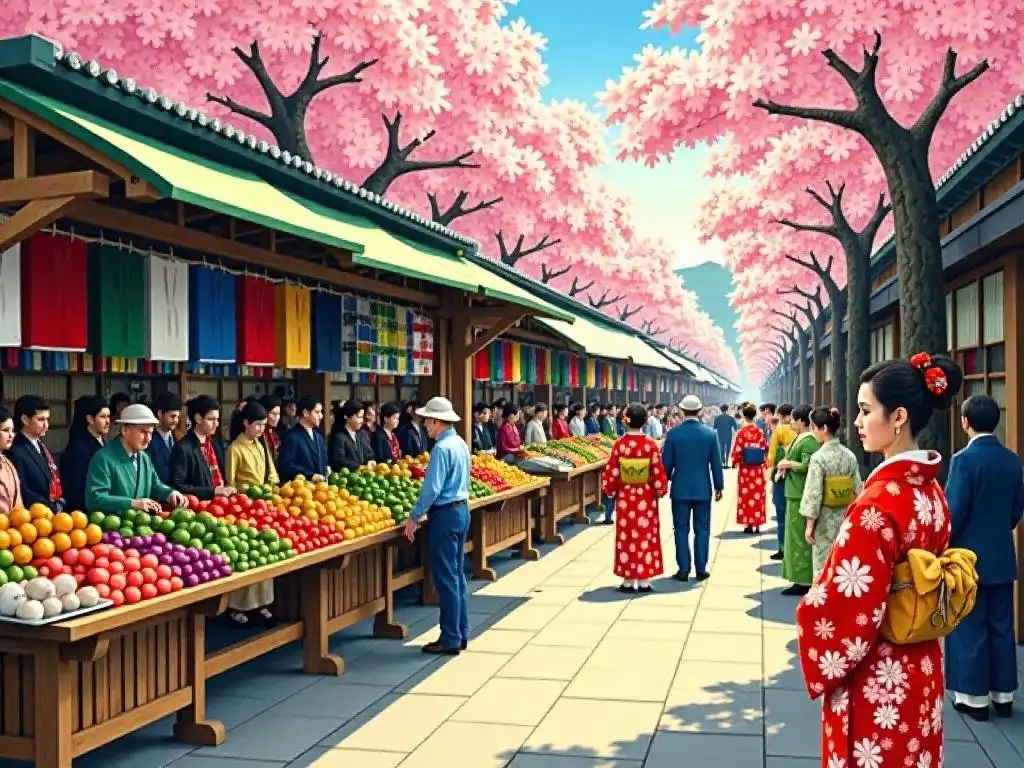
The Establishment of the Tokugawa Shogunate
The Tokugawa Shogunate, established in 1603 by Tokugawa Ieyasu, marked a significant turning point in Japan's history. Following a prolonged period of civil strife known as the Sengoku period, Ieyasu's victory at the Battle of Sekigahara established him as the most powerful daimyo in Japan. This victory not only consolidated power under the Tokugawa clan but also initiated over 250 years of relative peace and stability known as the Edo period.
The Tokugawa regime implemented a rigid class structure and centralized governance, which played a crucial role in shaping its economic policies. The shogunate's authority was maintained through a system of alternate attendance (sankin-kōtai), where daimyo were required to spend every other year in Edo (modern-day Tokyo), effectively keeping them busy and away from their domains. This policy had far-reaching economic implications, as it stimulated urban growth in Edo and enhanced state control over regional economies.
The Tokugawa Shogunate's governance was characterized by a focus on agrarian stability, which was deemed essential for sustaining its power. The shogunate prioritized agricultural production, leading to the implementation of policies aimed at increasing rice yields, which served as both a staple food and a measure of wealth. The establishment of land surveys helped to standardize taxation and improve agricultural practices, setting the framework for the Tokugawa economic policies.
Economic Challenges Facing Japan Prior to Tokugawa Rule
Before the Tokugawa Shogunate came to power, Japan faced numerous economic challenges that significantly impacted its society and governance. The Sengoku period was marked by warfare, which disrupted agricultural production and trade. The constant conflict led to widespread devastation of farmland, loss of life, and a collapse in trade networks that had previously flourished.
- Warfare Impact:
- Destruction of Infrastructure: Battles often resulted in the destruction of roads and irrigation systems, severely impacting local economies.
- Population Decline: Continuous warfare contributed to depopulation, which strained labor availability for agricultural work and reduced market size for goods.
- Economic Disparities:
- Regional Disparities: Different regions experienced varied levels of wealth and resources, leading to economic inequalities that the Tokugawa Shogunate later sought to address through centralization.
- Resource Scarcity: Some areas faced scarcity of essential resources, which hampered their economic growth and stability.
- Disruption of Trade:
- Internal Trade: The lack of a unified political authority caused disruptions in internal trade, as various warlords imposed their own tariffs and regulations.
- International Trade: Japan's international trade was limited due to the political fragmentation, with many regions focusing solely on local needs and self-sufficiency.
The Tokugawa Shogunate's economic policies were primarily a response to these pre-existing challenges. By focusing on agricultural reforms, centralizing authority, and facilitating trade, the shogunate aimed to create a stable economic environment that would support its political power and enhance the well-being of its citizens. Through these measures, the Tokugawa regime laid the groundwork for a more cohesive and prosperous Japan, setting the stage for the economic practices that would define the Edo period.
Key Features of Tokugawa Shogunate Economic Policies
The Tokugawa Shogunate, which ruled Japan from 1603 to 1868, implemented a series of economic policies that profoundly shaped the nation's agricultural, taxation, and trade systems. These policies aimed to stabilize and enrich the economy while maintaining social order and the political hierarchy. This section delves into the key features of these economic policies, highlighting their significance and impact on Japanese society during the feudal era.
Agricultural Policies and Land Reforms
The Tokugawa Shogunate recognized agriculture as the backbone of its economy. The shogunate instituted several agricultural policies to improve productivity and ensure a stable food supply. Key aspects of these policies included:
- Land Surveys: The shogunate conducted comprehensive land surveys, known as "kokudaka," which assessed the productivity of agricultural land. This system allowed for more accurate tax assessments and helped determine the amount of rice each domain was expected to produce. By standardizing land productivity measurements, the shogunate could better manage resources and implement reforms.
- Irrigation and Infrastructure Development: The Tokugawa government invested in irrigation projects to enhance agricultural yield. Improved irrigation techniques, alongside the construction of roads and storage facilities, facilitated trade and transportation of goods. This infrastructure was crucial for ensuring that surplus agricultural products reached urban centers.
- Promotion of Cash Crops: In addition to rice, the shogunate encouraged the cultivation of cash crops like cotton and indigo. This diversification of agriculture not only boosted the economy but also helped farmers increase their income, leading to a more prosperous rural society.
- Encouragement of Agricultural Innovation: The Tokugawa regime promoted agricultural innovations through the establishment of agricultural schools and dissemination of knowledge about new farming techniques. This focus on education and innovation contributed to increased productivity and sustainability in farming practices.
These agricultural policies collectively fostered a stable food supply and laid the groundwork for economic growth during the Tokugawa period.
Taxation Systems Under the Tokugawa Shogunate
Taxation was a crucial element of the Tokugawa Shogunate's economic policy, enabling the government to maintain its military and administrative functions. The taxation system was characterized by several key features:
- Fixed Tax Rates: The "kokudaka" system dictated that taxes were primarily assessed based on land productivity, typically expressed in terms of rice yield. This fixed tax rate provided predictability for both the government and farmers, allowing for better financial planning.
- Tax Collection Methods: Taxes were usually collected in rice, which was not only a staple food but also served as currency. This system linked agricultural production directly to the economy, creating a symbiotic relationship between farmers and the state.
- Exemptions and Privileges: Certain classes, such as samurai and temple lands, were often exempt from taxes or received preferential treatment. This created a hierarchy in taxation that reinforced social structures but also led to discontent among lower classes, who bore a heavier tax burden.
- Local Governance and Tax Administration: The shogunate decentralized tax collection, allowing local daimyos (feudal lords) considerable autonomy in managing their domains. While this increased efficiency, it sometimes resulted in corruption and abuse of power at the local level.
Overall, the taxation system under the Tokugawa Shogunate was designed to ensure stability and revenue while balancing the interests of various societal classes.
Trade Regulations and Market Control
Trade during the Tokugawa Shogunate was tightly regulated, reflecting the government’s desire to maintain control over economic activities and prevent foreign influence. Key features of trade regulations included:
- Sakoku Policy (Closed Country Policy): The shogunate enforced a strict isolationist policy, limiting foreign trade to specific ports and restricting contact with the outside world. This policy aimed to preserve Japanese culture and prevent the spread of Christianity, which was seen as a threat to social order.
- Control of Internal Markets: The Tokugawa government implemented regulations to control internal markets, including price controls on essential goods. By regulating prices, the shogunate sought to prevent inflation and ensure that staple goods remained affordable for the populace.
- Guild System: The establishment of merchant guilds facilitated trade by organizing producers and merchants to control prices and maintain quality. The government recognized the importance of these guilds in the economy and often worked with them to regulate market practices.
- Urbanization and Market Development: The shogunate promoted the growth of urban centers, where market activities flourished. Cities like Edo (modern-day Tokyo) became bustling economic hubs, fostering trade and commerce. This urban growth contributed to the rise of a merchant class that increasingly influenced the economy.
The trade regulations and market control implemented by the Tokugawa Shogunate were instrumental in shaping Japan's economic landscape, facilitating growth while simultaneously maintaining the shogunate's authority over the nation.
The Role of the Samurai Class in the Economy

The samurai class played a pivotal role in shaping the economic landscape of Japan during the Tokugawa Shogunate (1603-1868). While primarily recognized as warriors and keepers of peace, the samurai also engaged significantly in economic activities that influenced agricultural production, trade, and the overall feudal economy of the time.
Economic Status of Samurai During the Tokugawa Era
During the Tokugawa period, the samurai were granted stipends in the form of rice, which were calculated based on their rank and responsibilities. This system established a clear economic hierarchy and enabled the samurai to maintain a lifestyle befitting their status.
- Stipend System: Samurai received their income as rice payments, measured in koku (a unit of volume equal to about 180 liters of rice). The amount of koku determined their social standing and economic power.
- Land Ownership: Many samurai were also landowners, which allowed them to generate additional income from agricultural production. However, the Tokugawa regime imposed strict regulations on land ownership and management to maintain control over the samurai and their economic activities.
- Decline in Power: As the Tokugawa Shogunate progressed, the economic status of the samurai began to decline, particularly in the later years. The rise of merchant classes and changes in the economy led to a shift in power dynamics, causing some samurai to face financial difficulties and loss of status.
Despite their decline, the samurai's role in the economy remained integral, as they acted as both landowners and local administrators, ensuring the stability of agricultural production.
Impact of Samurai on Agricultural Production and Trade
The samurai class had a profound influence on agricultural production and trade during the Tokugawa era. Their dual roles as both military protectors and local leaders allowed them to shape agricultural practices and facilitate trade, ultimately contributing to the overall prosperity of the period.
- Agricultural Management: Samurai were often responsible for overseeing agricultural lands and ensuring that peasants met production quotas. This involvement in land management led to the implementation of innovative farming techniques, improving rice yields and other crops.
- Irrigation Systems: Many samurai invested in advanced irrigation systems, which significantly enhanced agricultural productivity. The introduction of new farming tools and methods, such as crop rotation, also played a crucial role in increasing output.
- Promotion of Trade: The samurai leveraged their social standing to foster trade networks within and outside their domains. They facilitated the movement of goods, including rice and textiles, contributing to the burgeoning merchant economy.
- Market Regulations: While samurai enforced strict regulations on trade to maintain order, they also participated in the marketplace, selling surplus produce and goods, which nonetheless helped stimulate local economies.
- Cultural Exchange: As samurai traveled for trade or to fulfill duties, they became conduits for cultural exchange, introducing new ideas and practices that enriched both economic and social facets of Tokugawa Japan.
Overall, the samurai class significantly impacted the economic policies of the Tokugawa Shogunate, balancing their responsibilities as warriors with the practicalities of managing and enhancing agricultural production and trade networks. Their legacy is a testament to the complex interplay between military power and economic strategy during this transformative period in Japanese history.
Urbanization and Economic Growth in Tokugawa Japan
The Tokugawa period (1603-1868) was a time of remarkable transformation in Japan, marked by significant urbanization and economic growth. This era saw the establishment of a stable political environment under the Tokugawa Shogunate, which facilitated trade, cultural exchange, and the development of urban centers. As a result, Japan experienced unprecedented economic developments that laid the groundwork for its future modernization.
Development of Major Urban Centers
During the Tokugawa Shogunate, several urban centers emerged as vital hubs of commerce and culture. Edo (modern-day Tokyo) became the most significant city, growing from a small fishing village into one of the largest cities in the world by the late 18th century.
- Edo:
- By the early 1700s, Edo's population surged to over one million inhabitants. The city's growth was fueled by its role as the political center of the Tokugawa Shogunate, drawing samurai, merchants, and craftsmen.
- Edo was characterized by its advanced infrastructure, including an extensive network of roads, bridges, and waterways, which facilitated efficient transportation and trade.
- Osaka:
- Known as the "Nation's Kitchen," Osaka became a critical commercial center, specializing in the rice trade. Its strategic location near rivers allowed for easy access to shipping routes, enhancing its role in domestic and international trade.
- The city housed many influential merchants and financial institutions, contributing to the rise of a vibrant economy.
- Kyoto:
- As the ancient capital of Japan, Kyoto continued to be an important cultural and religious center. While its political significance diminished under the Tokugawa Shogunate, it remained a hub for artisans and cultural activities.
- The city's economy thrived through the production of textiles, ceramics, and other crafts, attracting merchants from across the country.
The growth of these urban centers contributed to a more interconnected economy, where goods, services, and cultural practices circulated freely among regions.
The Rise of Merchant Class and Its Economic Influence
The Tokugawa economic policies significantly empowered the merchant class, which began to emerge as a formidable force in society. This transformation was pivotal in shaping Japan's economic landscape.
- Merchants as Economic Drivers:
- The Tokugawa Shogunate's emphasis on commerce allowed merchants to thrive, leading to the rise of a wealthy and influential class. Unlike previous eras, where the samurai class held exclusive power, merchants gained substantial wealth and influence through trade, banking, and investment.
- Development of Financial Systems:
- The establishment of a more organized financial system, including the use of paper money and credit, facilitated trade and commerce. The emergence of financial institutions, such as the "Shroffs," allowed merchants to finance ventures and manage risks effectively.
- Cultural Influence:
- With their newfound wealth, merchants began to patronize the arts and culture, leading to the flourishing of ukiyo-e (woodblock prints), kabuki theater, and other cultural expressions. This not only enriched Japanese culture but also contributed to a distinct urban lifestyle that contrasted with the traditional values of the samurai class.
- Economic Policies Supporting Merchants:
- The Tokugawa government implemented various policies that favored the merchant class, including tax exemptions for certain industries and the promotion of inter-regional trade. The "Daimyo," local feudal lords, were also encouraged to support commerce, leading to a network of trade routes that connected different parts of Japan.
The rise of the merchant class during the Tokugawa Shogunate was a critical factor in the economic growth of Japan, shaping both its social structure and cultural landscape. As these merchants gained power and influence, they played a central role in the transition from a feudal economy to a more market-oriented one, paving the way for Japan's eventual modernization in the late 19th century.
Tokugawa Shogunate's Interaction with Foreign Trade
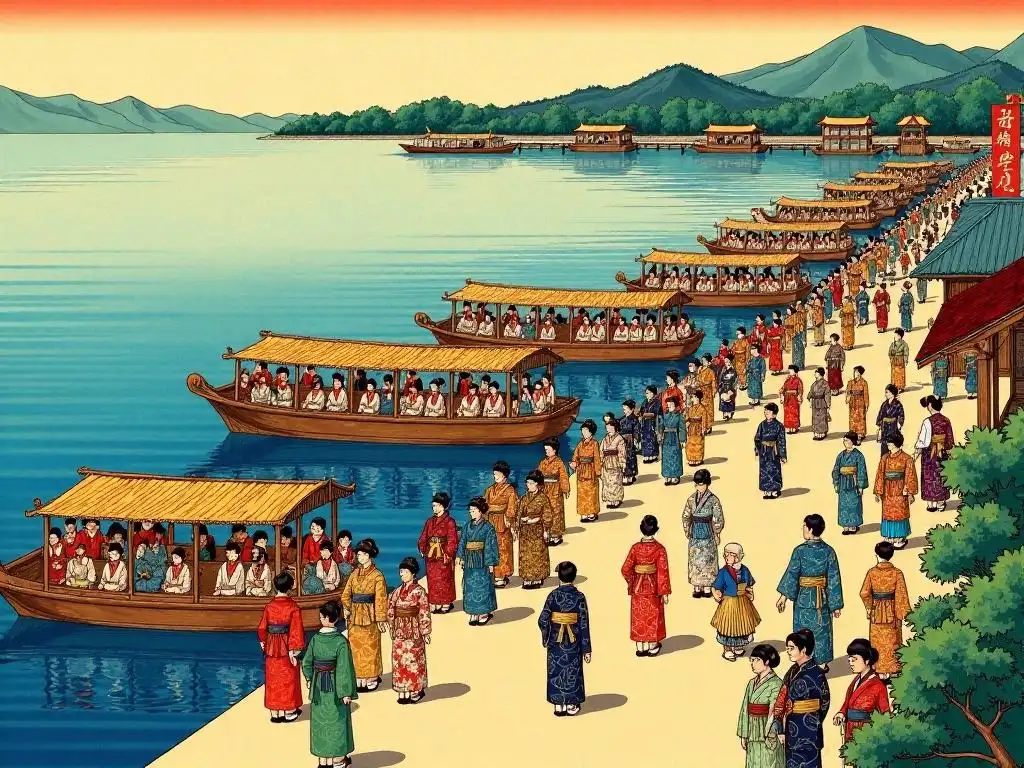
The Tokugawa Shogunate, which ruled Japan from 1603 to 1868, implemented a series of economic policies that significantly shaped the country's interaction with foreign trade. Central to these policies was the Shogunate's approach to managing foreign relations, which revolved around the concepts of isolationism and limited engagement. This strategic focus aimed to preserve the social order and political stability of Japan while regulating the economic influences from abroad.
Sakoku Policy: Isolationism and Its Economic Implications
The Sakoku policy, enacted in the early 17th century, established a strict isolationist framework that profoundly impacted Japan’s economy. Under this policy, Japan closed its borders to foreign influence, permitting only limited foreign trade primarily through designated ports.
- Key Features of Sakoku:
- Limited Trade Ports: The port of Nagasaki was the only place where foreign trade was allowed, primarily with the Dutch and the Chinese.
- Restriction on Foreigners: Foreigners were prohibited from entering Japan, and Japanese citizens were banned from traveling abroad.
- Cultural and Economic Self-Sufficiency: This policy encouraged the development of a self-sufficient economy, reducing reliance on foreign goods.
The economic implications of the Sakoku policy were significant. By controlling foreign trade, the Tokugawa Shogunate aimed to minimize the influence of Western powers and Christianity, which were seen as threats to the established social order. However, this isolation also meant that Japan missed certain technological advancements and economic opportunities that were emerging in the global market.
As a result, while domestic industries, such as textiles and pottery, flourished due to the lack of foreign competition, Japan's overall economic progress was stunted in comparison to Western nations. The Shogunate's isolationist stance ultimately created a distinct economic environment that was both insular and self-contained, fostering a unique Japanese culture but limiting international economic engagement.
Limited Foreign Relations and Trade Agreements
While the Sakoku policy enforced strict isolation, the Tokugawa Shogunate did engage in limited foreign relations and trade agreements to maintain a balance between control and economic necessity.
- Trade with the Dutch and Chinese:
- The Dutch were allowed to trade through the island of Dejima in Nagasaki. This relationship was unique as it was primarily driven by the desire to acquire Western knowledge and technology without the broader cultural influences that other Western nations represented.
- Trade with China provided essential goods such as silk and ceramics, which were highly valued in Japan.
- Korean Relations:
- The Shogunate maintained diplomatic relations with Korea, conducting trade through a tributary system. This interaction was limited but essential for acquiring certain resources and fostering cultural exchanges.
- Trade Agreements:
- The Tokugawa Shogunate entered into several treaties that allowed controlled foreign trade, primarily to fulfill domestic demands for luxury goods and to stabilize its economy. Such agreements were often one-sided, favoring Japan's interests while limiting foreign influence.
The careful orchestration of these limited foreign relations served to enhance the Tokugawa Shogunate's control over Japan’s economy while ensuring that it could benefit from the trade without succumbing to external pressures. As a result, this approach facilitated a unique blend of isolation and selective engagement that characterized Japan's economic landscape during the Tokugawa period.
The Tokugawa Shogunate's economic policies regarding foreign trade were rooted in a complex interplay of isolationism and selective engagement, shaping the nation's economic trajectory for over two centuries.
The Impact of Tokugawa Economic Policies on Society

The Tokugawa Shogunate, which reigned from 1603 to 1868, implemented a series of economic policies that profoundly transformed the social structure of Japan. These policies primarily aimed at stabilizing the economy and controlling the population, ultimately leading to a rigid caste system.
- Rigid Caste System: The social hierarchy was clearly delineated into four main classes:
- Samurai: The ruling elite, who were given stipends and land.
- Farmers: Considered the backbone of the economy, farmers were prioritized due to their role in food production.
- Artisans: Skilled workers who contributed to economic activities through craftsmanship.
- Merchants: Initially seen as the lowest class, merchants gained wealth but had limited social mobility.
- Land Taxation and Economic Control: Tokugawa policies emphasized agricultural productivity, leading to a system of land taxation that favored samurai and landowners. This taxation system not only ensured a stable income for the shogunate but also reinforced the power dynamics between classes.
- Urbanization and Class Mobility: While the caste system was strict, urbanization in cities like Edo (modern-day Tokyo) facilitated some social mobility. Merchants began to accumulate wealth and influence, challenging the traditional roles ascribed to the samurai class. The emergence of a wealthy merchant class, known as the "chōnin", contributed to shifting social dynamics.
- Economic Stagnation and Class Conflict: Despite initial prosperity, the rigid economic policies eventually led to stagnation. Increased taxation on farmers and restrictions on trade caused discontent, which manifested in peasant uprisings and class conflicts by the end of the Tokugawa era.
Cultural Developments Influenced by Economic Growth
The economic policies of the Tokugawa Shogunate not only shaped the social landscape but also fostered significant cultural developments, creating a distinctive period in Japanese history.
- Rise of the Merchant Class and Cultural Patronage: As the merchant class gained wealth, they became important patrons of the arts. This led to a flourishing of culture, particularly in the urban centers. Notable cultural phenomena included:
- Ukiyo-e: A popular woodblock printing art form that depicted landscapes, kabuki actors, and scenes of everyday life.
- Kabuki Theatre: This theatrical form gained prominence during the Tokugawa period, reflecting the tastes and interests of the urban populace.
- Literature and Education: With economic stability, literacy rates improved, leading to a boom in literature. The rise of popular literature demonstrated the growing accessibility of education and storytelling, contributing to a rich literary culture. Notable works from this period include:
- “The Tale of Genji” and “The Life of a Man Who Died in the Land of the Gods”, which showcased themes of love, adventure, and morality.
- Influence of Confucianism: The Tokugawa Shogunate adopted Confucian ideals to justify its rule and promote social harmony. This philosophical approach emphasized morality, loyalty, and proper conduct, significantly influencing education and governance.
- Culinary Developments: Economic growth also led to the diversification of food culture. The increased agricultural output allowed for more variety in diet, and urban centers saw the rise of restaurants and tea houses, which became cultural hubs.
- Art and Craftsmanship: The economic stability allowed artisans to refine their crafts, leading to advancements in pottery, textiles, and metalwork. The period is renowned for its exquisite craftsmanship and attention to detail, which became hallmarks of Japanese art.
The Tokugawa Shogunate's economic policies not only shaped the socio-economic landscape but also sparked a cultural renaissance that left a lasting legacy on Japanese society. The intricate interplay between economic growth and cultural development during this era remains a critical area of study for understanding Japan's historical trajectory.
Critiques and Challenges to Tokugawa Economic Policies
The Tokugawa Shogunate's economic policies were instrumental in shaping Japan's feudal economy during its rule from the early 17th to the mid-19th century. However, these policies were not without their critiques and challenges. A complex interplay of internal strife, class resistance, and economic disparities revealed the limitations and contradictions inherent in the Shogunate's economic framework. Understanding these critiques is crucial to grasping the full scope of the Tokugawa era's economic landscape.
Internal Conflicts and Economic Disparities
The Tokugawa economic policies aimed at stabilizing the economy through strict regulation and control, yet they inevitably led to internal conflicts and significant economic disparities among different social classes. The samurai class, tasked with maintaining order, found their stipends fixed, leading to dissatisfaction as inflation and rising living costs outpaced their incomes. Many samurai faced financial difficulties, resulting in a decline in their status and power.
Key factors contributing to internal conflicts include:
- Stagnation of agricultural productivity: The Tokugawa Shogunate focused heavily on rice production as a measure of wealth, which led to the neglect of other agricultural innovations. Despite a growing population, productivity did not keep pace, causing food shortages in some regions.
- Rigid class structure: The enforced caste system created barriers to social mobility, which exacerbated tensions between the ruling samurai class and the increasingly prosperous merchant class. The merchants, while economically successful, remained socially inferior, leading to resentment.
- Regional disparities: Economic policies favored certain domains (han) over others, leading to wealth accumulation in specific areas while neglecting others. This uneven distribution of resources contributed to regional conflicts and discontent.
The combination of these factors resulted in periodic uprisings and protests, as marginalized groups sought to challenge the status quo. Such internal conflicts were a direct challenge to the Tokugawa Shogunate's authority and highlighted the inadequacies of its economic policies.
The merchant class, despite being economically empowered, faced significant restrictions imposed by the Tokugawa Shogunate’s policies. The Shogunate implemented measures to control commerce, regulate prices, and restrict the wealth accumulation of merchants, leading to widespread resistance among this influential group.
Forms of resistance included:
- Formation of secret societies: Merchants began to organize themselves into secret societies to protect their interests and counter the restrictions placed upon them. These groups sought to promote free trade and challenge the Shogunate’s economic controls.
- Economic sabotage: Some merchants resorted to circumventing regulations through illicit trade practices, such as price manipulation and smuggling, to maximize profits. This resistance not only undermined the Shogunate’s authority but also contributed to increased economic instability.
- Cultural movements: The growing discontent among merchants led to a cultural shift that celebrated the merchant class’s contributions to society. This movement sought to redefine social values, emphasizing the importance of commerce and trade, and challenging the samurai's monopoly on status and power.
The economic policies of the Tokugawa Shogunate, while effective in creating a stable environment during the early years, ultimately faced significant challenges from internal conflicts and resistance movements. The tensions between the merchant class and the ruling elite underscored the limitations of a rigid economic framework that failed to adapt to changing societal dynamics. As the Shogunate grappled with these critiques, it became increasingly clear that the status quo was unsustainable, setting the stage for the significant transformations that would follow in Japan's Meiji Restoration.
Conclusion: Legacy of Tokugawa Shogunate Economic Policies

The Tokugawa Shogunate, which ruled Japan from 1603 to 1868, established an intricate economic framework that has left a profound legacy on Japan's economic landscape. The policies enacted during this period were not merely temporary measures; they were foundational elements that shaped the country's economic systems for generations. Understanding the lasting effects of these policies provides insight into the complexities of Japan's modern economy.
Lasting Effects on Modern Japanese Economy
The economic policies of the Tokugawa Shogunate promoted stability and growth, fostering an environment that allowed commerce to flourish. Key components of these policies included:
- Agricultural Reforms: The shogunate implemented measures to boost agricultural production, such as promoting rice cultivation and improving irrigation techniques. This not only increased food security but also stimulated rural economies by allowing farmers to produce surplus crops for sale in markets.
- Sakoku Policy: The Tokugawa's isolationist foreign policy, known as Sakoku, limited trade with foreign nations, which inadvertently led to the development of a unique domestic market. This self-sufficiency encouraged local industries to develop, laying the groundwork for Japan's later industrialization.
- Monetary System: The use of silver and gold coins as currency under the Tokugawa regime established a more unified monetary system. This system facilitated trade and commerce, allowing merchants to engage in larger transactions and contributing to the rise of a merchant class.
- Urbanization: The era saw significant urban growth, particularly in Edo (modern-day Tokyo), which became a bustling commercial center. The increase in urban populations spurred consumer demand and the growth of various industries, influencing Japan's economic structure even into the modern era.
Overall, the Tokugawa Shogunate's economic policies significantly shaped the foundations of Japan's contemporary economy, fostering a blend of traditional practices and modern techniques.
Reflection on How Tokugawa Policies Shaped Future Economic Frameworks
Analyzing the Tokugawa Shogunate's economic policies reveals their impact on subsequent economic frameworks in Japan. Several aspects are noteworthy:
- Merchant Class Empowerment: The rise of a wealthy merchant class during Tokugawa rule paved the way for social mobility. This class became instrumental in Japan's economic development, advocating for reforms that would later influence Japan's capitalist transformation during the Meiji Restoration.
- Infrastructure Development: The Tokugawa period saw substantial investments in infrastructure, such as roads and bridges, which facilitated trade and communication. This emphasis on infrastructure has continued to be a cornerstone of Japan's economic planning, evident in the development of railways and modern highways.
- Cultural Attitudes Towards Commerce: The Confucian ideals promoted during the Tokugawa era fostered a respect for commerce and trade, which has persisted in Japanese culture. Today, this respect for business and innovation can be seen in Japan's robust economy and its position as a global economic leader.
- Policy Continuity: Many policies initiated during the Tokugawa period were retained or adapted by subsequent governments. For instance, the focus on agricultural productivity and rural development can still be observed in contemporary agricultural policies in Japan.
The economic policies of the Tokugawa Shogunate were not merely a product of their time but rather a significant influence on the trajectory of Japan's economic history. The legacy of these policies can still be felt today, as they laid the groundwork for the complex and dynamic economic framework that characterizes modern Japan. Understanding this legacy is essential for appreciating the historical context of Japan's economic evolution and its current position in the global economy.
References and Further Reading on Tokugawa Economic Policies
Suggested Books and Articles
- "The Economic History of Japan" by Takafusa Nakamura
- This comprehensive text provides an extensive overview of Japan's economic development from ancient times through the Tokugawa period, emphasizing the unique characteristics of the Tokugawa Shogunate's economic policies.
- "Tokugawa Japan: The Social and Economic History of the Tokugawa Period" by John W. Hall
- Hall's work delves into the socio-economic structures of the Tokugawa era, analyzing how government policies influenced both the economy and society at large.
- "Japan's Early Modern Economy: The Tokugawa Period" by John E. Wills Jr.
- This book focuses specifically on the economic practices during the Tokugawa Shogunate, discussing trade, agriculture, and the impact of urbanization, supported by quantitative data.
- "The Tokugawa Shogunate: A History" by Jansen, Marius B.
- Jansen offers a well-rounded perspective on the Tokugawa Shogunate, exploring its political, cultural, and economic frameworks, including detailed examinations of economic policies.
- Articles in Academic Journals
- Numerous scholarly articles in journals such as The Journal of Asian Studies and The Journal of Economic History provide critical analyses of specific economic policies and their long-term implications on Japanese society.
Historical Documents and Primary Sources for Deeper Insight
To gain a more nuanced understanding of the Tokugawa Shogunate's economic policies, exploring primary sources is invaluable. Here are several key historical documents:
- "The Great Principles of Governance" (Shinri shūshō)
- A foundational text that outlines the philosophical underpinnings of the Tokugawa governance model, including its economic implications.
- "The Buke Shohatto" (Laws for the Military Houses)
- This document set forth regulations governing the samurai class, including economic responsibilities and land management, reflecting the Shogunate's control over the economy.
- "Records of the Tokugawa Shogunate" (Tokugawa jikki)
- A series of official documents detailing the administration's decisions, including economic policies, taxation, and trade regulations.
- "The Diary of a Merchant" (Shōnin nikki)
- Personal accounts from merchants during the Tokugawa period provide insights into daily economic activities, trade practices, and the impact of shogunal policies on commerce.
- "The Edo Period Taxation Records"
- These records offer a glimpse into the tax structures imposed by the Tokugawa government and how they affected both farmers and urban dwellers.
By engaging with these texts, readers can extract a deeper understanding of how the Tokugawa Shogunate's economic policies shaped the social and economic landscape of feudal Japan.
Frequently Asked Questions
What were the main economic policies of the Tokugawa Shogunate?
The Tokugawa Shogunate's economic policies focused on stability and control, promoting agricultural production while restricting foreign trade. This helped to create a self-sufficient economy during the feudal period.
How did the Tokugawa Shogunate influence trade in Japan?
The Shogunate implemented strict regulations on trade, limiting foreign interactions to specific ports. This approach aimed to protect Japanese interests and maintain a closed economy, fostering domestic growth.
What role did agriculture play in the Tokugawa economic system?
Agriculture was the backbone of the Tokugawa economy, with rice serving as both a staple food and a form of currency. The focus on agricultural development allowed the Shogunate to maintain social order and economic stability.
How did the Tokugawa Shogunate's policies affect the merchant class?
While the merchant class prospered under the Tokugawa, they were often viewed as lower status compared to samurai. The Shogunate's policies allowed merchants to accumulate wealth, but they were still subject to social hierarchies.
What were the long-term effects of the Tokugawa Shogunate's economic policies?
The long-term effects included the establishment of a stable economy and the rise of a commercial class, laying the groundwork for Japan's eventual modernization. However, these policies also contributed to social tensions that would emerge later.
Final Reflection: The Enduring Legacy of Tokugawa Shogunate Economic Policies
The economic policies of the Tokugawa Shogunate continue to resonate in today's discussions about governance and economic stability. As we navigate the complexities of modern economies, the lessons learned from Tokugawa's approach to trade, agriculture, and taxation remind us that thoughtful policy-making can create a foundation for long-term prosperity. The Shogunate's strategies were not merely historical footnotes; they were a blueprint that shaped the socio-economic landscape of Japan for centuries, demonstrating that effective governance can lead to remarkable societal transformations.
Clearly, the Tokugawa Shogunate's economic policies have left an indelible mark on Japan's cultural and social fabric. The careful balance between central authority and local autonomy fostered an environment where commerce thrived, and communities flourished. This historical context serves as a powerful reminder of the importance of sustainable economic practices in our own time. The greatest danger in times of turbulence is not the turbulence; it is to act with yesterday's logic.
– Peter Drucker. This quote encapsulates the need to learn from the past while adapting to the present, a principle that echoes the Tokugawa era's innovative spirit.
As we reflect on the Tokugawa Shogunate's economic policies, let us consider how we can apply these lessons in our own lives and communities. What can we learn from their approach to balance, sustainability, and community engagement? I invite you to explore how these historical insights can inspire your own economic decisions and policy considerations. By embracing the wisdom of the past, we can forge a path toward a more equitable and prosperous future, ensuring that the legacy of the Tokugawa Shogunate continues to inform and inspire generations to come.
Unveil the Secrets of Tokugawa Prosperity!
Thank you for exploring the fascinating economic strategies of the Tokugawa Shogunate! We hope you gained valuable insights into how their policies shaped the landscape of feudal Japan. Now, it’s time to put that knowledge into action and deepen your understanding.
Take the next step in your journey through history with these suggestions:
- Dive deeper: Read more about the socio-political implications of Tokugawa policies by visiting our collection of related articles.
- Share your thoughts: Engage in discussions with fellow history enthusiasts on our community forum. Your perspective can spark intriguing conversations!
- Explore a local exhibit: Seek out museums or cultural events that highlight Japanese history and its economic impacts—experience it firsthand!
What aspect of the Tokugawa economic strategies do you find most surprising or relevant today? We encourage you to share your thoughts below!