
Wealth Distribution in the Tokugawa Era: The Rise of the Merchant Class


Welcome to Feudal Japan History, where we embark on a fascinating journey through the intricate tapestry of Japan's feudal era. Dive deep into our exploration of the Tokugawa era wealth distribution, a pivotal theme that shaped the social and economic landscape of the time. Ever wondered how the rise of the merchant class transformed traditional hierarchies and influenced cultural dynamics? Join us as we unravel the complexities of wealth, power, and societal change in this captivating epoch. Stay with us to uncover the stories and insights that lie ahead!
Introduction to Tokugawa Era Wealth Distribution
The Tokugawa era, spanning from 1603 to 1868, stands as a pivotal chapter in Japan's history, marked by the establishment of a unified state under the Tokugawa shogunate. This period is not only notable for its political stability and cultural flourishing but also for its distinctive economic structure. A key aspect of this economic framework is wealth distribution, which fundamentally altered the social hierarchy of Japan.
While the samurai class traditionally held power and status, it was during the Tokugawa period that the merchant class began to rise, challenging the established norms and redistributing wealth in unprecedented ways. This article delves into the intricacies of wealth distribution in the Tokugawa era, emphasizing the merchant class's ascent and the implications of Tokugawa economic policies.
Overview of the Tokugawa Period
The Tokugawa period, also known as the Edo period, was characterized by a rigid class system where society was divided into four main categories: samurai, farmers, artisans, and merchants. The shogunate's policies aimed to maintain peace and order, leading to significant changes in the economic landscape. Merchants, once considered the lowest class, gradually accumulated wealth and influence, reshaping their role in society.
- Political Stability: The Tokugawa shogunate established a centralized government that reduced civil strife, allowing for economic growth.
- Urbanization: Cities such as Edo (modern-day Tokyo) flourished, creating new opportunities for trade and commerce.
- Cultural Developments: The period also saw advancements in arts, literature, and education, further enhancing the economic dynamism.
Importance of Wealth Distribution in Feudal Japan
Understanding wealth distribution during the Tokugawa era is crucial for comprehending the economic and social transformations that occurred. The shift in wealth from the samurai to the merchant class had profound implications:
- Social Mobility: The rise of the merchant class allowed for greater social mobility, challenging the rigid class distinctions of feudal Japan.
- Economic Innovation: Increased wealth among merchants spurred innovations in trade, banking, and finance, contributing to a burgeoning economy.
- Cultural Exchange: The emergence of a wealthy merchant class facilitated cultural exchanges and the patronage of arts, leading to a vibrant cultural scene.
The Tokugawa Economic Policies and Their Impact
The Tokugawa shogunate implemented various economic policies that significantly influenced wealth distribution and the rise of the merchant class. These policies were designed to stabilize the economy while also maintaining the shogunate's grip on power.
Key Economic Policies of the Tokugawa Shogunate
The Tokugawa economic policies were multifaceted, focusing on agriculture, trade, and taxation. Some key policies included:
- Promotion of Agriculture: The shogunate encouraged agricultural productivity, which was vital for sustaining the population and generating surplus wealth.
- Regulation of Commerce: The shogunate established regulations governing trade practices, which influenced how wealth was accumulated and distributed.
- Support for Infrastructure: Investments in infrastructure, such as roads and canals, enhanced trade routes, benefiting merchants and stimulating economic growth.
Regulation of Trade and Commerce
Trade and commerce were tightly regulated during the Tokugawa era, impacting the wealth distribution landscape. The government imposed restrictions on foreign trade but supported domestic markets, leading to:
- Rise of Domestic Markets: The focus on internal trade allowed merchants to flourish, increasing their wealth and influence.
- Guild Systems: Merchants often formed guilds to protect their interests and regulate pricing, contributing to their growing power.
- Regional Specialization: Different regions began to specialize in particular goods, facilitating more efficient trade networks.
Taxation and Its Effects on Different Classes
Taxation policies during the Tokugawa period had significant effects on different social classes, particularly the samurai and the merchant class:
- Samurai Tax Burden: Samurai were often burdened with heavy taxes, which diminished their wealth and status over time.
- Merchant Tax Incentives: In contrast, merchants sometimes received tax incentives, encouraging them to accumulate wealth and invest in enterprises.
- Economic Disparities: These policies contributed to widening economic disparities, as merchants amassed considerable wealth while the samurai class struggled to maintain their status.
The wealth distribution during the Tokugawa era reflects a complex interplay of economic policies, societal changes, and cultural developments that ultimately led to the rise of the merchant class, reshaping Japan's socio-economic landscape in fundamental ways.
The Tokugawa Era, lasting from 1603 to 1868, was marked by a rigid social hierarchy that significantly influenced wealth distribution throughout Japan. This period fostered a unique class system defined by four primary societal groups: samurai, farmers, artisans, and merchants. Each class played a distinct role in the economy and governance, with the samurai holding the highest status despite the increasing wealth and influence of the merchant class over time.
The social structure was deeply intertwined with the agricultural economy, where land ownership and agricultural productivity determined much of an individual's status and wealth. Although the samurai were seen as the ruling class, their financial reliance on land revenue often left them vulnerable, especially when faced with the rising affluence of merchants. This growing economic power of the merchant class would eventually challenge the established social order, leading to significant shifts in wealth distribution during the latter part of the Tokugawa period.
Hierarchical Structure: Samurai, Farmers, Artisans, and Merchants
The Tokugawa social hierarchy operated under a strict four-tier system:
- Samurai: At the top of the social ladder, the samurai were not only warriors but also bureaucrats who managed the land and enforced the law. They received stipends based on the rice yield of their domains, creating a direct link between their income and agricultural output.
- Farmers: Below the samurai, farmers were regarded as essential for sustenance, as they produced the food needed for society. Despite their importance, farmers often faced heavy taxation and other burdens that limited their wealth and autonomy.
- Artisans: Artisans occupied the next tier, skilled in various crafts and trades. Their work included producing tools, textiles, and household goods. While they had a measure of economic stability, their wealth was often dependent on the demands of farmers and merchants.
- Merchants: Traditionally viewed with disdain, merchants were seen as the lowest class, despite their growing wealth. Their role in trade and commerce allowed them to accumulate significant resources, gradually altering perceptions of their status within society.
This hierarchical structure created a dynamic tension, particularly as the merchant class began to rise in wealth and influence, challenging the established order and impacting wealth distribution across the Tokugawa realm.
The Role of the Samurai Class in Wealth Distribution
The samurai class played a pivotal role in the economic landscape of the Tokugawa Era, primarily through their control over land and governance. Initially, samurai income was derived from stipends based on their domain's rice production, which linked their wealth directly to agricultural output. However, as the economy evolved, many samurai found their stipends insufficient to maintain their lifestyles, leading them to engage in various commercial activities.
Despite their declining financial power, samurai held significant political authority, which allowed them to influence wealth distribution policies. They enacted laws that often favored their interests, restricting trade activities and regulating markets. This control over economic policies aimed to maintain their status but inadvertently facilitated the rise of the merchant class, who found ways to navigate and exploit these regulations for their benefit.
The samurai's struggle to maintain their status during this economic transformation illustrates the complexities of wealth distribution in the Tokugawa Era, as their traditional role became increasingly challenged by the burgeoning economic power of merchants.
The Changing Status of Farmers Under Tokugawa Rule
Farmers in the Tokugawa Era experienced significant shifts in their status and economic conditions. Initially regarded as the backbone of society, their role became increasingly complicated due to the heavy taxation imposed by the samurai class. Taxes were often collected in rice, which created a direct pressure on farmers to maximize their yields just to meet fiscal demands.
Moreover, the Tokugawa government implemented policies that favored agricultural innovation and productivity, leading to improved farming techniques and crop diversity. This progress allowed some farmers to accumulate wealth, elevating their status slightly within the rigid social hierarchy. However, land consolidation practices often meant that wealth became concentrated among a few landowners, leaving many farmers in precarious financial situations.
As the merchant class began to thrive, farmers found themselves in a challenging position, often reliant on credit from merchants to sustain their livelihoods. This shift not only altered wealth distribution but also set the stage for social changes that would later contribute to unrest and the eventual decline of the Tokugawa shogunate.
The Emergence of the Merchant Class
The rise of the merchant class during the Tokugawa Era marked a significant transformation in wealth distribution and social dynamics. Traditionally viewed as a lower class, merchants began to gain prominence as they navigated the complexities of trade and commerce, ultimately impacting the economy in profound ways.
As the economy expanded, fueled by increased agricultural output and improved transportation networks, merchants found new opportunities for wealth accumulation. Their growing financial power began to reshape the social landscape, challenging the established hierarchies that had defined the Tokugawa period.
Factors Leading to the Rise of Merchants
Several interlinked factors contributed to the rise of the merchant class during the Tokugawa Era:
- Economic Expansion: Increased agricultural productivity led to surplus production, which merchants capitalized on by facilitating trade. This expansion resulted in vibrant local and regional markets.
- Urbanization: The growth of cities and towns provided a fertile ground for merchant activities. Urban centers became hubs of trade where merchants could establish networks and increase their wealth.
- Transportation Improvements: Enhanced transportation infrastructure, including roads and waterways, allowed for more efficient movement of goods. This accessibility further fueled trade and commerce.
- The Shift in Perceptions: As merchants amassed wealth, societal perceptions began to change. Wealth became a more critical measure of status, diminishing the traditional disdain for merchants.
These factors collectively enabled merchants to challenge the established social order, leading to a reconfiguration of wealth distribution and social dynamics in the Tokugawa Era.
The Role of Urbanization in Wealth Accumulation
Urbanization played a crucial role in the wealth accumulation of the merchant class during the Tokugawa Era. As cities like Edo (modern-day Tokyo), Osaka, and Kyoto developed, they became vibrant centers of trade and commerce, attracting merchants and facilitating economic activities.
- Market Development: Urban centers fostered the emergence of markets where goods could be bought and sold freely. Merchants established shops and trading posts, creating economic opportunities that significantly contributed to their wealth.
- Cultural Exchange: Urbanization led to increased interaction between different classes and cultures, promoting a consumer culture that further benefited merchants. The demand for luxury goods and services surged, allowing merchants to capitalize on evolving consumer preferences.
- Financial Innovations: The urban merchant class also engaged in financial practices such as credit transactions and the establishment of banks. These innovations allowed for the expansion of trade and the accumulation of wealth through loans and investments.
As urbanization progressed, it not only transformed the economic landscape but also contributed to the erosion of the rigid social hierarchy, allowing merchants to ascend in status and influence.
Case Studies: Successful Merchants of the Tokugawa Era
The Tokugawa Era witnessed the emergence of several prominent merchants whose success stories exemplify the transformative power of commerce during this time. Some notable figures include:
- Mitsui Family: Originally a kimono shop, the Mitsui family expanded into a powerful trading conglomerate. They established a network of businesses, including finance and retail, positioning themselves as one of the wealthiest merchant families in Japan.
- Sumitomo Family: Starting as a copper dealer, the Sumitomo family leveraged their wealth to become influential in mining and commerce. Their ventures laid the groundwork for what would eventually evolve into one of Japan’s leading conglomerates.
- Shinoda Family: Known for their rice trading business, the Shinoda family capitalized on the agricultural surplus. They used their wealth to establish a significant presence in various markets, showcasing the potential for merchants to influence wealth distribution.
These case studies illustrate how individual merchants not only accumulated wealth but also contributed to the broader economic changes of the Tokugawa Era, reshaping the dynamics of wealth distribution and social structure in Japan.
Wealth Distribution Dynamics in Tokugawa Japan
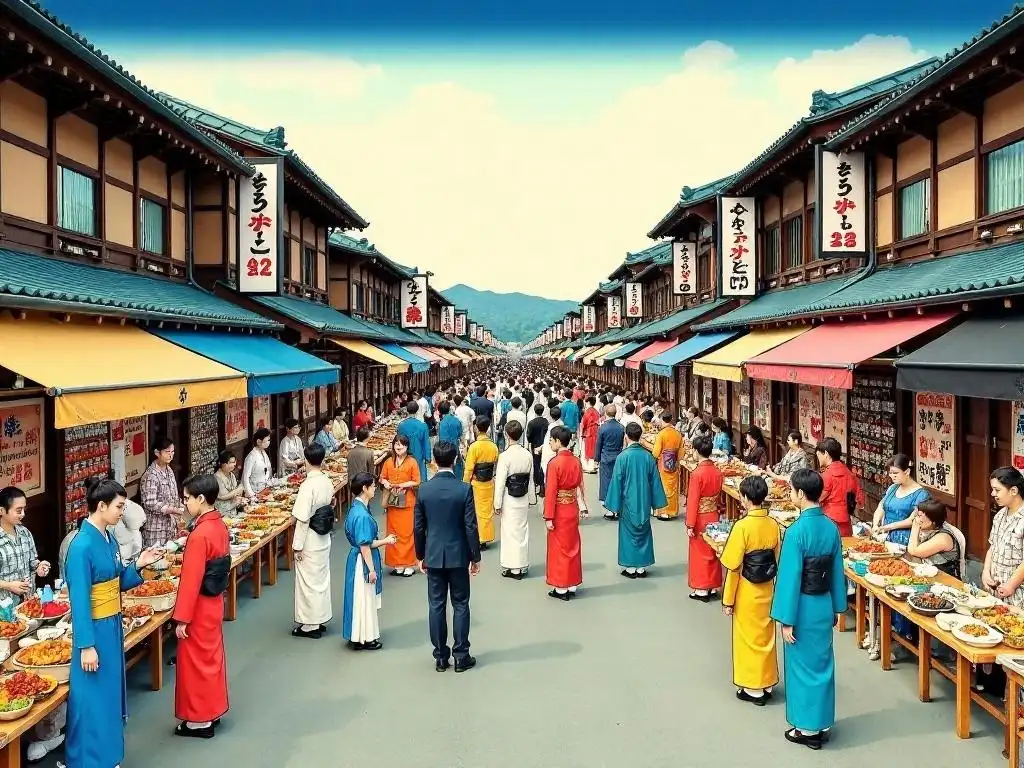
The Tokugawa era, which lasted from 1603 to 1868, marked a significant period of stability and economic development in Japan. The wealth distribution within this period was characterized by a rigid class structure dominated by the samurai, farmers, artisans, and merchants. However, as the era progressed, the merchant class began to rise in prominence, altering the traditional dynamics of wealth distribution.
The feudal system classified individuals into specific categories, with samurai at the top, followed by farmers, artisans, and merchants. Despite the hierarchical nature of this society, the merchants gradually amassed wealth through trade and commerce, particularly in urban centers like Edo (modern-day Tokyo), Osaka, and Kyoto. This economic shift led to a notable transformation in the distribution of wealth, as merchants not only accumulated capital but also invested in various sectors, including agriculture and industry.
Additionally, the Tokugawa shogunate implemented policies that indirectly facilitated this rise. The establishment of stable markets, road networks, and a system of currency exchange fostered commerce, allowing merchants to thrive. As a result, wealth became less tied to land ownership, challenging the traditional feudal values and creating a new economic landscape.
Analysis of Wealth Inequality Among Classes
Wealth inequality during the Tokugawa era was stark, reflecting the rigid class distinctions that characterized the period. The samurai class, despite being the ruling elite, often faced financial difficulties due to fixed stipends that did not adjust for inflation or economic changes. Many samurai found themselves in debt, leading to a decline in their economic power relative to the increasingly wealthy merchant class.
In contrast, the merchant class, initially seen as a low-status group, began to accumulate significant wealth. By engaging in trade, investing in agriculture, and providing loans, merchants were able to elevate their social standing and influence. This shift created tension between the samurai and merchants, as traditional values emphasized land ownership and warrior status over financial success.
Wealth inequality also manifested in urban versus rural disparities. Urban merchants enjoyed greater access to resources, information, and trade networks, while rural farmers struggled with high taxes and limited economic opportunities. This divide not only affected the material conditions of various classes but also influenced social mobility and class perceptions.
Regional Variations in Economic Prosperity
Economic prosperity in Tokugawa Japan varied significantly across regions, influenced by geographical, cultural, and political factors. The Kanto region, particularly around Edo, became a commercial hub due to its strategic location and burgeoning trade networks. This area saw a concentration of wealth among merchants who capitalized on the growing urban population and the demand for goods.
Conversely, areas such as the Tōhoku region, characterized by agricultural focus and limited access to markets, experienced slower economic growth. The disparity between urban and rural areas was further exacerbated by the shogunate's policies, which favored development in specific regions while neglecting others.
Moreover, the impact of local resources played a crucial role. Regions rich in natural resources or those with favorable climates for agriculture tended to prosper more than those without. The economic activities of each region, including rice production, textiles, and crafts, shaped the local wealth distribution.
The Influence of Mercantilism on Wealth Distribution
Mercantilism, a dominant economic theory of the Tokugawa era, significantly influenced wealth distribution and the rise of the merchant class. This economic philosophy emphasized the importance of trade, accumulation of capital, and state intervention in the economy. The shogunate’s policies promoted domestic commerce and manufacturing, leading to increased wealth among merchants.
Under mercantilism, the government implemented measures to control trade and production, including the regulation of prices and monopolies on certain goods. This created an environment where merchants could thrive, as they navigated the complexities of state policies while expanding their businesses. The growth of inter-regional trade networks facilitated the flow of goods and capital, further enhancing the economic power of merchants.
As merchants gained wealth, they began to influence local economies and even the political landscape. Their ability to finance projects, provide loans to samurai, and invest in local ventures increased their social status, challenging the traditional hierarchy. This shift marked a significant transition in Tokugawa society, as wealth became a more crucial determinant of power and influence.
Cultural Implications of Wealth Distribution
The changing dynamics of wealth distribution during the Tokugawa era had profound cultural implications, influencing arts, literature, and societal values. As the merchant class rose to prominence, their wealth allowed them to become patrons of culture and arts, leading to a flourishing of creativity and innovation.
Impact on Arts and Culture During the Tokugawa Era
The wealth generated by the merchant class contributed to a vibrant cultural scene in Tokugawa Japan. As merchants sought to display their status and sophistication, they became important patrons of the arts, supporting various forms such as ukiyo-e (woodblock prints), kabuki theater, and traditional crafts.
This patronage led to the emergence of new artistic styles and themes that reflected the changing society. The focus shifted from samurai-centric narratives to more diverse subjects, including the lives of common people, nature, and urban landscapes. The arts became an avenue for expressing individual identity and social aspirations, greatly influenced by the economic realities of the time.
Moreover, the exchange of ideas and cultural practices among merchants across regions fostered a dynamic cultural environment. The rise of entertainment districts in cities like Edo and Osaka created spaces where arts flourished, allowing for cross-pollination of artistic traditions and innovations.
The Merchant Class and Cultural Patronage
The merchant class's role as cultural patrons was instrumental in shaping the cultural landscape of the Tokugawa era. With their newfound wealth, merchants invested in various artistic endeavors, commissioning works from renowned artists and sponsoring performances.
This patronage not only allowed for the preservation and development of traditional art forms but also contributed to the creation of new genres that reflected the tastes and experiences of the urban populace. Merchants often sought to display their cultural sophistication through the acquisition of art and participation in cultural events, thus intertwining wealth with cultural identity.
Additionally, the merchant class's engagement with culture led to the development of a consumer culture, where art and entertainment became accessible to a broader audience. This democratization of culture represented a significant departure from the elite-centric art patronage of earlier periods.
Shifts in Social Perceptions of Wealth
The Tokugawa era witnessed a transformation in social perceptions of wealth, particularly as the merchant class grew in prominence. Traditionally, wealth was associated with land ownership and samurai status; however, the economic success of merchants began to challenge these notions.
As merchants accumulated wealth and exerted influence, societal attitudes shifted, leading to a more complex understanding of status and power. The idea that wealth could be earned through commerce rather than inherited through noble lineage gained traction, fostering a new meritocratic ethos.
This shift also brought about tensions within the social hierarchy. While samurai maintained a privileged status, their financial struggles created an environment where merchants could leverage their economic power to gain social standing. Over time, this changing perception contributed to the gradual erosion of the rigid class distinctions that had defined Tokugawa society.
Conclusion: The Legacy of Wealth Distribution in the Tokugawa Era
The Tokugawa era, spanning from 1603 to 1868, represents a pivotal period in Japan's history, marked by significant economic transformations and shifts in wealth distribution. The rise of the merchant class during this time not only altered the traditional social hierarchy but also laid the groundwork for future economic developments in Japan. The feudal structure, characterized by a rigid class system, began to show signs of flexibility as merchants gained wealth and influence. This evolution had profound implications for Japanese society and economy, leading to a more complex interplay between the different classes.
As the merchant class flourished, they began to play a crucial role in the economy, facilitating trade and commerce across the nation. This shift challenged the long-held notions of status and privilege, ultimately contributing to the decline of the samurai's economic dominance.
The wealth generated by the merchants also fueled cultural advancements, leading to the emergence of unique art forms, literature, and entertainment that reflected the changing societal values. The Tokugawa era's wealth distribution dynamics set the stage for Japan's transition into the modern era, influencing economic practices and social structures that would persist long after the fall of the shogunate.
Summary of Key Findings
The analysis of wealth distribution during the Tokugawa era reveals several key findings:
- Emergence of the Merchant Class: Traditionally viewed as lower in status, merchants rose to prominence, accumulating wealth and influencing trade practices.
- Economic Policies: The shogunate's policies, including restrictions on trade and taxation, inadvertently fostered conditions that allowed merchants to thrive.
- Cultural Flourishing: As merchants gained wealth, they became patrons of the arts, leading to a cultural renaissance that enriched Japanese society.
- Social Mobility: The era witnessed increasing social mobility, challenging the rigid feudal structure and allowing for the emergence of new social classes.
These findings illuminate the complex interplay between economic policies and social dynamics during the Tokugawa period.
Lasting Impacts on Modern Japan's Economic Landscape
The wealth distribution patterns established in the Tokugawa era continue to influence Japan's modern economic landscape. The rise of the merchant class showcased the potential for economic growth outside of the traditional samurai-dominated structure. This shift laid the foundation for Japan's eventual industrialization in the late 19th century, as the nation transitioned from a feudal economy to a more capitalist framework.
Key impacts include:
- Continued Economic Influences: The merchant class's ability to adapt and thrive paved the way for future business practices and entrepreneurial endeavors in Japan.
- Cultural Legacy: The cultural contributions of the Tokugawa period have had a lasting impact on Japanese arts and literature, which continue to be celebrated today.
- Social Fluidity: The relative social mobility experienced during the Tokugawa era has influenced modern perceptions of class and wealth in Japan, contributing to a more dynamic economic environment.
Overall, the legacy of wealth distribution during the Tokugawa era remains a crucial aspect of understanding Japan's economic history and its trajectory into the future.
References and Further Reading
Recommended Books and Articles on Tokugawa Economic Policies
-
"Tokugawa Japan: The Social and Economic History" by Jansen, Marius B.
This comprehensive work provides an in-depth analysis of the social and economic structures of Tokugawa Japan.
-
"The Economy of Tokugawa Japan" by T. S. Sato
An exploration of the various economic policies and their societal impacts throughout the Tokugawa period.
-
"Merchant Culture in the Edo Period" by Kuroda, Tatsuya
This book examines the cultural contributions of the merchant class and their role in Edo society.
Online Resources for Further Exploration of Feudal Japan
-
The Tokugawa Period: Economic and Cultural Developments
A concise overview available on various educational websites that provide insights into the economic policies and cultural shifts of the Tokugawa era.
-
Digital Archive of Japanese Historical Documents
This online resource offers access to a wealth of primary sources related to the Tokugawa period, including economic records and merchant correspondence.
-
Feudal Japan: A Historical Overview
An informative site that compiles articles, timelines, and analyses of key events and figures from Japan's feudal era, ideal for further exploration of the topic.
- Introduction to Tokugawa Era Wealth Distribution
- The Tokugawa Economic Policies and Their Impact
- Social Structure of the Tokugawa Era
- The Emergence of the Merchant Class
- Wealth Distribution Dynamics in Tokugawa Japan
- Cultural Implications of Wealth Distribution
- Conclusion: The Legacy of Wealth Distribution in the Tokugawa Era
- References and Further Reading
- What was the primary focus of the Tokugawa era regarding wealth distribution?
- How did the merchant class influence wealth distribution during the Tokugawa era?
- What role did agriculture play in wealth distribution in the Tokugawa era?
- Did the Tokugawa shogunate implement any policies regarding wealth distribution?
- How did the rise of the merchant class affect the social structure of feudal Japan?
Frequently Asked Questions
What was the primary focus of the Tokugawa era regarding wealth distribution?
The Tokugawa era emphasized a strict social hierarchy, where wealth was primarily concentrated among the samurai class and landowners, while the merchant class began to rise significantly.
How did the merchant class influence wealth distribution during the Tokugawa era?
The merchant class gained considerable economic power during the Tokugawa era, as they controlled trade and commerce, leading to a gradual shift in wealth distribution away from traditional landholding elites.
What role did agriculture play in wealth distribution in the Tokugawa era?
Agriculture was a cornerstone of the Tokugawa economy, with peasants providing the rice that sustained the ruling classes. However, agrarian wealth often favored local landowners initially before merchants gradually gained influence.
Did the Tokugawa shogunate implement any policies regarding wealth distribution?
Yes, the Tokugawa shogunate established policies that regulated land ownership and taxation, impacting how wealth was distributed among the classes, ultimately benefiting the rising merchant class.
The rise of the merchant class challenged the established social order, leading to increased economic mobility and altering the dynamics of wealth distribution, as merchants began to wield more influence in society.
Final Reflection: Understanding Tokugawa Era Wealth Distribution and Its Lasting Impact
The wealth distribution during the Tokugawa era serves as a powerful reminder of how economic structures can shape societal dynamics. In an age where the merchant class rose to prominence, we witness the intricate dance between power, wealth, and social mobility. This historical lens not only illuminates the past but also resonates with contemporary discussions on economic inequality and class stratification. The lessons from this era challenge us to reflect on our current systems and their implications for future generations.
Clearly, the Tokugawa era was a pivotal moment in shaping Japan's economic landscape, and its influence continues to echo in today's society. The ascendance of the merchant class during this period highlights the transformative power of commerce and trade, which can redefine social hierarchies. As we navigate our modern world, we can draw parallels between the Tokugawa era's wealth distribution and the ongoing debates about economic equity. History is not a burden on the memory but an illumination of the soul.
This quote encapsulates the idea that understanding our past can enlighten our present and guide our future.
As we conclude this exploration of Tokugawa era wealth distribution, I invite you to reflect on the lessons learned from this significant period. Consider how the dynamics of wealth and class affect your own life and community. What steps can you take to foster a more equitable society? By engaging with the historical context and applying its insights to our current realities, we can contribute to a future that honors the lessons of the past while striving for a more just and inclusive world.
Unveil Your Understanding of Tokugawa Wealth Dynamics!
Thank you for exploring this article on wealth distribution during the Tokugawa era! You've discovered the fascinating rise of the merchant class and how their influence reshaped feudal Japan's economy. Now, let's put that newfound knowledge into action.
Here are a few steps to further explore this captivating topic:
- Dive Deeper: Read more about the lives of merchants in Tokugawa Japan through various resources, including books and documentaries. Discover the unique stories that shaped their rise and status in society.
- Share Your Insights: Engage with fellow history enthusiasts by sharing this article or discussing the implications of wealth distribution in today's economy. Start a conversation on social media or within your local history group.
- Connect with the Community: Join online forums or groups dedicated to Japanese history. Connect with others who share your passion and exchange thoughts on the impact of the merchant class.
Which aspect of the Tokugawa merchant class intrigues you the most, and how do you think their influence parallels our modern economies?