
The Role of Ports in the Economic Development of Feudal Japan


Welcome to Feudal Japan History, where we embark on a comprehensive exploration of Japan’s rich feudal era. Here, you’ll uncover the intricate tapestry of historical, cultural, and societal aspects that defined this remarkable period. Dive into our latest article, "The Role of Ports in the Economic Development of Feudal Japan," where we unravel the economic impact of feudal Japan and reveal how bustling trade routes and maritime exchanges shaped the nation's prosperity. Prepare to be captivated and informed as you journey through the depths of Japan’s feudal past—your adventure starts now!
Introduction to the Economic Impact of Feudal Japan
The economic landscape of feudal Japan was intricately tied to its ports, which served as vital conduits for trade and cultural exchange. This period, spanning from the late 12th century to the mid-19th century, was characterized by a decentralized political structure dominated by powerful samurai clans. As a result, the economic impact of feudal Japan was heavily influenced by the growth of maritime commerce and the strategic utilization of various ports. Understanding the role of these ports provides valuable insight into how Japan's economy evolved, shaped by both domestic needs and international interactions.
Overview of Feudal Japan’s Economy
Feudal Japan's economy was fundamentally agrarian, with the majority of its population engaged in farming. However, trade emerged as a critical component that fueled economic growth and supported the samurai class. The economy can be broadly categorized into several key elements:
- Agriculture: Rice was the primary agricultural product, serving as both a staple food and a form of currency. The productivity of agricultural lands determined the wealth of feudal lords.
- Craftsmanship: Local artisans produced goods ranging from textiles to pottery, contributing to regional economies.
- Trade Networks: The establishment of trade routes, both overland and maritime, facilitated the exchange of goods, ideas, and cultural practices.
The interdependence of these elements highlights the importance of ports in connecting different regions and enabling economic exchanges.
Importance of Trade in Feudal Japan
Trade played a pivotal role in the economic development of feudal Japan, fostering both domestic and international relationships. Key aspects of this trade included:
- Domestic Trade: Local markets thrived as goods produced in rural areas were exchanged for urban products. This exchange encouraged the growth of towns and facilitated the emergence of a merchant class.
- International Trade: Feudal Japan engaged in trade with neighboring countries, notably China and Korea. These interactions introduced new technologies, luxury goods, and cultural influences that enriched Japanese society.
- Cultural Exchange: Ports were not just economic hubs; they were also melting pots of culture, where ideas and practices merged, influencing everything from cuisine to art.
Historical Context of Ports in Feudal Japan

The development of ports in feudal Japan was a response to the growing importance of trade as a catalyst for economic prosperity. Understanding their historical context reveals how these maritime gateways evolved over time.
Development of Maritime Trade Routes
During the feudal era, Japan's geographic layout encouraged the establishment of maritime trade routes. Significant developments included:
- Sengoku Period (1467-1603): This era of civil war saw an increase in regional trade as warlords sought resources to fund their armies. Ports became essential for the transportation of goods and troops.
- Rise of the Tokugawa Shogunate (1603-1868): The Tokugawa period marked a time of relative peace and stability, which allowed for the expansion of trade networks. Policies were implemented to regulate maritime trade, leading to the establishment of official trading ports.
Major Ports of Feudal Japan
Several ports played crucial roles in shaping the economic landscape of feudal Japan:
- Kamakura: As the political center during the Kamakura period, it served as a key trading hub, facilitating interactions with the Asian mainland.
- Osaka: Known as the "Nation's Kitchen," Osaka became a focal point for commerce, linking various regions and promoting economic activities.
- Nagasaki: This port was instrumental in foreign trade, particularly during the Edo period, as it was one of the few ports open to international commerce.
By understanding the historical context and significance of these ports, we can better appreciate their contributions to the economic development of feudal Japan.
Economic Functions of Ports in Feudal Japan
Ports played a crucial role in the economic development of feudal Japan, serving as vital nodes for trade and commerce. These maritime gateways facilitated the movement of goods, people, and ideas, which contributed significantly to the prosperity of various regions. The strategic location of ports allowed for the efficient handling of both domestic and international trade, leading to economic diversification and growth. As Japan transitioned from a primarily agrarian society, the ports became essential in connecting local economies with broader markets across Asia.
The development of ports also fostered the establishment of trade networks that spanned beyond Japan’s shores. These networks not only facilitated the import of foreign goods but also allowed Japanese products, such as silk and ceramics, to reach international markets. Consequently, ports became instrumental in shaping the economic landscape of feudal Japan, as they provided access to resources and markets that enriched local economies and contributed to the overall economic impact of feudal Japan.
Trade Facilitation and Economic Growth
The ports of feudal Japan were pivotal in facilitating trade, acting as conduits for the exchange of goods between regions. Major ports, such as Osaka, Nagasaki, and Kobe, emerged as bustling trade centers where merchants congregated to buy and sell commodities. The accessibility of these ports enabled the movement of agricultural products, textiles, and manufactured goods, stimulating economic growth.
In particular, the establishment of the Sakai port in the 16th century highlighted the significance of trade facilitation. It became a prominent hub for the exchange of rice, which was the cornerstone of the Japanese economy. The ability to transport rice efficiently not only increased agricultural productivity but also enhanced the wealth of local daimyos, further driving regional growth.
Ports also facilitated the importation of luxury goods, such as spices and textiles from Southeast Asia and Europe, thereby enriching Japanese markets. This influx of foreign goods led to the emergence of a consumer culture among the samurai and merchant classes, which spurred demand for local artisans and craftsmen, ultimately contributing to economic diversification.
Role of Ports in Regional Commerce
Regional commerce in feudal Japan heavily depended on the functionality of ports. They served as key distribution points where local products could be gathered and then exported to broader markets. The geographical positioning of ports allowed for the easy transport of goods from inland areas to coastal regions, effectively integrating local and regional economies.
The role of ports extended beyond mere trade; they also served administrative functions. Local governments often utilized ports to regulate trade, collect taxes, and enforce trade policies. This regulation was crucial in ensuring that trade benefitted the local economy while also supporting the ruling class.
Moreover, ports became centers for innovation and technological advancement in navigation and shipbuilding, which directly affected regional commerce. The development of larger, more capable vessels allowed for increased trade volumes and the ability to undertake longer voyages, thereby enhancing the economic impact of feudal Japan.
The Cultural Impact of Ports on Feudal Society
The cultural implications of ports in feudal Japan were profound, as they served not only as economic hubs but also as melting pots for cultural exchange. The interaction between different peoples and cultures fostered the dissemination of ideas, customs, and practices that enriched Japanese society.
Exchange of Goods and Cultural Practices
The exchange of goods through ports paved the way for the interchange of cultural practices. As foreign merchants arrived at Japanese ports, they brought with them not only their products but also their customs and traditions. This interaction led to the introduction of various foreign influences, such as culinary practices, artistic styles, and social customs.
For instance, the arrival of Portuguese traders in the 16th century introduced firearms to Japan, which had a lasting impact on Japanese warfare and military organization. Similarly, the introduction of Western artistic techniques influenced Japanese art, leading to the emergence of new styles and forms.
Furthermore, ports became venues for cultural festivals and events that celebrated both local and foreign traditions. These gatherings fostered a sense of community and cultural exchange, highlighting the ports' role in bridging diverse cultural backgrounds and enriching the social fabric of feudal Japan.
Influence of Foreign Trade on Japanese Culture
Foreign trade through ports significantly influenced Japanese culture, particularly during the Edo period when trade with Europeans and neighboring Asian countries flourished. The influx of foreign goods, ideas, and technologies promoted a cultural renaissance that reshaped Japanese society.
The introduction of Western literature, philosophy, and science through trade led to an increased interest in learning and education among the Japanese elite. This intellectual curiosity contributed to the development of a more informed society, which began to embrace new ideas while still valuing traditional Japanese customs.
Additionally, the port of Nagasaki became a focal point for the exchange of knowledge between Japan and the West. The influx of Christian missionaries, along with the establishment of trading posts, allowed for the exchange of religious and philosophical ideas that influenced Japanese thought.
Ultimately, the cultural impact of ports in feudal Japan extended beyond economic transactions; they were instrumental in shaping a diverse and dynamic society that was able to adapt and thrive amidst the influences of foreign cultures.
Challenges Faced by Ports in Feudal Japan
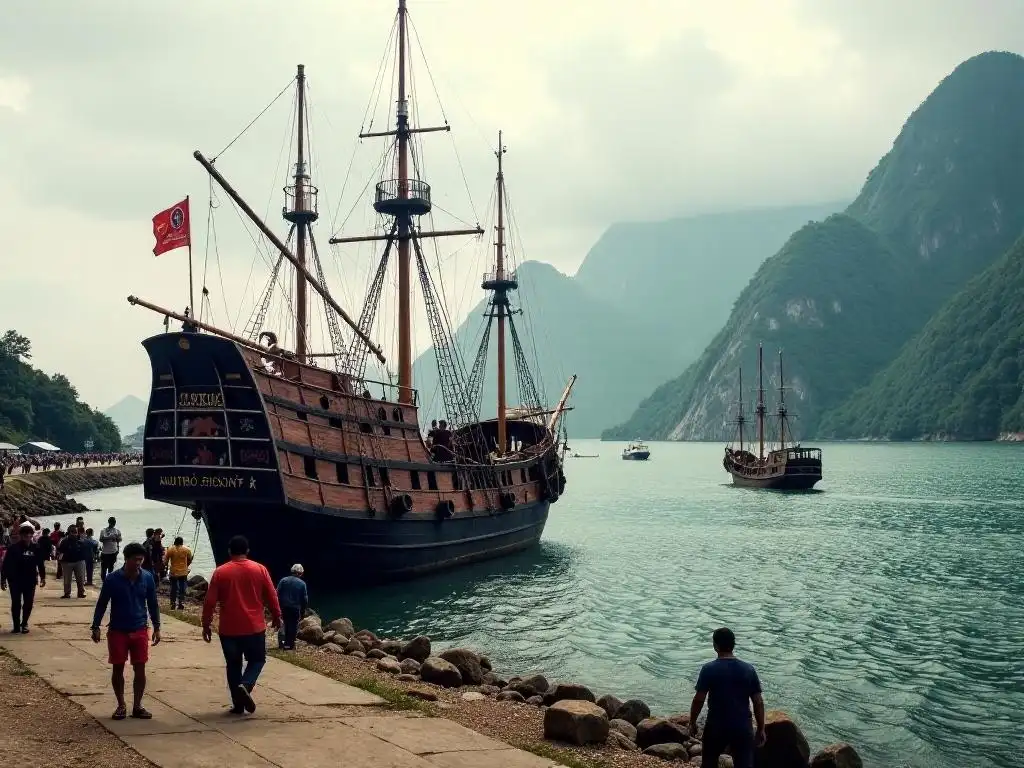
During the feudal period in Japan, ports played a crucial role in facilitating trade and supporting the economy. However, these ports faced numerous challenges that impacted their operational efficiency and, consequently, the broader economic landscape. Understanding these challenges is essential to grasp the economic impact of feudal Japan.
Natural Disasters and Their Economic Consequences
Natural disasters, such as earthquakes, tsunamis, and typhoons, were significant threats to the ports of feudal Japan. The archipelago's geographical location made it particularly vulnerable to seismic activity and severe weather events.
- Earthquakes: Japan is situated on the Pacific Ring of Fire, which results in frequent earthquakes. Notable events, such as the 1703 Genroku Earthquake, devastated many coastal areas, severely damaging port infrastructures. The destruction of docks and warehouses led to immediate economic losses and disrupted trade routes.
- Tsunamis: Following major earthquakes, tsunamis often struck the coast, compounding the damage. Ports like Kamakura faced catastrophic flooding, which not only destroyed existing goods and resources but also deterred future trade due to safety concerns.
- Typhoons: Seasonal typhoons posed another recurring challenge. Heavy rains and strong winds could damage ships, disrupt shipping schedules, and cause significant losses in cargo. The economic consequences of these disasters rippled through local economies, impacting trade relations and market stability.
The aftermath of these disasters required extensive resources for reconstruction, diverting funds that could have been used for further economic development.
Political Instability and Its Impact on Trade
The political landscape of feudal Japan was characterized by frequent conflicts and power struggles among various clans and warlords. This instability had profound implications for trade and port operations.
- Warlord Conflicts: The Sengoku period (1467-1603) epitomized this turmoil, with various factions vying for control. As ports were often strategic military assets, their control frequently changed hands, creating uncertainty for merchants and traders.
- Piracy and Banditry: Political instability also fostered a rise in piracy and banditry along coastal routes. Merchants faced threats from rogue groups, making shipping risky and costly. This insecurity deterred investment in port facilities and discouraged long-distance trade.
- Regulatory Changes: The transition of power among clans often led to abrupt changes in trade regulations. Different lords had unique policies regarding taxation and trade rights, leading to confusion and inefficiencies. Merchants had to navigate these shifting regulations, which hampered economic growth and stability.
Overall, the combination of natural disasters and political instability significantly hindered the economic development of ports in feudal Japan, impacting trade volumes and the growth of regional economies.
The Legacy of Ports on Japan's Economic Development
Despite the challenges faced during the feudal era, the ports of Japan left a lasting legacy that shaped the country’s economic trajectory. Their evolution during this period laid the groundwork for Japan's future maritime activities and economic systems.
Transition from Feudalism to Modern Economic Systems
As Japan transitioned from feudalism to a more centralized state in the late 19th century, the legacy of its ports became evident. The restoration of the Meiji era (1868) marked a significant shift in Japan’s economic policies and trade practices.
- Modernization of Port Infrastructure: Recognizing the importance of ports for trade, the Meiji government invested heavily in modernizing port facilities. This included expanding existing ports and constructing new ones, such as Yokohama, which became a major international trade hub.
- Integration into Global Trade Networks: The modernization efforts facilitated Japan’s integration into global trade networks. The establishment of steamship lines and improved shipping technologies allowed for increased export of goods, such as silk and manufactured products, contributing to rapid economic growth.
- Shift in Economic Focus: The focus shifted from regional trade dominated by feudal lords to a national economy driven by industrialization and modernization. Ports became pivotal in facilitating the exchange of goods, ideas, and innovations, further propelling Japan into the global economy.
Lasting Influence of Maritime Trade on Japan’s Economy
The influence of maritime trade, originating from the foundations laid by feudal ports, continues to resonate in Japan's economy today.
- Cultural Exchange: Ports not only facilitated the exchange of goods but also ideas and culture. This cultural interchange helped to shape Japan’s identity and fostered a spirit of innovation that persists in modern times.
- Economic Resilience: The experiences of ports during the feudal era equipped Japan with the resilience to adapt to changing economic conditions. The ability to recover from natural disasters and political upheavals became integral to Japan’s economic philosophy.
- Global Trade Position: Today, Japan is one of the world’s leading economies, with ports like Tokyo, Osaka, and Nagoya serving as critical nodes in global trade. The historical significance of these ports underscores their role in the evolution of Japan's economic landscape, demonstrating the enduring impact of feudal maritime trade.
While ports in feudal Japan faced numerous challenges, their legacy significantly influenced the country's economic development, shaping the trajectory of Japan's transition to a modern economic power.
Conclusion
The ports of feudal Japan played a crucial role in shaping the economic landscape of the nation, serving as vital hubs for trade, cultural exchange, and economic interaction. Their development not only facilitated the movement of goods but also fostered relationships with neighboring regions and contributed to the overall prosperity of Japanese society during this era. The interplay between regional ports and their economic impact illustrates the importance of maritime trade in enhancing local economies, strengthening political ties, and promoting cultural exchanges.
Summary of the Economic Impact of Feudal Japan through Ports
The economic impact of feudal Japan through its ports can be summarized in several key points:
- Facilitation of Trade: Ports served as gateways for both domestic and international trade, allowing for the exchange of goods such as rice, textiles, and ceramics. Major ports like Osaka, Nagasaki, and Kamakura became bustling centers of commerce, linking Japan's agricultural heartlands with urban markets and foreign traders.
- Cultural Exchange: The influx of foreign merchants and traders through the ports brought new ideas, technologies, and cultural influences. This exchange enriched Japanese society and contributed to innovations in various fields, including art, science, and industry.
- Economic Growth: The prosperity generated by trade through ports stimulated local economies and led to the growth of cities. As trade flourished, so did the development of infrastructure, including roads and warehouses, further enhancing economic activities.
- Political Power: Control over ports often translated into political power, as lords and shoguns sought to dominate trade routes. The strategic importance of ports often influenced territorial disputes and alliances, affecting the broader political landscape of feudal Japan.
These factors combined illustrate how the ports were not merely points of entry and exit but pivotal players in the economic development of feudal Japan, influencing various aspects of life and governance.
Reflection on the Historical Significance of Ports in Trade and Commerce
Reflecting on the historical significance of ports in trade and commerce during feudal Japan reveals their multifaceted role in shaping not only the economy but also the cultural and social fabric of the time. The ports were instrumental in the dissemination of goods and ideas, acting as conduits for both local and foreign interactions.
- Integration of Regions: Ports helped integrate remote regions into larger economic networks. The ability to transport goods efficiently across water facilitated commerce between the islands of Japan and encouraged inter-regional trade, which was essential for the distribution of resources.
- Foundation of Urban Centers: Many of Japan's historical urban centers emerged around these ports, as they attracted merchants, craftsmen, and laborers. This urbanization contributed to the rise of a merchant class, which played a significant role in the economic hierarchy of feudal society.
- Influence on Shogunate Policies: The significance of ports was recognized by the ruling shogunates, which implemented policies that promoted maritime commerce. These policies not only catered to economic needs but also ensured the shogunate's grip on power through control of trade routes.
The ports of feudal Japan were more than mere economic facilitators; they were central to the era's cultural and political narratives. Their historical significance highlights the interconnectedness of trade, culture, and governance, illustrating the profound impact that these maritime gateways had on the development of Japan as a nation.
- Introduction to the Economic Impact of Feudal Japan
- Overview of Feudal Japan’s Economy
- Importance of Trade in Feudal Japan
- Historical Context of Ports in Feudal Japan
- Economic Functions of Ports in Feudal Japan
- The Cultural Impact of Ports on Feudal Society
- Challenges Faced by Ports in Feudal Japan
- The Legacy of Ports on Japan's Economic Development
- Conclusion
- What were the main ports that contributed to feudal Japan's economy?
- How did the ports affect trade in feudal Japan?
- What role did the samurai play in port activities?
- How did the economy of feudal Japan change with the development of ports?
- What was the impact of foreign trade on feudal Japan's economy?
Frequently Asked Questions
What were the main ports that contributed to feudal Japan's economy?
The key ports included Kamakura, Osaka, and Nagasaki, which facilitated trade and the exchange of goods, boosting the economic development during the feudal era.
How did the ports affect trade in feudal Japan?
Ports served as crucial hubs for both domestic and international trade, allowing for the flow of resources and cultural exchange that significantly influenced the economic landscape of feudal Japan.
What role did the samurai play in port activities?
Samurai were often tasked with protecting trade routes and ensuring the safety of merchants, contributing to the stability necessary for economic growth in port cities.
How did the economy of feudal Japan change with the development of ports?
The development of ports led to an increase in commercial activities, which shifted Japan from a self-sufficient agrarian economy to one that engaged more actively in trade and commerce.
What was the impact of foreign trade on feudal Japan's economy?
Foreign trade introduced new products and technologies, enhancing the economic diversity of feudal Japan and enabling the growth of new industries and trade networks.
Final Reflection: The Enduring Economic Impact of Feudal Japan's Ports
The economic impact of feudal Japan is a theme that resonates deeply in today's globalized world, where trade routes and ports continue to serve as vital arteries for commerce. The intricate relationship between ports and economic development during feudal Japan not only shaped the nation’s historical landscape but also laid the groundwork for modern economic practices. As we reflect on this topic, it becomes clear that understanding the past is essential for navigating the complexities of our current economic systems.
The influence of ports in feudal Japan extends far beyond mere trade; they were cultural melting pots that fostered exchange and innovation. The bustling activity at these ports facilitated not only the movement of goods but also the sharing of ideas, technologies, and cultural practices. This dynamic environment contributed significantly to the social fabric of the time. As historian William McNeill aptly stated, Trade is the mother of civilization.
This quote encapsulates the essence of how economic interactions through ports were foundational to the development of society in feudal Japan, a lesson that remains relevant as we consider the interconnectedness of our world today.
As we conclude our exploration of this vital topic, I invite you to reflect on the lessons learned from the economic impact of feudal Japan's ports. Consider how the principles of trade, collaboration, and cultural exchange can be applied in your own life and community. Let the historical significance of these ports inspire you to engage with the world around you, fostering connections that can lead to mutual growth and understanding. Embrace the spirit of exploration and collaboration, for it is through these efforts that we can build a more prosperous future together.
Unveil the Economic Impact of Ports – Take Action Today!
Thank you for joining us on this journey into the intricate role that ports played in the economic development of feudal Japan. We hope you found valuable insights into how these bustling hubs influenced trade, culture, and prosperity. Now, it's time to delve deeper and connect further with this fascinating topic!
Here are some actionable steps you can take:
- Explore more about specific ports in feudal Japan by visiting our dedicated resources and discovering their unique histories.
- Share your knowledge with others by discussing the significance of trade routes and ports in shaping Japan's economy during this era.
- Join our community by subscribing to our newsletter for more articles, insights, and discussions about the rich history of feudal Japan.
Which aspect of feudal Japan's economic development through ports fascinates you the most, and why? We invite you to share your thoughts in the comments below!