
The Role of Women in Feudal Japan's Isolationist Economy

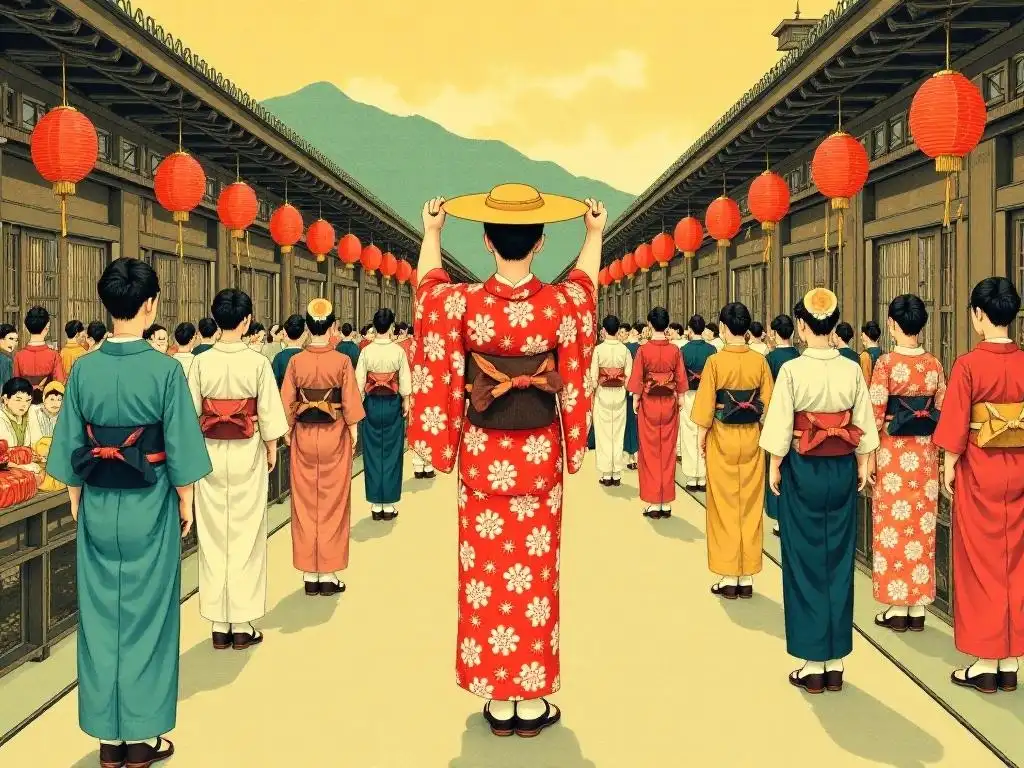
Welcome to Feudal Japan History, where we embark on an intriguing journey through the captivating tapestry of Japan's feudal era. Dive into our latest article, "The Role of Women in Feudal Japan's Isolationist Economy," and discover the often-overlooked contributions of women in shaping the economic landscape of this unique period. As we unravel the complexities of their roles, you’ll find that the influence of women goes far beyond traditional boundaries. Prepare to challenge your perceptions and uncover the rich narratives that continue to resonate today. Let’s explore the depths of this fascinating topic together!
- Introduction to Women in Feudal Japan's Economy
- Historical Context of Women in Feudal Japan
- Economic Contributions of Women in Feudal Japan
- Education and Skill Development Among Women
- Challenges Faced by Women in the Feudal Economy
- Case Studies of Prominent Women in Feudal Japan Economy
- The Legacy of Women in Feudal Japan's Economy
- Conclusion
- Frequently Asked Questions
- Final Reflection: The Enduring Legacy of Women in Feudal Japan's Economy
- Unveil the Untold Stories of Women in Feudal Japan!
Introduction to Women in Feudal Japan's Economy
In the intricate tapestry of Feudal Japan, the roles of women often remain overshadowed by the tales of samurai and shoguns. However, their contributions to the economy during this period—particularly within the framework of Japan’s isolationist policies—were both significant and multifaceted.
This article delves into the pivotal role women played in shaping the economic landscape of Feudal Japan, exploring how their labor, skills, and social status intertwined with the broader economic structures of the time. By examining the intersection of gender and economy, we shed light on the often-overlooked contributions of women in an era defined by rigid hierarchies and isolationist practices.
Overview of Feudal Japan's Isolationist Policies
Feudal Japan, particularly during the Edo period (1603-1868), adopted strict isolationist policies known as sakoku. This approach limited foreign influence and trade, creating a self-sufficient economy that emphasized internal resources and local production. Key characteristics of these policies included:
- Limited Foreign Contact: Japan restricted international trade to designated ports, such as Nagasaki, where only the Dutch and Chinese were allowed to engage in commerce.
- Cultural Homogeneity: The isolationist stance fostered a unique Japanese culture, free from external influences, which was both a source of pride and a barrier to technological advancement.
- Internal Economic Focus: The emphasis on local agriculture and crafts led to the development of a robust domestic economy, with significant roles for various social classes, including women.
These policies created a unique economic environment that necessitated the active participation of all members of society, particularly women, who were integral to sustaining local economies through various means.
Importance of Women's Roles in Economic Context
Women in Feudal Japan were not merely passive figures; they were vital contributors to the economy. Their involvement ranged from agricultural labor to managing household finances, and they played a crucial role in sustaining the family unit and, by extension, the economy. Key aspects of their roles included:
- Agricultural Contribution: Women participated significantly in farming, often handling tasks such as planting, weeding, and harvesting. They were responsible for producing essential crops, which directly impacted food security.
- Craftsmanship and Trade: Many women engaged in textile production, pottery, and other crafts, which were vital for local trade. Their skills not only provided for their families but also contributed to the economic fabric of their communities.
- Management of Household Economies: Women were often tasked with budgeting and managing household resources, which included overseeing agricultural production and trade. This role was crucial in ensuring the financial stability of families during the isolationist period.
Through these contributions, women played an indispensable role in the economy of Feudal Japan, demonstrating resilience and adaptability in a society that often relegated them to subordinate social positions. Understanding their economic impact offers a more holistic view of this historical era and highlights the integral roles women played in shaping Japan's isolationist economy.
Historical Context of Women in Feudal Japan

The historical context of women in Feudal Japan is intricately tied to the broader socio-political and economic frameworks of the time. The feudal era, spanning from the late 12th century to the mid-19th century, was characterized by a rigid social hierarchy and the dominance of the samurai class. This period was marked by isolationist policies, particularly during the Edo period (1603-1868), which influenced not only the economy but also the roles and status of women.
Within this context, women were often relegated to domestic roles, with their contributions to the economy largely taking place within the household. However, this period also saw women playing crucial roles in agriculture, textiles, and trade. Despite societal constraints, many women managed family businesses, especially in urban centers, contributing significantly to the local economy.
Feudal Japan operated under a highly stratified social hierarchy, typically divided into four main classes:
- Samurai
- The warrior class, who held power and land.
- Responsible for upholding the law and maintaining order.
- Farmers (Peasants)
- Constituted the majority of the population.
- Responsible for agricultural production, which was the backbone of the economy.
- Artisans
- Skilled laborers who produced goods.
- Contributed to local economies through craftsmanship.
- Merchants
- Often viewed with disdain, they profited from the labor of others.
- Played a vital role in trade and commerce, particularly during the Edo period.
Women’s roles varied significantly across these classes. Samurai women were expected to manage the household and uphold family honor, while peasant women often worked alongside men in fields and were key to agricultural production.
Women's Status in Society During the Feudal Era
The status of women in feudal Japan was complex and often contradictory. While women were generally expected to adhere to Confucian ideals of subservience and domesticity, they also had agency in specific contexts.
- Legal Rights
- Women could inherit property, especially in the case of samurai families, where daughters could inherit if there were no male heirs.
- Divorce, while complex, was not entirely uncommon, and women could initiate it under certain circumstances.
- Economic Contributions
- Women played a substantial role in agriculture, particularly in rice cultivation, which was central to the economy.
- In artisan families, women often contributed to the production process, weaving cloth or making pottery, thus directly impacting household income.
- Rural vs. Urban Dynamics
- In rural areas, women’s labor was indispensable to sustaining agricultural practices and managing household economies.
- Urban women, particularly from merchant families, had more opportunities to engage in trade and business, with some even running successful enterprises.
While the overarching narrative of women in feudal Japan often emphasizes their subservience, it is crucial to recognize their significant economic contributions and the varied roles they played across different classes and regions. Understanding these dynamics sheds light on the keyword "Women in Feudal Japan Economy" and highlights the nuanced interplay between gender, class, and economic activity during this historical period.
Economic Contributions of Women in Feudal Japan
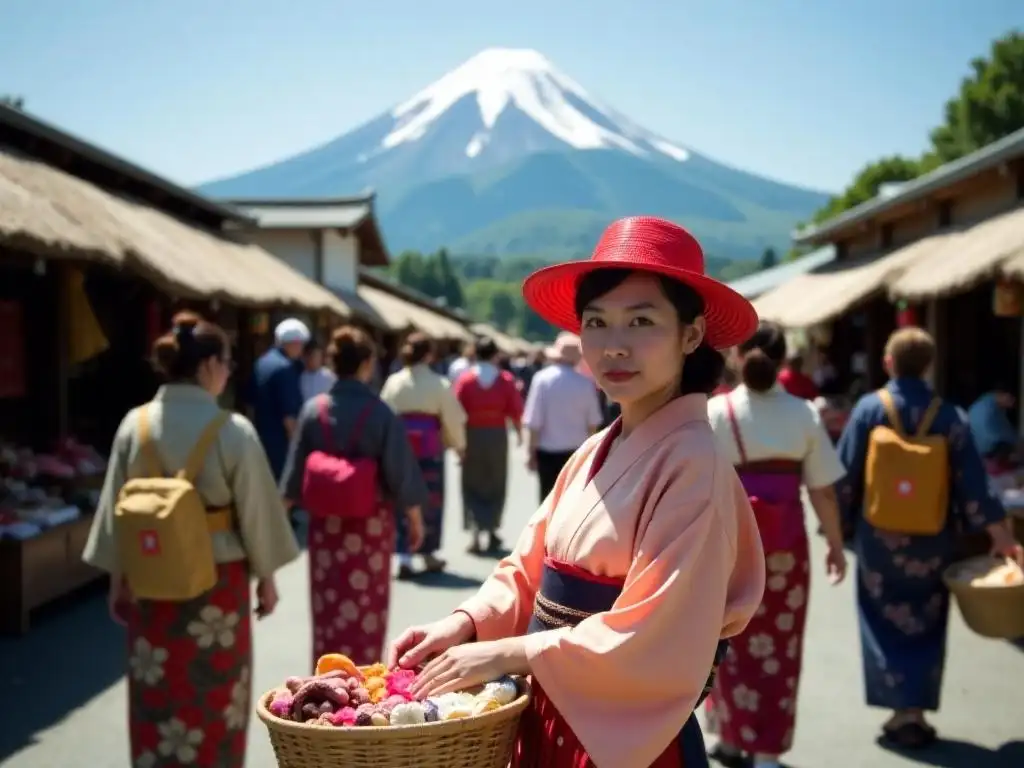
The role of women in the economy of feudal Japan was substantial yet often overlooked. Their contributions spanned various sectors, from agriculture to handicrafts, and played a critical part in sustaining the economy during this era. Understanding these contributions provides a clearer picture of the intricate social and economic fabric of feudal Japan.
Women's Roles in Agriculture
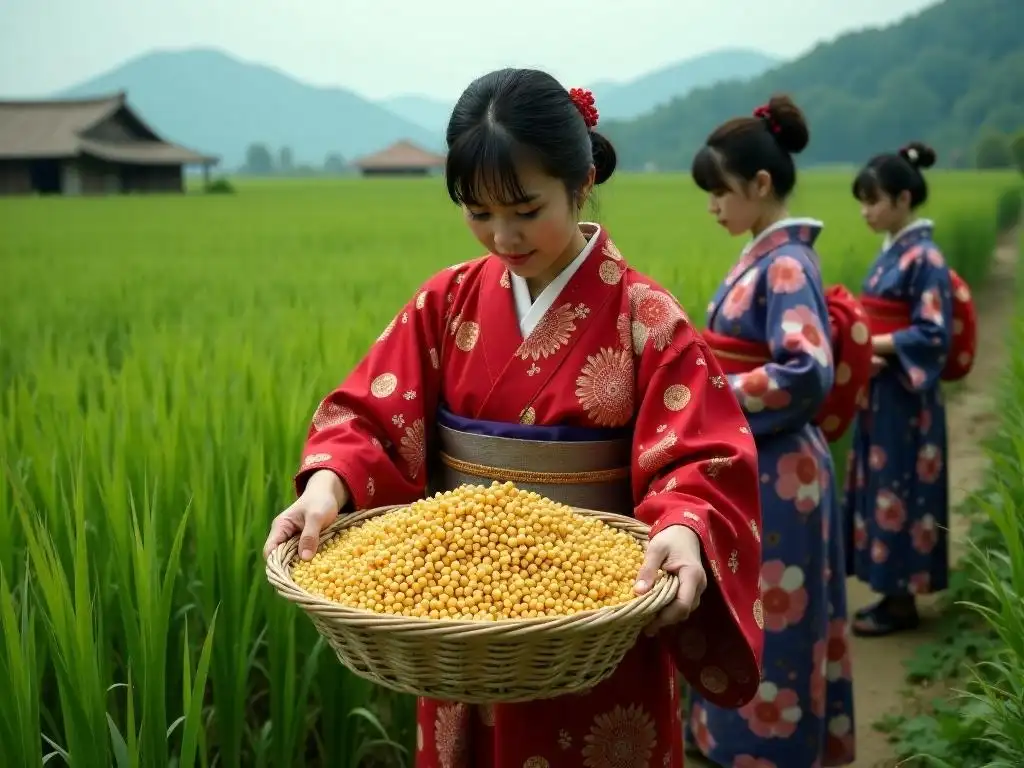
Women were essential to agricultural production in feudal Japan, primarily responsible for tasks such as planting, weeding, and harvesting crops. The family unit typically operated as a collective agricultural team, where women often performed labor-intensive tasks that were vital for the sustenance of the household.
- Crop Production: Women engaged in the cultivation of rice, millet, and other staple crops. They utilized traditional farming techniques passed down through generations, ensuring that knowledge of crop management was preserved.
- Livestock Rearing: In addition to crop production, women were involved in the care of livestock, which provided essential resources such as milk, meat, and labor for farming. This aspect of their work contributed significantly to the household economy.
- Seasonal Labor: During peak agricultural seasons, women often worked alongside men. In times of harvest, their contributions were invaluable, reflecting a division of labor that, while gendered, was cooperative.
The economic significance of women's agricultural labor is demonstrated in village records, where women's contributions were often noted alongside those of men, highlighting their integral role in food production and economic stability.
Participation in Handicrafts and Textile Production
Women in feudal Japan were also heavily involved in handicrafts and textile production, creating goods that were essential for both domestic use and trade.
- Weaving and Sewing: Women were primarily responsible for weaving fabric and making clothing. This included everything from everyday garments to ceremonial attire, showcasing their skills in needlework and artistry.
- Dyeing Techniques: The practice of dyeing textiles was another area where women excelled. They used natural dyes from plants and minerals, which not only added beauty to their creations but also contributed to the local economy through the sale of dyed textiles.
- Crafting Household Goods: Beyond textiles, women crafted various household items, including pottery, baskets, and tools. These goods were essential for daily life and often had significant economic value within local markets.
The skills women developed in handicrafts not only supported their families but also provided an avenue for economic independence, particularly among widows or those without male guardians.
Influence in Trade and Market Activities
Women played a crucial role in trade and market activities, contributing to the economic framework of feudal Japan.
- Market Participation: Many women participated actively in local markets, selling agricultural produce, handmade goods, and textiles. Their presence in these markets was significant, as women often managed household finances and made purchasing decisions for the family.
- Bartering and Trade Networks: Women engaged in bartering, exchanging goods and services within their communities. This informal trading network was vital for the circulation of goods and helped to foster relationships among community members.
- Role as Entrepreneurs: Some women, particularly those from lower classes or the merchant class, became entrepreneurs, establishing small businesses that catered to local needs. They sold food, textiles, and crafts, contributing to the local economy and gaining a degree of financial independence.
Overall, the economic activities of women in feudal Japan were essential for the resilience of the isolationist economy, demonstrating their indispensable role in sustaining and advancing the livelihoods of their families and communities.
Education and Skill Development Among Women
The role of women in Feudal Japan's economy was significantly influenced by their access to education and the skills they developed throughout their lives. Though the era is often characterized by rigid gender roles, the educational opportunities available to women varied depending on their social class, regional context, and the prevailing cultural attitudes of the time.
Access to Education for Women in Feudal Japan
In Feudal Japan, education for women was primarily a privilege of the upper classes, particularly among samurai families. The Confucian values that permeated Japanese society emphasized the importance of women's roles as wives and mothers, often relegating their education to domestic skills. However, this did not entirely preclude women from obtaining a more formal education.
- Samurai Women:
- Many samurai women received education in reading and writing, along with lessons in literature and poetry. This knowledge was considered essential for managing household affairs and maintaining family honor.
- Historical texts, such as the Tale of Genji, reflect the literacy and cultural sophistication of women in the noble classes.
- Peasant Women:
- Education for peasant women was far less formal. While literacy rates were low among the lower classes, practical skills such as weaving, agriculture, and herbal medicine were passed down through generations.
- Oral traditions played a crucial role in transmitting knowledge, enabling women to manage farms and participate in local economies effectively.
- Religious Institutions:
- Buddhist and Shinto temples sometimes provided educational opportunities for women, especially in the context of religious teachings and rituals.
- Women could become nuns or priestesses, gaining access to a form of education that allowed them to engage in community leadership.
Skills Acquired by Women and Their Economic Impact
The skills developed by women in Feudal Japan had significant implications for the economy, particularly in agrarian societies. These skills were not only vital for household management but also contributed to local economies in various ways.
- Textile Production:
- Women were primarily responsible for textile production, which included spinning, weaving, and dyeing fabrics. This industry was crucial for both local consumption and trade.
- The introduction of techniques like kasuri (ikat) weaving showcased women's craftsmanship and significantly impacted the economy by creating valuable goods for trade.
- Agriculture and Food Production:
- Women's roles in agriculture were indispensable. They participated in planting, harvesting, and processing food, which ensured sustenance for families and communities.
- The cultivation of rice and other staple crops relied heavily on women's labor, contributing to the overall stability of the feudal economy.
- Traditional Crafts and Commerce:
- Many women engaged in traditional crafts, including pottery, lacquerware, and paper-making. These goods were often sold at local markets, establishing women as significant players in the economy.
- The emergence of female-led enterprises, despite societal restrictions, demonstrated women's resilience and adaptability in contributing to the feudal economy.
The education and skill development of women in Feudal Japan played a crucial role in shaping the economic landscape of the time. While their contributions often went unrecognized in the patriarchal society, the skills they acquired were essential for both their families and local economies, illustrating a complex interplay between gender and economic activity within the isolationist policies of the era.
Challenges Faced by Women in the Feudal Economy
The role of women in feudal Japan's economy was fraught with challenges that stemmed from legal restrictions, social norms, and economic limitations. Despite their contributions, women often found themselves marginalized and constrained within a patriarchal society that enforced strict gender roles.
In feudal Japan, legal frameworks and societal expectations significantly limited the rights and roles of women. The Confucian ideals that permeated Japanese culture during this period emphasized male authority and female subservience, resulting in stringent social norms that dictated women's behavior and opportunities.
- Marriage and Property Rights:
- Women were often viewed primarily through the lens of marriage and childbearing, with their identities tied to their husbands.
- Upon marriage, a woman's rights to her family’s property were typically relinquished to her husband, leaving her without economic independence. This practice was known as "marital coverture," which effectively erased a woman’s legal identity once she married.
- Limited Legal Agency:
- Women had minimal legal rights and were largely excluded from participating in formal legal processes.
- For instance, they could not inherit land or engage in contracts without male approval. This lack of agency significantly restricted their ability to influence their economic circumstances.
- Cultural Expectations:
- Women were expected to adhere to the "Onna Daigaku" (The Great Learning for Women), which emphasized domestic roles and virtues such as obedience and modesty.
- These cultural norms not only defined their societal roles but also reinforced the idea that women's primary duties were to serve their families and support their husbands.
Economic Limitations Under Feudal Governance
The economic landscape of feudal Japan presented additional hurdles for women, as governance structures were designed to favor male landowners and samurai class.
- Agricultural Labor:
- Women often participated in agricultural labor, which was vital to the economy; however, their contributions were typically unpaid and unrecognized.
- They worked alongside men in the fields, yet their labor was often overshadowed by the contributions of their male counterparts, who were seen as the primary breadwinners.
- Role in Craft Production:
- Some women engaged in craft production, such as weaving or pottery, which were crucial to local economies. Despite their efforts, these industries were often dominated by male artisans who controlled the markets and distribution.
- Women’s crafts were typically limited to the household or local markets, restricting their economic reach and autonomy.
- Participation in Trade:
- Although women occasionally participated in local trade and markets, societal stigma often dissuaded them from engaging in more lucrative trades or long-distance commerce.
- Merchant families sometimes allowed women to manage businesses, yet they were often under the supervision of male relatives, which still curtailed their independence.
The challenges faced by women in the feudal economy of Japan were deeply rooted in legal, social, and economic structures. Despite their essential roles, they were continually hindered by a system that prioritized male authority and restricted female agency, ultimately shaping their experiences and contributions during this era.
Case Studies of Prominent Women in Feudal Japan Economy

Feudal Japan was marked by a complex social structure and a strict hierarchy, yet women played significant roles within this framework, particularly in the economic landscape. This section explores two notable figures: Tomoe Gozen and Hojo Masako, whose contributions reflect the diverse ways women influenced the economy during this era.
Example of Tomoe Gozen and Her Economic Influence
Tomoe Gozen, a legendary figure from the late 12th century, is often celebrated for her prowess as a warrior, but her economic influence is equally noteworthy. As a female samurai, she was not only a skilled fighter but also played a role in the management of resources during the Genpei War. Her story highlights how women in feudal Japan could wield power and influence beyond traditional roles.
-
Military and Economic Leadership:
Tomoe served under Minamoto no Yoshinaka, where her contributions extended to logistical support, including the management of supplies and troop provisions. This role was crucial, as the success of military campaigns often hinged on the availability of resources.
-
Land Management:
After the war, Tomoe was granted lands, which she managed effectively. This was significant as land ownership in feudal Japan was closely tied to economic power. Women like Tomoe, who could own and manage land, were able to exert influence within their domains.
-
Cultural Legacy:
The tales of Tomoe Gozen have transcended centuries, shaping the perception of women in samurai culture. Her legacy serves as an inspiration, highlighting that women could engage actively in the economy, particularly in times of conflict.
Example of Hojo Masako and Her Contributions
Hojo Masako, the daughter of Hojo Tokimasa and wife of Minamoto no Yoritomo, is another significant figure in the economic history of feudal Japan. Her contributions spanned governance and economic management, making her one of the most powerful women of the Kamakura period.
-
Political Power:
Hojo Masako assumed a crucial role in the Kamakura shogunate after her husband’s death. As the shogunate's de facto leader, she was integral in managing the economic policies of the time. Her influence extended to decisions affecting land distribution and taxation, essential elements of the economy.
-
Support of the Samurai Class:
Masako's governance included the support and expansion of the samurai class, strengthening the military economy. By ensuring that samurai families were adequately compensated and rewarded, she contributed to the stability of the economy during her tenure.
-
Promotion of Trade:
Under her influence, the Kamakura period saw an increase in trade activities. Masako recognized the importance of commerce in sustaining the economy and facilitated trade relations with other regions. This not only enhanced the economic landscape but also allowed women to participate in market activities, challenging traditional gender roles.
Both Tomoe Gozen and Hojo Masako exemplify the vital roles women played in the feudal economy of Japan. Their contributions underscore the importance of recognizing women's impact in shaping economic structures, even within the confines of a patriarchal society. These case studies illustrate that women were not merely passive figures but active participants in the economic narrative of feudal Japan.
The Legacy of Women in Feudal Japan's Economy
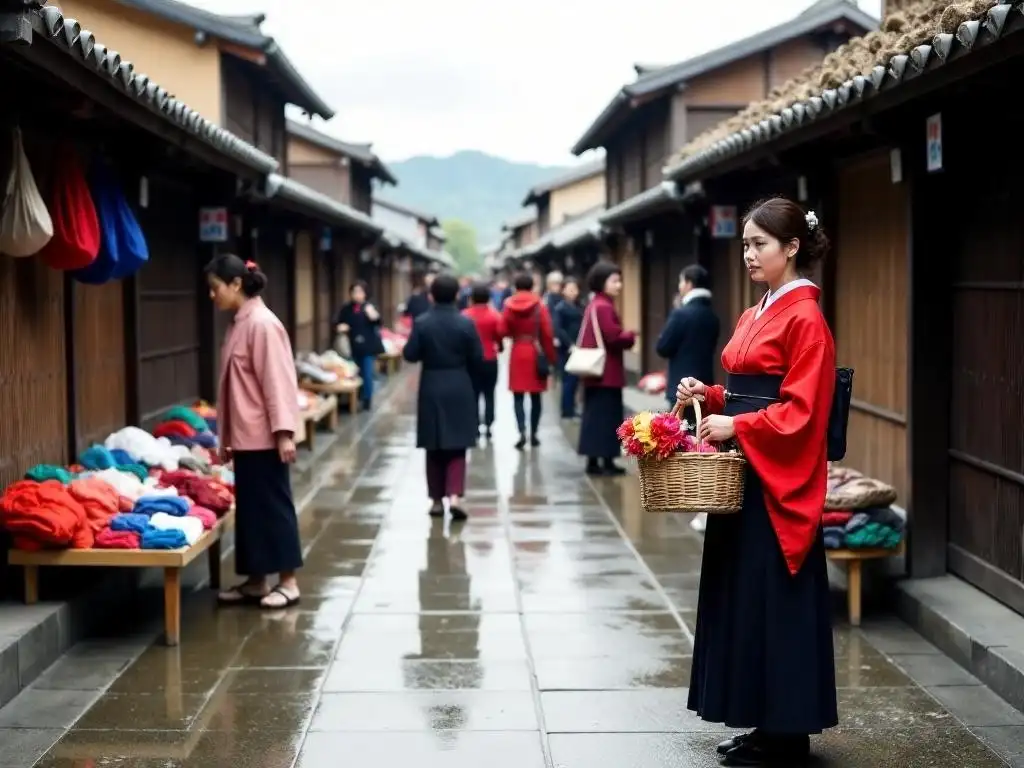
The role of women in feudal Japan was multifaceted and deeply intertwined with the economic fabric of the society. While often relegated to domestic responsibilities, women were significant contributors to the economy, particularly in agricultural settings and artisanal crafts. Their labor was crucial not only for household sustenance but also for local markets, where they often engaged in the production and sale of goods.
Long-term Effects on Modern Japanese Society
The legacy of women in feudal Japan's economy can be traced through various avenues that have shaped modern Japanese society.
- Cultural Perceptions: The historical contributions of women have influenced contemporary views on gender roles in Japan. While modern Japan still grapples with gender inequality, the recognition of women's roles in the past has sparked discussions about their potential in today’s workforce.
- Economic Participation: Women’s involvement in feudal economies laid groundwork for their participation in today's labor market. The skills acquired through traditional crafts and agriculture have evolved, allowing women to enter various sectors, from technology to service industries.
- Education and Empowerment: The need for literacy and education among women, which emerged during the feudal period as a way to manage households and businesses, has led to a more educated female population today. The emphasis on education has empowered women to pursue careers that were previously inaccessible.
- Community Leadership: Women in feudal Japan often played key roles in community decision-making and resource management. This historical precedent influences current movements advocating for women's leadership in local and national governance.
- Economic Resilience: The adaptive strategies women employed to sustain their families during times of strife have instilled a sense of resilience that persists in modern Japanese culture. This resilience is mirrored in women-led businesses and initiatives that thrive even in challenging economic climates.
Recognition of Women's Historical Roles in Economic History
In recent years, there has been a growing recognition of women's contributions to Japan's economic history, particularly during the feudal era. Scholars and historians have begun to re-evaluate the narratives that have often overlooked women's roles in favor of more prominent male figures.
- Academic Research: Increased academic focus on the role of women in historical economic development has led to a richer understanding of their contributions. Research highlights how women were integral in textile production, rice cultivation, and even trade, challenging the perception that they were merely passive participants in the economy.
- Cultural Narratives: Literature, art, and folklore from the feudal period often depict women as central figures in family and community life. These narratives have started to be revisited, emphasizing their agency and influence within the economic context.
- Policy and Advocacy: Current policymaking often reflects on historical gender roles to better inform initiatives aimed at achieving gender equality in the workforce. Recognizing the historical impact of women’s labor informs modern debates about labor rights and gender equity.
- Public Awareness: Documentaries, exhibitions, and educational programs are increasingly highlighting the contributions of women in feudal Japan, fostering a broader public understanding and appreciation of their roles. This awareness is crucial for addressing historical biases and acknowledging the full scope of Japan’s economic history.
The legacy of women in feudal Japan's economy is profound and far-reaching, influencing not only historical narratives but also modern societal structures and attitudes towards gender roles. Their historical significance in the economy serves as a foundation for ongoing discussions about women's rights and economic participation today.
Conclusion
Summary of Women's Impact on Feudal Japan's Isolationist Economy
The role of women in Feudal Japan's economy was multifaceted and crucial to the sustenance of the isolationist policies that characterized this period. Women were not merely passive figures; they were active participants in various sectors, including agriculture, textile production, and trade, which were essential for the economic stability of isolated Japan.
- Agricultural Contributions:
- Women played a significant role in agricultural practices, often working alongside men in rice cultivation, which was the backbone of the economy. Their labor was vital during planting and harvesting seasons.
- The introduction of specific crops and agricultural techniques can partially be attributed to the innovative practices of women farmers who adapted to local conditions.
- Textile Production:
- The textile industry, particularly silk and cotton production, relied heavily on women. They were responsible for spinning and weaving, skills that were passed down through generations.
- Women’s involvement in textile production not only supported their families but also contributed to local economies, as textiles were a significant trade good even within Japan's isolationist framework.
- Trade and Market Activity:
- Women often managed family businesses, especially in local markets. They were responsible for selling goods, which included home-produced items, thus playing a key role in the local economy.
- Some women became influential as merchants in their own right, navigating the complexities of a restricted trade environment while ensuring their families' financial stability.
Final Thoughts on the Historical Significance of Women's Roles
The historical significance of women in Feudal Japan's economy cannot be overstated. Their contributions were essential in maintaining the economic fabric of a society that thrived under isolationist policies. Women were not just participants; they were innovators and leaders within their spheres.
- Resilience and Adaptability: The ability of women to adapt to changing economic conditions and their resilience in the face of societal constraints shaped the economic landscape of Feudal Japan. They often found ways to exercise agency, even within the confines of a patriarchal society.
- Cultural Preservation: Women's roles extended beyond economic contributions to cultural preservation. They were instrumental in passing down traditions, crafts, and knowledge, which helped maintain the cultural identity of Japan during a time of strict isolation.
The contributions of women in Feudal Japan's economy were integral to the survival and prosperity of their communities. Their efforts not only supported their families but also bolstered the economy, highlighting their importance in a society that often overlooked their significance. Understanding these roles provides a more nuanced view of Japan's economic history and the complex interplay between gender and economic development during this unique period.
Frequently Asked Questions
What was the economic role of women in Feudal Japan?
Women in Feudal Japan played a crucial role in the agricultural economy, managing household tasks and contributing to farming. They were essential for maintaining family finances and food production.
How did women's roles change during the isolationist period?
During the isolationist period, women's roles became more defined within the home, focusing on domestic responsibilities. However, they also engaged in local markets, contributing to the economy through trade and craft.
Were women allowed to own property in Feudal Japan?
Yes, women could own property in Feudal Japan, particularly in the form of inheritance. This ability gave them a degree of economic independence, although societal norms often limited their control.
What industries did women participate in during this era?
Women participated in various industries, including textiles, agriculture, and food production. They often worked as artisans, producing goods for local markets and enhancing the economic landscape.
How did the societal status of women affect their economic contributions?
The societal status of women significantly influenced their economic contributions. While some women held positions of power as merchants or landowners, many were restricted to roles that limited their economic influence.
Final Reflection: The Enduring Legacy of Women in Feudal Japan's Economy
The role of women in Feudal Japan's economy was not merely a footnote in history; it was a cornerstone that shaped the very fabric of society. Today, as we navigate through discussions about gender roles and economic contributions, it becomes increasingly clear that understanding the past is essential for recognizing the complexities of our present. The resilience and resourcefulness of women during this period serve as a powerful reminder of their indispensable contributions, challenging the traditional narratives that often overshadow their significance.
The influence of women in Feudal Japan's economy continues to resonate in contemporary discussions about gender equality and economic empowerment. Their ability to adapt and thrive in a restrictive environment highlights the importance of women's roles in shaping economic landscapes, both historically and in modern times. As we reflect on this, we are reminded of the words of historian Joan Kelly: Women have always been part of the economic system, even when their contributions were rendered invisible.
This observation underscores the ongoing struggle for recognition and equality that women face today, as we strive to ensure that their voices and contributions are acknowledged and valued.
As we conclude this exploration of women in Feudal Japan's economy, I invite you to reflect on the lessons learned from their experiences. Consider how you can honor their legacy by advocating for gender equity in your own life and community. Whether through supporting women-owned businesses, championing equal opportunities, or simply acknowledging the contributions of women in your surroundings, each action can contribute to a more inclusive and equitable society. Let us carry forward the spirit of resilience and empowerment that these women embodied, ensuring that their stories continue to inspire future generations.
Unveil the Untold Stories of Women in Feudal Japan!
Thank you for diving into the fascinating world of Feudal Japan and exploring the significant yet often overlooked contributions of women in its isolationist economy. Your interest helps shed light on the remarkable roles these women played in shaping history. Now, let’s take that knowledge and turn it into action!
Here are some steps you can take to deepen your understanding and share these stories:
- Engage with our community: Join our history forum dedicated to Feudal Japan and discuss your thoughts on women's roles with fellow history enthusiasts.
- Read further: Explore our recommended readings section for insightful books and articles that delve deeper into the lives of women in this era.
- Share your insights: Write a blog post or social media update about what you've learned and tag us to help spread awareness!
In what ways do you think the roles of women in Feudal Japan can inspire modern conversations about gender and the economy?