
The Economic Impact of Natural Disasters on Japan's Isolationist Policies


Welcome to Feudal Japan History, where we embark on a riveting journey through the intricate tapestry of Japan's feudal era. Here, we delve into the profound economic impact of natural disasters and how they shaped the nation’s isolationist policies. What secrets lie within the interplay of catastrophe and culture during this pivotal time? Join us as we uncover the layers of history that not only define an era but also echo through time, influencing Japan’s path forward. Prepare to explore the forces that molded a society, and discover the stories that await just beyond this introduction!
Introduction to Japan's Feudal Era and Economic Context
The feudal era of Japan, spanning from the late 12th century until the mid-19th century, was a transformative period that shaped the nation's social structure, culture, and economy. This era witnessed the rise of powerful samurai clans, intricate land ownership systems, and the establishment of a hierarchical society governed by loyalty and honor.
However, the economic landscape of feudal Japan was not solely defined by these structures; it was also profoundly influenced by external factors, particularly natural disasters. The interplay between economic challenges—stemming from earthquakes, tsunamis, and agricultural failures—and Japan's isolationist policies reveals a complex dynamic that is crucial for understanding Japan's historical trajectory.
Overview of Japan’s Feudal Era
Japan's feudal era was characterized by a decentralized political system where power was concentrated in the hands of local lords or daimyo, who governed their territories with considerable autonomy. The emperor remained a figurehead, while the real power was wielded by the shogunate. This period saw significant developments in agriculture, trade, and urbanization, particularly during the Edo period (1603-1868).
The economy was primarily agrarian, with rice being the staple crop, which not only served as a food source but also as a form of currency. Trade flourished in certain regions, but the overall economic activity was heavily influenced by natural disasters that disrupted agricultural production and trade routes.
Significance of Economic Impact in Japan's History
Understanding the economic impact of natural disasters during the feudal era is essential for grasping the broader historical narrative of Japan. These events often led to famines, population displacement, and social unrest, which in turn forced the government to adapt its policies. The economic repercussions were not merely localized but had far-reaching effects on Japan's isolationist stance. As the country faced repeated natural calamities, the response from the ruling shogunate involved tightening control over trade and foreign relations, ultimately shaping the course of Japan’s economic history.
Understanding Isolationist Policies in Japan
Definition of Isolationism in the Context of Japan
Isolationism in Japan, often referred to as "sakoku" (literally, "locked country"), was a national policy that restricted foreign relations and trade. Enforced from the early 17th century until the mid-19th century, this policy aimed to eliminate foreign influence, protect Japanese culture, and maintain social order. Under sakoku, Japan severely limited contact with the outside world, allowing only a few designated trading partners, primarily the Dutch and Chinese, to engage in commerce.
Historical Background of Japan's Isolationist Policies
The roots of Japan’s isolationist policies can be traced back to the tumultuous period of the Sengoku (Warring States) era, where internal conflict and foreign intrusion threatened the stability of the nation. Following the unification of Japan under the Tokugawa shogunate, a series of edicts were implemented to curtail foreign influence, especially after the arrival of European missionaries and traders. The shogunate’s desire to maintain control and prevent the spread of Christianity were pivotal in codifying isolationist measures.
The Role of the Tokugawa Shogunate in Enforcing Isolation
The Tokugawa shogunate played a crucial role in establishing and enforcing Japan's isolationist policies. The shogunate implemented strict regulations that limited foreign trade and interaction, leading to the establishment of a rigid social hierarchy and a self-sufficient economy. By controlling trade routes and interactions with foreign entities, the Tokugawa regime aimed to minimize the impact of external disturbances, such as natural disasters, on Japan’s economy. This control was essential in fostering a sense of stability and order during a period marked by economic vulnerability.
Natural Disasters in Japan's Feudal Era
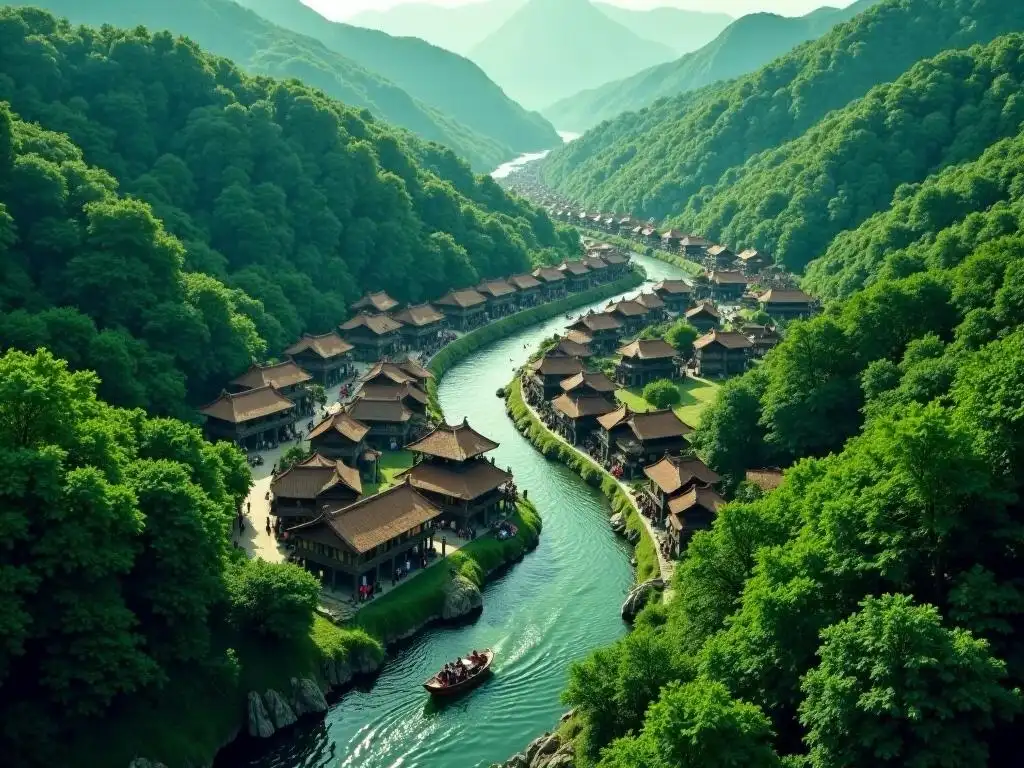
Japan's feudal era, spanning from the 12th century until the mid-19th century, was marked by a series of significant natural disasters that profoundly affected the nation's socio-economic landscape. Earthquakes, tsunamis, typhoons, and volcanic eruptions frequently struck the archipelago, leading to devastating consequences for local populations and the broader economy. These disasters not only caused immediate destruction but also had lasting implications for Japan's isolationist policies, shaping its economic strategies and interactions with the outside world.
Overview of Major Natural Disasters
Throughout the feudal era, Japan experienced numerous catastrophic events, with some of the most notable including:
- The 869 Sanriku Tsunami: This disaster struck the northeastern coast, resulting in significant loss of life and property. It raised awareness of the vulnerability of coastal communities and prompted changes in disaster management practices.
- The 1596 Keicho Earthquake: One of the most powerful earthquakes in Japanese history, it led to widespread devastation in the Osaka region, with thousands dead and countless buildings destroyed. This prompted a reevaluation of urban planning and construction methods.
- The 1707 Hōei Eruption: The eruption of Mount Fuji covered nearby areas in ash, disrupting agriculture and leading to food shortages. The resultant famine highlighted the fragility of local economies dependent on stable agricultural yields.
- The 1854 Ansei Earthquake: This event not only caused immediate destruction but also contributed to the eventual decline of the Tokugawa shogunate, as the government struggled to respond effectively to the crisis.
These disasters forced feudal lords and the shogunate to adapt their policies and resource allocation, often prioritizing disaster response and recovery over other economic activities.
Frequency and Patterns of Natural Disasters
The frequency of natural disasters in feudal Japan varied significantly by region and period. Coastal areas, particularly those along the Pacific Ring of Fire, were more prone to earthquakes and tsunamis. Historical records indicate that:
- Earthquakes: Occurred approximately every 10 to 30 years, with major events often leading to significant societal shifts.
- Typhoons: Struck Japan annually, particularly during the summer and autumn months, causing flooding and agricultural damage.
- Volcanic Activity: While less frequent, significant eruptions, such as those of Mount Fuji, had profound impacts when they occurred.
Patterns of these disasters often coincided with climatic changes, such as periods of heavy rainfall or drought, which exacerbated the effects of natural calamities on agriculture and local economies.
Economic Consequences of Natural Disasters
The economic repercussions of natural disasters during Japan's feudal era were profound and multi-faceted, influencing local communities and national policies alike.
Immediate Economic Impacts of Disasters on Local Communities
Natural disasters typically resulted in immediate and severe economic impacts on local communities, including:
- Destruction of Infrastructure: Roads, bridges, and buildings were often destroyed, disrupting transportation and trade.
- Agricultural Disruption: Flooding and ash fallout from volcanic eruptions devastated crops, leading to food shortages and increased prices. For instance, the Hōei eruption caused significant agricultural decline, affecting local economies reliant on rice production.
- Loss of Livestock and Property: The death of livestock and loss of homes created immediate economic hardship for affected families, driving many into poverty.
These factors combined to create a cycle of economic decline that often lasted for years, as communities struggled to recover from the devastation.
Long-term Economic Effects on National Policies
In the long term, the cumulative effects of natural disasters led to significant shifts in national policies. The need for effective disaster response fostered:
- Centralization of Power: The shogunate often took on greater control in disaster recovery efforts, leading to a more centralized administrative structure.
- Investment in Infrastructure: Increased awareness of vulnerabilities prompted investments in disaster-resistant infrastructure, such as improved irrigation systems and stronger building practices.
- Changes in Agricultural Policies: To mitigate future impacts, the government began to promote crop diversification and develop rice surplus strategies.
These changes reflected an evolving understanding of the relationship between natural disasters and economic stability, influencing Japan’s isolationist policies by prioritizing self-sufficiency.
Impact on Trade and Commerce during Isolation
Japan's isolationist policies, particularly during the Edo period (1603-1868), were further complicated by the economic consequences of natural disasters. The disruptions caused by such events affected trade and commerce in several ways:
- Reduced Trade Activity: Disasters often led to temporary suspension of trade routes, as ports became inaccessible or unsafe due to damage. This was particularly evident following major earthquakes that affected coastal cities.
- Shift in Trade Dynamics: The need for self-sufficiency during recovery periods meant that regional economies became more localized, reducing reliance on external trade partners. This shift reinforced isolationist tendencies, as Japan focused on internal resources.
- Increased Barriers to Foreign Trade: The economic turmoil caused by disasters often led to heightened scrutiny of foreign interactions. The government enforced stricter controls on trade with foreign nations, fearing that external influences could exacerbate internal vulnerabilities.
Overall, the interplay between natural disasters and Japan's isolationist economic policies created a complex web of challenges that shaped the nation’s historical trajectory during the feudal era.
The Interaction Between Natural Disasters and Isolationist Policies
The interplay between natural disasters and Japan's isolationist policies during the feudal era is a complex narrative that reflects the broader socio-economic landscape of the time. Japan’s geographical position made it prone to various natural calamities, including earthquakes, tsunamis, and typhoons, which not only disrupted local economies but also shaped the nation’s approach to external relations. The isolationist policies, particularly during the Edo period (1603-1868), were initially established to limit foreign influence and maintain social order. However, these policies were also influenced by the need for self-sufficiency in the face of unpredictable natural threats.
Natural disasters often necessitated a reevaluation of Japan's trade practices and diplomatic engagements. For instance, when local economies suffered from crop failures due to natural calamities, the government would tighten its isolationist grip, focusing on internal recovery rather than external trade. This cyclical relationship between disaster response and isolationist strategies underscores the resilience of Japan's socio-economic structures, as well as the adaptability of its governance systems.
How Natural Disasters Influenced Isolationist Strategies
Natural disasters played a pivotal role in influencing Japan's isolationist strategies, particularly in terms of resource allocation and trade policies. After significant disasters, such as the Ansei Earthquakes (1854) and the Jōgan Tsunami (869), the immediate governmental response was often to restrict trade with foreign entities to prioritize domestic recovery efforts. This led to a focus on strengthening local economies and ensuring food security, which were critical in times of crisis.
The impact of these disasters often resulted in heightened xenophobia, where foreign influence was viewed as a threat rather than an opportunity for support. For example, the devastation caused by disasters would often be blamed on the presence of foreign traders, leading to stricter regulations and policies aimed at limiting interactions with the outside world. This not only reinforced Japan’s isolation but also fostered a sense of nationalism as communities rallied to rebuild and support one another in the aftermath.
Adaptation of Economic Practices Post-Disaster
In response to the economic disruptions caused by natural disasters, Japan developed adaptive economic practices that sought to mitigate future risks. One significant adaptation involved the diversification of agricultural practices. Farmers began to experiment with crop rotation and the introduction of more resilient crops that could withstand adverse weather conditions.
Additionally, local economies shifted towards self-sufficiency. With trade routes often disrupted by disasters, communities relied more heavily on local resources and production. This shift encouraged a more localized economy, where barter systems became prevalent, allowing communities to support one another without dependence on external trade. These adaptations not only facilitated immediate recovery but also laid the groundwork for a more robust economic framework that could withstand future calamities.
Case Studies of Specific Disasters and Their Economic Impact
Examining specific disasters within the context of Japan's feudal era reveals the profound economic impacts they had on isolationist policies. The Great Ansei Earthquake of 1855, for instance, led to significant loss of life and infrastructure in Edo (modern-day Tokyo). The devastation prompted the Tokugawa shogunate to not only focus on rebuilding efforts but also to impose stricter controls on foreign interactions, viewing such measures as essential for maintaining stability.
Another notable example is the Jōgan Tsunami, which struck the Sanriku coast in 869. This disaster prompted changes in coastal management and disaster preparedness, reflecting an economic shift towards resilience. The government’s response included the construction of seawalls and the development of early warning systems, which ultimately influenced Japan’s isolationist policies by emphasizing the need for internal cohesion and resource management in the wake of such calamities.
Economic Resilience and Recovery Mechanisms
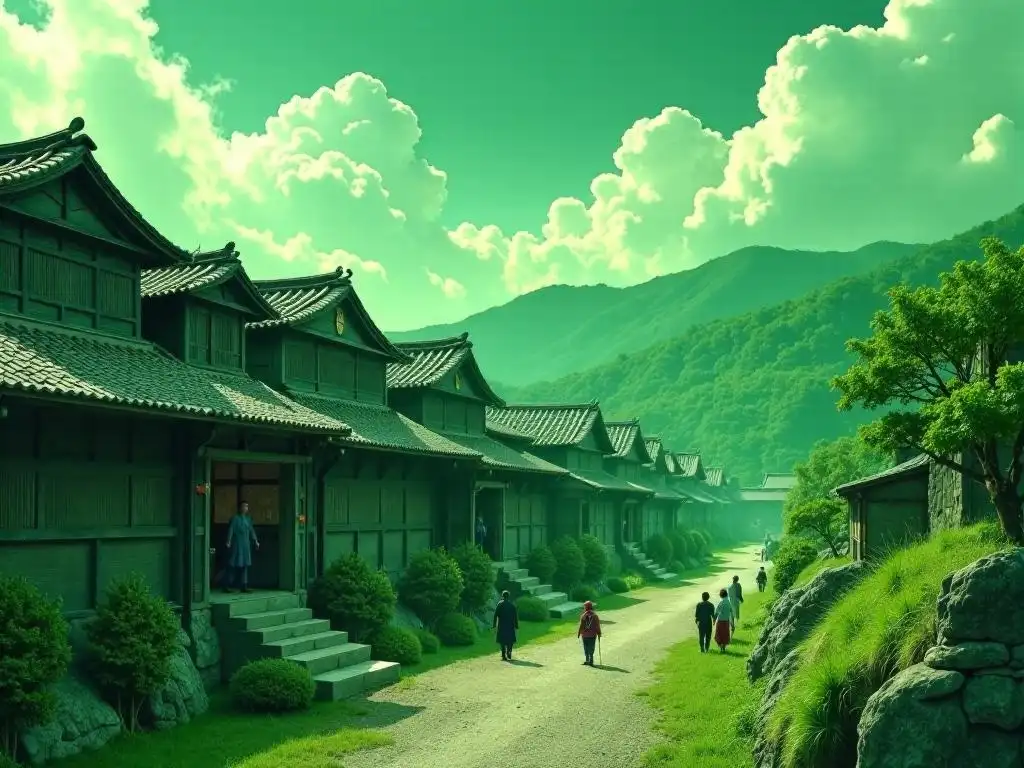
The economic resilience of feudal Japan in the face of natural disasters is a testament to the adaptive strategies employed by local governance and community structures. These mechanisms not only facilitated recovery but also encouraged innovations in agricultural and economic practices that would benefit society in the long term.
Role of Local Governance in Economic Recovery
Local governance played a crucial role in economic recovery following natural disasters. The decentralized structure of feudal Japan meant that local lords (daimyō) were responsible for the welfare of their domains. In the aftermath of disasters, these leaders often implemented immediate relief measures, such as distributing food supplies and organizing labor for rebuilding infrastructure.
Moreover, local governance allowed for tailored responses based on the unique needs of each community. This decentralized approach fostered innovation, as different regions developed specific strategies to combat the effects of disasters, from improving irrigation systems to enhancing agricultural techniques. The flexibility and responsiveness of local governance were key factors in facilitating economic recovery and maintaining social stability during challenging times.
Development of Agricultural Practices in Response to Disasters
The development of agricultural practices in response to natural disasters was a fundamental aspect of Japan's economic resilience. Disruptions in food supply due to calamities led to a renewed focus on agricultural innovation. Farmers began adopting new techniques such as terracing, improved irrigation, and the use of drought-resistant crops, which increased yields and reduced vulnerability to future disasters.
Additionally, the collaboration between local farmers and agricultural experts allowed for knowledge sharing and the dissemination of best practices across regions. This collective effort not only enhanced food security but also strengthened the overall economy by promoting sustainable agricultural practices that could withstand the pressures of natural calamities.
Influence of Cultural and Social Factors on Economic Resilience
Cultural and social factors significantly influenced the economic resilience of feudal Japan in the face of natural disasters. The prevailing belief in communal support and mutual aid played a critical role in recovery efforts. Communities banded together to provide assistance, sharing resources and labor during times of need, which fostered a sense of solidarity and cooperation.
Moreover, the cultural emphasis on harmony with nature led to a proactive approach towards disaster preparedness. Many communities incorporated traditional practices, such as rituals and festivals, aimed at appeasing natural forces and ensuring bountiful harvests. This cultural framework not only helped in navigating the immediate impacts of disasters but also reinforced the community's commitment to resilience, enabling them to adapt and thrive despite the challenges faced.
Conclusion: The Legacy of Natural Disasters on Japan's Economic Policies
The legacy of natural disasters during Japan's feudal era is a significant aspect of its economic policies, particularly in shaping isolationist strategies. These disasters, including earthquakes, tsunamis, and volcanic eruptions, forced the Japanese government to devise mechanisms for recovery and resilience. The impact of such calamities often prompted shifts in agricultural practices, trade routes, and population movements, ultimately influencing Japan's broader economic landscape. By understanding these historical events, we can better comprehend the interconnectedness of natural disasters and economic policy in shaping Japan's unique path during the feudal era.
Summary of Key Findings on Economic Impact
Throughout the feudal period, natural disasters had a profound economic impact on Japan. Key findings highlight:
- Agricultural Disruption: Frequent disasters led to crop failures, which in turn caused food shortages and price inflation. The reliance on agriculture meant that any disruption had immediate repercussions on the economy.
- Trade Alterations: In response to disasters, trade routes often shifted, with local markets becoming more critical as transportation networks were disrupted. This led to an increase in regional self-sufficiency.
- Policy Responses: The government often initiated relief measures following disasters, which included tax reductions and the establishment of granaries to mitigate food shortages. This reflects a responsive economic policy framework aimed at maintaining stability.
Reflections on the Relationship between Natural Disasters and Isolationism
The relationship between natural disasters and Japan's isolationist policies is complex. Disasters often reinforced the need for self-reliance, bolstering isolationist sentiments that prioritized domestic stability over external interaction. As Japan experienced the adverse effects of natural calamities, leaders recognized that dependence on foreign trade could exacerbate vulnerabilities. Consequently, the Tokugawa shogunate's implementation of isolationist policies can be seen as a strategic move to insulate the nation from external economic shocks, ensuring that internal stability was given precedence during turbulent times.
Implications for Understanding Japan's Economic History
Understanding the economic impact of natural disasters on Japan's isolationist policies offers valuable insights into the broader narrative of Japan's economic history. It illustrates how external factors, such as climate and geography, intersect with human-made policies. Furthermore, it emphasizes the importance of resilience in economic planning, as Japan's historical responses to disasters shaped its long-term economic strategies. This perspective encourages modern scholars and historians to consider the role of environmental factors in shaping economic systems, highlighting that Japan’s isolationism was not merely a political choice but a necessary response to the realities of its time.
Further Reading and Resources on Japan's Economic History
For those interested in delving deeper into the economic history of Japan, particularly concerning the feudal era and its isolationist policies, the following resources are invaluable.
Recommended Books and Articles on Feudal Japan
- "The Economic History of Feudal Japan" by William G. Beasley: This book offers a comprehensive overview of Japan's economic structures and how they evolved during the feudal period.
- "Japan: A Cultural History": by John W. Dower: This work examines the intertwining of cultural and economic developments in Japan, providing context for isolationist policies.
- "Natural Disasters and Economic Growth in Japan" by Fumio Hayashi: An academic article that explores the direct correlation between natural disasters and economic changes throughout Japan's history.
Online Resources for In-depth Exploration of Isolationist Policies
- The National Diet Library of Japan: Offers extensive digitized resources on Japan's historical documents, including records on economic policies during the feudal era.
- Japan-Related Research Portal: A comprehensive online database that provides access to scholarly articles, journals, and research papers focused on Japan’s economic history.
- The Tokugawa Institute for Medieval Studies: This site includes various publications and resources that discuss the Tokugawa shogunate's policies, including economic aspects influenced by natural disasters.
These resources will deepen your understanding of the intricate relationship between Japan's economic policies and its historical context, particularly during times of crisis.
- Introduction to Japan's Feudal Era and Economic Context
- Overview of Japan’s Feudal Era
- Significance of Economic Impact in Japan's History
- Understanding Isolationist Policies in Japan
- Natural Disasters in Japan's Feudal Era
- Economic Consequences of Natural Disasters
- The Interaction Between Natural Disasters and Isolationist Policies
- Economic Resilience and Recovery Mechanisms
- Conclusion: The Legacy of Natural Disasters on Japan's Economic Policies
- Further Reading and Resources on Japan's Economic History
- What was the primary economic impact of natural disasters during Japan's feudal era?
- How did isolationist policies affect Japan's economy in the feudal era?
- What role did natural disasters play in shaping Japan's isolationist policies?
- How did cultural aspects influence the economic responses to disasters in feudal Japan?
- Were there any long-term economic consequences of natural disasters during this period?
Frequently Asked Questions
What was the primary economic impact of natural disasters during Japan's feudal era?
Natural disasters, such as earthquakes and tsunamis, significantly disrupted agricultural production and trade, leading to economic instability and resource shortages.
How did isolationist policies affect Japan's economy in the feudal era?
Japan's isolationist policies limited foreign trade and interaction, which had both positive and negative effects, including self-sufficiency but also a lack of innovation and trade opportunities.
What role did natural disasters play in shaping Japan's isolationist policies?
Natural disasters often prompted government responses that reinforced isolationist policies, as the need for self-reliance became more pressing in the face of external threats and internal vulnerabilities.
How did cultural aspects influence the economic responses to disasters in feudal Japan?
Cultural beliefs, such as Shinto and Buddhism, shaped the perception of natural disasters, leading to communal efforts in recovery and influencing resource allocation and disaster preparedness strategies.
Were there any long-term economic consequences of natural disasters during this period?
Yes, the repeated occurrence of natural disasters led to recurring economic crises that affected social structures, influenced feudal lord policies, and contributed to the eventual transition towards modernization in Japan.
Final Reflection: The Enduring Echoes of Japan's Economic Isolation
The economic impact of natural disasters on Japan's isolationist policies remains a pressing issue today, as the nation grapples with the delicate balance between self-sufficiency and global interdependence. The lessons learned from Japan's feudal era, where isolationism shaped not only its economy but also its cultural identity, resonate profoundly in our contemporary world. As we witness the increasing frequency of natural disasters, it becomes clear that the past informs our present, urging us to reconsider how we approach economic resilience and international cooperation.
The historical context of Japan's isolationist policies reveals a complex interplay between economic stability and cultural preservation. The repercussions of natural disasters during the feudal era serve as a reminder of the fragility of self-reliance in the face of external challenges. As we navigate the modern landscape, it is essential to recognize that the echoes of history continue to influence our social and cultural fabric. Those who cannot remember the past are condemned to repeat it.
– George Santayana. This quote encapsulates the necessity of learning from our history to forge a more resilient future.
As we reflect on the insights gleaned from Japan's economic journey through isolation and disaster, I invite you to consider your own role in fostering resilience within your community. How can we apply the lessons of the past to build a more interconnected and supportive society? Embrace the opportunity to engage with others, share knowledge, and advocate for policies that prioritize both economic stability and cultural richness. Together, we can ensure that the lessons of Japan's feudal era are not merely historical footnotes but guiding principles for a sustainable and inclusive future.
Unveil Japan's Resilience: Shape the Future!
Thank you for taking the time to explore the intricate relationship between natural disasters and Japan's historical responses. Your understanding of these dynamics is crucial as we reflect on the past and consider the future. Now, let’s take bold steps toward fostering resilience and preparedness in our communities!
Here are a few actionable suggestions to make a difference:
- Engage with your local community: Organize or participate in workshops that focus on disaster preparedness and recovery strategies. Sharing knowledge can empower others and build stronger networks.
- Explore historical narratives: Investigate Japan's rich history of resilience in the face of adversity. Look for books or documentaries that highlight the lessons learned from past disasters.
- Share your insights: Start conversations on social media or with friends about this topic. Encourage discussions on how we can learn from history to better prepare for the future.
As you reflect on these actions, consider this: How can we apply the lessons learned from Japan’s past to ensure a more resilient future for our own communities?