
Behind the Scenes: The Craftsmanship of Samurai Armor Replicas

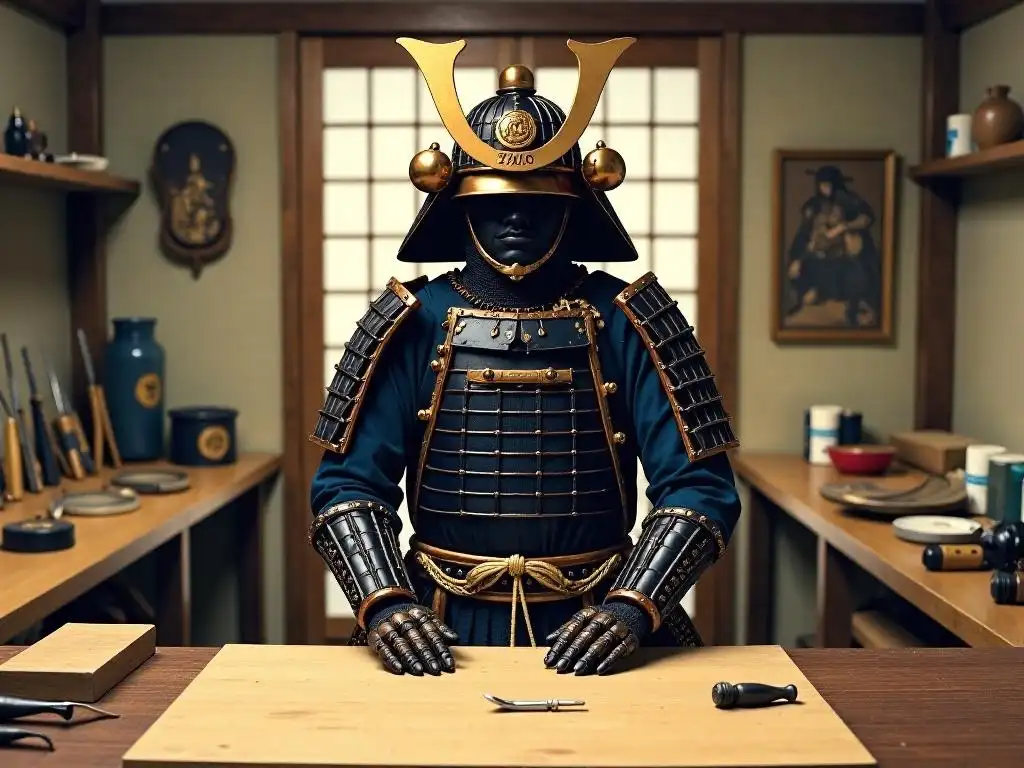
Welcome to Feudal Japan History, where we invite you to delve into the captivating world of Japan's feudal era. Here, you’ll uncover the intricate stories behind historical, cultural, and societal aspects that shaped this remarkable period. In our featured article, "Behind the Scenes: The Craftsmanship of Samurai Armor Replicas," we explore the meticulous artistry and dedication that go into creating these stunning replicas.
What secrets lie beneath the shimmering surface of these armors? Join us as we unravel the fascinating craftsmanship that breathes life into Japan's legendary warriors and inspires collectors and enthusiasts alike. Your journey into the heart of feudal Japan awaits!
Introduction to Samurai Armor Replica Craftsmanship
The intricate world of samurai armor replica craftsmanship is a fascinating intersection of history, art, and dedication. These stunning replicas serve not only as exquisite decorative pieces but also as a testament to the rich cultural heritage of feudal Japan. Each armor piece, meticulously crafted, reflects the skills and artistry of the artisans who recreate them, striving to honor the original designs that once protected the warriors of Japan.
In this article, we will delve into the nuances of this craftsmanship, exploring the techniques, materials, and the artistic vision behind these remarkable replicas. Whether you’re a collector, a history enthusiast, or simply curious about the art of samurai armor, this exploration will shed light on the dedication behind these cultural treasures.
The Art of Creating Samurai Armor Replicas
Overview of Samurai Armor Replica Craftsmanship
Creating a samurai armor replica is no small feat; it requires a deep understanding of historical methods, meticulous attention to detail, and a passion for preserving traditional craftsmanship. Artisans often begin their work by studying original pieces, examining every curve, component, and color scheme. The craftsmanship involved is not merely about recreating an object; it is about embodying the spirit and functionality of the armor as it was intended.
The process typically involves several stages, including:
- Research and Design: Understanding the historical context and specific samurai family lineage associated with the armor.
- Pattern Making: Creating patterns based on original designs, ensuring an accurate representation of size and shape.
- Assembly: Carefully assembling the pieces to replicate the construction methods used in the past.
- Finishing Touches: Applying paint and decorative elements, preserving the authenticity of the original.
This dedication to detail not only ensures the aesthetic appeal of the samurai armor replica but also emphasizes its cultural significance.
Materials Used in Samurai Armor Replicas
The choice of materials is crucial in the craftsmanship of samurai armor replicas. Artisans typically utilize a blend of traditional and contemporary materials to achieve both authenticity and durability. Common materials include:
- Metal: Often used for the main plates, reflecting the original iron or steel components.
- Leather: Employed for straps and certain protective elements, providing flexibility and authenticity.
- Silk and Cotton: Used in the decorative cords (lacing) and fabric components, mirroring the luxurious materials of the original armors.
- Wood: Sometimes incorporated in the base structure for added strength and stability.
By thoughtfully selecting these materials, craftsmen recreate not only the look but also the essence of the original samurai armor, allowing collectors and enthusiasts to appreciate the historical significance and artistry behind each piece.
Techniques in Crafting Samurai Armor Replicas
The craftsmanship of samurai armor replicas is a meticulous process that combines both traditional and modern techniques. These techniques are crucial in ensuring that the replicas not only capture the aesthetic beauty of the original armor but also maintain historical accuracy. Artisans dedicate years to mastering these methods, resulting in pieces that are both functional and visually striking. Here, we delve deeper into the types of techniques used in this unique craft.
Traditional Techniques in Samurai Armor Making
Traditional samurai armor making is steeped in history and requires a significant understanding of ancient practices. Key techniques include:
- Kusazuri: This involves crafting the skirt of the armor, which consists of small, overlapping plates that offer flexibility and protection. Each plate is meticulously shaped and layered to replicate the original designs accurately.
- Lacquering: The application of lacquer is essential for both protection and aesthetics. Artisans use natural lacquer sourced from trees, applying multiple layers to create a durable and beautiful finish.
- Stitching and Weaving: Many armor pieces feature intricate stitching and weaving techniques. For instance, the kote (armored sleeves) are often made using a combination of fabric and metal plates, requiring skilled handwork to ensure both durability and comfort.
- Molding: For replicating the iconic helmet (kabuto), artisans often create molds from existing pieces or historical diagrams. This technique ensures that the shape and design are authentic.
These traditional techniques not only honor the craftsmanship of the samurai era but also connect modern artisans with their historical predecessors.
Modern Techniques and Technologies
While traditional methods dominate the crafting of samurai armor replicas, modern technologies have introduced new dimensions to the process. Some of the notable advancements include:
- 3D Printing: This technology allows for precise replication of intricate designs that may be challenging to achieve by hand. Artisans can create detailed components quickly and accurately.
- Computer-Aided Design (CAD): CAD software is utilized to design armor replicas with exact specifications. This ensures that each piece fits together seamlessly, reflecting the original craftsmanship.
- Synthetic Materials: The use of modern materials, such as high-strength plastics and lightweight metals, helps create armor that is more affordable and easier to handle while maintaining visual authenticity.
- Laser Cutting: This technique provides a level of precision that hand-cutting cannot match. It allows artisans to produce consistent and intricate designs quickly, enhancing production efficiency.
By integrating these modern techniques with traditional methods, craftsmen can produce samurai armor replicas that are both artistically valuable and widely accessible.
Exploring Different Types of Samurai Armor Replicas
Samurai armor replicas can be categorized into various types depending on their intended use and the level of detail involved. Each type caters to different collectors and enthusiasts, reflecting diverse aspects of samurai culture.
Full-Body Armor Replicas
Full-body armor replicas are designed to closely imitate the complete set of samurai armor worn during battle. These replicas typically include:
- Kabuto (Helmet): An iconic piece known for its elaborate designs and crests.
- Dō (Chest Armor): The centerpiece that covers the torso, often adorned with intricate carvings and lacquer.
- Sode (Shoulder Guards): These protect the shoulders while allowing for mobility.
- Kote (Armored Sleeves): Providing protection for the arms, they often feature a combination of fabric and metal.
Full-body replicas are popular among collectors who wish to showcase the grandeur of samurai culture in its entirety. They are often used for exhibitions or as striking display pieces.
Display Armor Replicas
Display armor replicas are primarily designed for ornamental purposes rather than functional use. Key features include:
- Aesthetic Focus: These replicas emphasize beauty and detail, often incorporating vibrant colors and elaborate designs that may not have been practical in actual combat.
- Lightweight Materials: Display replicas are usually made from lighter materials, making them easier to handle and position for display.
- Limited Mobility: Unlike full-body armor, display versions may lack certain functional features, prioritizing visual appeal over practicality.
Display armor replicas are ideal for collectors looking to enhance their home or office decor with a piece of Japanese history, providing an eye-catching tribute to samurai craftsmanship without the need for combat readiness.
The craftsmanship of samurai armor replicas is a blend of ancient techniques and modern innovations, creating pieces that honor the legacy of the samurai while appealing to contemporary tastes.
The Role of Artisans in Samurai Armor Replica Craftsmanship

Artisans play a crucial role in the craftsmanship of samurai armor replicas, bridging the gap between historical accuracy and artistic expression. These skilled craftsmen meticulously study historical references, including ancient texts, artifacts, and illustrations, to ensure their replicas are authentic representations of the original armor. Their work often involves a blend of traditional techniques passed down through generations and modern innovations that enhance durability and aesthetics.
The process begins with research and design, where artisans sketch the armor based on historical prototypes. This phase is essential, as it lays the groundwork for the materials and techniques that will be utilized. Artisans may work with a range of materials, from metals and leathers to textiles, each chosen for its historical significance and aesthetic appeal. Every detail, from the intricate lacing to the protective plates, is carefully crafted to reflect the unique characteristics of samurai armor.
Moreover, artisans often engage in collaborative efforts, sharing insights and techniques with one another. This community aspect fosters an environment of continuous learning and improvement, ensuring that the craftsmanship of samurai armor replicas remains vibrant and true to its roots.
Profiles of Renowned Armor Artisans
Several renowned artisans have gained recognition for their exceptional craftsmanship in creating samurai armor replicas. One such figure is Hiroshi Kudo, known for his elaborate and historically precise designs. Kudo's work often features intricate details that reflect the ornate styles of the Edo period, captivating collectors and enthusiasts alike.
Another notable artisan is Yuki Matsumoto, who specializes in the restoration and reproduction of ancient armor. Matsumoto’s attention to detail and commitment to authenticity have earned him a reputation as one of the leading figures in the field. His replicas are sought after by museums and collectors for their accuracy and craftsmanship.
Additionally, Akira Tanaka has made significant contributions through his innovative approaches to traditional techniques. Tanaka incorporates modern materials while maintaining historical integrity, producing lightweight yet durable armor replicas that appeal to both collectors and martial artists.
Training and Skills Required
The journey to becoming a master artisan in samurai armor replica craftsmanship is rigorous and demanding. Most artisans start their training under the guidance of experienced masters, often participating in apprenticeships that can last several years. This hands-on experience is essential for learning the intricacies of traditional techniques, including metalworking, leather crafting, and textile weaving.
Key skills required for this craft include:
- Attention to Detail: Precision is paramount in replicating the ornate designs and structures of historical armor.
- Material Knowledge: Understanding the properties of various materials, such as metals, leathers, and textiles, allows artisans to choose the best options for authenticity and durability.
- Historical Research: A deep understanding of the historical context surrounding samurai armor is crucial for creating accurate replicas.
- Artistic Vision: The ability to envision and design pieces that not only replicate history but also stand as individual works of art.
Continuous education is also vital, as artisans often attend workshops, exhibitions, and seminars to stay updated on both traditional methods and contemporary innovations in craftsmanship.
Evaluating the Quality of Samurai Armor Replicas
When purchasing a samurai armor replica, it's essential to evaluate its quality to ensure that it meets both aesthetic and historical standards. A well-crafted replica should not only look visually appealing but also resonate with the rich heritage of samurai culture. Here are key factors to consider when assessing the quality of these replicas.
Key Features to Look For
- Material Authenticity: High-quality replicas often use traditional materials such as iron, leather, and silk. Look for these materials as indicators of authenticity.
- Craftsmanship Detail: Examine the intricacies of craftsmanship, including stitching, lacing, and decorative elements. Authentic replicas feature precise, well-executed details.
- Historical Accuracy: Research the specific type of armor being replicated. A quality replica should reflect the style, color, and design typical of its historical period.
- Weight and Structure: Authentic armor is typically heavy and solid. Ensure that the replica has a similar weight and structural integrity to the original pieces.
- Finish and Patina: Many high-quality replicas feature a finish that mimics the natural wear and aging of historical armor, giving them a more authentic appearance.
Common Pitfalls in Samurai Armor Replicas
While evaluating samurai armor replicas, it's important to be aware of common pitfalls that may indicate poor craftsmanship or inauthenticity. These include:
- Substandard Materials: Be cautious of replicas made from cheap plastics or synthetic materials, which lack the authenticity and durability of traditional options.
- Inaccurate Designs: Some replicas may feature designs that deviate significantly from historical examples. Always cross-reference with reliable sources to ensure accuracy.
- Poor Workmanship: Look for signs of rushed or careless work, such as uneven stitching, loose components, or misaligned parts.
- Lack of Historical Context: Replicas that do not provide information on their historical relevance may be less reliable in terms of authenticity.
- Overly Lightweight: Replicas that are significantly lighter than traditional armor may indicate the use of inferior materials or construction methods.
By keeping these factors in mind, collectors and enthusiasts can better navigate the world of samurai armor replicas, ensuring they acquire pieces that are not only beautiful but also rich in historical significance.
Conclusion: Appreciating the Craftsmanship of Samurai Armor Replicas
The artistry involved in creating samurai armor replicas is a profound reflection of Japan's rich cultural heritage. Each piece is not merely a decorative item; it embodies centuries of tradition, skill, and an understanding of the historical significance of samurai warriors. The meticulous attention to detail, from the choice of materials to the intricate designs, showcases the dedication of artisans who strive to preserve the legacy of the samurai.
As we explored the craftsmanship behind these replicas, it becomes evident that they serve as more than mere collectibles. They are vessels of history, honoring the spirit of the samurai and the values they represented—loyalty, honor, and discipline. By appreciating these replicas, we connect with the past and recognize the artistry that continues to thrive in modern Japan. The craftsmanship of samurai armor replicas not only highlights the technical skills of the artisans but also invites us to explore the narratives and stories woven into each piece.
Call to Action
If you are captivated by the beauty and history of samurai armor replicas, consider supporting local artisans by purchasing one for your collection. Explore exhibitions or workshops that showcase these remarkable craftsmanship techniques, and share your newfound knowledge with others. Whether you are a history enthusiast, a collector, or simply someone who appreciates fine art, engaging with samurai armor replicas enriches your understanding of Japan’s feudal era. Join us in celebrating this unique craft and keep the legacy of the samurai alive! 🥷✨
- Introduction to Samurai Armor Replica Craftsmanship
- The Art of Creating Samurai Armor Replicas
- Techniques in Crafting Samurai Armor Replicas
- Exploring Different Types of Samurai Armor Replicas
- The Role of Artisans in Samurai Armor Replica Craftsmanship
- Evaluating the Quality of Samurai Armor Replicas
- Conclusion: Appreciating the Craftsmanship of Samurai Armor Replicas
- Call to Action
Frequently Asked Questions
What is samurai armor replica craftsmanship?
Samurai armor replica craftsmanship refers to the artistic techniques and skills involved in creating detailed replicas of traditional samurai armor, emphasizing historical accuracy and aesthetic appeal.
Why is samurai armor important in Japanese history?
Samurai armor symbolizes the warrior class of feudal Japan, representing honor, bravery, and cultural heritage. It played a crucial role in the identity and status of the samurai.
How are samurai armor replicas made?
The process involves meticulous attention to detail, utilizing traditional materials and methods to ensure that each piece captures the essence of historical designs while maintaining durability.
What materials are typically used in crafting armor replicas?
Craftsmen use a combination of leather, metal, and textiles to create authentic replicas. Each material is selected for its historical relevance and functional properties.
Where can I find high-quality samurai armor replicas?
High-quality samurai armor replicas can be found at specialty shops, online marketplaces, and through artisans who specialize in Japanese historical crafts. Always look for reviews and certifications to ensure authenticity.
Final Reflection: The Timeless Art of Samurai Armor Replica Craftsmanship
The craftsmanship of samurai armor replicas is not just a nod to history; it is a vibrant testament to the dedication and skill of artisans who breathe life into centuries-old traditions. In today's fast-paced world, where mass production often overshadows artistry, the meticulous work behind each replica serves as a reminder of the value of craftsmanship and the stories that each piece carries. The intricate details, the choice of materials, and the techniques passed down through generations reflect a commitment to preserving cultural heritage that resonates deeply in our modern society.
Crafting samurai armor replicas is more than a hobby; it is a bridge connecting us to the past, influencing our cultural appreciation and understanding of history. The artistry involved in creating these replicas fosters a sense of respect for the samurai's legacy and the values they embodied—honor, discipline, and craftsmanship. As one artisan beautifully stated, Every piece I create is a story waiting to be told, a connection to the warriors who wore these armors with pride.
This ongoing dialogue between past and present enriches our cultural landscape, inviting us to reflect on the significance of craftsmanship in our lives.
As we conclude this exploration of samurai armor replica craftsmanship, I invite you to reflect on the importance of preserving traditions in your own life. Consider how you can honor the craftsmanship in your surroundings, whether through supporting local artisans, learning a new skill, or simply appreciating the stories behind the objects you encounter. Let the dedication and artistry of these craftsmen inspire you to seek out and celebrate the beauty of craftsmanship in all its forms, ensuring that the legacy of the past continues to thrive in the future.
Uncover Your Inner Samurai: Take Action Today!
Thank you for joining us on this journey into the fascinating world of samurai armor craftsmanship! We hope you’ve gained inspiring insights that spark your curiosity about this incredible art form. Now it’s time to take your passion further and immerse yourself deeper into this rich history.
Here’s how you can connect and explore:
- Visit a local museum to experience samurai armor firsthand and learn about its intricate details and historical significance.
- Join an online community or forum where enthusiasts share their knowledge and passion for samurai culture.
- Create your own replica or artistic interpretation using found materials—showcase your creativity and craftsmanship to your friends and family!
What aspect of samurai craftsmanship has intrigued you the most, and how do you plan to explore it further?