
How the Mongol Invasions Shaped Governance in the Kamakura Period

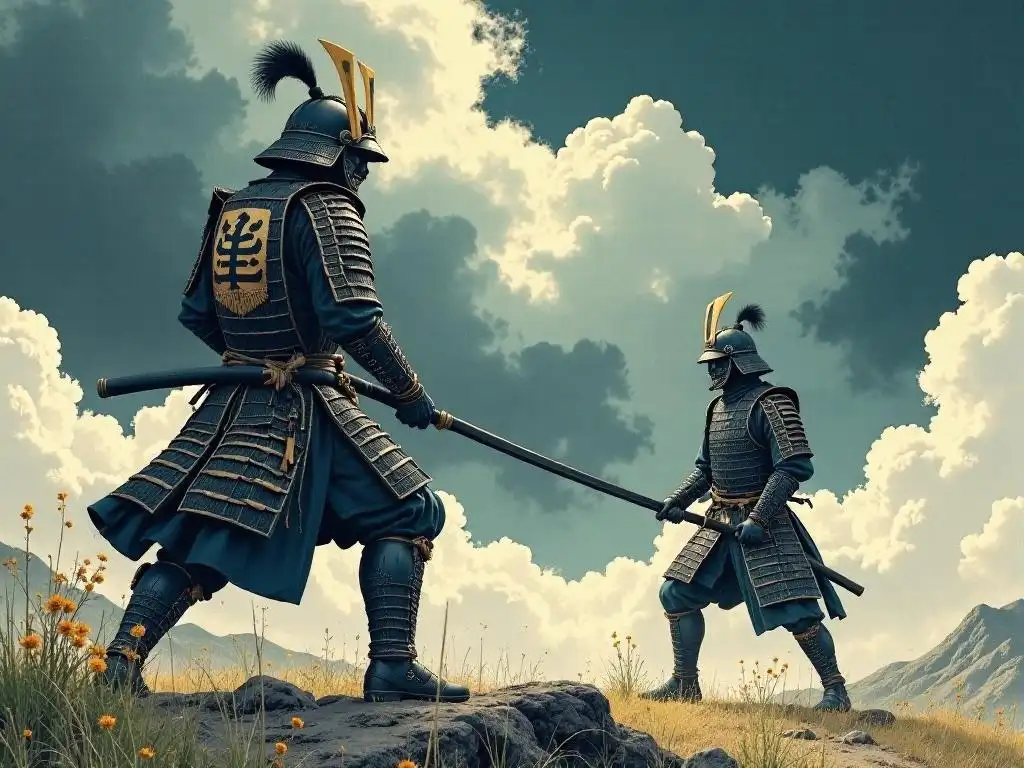
Welcome to Feudal Japan History, where we embark on a captivating journey through the intricacies of Japan's feudal era. Here, we unravel the profound impacts of the Mongol invasions on the governance structures of the Kamakura period. What challenges did these invasions pose, and how did they reshape the political landscape? Dive deeper with us as we explore these pivotal moments in history, inviting you to uncover the connections that defined an era. Join us in discovering the rich tapestry of events that molded Japan's past and continue to resonate today!
Introduction to the Mongol Invasions and Kamakura Governance
The Mongol invasions of the late 13th century stand as a pivotal moment in Japanese history, particularly during the Kamakura period (1185-1333). This era was characterized by the establishment of the Kamakura shogunate, which marked a significant shift from imperial rule to military governance. The invasions, led by Kublai Khan, not only posed a formidable military threat but also had profound implications for the governance structures in place at the time. Understanding how these external pressures influenced the political landscape is crucial for comprehending the evolution of governance during the Kamakura period.
Overview of the Mongol Invasions in Asia
The Mongol invasions were part of Kublai Khan's broader campaign to expand the Mongol Empire’s influence across Asia. The initial attempt in 1274 saw a fleet of around 900 ships and 15,000 troops launched toward Japan, only to be thwarted by a powerful typhoon, later referred to as "kamikaze" or divine winds. A second invasion in 1281 was even larger, with estimates suggesting upwards of 4,000 ships and over 100,000 soldiers.
However, both invasions ultimately failed, significantly due to Japan's geographical advantages and the resilience of its defenders. The Mongol incursions highlighted the vulnerabilities of Japan but also demonstrated the effectiveness of its military organization and the loyalty of its warriors.
Introduction to the Kamakura Period (1185-1333)
The Kamakura period heralded a new era of governance, transitioning from the traditional imperial court to a feudal system dominated by military leaders known as shoguns. Founded by Minamoto no Yoritomo after his victory in the Genpei War, the Kamakura shogunate established a dual government system, with the emperor serving as a figurehead and the shogunate wielding real power. This period is marked by the emergence of samurai culture, the codification of warrior ethics, and the consolidation of military authority, all of which were profoundly impacted by the external threats posed by the Mongol invasions.
Importance of Governance during the Kamakura Period
Understanding governance during the Kamakura period is essential for grasping how Japan navigated the complexities of both internal and external challenges. The shogunate’s governance structure was characterized by a decentralized authority, which relied heavily on loyal samurai vassals to maintain control over the provinces. This feudal system not only facilitated military organization but also played a crucial role in responding to the Mongol threat. The need for a cohesive response to external aggression catalyzed changes in governance that would resonate throughout Japanese history.
The Impact of the Mongol Invasions on Kamakura Governance
The Mongol invasions had a transformative impact on Kamakura governance, prompting immediate and long-term changes that reshaped the political landscape of Japan.
Immediate Reactions to the Mongol Threat
In the face of the Mongol threat, the Kamakura shogunate had to mobilize its resources effectively. The initial response involved the rapid organization of defensive measures, including the fortification of coastal areas and the reinforcement of military capabilities. The shogunate also called upon its vassals, who were essential in rallying troops and resources to defend against the impending invasions. This collective response not only solidified the shogun’s authority but also fostered a sense of unity among the samurai class.
Changes in Military Structure and Defense Strategies
As a direct consequence of the invasions, the Kamakura shogunate initiated significant changes in its military structure. The need for a more organized and responsive military force led to the development of new strategies, including enhanced training for warriors and the construction of defensive installations. The reliance on local samurai for defense reinforced the feudal system and established protocols for mobilization during crises, altering the dynamics of military governance.
Influence on Political Alliances and Relationships
The Mongol invasions also reshaped political alliances within Japan. The threat of a common enemy encouraged previously rival clans to collaborate, fostering new alliances that transcended traditional boundaries. Additionally, the central government’s need for support from powerful regional leaders reinforced the importance of loyalty and allegiance in the feudal hierarchy. These alliances not only influenced military responses but also had lasting implications for governance and political relationships in the ensuing years.
Through these developments, the Mongol invasions played a crucial role in shaping the governance of the Kamakura period, influencing military organization, political alliances, and the very structure of feudal authority in Japan.
Shifts in Governance Structures during the Kamakura Period
The Mongol invasions of Japan in the late 13th century had profound effects on the governance structures of the Kamakura period (1185-1333). These invasions prompted a reevaluation of political power, military organization, and the overall response mechanisms within the ruling shogunate. The need to defend against external threats led to significant shifts in how governance was conceptualized and executed, emphasizing the importance of military preparedness and local governance.
The Kamakura shogunate, established by Minamoto no Yoritomo, had previously operated with a relatively decentralized governance model, relying heavily on the loyalty of vassals and local leaders. However, the threat posed by the Mongol forces necessitated a more unified and coordinated response. This need for a cohesive strategy encouraged the shogunate to enhance its authority and assert greater control over regional leaders. The result was a shift towards a more centralized system that prioritized military readiness and resource allocation.
Evolution of Leadership Roles in Response to Invasions
In the wake of the Mongol invasions, the roles of leaders within the Kamakura governance structure evolved significantly. The shogunate began to centralize military command, creating new positions that were specifically tasked with the defense against Mongol incursions. This included the formalized roles of shugo (military governors) and jito (land stewards), who were entrusted with both military and administrative duties.
These leaders were no longer merely local lords; they became critical players in the national defense strategy. The shogunate relied on them to mobilize resources, recruit samurai, and maintain order in their territories, thus enhancing their power and influence. The leadership structure became more hierarchical, as the shogunate sought to streamline communication and command in the face of impending threats.
The Role of Samurai in Kamakura Governance
The samurai class, which had already been integral to the Kamakura governance system, became even more pivotal during and after the Mongol invasions. As the primary military force defending the realm, the samurai were not only warriors but also key stakeholders in governance. Their loyalty and martial prowess were essential for the shogunate's ability to repel invasions and maintain stability.
The invasions also catalyzed a transformation in the samurai's social status. Successful defense efforts against the Mongols bolstered their prestige, leading to an increased emphasis on their role as protectors of the realm. This elevated status further entrenched the samurai's influence in political matters, as they took on advisory roles and participated more actively in governance decisions.
Development of New Legal and Administrative Systems
The Mongol invasions prompted the Kamakura shogunate to develop new legal and administrative frameworks aimed at enhancing military efficiency and governance. In response to the need for rapid mobilization of forces, the shogunate instituted measures that streamlined the process for requisitioning resources and organizing troops across provinces.
Moreover, the invasions led to the establishment of new legal codes that addressed military conduct and the rights of the samurai class. These codes included provisions for land ownership and inheritance, which were crucial for maintaining loyalty among the samurai. The shogunate's efforts to formalize these systems illustrated a shift towards a more organized and codified approach to governance, reflecting the changing political landscape shaped by external threats.
Cultural and Societal Changes Influenced by the Mongol Invasions
The impact of the Mongol invasions extended beyond political structures, significantly affecting cultural and societal perceptions of governance during the Kamakura period. These invasions not only tested the resilience of the samurai but also influenced broader societal attitudes towards authority and national identity.
Impact on Society’s Perception of Governance
The Mongol invasions led to a critical reassessment of governance within Japanese society. As the shogunate mobilized resources and rallied the population for defense, there was a growing sense of unity against a common enemy. This collective experience fostered an increased expectation of strong, decisive leadership from the shogunate.
Societal perception of governance also shifted towards valuing military strength and the ability to protect the realm. The successful repulsion of Mongol forces, attributed to the efforts of the shogunate and samurai, reinforced the idea that effective governance was synonymous with military capability. As a result, the legitimacy of the shogunate was tied to its success in defense, further entrenching military governance in the cultural consciousness.
Changes in Cultural Identity and Nationalism
The Mongol invasions served as a catalyst for a burgeoning sense of national identity among the Japanese. The shared experience of resisting foreign invasion fostered a collective consciousness that transcended local allegiances. This period saw a rise in nationalism, as the samurai and the broader populace began to view themselves as defenders of a unified Japanese state.
Cultural expressions during this time reflected this growing sense of identity. Literature, art, and religious practices began to emphasize themes of resilience, valor, and unity against external threats. This cultural shift not only reinforced the legitimacy of the Kamakura governance but also laid the groundwork for future national narratives.
The Role of Religion in Shaping Governance during the Crisis
Religion played a significant role in shaping governance during the crisis of the Mongol invasions. The Japanese populace turned to spiritual practices and religious institutions in search of guidance and protection. The belief that divine intervention could aid in repelling the Mongol forces became widespread, leading to increased support for the shogunate’s military endeavors.
Buddhist temples and Shinto shrines became centers for prayer and rituals aimed at ensuring victory against the invaders. The shogunate engaged with religious leaders to bolster morale and unify the population under a shared belief in divine support. This intertwining of religion and governance not only solidified the shogunate's authority but also contributed to the cultural fabric of Japan during this tumultuous period.
Long-term Consequences of the Mongol Invasions on Kamakura Governance
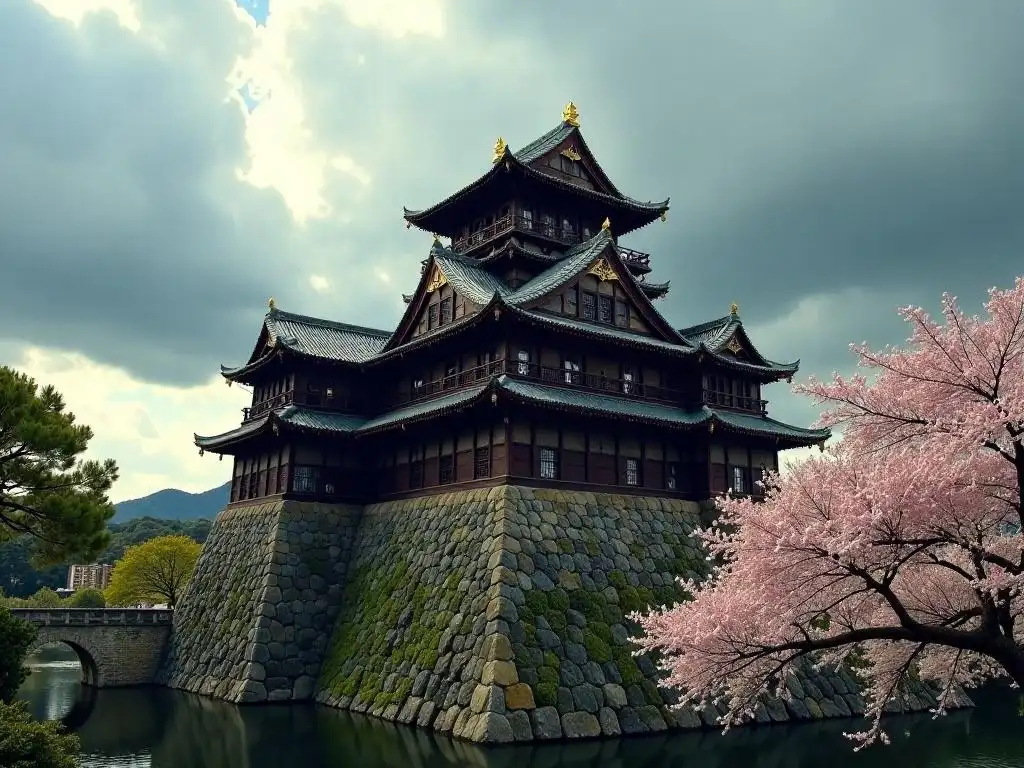
The Mongol invasions of Japan in the late 13th century, although ultimately unsuccessful, had profound long-term consequences on the governance structures of the Kamakura period. The invasions instigated a reevaluation of military and political strategies, leading to significant shifts in how power was organized and exercised. The fear of Mongol aggression united various samurai clans under the Kamakura shogunate, fostering a sense of national identity that was previously fragmented. This newfound solidarity influenced governance, pushing the shogunate to adopt more centralized policies to coordinate defense efforts and maintain order.
Moreover, the invasions highlighted the vulnerabilities of the Kamakura military aristocracy and necessitated reforms. The need to fund and equip a robust defensive force led to changes in taxation and resource allocation, which in turn affected social hierarchies and the distribution of power among the samurai class. The consolidation of military power and the necessity for a more organized response to external threats ultimately reinforced the authority of the shogunate, allowing it to establish a firmer grip on governance.
Resilience and Adaptation in Governance Frameworks
In response to the Mongol invasions, the Kamakura shogunate displayed notable resilience and adaptability in its governance frameworks. To counter the threat posed by the Mongols, the shogunate restructured its military organization, emphasizing rapid mobilization and coordination among the samurai. This adaptation not only improved military effectiveness but also fostered a more cohesive governance model that relied on collaboration between the central government and provincial lords.
Additionally, the invasions prompted the shogunate to develop new diplomatic strategies. By engaging with neighboring regions, the Kamakura government sought to form alliances and gather intelligence, which would be crucial in anticipating future threats. This shift toward a more proactive diplomatic approach represented a significant evolution in governance, as it required a balance between military preparedness and diplomatic engagement.
The Legacy of Mongol Invasions on Future Japanese Governance
The legacy of the Mongol invasions on Japanese governance extends well beyond the Kamakura period. The administrative and military reforms initiated during this time paved the way for future shogunates, particularly the Ashikaga shogunate. The emphasis on centralized authority and the integration of regional power structures established a precedent for governance that prioritized a stronger central command while allowing for local autonomy.
Furthermore, the collective experience of resisting foreign invasions fostered a national consciousness that would resurface in later periods of Japanese history. The notion of a unified Japan standing against external threats became ingrained in the political psyche, influencing governance strategies during times of crisis. This legacy of resilience and adaptation in the face of adversity would continue to shape Japan’s political landscape for centuries to come.
Comparisons to Other Historical Governance Changes in Japan
When comparing the impact of the Mongol invasions to other historical governance changes in Japan, such as the transition from the Heian to the Kamakura period, several parallels emerge. Both periods were marked by a shift in power dynamics and the emergence of military governance, albeit under different circumstances. The Heian period's decline was largely due to internal strife and the rise of powerful provincial families, while the Mongol invasions introduced an external catalyst for change.
Another notable comparison is the Meiji Restoration, where Japan underwent rapid modernization and governance reform in response to foreign pressure. Similar to the Mongol invasions, the Meiji Restoration prompted a reevaluation of Japan’s military and administrative structures, leading to a more centralized and modern state. In both instances, external threats acted as a catalyst for significant shifts in governance, illustrating a recurring theme in Japan's political evolution.
Conclusion: The Lasting Influence of the Mongol Invasions on Kamakura Governance
The Mongol invasions of the late 13th century were a pivotal moment in Japanese history, significantly influencing the governance structures of the Kamakura period. The shogunate's responses to these invasions not only fortified its authority but also laid the groundwork for future governance models in Japan. The lessons learned from the invasions fostered resilience and adaptability, characteristics that would define Japanese governance for generations.
Summary of Key Points on Mongol Invasions and Governance
- The Mongol invasions led to a reevaluation of military strategies and centralized governance in the Kamakura period.
- The need for a cohesive defense fostered unity among samurai clans and strengthened the shogunate's authority.
- Governance adaptations included reforms in military organization and a shift towards proactive diplomacy.
- The legacy of these invasions influenced future governance structures, establishing a model of centralized authority with regional cooperation.
Reflection on the Importance of Historical Context in Governance Studies
Understanding the historical context of governance changes, such as those instigated by the Mongol invasions, is crucial for comprehending the complexities of political evolution. The interplay between external threats and internal responses shapes the governance landscape, revealing patterns that are essential for analyzing contemporary political structures. By studying the impact of the Mongol invasions on Kamakura governance, we gain valuable insights into how historical events can redefine power dynamics and influence the trajectory of a nation’s governance.
References and Further Reading
Understanding the complexities of governance during the Kamakura Period, particularly in light of the Mongol invasions, requires a thorough investigation into both historical texts and contemporary analyses. This section provides a curated list of resources that offer valuable insights into the topic, ranging from academic books to online databases.
Suggested Books and Articles on Mongol Invasions and Kamakura Period Governance
-
"The Mongol Invasions of Japan" by Stephen Turnbull
This book delves into the events surrounding the Mongol invasions, providing detailed accounts of the battles and the broader implications for Japanese society and governance.
-
"Japan's Feudal Period: The Kamakura Era" by Richard Ponsonby-Fane
Ponsonby-Fane offers a comprehensive overview of the Kamakura Period, highlighting the political structures that emerged in response to external threats, including the Mongol invasions.
-
"Warriors of Japan as Portrayed in the War Tales" by John T. Carpenter
This work examines the role of samurai and military governance during the Kamakura Period, particularly in the context of the Mongol invasions and their impact on warrior culture.
-
"Kamakura: The Rise of the Samurai State" by Thomas D. Conlan
Conlan's analysis focuses on the political evolution during the Kamakura Period, emphasizing how military strategies and governance were shaped by the Mongol threat.
-
"The Mongol Empire: A Very Short Introduction" by John Man
This concise book provides a broader context of the Mongol Empire and its interactions with Japan, offering insights into the geopolitical landscape that influenced Kamakura governance.
Online Resources for Deeper Exploration of Kamakura Political History
-
The Japan Times: Offers a variety of articles and opinion pieces on historical events, including the Mongol invasions and their implications for Japanese governance.
[Visit Japan Times]
-
National Diet Library of Japan: A digital archive that houses documents and resources related to the Kamakura Period, including historical treaties and records of the Mongol invasions.
[Explore the National Diet Library]
-
The British Museum: Features online exhibitions and resources that detail the cultural exchanges and conflicts during the Mongol invasions, enriching the understanding of their impact on Japanese governance.
[Discover British Museum Resources]
-
Stanford University's East Asian Studies Resources: Provides access to a collection of academic papers and theses focused on the Kamakura Period and the influence of Mongol invasions on Japanese political structures.
[Visit Stanford Resources]
-
YouTube Educational Channels: Channels like "History Time" and "Kings and Generals" regularly produce content on historical events, including the Mongol invasions and the Kamakura Period, making complex topics accessible to a wider audience.
[Search YouTube for Relevant Videos]
These references and resources aim to furnish readers with a well-rounded understanding of how the Mongol invasions influenced governance during the Kamakura Period, providing a foundation for further study and exploration in this fascinating area of Japanese history.
- Introduction to the Mongol Invasions and Kamakura Governance
- The Impact of the Mongol Invasions on Kamakura Governance
- Shifts in Governance Structures during the Kamakura Period
- Cultural and Societal Changes Influenced by the Mongol Invasions
- Long-term Consequences of the Mongol Invasions on Kamakura Governance
- Conclusion: The Lasting Influence of the Mongol Invasions on Kamakura Governance
- References and Further Reading
Frequently Asked Questions
What were the Mongol invasions during the Kamakura period?
The Mongol invasions refer to two major attempts by the Mongol Empire to conquer Japan in 1274 and 1281, which significantly impacted Japan's military and political landscape.
How did the Kamakura governance respond to the invasions?
The Kamakura governance established a military defense strategy, including the mobilization of samurai and fortifications, showcasing their adaptability to external threats.
What was the impact of the Mongol invasions on Japanese society?
The invasions fostered a sense of national unity among the Japanese people and reinforced the importance of the samurai class in defending the realm, influencing social hierarchies.
Did the Mongol invasions lead to any changes in governance?
Yes, the Mongol invasions prompted the Kamakura shogunate to strengthen its authority, leading to reforms that enhanced the shogunate's control over regional lords and samurai.
How did the invasions affect Japan's military strategies?
The Mongol invasions led to the development of more organized military strategies, emphasizing naval capabilities and the need for cooperative defense among the various clans in Japan.
Final Reflection: The Enduring Legacy of the Mongol Invasions on Kamakura Governance
The Mongol invasions of the 13th century were not merely military campaigns; they were pivotal events that fundamentally reshaped the governance structures of the Kamakura period. In an era marked by feudal strife and the quest for stability, the Mongol threat catalyzed a reevaluation of power dynamics, leading to innovations in governance that resonate even in contemporary discussions about leadership and resilience. The lessons learned from this tumultuous period remind us that external challenges can forge new paths for internal growth and adaptation.
The influence of the Mongol invasions extends beyond mere historical events; they serve as a lens through which we can examine the evolution of political authority and social cohesion. The Kamakura shogunate's response to the invasions not only solidified its power but also laid the groundwork for future governance models in Japan. This period illustrates the profound impact that crises can have on shaping societal structures. As historian Stephen Turnbull aptly stated, > “The Mongol invasions were a crucible for the Kamakura shogunate, testing its mettle and ultimately redefining its role in Japanese history.”
As we reflect on the lessons of the Mongol invasions and their influence on Kamakura governance, we are invited to consider our own responses to challenges in our lives. How can we harness adversity to foster resilience and innovation in our communities? Let this historical narrative inspire us to embrace change and adapt our governance—both personal and communal—in the face of uncertainty. The legacy of the Mongol invasions teaches us that through unity and strategic foresight, we can navigate the complexities of our own times, ensuring that we emerge stronger and more cohesive than before.
Embrace the Legacy of the Mongol Invasions!
Thank you for exploring the profound impact of the Mongol invasions on governance during the Kamakura period. This examination of a crucial historical event enhances your understanding of its lasting influence on Japan's past and present.
Now, let's take action to connect with this rich history:
- Dive deeper into the complexities of Kamakura governance by exploring additional resources or documentaries on feudal Japan.
- Join our community by sharing your thoughts or questions about this topic in the comments below; let’s learn from each other’s insights!
- Consider visiting a local museum or exhibition that showcases artifacts from the Kamakura period, allowing you to experience history firsthand.
What observations can you share about how historical events, such as the Mongol invasions, continue to shape governance models today?