
Beyond the Battlefield: The Role of Arts and Culture in Samurai Education

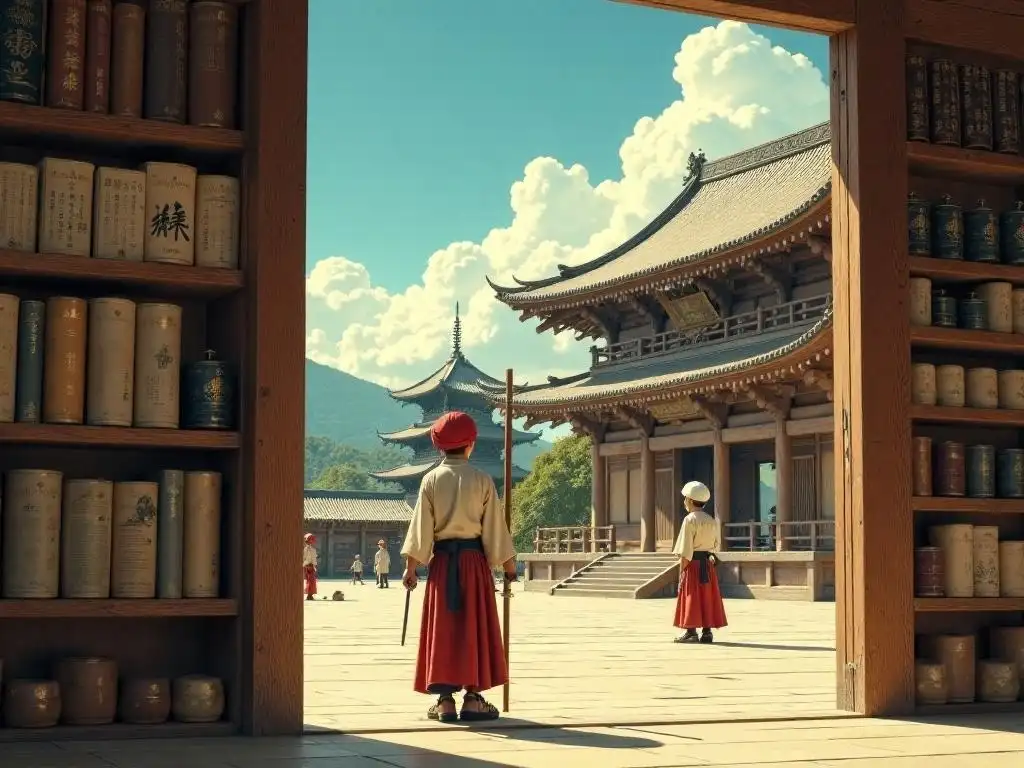
Welcome to Feudal Japan History, where we invite you on a journey through the captivating tapestry of Japan’s feudal era. Here, we delve deep into the intricate world of samurai education, arts, and culture, revealing the profound impact these elements had on shaping the warriors of the past. In our featured article, "Beyond the Battlefield: The Role of Arts and Culture in Samurai Education," discover how the samurai transcended mere combat skills, embracing a holistic approach to their training that fostered creativity and wisdom.
Prepare to uncover the lesser-known facets of samurai life that will leave you questioning what you thought you knew about this legendary warrior class. Join us as we explore the depth of their legacy!
- Introduction to Samurai Education: Arts and Culture
- Historical Context of Samurai Education
- The Role of Arts in Samurai Education
- The Role of Culture in Samurai Education
- Comparing Different Aspects of Samurai Education
- The Impact of Arts and Culture on Samurai Identity
- Conclusion: The Lasting Influence of Arts and Culture on Samurai Education
-
Frequently Asked Questions
- What is the significance of arts and culture in samurai education?
- How did samurai education differ from other educational systems in feudal Japan?
- What specific arts were emphasized in samurai training?
- How did samurai education influence Japanese society?
- What role did Zen Buddhism play in samurai education?
- Final Reflection: The Enduring Legacy of Samurai Education in Arts and Culture
- Unleash Your Inner Warrior: Embrace the Arts and Culture of the Samurai!
Introduction to Samurai Education: Arts and Culture
The education of samurai in feudal Japan was far more than mere martial training; it was a holistic approach that encompassed a variety of disciplines, including the arts and culture. This multifaceted education system was essential in shaping the identity and values of the samurai class, influencing not only their prowess in battle but also their roles as leaders, scholars, and artists.
In this article, we will delve into the intricate relationship between samurai education and the arts, exploring how cultural pursuits played a crucial role in developing the character, discipline, and worldview of these iconic warriors. By understanding the broader educational framework of the samurai, we can appreciate the profound impact that arts and culture had on their lives and legacy.
Overview of Samurai Education in Feudal Japan
Samurai education in feudal Japan was a structured process that emphasized both physical and intellectual development. From a young age, samurai boys were taught the values of loyalty, honor, and discipline. Their education typically included:
- Martial Arts Training: Mastery of various weapons and combat techniques was paramount. This often included swordsmanship (kenjutsu), archery (kyujutsu), and horseback riding (bajutsu).
- Philosophy and Ethics: Influenced by Confucianism, samurai were educated in moral principles and social ethics, fostering a sense of responsibility towards their lord and society.
- Literature and Poetry: Samurai were encouraged to read classical literature and compose poetry, particularly haiku, which cultivated their appreciation for beauty and expression.
- Calligraphy and Painting: Engaging in artistic endeavors not only honed their fine motor skills but also nurtured their aesthetic sensibilities, reflecting the samurai’s inner world.
This comprehensive educational framework was critical for preparing samurai to fulfill their roles as both warriors and cultured individuals, embodying the ideal of the "bushi" or warrior scholar.
Importance of Arts and Culture in Samurai Training
The integration of arts and culture into samurai education served several vital purposes, influencing both personal development and societal status.
- Cultivation of Character:
- Emotional Resilience: Engaging with the arts allowed samurai to express emotions and develop a deeper understanding of human experiences, leading to greater emotional intelligence.
- Refinement of Aesthetics: The study of arts helped samurai cultivate a sense of beauty and harmony, essential qualities for maintaining balance in a tumultuous era.
- Social and Political Influence:
- Cultural Diplomacy: Samurai often acted as cultural ambassadors, using their knowledge of arts to forge alliances and enhance their clan's prestige.
- Leadership Qualities: A well-rounded education enabled samurai to lead with wisdom and compassion, gaining the respect of their peers and subordinates.
- Legacy of Arts and Culture:
- Enduring Impact: Many samurai became patrons of the arts, contributing to the development of unique Japanese cultural practices, such as tea ceremonies, Noh theater, and ink painting.
- Cultural Heritage: The artistic achievements of the samurai have left a lasting legacy, influencing Japanese culture and identity even beyond the feudal era.
Through these aspects, it becomes clear that the role of arts and culture in samurai education was not merely ancillary; it was foundational to the development of a holistic warrior capable of navigating the complexities of feudal society.
Historical Context of Samurai Education
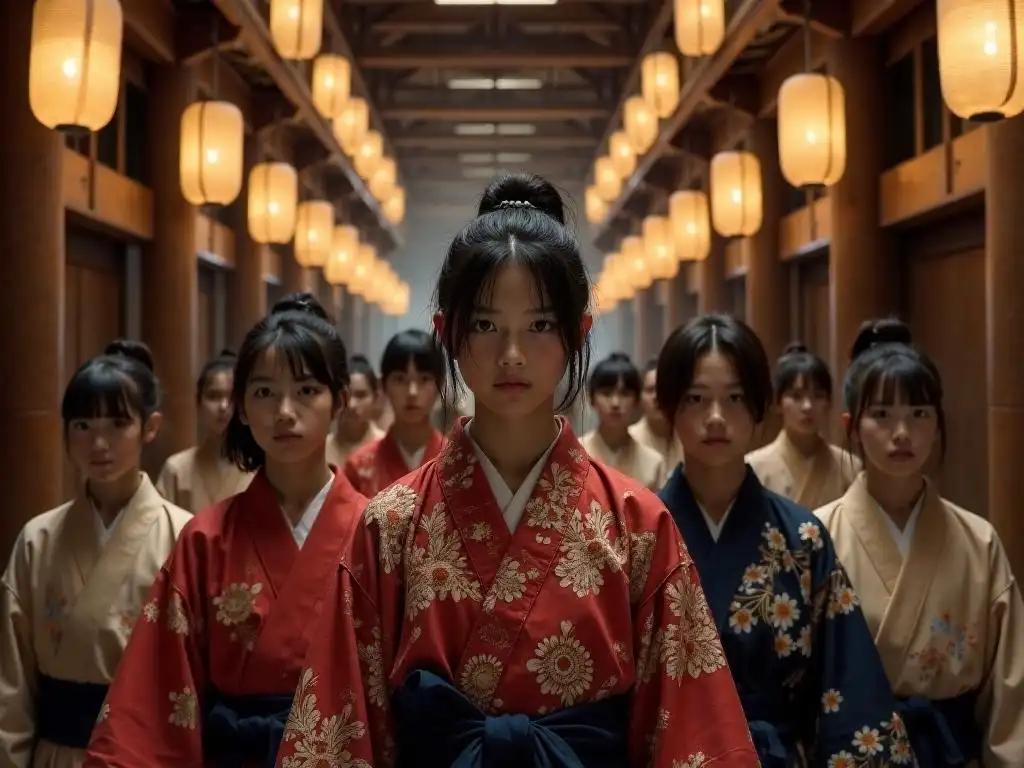
The samurai, Japan's noble warriors, not only defined the military landscape of feudal Japan but also played a pivotal role in shaping the cultural and educational frameworks of their time. The samurai education system emerged in a society where martial prowess was paramount, yet the cultivation of arts and culture was equally esteemed. Rooted in Confucian values and influenced by Buddhist teachings, this education was not merely about combat but also about character formation and ethical development.
The samurai class began to solidify during the late Heian period (794-1185), but it was in the Kamakura period (1185-1333) that their educational practices became more structured. As feudal lords, or daimyō, established their domains, they recognized the need for a well-rounded education for their samurai vassals, leading to a more formalized system of training that encompassed not just martial skills but also the arts and philosophy.
The Code of Bushido, which emerged during the Edo period (1603-1868), encapsulated the ideals of samurai education. It emphasized loyalty, honor, and personal development, guiding samurai to pursue knowledge in various fields. This holistic approach ensured that samurai were not only warriors but also scholars, poets, and artists, reflecting the complex interplay between warfare and culture in feudal Japan.
The Evolution of Samurai Training and Education
Samurai training evolved significantly over the centuries, adapting to the changing political landscape and societal needs. Initially, education was largely informal, passed down through oral traditions and practical demonstrations. Young samurai would learn directly from their fathers or experienced warriors, focusing on combat techniques, weapon mastery, and survival skills.
As the samurai class became more established, formalized educational institutions began to emerge. By the Muromachi period (1336-1573), daimyō established their own schools, known as bushidōgaku or "the study of the way of the warrior." These institutions emphasized a balanced curriculum that included:
- Martial Arts: Proficiency in various weapons, strategy, and battlefield tactics.
- Literature and Poetry: Study of classical texts, poetry composition, and calligraphy.
- Philosophy: Exploration of Confucian principles and Zen Buddhism, which encouraged introspection and moral integrity.
- Arts: Engagement in traditional arts such as tea ceremony, flower arranging (ikebana), and painting, which fostered creativity and discipline.
As time progressed, the Edo period saw the rise of specialized educators, such as the ronin (masterless samurai), who often imparted knowledge in exchange for patronage. This period also saw an increase in the importance of cultural education; samurai were expected to embody the ideals of shūkyō (religion), bunka (culture), and dō (way), integrating these into their daily lives.
Cultural Influences on Samurai Education
The cultural influences on samurai education were profound, shaping the way samurai perceived their roles within society. Confucianism played a critical role, emphasizing moral integrity, respect for authority, and the importance of education. These principles were deeply woven into the fabric of samurai training, encouraging a sense of duty and ethical behavior.
Buddhism, particularly Zen Buddhism, also significantly influenced samurai education. The Zen philosophy of mindfulness and meditation helped samurai cultivate mental discipline, focus, and calmness in the face of adversity. This spiritual aspect of training allowed them to approach both combat and daily life with a sense of tranquility and purpose.
Additionally, the practice of the arts was seen as essential to a samurai's education. The arts provided an avenue for self-expression, creativity, and emotional balance. Samurai engaged in:
- Literature: They studied classic works such as The Tale of Genji, which taught them about human emotions and relationships.
- Tea Ceremony: This ritual, known as chanoyu, emphasized harmony, respect, purity, and tranquility, reflecting a samurai's inner discipline and social grace.
- Martial Arts: Schools of martial arts, like Kendo and Iaido, were developed not just as combat training but as paths to personal growth and self-control.
Through these cultural lenses, samurai education transcended mere skill acquisition, fostering well-rounded individuals who could navigate the complexities of feudal society with honor and wisdom. This blend of martial training with cultural education ultimately defined the samurai's legacy, illustrating that their influence extended far beyond the battlefield.
The Role of Arts in Samurai Education
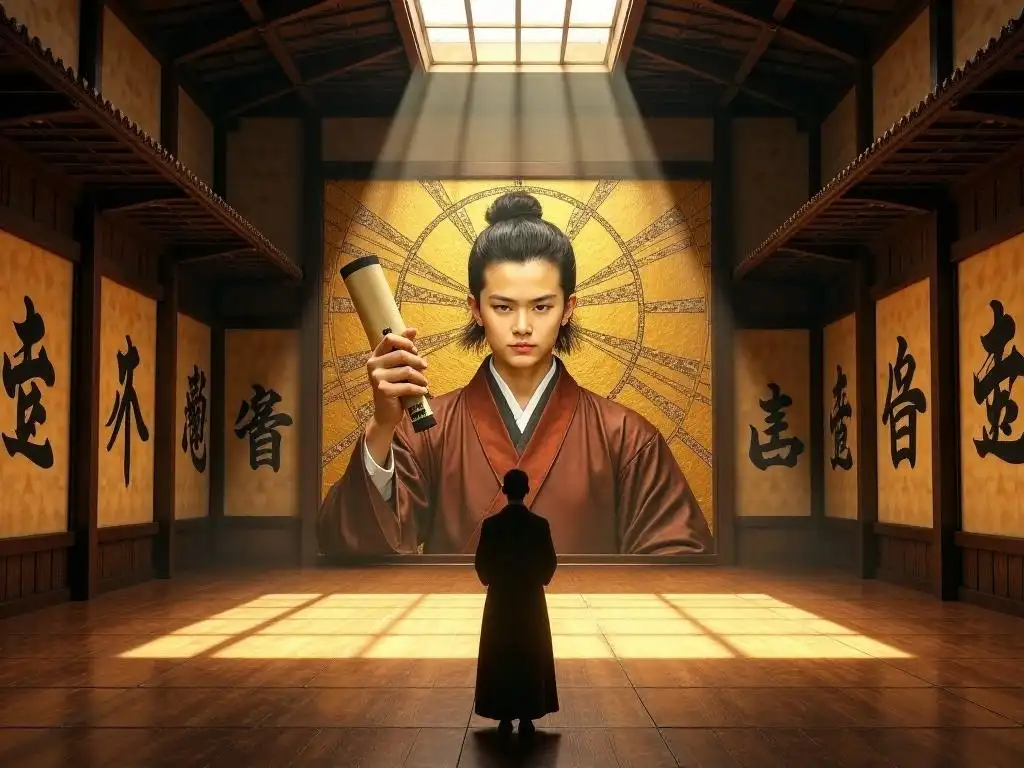
The education of samurai extended far beyond the battlefield, encompassing a rich tapestry of arts and culture that played a fundamental role in shaping their identity. While martial prowess was essential, the samurai were also expected to be well-versed in various artistic disciplines. This dual focus on combat and culture was instrumental in developing a well-rounded character, fostering virtues such as discipline, creativity, and ethical behavior. The integration of arts into their education not only enriched their personal lives but also played a vital role in the socio-political landscape of feudal Japan.
Traditional Arts: Calligraphy, Poetry, and Painting
The traditional arts formed a cornerstone of samurai education, with calligraphy, poetry, and painting serving as essential disciplines.
- Calligraphy (Shodō): Mastery of calligraphy was considered a reflection of one’s character and discipline. Samurai practiced shodō, which emphasizes fluidity and precision in brush strokes. This art form was not merely about writing; it was a meditative practice that required concentration, fostering mental clarity and focus.
- Poetry (Waka and Haiku): Poetry, particularly waka and later haiku, was integral to samurai culture. Composing poems allowed samurai to express their emotions, thoughts, and experiences. Through structured forms and natural imagery, samurai could convey complex sentiments, often reflecting their philosophical and ethical viewpoints.
- Painting (Suibokuga): The art of ink wash painting, or suibokuga, was another significant aspect of samurai education. This style emphasized simplicity and the beauty of nature, encouraging samurai to appreciate the world around them. The practice of painting also cultivated patience and attention to detail.
These traditional arts were not merely hobbies; they were essential components of samurai education that contributed to their overall development as scholars, thinkers, and leaders.
The Importance of Martial Arts in Cultural Training
Martial arts played a crucial role in the cultural training of samurai, reinforcing the values of discipline, honor, and respect that were central to their identity.
- Bushidō: The code of conduct known as bushidō emphasized the importance of both martial and moral training. Samurai were trained not only in techniques of combat but also in the philosophical underpinnings of their actions, instilling a sense of duty and loyalty.
- Diverse Martial Disciplines: Samurai engaged in various martial arts such as kenjutsu (swordsmanship), iaijutsu (the art of drawing the sword), and sojutsu (spear techniques). Each discipline required rigorous training and mental fortitude, reinforcing the samurai's commitment to excellence.
- Integration with Cultural Values: The practice of martial arts allowed samurai to embody cultural values through physical expression. The grace, control, and awareness developed through martial training mirrored the virtues upheld in traditional arts, creating a holistic educational experience.
The intertwining of martial arts and cultural training formed the basis of a samurai's education, emphasizing that true strength encompasses both physical ability and ethical conduct.
The Influence of Zen Buddhism on Samurai Arts
Zen Buddhism significantly influenced the arts and education of samurai, shaping their approach to both martial and artistic endeavors.
- Meditative Practices: The principles of Zen, particularly meditation, were integrated into samurai training. This practice helped cultivate mindfulness, allowing samurai to maintain focus during combat and while engaging in artistic pursuits. The emphasis on being present in the moment translated into a deeper appreciation for the arts.
- Simplicity and Naturalness: Zen teachings promoted simplicity and naturalness, which became evident in samurai art forms. Whether in the minimalist aesthetics of sumi-e (ink painting) or the unembellished elegance of Zen gardens, these principles encouraged samurai to find beauty in simplicity and to express their understanding of the world through their art.
- Philosophical Depth: The introspective nature of Zen also inspired samurai poetry and literature. Poets like Matsuo Bashō, who embraced Zen philosophy, produced works that reflected the transient beauty of life, resonating deeply with the samurai ethos of impermanence and honor.
Incorporating Zen Buddhism into their education, samurai found a profound connection between their martial training and artistic expression, enriching both their personal lives and their understanding of the world around them.
The Role of Culture in Samurai Education
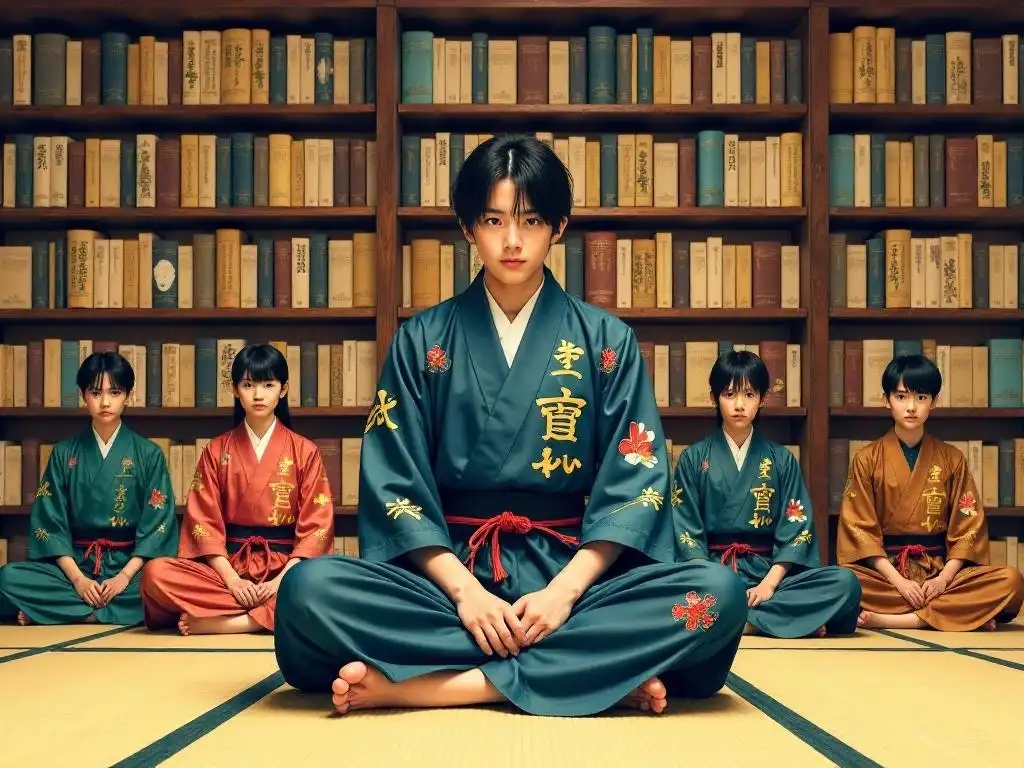
The education of samurai transcended mere martial training, deeply intertwining with the cultural and artistic expressions of the time. This multifaceted approach aimed not only to cultivate skilled warriors but also to foster well-rounded individuals capable of leadership and governance. The samurai's role as both a military and cultural figure led to an educational framework that integrated various aspects of arts and culture, shaping the ethos of the samurai class.
The Significance of Confucianism and Moral Education
Confucianism emerged as a cornerstone of samurai education, providing ethical guidance that emphasized virtues such as loyalty, honor, and filial piety. The teachings of Confucius stressed the importance of moral integrity and social responsibility, which resonated deeply with the samurai's code of conduct, known as bushido.
- Core Principles of Confucianism in Samurai Education:
- Ren (仁): The virtue of compassion and kindness toward others.
- Li (礼): The importance of rituals and propriety in social interactions.
- Xiao (孝): Filial piety, emphasizing respect for one's parents and ancestors.
These principles were not merely theoretical; they were instilled in samurai through rigorous study and practice. Moral education often took place in formal settings, such as schools founded by samurai clans, where students engaged in discussions, recited texts, and participated in examinations that evaluated their understanding of these ethical concepts.
The Integration of Performing Arts in Samurai Life
The performing arts played a crucial role in the educational landscape of the samurai. Disciplines such as Noh and Kabuki theater, as well as traditional music and dance, were integral to developing a samurai's character and social skills.
- Key Performing Arts in Samurai Education:
- Noh Theatre: A refined form of drama that emphasized poise, elegance, and the expression of deep philosophical themes.
- Kabuki Theatre: Known for its vibrant and exaggerated performances, Kabuki provided lessons in storytelling and emotional expression.
- Traditional Music: Instruments such as the shakuhachi (bamboo flute) and koto (stringed instrument) were often studied, promoting discipline and focus.
Through participation in these artistic forms, samurai cultivated a sense of aesthetics and appreciation for beauty. This artistic engagement was essential in developing a well-rounded character, capable of both martial prowess and cultural refinement.
Rituals and Ceremonies: Cultural Practices in Samurai Education
Rituals and ceremonies were pivotal in the upbringing of samurai, serving as a means to instill discipline and reinforce cultural values. These practices often melded martial training with artistic expression, creating a holistic educational experience.
- Specific Rituals and Ceremonies:
- Tea Ceremony (Chanoyu): This traditional practice emphasized mindfulness, respect, and harmony, reflecting the samurai's commitment to discipline and etiquette.
- Martial Arts Training: Practiced as both a physical and spiritual discipline, martial arts classes often included rituals that honored the lineage of the art, reinforcing respect and tradition.
- Ceremonial Dances: These were performed during festivals and gatherings, showcasing the connection between physical movement, artistic expression, and cultural heritage.
Through these rituals, samurai not only honed their martial skills but also internalized the cultural narratives that shaped their identity. Each ceremony served as a reaffirmation of their roles within society, bridging the gap between their duties as warriors and their responsibilities as cultured individuals.
The integration of arts and culture into samurai education was essential in shaping the values, skills, and character of these historical figures. The multifaceted approach ensured that samurai were not only feared on the battlefield but also respected as leaders and cultural custodians in feudal Japan.
Comparing Different Aspects of Samurai Education
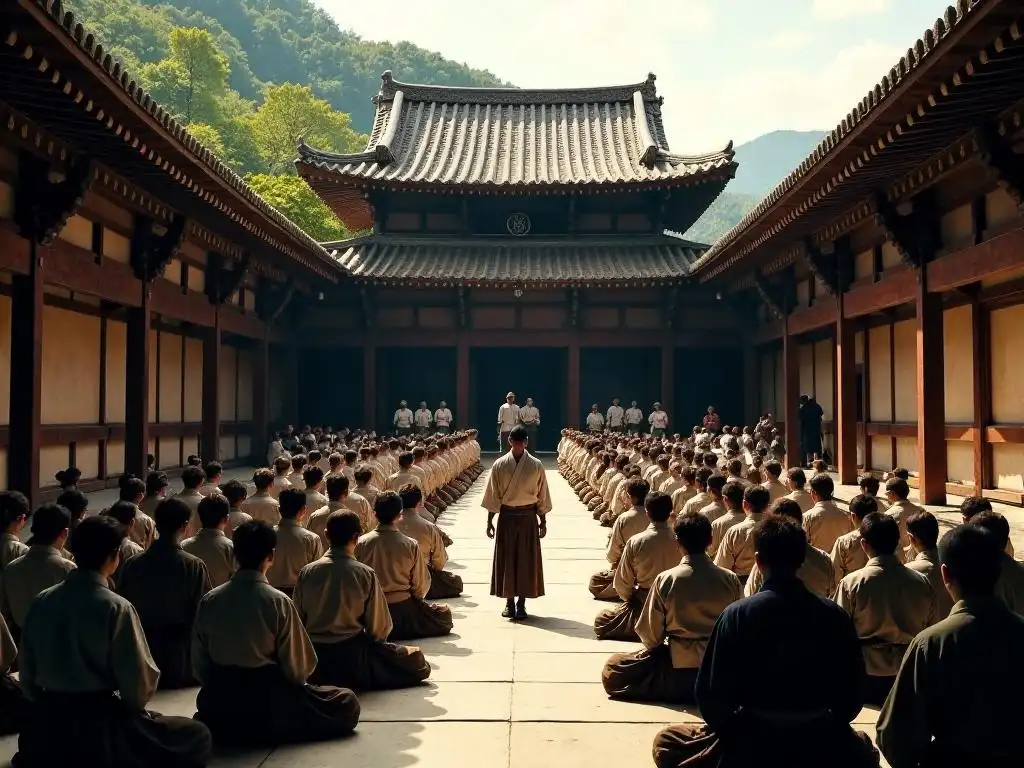
The education of samurai during the feudal era of Japan was not only focused on martial skills but also encompassed a wide array of arts and cultural practices. This multidimensional approach to education set samurai apart from other social classes, particularly peasants, and varied significantly across different regions of Japan. Understanding these differences provides a deeper insight into the unique educational landscape that shaped the samurai class.
Differences Between Samurai and Peasant Education
The educational frameworks for samurai and peasants diverged significantly due to their distinct social roles and responsibilities. Here are some key differences:
- Curriculum Focus:
- Samurai Education: Emphasized a combination of martial training, literature, philosophy, and the arts. Samurai were often taught calligraphy, poetry, and the principles of Zen Buddhism, which were believed to foster discipline and mental clarity.
- Peasant Education: Primarily practical and utilitarian, focusing on agricultural techniques, basic literacy for record-keeping, and skills necessary for daily survival. The arts were rarely included in their education.
- Access to Resources:
- Samurai: Had access to specialized tutors, educational texts, and cultural institutions. They often studied at samurai academies or under the guidance of renowned scholars, which allowed them to cultivate a refined understanding of both martial and cultural disciplines.
- Peasants: Education was informal and often self-directed. Limited access to books and teachers meant that knowledge was passed down through oral traditions and communal learning.
- Social Expectations:
- Samurai: Expected to embody a well-rounded character that balanced martial prowess with cultural sophistication. Their education was a reflection of their status and duty to serve their lord and community.
- Peasants: Socially constrained by their class, education aimed at maintaining productivity and stability within agrarian society. Cultural pursuits were often seen as luxuries rather than necessities.
This stark contrast in educational practices not only illustrates the differences in societal roles but also highlights how the samurai class cultivated a unique identity through their commitment to both martial and cultural excellence.
Regional Variations in Samurai Educational Practices
Regional differences in samurai education were influenced by local customs, the political landscape, and the availability of resources. These variations can be examined through several key aspects:
- Influence of Local Daimyo:
- Different daimyo (feudal lords) had varying philosophies regarding education. For instance, some daimyo prioritized military training, while others championed the arts and scholarship. Regions under more progressive leaders often saw samurai engaged in the study of literature and the arts to a greater extent.
- Cultural Traditions:
- Areas with rich cultural histories, such as Kyoto, fostered a more profound appreciation for arts and aesthetics. Samurai in these regions were more likely to study traditional arts like tea ceremony (chanoyu), flower arranging (ikebana), and Noh theater.
- Conversely, in more militarized regions, such as the Kanto area, the focus leaned heavily toward swordsmanship and military strategy, with less emphasis on cultural education.
- Educational Institutions:
- The existence of local academies and the presence of influential scholars also shaped educational practices. For example, the Yushima Seido in Edo became a prominent Confucian academy where many samurai received their education, stressing ethical governance and moral philosophy.
- In contrast, remote regions might lack such institutions, leading to a more rudimentary form of samurai education focused on survival and combat readiness.
The regional variations in samurai educational practices illustrate the adaptability of samurai culture, demonstrating how local influences shaped the education of this elite warrior class while still maintaining a core commitment to the dual ideals of martial and cultural sophistication.
The Impact of Arts and Culture on Samurai Identity
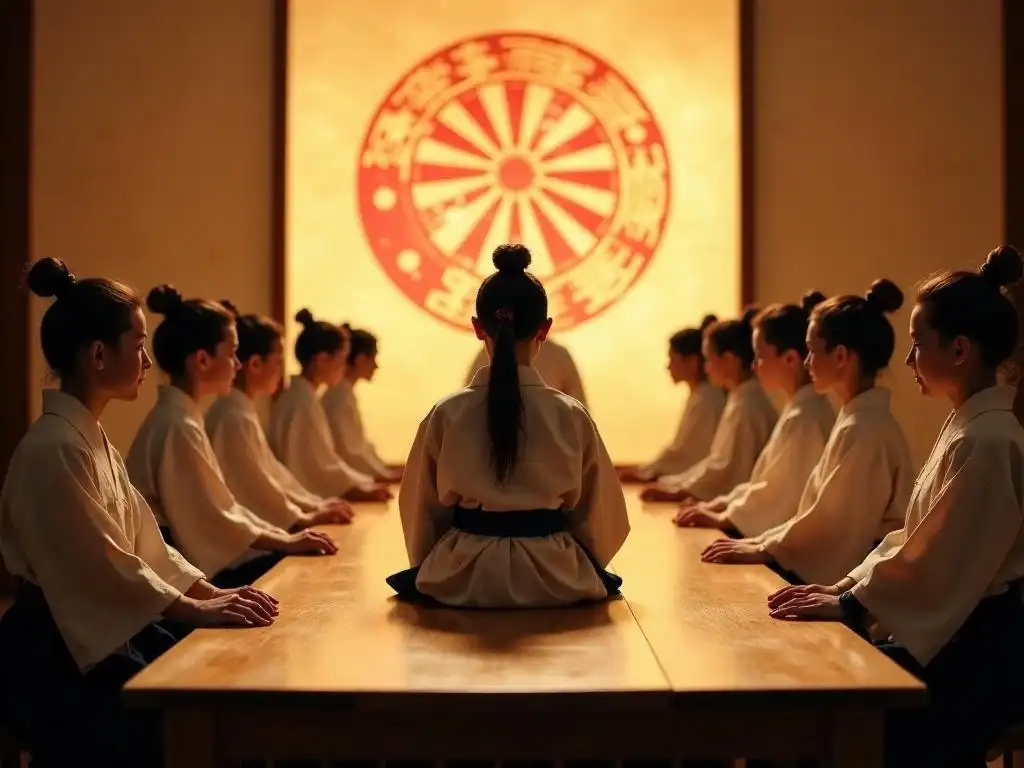
The samurai, the elite warrior class of feudal Japan, were not merely skilled fighters; they were also deeply influenced by arts and culture, which played a crucial role in shaping their identity. The integration of artistic disciplines into samurai education contributed to their worldview, ethical framework, and social standing. As the samurai navigated the complexities of loyalty, honor, and duty, the arts served as a medium for self-expression and introspection, thereby enriching their cultural identity.
How Arts Shaped the Samurai Ethos
The samurai ethos, encapsulated in the concept of Bushido (the Way of the Warrior), was profoundly impacted by various artistic pursuits. Key elements include:
- Literature and Poetry: Samurai were encouraged to cultivate their intellect through literature, particularly haiku and Noh plays. The appreciation of poetry not only refined their language skills but also fostered emotional depth and philosophical thought. For example, renowned samurai like Miyamoto Musashi authored texts on strategy and philosophy, blending martial skill with literary finesse.
- Calligraphy: The practice of calligraphy was essential in samurai education, emphasizing discipline and precision. Mastering this art form was seen as a reflection of one's character. A beautifully executed piece could signify a samurai's virtue and seriousness of purpose.
- Tea Ceremony (Chanoyu): The ritual of tea preparation became a vital aspect of samurai culture, teaching principles of harmony, respect, purity, and tranquility. The tea ceremony fostered a sense of community among samurai and provided a meditative practice that balanced the chaos of battle.
- Martial Arts: Beyond physical combat, the study of martial arts encompassed a philosophy of self-improvement and mastery. Disciplines like kendo and iaido emphasized mental focus, ethical conduct, and the samurai's relationship with life and death, tying their martial prowess to artistic expression.
The interplay between these arts and martial training solidified a holistic approach to samurai education, where the mastery of technique was matched by the cultivation of character.
The Legacy of Samurai Arts and Culture in Modern Japan
The influence of samurai education in arts and culture is still palpable in contemporary Japan. Many aspects of traditional samurai culture have permeated modern Japanese society, shaping values and aesthetics. Key legacies include:
- Cultural Festivals: Events celebrating samurai history, such as jidai matsuri (festival of eras) in Kyoto, bring traditional arts like japanese flower arranging (ikebana) and traditional music to the forefront, showcasing the enduring impact of samurai culture.
- Martial Arts: Modern martial arts schools, such as kendo, aikido, and karate, retain the philosophical underpinnings of samurai training. These disciplines continue to teach respect, discipline, and the pursuit of excellence.
- Literature and Arts: Contemporary Japanese literature often draws inspiration from samurai themes, exploring concepts of honor, sacrifice, and the human condition. Additionally, traditional art forms, including ink painting and ceramics, reflect the aesthetic values cultivated during the samurai era.
- Cinematic Representations: The samurai's portrayal in film and television, such as in Akira Kurosawa's works, highlights the romanticism and philosophical depth of the samurai experience, ensuring that their cultural legacy is transmitted to future generations.
The arts and culture integrated into samurai education not only shaped their identity during feudal Japan but also continue to resonate within modern Japanese society. This enduring legacy underscores the importance of a well-rounded education that encompasses both martial and artistic pursuits, fostering a profound understanding of self and society.
Conclusion: The Lasting Influence of Arts and Culture on Samurai Education
The samurai education system was not solely focused on martial prowess; it was significantly enriched by the incorporation of arts and culture. This multifaceted approach helped to develop well-rounded individuals who were not only skilled in combat but also knowledgeable in philosophy, aesthetics, and ethics. The influence of arts and culture on samurai education persists, reflecting a legacy that continues to shape Japanese society today.
Reflections on the Importance of Cultural Heritage in Samurai Training
The cultural heritage embedded within samurai training illustrates a profound understanding of the interconnectedness between martial skills and intellectual development. Traditional arts such as calligraphy, poetry, and tea ceremony were integral to a samurai's education, promoting mental discipline, emotional resilience, and social etiquette.
- Calligraphy: Practicing this art form helped samurai refine their focus and precision, qualities essential for both battle and governance.
- Poetry: Engaging with poetic forms like haiku fostered creativity and emotional expression, allowing samurai to articulate their thoughts and feelings in a culturally resonant manner.
- Tea Ceremony (Chanoyu): This ritual emphasized harmony, respect, and tranquility, which were vital virtues for a warrior navigating the complexities of feudal society.
Moreover, the teachings of Confucianism and Buddhism in samurai education instilled a moral compass guiding their actions in and out of the battlefield. The philosophical reflections on life and death shaped their worldview, encouraging a sense of duty, loyalty, and honor.
Future Perspectives on Samurai Education and Cultural Preservation
As contemporary society becomes increasingly globalized, the importance of preserving the cultural components of samurai education remains critical. The resurgence of interest in traditional Japanese arts has opened doors for educational programs that emphasize the integration of these disciplines into modern curricula.
- Cultural Workshops: Initiatives aimed at teaching traditional arts can cultivate respect for heritage among younger generations. Activities such as ikebana (flower arranging) and kintsugi (the art of repairing pottery) provide practical engagement with samurai values of patience and beauty.
- Academic Research: Scholars continue to explore the historical significance of samurai culture, ensuring that future generations understand the depth of these traditions. Research initiatives can lead to publications and resources that bolster public knowledge and appreciation.
The enduring legacy of samurai education arts and culture serves as a robust foundation for fostering national identity and pride. As Japan navigates the challenges of the modern world, the preservation of these cultural elements will remain essential in shaping a future that honors its past.
Frequently Asked Questions
What is the significance of arts and culture in samurai education?
The arts and culture were integral to samurai education, emphasizing a balance between martial skills and intellectual development. This holistic approach shaped well-rounded warriors.
How did samurai education differ from other educational systems in feudal Japan?
Unlike other systems, samurai education focused on code of conduct, arts, and strategic thinking, equipping them not only for battle but for leadership roles within society.
What specific arts were emphasized in samurai training?
Samurai were trained in various arts, including calligraphy, poetry, and tea ceremonies, which helped cultivate discipline, aesthetics, and a deeper understanding of Japanese culture.
How did samurai education influence Japanese society?
The education of samurai fostered a unique cultural identity in Japan, promoting values such as honor, loyalty, and scholarship, which continue to resonate in modern Japanese culture.
What role did Zen Buddhism play in samurai education?
Zen Buddhism significantly influenced samurai education by instilling mindfulness, focus, and a sense of inner peace, which were essential for both martial and cultural pursuits.
Final Reflection: The Enduring Legacy of Samurai Education in Arts and Culture
The intersection of arts and culture within samurai education remains profoundly relevant today, as it highlights the importance of holistic learning in shaping character and values. In a world often dominated by technology and rapid change, the samurai's commitment to integrating artistic expression with martial discipline serves as a powerful reminder of the multifaceted nature of education. The lessons drawn from this historical paradigm challenge us to reconsider how we nurture creativity and resilience in our own lives and communities.
Culture and the arts have always played a pivotal role in shaping societal values and personal identities. The samurai's dedication to poetry, calligraphy, and other artistic pursuits illustrates that true mastery extends beyond physical prowess; it encompasses emotional intelligence and cultural appreciation. As we navigate our modern landscape, we can draw inspiration from this legacy. Art is not freedom from discipline, but disciplined freedom.
This quote encapsulates the essence of samurai education, reminding us that the balance of creativity and discipline is essential for personal growth and societal harmony.
As you reflect on the themes presented in this article, I invite you to consider how you can incorporate the principles of samurai education into your own life. Embrace the idea that learning is not confined to textbooks or classrooms; it flourishes in the interplay of arts, culture, and personal experience. Let the samurai's legacy inspire you to cultivate a well-rounded approach to education, one that honors both the mind and the spirit. In doing so, you not only honor the past but also contribute to a future where creativity and discipline coexist harmoniously.
Unleash Your Inner Warrior: Embrace the Arts and Culture of the Samurai!
Thank you for immersing yourself in the fascinating world of the samurai and their unique education in arts and culture. You've discovered how these noble warriors were shaped not just by their prowess in battle, but by their deep appreciation for the arts. Now, it’s your turn to carry this knowledge forward and embody the spirit of the samurai!
Here’s how you can take action today:
- Explore an Art Form: Choose a traditional Japanese art—such as calligraphy, flower arranging, or the tea ceremony—and try your hand at it. Immerse yourself in the beauty of these practices to gain a deeper understanding of samurai aesthetics.
- Share Your Insights: Discuss what you’ve learned about the samurai’s education with friends or in online communities. Start a conversation about how modern education can benefit from integrating the arts and cultural heritage.
- Dive Deeper: Read a book or watch a documentary about Japanese history and culture to further enrich your understanding of samurai life beyond the battlefield.
What aspect of samurai culture inspires you the most, and how will you incorporate it into your life?