
The Legacy of Feudal Education: How it Shaped Modern Japanese Society

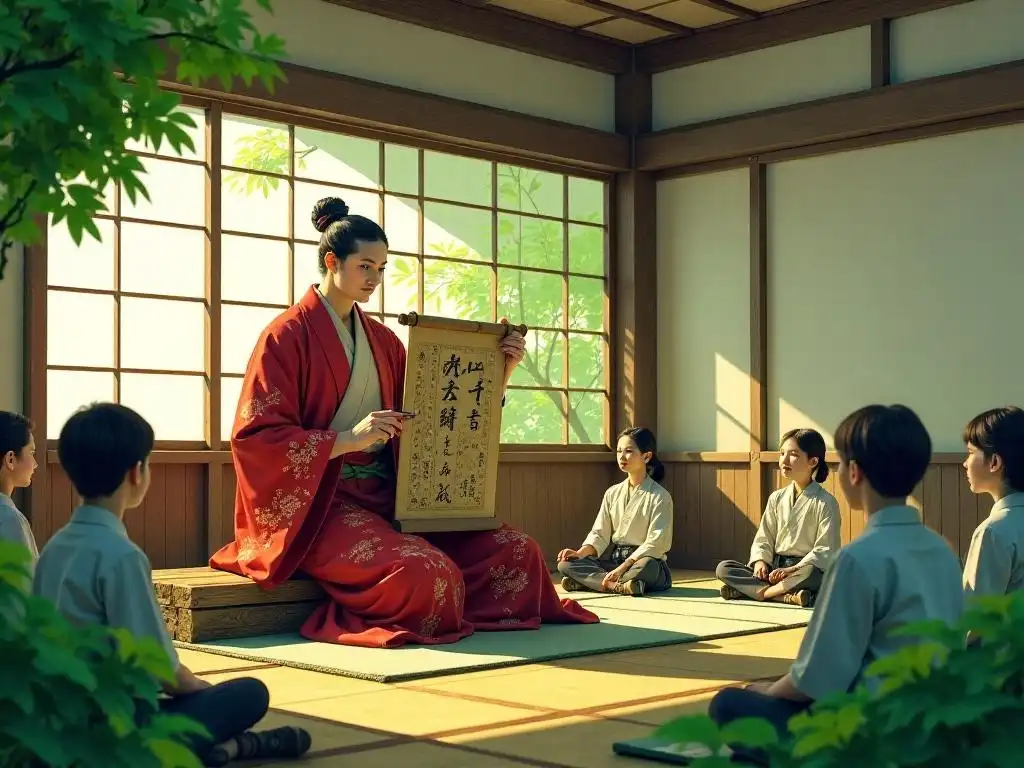
Welcome to Feudal Japan History, where we invite you to embark on a captivating journey through the intricate tapestry of Japan’s feudal era. In our featured article, “The Legacy of Feudal Education: How it Shaped Modern Japanese Society,” we delve into the profound influence of feudal education on contemporary Japan. What educational philosophies and practices emerged during this transformative period, and how do they resonate in today’s society?
Unlock the secrets of Japan’s past and discover the educational legacies that continue to shape its future. Join us as we explore the rich historical, cultural, and societal aspects of feudal Japan that have left an indelible mark on the world.
Introduction to Feudal Education in Japan
Feudal education in Japan represents a pivotal chapter in the country's history, intertwining with the social, cultural, and political dynamics of the era. During the feudal period, which roughly spanned from the late 12th century to the mid-19th century, Japan developed a unique educational system that was deeply influenced by the samurai class and Buddhist teachings.
This system not only served the immediate needs of society at the time but also laid the foundations for modern Japanese education. Understanding the legacy of feudal education is essential for grasping how it shaped contemporary Japanese society, as it encompassed a wide array of values, knowledge, and skills that continue to resonate in today's educational practices.
Historical Context of Feudal Education in Japan
The historical context of feudal education in Japan is characterized by a complex interplay of various influences and developments that shaped the educational landscape of the time. This section delves into the origins and key periods that significantly impacted the evolution of education during the feudal era.
The Origins of Feudal Education
Feudal education in Japan can trace its roots back to the introduction of Confucianism and Buddhism from China. During the Heian period (794-1185), education was largely confined to the aristocracy, focusing on classical literature, poetry, and philosophy. However, as the samurai class began to rise in power, the need for a more practical form of education emerged.
- Key Elements of Early Education:
- Confucian Influence: Emphasized moral education and the importance of hierarchical relationships.
- Buddhist Teachings: Introduced concepts of mindfulness and ethics, which became integrated into the education system.
- Warrior Training: Education for samurai included not only scholarly pursuits but also martial training, emphasizing discipline and strategy.
This transition marked the beginning of a more structured educational framework that catered to the distinct needs of the feudal society.
Key Historical Periods Influencing Education
Several key historical periods significantly influenced the development of feudal education in Japan:
- Kamakura Period (1185-1333):
- Establishment of warrior schools, promoting both martial and academic education.
- Rise of the samurai class who sought formal training to maintain their status and skills.
- Muromachi Period (1336-1573):
- Increased emphasis on Zen Buddhism, which influenced educational philosophies and practices.
- Development of private schools and temples that served as educational institutions for various classes.
- Edo Period (1603-1868):
- The Tokugawa shogunate established a more systematic approach to education.
- The proliferation of terakoya (temple schools) that provided basic literacy and numeracy to commoners.
- Formalization of curricula that included moral education, literature, and practical skills.
Through these historical phases, feudal education evolved, reflecting the societal needs and values of the time, ultimately shaping the foundation of modern Japanese education. The impact of these educational practices continues to be felt in Japan today, fostering a culture that values education as a means of social mobility and personal development.
Structure of Feudal Education in Japan
Feudal education in Japan was intricately linked to the social hierarchy and the political structure of the time. The system primarily revolved around a few key elements: the types of educational institutions, the curriculum offered, and the social classes that determined access to education. It was characterized by a blend of Confucian ideals and indigenous practices, reflecting the values and hierarchies of feudal society.
The educational landscape was dominated by a few prominent institutions, which were often associated with the samurai class and the ruling elite. These institutions not only served as centers of learning but also as places where loyalty to the shogunate and the emperor was instilled in students.
Feudal education was generally elitist, focusing on the needs of the samurai class and their retainers. However, as time progressed, some educational opportunities began to emerge for commoners, albeit limited and often dependent on local circumstances. This duality in access to education played a crucial role in shaping the societal structures of Japan, leading to a complex interplay between social mobility and educational attainment.
Types of Educational Institutions in Feudal Japan
In feudal Japan, several types of educational institutions emerged, each serving distinct purposes and audiences. The most notable included:
- Shuyōkan (School of the Samurai): These were private institutions primarily for the samurai class, where students received a rigorous education in military strategy, ethics, and the Confucian classics. The focus was on preparing young samurai for roles as leaders and warriors.
- Terakoya (Temple Schools): These schools were established by Buddhist temples and later by local communities. They catered primarily to commoners and were aimed at providing basic literacy and numeracy skills. Subjects often included reading, writing, and arithmetic, as well as moral teachings derived from Buddhism and Confucianism.
- Han Schools: Each han (feudal domain) often established its own school to educate the samurai and the children of wealthy merchants. These schools emphasized the study of Confucian texts and governance, aiming to produce capable administrators for the local domain.
- Private Tutors: In addition to formal institutions, many families, particularly among the samurai and wealthy merchant classes, hired private tutors to provide personalized education for their children. This allowed for a tailored curriculum that could include specialized subjects based on the family’s interests and status.
Curriculum and Subjects Taught
The curriculum in feudal Japanese education was diverse yet heavily influenced by Confucianism. Key subjects included:
- Confucian Classics: Texts such as the Analects and The Great Learning were central to the curriculum, emphasizing moral education and ethical governance.
- Martial Arts and Strategy: For the samurai, practical training in martial arts, strategy, and weaponry was essential. This physical education was often integrated with theoretical knowledge about military tactics and history.
- Literacy and Calligraphy: Reading and writing were fundamental skills taught across educational institutions, with a strong emphasis on calligraphy as a form of artistic expression.
- Mathematics: Basic arithmetic was taught, particularly in terakoya, to enable commoners to manage their finances and engage in trade.
- Moral Philosophy: Ethical teachings were a common thread throughout the curriculum, focusing on virtues such as loyalty, honor, and respect for authority.
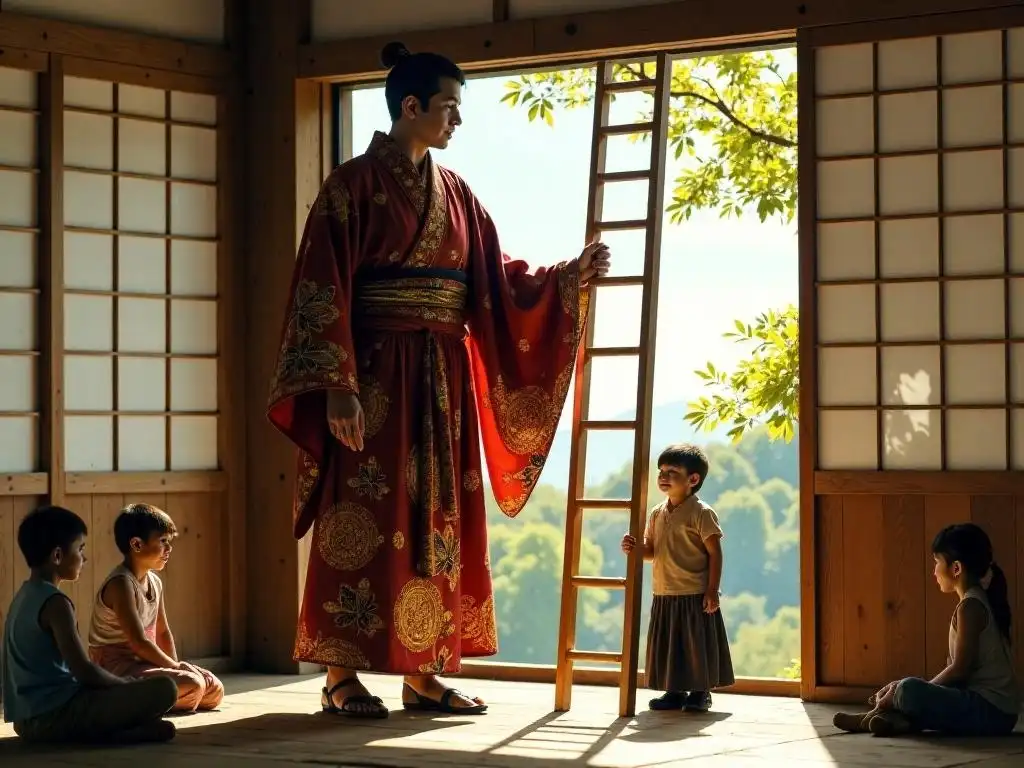
The stratification of Japanese society during the feudal era significantly influenced educational access and content. The education system was designed to reinforce social hierarchies, with distinct differences between the educational experiences of the samurai class and those of commoners.
Education for the Samurai Class
The samurai class received a privileged education that was both broad and specialized. They were often groomed for roles in governance and military leadership from a young age. Education for the samurai included:
- Rigorous Academics: Samurai were expected to excel in subjects such as Confucianism, history, and poetry, which were seen as essential for moral and ethical leadership.
- Physical Training: Alongside academic studies, samurai underwent intensive physical training in martial arts and strategy, preparing them for the responsibilities of warfare and governance.
- Cultural Arts: Education also encompassed cultural aspects such as tea ceremonies, flower arranging, and calligraphy, which were important for maintaining the samurai’s refined social status.
Education for Commoners and Farmers
In contrast, the education available to commoners and farmers was limited and often informal. Key features included:
- Basic Literacy: Terakoya schools provided the foundation of reading and writing, aiming to impart essential skills for trade and community participation.
- Practical Knowledge: The curriculum often focused on practical subjects relevant to daily life, such as agricultural techniques, local laws, and basic mathematics for managing crops and finances.
- Community-Based Learning: Education for commoners frequently occurred in community settings, where knowledge was shared among peers rather than through formal instruction.
- Limited Access: Access to education was highly unequal, with many rural children unable to attend even the basic terakoya schools due to economic constraints or geographical barriers.
The disparities in educational opportunities between social classes in feudal Japan laid the groundwork for future societal structures, contributing to the enduring legacy of education in modern Japan.
The Transition from Feudal Education to Modern Practices
The transition from feudal education to modern educational practices in Japan is a fascinating journey that reflects broader societal changes throughout the country's history. During the feudal period, education was largely based on the needs of the samurai class and was closely tied to Confucian ideals. The curriculum emphasized moral instruction, martial skills, and governance, primarily designed to prepare young samurai for their roles in society. However, as Japan moved towards modernization in the late 19th century, these educational structures underwent significant transformation.
The Meiji Restoration in 1868 marked a pivotal point in Japan's educational evolution. The new government recognized that a modern education system was essential for national development and military strength. Consequently, the feudal education system, which primarily served the elite, was replaced with a more inclusive public education system.
This shift aimed to provide universal education, ensuring that not only the samurai but also common citizens had access to learning. The introduction of Western educational models and methodologies played a critical role in this transformation, leading to the establishment of a structured curriculum that included sciences, arts, and foreign languages.
The End of the Feudal Era and Its Impact
The end of the feudal era in Japan was not merely a political change but also a significant cultural shift that reverberated through various aspects of society, including education. The abolition of the feudal system in the late 19th century dismantled the rigid class structures that defined educational access. Previously, education was predominantly available to the samurai class, with commoners receiving little to no formal instruction.
With the Meiji government's reforms, education became a fundamental right for all citizens. This democratization of education was instrumental in fostering a sense of national identity and unity among the Japanese people. The government established a national school system, which was designed to cultivate a literate and informed populace capable of contributing to a modern state. The focus shifted towards practical skills and knowledge necessary for industrialization, profoundly altering the educational landscape.
Moreover, the impact of Western thought and educational practices led to the inclusion of subjects such as mathematics, science, and technology, which were previously absent from the feudal curriculum. This shift not only advanced Japan's educational framework but also prepared citizens for participation in a rapidly changing world.
Lasting Influences on Modern Japanese Education
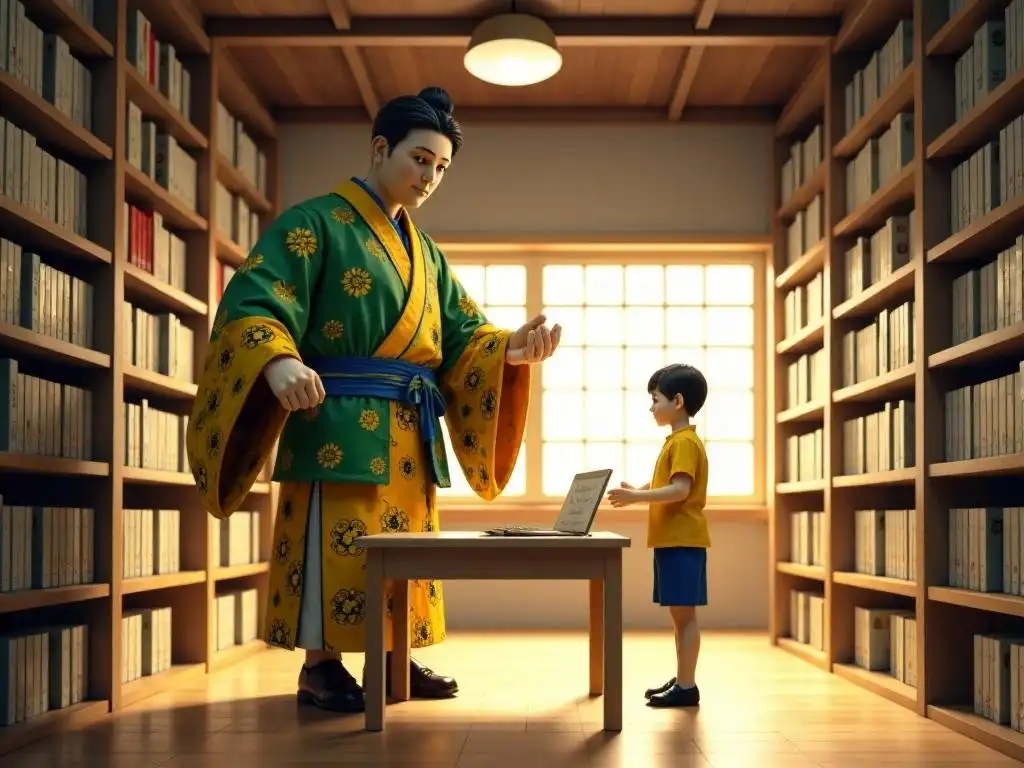
Despite the drastic changes that accompanied the transition from feudal education, the influences of this earlier system remain evident in modern Japanese education. One of the most significant legacies is the emphasis on discipline, respect for authority, and group harmony—principles deeply rooted in Confucian philosophy, which permeated feudal educational practices.
Additionally, the hierarchical structure of the samurai education system has parallels in contemporary Japanese schools, where respect for teachers and elders is upheld, and students often participate in collective activities. The concept of lifelong learning, which was fostered during the feudal era through various forms of apprenticeship and mastery, continues to be valued in modern society, encouraging individuals to pursue knowledge and skills throughout their lives.
Furthermore, the importance placed on moral education during the feudal era has influenced modern curricula, where character education is integrated alongside academic subjects. This approach aims to develop well-rounded individuals who not only excel academically but also contribute positively to society.
Conclusion: The Enduring Legacy of Feudal Education in Japan
The legacy of feudal education in Japan is profound and multifaceted, shaping not only the educational system but also the broader cultural and societal values that persist today. The transition from a class-based, elitist educational framework to a more inclusive and modern approach reflects Japan's commitment to growth and development in a global context.
As Japan continues to evolve, the foundational principles established during the feudal era—such as the importance of discipline, respect, and a commitment to learning—remain vital to its educational philosophy. The adaptability of these principles has allowed Japan to navigate the challenges of modernization while retaining a connection to its rich historical roots. Thus, the legacy of feudal education is not merely a relic of the past but a living influence that continues to shape the educational landscape and societal values of contemporary Japan.
References and Further Reading on Feudal Education in Japan
Understanding the nuances of feudal education in Japan requires a deep dive into various scholarly works and resources that explore its historical context, methodologies, and impacts on modern society. Below is a curated list of references and further reading that will provide valuable insights into this topic:
Books
-
"Education in Japan: A Historical Perspective" by H. D. Hane
This book offers an extensive overview of the evolution of education in Japan, covering the feudal period and its lasting influences on contemporary educational practices.
-
"Confucianism and Education in Japan" by J. W. T. Sweeney
Sweeney examines the impact of Confucian ideals on the educational systems during the Tokugawa shogunate, providing context for the moral and ethical frameworks that shaped feudal education.
-
"The Samurai and the Sacred: The Role of Religion in Feudal Education" by T. I. Nakano
This text investigates how religious teachings influenced educational practices among samurai families, highlighting the intertwining of spirituality and learning.
Academic Journals
-
The Journal of Japanese Studies
This journal publishes peer-reviewed articles that often focus on socio-cultural aspects, including educational reforms and historical analyses of feudal education.
-
Asian Educational Studies
A platform for research articles that explore educational practices across Asia, including the historical context and evolution of feudal education in Japan.
Online Resources
-
National Diet Library of Japan
The library's website provides access to historical documents, educational records, and publications that reflect the educational practices of the feudal era.
-
Japan Society for the Promotion of Science
An organization that sponsors research and promotes the study of Japan’s history, including educational developments during the feudal period.
Documentaries and Lectures
-
"The Samurai: A History" (Documentary Series)
This series covers various aspects of samurai life, including education, providing visual context to the learning environments of feudal Japan.
-
"Feudal Japan: Culture and Society" (Online Lecture Series)
Hosted by various universities, these lectures delve into the cultural and educational frameworks of feudal Japan, offering a modern academic perspective.
Key Websites
-
Feudal Japan History Archive
A digital repository of articles and resources related to Japan's feudal era, including sections dedicated to education and its societal impacts.
-
The Japan Times
Articles and essays that reflect upon the historical education system in Japan, often linking past practices to contemporary education.
By exploring these references and resources, readers can gain a comprehensive understanding of feudal education in Japan and its significant role in shaping modern Japanese society. Each source will help illuminate the intricate connections between historical educational practices and contemporary societal structures.
- Introduction to Feudal Education in Japan
- Historical Context of Feudal Education in Japan
- Structure of Feudal Education in Japan
- The Role of Social Classes in Feudal Education
- The Transition from Feudal Education to Modern Practices
- The End of the Feudal Era and Its Impact
- Lasting Influences on Modern Japanese Education
- Conclusion: The Enduring Legacy of Feudal Education in Japan
- References and Further Reading on Feudal Education in Japan
Frequently Asked Questions
What is feudal education in Japan?
Feudal education refers to the system of learning and knowledge transmission that took place during Japan's feudal era, primarily focusing on samurai values, Confucian teachings, and practical skills necessary for governance and warfare.
How did feudal education influence modern Japanese society?
The principles of feudal education laid the groundwork for modern educational practices, emphasizing the value of discipline, loyalty, and ethical conduct, which continue to resonate in today’s Japanese culture and societal values.
Who were the primary educators during the feudal era?
Educators in feudal Japan included temple monks, Confucian scholars, and samurai, who imparted knowledge through personal mentorship, formal schools, and community gatherings, focusing on both academic subjects and practical skills.
What role did Confucianism play in feudal education?
Confucianism greatly influenced feudal education by promoting moral integrity, social hierarchy, and respect for authority, which shaped the curricula and teaching methods used throughout the feudal period.
Are there any remnants of feudal education in today's Japan?
Yes, many aspects of feudal education, such as discipline, respect for teachers, and the emphasis on cultural traditions, persist in modern Japanese educational systems, reflecting the enduring legacy of the feudal era.
Final Reflection: The Enduring Influence of Feudal Education in Japan
The legacy of feudal education in Japan continues to resonate profoundly in contemporary society, shaping not only educational practices but also cultural values and social structures. As we navigate the complexities of modern life, it is crucial to recognize how the foundations laid during the feudal era still inform our understanding of discipline, hierarchy, and community. The echoes of this historical educational framework remind us that the past is never truly behind us; it is woven into the very fabric of our current identity.
The impact of feudal education extends far beyond the classroom, influencing social interactions and cultural norms that persist today. The emphasis on respect, loyalty, and collective responsibility can be traced back to the teachings of this era, fostering a sense of unity and purpose within Japanese society. As noted by historian John W. Hall, The past is not dead; it is not even past.
This observation underscores the importance of recognizing how historical educational practices continue to shape our present and future, urging us to reflect on the values we uphold and pass on to future generations.
As we contemplate the lessons derived from feudal education, I invite you to consider how these principles can be integrated into your own life. Reflect on the values of discipline, respect, and community that have been passed down through generations, and think about how you can embody these ideals in your daily interactions. By doing so, we not only honor the legacy of feudal education but also contribute to a more cohesive and understanding society, ensuring that the wisdom of the past continues to illuminate our path forward.
Unveil the Lessons of Feudal Education Today!
Thank you for taking the time to explore the profound impact of feudal education on modern Japanese society! We hope you gained valuable insights into how these historical influences continue to shape our world. Now, let’s put that knowledge into action!
- Reflect on your own educational journey: Identify three key lessons from feudal education that resonate with you. How can these principles guide your learning today?
- Join the conversation: Share your thoughts in the comments below on how historical education models can inspire current practices.
- Discover more: Browse additional articles on our site to delve deeper into the fascinating connections between the past and present.
What single lesson from Japan's feudal education system do you believe is most relevant for today's learners? Let's discuss!