
Unveiling the Curriculum: What Samurai Learned Beyond the Sword

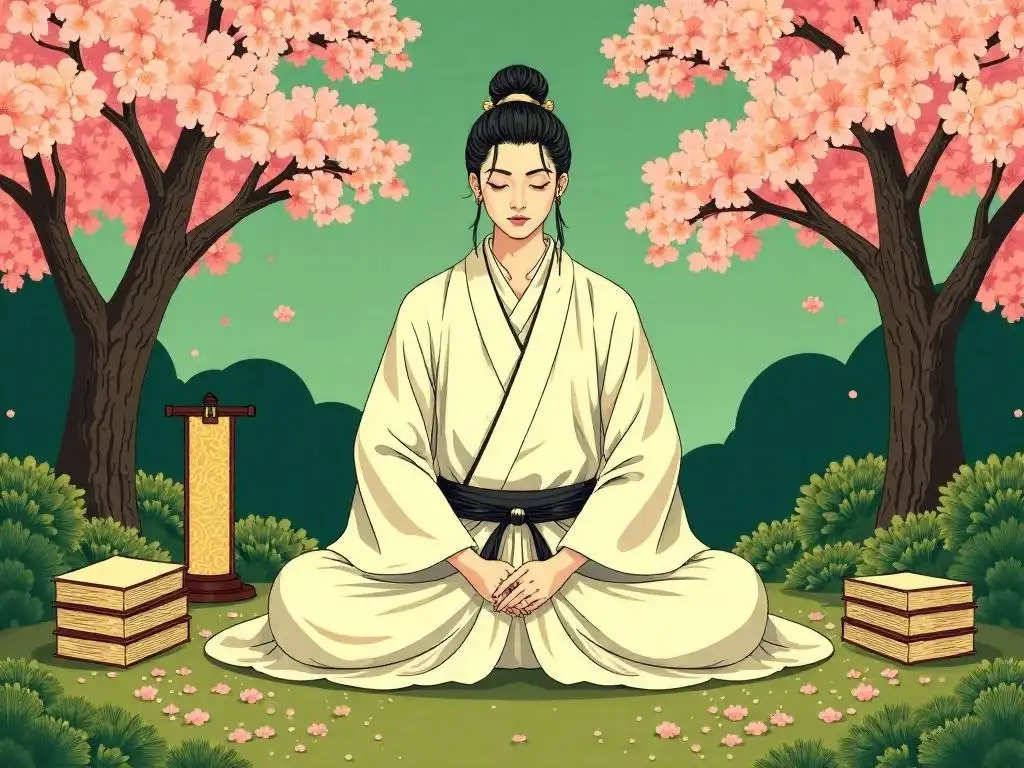
Welcome to Feudal Japan History, your gateway to the captivating world of Japan's feudal era! Here, we embark on a journey through time, unraveling the intricate tapestry of historical, cultural, and societal elements that shaped this fascinating period. In our featured article, "Unveiling the Curriculum: What Samurai Learned Beyond the Sword," we delve deep into the world of samurai education and training, revealing the profound lessons and skills that extended far beyond martial prowess.
Prepare to be intrigued as we explore the rich educational traditions of the samurai and discover how these noble warriors were molded into the iconic figures they became. Join us as we uncover the hidden wisdom of feudal Japan—your adventure awaits!
Introduction to Samurai Education and Training
The samurai, often romanticized as fierce warriors of feudal Japan, were not solely defined by their prowess in battle. Their education and training encompassed a broad spectrum of disciplines that sculpted them into well-rounded individuals. This article delves into the multifaceted curriculum that samurai engaged in, revealing how their education went far beyond mastering the sword.
By exploring the philosophical, cultural, and social dimensions of samurai training, we can appreciate the profound impact this education had on their identities and societal roles. Understanding the complexities of samurai education and training illuminates the rich tapestry of Japan’s feudal era and the legacy of these noble warriors.
Overview of Samurai as Warriors and Scholars
Samurai were elite members of the military class in Japan, known for their strict adherence to the Bushido code, which emphasized values such as honor, loyalty, and discipline. However, they were also scholars and philosophers, embracing the arts and literature alongside martial skills. The samurai's dual identity as both a warrior and a scholar was crucial in shaping their worldview.
- Martial Skills: Mastery of various weapons, especially the katana.
- Cultural Pursuits: Study of poetry, calligraphy, and philosophy.
- Leadership Qualities: Training in strategy and governance.
This holistic approach to education fostered not only formidable fighters but also enlightened leaders who contributed to the cultural and intellectual legacy of Japan.
Importance of Education in the Samurai Code
Education played a pivotal role in the formation of a samurai's character and virtues. The samurai code, or Bushido, emphasized the importance of knowledge and moral integrity.
- Moral Framework: Education instilled a sense of duty and responsibility.
- Cultural Identity: Knowledge of classical literature and arts linked samurai to their heritage.
- Strategic Thinking: Education in strategy and tactics prepared samurai for leadership roles.
The integration of these elements into their education ensured that samurai were not just warriors, but also custodians of Japanese culture and ethics.
Historical Context of Samurai Education
The educational practices of the samurai evolved significantly throughout Japan's feudal period, influenced by various societal changes and historical events. Understanding this historical context is crucial to appreciating the depth and breadth of samurai education.
The Evolution of Samurai Training Through the Ages
From the early days of feudalism to the Edo period, the curriculum for samurai underwent substantial changes:
- Early Feudal Period: Focus on martial training and battlefield tactics.
- Muromachi Period: Rise of Zen Buddhism influenced samurai philosophy and arts.
- Edo Period: Establishment of formal schools that taught a wide array of subjects, including Confucianism and the arts.
This evolution reflects the shifting priorities and values of samurai society, demonstrating how education adapted to meet the needs of a changing Japan.
Key Historical Figures Influencing Samurai Education
Several influential figures played pivotal roles in shaping the educational landscape of the samurai:
- Miyamoto Musashi: A famed swordsman and author of "The Book of Five Rings," emphasizing strategy and philosophy.
- Yamamoto Tsunetomo: The author of "Hagakure," which serves as a guide to the samurai code and ethics.
- Confucian Scholars: Introduced philosophical teachings that influenced samurai education and governance.
These individuals contributed significantly to the intellectual heritage of the samurai, embedding their teachings within the broader context of Japanese culture.
Core Subjects of Samurai Education
The education of samurai extended far beyond mere martial prowess; it encompassed a broad curriculum designed to cultivate well-rounded individuals who were adept in various disciplines. Central to this educational framework were core subjects that included martial arts, literature, philosophy, and ethics. Samurai were trained not only to be fierce warriors but also to embody the ideals of honor, loyalty, and intellectual capability. This holistic approach ensured that they were prepared for the complexities of leadership and governance, as well as for the battlefield.
Martial Arts Training and Its Philosophical Foundations
Martial arts training was the cornerstone of a samurai's education, embodying both physical and philosophical dimensions. Samurai engaged in rigorous training regimens that included kenjutsu (swordsmanship), iaijutsu (the art of drawing the sword), and various forms of unarmed combat such as jujutsu.
The philosophical foundations of martial arts were deeply influenced by Zen Buddhism, emphasizing mindfulness, discipline, and the importance of being present in the moment. Samurai were taught that true mastery came not only from physical skill but also from understanding the underlying principles of combat and the mental fortitude required to face adversaries. This connection between body and mind fostered a sense of inner peace and clarity, allowing samurai to perform under pressure.
The Role of Literature and Poetry in Samurai Learning
Literature and poetry played a vital role in the samurai's education, serving as a means to cultivate cultural awareness and emotional expression. Samurai were encouraged to read classical texts, including works of history, philosophy, and poetry, which helped them develop a sense of aesthetics and moral judgment.
Notably, the practice of writing and reciting poetry, particularly haiku and renga, was seen as a way to refine one's thoughts and feelings. This artistic expression was not merely a leisure activity; it was integral to a samurai's identity, reinforcing their connection to the world and enhancing their ability to articulate complex emotions and ideas. Mastery of language allowed samurai to communicate effectively, a crucial skill in both diplomacy and leadership.
Confucianism and Its Influence on Samurai Ethics
Confucianism significantly influenced samurai ethics, promoting values such as loyalty, filial piety, and righteousness. The teachings of Confucius provided a moral framework that guided samurai in their personal conduct and relationships with others.
Samurai were expected to uphold virtues like benevolence and wisdom, which were essential in maintaining harmonious relationships within their clans and with the peasantry. Confucian ideals also emphasized the importance of education and self-cultivation, encouraging samurai to strive for moral integrity and social responsibility. This philosophical approach helped shape the samurai's identity as not only warriors but also as guardians of societal values.
Practical Skills Acquired by Samurai
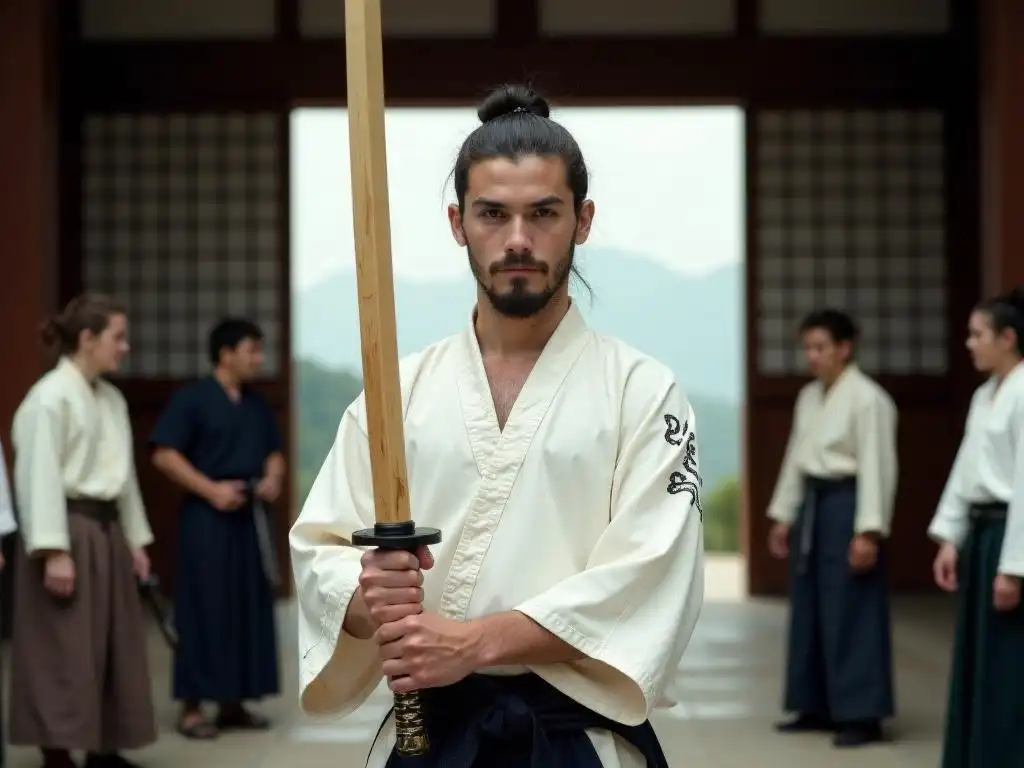
As part of their comprehensive education, samurai acquired a range of practical skills essential for their roles as both military leaders and influential members of society. These skills were crucial for navigating the complexities of feudal Japan, where political intrigue and military strategy often dictated the course of events.
The Art of Strategy and Warfare
One of the most critical practical skills for samurai was the art of strategy and warfare. Samurai were trained in military tactics and battlefield maneuvers, learning to analyze situations quickly and adapt their strategies accordingly.
The study of historical battles and the writings of military strategists, such as Sun Tzu's "The Art of War," were integral to their education. Samurai learned to assess terrain, anticipate enemy movements, and coordinate with troops effectively. This strategic mindset not only applied to combat scenarios but also to broader political maneuvering, where samurai often had to navigate alliances and rivalries.
Mastery of Swordsmanship and Other Weaponry
Mastery of swordsmanship was paramount in samurai training, with the katana symbolizing the samurai's honor and identity. Beyond swordsmanship, samurai were trained in various weaponry, including spears (yari) and bows (yumi).
Training in these weapons involved not only technical skills but also an understanding of their historical and cultural significance. Samurai practiced kata (forms) to perfect their techniques and instill discipline. This proficiency in weaponry ensured that samurai were formidable opponents in battle and instilled a sense of pride in their martial heritage.
Skills in Diplomacy and Leadership
In addition to martial prowess, samurai were educated in diplomacy and leadership, recognizing that effective governance required more than brute strength. Samurai learned the art of negotiation, persuasion, and conflict resolution, essential skills for managing their domains and interacting with other clans.
Leadership training emphasized moral responsibility, strategic thinking, and the ability to inspire loyalty among followers. Samurai were taught to lead by example, embodying the virtues of courage, humility, and integrity. This multifaceted education prepared them to navigate the challenges of leadership in a tumultuous feudal landscape, ensuring they could maintain order and stability within their territories.
Cultural Aspects of Samurai Education
Samurai education extended far beyond the physical training with weapons; it encompassed a broad cultural framework that shaped their identity and societal roles. This education was deeply rooted in the philosophical, artistic, and ethical dimensions of Japanese culture. Samurai were not only warriors but also scholars and artists, embodying the principles of refinement and discipline that defined the feudal elite. Their curriculum included studies in literature, philosophy, and the arts, which were essential for developing a well-rounded character.
The samurai's commitment to cultural education was integral to their status and respect in society. By mastering various disciplines, they cultivated a sense of honor and responsibility, which aligned with the broader expectations of their warrior class. This holistic approach to education fostered an appreciation for aesthetics and a nuanced understanding of human experience, allowing samurai to engage more profoundly with both their peers and the greater community.
The Influence of Zen Buddhism on Samurai Training
Zen Buddhism played a crucial role in shaping the philosophical underpinnings of samurai education. The principles of Zen, emphasizing mindfulness, discipline, and direct experience, resonated deeply with the samurai code. The practice of Zen meditation, or zazen, helped samurai develop mental clarity and focus, essential qualities for both combat and leadership.
Through Zen teachings, samurai learned to embrace the concepts of impermanence and detachment, which influenced their approach to life and death. This philosophy encouraged a calm demeanor in the face of adversity, fostering resilience and a sense of purpose. The integration of Zen practices into the samurai's daily routine cultivated a balance between the martial and the spiritual, enabling them to find harmony in their rigorous training and personal lives.
The Integration of Arts: Calligraphy, Tea Ceremony, and More
The education of samurai included various artistic pursuits that were considered vital to their development. Calligraphy, known as shodō, was not merely an art form but a means of expressing one's character and discipline. Samurai spent hours perfecting their brush strokes, which reflected their inner thoughts and emotions, reinforcing the idea that martial skill was intertwined with aesthetic sensibility.
The tea ceremony, or chanoyu, was another significant aspect of samurai culture. It was a ritual that emphasized simplicity, mindfulness, and respect. Participating in tea ceremonies allowed samurai to practice the principles of hospitality and humility, further enriching their social and cultural education. Other artistic endeavors such as poetry, painting, and music also formed part of their curriculum, allowing samurai to express themselves creatively while adhering to the values of discipline and respect for tradition.
Samurai Education and the Concept of Bushido
Bushido, the way of the warrior, was the guiding philosophy that encapsulated the samurai's code of conduct and ethical framework. This concept was central to samurai education, shaping their values, behaviors, and societal roles. The principles of loyalty, honor, courage, and benevolence were not only emphasized in training but were also integrated into their daily lives.
In learning about Bushido, samurai were taught to navigate moral dilemmas and uphold their honor even in the face of adversity. This education instilled a deep sense of duty towards their lords, families, and communities. Moreover, the teachings of Bushido encouraged samurai to cultivate virtues such as compassion and righteousness, fostering a sense of responsibility that extended beyond martial prowess.
The Role of Dojos and Mentorship in Samurai Training
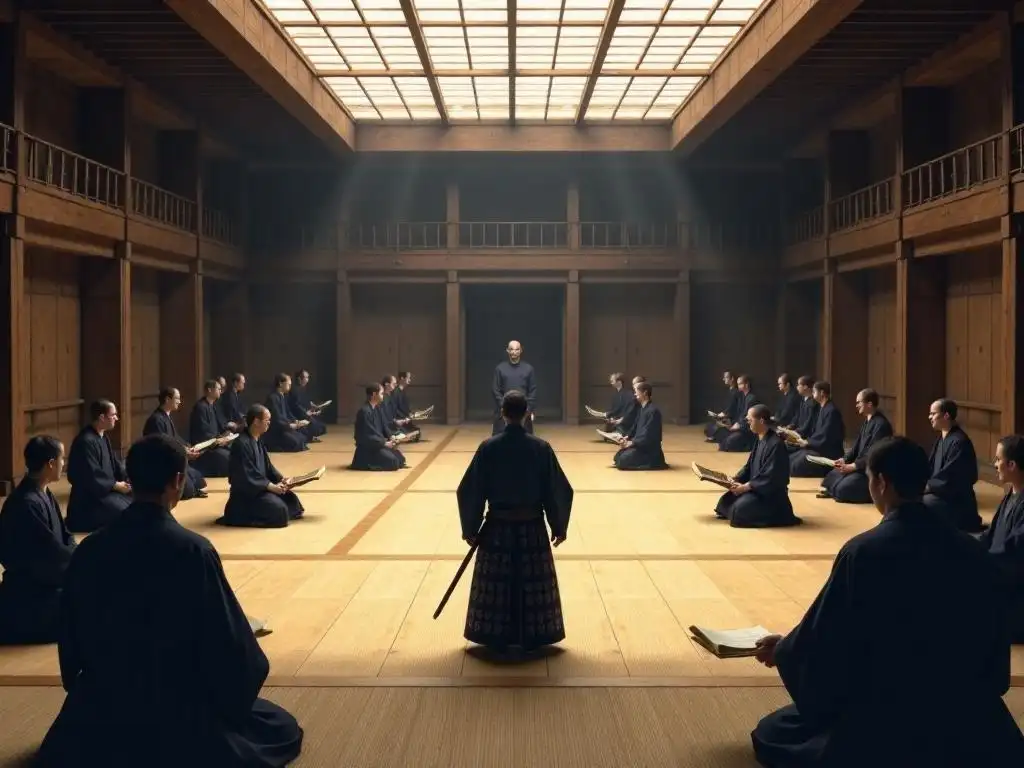
The dojo, a training hall for martial arts, was central to the education of samurai. These spaces were not only physical venues for practicing combat techniques but also centers for philosophical discussions and personal growth. The structured environment of the dojo facilitated rigorous training sessions where samurai could hone their skills, reflect on their learnings, and engage with their peers.
Dojos were designed to uphold the values of discipline and respect, with a focus on creating a supportive atmosphere for both physical and mental training. The presence of a sensei, or teacher, was crucial in guiding students through their educational journey, providing instruction, wisdom, and mentorship that would shape their development as both warriors and individuals.
Structure and Function of Dojos in Samurai Education
The structure of dojos was often simple yet purposeful, reflecting the samurai's philosophical beliefs. Typically, these training halls were separated from the distractions of everyday life, allowing for focused practice. The design included an area for meditation, which was essential for mental preparation, alongside open spaces for sparring and weapon practice.
Functionally, dojos served multiple roles: they were spaces for physical training, venues for philosophical discussions, and forums for community building among samurai. The communal aspect of the dojo fostered camaraderie and mutual respect, encouraging students to learn from one another while also adhering to the teachings of their sensei. This environment was pivotal in reinforcing the samurai's commitment to lifelong learning and personal improvement.
The Importance of Mentorship and Teacher-Student Relationships
Mentorship played an indispensable role in samurai education, shaping the relationship between the sensei and their students. This dynamic was characterized by mutual respect, dedication, and a shared commitment to the samurai way of life. Senseis not only imparted technical skills but also instilled moral values and cultural knowledge, guiding students in their journey to become well-rounded warriors.
The teacher-student relationship was often deep and transformative, with students expected to display loyalty and reverence towards their mentors. This bond allowed for personalized instruction and guidance, where the wisdom and experiences of the sensei were passed down through generations. Such relationships were crucial in creating a lineage of knowledge and skills that defined the samurai tradition, ensuring the continuity of their education and the principles of Bushido for future generations.
Comparing Samurai Education with Other Warrior Cultures
The education and training of the samurai were distinctly shaped by Japan’s unique social, political, and cultural landscape, yet they share similarities and differences with the educational practices of other warrior cultures. Understanding these aspects not only sheds light on the samurai's multifaceted training but also highlights how these influences shaped their identities as elite warriors.
Similarities with European Knight Training
Both samurai and knights underwent rigorous training that extended beyond mere martial skills. This education was deeply rooted in the values of chivalry and honor, fostering a sense of duty, loyalty, and ethical conduct.
- Training Regimens: Like samurai, European knights underwent extensive physical training, including horseback riding, swordsmanship, and jousting. The emphasis on martial prowess was paramount in both cultures, with a strong focus on becoming proficient warriors.
- Moral and Ethical Education: Knights adhered to the code of chivalry, which emphasized virtues such as bravery, honor, and protection of the weak. Similarly, samurai were guided by the Bushido code, which encompassed loyalty, honor, and discipline. This moral framework shaped their actions both on and off the battlefield.
- Mentorship: In both cultures, the relationship between a mentor and apprentice was crucial. Young samurai learned from seasoned warriors, just as squires were trained by knights, fostering a strong bond that emphasized respect and loyalty.
Despite these similarities, the underlying philosophies and cultural contexts of samurai and knight training were often quite different, impacting their respective approaches to warfare and governance.
Differences from Chinese Martial Traditions
While samurai education was influenced by Chinese philosophy, particularly Confucianism, their training methods and underlying principles diverged significantly from traditional Chinese martial practices.
- Philosophical Foundations: Chinese martial arts were deeply intertwined with philosophical and spiritual beliefs, emphasizing internal cultivation, such as the practice of Tai Chi and Qi Gong. Samurai training, on the other hand, focused more on the external aspects of combat, emphasizing technique and physicality.
- Integration of Arts: Samurai education encompassed a broader curriculum that included not only martial skills but also arts such as poetry, calligraphy, and tea ceremonies. This holistic approach contrasted with the more combat-centric focus of many Chinese martial traditions, which prioritized physical skill over cultural refinement.
- Training Environments: The samurai trained in various settings, including dojos and battlefield scenarios, which emphasized adaptability and real-world application. In contrast, traditional Chinese martial arts often took place in structured settings, focusing on forms and sequences that may not directly translate to combat situations.
These differences reveal how samurai education was uniquely tailored to the social and cultural demands of feudal Japan while still drawing inspiration from neighboring civilizations.
Conclusion: The Legacy of Samurai Education and Training
The educational framework established by the samurai has left a profound legacy that continues to influence Japanese culture today. The principles and practices developed during the feudal era resonate in various aspects of modern society, from martial arts to ethical conduct in business.
Lasting Impact on Modern Japanese Culture
The impact of samurai education is evident in contemporary Japanese culture, where elements of Bushido and the samurai ethos still pervade various sectors, including:
- Martial Arts: Disciplines such as Kendo and Aikido carry forward the techniques and philosophies that were central to samurai training. Practitioners often emphasize discipline, respect, and the pursuit of mastery, reflecting the values ingrained in samurai education.
- Business Ethics: The samurai’s commitment to loyalty and honor has permeated Japanese business culture. Concepts such as teamwork, loyalty to one’s employer, and integrity in transactions can be traced back to the samurai's moral teachings.
- Cultural Arts: The aesthetic sensibilities cultivated through samurai training find expression in various cultural practices, including the tea ceremony, flower arranging, and calligraphy, all of which emphasize attention to detail, discipline, and beauty.
Lessons from Samurai Education for Contemporary Society
The samurai's holistic approach to education offers valuable lessons for modern society.
- Discipline and Commitment: The rigorous training and dedication to continuous improvement exemplified by samurai can inspire individuals in any field to pursue excellence through disciplined practice.
- Ethical Leadership: The samurai's adherence to moral codes can guide contemporary leaders in fostering ethical workplaces and making decisions that prioritize integrity and respect for others.
- Cultural Appreciation: Emphasizing a well-rounded education that includes the arts and humanities can enrich personal development and community engagement, echoing the samurai’s commitment to cultural refinement alongside martial prowess.
In essence, the legacy of samurai education and training not only shapes the foundation of Japanese culture but also provides timeless lessons applicable to contemporary society, reminding us of the enduring value of character, discipline, and a commitment to lifelong learning.
References and Further Reading on Samurai Education and Training
To deepen your understanding of the multifaceted education and training that samurai underwent beyond mere combat skills, a range of resources is available. These materials encompass academic texts, historical analyses, documentaries, and films that explore the intricacies of samurai life, philosophy, and education. Below are some recommended resources for further exploration.
Suggested Books and Articles
- "Bushido: The Soul of Japan" by Inazo Nitobe
- This classic work explores the samurai code of ethics, detailing the principles that guided samurai behavior and education. It delves into the cultural and philosophical underpinnings of bushido, offering insights into the moral education of samurai.
- "The Samurai: A Military History" by Stephen Turnbull
- This book provides a comprehensive overview of the samurai's military training, but it also covers their societal roles and educational practices. Turnbull presents a balanced view of the samurai's evolution over time.
- "Samurai, Warfare and the State in Early Medieval Japan" by Karl F. Friday
- Friday examines the relationship between samurai education and the political landscape of feudal Japan. This scholarly work discusses how samurai training was influenced by the needs of the state and the dynamics of warfare.
- "The Book of Five Rings" by Miyamoto Musashi
- Written by one of Japan's most famous samurai, this text combines philosophy with martial strategy. Musashi's reflections provide a glimpse into the mental training and discipline that samurai pursued, highlighting the importance of strategy in their education.
- "The Warrior's Way: A Guide to Samurai Philosophy" by John E. McNay
- This book explores the philosophical aspects of samurai training, focusing on personal development and ethical living. It offers practical insights into how samurai principles can be applied in modern contexts.
Recommended Documentaries and Films
- "The Last Samurai" (2003)
- Starring Tom Cruise, this film offers a dramatized portrayal of the samurai's struggles during the Meiji Restoration. While fictional, it sheds light on samurai training, code, and the transition from feudal society to modernity.
- "Samurai: The Last Warrior" (2007)
- This documentary explores the lives of samurai warriors, focusing on their training, battle tactics, and cultural significance. It features interviews with historians and experts in Japanese martial arts.
- "Shogun: The Last Samurai" (1980)
- Based on James Clavell's novel, this miniseries illustrates the cultural clash between samurai traditions and Western influences. Although dramatized, it provides insights into samurai life and education.
- "The Samurai" (1965)
- This classic film presents a narrative centered around a samurai's code and moral dilemmas, offering a glimpse into the educational and ethical frameworks that guided samurai decisions.
- "The Art of the Samurai" (2010)
- This documentary focuses on the various aspects of samurai culture, including their artistic pursuits, philosophy, and training. It showcases the holistic education that samurai received, blending martial and intellectual disciplines.
These resources serve as an excellent starting point for anyone interested in the rich educational heritage of the samurai and the broader historical context of feudal Japan. Through these texts and visual narratives, the multifaceted nature of samurai education and training can be thoroughly appreciated.
- Introduction to Samurai Education and Training
- Historical Context of Samurai Education
- Core Subjects of Samurai Education
- Practical Skills Acquired by Samurai
- Cultural Aspects of Samurai Education
- The Role of Dojos and Mentorship in Samurai Training
- Comparing Samurai Education with Other Warrior Cultures
- Conclusion: The Legacy of Samurai Education and Training
- References and Further Reading on Samurai Education and Training
Frequently Asked Questions
What subjects did samurai study beyond combat skills?
Samurai education encompassed literature, philosophy, and the arts. This diverse curriculum was aimed at fostering a well-rounded character and enhancing their leadership abilities.
How important was martial training in samurai education?
Martial training was crucial in samurai education, but it was complemented by studies in strategy, tactics, and mental discipline to prepare them for both battlefield and governance roles.
What role did Zen Buddhism play in samurai training?
Zen Buddhism significantly influenced samurai training by promoting mental clarity and self-discipline, which were essential for effective decision-making in both combat and daily life.
Were samurai educated in governance and administration?
Yes, samurai were often educated in governance and administration to prepare them for leadership roles. This knowledge was vital for maintaining social order and managing their domains.
How did the curriculum vary among different samurai clans?
The curriculum could vary significantly, with some clans emphasizing arts and culture, while others focused more on military tactics. Each clan tailored its education to meet its specific philosophical and strategic needs.
Final Reflection: The Enduring Legacy of Samurai Education
The lessons learned by the samurai extend far beyond their mastery of the sword; they embody principles of discipline, honor, and lifelong learning that resonate powerfully in today's world. In an era where rapid change often overshadows the importance of foundational values, the samurai's approach to education and training serves as a timeless reminder of the significance of character development and personal growth. Their commitment to excellence and self-improvement is a call to action for us all, urging us to cultivate our own skills and virtues in a world that often prioritizes superficial achievements.
Culture and society are shaped by the values we choose to uphold, and the samurai's legacy continues to influence modern education and personal development. The principles of bushido—integrity, respect, courage, and compassion—are not just relics of the past but are increasingly relevant in our contemporary discourse on ethics and leadership. As we navigate the complexities of our lives, we can draw inspiration from the samurai's holistic approach to training and education. The ultimate aim of the martial arts is not having to use them.
This quote encapsulates the essence of samurai education: it is about preparing oneself for life’s challenges, not just mastering a skill.
As you reflect on the insights shared in this article, consider how you can integrate the samurai's teachings into your own journey. Embrace the idea of continuous learning and self-discipline, and strive to cultivate virtues that will not only enhance your personal and professional life but also contribute positively to your community.
The path of the samurai is not just a historical narrative; it is an invitation to forge your own path with purpose and integrity. Let the spirit of the samurai inspire you to pursue excellence in every aspect of your life, and remember that true mastery lies in the balance of skill and character.
Embark on Your Journey of Discovery!
Thank you for diving into the rich world of feudal Japan and exploring the deeper lessons learned by the samurai beyond their mastery of the sword. You've uncovered the essence of discipline, strategy, and philosophy that shaped their lives. Now, it’s time to take those insights and turn them into action!
Here are a few steps you can take to continue your journey:
- Embrace the Samurai Mindset: Start practicing mindfulness and self-discipline in your daily routines to cultivate a samurai’s inner strength.
- Share Your Insights: Discuss what you’ve learned with friends or family; perhaps host a gathering where you can delve into the philosophies of the samurai.
- Explore More Resources: Look for books, documentaries, or online courses that dive deeper into samurai philosophy and its applications to modern life.
As you reflect on these actions, consider this: How will you integrate the samurai’s principles of honor and discipline into your daily life? We’d love to hear your thoughts!