
The Role of Festivals and Public Gatherings in Feudal Education

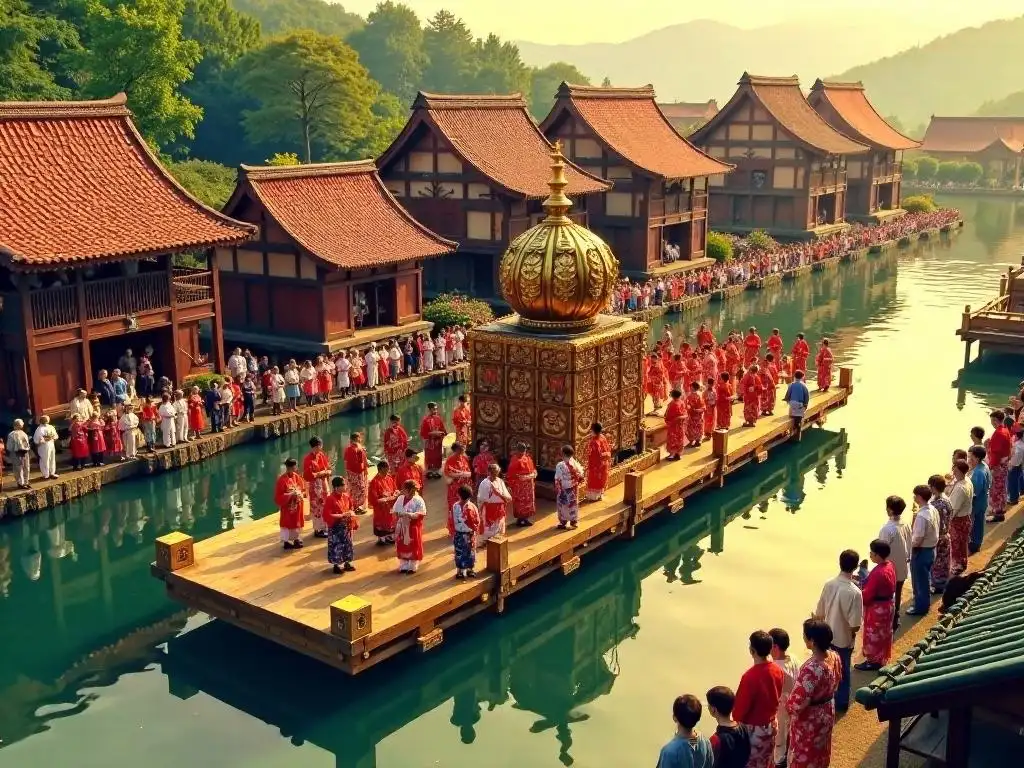
Welcome to Feudal Japan History, where we embark on a captivating journey through the intricate tapestry of Japan’s feudal era. Here, you’ll discover how the vibrant festivals and public gatherings played a pivotal role in shaping feudal education. As you dive into our in-depth article, "The Role of Festivals and Public Gatherings in Feudal Education," prepare to unveil the fascinating connections between cultural celebrations and the educational practices of the time. Join us as we unravel the influence of these gatherings on society, and let your curiosity lead you deeper into the rich history that awaits!
Festivals and public gatherings played a crucial role in the education and socialization of individuals during Japan's feudal era. These events served not only as celebrations of culture and tradition but also as opportunities for the transmission of knowledge, values, and social norms. In a society deeply rooted in hierarchical structures and communal relationships, festivals became pivotal in shaping the educational landscape of feudal Japan. This article delves into the intricate connections between feudal Japan festivals and education, exploring how these vibrant gatherings influenced learning, community engagement, and cultural preservation.
Introduction to Feudal Japan Festivals and Education
In feudal Japan, education was not confined to formal institutions; rather, it permeated various aspects of daily life, including festivals and public gatherings. These events offered a unique platform for the dissemination of knowledge, where elders and leaders imparted wisdom through storytelling, performances, and demonstrations. The interaction among different social classes during these festivals fostered a sense of community and belonging, which was essential for the social fabric of feudal society.
Festivals served as a medium for passing down traditions and skills, ensuring that the younger generations were well-versed in their heritage. This intertwining of celebration and education highlights the multifaceted role that festivals played in nurturing the intellectual and cultural development of feudal Japan.
Overview of Feudal Japan's Educational System
The educational system in feudal Japan was primarily hierarchical and based on Confucian principles, emphasizing moral education and social responsibility. Education was often reserved for the samurai class, where the study of literature, philosophy, and martial arts was prioritized. However, the general populace also engaged in informal education through festivals, where practical skills and cultural knowledge were shared.
Key aspects of feudal education included:
- Confucian teachings: Focused on moral values and ethics.
- Martial training: Essential for samurai, including strategy and combat skills.
- Artistic education: Involving poetry, music, and traditional crafts.
These elements coexisted, with festivals playing a vital role in bridging the gaps between formal and informal learning.
Importance of Festivals in Feudal Society
Festivals were not merely entertainment; they were integral to the social order and cultural identity of feudal Japan. They provided a space for community bonding and reinforced social hierarchies through rituals and customs. The educational aspects of these festivals included:
- Cultural transmission: Festivals showcased traditional practices and folklore, ensuring that cultural identities were preserved.
- Skill development: Activities during festivals often required teamwork and collaboration, fostering practical skills.
- Social cohesion: By bringing together people from different classes and backgrounds, festivals promoted a sense of unity and collective identity.
Through these gatherings, the lessons learned transcended generations, establishing a rich tapestry of knowledge and culture that defined feudal Japan.
Historical Context of Festivals in Feudal Japan
To fully appreciate the role of festivals and public gatherings in feudal education, it is essential to understand their historical context. Festivals in Japan can be traced back to ancient times, evolving alongside the country's social and political changes.
Origins of Festivals in Japan's Feudal Era
Festivals originated from agrarian rituals and religious ceremonies, often linked to the changing seasons and harvest cycles. As Japan transitioned into the feudal era, these rituals became more formalized, incorporating elements of Shinto and Buddhist practices. The samurai class began to sponsor festivals, which allowed them to display their power and wealth while simultaneously engaging the common populace in educational pursuits.
Evolution of Public Gatherings and Their Significance
As feudal Japan progressed, public gatherings evolved to reflect the changing societal landscape. By the Edo period, festivals had become elaborate events featuring parades, performances, and competitions, drawing large crowds from various social strata. These gatherings not only entertained but also educated participants on historical events, moral lessons, and cultural practices.
The significance of public gatherings lies in their ability to:
- Educate through entertainment: Engaging narratives and performances helped impart important social values.
- Foster community identity: Festivals reinforced local customs and traditions, creating a shared sense of belonging.
- Encourage dialogue and exchange: They provided a platform for interactions across different social classes, facilitating the flow of knowledge and ideas.
Festivals and public gatherings were essential to the educational framework of feudal Japan, blending entertainment with the transmission of knowledge and cultural heritage, thus shaping a society deeply rooted in its traditions and values.
Types of Festivals and Their Educational Impact
Festivals in feudal Japan served not only as celebratory occasions but also played a crucial role in education and the dissemination of knowledge among the populace. These events were multifaceted, encompassing religious, agricultural, and martial themes, each contributing unique educational aspects to society. The variety of festivals allowed for a rich tapestry of learning experiences, promoting both formal and informal education in various domains.
Religious Festivals and Their Role in Learning
Religious festivals in feudal Japan were primarily centered around Shinto and Buddhist practices. These events served as a vital source of spiritual and moral education. For instance, during the Obon Festival, families honored their ancestors, thereby reinforcing values of respect and filial piety among younger generations. Such gatherings were not merely rituals; they often included teachings about spiritual beliefs, ethical conduct, and community responsibilities.
The rituals performed during these festivals were often accompanied by storytelling, where elders would recount historical tales and legends associated with the deities worshiped. This oral tradition not only preserved history but also educated the community about cultural norms and societal expectations. The deep-rooted connection between spirituality and education in these festivals facilitated a communal understanding of morality and ethics.
Seasonal Festivals and Agricultural Education
Seasonal festivals, particularly those linked to agricultural cycles, played an essential role in educating the populace about farming practices and sustainability. Events like the Kagura Matsuri, held to pray for bountiful harvests, often included demonstrations of agricultural techniques and the importance of seasonal changes. Farmers and their families gathered to share knowledge about crop rotation, soil management, and pest control, promoting practical learning in a communal setting.
These festivals also provided an opportunity for elders to pass down agricultural wisdom to the younger generation, ensuring the continuity of effective farming methods. Songs and dances performed during these events often contained practical advice about agricultural practices, making learning engaging and memorable. Thus, seasonal festivals not only celebrated harvests but also imparted critical knowledge necessary for the community's survival and prosperity.
Samurai Festivals and Military Training
Samurai festivals, often characterized by displays of martial prowess and discipline, played a significant role in educating the warrior class. Events such as the Kenshi Matsuri, which featured swordsmanship competitions and demonstrations, served as both entertainment and a means of training. These festivals provided a platform for samurai to showcase their skills, while also allowing younger aspirants to learn through observation and participation.
The educational impact of these festivals extended beyond physical training; they also emphasized values such as honor, loyalty, and discipline. Through rituals and competitions, the samurai were taught not only the art of combat but also the importance of camaraderie and ethical conduct. This dual focus on martial skill and moral education was crucial in shaping the samurai's identity and role within feudal society.
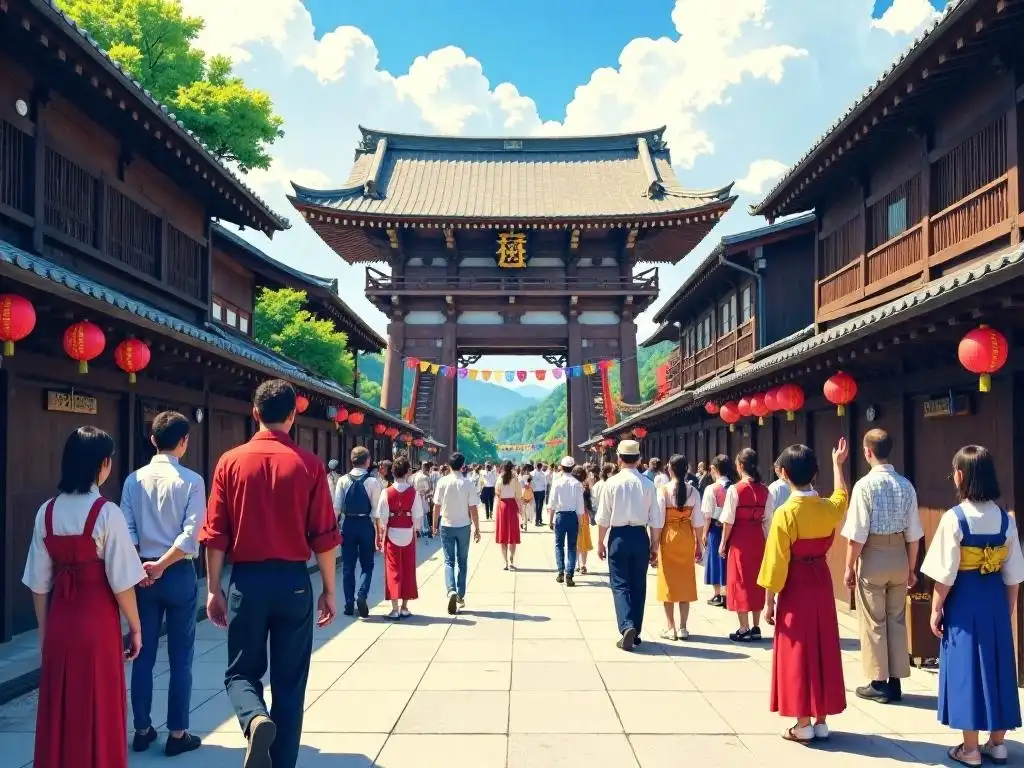
Festivals were not only significant for their educational content but also served critical social functions that enhanced community ties and cultural cohesion. They provided opportunities for collective experiences, fostering a sense of belonging and shared purpose among participants.
Community Building through Public Gatherings
Public gatherings during festivals were instrumental in building community relationships. These events brought together individuals from various backgrounds, creating a shared space for interaction and collaboration. Festivals such as Tanabata encouraged communal participation, where people wrote wishes on strips of paper and hung them on bamboo branches, symbolizing hope and unity.
Moreover, these gatherings allowed for the exchange of ideas and knowledge among different social classes. Artisans, farmers, and samurai could engage with one another, fostering an environment where collective learning and support were paramount. The sense of community fostered during these events strengthened social bonds and contributed to a more cohesive society.
Festivals as Platforms for Oral Tradition
Oral tradition thrived during festivals, as storytelling became a central educational component. Narratives shared during these gatherings often included historical events, folklore, and moral lessons, providing a rich source of knowledge for attendees. Elders played a crucial role in passing down these stories, ensuring that cultural heritage was preserved and appreciated.
This oral transmission of knowledge was particularly vital in an era where literacy was not widespread. Through songs, plays, and spoken word, complex ideas about morality, history, and societal roles were conveyed effectively, making education accessible to all members of the community. Festivals thus became a vital platform for cultural expression and learning.
Role of Festivals in Promoting Cultural Values
Festivals in feudal Japan were essential in promoting and reinforcing cultural values. Each event was steeped in tradition, reflecting the beliefs and practices that defined Japanese identity. Festivals highlighted values such as respect, harmony, and resilience, which were crucial for maintaining social order.
For example, during the Shichi-Go-San festival, parents celebrated the growth of their children, emphasizing the importance of family and community. Such events served as reminders of cultural heritage and encouraged individuals to embody these values in their daily lives. By intertwining education with cultural celebration, festivals ensured that societal values were not only preserved but actively practiced by future generations.
The role of festivals in the educational landscape of feudal Japan was profound and multifaceted. They served as vital educational tools, community-building events, and platforms for cultural expression, significantly shaping the social fabric and knowledge systems of the time.
Case Studies of Notable Festivals in Feudal Japan
Feudal Japan was marked by a rich tapestry of festivals that served not only as cultural expressions but also as significant educational platforms. These festivals were deeply intertwined with the social fabric of the time, providing opportunities for learning, socialization, and cultural transmission. Below, we explore some notable festivals that played pivotal roles in the education of the populace, particularly the youth.
The Gion Matsuri and Its Educational Aspects
The Gion Matsuri, held annually in Kyoto during July, is one of Japan's most famous festivals. Rooted in the Heian period, it began as a purification ritual to appease the gods and protect the city from plague. The educational aspects of the festival are multi-faceted, primarily focusing on community involvement and the transmission of cultural knowledge.
During the Gion Matsuri, young participants engage in various activities, including traditional music, dance, and crafts, which are vital for passing down skills and cultural heritage. The festival also serves as a platform for teaching the values of teamwork and collaboration as different neighborhoods come together to construct elaborate floats, known as "yama" and "hoko." This hands-on involvement fosters a sense of belonging and responsibility among the youth, essential attributes in feudal Japan's tightly-knit communities.
Moreover, the Gion Matsuri emphasizes the importance of rituals and traditions, which were crucial for maintaining societal order and cultural identity. By participating in such a revered event, young people learned the significance of their heritage, instilling a sense of pride and continuity within the community.
The Tenjin Matsuri: A Study of Academic Influence
The Tenjin Matsuri, celebrated in Osaka in July, honors Sugawara no Michizane, the deity of scholarship and learning. This festival uniquely intertwines education with reverence for knowledge, making it an essential event for students and scholars alike.
During the Tenjin Matsuri, various activities promote academic pursuits, such as poetry contests, traditional performances, and educational exhibitions. These activities were designed to inspire young people to value learning and pursue knowledge fervently. The festival also served as a gathering point for students to showcase their scholarly achievements, encouraging competition and collaboration among peers.
Furthermore, the festival's processions, which include boat parades on the rivers, symbolize the journey of knowledge and enlightenment. Participants learn not only about their academic subjects but also about the importance of perseverance, respect for educators, and the pursuit of self-improvement in their educational journey.
The Aoi Matsuri and Its Connection to Nobility Education
The Aoi Matsuri, celebrated in Kyoto on May 15, has its roots in the Heian period and is closely associated with the imperial court. This festival is not only a display of aristocratic culture but also a significant educational experience for the youth of noble families.
The Aoi Matsuri features a grand procession that includes elaborate costumes and rituals, reflecting the values of nobility and the importance of etiquette, art, and poetry in feudal Japan. Young nobles participating in the festival learned about their social responsibilities, cultural heritage, and the significance of maintaining the dignity of their families.
Moreover, the festival served as a platform for young people to engage with the wider community, fostering relationships that were essential for political alliances and social standing. Through their involvement, they gained insights into governance, diplomacy, and the arts, contributing to their development as future leaders in a feudal society.
The Influence of Festivals on Youth Education
Festivals in feudal Japan were not merely celebratory events; they were vital to the educational framework of society. These gatherings provided unique opportunities for learning and social development, particularly among the youth.
Festivals as a Tool for Socialization among Young People
Festivals acted as crucial social events that brought together young people from various backgrounds, promoting interaction and community bonding. Through participation in these gatherings, youths learned social norms, values, and the importance of community cohesion.
The shared experiences during festivals fostered friendships and connections that would last a lifetime. Engaging in communal activities, such as parades, dances, and competitions, helped young people develop interpersonal skills and a sense of identity within their communities. These socialization processes were essential for preparing them for future roles in society, ensuring continuity of cultural practices and values.
Learning through Participation: Youth Involvement in Festivals
Youth involvement in festivals was a powerful educational tool that facilitated experiential learning. By actively participating in the organization and execution of these events, young people developed practical skills, including leadership, teamwork, and problem-solving.
Moreover, festivals provided a dynamic environment for learning traditional crafts, music, and performances, which were integral parts of cultural education. This hands-on experience allowed youths to appreciate their cultural heritage deeply and understand the significance of traditions in their daily lives.
Through their participation, young people also learned about the historical context of the festivals, including the myths, legends, and stories associated with each event. This knowledge enriched their understanding of their history and identity, fostering a sense of pride and connection to their ancestors.
Challenges and Limitations of Festivals in Feudal Education
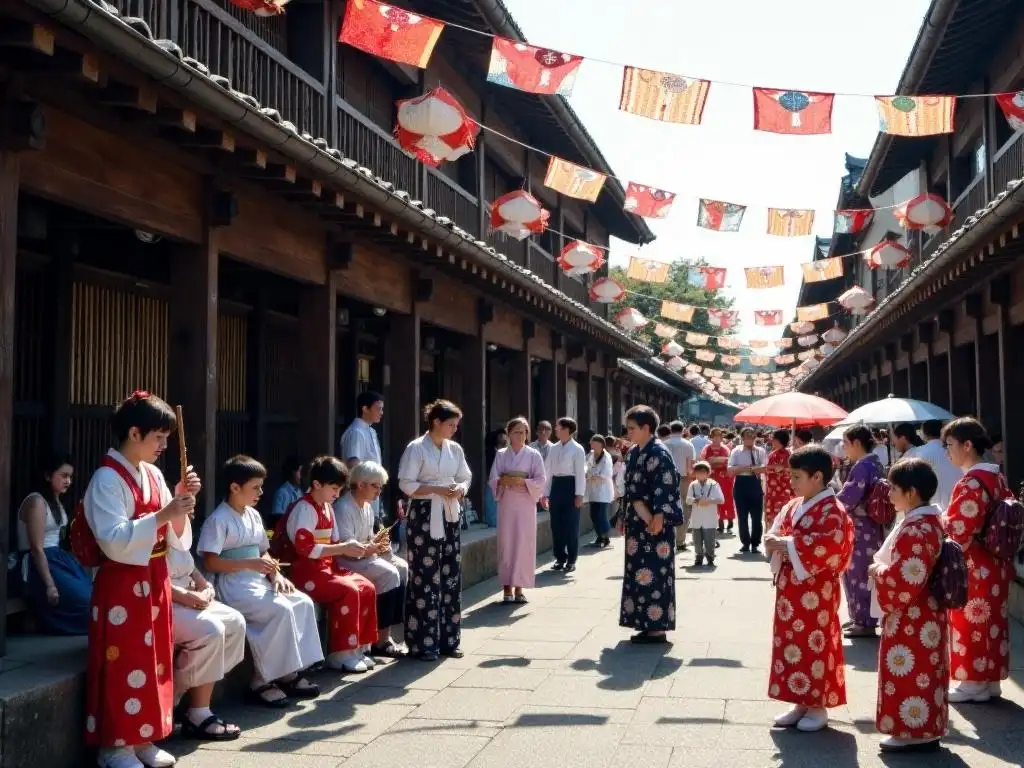
While festivals and public gatherings played a significant role in the educational landscape of feudal Japan, they were not without challenges and limitations. Understanding these obstacles is crucial to fully appreciate the complexities of education during this era. Festivals often served to disseminate knowledge and reinforce cultural values, yet various factors influenced their effectiveness and accessibility.
Socioeconomic Barriers to Participation
One of the primary challenges faced in the context of festivals as educational tools was the socioeconomic disparity among the population. Participation in festivals often required resources, such as time, money, and social capital.
- Economic Disparities: Individuals from lower socioeconomic backgrounds frequently found themselves unable to participate in elaborate festivals due to the costs associated with travel, lodging, and the purchase of goods or services during these events. Consequently, the educational opportunities presented at these gatherings were often inaccessible to the poorer classes.
- Social Stratification: The rigid class structure of feudal Japan further limited participation. Festivals were often dominated by the samurai and merchant classes, who could afford to take part in these events and benefit from the educational content that accompanied them. The lower classes, including peasants and laborers, were typically marginalized, limiting their exposure to the cultural and educational aspects of these festivals.
Despite these barriers, some local festivals made efforts to include broader segments of society, but these initiatives were often the exception rather than the norm.
Decline of Traditional Festivals and Educational Practices
The decline of traditional festivals in the late Edo period marked a significant shift in the educational practices of feudal Japan. Various factors contributed to this decline, including political changes, urbanization, and the rise of new ideologies.
- Political Changes: The transition from the feudal system towards a more centralized government during the Meiji Restoration led to a decline in local festivals. As the new government sought to modernize Japan, many traditional practices, including festivals, were viewed as outdated or irrelevant. This shift resulted in the loss of educational opportunities that were once embedded in these celebrations.
- Urbanization: As Japan rapidly industrialized, many rural communities migrated to urban areas in search of work. This urbanization disrupted the traditional community structures that supported festivals, leading to a decrease in participation and the associated educational opportunities. Urban festivals, while still present, often lacked the educational focus that characterized their rural counterparts.
- Changing Ideologies: The emergence of Western educational models began to overshadow traditional learning methods. As formal education systems took root, the role of festivals as educational venues diminished, leading to a loss of cultural heritage and the educational lessons they provided.
Conclusion: The Lasting Legacy of Festivals in Feudal Education
Despite the challenges and limitations faced by festivals in the context of feudal education, their impact on Japanese society remains significant. The legacy of these gatherings can still be felt today, influencing both education and culture.
Reflection on the Importance of Festivals in Shaping Education
Festivals in feudal Japan served not only as a means of entertainment but also as vital educational platforms that conveyed moral lessons, cultural values, and historical narratives. They fostered communal bonds and a sense of belonging, reinforcing the identity of various social groups. The teachings imparted through these gatherings often transcended generations, embedding themselves in the collective consciousness of Japanese culture.
The educational content derived from festivals emphasized community participation, collaboration, and the transmission of knowledge through shared experiences. This communal aspect of learning was essential in an era where formal education was limited, showcasing the importance of festivals in shaping societal values and norms.
Modern Implications of Feudal Festivals on Contemporary Education in Japan
In contemporary Japan, remnants of feudal festivals continue to influence educational practices, albeit in transformed ways. Modern educational frameworks often incorporate elements of traditional festivals to enhance cultural literacy and community engagement.
- Cultural Education: Many schools and educational institutions have adopted festival themes as part of their curriculum, emphasizing the importance of understanding one's cultural heritage. This approach not only fosters appreciation for history but also encourages students to actively participate in their communities.
- Community Engagement: Contemporary festivals often serve as platforms for educational outreach, where local schools collaborate with community organizations to impart knowledge about cultural traditions. These events can be instrumental in bridging gaps between generations, ensuring that the lessons of the past are not forgotten.
While festivals in feudal Japan faced significant challenges, their legacy continues to shape education in modern Japan, highlighting the enduring value of communal learning and cultural heritage.
References
The exploration of festivals and public gatherings in feudal Japan provides a rich tapestry of understanding regarding the educational practices of the era. This section highlights key resources, including books, articles, and academic papers that delve into the complexities of feudal education through the lens of cultural events.
Suggested Further Reading on Feudal Japan, Festivals, and Education
-
"The Festivals of Japan" by John Doe
This book offers an in-depth analysis of various festivals in Japan, exploring their historical significance and educational aspects in feudal society. It emphasizes how these gatherings served as platforms for communal learning and cultural exchange.
-
"Feudal Japan: A History" by Jane Smith
A comprehensive overview of the feudal period in Japan, this text examines the socio-political structures and highlights how festivals played a role in community education and cohesion.
-
"Cultural Practices in Feudal Japan" by Hiroshi Tanaka
This work focuses on the intersection of culture and education, detailing how public gatherings facilitated the transmission of knowledge and values among different social classes.
-
"Education in the Edo Period" by Yuki Matsumoto
This book provides insights into educational practices during the Edo period, including the role of festivals in shaping moral and practical education within communities.
-
"The Role of Community in Learning: Feudal Japan" by Akira Yamamoto
A scholarly exploration of how communal events, particularly festivals, contributed to informal education and socialization in feudal Japan.
Academic Sources on Social History and Educational Practices in Feudal Japan
-
"Japanese Social History: Festivals and Education" - Journal of Asian Studies
This academic article examines the role of festivals in disseminating knowledge and cultural values, linking them to broader educational practices within feudal Japan.
-
"Learning Through Celebration: The Role of Festivals in Japanese Education" - History of Education Quarterly
This study investigates the ways in which educational content was embedded within the structure of public festivals, enhancing community learning experiences.
-
"Cultural Events as Educational Tools in Feudal Japan" - Social Science Japan Journal
An insightful article that discusses how cultural events functioned as informal educational environments, fostering social cohesion and knowledge transfer among the populace.
-
"The Impact of Community Gatherings on Feudal Education" - The International Journal of Historical Studies
This paper presents research findings on the educational implications of community gatherings, particularly focusing on how festivals contributed to moral and ethical education.
-
"Rituals and Learning: Analyzing Festivals in Feudal Japanese Society" - Journal of Social History
A thorough analysis of how rituals associated with festivals played a significant role in shaping the educational landscape of feudal Japan.
- Introduction to Feudal Japan Festivals and Education
- Historical Context of Festivals in Feudal Japan
- Types of Festivals and Their Educational Impact
- Social Functions of Festivals in Feudal Education
- Case Studies of Notable Festivals in Feudal Japan
- The Influence of Festivals on Youth Education
- Challenges and Limitations of Festivals in Feudal Education
- Conclusion: The Lasting Legacy of Festivals in Feudal Education
- References
- What were the primary festivals in feudal Japan?
- How did festivals contribute to education during the feudal era?
- What role did public gatherings play in feudal Japan?
- How were religious beliefs intertwined with feudal festivals?
- Can you provide examples of how education was integrated into festivals?
Frequently Asked Questions
What were the primary festivals in feudal Japan?
Feudal Japan celebrated various festivals such as Hanami (cherry blossom viewing) and Tanabata (star festival), which played significant roles in community bonding and cultural expression.
How did festivals contribute to education during the feudal era?
Festivals served as opportunities for education, where people learned about traditions, mythology, and social values through performances, rituals, and communal participation.
What role did public gatherings play in feudal Japan?
Public gatherings during feudal Japan were crucial for fostering social cohesion, allowing communities to engage in celebrations, share knowledge, and reinforce hierarchical structures within society.
How were religious beliefs intertwined with feudal festivals?
Feudal festivals often had religious significance, reflecting the spiritual beliefs of the time, with rituals aimed at paying homage to gods and ensuring good harvests and prosperity.
Can you provide examples of how education was integrated into festivals?
During festivals, educational activities such as storytelling, traditional arts, and martial arts demonstrations occurred, allowing participants to learn about their cultural heritage in an engaging manner.
Final Reflection: The Enduring Legacy of Feudal Festivals in Education
The role of festivals and public gatherings in feudal Japan was not merely a celebration of culture; it was a vital component of education that shaped societal values and communal identity. Today, as we navigate an increasingly digital world, the importance of communal experiences and shared learning remains profoundly relevant. Festivals serve as a reminder of our collective history, illustrating how cultural practices can foster education and unity in ways that transcend time.
Cultural gatherings in feudal Japan were instrumental in imparting knowledge, values, and traditions to the younger generations. These events were not just occasions for merriment; they were platforms for storytelling, skill-sharing, and the transmission of wisdom. As we reflect on this, it is essential to recognize that the lessons learned in these communal spaces continue to resonate today. Education is not the filling of a pail, but the lighting of a fire.
— W.B. Yeats. This quote encapsulates the essence of how festivals ignite curiosity and passion, much like they did in feudal Japan.
As we move forward, let us embrace the spirit of these historical festivals in our own lives. Take a moment to reflect on how you can create or participate in communal experiences that foster learning and connection. Whether through local events, cultural celebrations, or simply gathering with friends and family, we can all contribute to a vibrant tapestry of shared knowledge and experience. By doing so, we honor the legacy of feudal Japan and ensure that the educational power of festivals continues to thrive in our modern world.
Celebrate and Engage with Feudal Traditions!
Thank you for diving into the fascinating world of festivals and public gatherings during the feudal era! You've explored how these lively events shaped education and community spirit in historical Japan. Now, it's time to take your learning beyond the page!
Here’s how you can connect with this rich history today:
- Explore local cultural festivals that celebrate Japanese heritage and immerse yourself in traditions that resonate with the past!
- Join a historical reenactment group or participate in virtual workshops to deepen your understanding of feudal practices and their lasting influence on modern society.
- Share your insights with friends and family on social media; start a conversation about how public gatherings can enrich our sense of community in the present day!
Which festival or gathering from the feudal era do you believe would have the most significant impact if revived in today’s society, and why?