
The Samurai Code: Education and Training in Feudal Japan

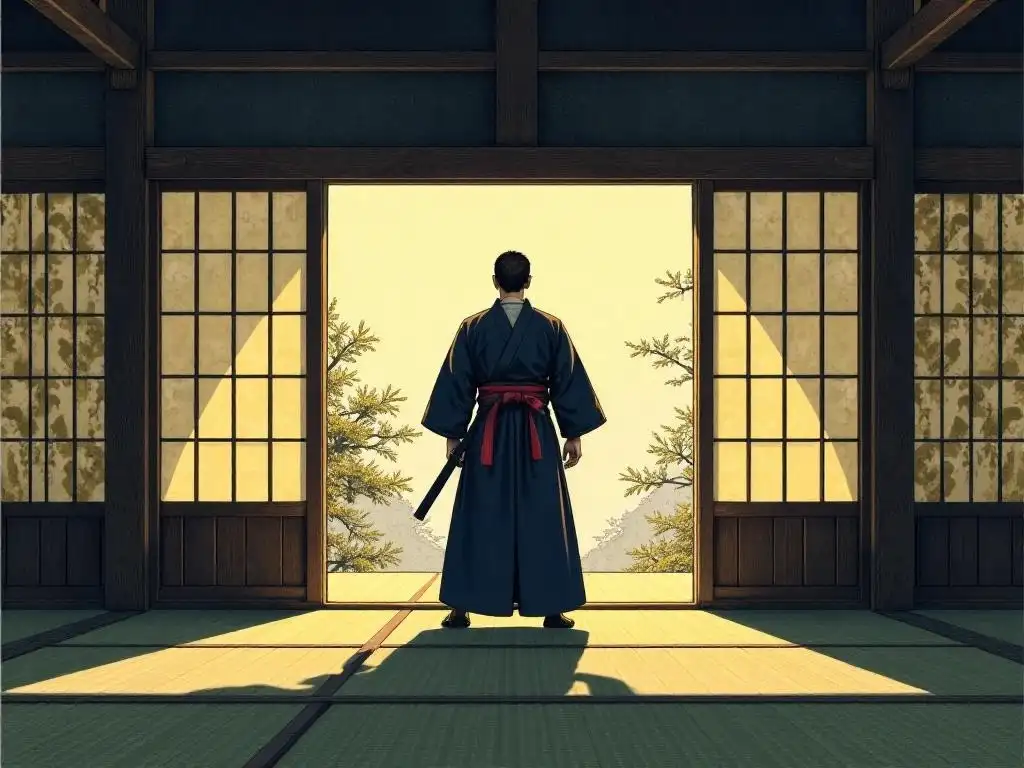
Welcome to Feudal Japan History, where we embark on an intriguing journey through the captivating tapestry of Japan’s feudal era. Here, we delve deep into the rich historical, cultural, and societal aspects that shaped a nation. In our featured article, "The Samurai Code: Education and Training in Feudal Japan," we uncover the fascinating world of samurai education, revealing how these warrior scholars honed their skills and intellect to uphold honor and duty.
Are you ready to explore the disciplined life of the samurai and the pivotal role of education in their legacy? Join us as we uncover the secrets of this remarkable era!
Introduction to Samurai Education in Feudal Japan
The samurai, an iconic class within Japan's feudal society, were not only skilled warriors but also exemplified a distinct code of conduct that governed their lives. This code, rooted in bushido (the way of the warrior), emphasized virtues such as loyalty, honor, and discipline. However, an essential yet often overlooked aspect of the samurai's identity was their education and training.
Understanding samurai education in feudal Japan reveals the intricate relationship between their martial skills, ethical training, and cultural refinement. This exploration seeks to shed light on how education shaped the samurai's role in society and the enduring legacy they left on Japanese culture.
Overview of the Samurai Class
The samurai class emerged during the late Heian period (794-1185) and became a dominant force in Japanese society throughout the feudal era. Characterized by their warrior status, samurai held significant political power and were often landowners. Their influence extended beyond the battlefield, as they were expected to embody the ethical standards of their class. Samurai were distinguished by their katana (sword) and were bound to serve their lords with unwavering loyalty.
- Hierarchy: Samurai were part of a rigid social hierarchy, with daimyos (feudal lords) at the top, followed by samurai, peasants, artisans, and merchants.
- Cultural Role: Besides their military responsibilities, samurai engaged in various cultural pursuits such as poetry, calligraphy, and tea ceremonies, reflecting the duality of their existence as both warriors and scholars.
Importance of Education for Samurai Warriors
Education played a crucial role in cultivating the samurai's identity, shaping their abilities both on and off the battlefield. It was not merely a means of acquiring knowledge; instead, it was viewed as a vital component in developing a well-rounded warrior. The key aspects of samurai education included:
- Martial Training: Rigorous physical training in various combat techniques and weaponry was essential. This training often began at a young age and continued throughout their lives.
- Philosophy and Ethics: Learning about bushido and its principles instilled a sense of duty and moral responsibility in samurai. Education in ethics helped them navigate complex social situations and maintain honor.
- Literary Studies: Samurai were often educated in classical literature, history, and poetry, allowing them to appreciate the arts and develop critical thinking skills.
Historical Context of Samurai Education
To fully understand the nuances of samurai education, it is essential to consider the broader historical context that shaped it. The evolution of the samurai education system was influenced by various factors, including social changes, military developments, and cultural exchanges.
The Rise of the Samurai in Feudal Japan
The rise of the samurai class coincided with the decline of imperial power during the late Heian period. As local warlords began to assert control over their territories, the samurai emerged as a formidable military force. Their education evolved in response to the needs of warfare and governance.
- Military Conflicts: Continuous warfare during the Kamakura (1185-1333) and Muromachi (1336-1573) periods necessitated a robust training system to produce skilled warriors capable of leading troops and strategizing in battle.
- Feudal Structure: The feudal system established a relationship between samurai and their lords, making education essential for understanding loyalty, duty, and the responsibilities that came with their position.
Education Systems Prior to the Samurai Era
Before the samurai class solidified its role in Japanese society, various education systems existed that laid the groundwork for samurai training. Understanding these earlier systems provides insight into how samurai education developed.
- Buddhist Monastic Schools: These institutions emphasized moral teachings and literacy, influencing samurai education in ethical philosophy.
- Confucian Principles: Confucianism, which arrived in Japan from China, shaped the values of loyalty and respect for hierarchy, becoming integral to samurai education.
By examining the foundations of samurai education, one can appreciate the complexities of their training and the significant impact it had on both the samurai and the society they served.
Core Principles of Samurai Education
The education of samurai during feudal Japan was deeply rooted in a set of core principles that shaped their identity and conduct. Central to their training was the idea of bushido, or "the way of the warrior," which emphasized a moral code that included virtues such as honor, loyalty, and respect. Samurai education was not solely focused on martial skills; it also encompassed intellectual, philosophical, and ethical dimensions.
Another fundamental principle was the pursuit of self-improvement. Samurai were encouraged to cultivate their minds and bodies, striving for excellence in both scholarly and martial pursuits. The integration of physical training with mental discipline created well-rounded warriors capable of both combat and governance. This holistic approach to education underscored the belief that a true samurai should be proficient in multiple disciplines, including literature, history, and the arts, alongside martial prowess.
Finally, the principle of service to others was paramount. Samurai were taught to view their role not just as warriors but as protectors of their lords and the common people. This sense of duty instilled a commitment to the welfare of their communities, reinforcing the idea that their skills should be used in the service of higher ideals and societal stability.
The Philosophy Behind Samurai Training
The philosophy underpinning samurai training was heavily influenced by Confucianism, which emphasized moral integrity, social harmony, and the importance of education. Samurai were taught to cultivate virtues that aligned with Confucian ideals, including benevolence, righteousness, and propriety. This philosophical framework guided their behavior, both in and out of battle, shaping them into not only fierce warriors but also responsible leaders.
Bushido also played a significant role in the philosophical foundation of samurai education. It provided a code of conduct that dictated how samurai should live, fight, and interact with others. The adherence to bushido fostered a strong sense of identity and purpose among samurai, encouraging them to uphold their values even in the face of adversity.
Moreover, the influence of Zen Buddhism added a spiritual dimension to samurai training. Zen teachings emphasized mindfulness, meditation, and the importance of living in the present moment. This philosophy enhanced the samurai's mental discipline and focus, helping them to remain calm under pressure and to approach combat with clarity and precision.
Key Values: Honor, Loyalty, and Discipline
At the heart of samurai education were three key values: honor, loyalty, and discipline.
- Honor was considered the most vital virtue. A samurai's reputation was built on their ability to uphold their honor through courageous actions and ethical behavior. Disgrace was viewed as a fate worse than death, leading many samurai to commit seppuku (ritual suicide) rather than live with shame.
- Loyalty to one's lord was another essential aspect of the samurai ethos. Samurai were expected to serve their daimyo (feudal lords) with unwavering fidelity, even at the cost of their own lives. This loyalty was reciprocal; in return, lords were expected to protect their samurai and their families.
- Discipline encompassed both physical and mental training. Samurai were required to maintain rigorous training regimens, adhere to strict codes of conduct, and develop self-control. This discipline was critical not only for effective martial performance but also for maintaining the moral integrity expected of a samurai.
Methods of Education and Training for Samurai
The methods of education and training for samurai were multifaceted, combining formal instruction with practical experiences. This comprehensive approach ensured that samurai were well-equipped for the various challenges they would face in their roles as warriors and leaders.
Formal Education: Schools and Tutors
Formal education for samurai typically took place in specialized schools known as hankō, where young samurai received instruction in a variety of subjects, including literature, history, philosophy, and ethics. These schools aimed to instill a sense of cultural appreciation and intellectual curiosity, which was deemed essential for effective leadership.
In addition to formal schools, many samurai also employed private tutors to provide personalized instruction. These tutors were often well-versed in classical texts, martial arts, and other areas of knowledge. The combination of institutional and private education allowed samurai to tailor their learning experiences according to their individual needs and interests.
The curriculum in these educational settings was rigorous and designed to challenge students intellectually. Samurai were encouraged to engage in discussions, debates, and critical thinking exercises, fostering a deep understanding of their cultural heritage and the philosophical tenets that guided their lives.
Martial Arts Training: Techniques and Disciplines
Martial arts training was a cornerstone of samurai education, encompassing a range of techniques and disciplines designed to develop combat skills and physical prowess. The primary focus was on kenjutsu, the art of swordsmanship, which was considered the ultimate expression of a samurai's martial abilities.
In addition to kenjutsu, samurai trained in various other martial arts, including bajutsu (horsemanship), sojutsu (spear techniques), and naginatajutsu (glaive techniques). Each discipline required intense training and mastery of specific techniques, often passed down through generations of samurai families.
Training was not merely about physical strength; it also involved mental preparation and strategy. Samurai learned to analyze their opponents, anticipate movements, and adapt their techniques accordingly. This strategic mindset was crucial for success on the battlefield and in duels.
The Role of Zen Buddhism in Samurai Training
Zen Buddhism played a significant role in the education and training of samurai, influencing their mental discipline and approach to combat. The practice of meditation, known as zazen, helped samurai develop focus and clarity of mind, essential attributes for effective warriors.
Through Zen teachings, samurai learned to cultivate a sense of detachment from their fears and desires, allowing them to act with precision and confidence in the heat of battle. This mental training contributed to their ability to remain calm under pressure, enabling them to make critical decisions swiftly.
Moreover, Zen philosophy emphasized the concept of living in the moment, a principle that resonated deeply with samurai. By focusing on the present, samurai could fully engage in their training and combat, leading to a heightened awareness of their surroundings and an improved capacity for decisive action.
The influence of Zen Buddhism enriched the samurai's education, fostering a balance between mental and physical training that was crucial for their development as skilled warriors and honorable individuals.
Curriculum for Samurai Education
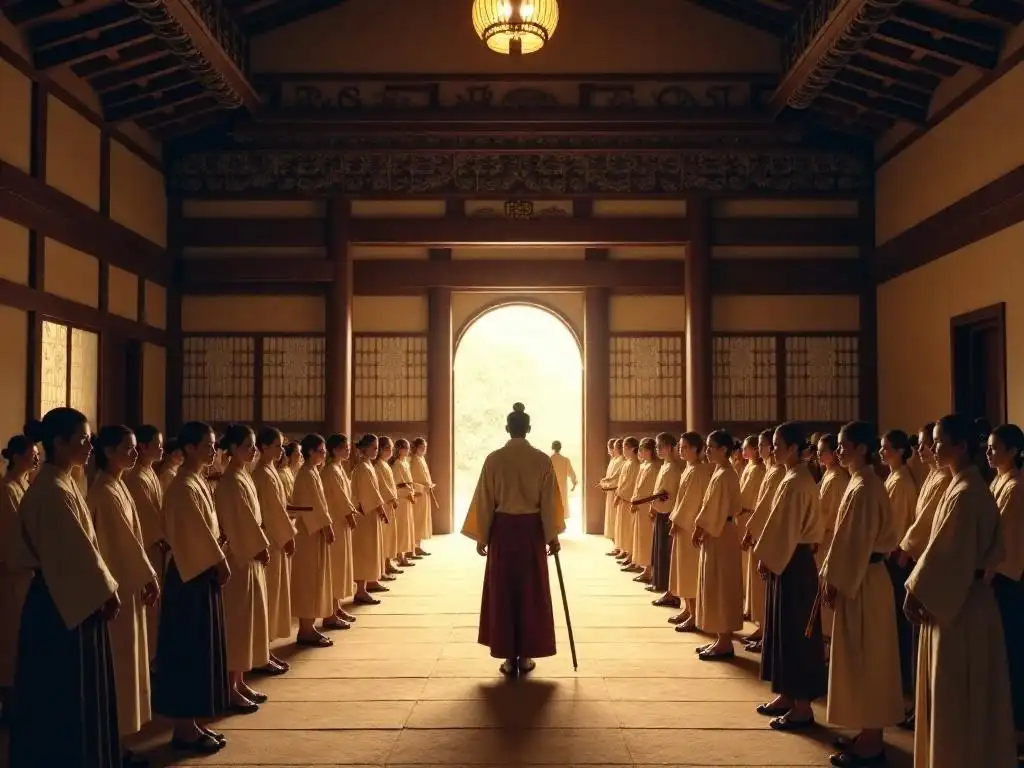
The education of samurai in feudal Japan was not merely an accumulation of martial knowledge; it was a holistic curriculum designed to cultivate the mind, spirit, and body. The samurai were expected to be well-rounded individuals, integrating ethics, philosophy, and arts into their training. The curriculum varied depending on the clan and region but generally included three primary areas: literary and philosophical studies, military strategy and tactics, and arts and culture.
Literary and Philosophical Studies
Literary and philosophical studies were foundational in samurai education. Samurai were taught to read and write classical Chinese and Japanese, allowing them to engage with important texts and philosophies of the time. Key texts included:
- The Book of Five Rings by Miyamoto Musashi, which delves into strategy and the philosophy of combat.
- The Analects of Confucius, emphasizing moral virtues and ethical governance.
- The Tale of the Heike, which provided historical context and moral lessons.
Through these studies, samurai learned not only the importance of strategy and tactics but also the virtues of loyalty, honor, and righteousness. Confucian ideals became deeply rooted in samurai culture, shaping their conduct and interactions with others.
Military Strategy and Tactics
Military training was paramount in the samurai's education, focusing on both physical skills and strategic thinking. Samurai engaged in rigorous training that included:
- Kenjutsu (swordsmanship), which was often considered the heart of samurai combat training.
- Bojutsu (staff techniques) and Naginatajutsu (halberd techniques), which diversified their combat skills.
- Horsemanship, essential for battlefield mobility and maneuverability.
In addition to physical training, samurai studied military strategy and tactics through historical accounts and manuals. They examined famous battles, understanding the importance of terrain, troop movements, and psychological warfare. This strategic insight was vital for samurai leaders, who had to make critical decisions in times of conflict.
Arts and Culture: Music, Calligraphy, and Poetry
The education of samurai extended beyond the battlefield into the realm of arts and culture. Mastery in the arts was seen as a reflection of a samurai's character and discipline. Key areas of study included:
- Calligraphy (shodō), an art form that emphasized precision and aesthetic beauty, serving as a metaphor for the samurai's life.
- Poetry, particularly haiku and waka, which encouraged samurai to express their thoughts and emotions succinctly and eloquently.
- Music, where samurai often learned to play traditional instruments like the biwa or koto, fostering a deep appreciation for cultural heritage.
Engaging in these artistic pursuits allowed samurai to cultivate a sense of balance and harmony within themselves, reflecting the concept of bushidō, or the way of the warrior. Through art, samurai could express their inner thoughts, emotions, and values, which were integral to their identity.
The Role of the Clan and Family in Samurai Education
The clan and family were central to the education of samurai, shaping their training, values, and social standing. Clan affiliations often determined the quality and type of education a samurai would receive, as well as the resources available to them.
Clan-Based Education Systems
Clan-based education systems were prevalent in feudal Japan, with each clan establishing its own schools and training facilities. Prominent clans often employed:
- Educators and scholars, who were responsible for imparting knowledge and skills to the young samurai.
- Military instructors, who provided specialized training in various combat techniques.
These education systems ensured that samurai upheld the traditions and values of their clans, reinforcing loyalty and commitment to their lineage. Clan leaders often took an active role in the education of their samurai, ensuring that teachings aligned with the clan's goals and philosophies.
Influence of Family Heritage on Samurai Training
Family heritage played a significant role in shaping a samurai's education. The lineage of a samurai determined their status and the expectations placed upon them. Key influences included:
- Tradition: Families often passed down specific martial techniques, philosophies, and values that shaped the samurai's identity.
- Mentorship: Senior family members or respected clan elders frequently mentored young samurai, imparting wisdom and experience.
The emphasis on family heritage meant that a samurai's education was not just personal but also a continuation of their family's legacy. This continuity reinforced the importance of honor and loyalty, both to the family and to the clan, ensuring that the samurai upheld their code of conduct throughout generations.
In feudal Japan, education was not uniformly accessible across different social classes, leading to significant disparities in the knowledge and skills acquired by the samurai compared to peasants and other groups. The samurai, as the ruling elite, enjoyed a structured and comprehensive educational system that emphasized martial skills, ethics, and literature. In contrast, peasants received minimal education primarily focused on practical skills necessary for agrarian life. This divergence highlights the hierarchical nature of Japanese society during the feudal era, where access to education was a privilege closely tied to one's social standing.
Education for Peasants vs. Samurai
The education of the samurai was rigorous and multifaceted, often beginning in childhood. Samurai children were taught not only martial arts but also literature, philosophy, and ethics, with a strong emphasis on the teachings of Confucius and Buddhism. This holistic approach aimed to cultivate both the mind and body, producing well-rounded warriors who could lead and govern effectively.
In stark contrast, peasant education was largely informal and utilitarian. Peasants were primarily trained in agricultural techniques and survival skills necessary for their daily lives. Literacy rates among peasants were low, and their educational opportunities were limited to community-based learning from elders and practical experience. This disparity in education contributed to the samurai's elevated social status, as they were seen as the educated leaders of society, in contrast to the laboring classes.
The Role of Education in the Samurai's Social Status
Education played a crucial role in solidifying the samurai's social status. It was not merely about acquiring knowledge but also about instilling values such as loyalty, honor, and discipline—core tenets of the samurai code, known as Bushido. The ability to read and write was essential for samurai to engage in governance, administration, and the maintenance of their family's honor and legacy.
Moreover, education reinforced the samurai's identity as a warrior class. Through their training in the arts of war, samurai were expected to embody the virtues of courage and honor. This rigorous educational framework not only prepared them for battle but also elevated their status in society. The emphasis on moral and ethical education distinguished them from other classes and justified their position as leaders and protectors of the realm.
Challenges Faced in Samurai Education
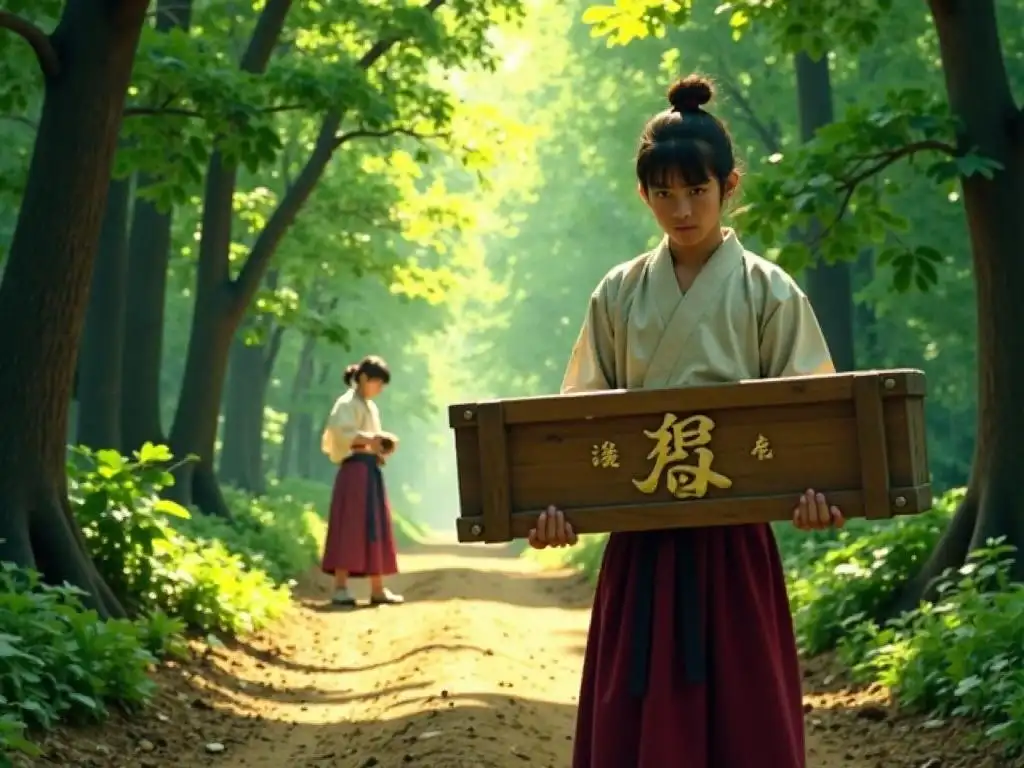
Despite the structured approach to education for the samurai, there were significant challenges that impacted their training and development. These challenges arose from societal expectations, the need to balance martial training with academic pursuits, and the historical context of the times.
Societal Expectations and Pressures
Samurai faced immense societal pressures to uphold their honor and fulfill their roles as both warriors and scholars. The expectation to master multiple disciplines created a challenging environment where failure was not an option. Many samurai struggled to balance the rigorous demands of martial training with their studies, leading to stress and anxiety.
Additionally, the societal pressure to conform to the ideals of Bushido meant that samurai were often judged not only by their skills in combat but also by their scholarly achievements. This dual expectation could create a sense of inadequacy among those who found themselves excelling in one area but lacking in another, complicating their journey through education.
Changes in Education During the Sengoku Period
The Sengoku period (1467-1603), characterized by civil war and social upheaval, brought significant changes to samurai education. As the need for skilled warriors grew, there was a shift in focus towards practical martial training over scholarly pursuits. This period saw the rise of military academies that prioritized combat skills, strategy, and tactics, often at the expense of traditional education.
The chaotic nature of the Sengoku period also led to the decline of established educational institutions. Many samurai families were forced to adapt quickly to the changing environment, resulting in a more pragmatic approach to education that emphasized survival and battlefield readiness. This shift represented a departure from the earlier ideals of a well-rounded samurai and reflected the demands of an era marked by conflict and instability.
While education was a cornerstone of samurai identity and social status, it was not without its challenges, particularly during tumultuous times like the Sengoku period. The evolution of educational practices during this era highlights the adaptability of the samurai in the face of societal and historical pressures.
Legacy of Samurai Education in Modern Japan
The legacy of samurai education is a profound and enduring aspect of Japanese culture that continues to influence various facets of modern Japanese society. Rooted in the values of discipline, respect, and perseverance, the samurai code, known as Bushido, shaped not only the lives of the samurai themselves but also the broader educational frameworks that evolved in Japan. The principles instilled through samurai education, such as loyalty, honor, and moral integrity, resonate in contemporary practices and ideologies, reflecting a unique blend of historical traditions and modern values.
Influence on Modern Japanese Education Systems
Modern Japanese education systems reflect the samurai ideals through their emphasis on discipline, respect for authority, and group harmony. The educational structure in Japan is heavily influenced by the Confucian values that permeated samurai training, emphasizing the importance of moral education alongside academic achievement. Schools promote a sense of community and collective responsibility among students, akin to the camaraderie fostered among samurai warriors.
Moreover, the rigorous nature of samurai education, which included both physical training and intellectual pursuits, has been mirrored in the modern curriculum. Students engage in a balanced approach to learning that combines sports, arts, and academic subjects, promoting well-rounded development. This holistic view is reminiscent of the samurai training that emphasized not just martial skills, but also literature, philosophy, and strategy.
Continuing Practices in Martial Arts Training Today
The influence of samurai education is perhaps most vividly seen in the traditional martial arts practiced today, such as Kendo, Aikido, and Iaido. These disciplines continue to embody the principles of Bushido, as practitioners engage in rigorous training regimes that promote physical fitness, mental focus, and ethical conduct.
Training in these arts often includes not only physical techniques but also philosophical teachings that echo the samurai way of life. Students learn about respect for their opponents, the importance of humility, and the value of perseverance through hardship. Dojos, or training halls, serve as modern sanctuaries where learners can immerse themselves in the samurai tradition, highlighting the interplay between historical practices and contemporary life.
Conclusion
Summary of the Importance of Samurai Education in Feudal Japan
Samurai education in feudal Japan was a cornerstone of the societal structure, fostering the development of individuals who were not only skilled warriors but also moral leaders. The training they underwent was designed to cultivate both the mind and body, ensuring that samurai were equipped to serve their lords and protect their people effectively. This educational legacy has transcended time, laying the groundwork for the values that underpin modern Japanese society.
Final Thoughts on the Lasting Impact of the Samurai Code
The samurai code continues to impact Japanese culture profoundly, shaping the moral fabric of society and influencing various aspects of daily life. As modern Japan navigates the complexities of a globalized world, the teachings of the samurai offer timeless lessons in integrity, discipline, and honor. The enduring relevance of samurai education serves as a testament to its foundational role in shaping not only the past but also the future of Japan. Through the lens of history, we can appreciate how the samurai code remains a vital part of Japan's identity and a source of inspiration for generations to come.
- Introduction to Samurai Education in Feudal Japan
- Historical Context of Samurai Education
- Core Principles of Samurai Education
- Methods of Education and Training for Samurai
- Curriculum for Samurai Education
- The Role of the Clan and Family in Samurai Education
- Comparison of Samurai Education with Other Social Classes
- Challenges Faced in Samurai Education
- Legacy of Samurai Education in Modern Japan
- Conclusion
Frequently Asked Questions
What was the significance of Samurai education in feudal Japan?
Samurai education was crucial for instilling discipline, loyalty, and martial skills in warriors, ensuring they upheld the Bushido code and contributed to their lord's cause.
How did the training of Samurai evolve over time?
Initially focused on combat skills, Samurai training evolved to include philosophy, arts, and literature, reflecting the changing societal values and the importance of a well-rounded warrior.
What role did Zen Buddhism play in Samurai education?
Zen Buddhism greatly influenced Samurai education by promoting mindfulness, meditation, and self-discipline, which were essential for mastering both martial arts and personal growth.
Were there formal institutions for Samurai education?
Yes, there were formal schools and training grounds where Samurai learned from masters and exchanged knowledge, focusing on both physical training and intellectual pursuits.
A Samurai's social status often determined their access to resources, including teachers, training facilities, and literature, impacting the depth and breadth of their education.
Final Reflection: The Enduring Legacy of Samurai Education in Feudal Japan
The principles of samurai education in feudal Japan resonate profoundly in today's world, highlighting the timeless values of discipline, honor, and lifelong learning. As we navigate an increasingly complex society, the lessons drawn from the samurai's rigorous training and ethical framework remind us of the importance of cultivating character and resilience in our own lives. The samurai's commitment to personal growth and societal contribution serves as a powerful model for contemporary education systems and personal development.
The influence of samurai education extends far beyond the historical context, shaping cultural narratives and social values that persist in modern Japan and beyond. The samurai's dedication to mastery and ethical conduct continues to inspire individuals in various fields, from martial arts to leadership training.
As noted by historian John W. Hall, > “The samurai code is not just a relic of the past; it is a living tradition that informs our understanding of honor and responsibility today.” This ongoing relevance underscores the importance of integrating these values into our daily lives, fostering a sense of purpose and integrity in our actions.
As we reflect on the lessons of samurai education, I invite you to consider how these principles can be woven into your own journey. Take a moment to assess your commitment to personal growth, ethical conduct, and the pursuit of knowledge. Embrace the spirit of the samurai by setting goals that challenge you, nurturing your character, and contributing positively to your community. In doing so, you not only honor the legacy of the samurai but also pave the way for a more meaningful and impactful life.
Embrace the Spirit of the Samurai!
Thank you for diving into the fascinating world of the Samurai Code! Your interest in education and training during Feudal Japan has surely opened a window to the values and discipline that shaped an entire culture. Now, it’s time to take that knowledge further and connect with the legacy of the samurai in your own life.
Here are a few powerful actions you can take:
- Practice mindfulness and discipline: Implement daily routines that foster focus and resilience—consider journaling or meditation to connect with your own inner warrior.
- Explore local martial arts classes: Many traditions emphasize the principles of the samurai. Find a dojo near you and immerse yourself in the study of martial arts.
- Share what you've learned: Discuss the Samurai Code with friends or online communities. Consider writing about it or sharing insights on social media to spark meaningful conversations!
Now, as you reflect on the samurai's teachings, ask yourself: What aspects of the Samurai Code can you incorporate into your daily life to cultivate personal growth and discipline?