
A Comparative Study: Feudal Japan vs. European Education Systems

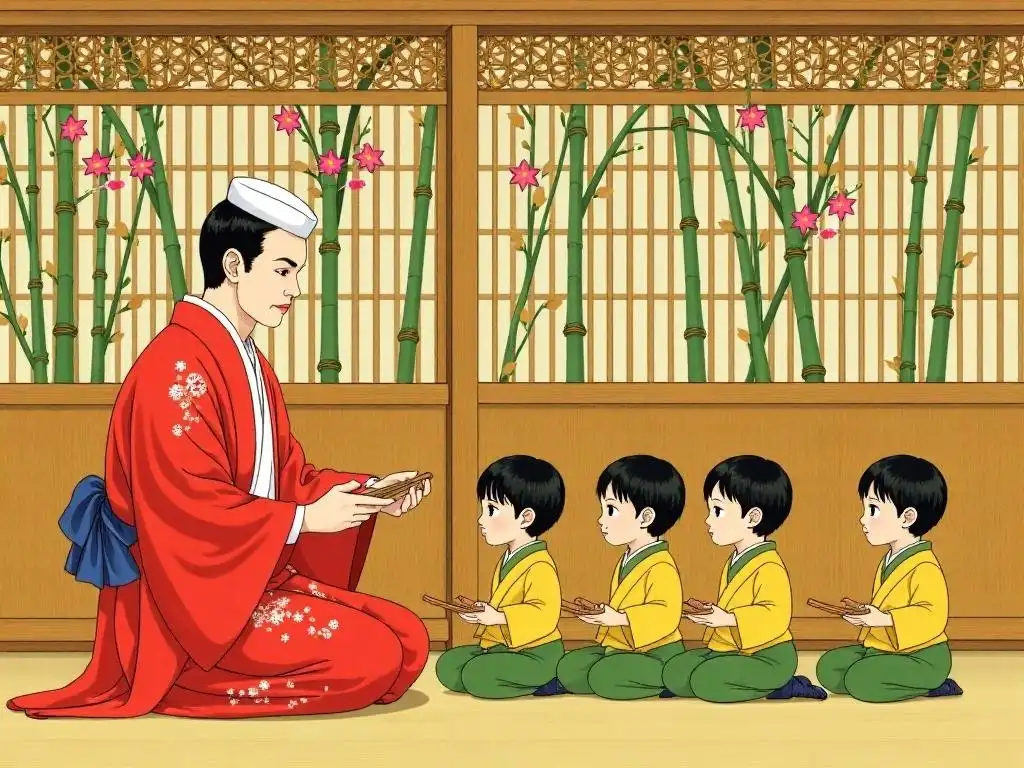
Welcome to Feudal Japan History, where we embark on a fascinating journey through the intricate tapestry of Japan’s feudal era. In our latest article, “A Comparative Study: Feudal Japan vs. European Education Systems,” we delve deep into the nuanced differences and similarities that shaped the educational landscapes of these two remarkable cultures. What drove the evolution of educational practices in feudal Japan, and how did they compare to their European counterparts?
Join us as we unravel these compelling questions and uncover the rich historical, cultural, and societal threads that connect them. Prepare to be captivated by the insights that await you!
Introduction to Feudal Japan Education System Comparison
In the exploration of historical education systems, a fascinating comparison emerges between Feudal Japan and European societies. Both regions experienced unique educational paradigms shaped by their distinct cultural, social, and political contexts. This article delves into the nuanced differences and similarities in education during these eras, highlighting the structures, philosophies, and societal implications behind each system. By examining the Feudal Japan education system comparison, we aim to provide a comprehensive understanding of how these educational frameworks influenced their respective societies and contributed to the development of knowledge and skills among their populations.
Overview of Education in Feudal Japan
Education in Feudal Japan was primarily influenced by the samurai class, Confucian ideals, and the teachings of Buddhism. The educational system was characterized by a blend of practical training, moral instruction, and intellectual development. While formal education was predominantly accessible to the elite, various forms of learning existed, catering to different segments of society.
Key features of the Japanese educational system included:
- Emphasis on Moral Education: Ethical teachings were central to the curriculum, imparting values such as loyalty, honor, and discipline.
- Practical Training: Skills necessary for warfare and governance were taught through hands-on experiences.
- Literacy and Arts: The study of literature, poetry, and calligraphy formed an essential part of education, especially among the samurai and the upper classes.
Overview of Education in European Societies
In contrast, the European education system during the feudal era was largely influenced by the Church and the emerging universities. Education varied significantly across regions, with notable differences between rural and urban settings, as well as between the nobility and the peasantry.
Key attributes of European education included:
- Religious Instruction: The Church played a pivotal role, with most education being conducted in monasteries and cathedral schools, focusing on theology and scripture.
- Emergence of Universities: By the 12th century, universities began to emerge, fostering a new level of academic inquiry and specialization.
- Class-based Education: Access to education was often determined by social class, with nobles receiving a formal education while the lower classes had limited opportunities.
Historical Context of Education in Feudal Japan
The historical context of education in Feudal Japan is critical to understanding its development and structure. The interplay of political power, cultural influences, and social hierarchy shaped how education was perceived and implemented during this time.
The Role of Samurai in Education
The samurai class not only served as warriors but also acted as educators and moral leaders within their communities. Training in martial arts, strategy, and ethics was essential for samurai, who were expected to uphold their code of conduct. This dual role of the samurai as both protector and educator significantly influenced the educational landscape of Feudal Japan, leading to the establishment of various academies dedicated to martial and moral training.
Influence of Buddhism and Confucianism on Learning
Buddhism and Confucianism profoundly impacted the educational philosophy in Feudal Japan. While Buddhism introduced concepts of meditation and moral teachings, Confucianism emphasized the importance of social harmony, respect for authority, and filial piety. These philosophies collectively shaped the moral and ethical foundations of education, promoting a holistic approach to learning that prioritized character development alongside intellectual achievement.
Educational Institutions in Feudal Japan
Educational institutions in Feudal Japan varied from informal village schools to formal academies established by samurai. Notable institutions included:
- Terakoya (Temple Schools): These schools provided basic education to children, focusing on reading, writing, and ethics.
- Samurai Academies: Specialized academies that offered advanced training in strategy, literature, and philosophy for young samurai.
- Zen Monasteries: Places where philosophical and spiritual education was imparted, often attracting scholars and students seeking enlightenment.
By understanding the complexities of the educational systems in both Feudal Japan and European societies, we can appreciate the diverse approaches to knowledge and learning during this pivotal historical period.
Historical Context of Education in European Societies
The historical context of education in European societies is deeply intertwined with the social, religious, and political transformations that occurred throughout the medieval period. During the early Middle Ages, education was predominantly the privilege of the clergy and nobility, with the majority of the population remaining illiterate. Monasteries played a crucial role in preserving knowledge, focusing on religious texts and classical literature. As Europe transitioned into the High Middle Ages, the rise of towns and a burgeoning middle class began to shift educational dynamics.
By the 12th century, the establishment of cathedral schools laid the groundwork for more formalized education systems, emphasizing the liberal arts. These schools attracted scholars from various regions, leading to increased intellectual exchange and the emergence of a more structured educational framework. The rise of chivalry and the need for educated administrators and military leaders further spurred educational developments, culminating in the establishment of universities by the late 12th century. This period saw a gradual democratization of education, although it remained largely exclusive to the upper classes.
The Role of the Church in Education
The Church played a pivotal role in shaping education in medieval Europe. Initially, monasteries were the primary centers of learning, where monks copied manuscripts and taught religious doctrine. The Church's influence extended beyond spiritual teachings, as it established schools to educate clergy and the elite, ensuring the transmission of religious and classical knowledge. The curriculum was heavily focused on theology, Latin, and philosophy, reflecting the Church's priorities.
As universities began to emerge in the 12th and 13th centuries, the Church maintained significant control over educational institutions. Many universities were founded under papal authority, which not only legitimized their existence but also ensured that education aligned with ecclesiastical teachings. The Church's involvement in education fostered the preservation of classical texts and the promotion of scholasticism, a method that sought to reconcile faith and reason, thereby laying the foundation for intellectual developments in Europe.
The Evolution of Universities in Medieval Europe
The evolution of universities in medieval Europe marked a significant turning point in the history of education. The first universities emerged in Bologna and Paris around the late 11th and early 12th centuries, respectively. These institutions were initially informal gatherings of scholars and students but gradually evolved into structured organizations with defined curricula and faculties.
By the 13th century, universities began to diversify their offerings beyond theology to include law, medicine, and the liberal arts. This expansion reflected the growing demand for educated professionals in an increasingly complex society. The establishment of faculties and the formalization of degrees further solidified the university's role as a center of higher learning. The medieval university system, characterized by its emphasis on debate, critical thinking, and the pursuit of knowledge, laid the groundwork for modern educational structures in Europe.
Key Figures in European Education History
Several key figures emerged in the history of education in medieval Europe, significantly influencing its development. One notable figure is Thomas Aquinas, a philosopher and theologian whose work in scholasticism bridged the gap between faith and reason, impacting educational methods and curricula for centuries. His writings promoted the idea that faith and rational inquiry could coexist, inspiring generations of scholars.
Another influential figure is John of Salisbury, who emphasized the importance of education for civic engagement and moral development. His advocacy for the liberal arts as essential for creating well-rounded citizens helped shape educational philosophies. Additionally, figures such as Peter Abelard and Erasmus contributed to the evolution of critical thinking and humanist education, respectively, advocating for a curriculum that emphasized reasoning and classical texts.
Key Features of Feudal Japan’s Education System
The education system in feudal Japan developed under a unique set of cultural and social norms, significantly differing from its European counterparts. Rooted in Confucian ideals, education in Japan was primarily focused on moral and ethical development, with an emphasis on respect for authority and community values. The samurai class played a central role in education, as they were expected to be both warriors and scholars. This dual expectation shaped a distinct educational framework that prioritized discipline, loyalty, and learning.
Curriculum and Subjects Taught
The curriculum in feudal Japan was largely influenced by Confucian philosophy, which emphasized moral education alongside practical skills. Key subjects included:
- Confucian texts: Central to the moral and ethical instruction.
- Calligraphy: Considered an essential skill that reflected one's character.
- Martial arts: Integral for samurai education, blending physical training with discipline.
- Literature and poetry: Encouraged creativity and cultural appreciation.
In addition to these subjects, practical skills such as farming, governance, and administration were taught to prepare students for their roles within society.
Methods of Teaching and Learning
Teaching methods in feudal Japan were predominantly rote memorization and recitation, reflecting the Confucian emphasis on respect for knowledge and authority. Teachers, often monks or samurai, were regarded as figures of authority, and students were expected to absorb knowledge passively.
However, the education of samurai was more dynamic, incorporating martial training and philosophy discussions. Group study sessions were also common, fostering a sense of community and collaboration among learners.
The use of private tutors for the elite ensured personalized attention, while temple schools catered to the broader populace, albeit with limited access.
Social Stratification in Education
Social stratification significantly influenced access to education in feudal Japan. The education system was predominantly accessible to the samurai class, who viewed education as a means of maintaining their status and influence. The bushi, or warrior class, prioritized education as part of their identity, promoting a culture of learning among their ranks.
In contrast, the peasantry had limited access to formal education. While some village schools provided basic literacy and agricultural knowledge, these opportunities were scarce and often depended on local resources. Consequently, educational attainment was closely tied to one's social standing, reinforcing existing hierarchies within feudal society.
Overall, the feudal Japan education system emphasized moral development and practical skills, shaped by cultural values and social stratification, contrasting sharply with the evolving educational paradigms of medieval Europe.
Key Features of European Education Systems
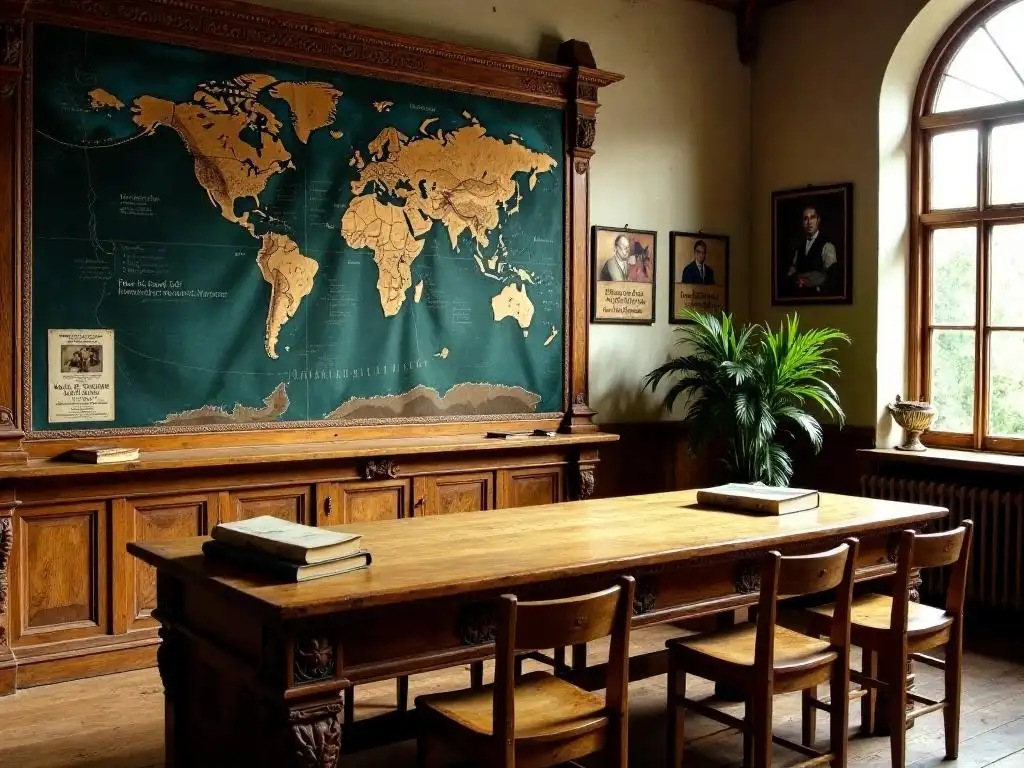
The education systems of medieval Europe were characterized by distinct features that shaped learning and intellectual development during the period. Predominantly influenced by the Church, education was heavily centered around religious studies, although it began to expand to include secular subjects as the Renaissance approached. Key features included:
- Institutional Framework: The establishment of universities in the 12th century marked the formalization of educational institutions. These universities were centers of higher learning, initially focused on theology, law, medicine, and arts.
- Curricular Structure: The curriculum was divided into two main parts: the Trivium (grammar, rhetoric, and logic) and the Quadrivium (arithmetic, geometry, music, and astronomy). This structured approach was designed to develop critical thinking and analytical skills.
- Role of the Church: The Church played a pivotal role in education, dictating much of the curriculum and serving as the primary educator for many individuals. Monastic schools were among the earliest forms of educational institutions.
- Use of Latin: Latin was the lingua franca of educated Europe, serving as the medium of instruction and scholarly communication. This created a barrier for those not fluent in the language, impacting access to education.
Curriculum and Subjects Taught in Medieval Europe
Medieval European education was largely dominated by religious themes, but a gradual inclusion of secular subjects emerged over time. The curriculum varied significantly between different regions and types of institutions but generally included:
- Theology: Central to education, theology was studied to understand the divine and prepare for religious vocations.
- Philosophy: Influenced by ancient Greek and Roman texts, philosophy taught students to engage with ethical and metaphysical questions.
- Literature: Classical works were studied, particularly those of Latin authors, which laid the groundwork for the humanities.
- Mathematics and Natural Sciences: Though less emphasized initially, subjects like arithmetic and geometry began to gain importance, especially in relation to trade and navigation.
- Rhetoric and Grammar: These subjects were crucial for developing effective communication skills, important for public life and governance.
Pedagogical Approaches and Learning Environments
The learning environment in medieval Europe varied widely, influenced by socio-economic status and location. Key pedagogical approaches included:
- Lectures and Disputations: The prevalent teaching method involved lectures by masters, who would present material for students to absorb, followed by disputations where students debated philosophical and theological issues.
- Apprenticeships: In trades and crafts, learning often took place through apprenticeships, where skill acquisition was achieved through hands-on experience under the guidance of a master.
- Classroom Dynamics: Classes were typically held in monasteries or cathedral schools, where students gathered to learn from a single teacher, fostering a hierarchical and formal atmosphere.
- Textual Reliance: Education heavily relied on texts, with students often memorizing and reciting works in Latin, which was considered essential for scholarly achievement.
Comparative Analysis of Educational Philosophies
In comparing the educational philosophies of feudal Japan and medieval Europe, several contrasting elements emerge that reflect the cultural and social contexts of each society.
Confucian Values vs. Christian Doctrine
The educational philosophies in feudal Japan were largely influenced by Confucian values, which emphasized morality, social harmony, and the importance of hierarchical relationships. In contrast, medieval European education was rooted in Christian doctrine, focusing on salvation, divine order, and moral teachings.
- Moral Development: Confucianism promoted moral education as a means to cultivate virtuous leaders and good citizens, while Christianity sought to guide believers towards spiritual fulfillment and ethical living through the teachings of Christ.
- Authority and Structure: Both systems emphasized respect for authority—Confucianism through filial piety and the social hierarchy, and Christianity through the Church and its teachings.
Individual vs. Collective Learning Approaches
The approach to learning in feudal Japan often stressed collective achievement through group activities and shared responsibilities, while European education leaned more towards individual achievement and personal accountability.
- Group Learning: In Japan, education was often communal, with students learning together and supporting one another in the pursuit of knowledge, reflecting the collectivist values of society.
- Individual Achievement: European systems placed a premium on individual accomplishments, fostering competition among students, which was seen as a driver for personal excellence.
The Role of Literacy and Language in Education
Literacy and language played crucial roles in shaping educational systems, with significant differences evident between feudal Japan and medieval Europe.
- Language of Instruction: In Europe, Latin was the primary language of instruction, creating barriers for the uneducated populace. In contrast, Japan utilized classical Chinese characters, but education was increasingly available in vernacular languages during the later periods.
- Literacy Rates: Feudal Japan saw a relatively high literacy rate among the samurai and merchant classes, driven by practical needs, while medieval Europe exhibited lower literacy rates overall, limited primarily to clergy and the upper classes.
- Cultural Transmission: Both systems valued literacy as a means of cultural preservation and transmission, but the methods and accessibility varied significantly, reflecting broader societal values and priorities.
Impact of Education on Society in Feudal Japan
The education system in Feudal Japan was deeply intertwined with the social order and cultural norms of the period. Education in this era primarily revolved around the teachings of Confucianism, which emphasized moral virtues, filial piety, and loyalty to one's lord. This system was crucial in shaping the values and behaviors of the samurai class, as well as the common people.
The establishment of terakoya, or temple schools, allowed for a broader segment of the population, including merchants and farmers, to access education, albeit limited. This education was focused on practical skills such as reading, writing, and arithmetic, which were essential for daily life and commerce. As a result, education began to foster a sense of community and shared identity among the populace, contributing to social cohesion.
Moreover, the education system reinforced the existing social hierarchies. While it provided some opportunities for upward mobility, particularly for the lower classes, it largely served to maintain the status quo by instilling loyalty to the ruling classes. The samurai, as the educated elite, were trained not only in martial skills but also in literature and philosophy, which elevated their status within society and reinforced their role as leaders.
Education and Social Mobility
In Feudal Japan, access to education was often determined by social class. The samurai class, which held significant power and privilege, had the greatest access to advanced education, which included the study of classical Chinese texts, literature, and the arts. This education was crucial for their roles as administrators and warriors, allowing them to navigate the complexities of governance and military affairs.
However, the rise of terakoya during the Edo period marked a significant shift in educational accessibility. These informal schools opened their doors to children from various social backgrounds, including the merchant and peasant classes. This democratization of education allowed some individuals to improve their social standing through knowledge and literacy. Notable examples include figures like Fukuzawa Yukichi, who emerged from humble beginnings to become a prominent educator and advocate for modernization.
Despite this potential for social mobility, systemic barriers remained. The rigid class structure meant that most individuals had limited opportunities to ascend beyond their inherited social status. Thus, while education provided some pathways for advancement, it ultimately reinforced existing social hierarchies.
The Influence of Education on Governance and Samurai Culture
Education played a pivotal role in shaping the governance of Feudal Japan. The samurai class, educated in Confucian principles, were expected to serve as both warriors and administrators. Their education emphasized ethics, loyalty, and the importance of governance, which shaped their approach to leadership and public service.
The teachings of Confucianism influenced the samurai's worldview, instilling a sense of duty towards their lord and society. This connection between education and governance was evident in the way samurai were trained to uphold justice and maintain order. The educated samurai were often tasked with administrative duties, thus intertwining their educational background with their political responsibilities.
Furthermore, as the Tokugawa shogunate consolidated power, there was an increased emphasis on education as a means to promote stability and control. The shogunate established schools and promoted the study of Confucian texts to ensure that the samurai were well-versed in the ideals of loyalty and governance, thereby reinforcing their role in maintaining the social order.
Impact of Education on Society in European Context
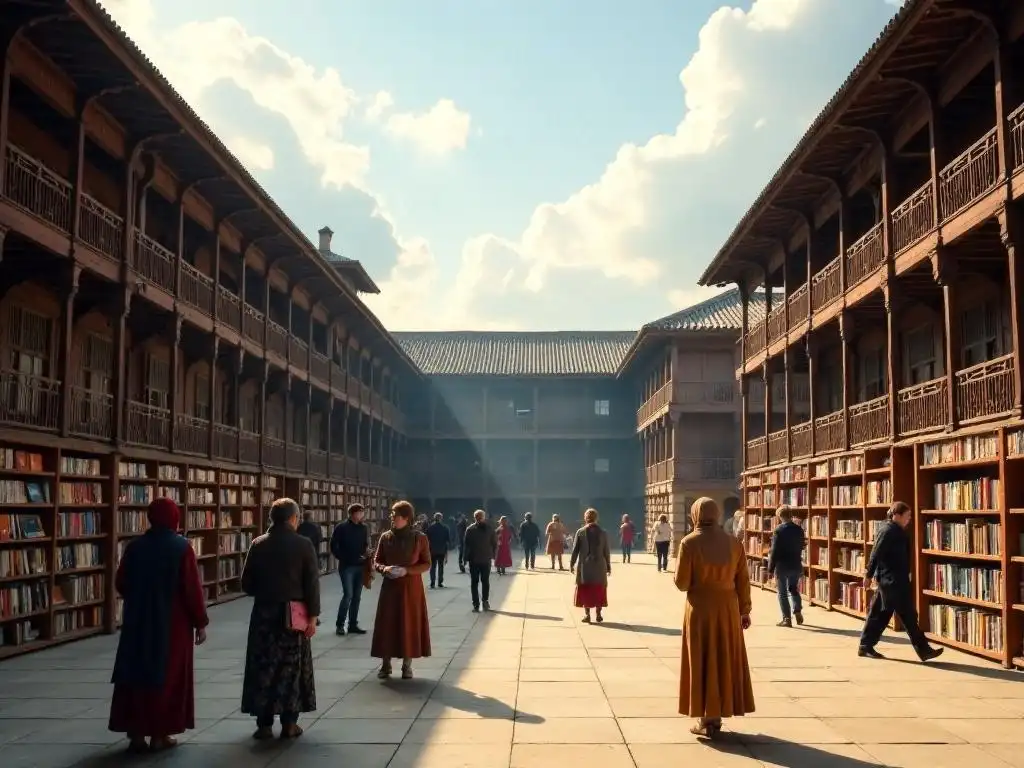
In contrast to Feudal Japan, the European education system during the medieval period was heavily influenced by the Church and the rise of universities. Education was primarily reserved for the clergy and the aristocracy, with the primary focus on religious studies, philosophy, and the classics. This exclusivity created a significant divide in educational access, impacting societal structures profoundly.
The Renaissance marked a turning point, as humanism began to influence education, promoting a more secular curriculum that included science, literature, and the arts. This shift not only expanded educational opportunities but also fostered an environment ripe for social change. As literacy rates grew, so did the dissemination of ideas that challenged the established norms, laying the groundwork for movements such as the Reformation and the Enlightenment.
Education as a Tool for Social Change
In Europe, education emerged as a powerful tool for social change, particularly during the Enlightenment. The emphasis on reason, individualism, and scientific inquiry encouraged people to question traditional authority and seek knowledge beyond religious dogma. This intellectual awakening led to significant societal transformations, empowering the middle class and fostering a sense of civic responsibility.
The establishment of public education systems in the 19th century marked another critical juncture. Governments began to recognize the importance of an educated citizenry for economic and political stability. This shift aimed to provide children from all social backgrounds with access to education, fostering social mobility and encouraging a more informed populace.
The spread of literacy and educational opportunities contributed to the rise of social movements advocating for reform, including labor rights, women's suffrage, and civil rights. Education became synonymous with empowerment, enabling individuals to challenge existing social structures and demand change.
The Role of Education in Shaping Political and Economic Structures
In Europe, education significantly influenced political and economic structures. The emergence of universities and the promotion of education allowed for the formation of an educated elite that could engage in governance, law, and commerce. This educated class became instrumental in shaping policies that addressed the needs of a changing society.
The Industrial Revolution further transformed the relationship between education and the economy. As industries grew, there was a demand for skilled workers, prompting governments to invest in vocational education and training. This shift not only fostered economic growth but also altered the social fabric, as education became a pathway for upward mobility.
Moreover, education played a crucial role in the development of democratic ideals. An educated populace was essential for the functioning of democratic governments, as informed citizens were better equipped to participate in the political process. This connection between education, political engagement, and economic opportunity laid the groundwork for modern European societies, illustrating the profound impact of education on both governance and social structures.
Conclusion: Insights from the Feudal Japan Education System Comparison
The comparison of the feudal Japan education system with European education systems reveals significant insights into how different cultures approached learning and knowledge dissemination during their respective periods. While both systems were influenced by their societal structures and cultural values, they diverged in their methodologies, goals, and accessibility. Feudal Japan's education was characterized by a strong emphasis on Confucian principles, fostering moral development and loyalty to the state, while European systems often leaned towards a more diverse curriculum influenced by the Renaissance and the Reformation, focusing on individualism and critical thinking.
Understanding these differences and similarities allows us to appreciate the unique educational philosophies that shaped the societies of feudal Japan and Europe. It highlights the role of education as not merely a means of intellectual development but as a tool for social cohesion, political stability, and cultural identity.
Summary of Key Differences and Similarities
In examining the feudal Japan education system comparison, several key differences and similarities emerge:
- Curriculum Focus:
- Feudal Japan: Education was heavily centered around Confucian texts, ethics, and governance, targeting the samurai class and the ruling elite.
- Europe: The curriculum was broader, encompassing classical literature, philosophy, science, and the arts, reflecting the values of the Renaissance.
- Accessibility:
- Feudal Japan: Education was primarily available to the samurai and wealthy classes, with limited access for peasants and commoners.
- Europe: While initially limited, educational opportunities began to expand with the establishment of universities, making education more accessible to a wider population over time.
- Pedagogical Approaches:
- Feudal Japan: The focus was on rote memorization and moral instruction, with an emphasis on loyalty and duty.
- Europe: A more dialectical approach was utilized, encouraging debate, discussion, and critical thinking.
Despite these differences, both systems recognized the importance of education in cultivating leadership and moral character, serving their respective societal needs.
Implications for Understanding Historical Education Systems
The insights gained from this comparison have broad implications for understanding historical education systems. They demonstrate how educational practices reflect the values and priorities of a society. In feudal Japan, education was intertwined with social hierarchy and governance, whereas in Europe, it evolved into a more inclusive and diverse system that encouraged individual thought.
This understanding prompts further examination of how educational systems contribute to the shaping of societal structures, cultural identities, and political ideologies. By analyzing these historical contexts, educators and historians can better appreciate the complexities of modern education systems and their roots in historical precedents.
Future Research Directions
Future research on the comparative study of feudal education systems can further illuminate the nuances of educational evolution across cultures. There are several promising directions to explore:
Areas for Further Study in Comparative Education History
- Regional Variations: Investigating the differences within European education systems during the feudal era and how they compared to Japan's localized practices.
- Influence of Religion: Analyzing how religious institutions influenced education in both regions, particularly the role of Buddhism in Japan and the Church in Europe.
- Impact of Trade and Interaction: Exploring how trade routes and cultural exchanges affected educational practices and philosophies, particularly during periods of increased contact between the East and West.
These areas present an opportunity to deepen our understanding of the factors that shaped educational systems and their long-lasting impacts.
The Legacy of Feudal Education Systems in Modern Contexts
The legacy of feudal education systems can still be observed in contemporary education frameworks. Elements of discipline, respect for authority, and moral instruction can trace their roots back to the Confucian ideals prevalent in Japan, while the European emphasis on critical thinking and liberal arts education continues to inform modern curricula.
Moreover, understanding these historical legacies can foster a greater appreciation of how current educational practices have evolved and the cultural values they embody. This reflection may guide future educational reforms and innovations, ensuring that they are informed by a comprehensive understanding of past systems. By continuing to explore these legacies, educators and policymakers can create more effective and culturally responsive education systems that honor the lessons of history.
- Introduction to Feudal Japan Education System Comparison
- Historical Context of Education in Feudal Japan
- Historical Context of Education in European Societies
- Key Features of Feudal Japan’s Education System
- Key Features of European Education Systems
- Comparative Analysis of Educational Philosophies
- Impact of Education on Society in Feudal Japan
- Impact of Education on Society in European Context
- Conclusion: Insights from the Feudal Japan Education System Comparison
- Future Research Directions
- What were the main features of the Feudal Japan education system?
- How did Feudal Japan's education system compare to that of medieval Europe?
- What role did social class play in education during Feudal Japan?
- Were there any similarities between Feudal Japan and European education systems?
- How did the end of Feudalism impact the education systems in Japan and Europe?
Frequently Asked Questions
What were the main features of the Feudal Japan education system?
The Feudal Japan education system was characterized by a focus on Confucian values, martial skills, and practical knowledge, primarily aimed at samurai and the ruling class, contrasting with European systems that emphasized liberal arts.
How did Feudal Japan's education system compare to that of medieval Europe?
While Feudal Japan stressed morality and loyalty through samurai training, medieval European systems often focused on theology and philosophy, with institutions like monasteries and universities playing a significant role in education.
In Feudal Japan, education was largely accessible to the upper classes, such as samurai and their families, while commoners had limited educational opportunities, unlike in some parts of Europe where church schools were more inclusive.
Were there any similarities between Feudal Japan and European education systems?
Both systems emphasized the importance of moral education and the training of future leaders, though the content and methods differed significantly, reflecting their respective cultural values and societal structures.
How did the end of Feudalism impact the education systems in Japan and Europe?
The end of Feudalism led to the establishment of more formalized education systems in both regions, promoting wider access to education and the rise of national curricula, moving away from the previous class-based systems.
Final Reflection: Bridging Cultures Through Education
The exploration of education systems in Feudal Japan and Europe reveals profound insights into how cultural values shape learning. Today, as we navigate a globalized world, understanding these historical frameworks is crucial for appreciating the diverse educational philosophies that influence modern practices. The stark contrasts and surprising similarities between these two systems remind us that education is not merely a means to an end but a reflection of societal ideals and aspirations.
The legacy of these educational systems continues to resonate in contemporary discussions about pedagogy and cultural identity. The way knowledge was imparted in Feudal Japan, with its emphasis on moral development and community, stands in contrast to the European focus on individual achievement and critical thinking. This comparative study highlights how education can serve as a vehicle for both personal growth and societal cohesion. As philosopher John Dewey once said, Education is not preparation for life; education is life itself.
This sentiment underscores the ongoing relevance of historical educational practices in shaping our current understanding of learning.
As we reflect on the lessons drawn from Feudal Japan and European education systems, I invite you to consider how these insights can inform your own educational journey. What values do you hold dear in your learning experiences? Embrace the opportunity to blend the best of both worlds, fostering a holistic approach to education that honors tradition while embracing innovation. Let us strive to create learning environments that not only impart knowledge but also cultivate wisdom, empathy, and a sense of community in our ever-evolving global landscape.
Unveil New Perspectives on Education!
Thank you for diving into our comparative study of feudal Japan and European education systems! We hope this exploration sparked your interest in the intricate ways cultures shape learning. Now, it’s time to take what you've learned and put it into action!
- Engage with History: Join our online forum to discuss your thoughts and insights with fellow history enthusiasts. Share your reflections on the unique educational practices found in both feudal Japan and Europe!
- Start a Conversation: Share this article on your social media platforms to encourage discussions among your friends and followers about how these historical education systems continue to influence modern learning today.
- Explore Further: Dive deeper by accessing our exclusive resources and articles that focus on educational practices in various historical cultures.
What aspect of feudal education surprises you the most, and how do you believe it could shape today’s learning environments?