
The Samurai’s Spiritual Journey: Education Beyond the Physical


Welcome to Feudal Japan History, where we invite you to embark on a compelling voyage through the intricate tapestry of Japan's feudal era. In our featured article, “The Samurai’s Spiritual Journey: Education Beyond the Physical,” we delve deep into the lesser-known aspects of the samurai's path—not just their martial prowess, but the profound spiritual education that shaped their very essence. What secrets lie within the mind and heart of these legendary warriors?
As you explore the intertwining threads of history, culture, and societal norms, prepare to uncover the enlightening truths that define the samurai's legacy. Join us on this journey of discovery and see how the past continues to resonate in the present.
Introduction to Samurai Spiritual Education
The journey of the Samurai transcends mere martial prowess; it is deeply intertwined with a rich tapestry of spiritual education and philosophical exploration. In the context of feudal Japan, Samurai were not only warriors but also custodians of a profound cultural legacy that emphasized the importance of spiritual growth alongside physical training.
This article delves into the "Samurai spiritual education journey," illuminating the integral role spirituality played in shaping the identity and values of these iconic figures. Through an exploration of historical contexts, core principles, and the broader implications of their spiritual education, we will uncover how the Samurai's path was as much about the mind and spirit as it was about the sword.
Understanding the Samurai’s Role in Feudal Japan
The Samurai were elite warriors who emerged in the Heian period (794-1185) and became the ruling military class during the Kamakura period (1185-1333). Their primary responsibility was to serve their lords, the daimyō, and protect the land. However, their role extended beyond the battlefield. Samurai were expected to embody the virtues of loyalty, honor, and discipline, which were deeply rooted in the Bushido code, the way of the warrior.
This code mandated not just physical training in martial arts but also mental and spiritual cultivation. Samurai engaged in various forms of education, including literature, philosophy, and the arts, which shaped their worldview and ethical framework. Thus, the Samurai’s education was a holistic approach, integrating both martial and spiritual dimensions.
The Importance of Spirituality in Samurai Culture
Spirituality was paramount in Samurai culture, serving as a guiding force in their lives. The concept of Zen Buddhism played a significant role, emphasizing mindfulness, meditation, and a connection to the present moment. This spiritual practice influenced not only their combat techniques but also their decision-making and interpersonal relationships.
Moreover, rituals and ceremonies were integral to the Samurai’s daily life, providing a sense of purpose and grounding. The act of tea ceremonies, calligraphy, and poetry were seen as pathways to enlightenment, allowing Samurai to cultivate inner peace and focus. Spirituality thus functioned as a crucial element of their identity, reinforcing their commitment to honor and duty.
The Foundations of Samurai Spiritual Education
The foundation of Samurai spiritual education can be traced back to several historical and philosophical influences that shaped their worldview and practices.
Historical Context of Samurai Education
Historically, the education of Samurai was influenced by Confucianism, Buddhism, and Shintoism. Confucian ideals emphasized loyalty and filial piety, which were essential traits for a Samurai. In contrast, Buddhism introduced concepts of impermanence and the quest for enlightenment, providing Samurai with a philosophical framework to understand life and death.
During the Edo period (1603-1868), a more structured educational system emerged, where Samurai were instructed in both martial and scholarly pursuits. Schools known as Hankō were established, offering a curriculum that included literature, philosophy, and ethics, thereby reinforcing the importance of spiritual education alongside physical training.
Core Principles of Samurai Spirituality
The core principles of Samurai spirituality can be distilled into several key tenets:
- Discipline - Rigorous training and self-control were paramount.
- Loyalty - A deep commitment to one’s lord and comrades.
- Honor - Maintaining one's reputation and ethical conduct.
- Wisdom - The pursuit of knowledge and understanding through study and reflection.
- Harmony - A balance between mind, body, and spirit, achieved through practices like meditation and martial arts.
These principles not only guided the Samurai in their duties but also shaped their spiritual journey, emphasizing the importance of inner development as parallel to their external accomplishments. By exploring these aspects, we gain a clearer understanding of the profound spiritual legacy that the Samurai left behind.
The Process of the Samurai’s Spiritual Journey
The spiritual journey of the samurai extends far beyond the mere physical prowess that they exhibited on the battlefield. This journey is a profound exploration of the self, rooted in discipline, mindfulness, and ethical conduct. The samurai were not only warriors but also scholars and philosophers who engaged in a continuous quest for self-improvement and enlightenment. Their spiritual education was a structured process that involved various stages, each designed to refine not just their martial skills but also their inner character.
At the heart of this journey lies a commitment to lifelong learning. Samurai engaged in rigorous training not only in martial arts but also in arts, literature, and philosophy, fostering a holistic development that integrated body, mind, and spirit. This multi-faceted approach allowed them to cultivate virtues such as courage, honor, and loyalty, which were essential to their identity as samurai. Through this blend of physical training and spiritual education, they sought to achieve a harmonious balance between their roles as warriors and ethical beings.
Stages of Spiritual Development in Samurai Training
The spiritual development of a samurai can be understood through several key stages, each representing a significant evolution in their understanding and practice of the principles that governed their lives.
- Initiation and Discipline: This initial stage focuses on rigorous training and discipline. Samurai underwent intensive physical training that included martial arts, weaponry, and horseback riding. This foundation was critical as it instilled a sense of respect for their craft and the importance of discipline in both physical and spiritual realms.
- Self-Reflection and Awareness: As they progressed, samurai were encouraged to engage in self-reflection. This involved examining their thoughts, emotions, and motivations. Journaling and dialogue with mentors were common practices that helped them cultivate an awareness of their internal landscape.
- Meditation and Contemplation: The practice of meditation became increasingly important at this stage. Samurai learned to quiet their minds and develop focus, which was essential for both battle and life decisions. This contemplative practice was often supported by teachings from Zen Buddhism, which emphasized the importance of being present.
- Integration of Philosophical Teachings: In this advanced stage, samurai began to integrate various philosophical teachings into their lives. The study of texts from Confucianism, Buddhism, and other schools of thought provided them with moral and ethical frameworks that guided their decisions and interactions with others.
- Mastery and Legacy: The final stage of their spiritual journey is marked by mastery—not only of martial skills but also of self-control, compassion, and wisdom. Samurai aimed to leave a legacy that reflected their values and principles, influencing future generations in their understanding of what it means to be a warrior.
The Role of Meditation and Mindfulness in Samurai Education
Meditation and mindfulness played pivotal roles in the samurai's spiritual education, serving as tools for self-discovery and inner peace. These practices were not merely techniques for relaxation; instead, they were essential components of a samurai's training regimen that enhanced their mental clarity and emotional stability.
- Mental Clarity: Through meditation, samurai learned to clear their minds of distractions, allowing them to focus intensely on their training and responsibilities. This clarity was particularly crucial during combat, where a moment of hesitation could mean the difference between life and death.
- Emotional Regulation: Mindfulness practices helped samurai manage their emotions, particularly fear and anger. By cultivating an awareness of their emotional states, they became better equipped to respond to challenges with composure and rationality, embodying the ideal of the stoic warrior.
- Connection to the Present: The emphasis on being present in the moment enabled samurai to engage fully with their training and interactions. This presence fostered a deep connection with their surroundings and a heightened awareness of their actions, reinforcing the samurai's commitment to ethical conduct.
- Deepening Spiritual Insight: Regular meditation allowed samurai to explore deeper philosophical questions about life, death, and the nature of existence. This introspection enriched their spiritual journey and helped them develop a more profound understanding of their purpose as warriors.
Influential Philosophies Shaping Samurai Spirituality
The spiritual education of the samurai was heavily influenced by several philosophical frameworks that provided them with ethical guidelines and a deeper understanding of their place in the world. Two of the most significant philosophies that shaped their spirituality were Zen Buddhism and Confucianism.
Zen Buddhism and Its Impact on Samurai Training
Zen Buddhism emerged as a powerful force in shaping samurai spirituality during the feudal era. Its emphasis on direct experience and meditation resonated deeply with the samurai's quest for self-mastery and enlightenment.
- Meditation Practices: Zen practices, particularly zazen (sitting meditation), became a central component of samurai training. This meditation fostered mental discipline and encouraged the samurai to cultivate a calm and focused mind, which was essential in both combat and daily life.
- Embracing Impermanence: The Zen concept of impermanence reinforced the samurai's understanding of life and death. By recognizing the transient nature of existence, samurai learned to let go of attachments and focus on the present moment, enhancing their resolve in battle.
- Mindfulness in Action: Zen teachings emphasized mindfulness not only during meditation but also in everyday activities. This principle encouraged samurai to approach their training, duties, and relationships with a heightened sense of awareness and intention.
- Artistic Expression: Zen also influenced the samurai's engagement with the arts, including calligraphy, poetry, and tea ceremonies. These artistic pursuits offered avenues for self-expression and reflection, further enriching their spiritual journey.
Confucianism and the Moral Framework of Samurai
Confucianism provided a moral and ethical framework that guided the behavior and actions of samurai throughout their lives. Its teachings emphasized the importance of virtues such as loyalty, righteousness, and filial piety, which resonated deeply with the samurai ethos.
- Hierarchy and Social Order: Confucian teachings reinforced the importance of hierarchical relationships and social harmony. Samurai were expected to fulfill their roles with integrity, respect, and loyalty, both to their lords and to their families.
- Cultivation of Virtue: The Confucian ideal of self-cultivation promoted continuous personal development. Samurai were encouraged to refine their character through education, moral reflection, and adherence to ethical principles.
- Role of Rituals: Confucianism emphasized the significance of rituals in fostering respect and social cohesion. Samurai participated in various rituals, which helped to reinforce their sense of duty and commitment to their community.
- Influence on Governance: The ethical principles derived from Confucianism also extended to governance. Samurai leaders were expected to embody Confucian virtues, ensuring that their rule was characterized by justice and benevolence.
Through the integration of Zen Buddhism and Confucianism, the samurai crafted a unique spiritual education journey that shaped their identities and defined their roles within Japanese society. This comprehensive approach to spiritual development not only fortified their martial capabilities but also encouraged a profound understanding of life, duty, and honor.
Techniques and Practices in Samurai Spiritual Education
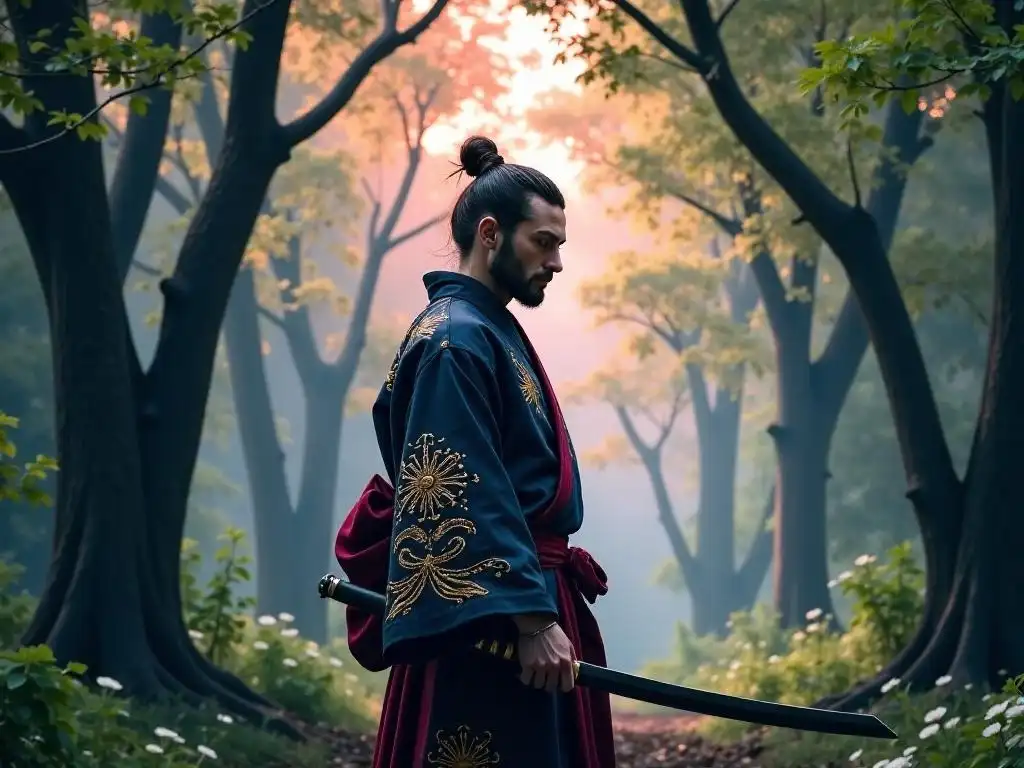
The spiritual education of the samurai transcended mere physical training and weapon mastery; it was deeply rooted in various techniques and practices that shaped their character and worldview. Central to this education was the integration of martial arts with philosophical and spiritual teachings. Key practices included meditation, mindfulness, and the study of classical texts such as the Hagakure, which provided moral guidance and insights into the samurai way of life.
A significant focus of samurai education was the practice of Zen Buddhism, which emphasized the importance of achieving a calm mind and heightened awareness. Meditation, or zazen, allowed warriors to cultivate inner peace, enabling them to confront both external battles and their internal struggles. Additionally, the performance of martial arts, such as kenjutsu and iaijutsu, was not only about physical prowess but also about the development of a harmonious spirit and mental clarity.
Through dedicated practices, samurai learned the principles of loyalty, honor, and self-discipline. These principles were not merely theoretical; they were embodied in daily rituals, enhancing the samurai's connection to their spiritual journey. The fusion of martial discipline and spiritual growth established a holistic approach to education that was unique to the samurai ethos.
The Art of Kenjutsu and Its Spiritual Significance
Kenjutsu, the art of swordsmanship, is one of the most revered practices among samurai and carries profound spiritual significance. Beyond being a physical combat technique, kenjutsu serves as a medium for deeper self-discovery and enlightenment. The very act of wielding a sword is seen as a way to unite the mind, body, and spirit, promoting a sense of balance and harmony.
Training in kenjutsu often involved rigorous drills and forms, known as kata, which instilled discipline and focus. Each movement within the kata is designed to reflect the samurai's inner state and intentions, making the practice a form of moving meditation. As practitioners engage in these forms, they are encouraged to reflect on their emotions, fears, and aspirations, leading to personal growth and self-awareness.
Furthermore, the spiritual journey in kenjutsu is enhanced by the concept of sword as a mirror, where the sword reflects the samurai's inner self. This metaphor emphasizes the importance of understanding oneself through the practice of martial arts. By confronting their limitations and cultivating virtues such as patience and humility, samurai could achieve a higher state of consciousness and forge a deeper connection with their spiritual path.
Rituals and Ceremonies in Samurai Life
Rituals and ceremonies played a pivotal role in the spiritual education of samurai, serving as vital expressions of their values and beliefs. These practices were often steeped in Shinto and Buddhist traditions, reinforcing the samurai's connection to their cultural heritage and spiritual identity.
One of the most significant rituals was the tea ceremony, or chanoyu, which emphasized mindfulness, respect, and tranquility. Through the meticulous preparation and consumption of tea, samurai learned the art of presence and contemplation, allowing them to cultivate a serene spirit amidst the chaos of their lives.
Additionally, rituals associated with ancestor worship, such as obon, provided a framework for samurai to honor their lineage and reflect on their duties as warriors. These ceremonies reinforced the importance of loyalty and filial piety, guiding samurai in their spiritual journey by reminding them of their responsibilities to family and society.
Moreover, the act of participating in formal ceremonies, such as weddings or funerals, instilled a sense of community and continuity. Such events were opportunities to reinforce social bonds and reflect on the impermanence of life, encouraging samurai to seek a deeper understanding of their existence and purpose.
Challenges and Obstacles in the Samurai’s Spiritual Journey
Despite their rigorous training and strong moral framework, samurai faced numerous challenges and obstacles in their spiritual journey. These hurdles often stemmed from internal conflicts and societal pressures that tested their resolve and commitment to their spiritual education.
Internal Conflicts and the Quest for Enlightenment
The pursuit of enlightenment was fraught with internal conflicts for many samurai. As elite warriors, they were trained to be fierce and resolute, yet the ideals of compassion and understanding demanded by their spiritual education often clashed with their warrior instincts. This dichotomy could lead to feelings of guilt, shame, and confusion about their identity and purpose.
Samurai wrestled with the duality of their existence: as protectors of their lords and as seekers of inner peace. The violent nature of their profession contrasted sharply with the tranquil ideals of Zen Buddhism, creating a tension that could hinder their spiritual progress. Many samurai found themselves at a crossroads, questioning their path and the principles they were sworn to uphold.
Additionally, the fear of failure—whether in battle or in their spiritual practice—could lead to a cycle of anxiety and self-doubt. This inner turmoil made the quest for enlightenment a challenging endeavor, often requiring a lifetime of dedication and introspection.
Societal Pressures and Expectations on Samurai
Societal pressures also posed significant obstacles to the spiritual journey of samurai. The rigid hierarchical structure of feudal Japan placed immense expectations on them to uphold the values of loyalty, honor, and bravery. These expectations often overshadowed their personal aspirations for spiritual growth, compelling them to prioritize duty over self-discovery.
The samurai code of bushido dictated not only their behavior in battle but also in their daily lives, creating a framework that could stifle individuality and personal exploration. As they navigated the complexities of their roles, many samurai found it challenging to reconcile their spiritual pursuits with the demands of their societal roles.
Furthermore, the ever-present threat of conflict and warfare added a layer of stress that complicated their spiritual education. The need to remain vigilant and ready for battle could detract from the time and focus required for meditation and contemplation, making it difficult to achieve the inner peace essential for true enlightenment.
The samurai's spiritual journey was a multifaceted path marked by profound techniques and practices, as well as significant challenges. The balance between martial discipline and spiritual growth was delicate, requiring resilience and dedication to navigate the complexities of their dual existence.
The Legacy of Samurai Spiritual Education
The legacy of samurai spiritual education is deeply rooted in the fabric of Japanese history and culture. This education transcended mere physical training in martial arts; it emphasized the cultivation of the mind and spirit. The samurai were not just warriors; they were also philosophers, poets, and scholars.
Their spiritual education was influenced by various schools of thought, including Zen Buddhism, Confucianism, and Shintoism, which collectively shaped their worldview and behavior. This holistic approach fostered a sense of discipline, loyalty, and ethical conduct, creating a warrior class that was respected not only for its prowess in battle but also for its moral integrity.
The teachings that emerged from this spiritual education have left indelible marks on various aspects of Japanese culture. Concepts such as bushido (the way of the warrior) encapsulated values like honor, courage, and self-discipline. These values continue to resonate in modern Japanese society, influencing everything from business practices to daily interactions. The samurai’s spiritual journey has thus become a cornerstone of cultural identity, serving as a guiding principle that shapes the ethical frameworks within which contemporary Japanese people operate.
Lasting Influences on Japanese Culture and Society
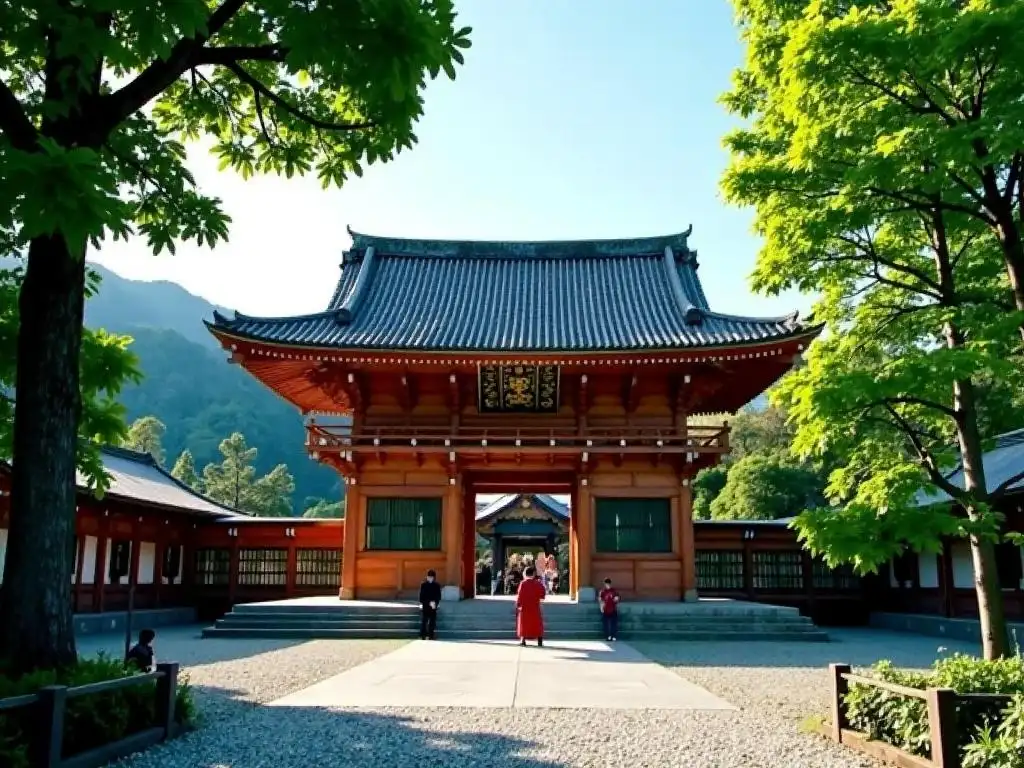
The influence of samurai spiritual education on Japanese culture is profound and multifaceted. One of the most significant impacts is seen in the arts. Traditional Japanese arts, such as tea ceremonies, calligraphy, and martial arts, reflect the samurai's emphasis on mindfulness, precision, and aesthetic appreciation. These practices promote a sense of tranquility and presence, embodying the spiritual teachings that samurai integrated into their lives.
Moreover, the samurai's commitment to education and self-improvement has permeated Japanese society. Filial piety, respect for elders, and the importance of lifelong learning are principles that stem from samurai values and are still vital in contemporary Japan. The samurai's approach to education—viewing it as a lifelong journey rather than a destination—has influenced educational philosophies, encouraging a culture that prioritizes intellectual growth and ethical development.
Modern Interpretations of Samurai Spiritual Practices
In recent years, there has been a resurgence of interest in samurai spiritual practices, particularly in the context of personal development and self-discipline. Modern martial arts schools often incorporate philosophical teachings derived from the samurai ethos, blending physical training with spiritual and mental conditioning. Practices such as meditation and mindfulness, which are rooted in Zen principles, are now widely embraced as tools for stress management and personal growth, transcending their historical origins.
Additionally, contemporary literature and media have reinterpreted samurai ideals, portraying them as symbols of perseverance, honor, and ethical living. This modern fascination with samurai culture has sparked a renewed interest in the values they espoused, leading to workshops, seminars, and retreats focused on samurai principles. These programs aim to provide participants with insights into resilience and integrity, drawing parallels between the samurai's spiritual journey and modern life challenges.
Conclusion: The Enduring Value of the Samurai’s Spiritual Journey
The enduring value of the samurai's spiritual journey lies in its capacity to inspire and guide individuals in their quest for personal development and ethical living. The principles established by the samurai—such as discipline, respect, and mindfulness—remain relevant today, offering a framework for navigating the complexities of contemporary life. By embracing these values, individuals can cultivate a sense of purpose and direction, grounding themselves in a rich historical tradition that emphasizes both personal and communal responsibility.
Reflections on Spiritual Growth Beyond the Physical in Today’s World
In today's fast-paced world, the notion of spiritual growth often takes a back seat to material success and physical achievement. However, the samurai's emphasis on the inner journey serves as a poignant reminder of the importance of nurturing one's spirit. Engaging in practices that promote self-reflection, such as meditation and contemplative arts, can lead to profound insights and personal transformation. This journey inward not only enhances individual well-being but also fosters a deeper connection with others and the world around us.
The Relevance of Samurai Principles in Contemporary Life
The principles of bushido resonate strongly in contemporary life, where ethical dilemmas and moral challenges are prevalent. Concepts such as loyalty, honor, and courage are not only applicable within the context of martial arts but also in personal relationships and professional environments. As individuals strive to live authentically and ethically, the lessons derived from the samurai's spiritual education can guide them through challenges, encouraging a life of integrity and purpose. In this way, the samurai's spiritual journey continues to provide valuable insights, enriching the lives of those who seek to embody these timeless ideals.
- Introduction to Samurai Spiritual Education
- The Foundations of Samurai Spiritual Education
- The Process of the Samurai’s Spiritual Journey
- Influential Philosophies Shaping Samurai Spirituality
- Techniques and Practices in Samurai Spiritual Education
- Challenges and Obstacles in the Samurai’s Spiritual Journey
- The Legacy of Samurai Spiritual Education
- Lasting Influences on Japanese Culture and Society
- Modern Interpretations of Samurai Spiritual Practices
- Conclusion: The Enduring Value of the Samurai’s Spiritual Journey
- What is the significance of the Samurai spiritual education journey?
- How did Samurai education differ from typical education in feudal Japan?
- What role did Zen Buddhism play in Samurai education?
- Were there specific mentors or schools for Samurai education?
- How does the spiritual journey of the Samurai impact modern Japan?
Frequently Asked Questions
What is the significance of the Samurai spiritual education journey?
The Samurai spiritual education journey is a profound process that emphasizes the mental, ethical, and spiritual development of the Samurai, going beyond mere combat skills.
How did Samurai education differ from typical education in feudal Japan?
Samurai education focused on discipline, philosophy, and the arts, integrating spirituality with martial training, unlike the more general education available to commoners.
What role did Zen Buddhism play in Samurai education?
Zen Buddhism significantly influenced the Samurai's spiritual journey by teaching them principles of mindfulness, meditation, and inner peace, which were essential for their warrior ethos.
Were there specific mentors or schools for Samurai education?
Yes, Samurai often sought guidance from renowned masters or attended specific schools that emphasized not only martial skills but also philosophical teachings and cultural practices.
How does the spiritual journey of the Samurai impact modern Japan?
The spiritual journey of the Samurai continues to influence modern Japan through values such as discipline, respect, and the pursuit of personal excellence, shaping contemporary Japanese culture.
Final Reflection: The Enduring Legacy of the Samurai’s Spiritual Education Journey
The essence of the Samurai’s spiritual education journey transcends time and culture, reminding us that true mastery lies not just in physical prowess but in the cultivation of the mind and spirit. In a world increasingly focused on material success and instant gratification, the lessons drawn from the Samurai's path resonate more than ever, urging us to seek a deeper understanding of ourselves and our place in the universe.
The Samurai's commitment to self-discipline, honor, and spiritual growth serves as a powerful reminder that the journey of education is as much about inner transformation as it is about external achievement.
Cultural narratives surrounding the Samurai continue to shape our understanding of discipline and personal growth in contemporary society. The principles they embodied—integrity, resilience, and a profound connection to nature—remain relevant as we navigate the complexities of modern life. As we reflect on their teachings, we recognize that the Samurai's journey was not merely a historical phenomenon but a timeless blueprint for personal development. The ultimate aim of the martial arts is not having to use them.
This quote encapsulates the Samurai's philosophy, emphasizing that true strength lies in self-control and wisdom rather than mere physical dominance.
As you ponder the insights shared in this article, I invite you to embark on your own spiritual education journey. Consider how you can integrate the Samurai's principles into your daily life, fostering a deeper connection with yourself and the world around you. Reflect on your values, cultivate mindfulness, and strive for balance in all aspects of your life. The path of the Samurai is not just a relic of the past; it is an invitation to explore the depths of your own spirit and to embrace a journey of lifelong learning and growth.
Embark on Your Own Spiritual Quest Today!
Thank you for diving into the profound journey of the samurai! You've explored how education extends beyond the physical realm and into the heart of spiritual growth. Now, it's time to put that inspiration into action and enrich your own path.
Here are some meaningful steps you can take right now:
- Start a daily reflection practice. Take a few minutes each day to meditate or write about your thoughts and experiences. This can deepen your understanding of yourself and your goals.
- Explore the teachings of Buddhism or the Way of the Warrior. Read a book or find online resources that resonate with samurai philosophy to incorporate their wisdom into your daily life.
- Share your discoveries! Discuss the insights you've gained with friends or in online communities. You never know who you might inspire to explore their own spiritual journey.
What aspect of the samurai’s philosophy resonates most with you, and how will you integrate it into your life? Let's discuss!