
Learning from the Masters: The Importance of Mentorship in Samurai Culture

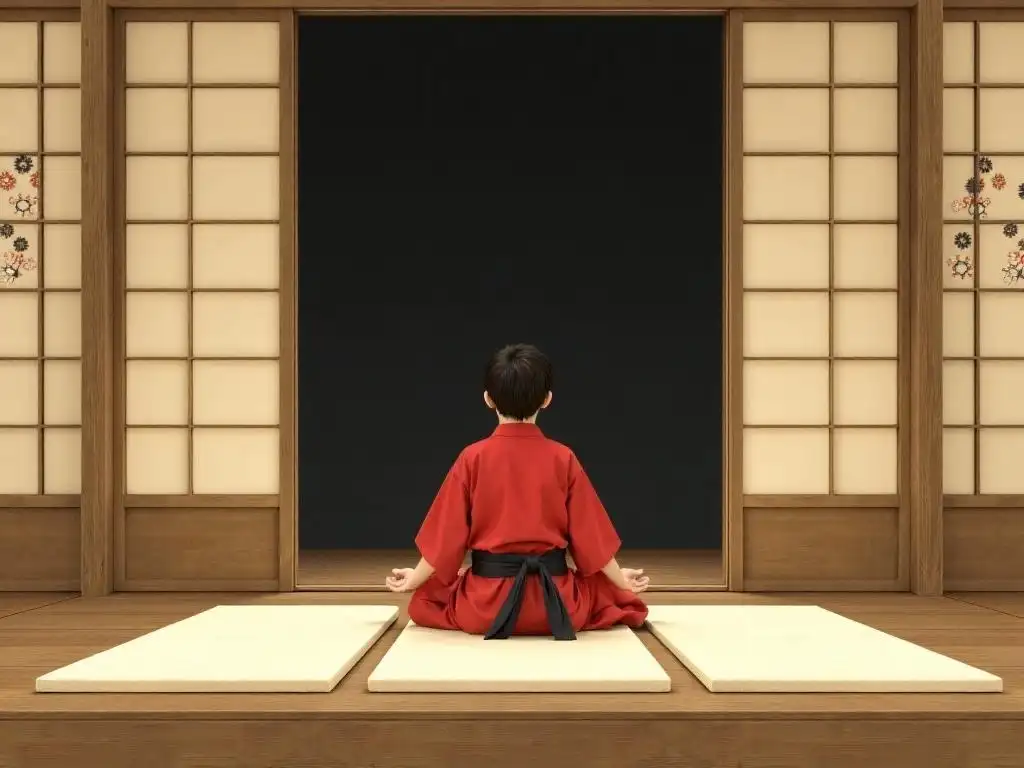
Welcome to Feudal Japan History, where we invite you to embark on a journey through the captivating layers of Japan's feudal era. In our latest article, “Learning from the Masters: The Importance of Mentorship in Samurai Culture,” we delve into the profound significance of samurai mentorship culture—a cornerstone of social structure and personal growth in this iconic period.
Discover how the bonds forged between mentors and their disciples shaped not only the warriors of the time but also the very fabric of Japanese society. As you explore, prepare to uncover the intricacies and legacies that continue to echo through history, sparking your curiosity to learn more about this fascinating culture.
- Introduction to Samurai Mentorship Culture Significance
- Historical Context of Samurai Mentorship
- Core Principles of Samurai Mentorship
- The Mentorship Process in Samurai Training
- The Impact of Samurai Mentorship on Society
- Case Studies of Notable Samurai Mentorships
- Challenges and Limitations of Samurai Mentorship
- Conclusion: The Lasting Significance of Samurai Mentorship Culture
- Frequently Asked Questions
- Final Reflection: Embracing the Wisdom of Samurai Mentorship
- Embrace the Wisdom: Connect with a Mentor Today!
Introduction to Samurai Mentorship Culture Significance
The significance of mentorship within the samurai culture of feudal Japan is a multifaceted topic that intertwines education, tradition, and the codes of honor that governed the lives of these noble warriors. Understanding this mentorship culture requires an exploration of the socio-historical context in which samurai operated, as well as the values they upheld.
Mentorship was not merely an educational tool; it was a vital component of the samurai way of life, shaping not only individual warriors but also the broader societal framework of feudal Japan. This article aims to delve into the nuances of samurai mentorship, revealing its profound impact on personal development, skill acquisition, and the perpetuation of cultural values.
Overview of the Samurai's Role in Feudal Japan
The samurai, a class of elite warriors, played a pivotal role in the political and social fabric of feudal Japan from the late 12th century until the 19th century. This warrior class was not only responsible for military service but also served as administrators, landholders, and cultural patrons. Key points about their role include:
- Military Leaders: Samurai were skilled fighters trained in various martial arts and equipped with weapons such as the katana. Their prowess on the battlefield was crucial in maintaining the power of their lords, or daimyo.
- Cultural Custodians: Beyond their military duties, samurai were instrumental in preserving and promoting Japanese culture, including poetry, tea ceremonies, and calligraphy. They often engaged in the arts, embodying the concept of bushi-dō, or the way of the warrior.
- Social Hierarchy: Operating within a strict social hierarchy, samurai were bound by loyalty and duty to their superiors. They adhered to the bushido code, which emphasized virtues such as honor, courage, and respect.
This intricate role of the samurai in feudal Japan laid the groundwork for the mentorship culture that would flourish within their ranks.
Definition of Mentorship in Samurai Culture
Mentorship in samurai culture was characterized by a deep and reciprocal relationship between a master (sensei) and a student (deshi). This relationship was vital for the transmission of skills, knowledge, and ethical values. Key aspects of mentorship included:
- Training and Skill Development: Mentorship involved rigorous training, where masters imparted their martial skills, strategic thinking, and knowledge of tactics to their students. This training was often physically demanding and tested the student’s resolve.
- Moral and Ethical Guidance: Samurai mentorship extended beyond physical training; it encompassed moral education. Masters instilled the values of loyalty, honor, and discipline, which were critical to the samurai way of life.
- Lifelong Relationships: The bonds formed in mentorship were often lifelong, with students eventually becoming masters themselves. This continuity helped maintain the traditions and philosophies of the samurai, ensuring that their legacy endured through generations.
Mentorship in samurai culture was a cornerstone of their educational framework, fostering not only skilled warriors but also individuals of integrity and honor, whose influence echoed throughout Japanese history.
Historical Context of Samurai Mentorship

The concept of mentorship within samurai culture is deeply rooted in the historical evolution of the samurai class, which began during the Heian period (794-1185) and became more defined in the Kamakura period (1185-1333). This evolution not only shaped the samurai's identity as warriors but also established a framework for their education and training, emphasizing the importance of mentorship.
Evolution of the Samurai Class
The samurai class emerged as a distinct social group in Japan during the feudal era, characterized by their loyalty to their lords (daimyō) and their adherence to the bushidō code, a set of principles emphasizing honor, discipline, and martial prowess. Initially, samurai were local warriors serving feudal lords, but over time, they gained political power and influence. By the late 12th century, the samurai class had become integral to Japan's military and political landscape.
The transition from mere warriors to a respected social class involved a significant focus on education and the cultivation of skills. During this period, mentorship became a critical element in the training of young samurai, as experienced warriors took on the role of instructors. They imparted not only martial techniques but also the ethical and philosophical tenets that guided samurai life.
- Key Transformations in Samurai Training:
- Early Training: Young samurai, often starting at a young age, were trained through direct observation and participation in battles.
- Formal Education: By the Muromachi period (1336-1573), formal schools dedicated to martial arts and strategy emerged, further institutionalizing mentorship.
- Philosophical Development: The teachings of Confucianism, Buddhism, and Shintoism influenced the moral and ethical education of samurai, often delivered through mentorship relationships.
The Role of Mentorship in Samurai Training
Mentorship in samurai culture was not merely about passing down combat skills; it encapsulated a broader educational philosophy. The relationship between mentor and mentee was intimate and hierarchical, rooted in loyalty and respect.
- Components of Samurai Mentorship:
- Technical Skills: Mentors taught various martial arts, including kenjutsu (swordsmanship), iaijutsu (drawing the sword), and sojutsu (spear techniques). This hands-on training was crucial for developing proficiency in combat.
- Strategic Thinking: Beyond physical training, samurai were mentored in tactics and battlefield strategy, learning to think critically about warfare and leadership.
- Moral and Ethical Guidance: Mentors instilled values of loyalty, honor, and discipline, which were essential for maintaining the bushidō code. This aspect of mentorship ensured that samurai not only excelled as warriors but also as honorable individuals.
The significance of samurai mentorship culture can be seen in the long-lasting impact it had on Japan's societal structure. The values and skills transmitted through mentorship forged a class of warriors who were not only adept in battle but also played critical roles in governance and cultural development.
Understanding the historical context of samurai mentorship reveals its profound significance in shaping both individual samurai and the broader social structure of feudal Japan. The mentorship relationships cultivated during this era laid the groundwork for a legacy that continues to resonate in Japanese culture today.
Core Principles of Samurai Mentorship
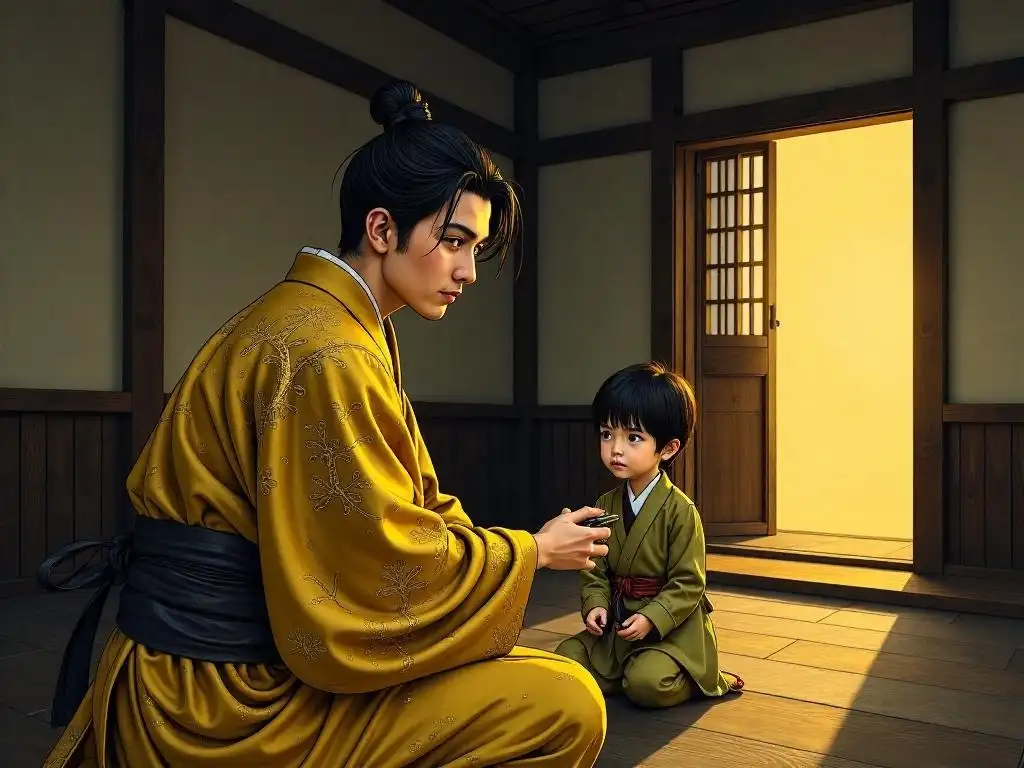
The mentorship culture within the samurai class was deeply rooted in a set of core principles that guided the relationships between mentors (sensei) and their disciples (deshi). These principles not only shaped the educational landscape of feudal Japan but also reinforced the values that defined the samurai way of life. Understanding these principles provides insight into the significance of samurai mentorship culture and its lasting legacy.
Loyalty and Honor in Mentorship Relationships
Loyalty and honor were cornerstones of the samurai ethos, deeply influencing mentorship dynamics. The samurai's unwavering loyalty to their lords and their commitment to honor shaped the mentor-mentee relationship in profound ways.
- Loyalty to the Mentor: A deshi was expected to display utmost loyalty to their sensei, often going to great lengths to protect their mentor's interests and reputation. This loyalty fostered an environment of trust, allowing for open communication and personal growth.
- Reciprocal Honor: In return, mentors upheld the honor of their students by imparting wisdom and skills that would elevate their status within society. This mutual respect was essential, as dishonor could lead to severe consequences, including loss of status or even death.
In the world of the samurai, honor was not just a virtue; it was a way of life.
— Anonymous Samurai Scholar
The bond formed through loyalty and honor created a powerful network within the samurai community, ensuring that knowledge and traditions were passed down through generations.
The Importance of Knowledge Transfer in Samurai Culture
The transmission of knowledge was fundamental to the samurai mentorship culture, encompassing not only martial skills but also philosophy, ethics, and strategy. This comprehensive approach ensured that each samurai was well-equipped to navigate the complexities of their role in society.
- Martial Training: Physical prowess was essential for a samurai. Mentors employed rigorous training regimens that emphasized techniques in swordsmanship, archery, and battlefield tactics. Mastery of these skills was not merely about combat but also about developing discipline and mental fortitude.
- Philosophical Instruction: Beyond physical training, samurai mentorship included lessons in Zen Buddhism and Confucianism, which emphasized virtues such as humility, respect, and self-discipline. This philosophical grounding was crucial for the development of a well-rounded warrior.
- Strategic Thinking: Mentors also imparted knowledge on strategy and warfare, teaching students to think critically about conflict and diplomacy. This included lessons from historical battles and the importance of adapting tactics to changing circumstances.
| Aspect of Knowledge Transfer | Description |
|---|---|
| Martial Training | Physical skills, discipline, and combat techniques |
| Philosophical Instruction | Ethical and moral teachings, Zen and Confucian principles |
| Strategic Thinking | Lessons in warfare and diplomacy, critical analysis |
The significance of this knowledge transfer cannot be overstated. It ensured that each generation of samurai was not only skilled in battle but also well-versed in the moral and ethical dimensions of their actions, reinforcing the values that defined their culture.
The core principles of samurai mentorship—loyalty, honor, and comprehensive knowledge transfer—were pivotal in shaping the samurai identity and ensuring the survival of their cultural heritage. Understanding these elements helps us appreciate the significance of samurai mentorship culture in the broader context of Japanese history.
The Mentorship Process in Samurai Training
The mentorship process in samurai training was a fundamental aspect of their education, deeply embedded in the social fabric of feudal Japan. This system not only shaped the skills and abilities of individual samurai but also preserved the values and traditions of the warrior class. Through a hierarchy of learning, mentorship provided a structured pathway for samurai to develop their martial skills, ethical principles, and cultural knowledge.
The Relationship Between Sensei and Student
At the heart of samurai mentorship was the relationship between the sensei (teacher) and the student (deshi). This bond was characterized by mutual respect, loyalty, and dedication. The sensei was not merely a teacher of techniques; they were a guide who instilled wisdom, philosophy, and ethical conduct.
Key characteristics of this relationship included:
- Trust and Respect: The student was expected to show unwavering respect for their sensei, who in turn provided guidance tailored to the individual’s needs and abilities.
- Lifelong Learning: The relationship often extended beyond formal training. Many samurai maintained connections with their sensei throughout their lives, seeking advice on both martial and personal matters.
- Spiritual Guidance: Senseis often imparted philosophical teachings alongside practical skills, emphasizing the importance of the samurai code, known as Bushido, which encompassed values such as honor, courage, and loyalty.
This dynamic created an environment conducive to learning, where students could explore their potential under the watchful eye of their mentors.
Stages of Learning in Samurai Education
The learning process for samurai was systematic and divided into distinct stages, each building upon the last. This structure ensured that students mastered foundational skills before advancing to more complex techniques.
- Basic Training (Shoden):
- Focused on fundamental techniques, etiquette, and the philosophy of martial arts.
- Emphasized physical conditioning, basic swordsmanship, and the importance of discipline.
- Intermediate Training (Chuden):
- Students began to refine their skills and learn advanced techniques.
- Included training in various weapons and strategies, as well as the study of historical texts and martial philosophy.
- Advanced Training (Okuden):
- The highest level of training, where students learned the most sophisticated techniques and tactics.
- Emphasized the application of skills in real-world scenarios, including battlefield tactics and leadership.
- Mastery and Mentorship (Shihan):
- At this stage, experienced samurai often took on the role of mentors themselves, continuing the cycle of knowledge transfer.
- They were encouraged to teach others, thus preserving the traditions and skills of the samurai.
Each stage required dedication and perseverance, fostering a culture of continuous improvement and respect for the art of war.
Practical Training and Real-World Applications
Practical training in samurai education was not limited to dojo practice; it encompassed a wide range of real-world applications that prepared samurai for the challenges they would face.
- Combat Simulations: Samurai engaged in mock battles to hone their skills in realistic settings. These simulations helped them develop quick reflexes and strategic thinking.
- Field Exercises: Training often involved outdoor exercises that simulated the conditions of actual warfare, emphasizing adaptability and resilience.
- Cultural Education: Samurai were also educated in the arts, poetry, and philosophy. This holistic approach cultivated well-rounded individuals who could navigate both the battlefield and the court.
Through these practical applications, samurai not only mastered their martial skills but also learned the importance of strategy, ethics, and leadership, which were crucial for their roles as warriors and leaders in society.
The samurai mentorship culture significance lies in its structured, respectful, and experiential approach to education, shaping individuals who embodied the values of their era while ensuring the continuity of their martial traditions.
The Impact of Samurai Mentorship on Society

Shaping Leadership Qualities Through Mentorship
Samurai mentorship played a pivotal role in shaping the leadership qualities of individuals during Japan's feudal era. The relationship between a master (sensei) and a student (deshi) was grounded in a profound respect and a commitment to discipline, loyalty, and resilience. This mentorship model emphasized the cultivation of virtues that were deemed essential for effective leadership.
- Discipline: The samurai were renowned for their rigorous training regimens, which were not limited to martial arts but also included moral and ethical education. Mentors instilled a sense of discipline in their students, teaching them the importance of self-control and perseverance. This discipline created leaders who could withstand the pressures of battle and governance.
- Strategic Thinking: Samurai mentors imparted knowledge regarding the art of war and tactics. Under their guidance, students learned to think critically and strategically, developing the ability to assess situations and make informed decisions. This skill was crucial for leaders who needed to navigate the complexities of feudal politics.
- Emotional Intelligence: The samurai code, known as Bushido, emphasized virtues such as compassion, honor, and loyalty. Mentors taught students to cultivate emotional intelligence, allowing them to connect with their followers and peers on a deeper level. This connection was vital for fostering loyalty and unity among warriors.
The legacy of samurai mentorship continues to influence leadership training in contemporary Japan. Many modern leaders still draw inspiration from the samurai's commitment to excellence, ethical conduct, and the cultivation of strong mentorship relationships.
The Influence of Samurai Mentorship on Modern Japanese Culture
The significance of samurai mentorship culture extends beyond the historical context, permeating various aspects of modern Japanese culture. The values instilled by samurai mentors have shaped societal norms and practices that persist today.
- Education Systems: The principles of mentorship are evident in contemporary Japanese education. The teacher-student relationship often mirrors the samurai model, emphasizing respect, discipline, and a deep commitment to learning. Educators often take on a mentorship role, guiding students not just academically but also morally and socially.
- Corporate Culture: In the Japanese business environment, mentorship is highly valued. Senior employees often take junior members under their wing, imparting knowledge and skills akin to the samurai tradition. This fosters a sense of loyalty and camaraderie within the workplace, mirroring the bonds formed in samurai relationships.
- Cultural Arts: Traditional arts, such as martial arts, calligraphy, and tea ceremonies, often follow a mentorship structure. Students learn from masters, who pass down techniques and philosophies that embody the samurai spirit. This preservation of knowledge through mentorship ensures that cultural practices remain vibrant and relevant.
The samurai mentorship culture has left an indelible mark on modern Japanese society, shaping leadership qualities, educational practices, corporate culture, and cultural arts. The enduring significance of this mentorship model underscores its foundational role in nurturing not only skilled warriors but also responsible and ethical leaders.
Case Studies of Notable Samurai Mentorships

The significance of mentorship within the samurai culture is vividly illustrated through various historical case studies. These examples not only highlight the individual relationships between mentors and their students but also emphasize the broader societal implications of these connections. Below, we delve into two prominent figures in samurai history, exploring how their mentorship shaped the martial and philosophical landscapes of feudal Japan.
Example 1: Miyamoto Musashi and Their Influence
Miyamoto Musashi, one of Japan's most renowned swordsmen, is often celebrated for his unmatched skill in combat and his philosophical writings, particularly in his famous text, The Book of Five Rings. Musashi’s approach to mentorship was deeply rooted in his own experiences as a warrior and philosopher.
- Mentorship Style: Musashi believed in experiential learning, emphasizing that students should engage in real combat situations to truly understand the art of swordsmanship. He often took on disciples, imparting not just technical skills but also the mental resilience required for a warrior.
- Philosophical Foundations: His teachings extended beyond physical techniques; they incorporated the importance of strategy and the understanding of one’s own mind and emotions in battle. Musashi’s emphasis on self-discipline, adaptability, and the pursuit of mastery has influenced countless martial artists and leaders even today.
- Legacy: Through his mentorship, Musashi cultivated a generation of warriors who were not only skilled in combat but also in strategic thinking. His philosophy can be seen as a precursor to modern martial arts training, where the mental aspect is considered as crucial as physical prowess.
Example 2: Yagyu Munenori and Their Legacy
Yagyu Munenori, a prominent samurai and founder of the Yagyu Shinkage-ryu school of swordsmanship, played a pivotal role in the evolution of samurai mentorship. His legacy is marked by his contributions to both martial arts and the philosophical underpinnings of samurai ethics.
- Cultivation of Ethics: Munenori’s mentorship stressed the importance of virtues such as loyalty, honor, and discipline. He believed that a true samurai must not only excel in martial skills but also embody ethical principles that govern their conduct. His teachings often included discussions on the moral responsibilities of a samurai.
- Influence on the Tokugawa Shogunate: Serving under the Tokugawa shogunate, Munenori’s influence extended beyond his immediate students. His teachings shaped the samurai class during a critical period of Japanese history, where the samurai were transitioning from warriors to bureaucrats. The Yagyu school became synonymous with the ideals of the samurai, promoting a balanced approach to life that integrated martial prowess with ethical living.
- Impact on Future Generations: The mentorship legacy of Yagyu Munenori can be observed in the practices of later samurai and martial artists. His emphasis on a holistic approach, combining skill with ethical understanding, continues to resonate within martial arts communities, reinforcing the idea that mentorship is not merely about imparting skills but also about shaping character.
These case studies demonstrate the profound impact of mentorship in samurai culture, highlighting its significance in developing not only skilled warriors but also principled individuals who contributed to the moral fabric of feudal Japan. Through figures like Miyamoto Musashi and Yagyu Munenori, we see how mentorship transcended mere training, fostering a deep-seated legacy that influenced generations.
Challenges and Limitations of Samurai Mentorship
The mentorship culture in samurai society, while revered and foundational, faced several challenges and limitations throughout Japan's feudal era. Understanding these obstacles is crucial in appreciating the true significance of samurai mentorship.
Societal Changes and Their Impact on Mentorship
As Japan transitioned through various periods, societal changes played a significant role in altering the traditional structures of mentorship. The Edo period, for instance, saw a prolonged peace under the Tokugawa shogunate, which shifted the samurai's role from warriors to bureaucrats. This transition influenced the mentorship dynamic in several ways:
- Decreased Warfare: The reduction in military conflict diminished the necessity for combat training, which had previously been a central focus of samurai mentorship.
- Focus on Administration: With an emphasis on governance, mentors began to prioritize administrative skills, leading to a dilution of martial teachings.
- Emergence of New Classes: The rise of the merchant class and changes in social hierarchy led to an increased influence of non-samurai in educational and cultural contexts, further complicating traditional mentorship roles.
These societal changes prompted a reevaluation of the mentorship model, as samurai found themselves navigating a world where their traditional skills were less applicable.
Conflicts Between Tradition and Modernity
The clash between longstanding traditions and the pressures of modernization posed significant challenges for the samurai mentorship culture. As Japan opened up to Western influences in the late 19th century, several conflicts emerged:
- Adoption of Western Education Systems: The introduction of Western-style education challenged the samurai’s traditional methods. Mentors had to adapt to new pedagogies, often resulting in a loss of the deeply personal, experiential learning that characterized samurai training.
- Diminished Status of Samurai: The Meiji Restoration marked a significant shift in the power dynamics within Japan, leading to the dissolution of the samurai class. This change not only affected the status of mentors but also the willingness of students to pursue samurai teachings.
- Cultural Integration: As Japan began to modernize, there was a struggle to integrate traditional samurai values with contemporary ideals. Mentorship that once emphasized honor, loyalty, and martial prowess began to incorporate more modern concepts, which sometimes conflicted with traditional teachings.
The tension between tradition and modernity highlighted the fragility of the mentorship culture, as samurai mentors attempted to preserve their legacy while adapting to an ever-changing world.
The challenges and limitations faced by samurai mentorship reflect broader societal changes and conflicts between tradition and modernity. These factors played a critical role in shaping the evolution of mentorship practices and underscored the significance of adapting to new realities while striving to maintain core values. Understanding these dynamics adds depth to the appreciation of samurai mentorship culture significance within the broader context of Japanese history.
Conclusion: The Lasting Significance of Samurai Mentorship Culture
The samurai mentorship culture is a cornerstone of feudal Japan's societal structure, influencing not only the development of individual warriors but also shaping the broader cultural and ethical landscape of the time. This intricate system of guidance and learning is characterized by a deep sense of responsibility and mutual respect between mentor and mentee. The significance of this mentorship transcends the samurai class, offering valuable insights into the importance of guidance and shared wisdom in any society.
The values embedded in the samurai mentorship culture, such as loyalty, honor, and perseverance, have left a legacy that continues to resonate in contemporary discussions about education, leadership, and personal development. By understanding the frameworks that governed these relationships, modern society can glean lessons on how mentorship can foster growth, sustain traditions, and build resilient communities.
Reflections on the Role of Mentorship in Modern Contexts
In today's fast-paced world, the essence of mentorship remains as vital as it was in the samurai era. While the contexts have changed dramatically, the fundamental principles of mentorship—guidance, support, and knowledge transfer—are still crucial in various settings, including corporate environments, educational institutions, and personal development programs.
- Corporate Mentorship: Companies increasingly recognize the value of mentorship programs, where experienced employees guide newcomers, fostering a culture of collaboration and continuous learning. This mirrors the samurai practice of passing down techniques, strategies, and values to ensure the survival of critical skills.
- Educational Systems: In schools, mentorship takes the form of teacher-student relationships, where educators not only impart knowledge but also serve as role models, encouraging students to cultivate their own paths. The samurai's emphasis on discipline and respect can inspire educational practices that build character alongside academic achievement.
- Personal Development: In personal growth arenas, mentorship relationships can provide individuals with the encouragement and support needed to navigate life's challenges. The samurai's commitment to personal honor and self-improvement can guide mentees in their quests for authenticity and excellence.
Thus, the samurai mentorship culture offers timeless lessons that are applicable in various modern contexts, emphasizing the importance of nurturing relationships that foster growth and resilience.
Future Implications of Samurai Mentorship Values in Society
The enduring values of samurai mentorship culture hold significant implications for future societal development. As we navigate an increasingly interconnected world, the principles of loyalty, respect, and commitment to excellence can serve as powerful frameworks for fostering community and collaboration.
| Future Implications | Description |
|---|---|
| Community Building | Emphasizing mentorship can lead to stronger, more cohesive communities, where individuals actively support and uplift each other, reminiscent of samurai clans. |
| Leadership Development | Leaders who embody samurai values can inspire trust and respect, creating environments where mentorship thrives, ultimately enhancing organizational effectiveness. |
| Cultural Preservation | By promoting mentorship, societies can ensure the transmission of cultural knowledge and values, maintaining traditions that enrich community identity. |
As we reflect on the significance of samurai mentorship culture, it becomes clear that its principles can guide us in creating a more supportive and engaged society. By embracing these values, we can cultivate environments that not only honor the past but also empower future generations to thrive. The lessons derived from the samurai mentorship culture are not just historical artifacts; they are blueprints for a collaborative and respectful future.
Frequently Asked Questions
What was the role of mentorship in Samurai culture?
Mentorship in Samurai culture was crucial, as experienced warriors trained younger ones, instilling values such as loyalty, honor, and discipline.
How did Samurai mentorship impact societal structure?
The mentorship system reinforced the feudal hierarchy, ensuring that knowledge and skills were passed down, thus maintaining the Samurai's status and influence in society.
What qualities did a Samurai mentor possess?
A Samurai mentor was expected to have expertise in martial arts, a strong moral compass, and the ability to impart wisdom and leadership skills to their apprentices.
How did mentorship affect the development of a Samurai's identity?
Through mentorship, a young Samurai developed their identity and values, which were influenced by their mentor's teachings, ultimately shaping their role in society.
Why is the mentorship culture significant in understanding feudal Japan?
Understanding the mentorship culture of the Samurai provides insight into the social dynamics, values, and the cultural significance of relationships in feudal Japan, reflecting broader societal norms.
Final Reflection: Embracing the Wisdom of Samurai Mentorship
The significance of mentorship in Samurai culture resonates profoundly in today's fast-paced world, where the quest for knowledge and guidance remains ever-present. As we navigate our personal and professional journeys, the lessons imparted by the masters of the past remind us that growth is not a solitary endeavor but rather a shared experience enriched by the wisdom of those who came before us. The Samurai's commitment to learning from their mentors exemplifies a timeless truth: the path to mastery is paved with the insights and experiences of others.
Cultural and social landscapes are continually shaped by the principles of mentorship, echoing the Samurai's dedication to lifelong learning and personal development. In modern society, this relationship between mentor and mentee fosters not only individual growth but also community resilience and innovation. As we reflect on the enduring impact of Samurai mentorship, we are reminded of the words of the great philosopher Confucius: The man who moves a mountain begins by carrying away small stones.
This quote encapsulates the essence of mentorship—small, consistent efforts lead to monumental achievements.
As you consider the lessons from Samurai mentorship culture, I invite you to reflect on your own experiences with guidance and learning. Who are the mentors in your life, and how have they shaped your journey? Embrace the opportunity to seek out mentors and, in turn, become a mentor to others. By doing so, you contribute to a legacy of wisdom that transcends time, fostering a culture of growth, respect, and shared knowledge that can empower future generations.
Embrace the Wisdom: Connect with a Mentor Today!
Thank you for diving deep into the rich history of samurai culture and the pivotal role mentorship played in shaping legendary warriors. By exploring these timeless lessons, you've uncovered valuable insights that can empower your own journey. Now, it’s time to take action!
Consider these simple yet impactful steps to embrace the spirit of mentorship in your life:
- Reach out to a mentor in your area of interest; their guidance could be the key to your growth.
- Join a community or group focused on personal development where you can share experiences and learn from others.
- Reflect on your own experiences: consider becoming a mentor for someone else—your insights can inspire the next generation.
What qualities do you believe make a great mentor? Share your thoughts below, and let’s engage in a conversation about the art of mentorship!