
Rituals and Rites: The Importance of Ceremony in Samurai Education

Welcome to Feudal Japan History, where the echoes of the past come alive through a rich tapestry of tales and traditions. Here, we invite you to dive deep into the intricate world of Samurai education ceremonial practices, a cornerstone of the feudal era that shaped not only warriors but the very heart of Japanese culture. Discover how these rituals and rites forged a path of discipline, honor, and identity for the samurai class.
As you explore our expert-driven articles, prepare to unlock the mysteries behind these profound ceremonies and understand their lasting impact on society. Join us on this captivating journey into the fascinating world of feudal Japan!
- Introduction to Samurai Education Ceremonial Practices
- Historical Context of Samurai Education Ceremonial Practices
- Types of Ceremonial Practices in Samurai Education
- The Role of Rituals in Samurai Education
- Key Ceremonies in Samurai Education
- Comparative Analysis of Samurai Ceremonial Practices
- Conclusion: The Lasting Impact of Samurai Education Ceremonial Practices
- References and Further Reading on Samurai Education and Ceremonial Practices
-
Frequently Asked Questions
- What role did ceremonial practices play in Samurai education?
- How did rituals influence the training of samurai?
- Were there specific ceremonies for different levels of samurai?
- How did cultural beliefs shape the ceremonial practices of samurai?
- What is the significance of ceremonial practices in modern samurai culture?
- Final Reflection: The Enduring Legacy of Samurai Education Ceremonial Practices
- Embrace the Spirit of Samurai: Start Your Journey Today!
Introduction to Samurai Education Ceremonial Practices
The education of samurai in feudal Japan was not merely a process of learning combat techniques and martial arts; it was deeply intertwined with a rich tapestry of ceremonial practices that underscored the values of this esteemed warrior class. In an era where honor, loyalty, and discipline were paramount, ceremonies and rituals played a vital role in shaping the character and skills of samurai.
These rites served not only as educational tools but also as means of instilling the ethical codes that governed the samurai way of life. This article delves into the various ceremonial practices embedded in samurai education, highlighting their significance in nurturing the ideal warrior.
Overview of Samurai Education in Feudal Japan
Samurai education in feudal Japan was a multifaceted process that encompassed martial training, philosophical instruction, and the cultivation of social etiquette. Key components of this educational journey included:
- Martial Arts Training: Focused on weaponry, strategy, and hand-to-hand combat.
- Philosophical Studies: Involving texts such as The Book of Five Rings by Miyamoto Musashi, which explored the philosophy of warfare.
- Cultural Education: Including poetry, calligraphy, and tea ceremonies that refined a samurai's aesthetic sensibilities.
The education system was typically hierarchical, with young samurai often starting their training under the guidance of a mentor or master. This mentorship was characterized by rigorous discipline and a strong emphasis on moral integrity. The culmination of this educational process was marked by various ceremonies that celebrated the samurai’s accomplishments and readiness to assume their duties.
Importance of Ceremonies in Samurai Training
Ceremonies held a profound significance in samurai education, serving multiple purposes that extended beyond mere tradition. Some notable aspects include:
- Ritualistic Importance: Ceremonies symbolized the transition from one stage of training to another, reinforcing the values of commitment and perseverance.
- Community and Identity: They fostered a sense of belonging among samurai, strengthening their ties to their clan and the broader samurai culture.
- Moral and Ethical Instruction: Through rituals, samurai were taught the principles of bushido, the way of the warrior, which emphasized honor, loyalty, and respect.
The ceremonial practices in samurai education were thus critical in shaping not just the skills of the warrior, but also their character and place within society. As we explore these ceremonial rites further, we will uncover the intricate connections between education and the cultural fabric of feudal Japan.
Historical Context of Samurai Education Ceremonial Practices
The educational system for samurai in feudal Japan was deeply intertwined with rituals and ceremonies that underscored the values and principles of bushido, the way of the warrior. These ceremonial practices were not mere formalities; they were foundational elements that shaped the samurai’s identity, moral framework, and approach to life and combat. Understanding the historical context of these practices is essential to grasp the full significance of samurai education.
Evolution of Samurai Education and Training
The evolution of samurai education can be traced back to the Heian period (794-1185), where the samurai class began to emerge from the ranks of the aristocracy. Initially, samurai education focused primarily on martial skills, including swordsmanship, horseback riding, and tactics. However, as the samurai class solidified its status, education expanded to include philosophy, literature, and ethics.
- Early Training:
- Martial Arts: Early samurai were trained in the use of weapons and combat techniques. This practical education was often conducted through rigorous training sessions, with an emphasis on physical conditioning and skill mastery.
- Cultural Education: Alongside martial training, young samurai were taught literature, poetry, and the arts, which were seen as essential for developing a well-rounded character.
- The Influence of Buddhism and Confucianism:
- Zen Buddhism: Zen teachings, which emphasized discipline and meditation, played a crucial role in shaping samurai education. Many samurai adopted Zen practices to improve focus and mental clarity, which were vital for success in battle.
- Confucian Values: The adoption of Confucian ideals further enriched samurai education, emphasizing loyalty, duty, and moral integrity. This philosophical framework necessitated the incorporation of ceremonial practices that reinforced these values.
- Formalization of Education:
- By the Edo period (1603-1868), formal educational institutions for samurai began to emerge, such as the Hankō (domain schools) and Shuyōkan (private academies). These schools integrated ritualistic elements into their curricula, with ceremonies marking significant milestones in a student's education.
Key Historical Events Influencing Ceremonial Practices
Several pivotal events throughout Japan's feudal history significantly influenced the ceremonial practices associated with samurai education. These events helped shape the cultural narrative and established rituals that would be passed down through generations.
- The Mongol Invasions (1274 and 1281):
- The samurai's successful defense against Mongol invasions galvanized the warrior class, reinforcing the importance of unity, loyalty, and honor. Ceremonies celebrating these victories became integral to samurai education, instilling a sense of pride and purpose in students.
- The Sengoku Period (1467-1603):
- This era of constant military conflict prompted the need for disciplined and skilled warriors. The rise of powerful daimyōs (feudal lords) necessitated a more structured approach to samurai education, including elaborate ceremonial practices celebrating achievements in warfare and loyalty to one's lord.
- The Edo Period (1603-1868):
- With the establishment of peace under the Tokugawa shogunate, the focus of samurai education shifted from martial prowess to governance and ethics. Ceremonies such as Shinto rituals and Confucian ceremonies became crucial in reinforcing the moral obligations of samurai, ensuring they adhered to the principles of bushido.
- Meiji Restoration (1868):
- The transition to a modern state led to the dissolution of the samurai class, but the ceremonial practices established during the feudal era continued to influence Japanese culture. Many of these rituals were integrated into contemporary educational practices, maintaining a connection to the samurai's storied past.
The historical context of samurai education ceremonial practices reveals a rich tapestry of cultural and philosophical influences that shaped the samurai identity. Understanding these practices offers insight into the values that guided one of Japan's most storied classes and their lasting impact on Japanese society.
Types of Ceremonial Practices in Samurai Education
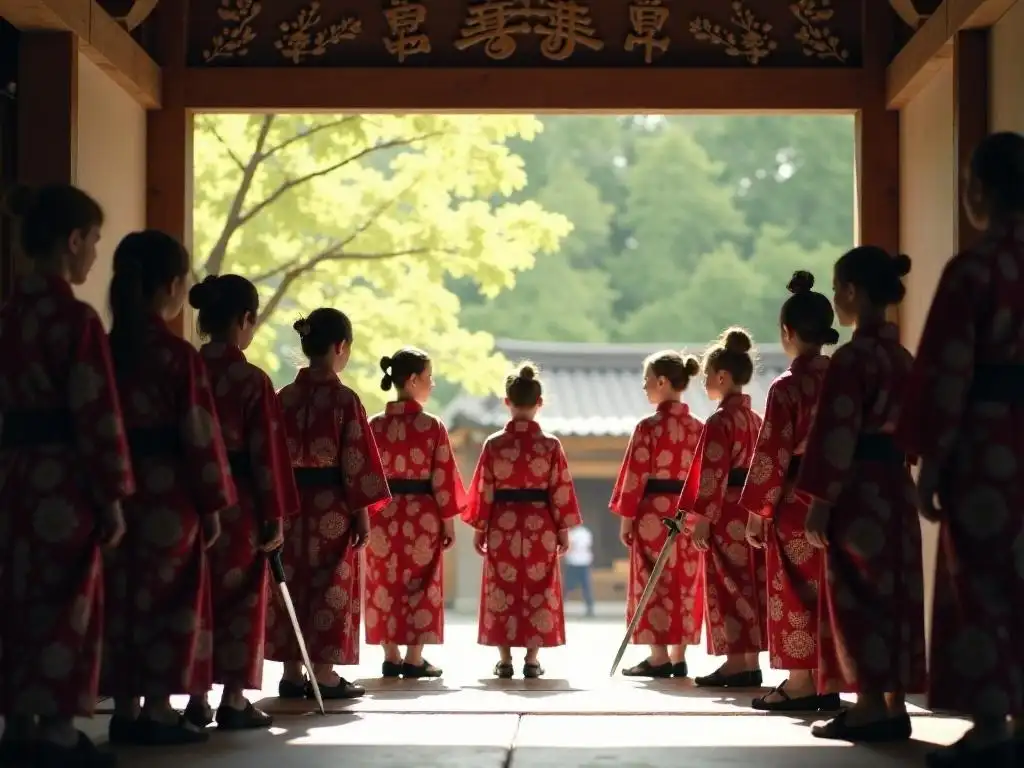
The education of samurai was steeped in rich ceremonial practices that not only marked significant milestones but also reinforced the values and philosophies central to the samurai code. These ceremonial practices were vital in shaping the character, skills, and identity of the samurai, ensuring that each warrior was not only proficient in combat but also a custodian of cultural and ethical principles. Below are some key types of ceremonial practices that played an essential role in samurai education.
Initiation Rites: The First Steps in Samurai Training
Initiation rites were crucial in marking the transition of a young boy into the world of samurai training. These ceremonies typically began around the age of five, when a child would first don the samurai attire and undergo a series of rituals designed to instill discipline and respect for the samurai way.
- The Donning of Armor: This rite involved a symbolic dressing where the young samurai would wear a miniature set of armor. This act signified his readiness to embrace the responsibilities of a samurai.
- Ritualistic Oaths: The child would recite oaths of loyalty and bravery, often in front of family and clan members. This was not merely a formality; it was a commitment to uphold the virtues of bushido, the samurai code.
- Ceremonial Feasts: Following the initiation, families would host feasts that celebrated this important step. These gatherings served to reinforce community bonds and the collective values of the samurai class.
Rituals of Mastery: Achieving Skills and Knowledge
As samurai progressed in their training, various rituals marked their mastery of different skills, ensuring that they were well-rounded warriors. These rituals often included:
- Kata Ceremonies: Practicing kata, or forms, was essential in martial arts training. Special ceremonies would be held to honor the completion of a certain level of kata. The practitioner would perform their learned forms in front of peers and masters, receiving feedback and recognition.
- Tea Ceremony Training: The tea ceremony was more than just a cultural activity; it was integral to samurai education. Learning this ritual involved understanding precision, grace, and the importance of mindfulness, all of which were essential traits for a samurai.
- Philosophical Teachings: Rituals that included philosophical teachings, such as Zen meditation, played a significant role in cultivating mental discipline. These ceremonies helped samurai develop a calm and focused mind, crucial for battle.
Commemorative Ceremonies: Honoring the Samurai Tradition
Commemorative ceremonies served to honor the lineage of samurai warriors and their contributions to society. These practices were essential in fostering a sense of identity and continuity within the samurai class. Key ceremonies included:
- Rituals for Fallen Warriors: Ceremonies to honor deceased samurai were often elaborate, involving offerings and prayers at family altars or shrines. These rituals reinforced respect for those who had served honorably and inspired living samurai to uphold their legacy.
- Anniversaries of Key Battles: Commemorative events were held to remember significant historical battles. These gatherings included reenactments, speeches, and rituals that emphasized the importance of bravery, strategy, and sacrifice.
- Clan Festivals: Seasonal festivals were often organized by samurai clans to celebrate their heritage and achievements. These events featured martial displays, traditional music, and dance, serving as both a tribute to the past and a way to inspire future generations.
Through these ceremonial practices, samurai education was not just about acquiring physical skills but also about instilling a profound sense of duty, honor, and cultural identity. Such rituals were foundational in crafting the character of the samurai, ensuring that they were not only warriors but also guardians of Japan's rich heritage.
The Role of Rituals in Samurai Education
Rituals played a pivotal role in the education of samurai, serving as essential frameworks for instilling values, fostering relationships, and promoting spiritual development. These ceremonial practices were not merely traditional customs; they were integral to shaping the ethos of the samurai, enhancing their capabilities as warriors and leaders. Through various rituals, samurai were trained not just in martial skills, but also in the moral and philosophical dimensions of their roles in society.
Building Character and Discipline through Ceremony
The samurai education system was deeply rooted in ceremonial practices that emphasized character building and discipline. Central to this was the practice of Bushido, the way of the warrior, which encompassed ideals such as loyalty, honor, and integrity. Rituals associated with training often included:
- Formal Greetings: These reinforced respect and hierarchy among samurai and their instructors.
- Meditation: Practiced before training sessions, meditation helped cultivate focus and mental clarity, essential traits for a warrior.
- Weapon Handling Ceremonies: Rituals surrounding the handling of swords (katana) not only taught the physical aspects of martial arts but also imparted the spiritual connection between the warrior and their weapon.
Through these practices, samurai learned the importance of self-control and perseverance. The repetition of these rituals instilled a sense of discipline that extended beyond the training grounds and permeated their daily lives.
Enhancing Loyalty and Brotherhood among Samurai
Ceremonial practices also played a crucial role in fostering loyalty and a sense of brotherhood among samurai. The shared experiences of rituals created strong bonds that transcended individual differences. Key aspects of this bonding included:
- Ritual Feasts: Gatherings where samurai shared meals and stories, reinforcing camaraderie and mutual respect.
- Ceremonial Oaths: Acts such as the sakazuki (sake-sharing ritual) symbolized the commitment to one another, binding samurai in loyalty and mutual support.
- Collective Training Sessions: Engaging in group training not only improved martial skills but also reinforced a sense of community and shared purpose.
These practices helped to solidify alliances and ensure that samurai could rely on one another in times of conflict, reflecting the deep-rooted belief in loyalty that characterized the samurai ethos.
The Spiritual Significance of Ceremonial Practices
Beyond their social implications, the ceremonial practices of samurai education held profound spiritual significance. Samurai were not mere warriors; they were seen as custodians of a rich spiritual heritage. Key components included:
- Ritual Offerings: Samurai often participated in ceremonies that involved offerings to deities, seeking guidance and protection in their endeavors.
- Zen Practices: Many samurai engaged in Zen Buddhism, where rituals such as zazen (seated meditation) were integral to achieving enlightenment and inner peace, which were essential for a warrior’s mindset.
- Ritualized Death Practices: Understanding the impermanence of life was crucial for samurai. Rituals surrounding death, including the preparation for seppuku (ritual suicide), taught them to face mortality with dignity and honor.
These spiritual dimensions were vital in shaping the samurai's worldview, guiding their actions both on and off the battlefield. The integration of spiritual practices into their education ensured that samurai were equipped not only as fighters but as thoughtful leaders who understood the deeper meanings of life and death.
The samurai education ceremonial practices were multifaceted, promoting character building, loyalty, and spiritual growth. These rituals were essential in creating the warrior ethos that defined feudal Japan, highlighting the intricate relationship between education, culture, and society in this unique historical context.
Key Ceremonies in Samurai Education
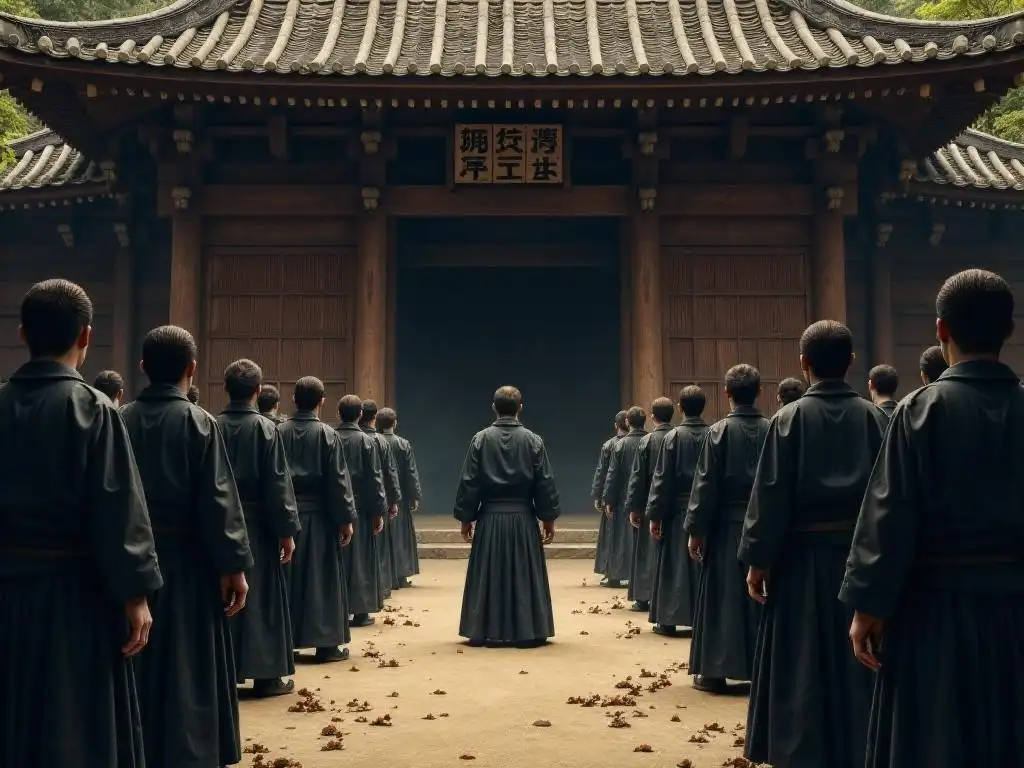
The Ceremony of the First Sword: Symbolism and Significance
The Ceremony of the First Sword, or Shinjū Kōzō, marks a pivotal moment in a young samurai's life, symbolizing the transition from childhood to the responsibilities of adulthood. This rite of passage is imbued with deep cultural significance, as it symbolizes the initiation of the samurai into a life of honor, duty, and martial prowess.
During this ceremony, the young warrior is presented with his first katana, often ornately crafted and bestowed upon him by a mentor or an elder family member. The act of receiving the sword is not merely a gift; it represents the acceptance of a new identity and the commitment to uphold the values of bushido, the way of the warrior.
Key Elements of the Ceremony:
- Ritual Cleansing: Prior to the ceremony, the samurai undergoes a purification ritual, often involving water and prayer, to cleanse both body and spirit.
- Recitation of Oaths: The swordsman pledges loyalty to his family and clan, vowing to uphold the values of courage, honor, and respect.
- Presentation of the Sword: The sword is presented with formalities, including specific gestures and phrases that emphasize its importance as a symbol of the samurai's new role.
The Ceremony of the First Sword serves not only as a personal milestone but also reinforces the collective values of samurai culture, linking the individual to generations of warriors who came before.
The Tea Ceremony: A Lesson in Discipline and Etiquette
The Japanese tea ceremony, or Chanoyu, extends beyond mere beverage preparation; it is a profound ritual that encapsulates the essence of samurai education. This practice emphasizes discipline, respect, and tranquility, reflecting the samurai's pursuit of inner peace and balance.
The tea ceremony is often conducted in a specially designed tea room, where every detail, from the utensils to the arrangement of the space, is carefully considered to foster an atmosphere of mindfulness and respect.
Components of the Tea Ceremony:
- Preparation of the Tea: The meticulous process of preparing matcha (powdered green tea) is an exercise in precision, teaching samurai the importance of focus and attention to detail.
- Mindfulness and Presence: Participants are encouraged to engage fully in the moment, practicing mindfulness through their movements and interactions.
- Etiquette and Respect: The ceremony instills a deep respect for the host and guests, highlighting the importance of humility and gratitude, values central to samurai education.
By participating in the tea ceremony, samurai learn that discipline extends beyond the battlefield, encompassing all aspects of life, including social interactions and personal conduct.
Annual Remembrances: Honoring Ancestors and Fallen Warriors
Annual remembrances play a crucial role in samurai education, fostering a sense of continuity and respect for the past. These ceremonies often involve commemorative practices to honor ancestors and fallen warriors, reinforcing the importance of heritage and loyalty within samurai culture.
Key Practices in Annual Remembrances:
- Obon Festival: This Buddhist tradition occurs in mid-August, where samurai families honor the spirits of their ancestors through offerings and rituals, reinforcing familial bonds.
- Memorial Services: Regular memorial services are held for fallen warriors, emphasizing the duty of the living to remember and honor those who sacrificed their lives for the clan and nation.
- Ritual Offerings: Participants make offerings of food, incense, and prayers, symbolizing respect and gratitude for the sacrifices made by their forebears.
These annual remembrances serve as a vital educational practice, teaching samurai the importance of loyalty, duty, and the interconnectedness of past, present, and future. Through these ceremonies, the values of honor and respect are perpetuated, ensuring that the legacy of the samurai continues through generations.
Comparative Analysis of Samurai Ceremonial Practices
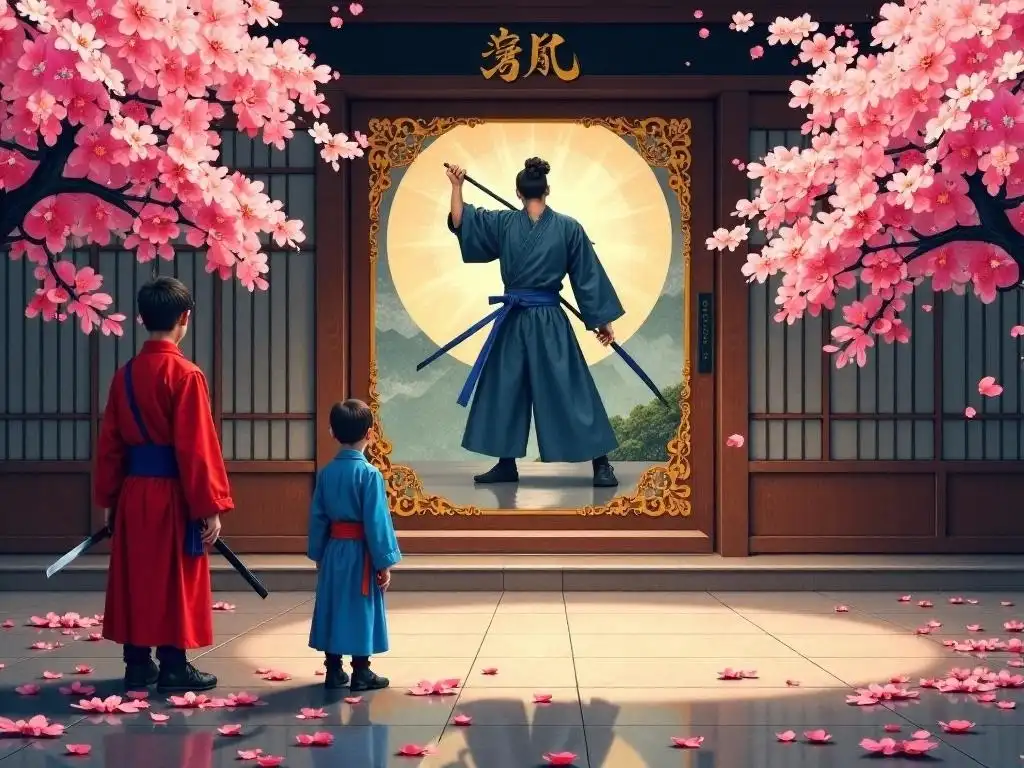
Comparison with Other Feudal Education Systems
The ceremonial practices in Samurai education stand out distinctly when compared to other feudal education systems, such as those in medieval Europe or ancient China. The primary focus of Samurai education was not only on martial skills but also on the cultivation of moral character and philosophical understanding.
- Nature of Education:
- Samurai Education: Centered around the bushido code, Samurai education incorporated ceremonies that emphasized loyalty, honor, and personal development. Rituals like the tea ceremony and calligraphy were not merely artistic pursuits but were infused with deep philosophical meaning.
- Medieval European Education: In contrast, education often revolved around religious instruction and classical studies, with less emphasis on personal conduct or martial training. Ceremonies were typically linked to church rituals and the feudal hierarchy, focusing on obedience and piety rather than personal honor.
- Ancient Chinese Education: The Confucian ideal influenced education significantly, with a strong focus on moral development and societal roles. Ceremonial practices, such as the Three Rites, emphasized respect for tradition and ancestry, though they lacked the martial context present in Samurai education.
- Role of Rituals:
- Samurai rituals were an integral part of training, ensuring that students internalized the values of their culture. For example, the Shinto purification rituals performed before training sessions were meant to cleanse both body and spirit, creating a sacred environment for learning.
- In medieval Europe, while ceremonies such as knighthood involved rituals, they were largely symbolic and focused on social status rather than personal growth. The education of knights was often practical, with less emphasis on ceremonial practices that fostered character development.
- Similarly, in ancient China, while rites were important, they were often more focused on societal obligations than the individual’s personal journey. The ceremonies were typically more prescriptive, aimed at maintaining social harmony rather than fostering individual moral growth.
Influence of Shinto and Buddhism on Samurai Rituals
The influence of Shinto and Buddhism on Samurai ceremonial practices is profound, shaping not only their educational methods but also their worldview and ethical framework.
- Shinto Influence:
- Shinto, Japan's indigenous spirituality, emphasized the reverence for nature and ancestral spirits. This connection is evident in Samurai rituals that often included offerings to the kami (deities) during training sessions. For instance, rituals performed before battle were designed to invoke protection and favor from the kami.
- The Iai (the art of drawing a sword) practice often included rituals to honor the sword as a sacred object, reflecting the Shinto belief in the spirit residing within all things. This practice underscores the Samurai's deep respect for their weapons, elevating them to a ceremonial status.
- Buddhist Influence:
- Buddhism introduced concepts such as mindfulness and meditation, which became integral to Samurai education. The zen practices incorporated into training emphasized mental discipline and the importance of inner peace, allowing Samurai to maintain composure in battle.
- The Buddhist tea ceremony became a significant ritual, promoting reflection and tranquility. This ceremony served not only as a social practice but also as a means to cultivate the Samurai's inner strength and focus, crucial for both education and combat.
- Integration of Beliefs:
- The synthesis of Shinto and Buddhist practices created a unique spiritual framework for Samurai education. The rituals served as a bridge between martial training and spiritual development, reinforcing the Samurai's commitment to both their craft and their ethical obligations.
- Overall, the ceremonial practices in Samurai education reflect a rich tapestry of cultural beliefs, merging the spiritual with the martial, thus emphasizing the holistic development of a Samurai not just as a warrior, but as a moral individual.
Samurai education ceremonial practices were deeply rooted in cultural, spiritual, and ethical dimensions, distinguishing them from other feudal systems and illustrating the complex interplay of Shinto and Buddhist influences on their development.
Conclusion: The Lasting Impact of Samurai Education Ceremonial Practices
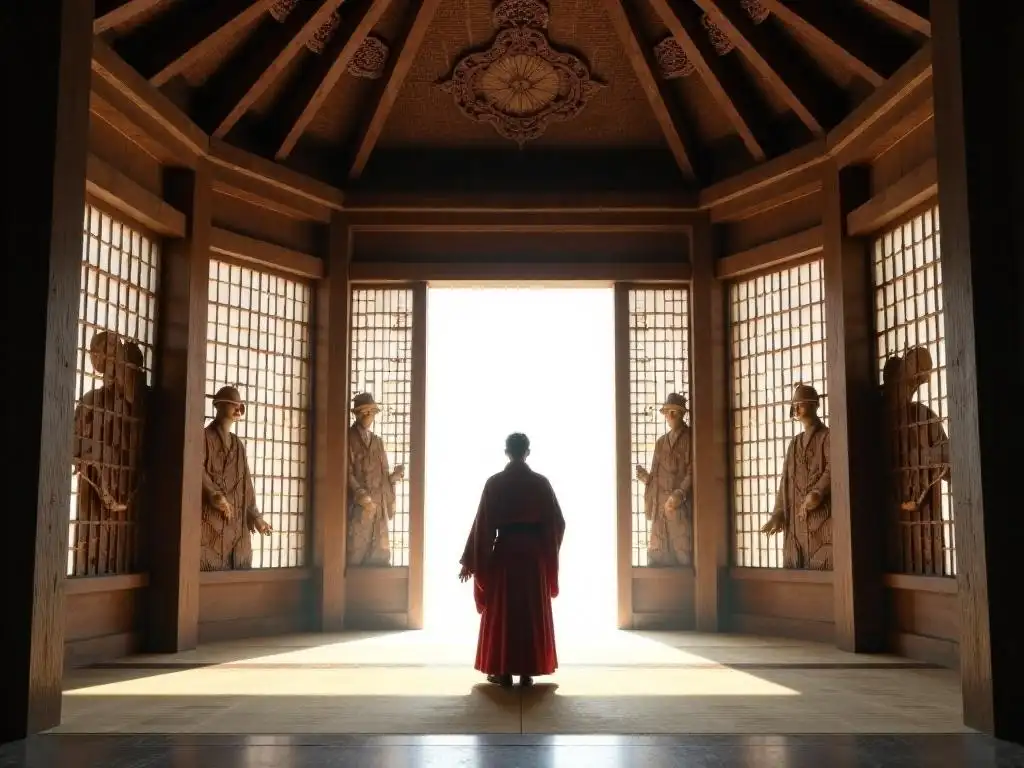
The ceremonial practices associated with samurai education are not merely relics of the past; they have left an indelible mark on Japanese culture and society. These rituals were integral to shaping the character, discipline, and moral compass of the samurai. The profound respect for tradition intertwined with the educational process cultivated a sense of duty and honor that has persisted through generations.
Samurai education ceremonial practices emphasized the significance of rituals, from the formal tea ceremonies to the meticulous approach to swordsmanship. The structured nature of these practices instilled a deep sense of respect for one's teachers and peers, fostering a community that valued knowledge and ethical conduct. As such, the legacy of these ceremonies continues to resonate in various aspects of modern Japanese life, where rituals and traditions are still celebrated and respected.
Legacy of Samurai Ceremonies in Modern Japan
The vestiges of samurai ceremonial practices have evolved but remain evident in contemporary Japan. Many modern cultural events, such as Shinto festivals and traditional tea ceremonies, still reflect the values and principles established during the feudal era. The protocols of these ceremonies often echo the discipline and respect central to samurai education.
For instance, the Way of Tea (Chanoyu) is not just about drinking tea; it embodies principles of harmony, respect, purity, and tranquility—values that were instilled in samurai through their ceremonial practices. Such traditions highlight the importance of mindfulness and precision, traits that were cultivated within samurai education.
Furthermore, the celebration of Budo, or martial arts, derives from the samurai's commitment to discipline and honor, showcasing how these ancient practices have been adapted and preserved. The ceremonial aspects of martial arts training, such as bowing before entering the dojo or performing kata (forms), reveal a direct lineage to samurai rituals, emphasizing respect for the art and its instructors.
Continuing Influence on Contemporary Martial Arts and Discipline
The impact of samurai education ceremonial practices extends significantly into contemporary martial arts, where the philosophy of respect, discipline, and focus is paramount. Many martial arts schools incorporate ceremonial elements reminiscent of samurai training, reinforcing the connection to historical practices.
Key Influences Include:
- Formal Bowing: A practice rooted in samurai education, bowing signifies respect for the dojo, instructors, and fellow students.
- Rituals of Preparation: Just as samurai prepared for battle with rituals to focus their minds and spirits, modern practitioners often engage in warm-up routines that include mental and physical preparation.
- Stewardship of Tradition: Many martial arts forms emphasize the importance of preserving traditions, echoing the samurai's commitment to their heritage.
In addition, the ethical teachings inherent in samurai education continue to inspire contemporary martial artists. The samurai code, known as Bushido, with its emphasis on righteousness, courage, and benevolence, informs the philosophies of many martial arts schools today, encouraging students to embody these principles both in and out of the dojo.
The samurai education ceremonial practices have profoundly shaped Japanese society and contemporary martial arts. By fostering a culture of respect, discipline, and ethical conduct, these rituals continue to inspire and influence individuals, ensuring that the legacy of the samurai endures in modern Japan.
References and Further Reading on Samurai Education and Ceremonial Practices
Recommended Books and Articles
For those seeking to deepen their understanding of samurai education ceremonial practices, the following resources provide essential insights and comprehensive analyses:
- "The Samurai: A Military History" by John M. McCaskey
- This book offers an extensive overview of samurai culture, including educational practices and rituals.
- "Bushido: The Soul of Japan" by Inazo Nitobe
- A classic work that explores the moral principles and ceremonial aspects that shaped samurai education.
- "Samurai Education: A Study of the Feudal System" by Thomas Conlan
- Conlan delves into the educational systems of the samurai, highlighting the significance of rituals and ceremonies.
- "The Way of the Samurai: A Historical Overview" by Stephen Turnbull
- This book provides a narrative of the samurai's evolution, touching on the ceremonial practices integral to their education.
- "Rituals of the Samurai: The Cultural Practices of Japan's Warrior Class" by Kiyoshi Tsuchiya
- Tsuchiya examines various rituals associated with samurai training and education, emphasizing their cultural importance.
Notable Scholars and Works on Samurai Education
Numerous scholars have contributed significantly to the field of samurai education ceremonial practices. Their research has illuminated the intricate relationship between education, ritual, and the samurai ethos:
- Miyamoto Musashi
- Renowned as a master swordsman and strategist, Musashi's writings, particularly "The Book of Five Rings," offer insights into the philosophical underpinnings of samurai education, including the role of ceremony in training.
- Yamamoto Tsunetomo
- Author of "Hagakure," Tsunetomo's work serves as a guide to the samurai way of life, highlighting the importance of rituals and the spiritual aspects of samurai education.
- Dr. David A. Hall
- Through extensive research, Hall has explored the integration of ceremonial practices within samurai training, emphasizing their psychological and cultural significance.
- Prof. John K. Fairbank
- Fairbank's studies on Japanese history provide context for understanding the broader societal implications of samurai education and its ceremonial components.
- Dr. Karen M. Gerhart
- Gerhart's analysis of the educational practices within the samurai class sheds light on the evolution of ceremonial rites throughout Japan's feudal period.
These resources and scholars serve as foundational pillars for anyone interested in the ceremonial practices that played a crucial role in the education of the samurai, illustrating how these traditions shaped not only individual warriors but also the culture of feudal Japan as a whole.
Frequently Asked Questions
What role did ceremonial practices play in Samurai education?
Ceremonial practices were integral to Samurai education, reinforcing discipline, respect, and the values of the warrior code. They helped instill a sense of honor and tradition among the samurai.
How did rituals influence the training of samurai?
Rituals served as a framework for training, emphasizing focus and mental clarity. They often included meditation, swordsmanship, and strategic games, ensuring a well-rounded education.
Were there specific ceremonies for different levels of samurai?
Yes, there were specific ceremonies tailored to various levels of samurai, marking milestones such as initiation, promotion, and achievements. These ceremonies often involved public displays of skill and loyalty.
How did cultural beliefs shape the ceremonial practices of samurai?
Cultural beliefs deeply influenced samurai ceremonial practices, incorporating elements of Buddhism, Shinto, and Confucianism. These beliefs reinforced the importance of spirituality in their education.
What is the significance of ceremonial practices in modern samurai culture?
Today, ceremonial practices continue to hold significance in modern samurai culture, serving as a link to the past. They foster a sense of identity and heritage, keeping the traditions alive for future generations.
Final Reflection: The Enduring Legacy of Samurai Education Ceremonial Practices
The significance of rituals and rites in Samurai education remains profoundly relevant today, as they embody the values of discipline, respect, and community that are essential in our fast-paced world. In an age where the essence of tradition often feels overshadowed by modernity, the ceremonial practices of the Samurai serve as a powerful reminder of the importance of grounding ourselves in meaningful customs that foster personal growth and collective harmony.
The influence of Samurai education ceremonial practices extends beyond historical context; they resonate within contemporary culture, shaping our understanding of commitment and excellence. These rituals not only instilled a sense of purpose in the Samurai but also cultivated a community ethos that is still relevant in various forms today. Tradition is not the worship of ashes, but the preservation of fire.
This quote encapsulates the spirit of these practices, urging us to honor the past while igniting our own paths forward.
As you reflect on the lessons embedded in Samurai education, consider how you might incorporate similar ceremonial practices into your own life. Embrace the opportunity to create rituals that resonate with your values and aspirations, fostering a deeper connection with yourself and those around you. Whether through meditation, community gatherings, or personal milestones, let these moments of ceremony guide you toward a more intentional and fulfilling existence, echoing the wisdom of the Samurai in your daily journey.
Embrace the Spirit of Samurai: Start Your Journey Today!
Thank you for diving into the world of samurai education and exploring the significant role of rituals and ceremonies. By engaging with these ancient practices, you have unlocked valuable insights into discipline, tradition, and personal growth. Now, it's time to put this knowledge into action!
- Reflect on a personal ritual: Choose a simple ceremony to incorporate into your daily routine, such as a morning meditation or an evening reflection, to cultivate discipline and mindfulness.
- Share your discoveries: Discuss what you’ve learned about samurai rituals with friends or family, and inspire them to explore the beauty of tradition.
- Connect with a community: Join online forums or local groups that focus on historical practices or Japanese martial arts to deepen your understanding and connect with like-minded enthusiasts.
What new ritual will you introduce into your life that echoes the wisdom of the samurai?