
From Warrior to Scholar: The Dual Education of Samurai

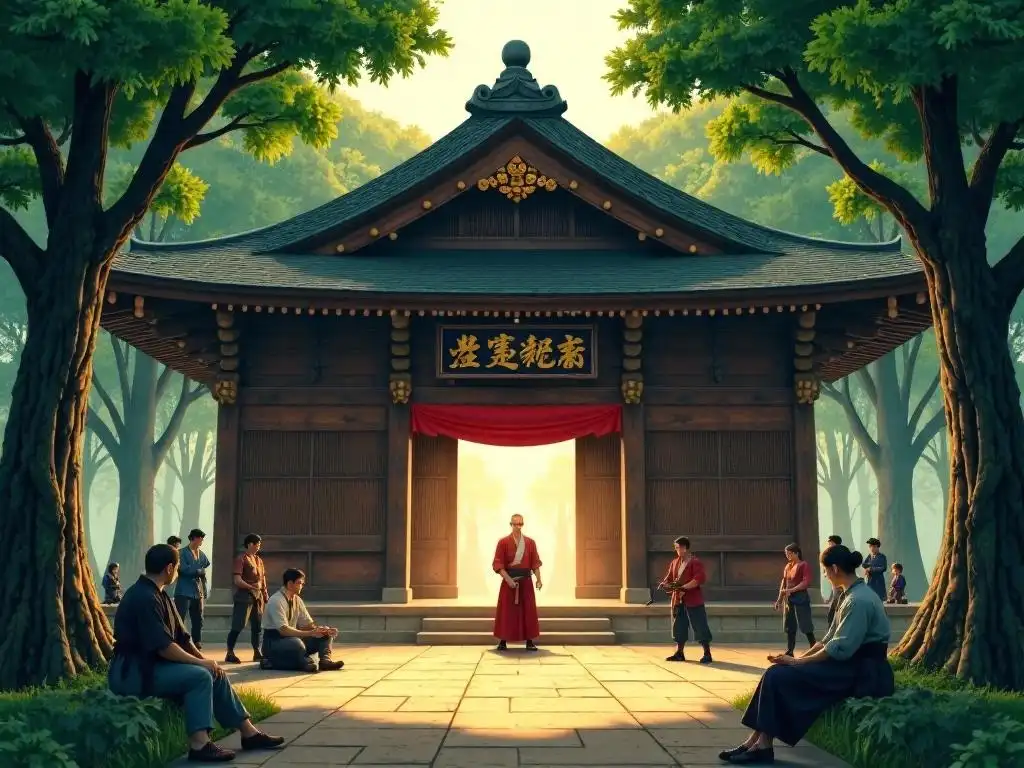
Welcome to Feudal Japan History, where we invite you to embark on a captivating journey through the intricate tapestry of Japan's feudal era. Here, history becomes more than just dates and events; it transforms into a vivid narrative that explores the multifaceted lives of its most iconic figures. In our featured article, “From Warrior to Scholar: The Dual Education of Samurai,” we delve into the fascinating world of samurai education and training, uncovering how these fierce warriors balanced their martial prowess with scholarly pursuits.
Are you ready to discover the secrets behind their dual education that shaped not only their destiny but also the very fabric of Japanese society? Let the exploration begin!
- Introduction to Samurai Education and Training
- Historical Context of Samurai Education
- The Dual Nature of Samurai Education and Training
- Methods of Samurai Education
- The Curriculum of Samurai Education
- Case Studies of Notable Samurai Scholars
- The Impact of Samurai Education on Japanese Society
- Challenges and Changes in Samurai Education Over Time
- Conclusion: The Legacy of Samurai Education and Training
- Frequently Asked Questions
- Final Reflection: The Enduring Legacy of Samurai Education
- Embrace the Path of Knowledge and Action!
Introduction to Samurai Education and Training
The samurai, often romanticized as the fierce warriors of feudal Japan, embodied a complex duality that extended far beyond the battlefield. From the late 12th century until the 19th century, during the era known as the Kamakura, Muromachi, and Edo periods, samurai were not only trained for combat but were also educated in various disciplines, including literature, philosophy, and the arts. This multifaceted education played a crucial role in shaping their identity, as it allowed them to balance their martial prowess with intellectual and cultural sophistication.
Understanding the educational practices of the samurai provides invaluable insights into their societal roles and the evolution of Japanese culture during the feudal era. This article delves into the intricate dual education of samurai, exploring both their rigorous training as warriors and their pursuit of knowledge as scholars.
Overview of Samurai as Warriors and Scholars
The samurai class emerged as a dominant force in feudal Japan, serving as military retainers to powerful daimyo (feudal lords). Their primary role was to protect their lord's interests and maintain order within their territories. However, the samurai were not merely brute fighters; they were expected to adhere to a strict code of conduct known as bushido, which emphasized virtues such as loyalty, honor, and courage.
In addition to their combat training, samurai were often educated in various subjects, fostering a well-rounded character. Key components of their education included:
- Martial Arts: Mastery of weapons such as the katana and naginata, as well as hand-to-hand combat.
- Strategy and Tactics: Study of military strategies, battlefield tactics, and the art of war, often influenced by texts like The Art of War by Sun Tzu.
- Literature and Philosophy: Exposure to classical texts, poetry, and philosophical works, which shaped their worldview and ethical principles.
- Arts: Training in calligraphy, tea ceremonies, and other artistic pursuits that cultivated aesthetics and cultural appreciation.
This duality of being both a warrior and a scholar allowed the samurai to navigate the complexities of feudal society effectively.
Importance of Education in the Samurai Class
Education was not merely a supplemental aspect of samurai life; it was integral to their identity and societal function. The emphasis on education among samurai served several essential purposes:
- Cultural Preservation: Through literature and the arts, samurai contributed to the preservation and development of Japanese culture, ensuring that traditions were passed down through generations.
- Strategic Leadership: A well-educated samurai was better equipped to make informed decisions in times of conflict, thus enhancing their effectiveness as leaders and strategists on the battlefield.
- Moral Development: Education fostered a sense of ethics and responsibility, aligning with the principles of bushido. This moral framework guided samurai in their actions, both in war and peacetime.
- Social Standing: Literacy and cultural knowledge distinguished samurai from the common populace, solidifying their status as elite members of society.
The education and training of samurai were fundamental to their roles as both warriors and scholars. This complex interplay of martial and intellectual pursuits not only defined the samurai class but also left a lasting impact on Japanese culture and society. Understanding this duality is crucial for a comprehensive exploration of Japan’s feudal history.
Historical Context of Samurai Education
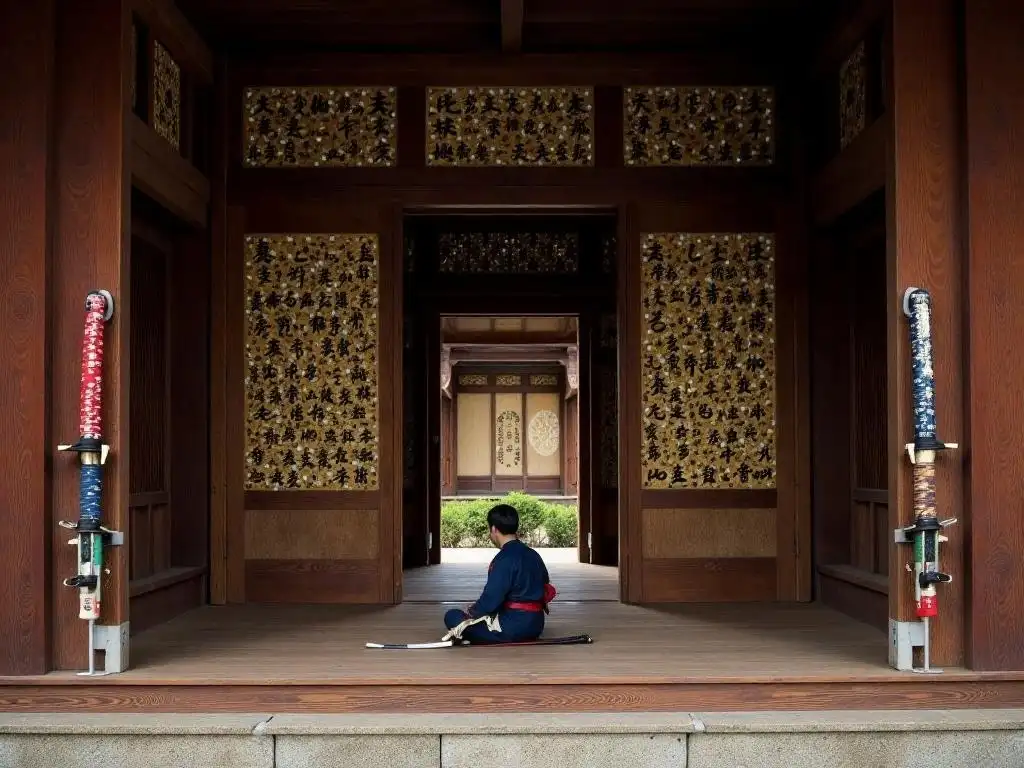
The education and training of samurai in feudal Japan were deeply intertwined with the socio-political landscape of the era. Emerging during the Heian period (794-1185), the samurai class began as warriors serving noble families but evolved into a distinct social class with its own values and educational practices. The necessity for a well-rounded education arose as samurai were not only expected to excel in martial skills but also to embody the ethical and philosophical ideals that guided their roles in society.
As Japan transitioned from the Heian period to the Kamakura period (1185-1333), the role of samurai shifted significantly. With the establishment of the Kamakura shogunate, samurai began to take on administrative and governance roles, prompting a need for training beyond the battlefield. This period saw the emergence of formalized education systems within warrior households, where young samurai learned not only the art of war but also reading, writing, and the classics. The samurai's identity as both warrior and scholar became more pronounced, setting the stage for future generations.
The Evolution of Samurai Training Through the Ages
Samurai training evolved significantly over the centuries, adapting to the changing needs of society. Initially focused on physical combat skills, the training regimen began to incorporate a broader spectrum of knowledge and arts.
- Early Training Methods:
- Martial Skills: Early samurai education emphasized rigorous physical training in various martial arts, including Kenjutsu (swordsmanship) and Sojutsu (spear fighting).
- Survival Skills: Practical skills such as horseback riding, archery, and strategy were essential for survival on and off the battlefield.
- Development of Formal Schools:
- By the Muromachi period (1336-1573), formal martial arts schools (koryū) emerged, each with its own curriculum and philosophy.
- Notable schools such as the Tenshin Shōden Katori Shintō-ryū and the Yagyu Shinkage-ryū became prominent, focusing on both combat techniques and the moral training of samurai.
- Integration of Academic Studies:
- The Edo period (1603-1868) marked a further shift where samurai education included classical literature, philosophy, and history.
- Many samurai attended terakoya (temple schools) and other educational institutions, where they were exposed to subjects such as poetry, calligraphy, and ethics.
- Influence of Western Thought:
- In the late Edo period and Meiji Restoration (1868), samurai education began to incorporate Western methods and ideas, leading to the establishment of military academies and modern educational systems.
This evolution highlights the samurai's dual identity as both a warrior and a scholar, reflecting the complexities of their roles in Japanese society.
Influences of Buddhism and Confucianism on Samurai Education
The philosophical foundations of samurai education were significantly shaped by two dominant influences: Buddhism and Confucianism. Both philosophies offered frameworks that guided the moral and ethical conduct of samurai.
- Buddhism:
- Introduced from China, Buddhism emphasized concepts such as mindfulness, compassion, and the impermanence of life, which deeply resonated with samurai values.
- Zen Buddhism, in particular, influenced samurai training by promoting mental discipline and focus, crucial for both combat and decision-making.
- Practices such as meditation became integral to the samurai’s training regimen, helping them to cultivate a calm mind in the chaos of battle.
- Confucianism:
- Confucian ideals stressed the importance of loyalty, duty, and virtue, which were essential traits for samurai.
- The emphasis on filial piety and respect for authority shaped the samurai's relationship with their lords and families.
- Educational curricula often included Confucian texts, instilling a sense of moral responsibility and civic duty within samurai.
The education and training of samurai were shaped by historical developments and philosophical influences, creating a complex interplay between martial prowess and scholarly achievement. This dual educational system marked the samurai as not only warriors but also custodians of culture and ethics in feudal Japan.
The Dual Nature of Samurai Education and Training
The education and training of samurai encompassed two distinct yet complementary aspects: physical prowess and intellectual development. This dual nature was essential for the samurai, not only in their roles as warriors but also as leaders and scholars in feudal Japan. Understanding how these two facets interwove provides insight into the holistic approach that defined the samurai's life and duties.
Physical Training: Mastery of Martial Arts and Combat Skills
Physical training for samurai was rigorous and multifaceted, focusing primarily on martial arts and combat skills. This training was not merely about learning to fight; it was a comprehensive system designed to cultivate discipline, resilience, and tactical acumen. Key elements included:
- Kenjutsu (Swordsmanship): The art of the sword was central to samurai training. Practitioners honed their skills through repetitive drills and sparring, learning various techniques and katas (forms) that emphasized precision and timing.
- Bojutsu (Staff Techniques): This involved the use of the long staff (bo), teaching samurai to control distance and leverage their opponent’s weaknesses effectively.
- Naginatajutsu (Naginata Techniques): Training with the naginata, a polearm weapon, incorporated both slashing and thrusting techniques, allowing samurai to engage in combat at various ranges.
- Sojutsu (Spear Techniques): Spear training emphasized thrusting and sweeping motions, providing versatility in battle.
- Iaijutsu (Quick Draw Techniques): This skill focused on drawing the sword and striking in one fluid motion, an essential ability for surprise encounters.
Physical training was structured to develop not only strength and skill but also mental fortitude. Samurai engaged in various physical conditioning exercises, including:
- Endurance Training: Long-distance running and rigorous workouts strengthened stamina.
- Weapons Drills: Repeated practice with various weapons enhanced muscle memory.
- Sparring Sessions: Controlled combat scenarios tested techniques and reflexes.
The culmination of this training was often seen in competitions and demonstrations, where samurai showcased their skills. The emphasis on martial arts ensured that samurai were always prepared for the battlefield, embodying the warrior ethos that defined their class.
Intellectual Training: Philosophy, Literature, and the Arts
While physical prowess was critical, intellectual training was equally vital in shaping a well-rounded samurai. This aspect of education focused on philosophy, literature, and the arts, fostering critical thinking and ethical understanding. Key components included:
- Bushido (The Way of the Warrior): This ethical code combined elements of Confucianism, Buddhism, and Shintoism, emphasizing virtues such as honor, loyalty, and courage. Samurai were taught to reflect on these principles, guiding their actions both in battle and in society.
- Literature and Poetry: Samurai were encouraged to engage with classical texts and poetry, including works by renowned authors such as Matsuo Bashō. This not only refined their literacy skills but also allowed them to appreciate beauty and express their thoughts and emotions.
- Calligraphy: Mastery of calligraphy was seen as a sign of cultural refinement. Samurai practiced this art form as a way to cultivate patience and precision.
- Strategic Studies: The study of military strategy, particularly texts like "The Book of Five Rings" by Miyamoto Musashi, helped samurai develop critical thinking skills essential for leadership in warfare.
- Tea Ceremony (Chanoyu): Participation in the tea ceremony taught samurai about aesthetics, discipline, and the importance of tranquility, reinforcing the notion that a warrior should also be a cultured individual.
This intellectual training allowed samurai to transcend their roles as mere fighters, enabling them to become respected leaders and advisors in their communities. It fostered a culture of lifelong learning, where the pursuit of knowledge was regarded as a noble endeavor.
The dual education and training of samurai—comprising both physical mastery of martial arts and deep intellectual engagement—created a unique class of individuals capable of navigating the complexities of feudal Japanese society. This comprehensive approach to education not only prepared samurai for the battlefield but also equipped them with the wisdom and skills necessary for governance, culture, and philosophy.
Methods of Samurai Education
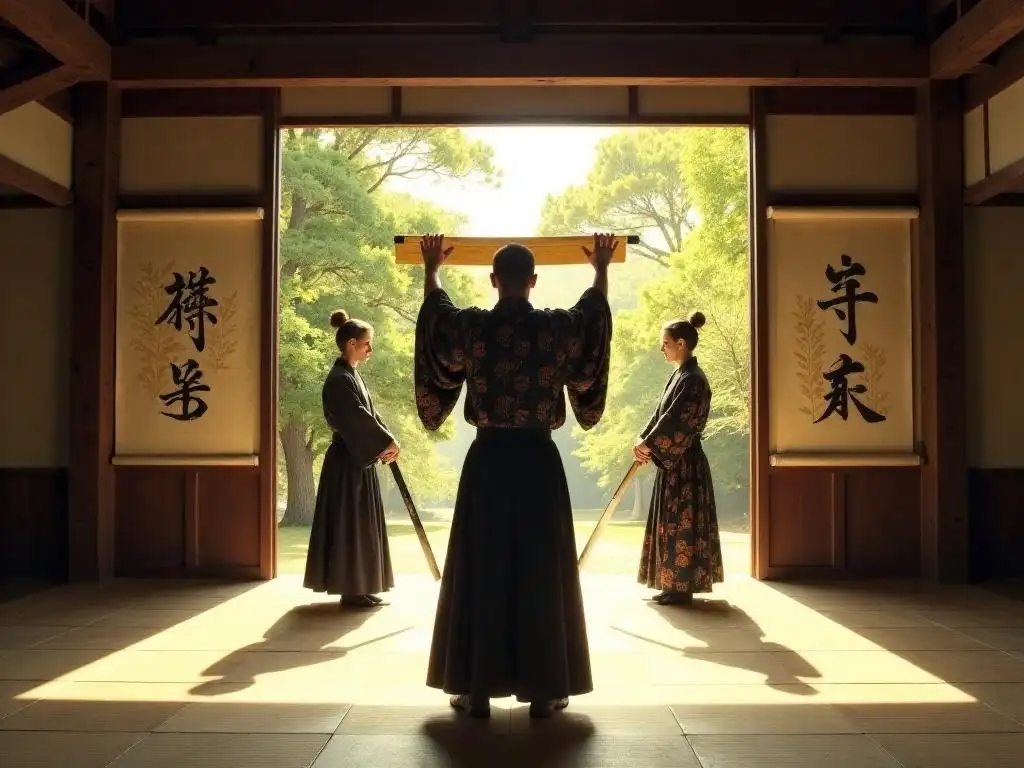
The education and training of samurai were multifaceted, integrating both physical prowess and intellectual growth. Samurai education was not merely a means to develop combat skills but also an avenue to cultivate moral character, discipline, and a deep understanding of the world. This duality ensured that samurai were not only warriors but also scholars and leaders within their communities. The methods of education employed varied widely, reflecting the diverse philosophies and practical needs of the feudal era.
The Role of Dojos in Physical Training
Dojos served as essential institutions for the physical training of samurai, focusing on martial arts and combat techniques. These training halls were not just places to learn how to fight; they were also venues for instilling discipline and a strong sense of camaraderie among practitioners.
- Training Regimens: Samurai engaged in rigorous and structured training regimens that included:
- Kenjutsu: The art of swordsmanship, where samurai learned various techniques and forms.
- Bojutsu: Training with the long staff, emphasizing distance and timing.
- Iaijutsu: The swift drawing and cutting technique, crucial for surprise attacks.
- Physical Conditioning: The physical training in dojos also involved:
- Endurance: Exercises aimed at building stamina for prolonged combat.
- Agility: Drills that improved reflexes and flexibility, crucial for avoiding attacks.
- Strength: Weight training and body conditioning to enhance overall physical capabilities.
- Lessons in Honor and Ethics: Beyond physical skills, dojos imparted lessons in bushido—the samurai code of honor. This code emphasized virtues such as loyalty, bravery, and integrity, forming the backbone of a samurai's identity.
The Influence of Zen Buddhism on Intellectual Development
Zen Buddhism played a pivotal role in shaping the intellectual landscape of samurai education. As samurai began to adopt Zen principles, their approach to learning and self-discipline transformed significantly.
- Meditation and Mindfulness: Zen practices included meditation, which helped samurai develop focus and clarity of mind. By engaging in zazen (seated meditation), samurai learned to cultivate mental fortitude and emotional stability, essential traits during battle.
- Philosophical Teachings: The teachings of Zen encouraged samurai to explore concepts such as impermanence and the nature of existence, leading to a deeper understanding of life and death. This philosophical grounding contributed to their strategic thinking and decision-making.
- Art and Aesthetics: Zen’s influence extended to arts and culture, where samurai engaged in calligraphy, poetry, and tea ceremonies. These activities not only refined their artistic skills but also provided an avenue for self-expression and reflection.
Private Tutors and the Transmission of Knowledge
In addition to formal training in dojos and the influence of Zen, many samurai benefited from the guidance of private tutors. These educators played a crucial role in the intellectual and moral development of samurai.
- Customized Learning: Private tutors tailored their instruction based on the individual needs and interests of the samurai. This personalized approach allowed for more in-depth exploration of various subjects, such as:
- Literature: Reading classical texts and poetry to enhance language skills and cultural knowledge.
- History: Studying past events and strategies that informed current practices and governance.
- Moral and Ethical Instruction: Tutors often emphasized the importance of ethics, instilling values aligned with bushido. This moral education was vital for samurai, who were expected to act as leaders and protectors of their communities.
- Legacy of Knowledge: The relationship between samurai and their tutors fostered the transmission of knowledge across generations. This mentorship ensured that the wisdom and skills gained were preserved and passed down, contributing to the evolving identity of the samurai class.
Samurai education and training encompassed a holistic approach that integrated physical training, intellectual development, and moral instruction, creating well-rounded individuals capable of navigating the complexities of feudal Japan.
The Curriculum of Samurai Education
The education and training of the samurai were multifaceted, reflecting the complex roles they played in feudal Japanese society. Samurai education was not solely focused on martial training; it encompassed a broad curriculum designed to cultivate well-rounded individuals. This curriculum was deeply intertwined with the principles of Bushido, the samurai code of conduct, which emphasized loyalty, honor, and discipline.
Core Components of Samurai Training: Bushido and Beyond
The foundation of samurai education rested on the tenets of Bushido, which shaped their ethos and behaviors. The principles of Bushido included:
- Rectitude (Gi): The ability to make the correct decision in any situation.
- Courage (Yū): The bravery to face challenges, both in battle and in life.
- Benevolence (Jin): The responsibility to care for others and act with compassion.
- Politeness (Rei): The importance of respect and courtesy towards others.
- Honesty (Makoto): The commitment to truthfulness and integrity.
In addition to these core principles, samurai training also included practical skills essential for their roles as warriors. This encompassed various martial arts, weapon techniques, and physical conditioning.
Training Regimens
Samurai training was rigorous and often began in childhood. Young samurai would engage in:
- Kenjutsu: The art of swordsmanship, crucial for combat.
- Bojutsu: The use of the long staff, teaching distance and timing.
- Iaijutsu: The technique of drawing and cutting with a sword in one smooth motion.
Physical fitness was equally important, with samurai participating in activities like horseback riding, archery, and even swimming to develop agility and endurance.
The Integration of Literature and Poetry in Samurai Education
While martial prowess was paramount, the education of samurai also placed a significant emphasis on cultural literacy. Samurai were expected to be well-versed in literature, poetry, and philosophy, which enriched their understanding of the world and informed their actions.
The Role of Poetry
Poetry, particularly forms such as haiku and waka, served as an important medium for self-expression. Samurai were encouraged to compose poetry as a means of reflecting on their experiences and emotions. This practice not only fostered creativity but also cultivated a sense of aesthetics and appreciation for beauty, which were seen as vital attributes of a noble warrior.
- Haiku: A form of poetry that captures moments in nature, often reflecting deeper philosophical insights.
- Waka: A traditional Japanese verse form that expresses personal feelings and thoughts, typically in a five-line structure.
Philosophical Studies
In addition to poetry, samurai education included the study of Confucianism, Buddhism, and other philosophical texts. These teachings emphasized ethical behavior, governance, and the importance of relationships, providing samurai with a broader understanding of their responsibilities as both warriors and leaders.
The Study of Strategy and Tactics in Warfare
The intellectual aspect of samurai education extended to the study of strategy and tactics, which were critical for success in warfare. Samurai were trained in the art of war not just through physical practice but also through the analysis of historical battles and strategic concepts.
Key Texts and Theorists
Important texts that influenced samurai strategy included:
- The Book of Five Rings (Go Rin no Sho) by Miyamoto Musashi: This treatise outlines the philosophy and techniques of strategy in combat, emphasizing the importance of adaptability and understanding one’s opponent.
- The Art of War by Sun Tzu: Although Chinese in origin, this work was widely studied by samurai for its insights into military strategy and tactics.
Practical Applications
Samurai education also involved practical applications of strategy in simulated battles and war games. These exercises were designed to hone decision-making skills and critical thinking under pressure.
The curriculum of samurai education was a rich tapestry that interwove martial training with cultural and philosophical studies. This dual approach not only produced formidable warriors but also enlightened individuals capable of contributing to society in various capacities. The legacy of samurai education continues to influence modern Japanese culture, underscoring the importance of a well-rounded education.
Case Studies of Notable Samurai Scholars
The dual education of samurai encompassed both martial training and scholarly pursuits, producing notable figures in Japanese history. This section highlights two prominent samurai scholars who exemplified the fusion of warrior skills and intellectual development: Miyamoto Musashi and Yamamoto Tsunetomo.
The Life and Education of Miyamoto Musashi
Miyamoto Musashi (1584–1645) is perhaps one of the most legendary figures in Japanese history, renowned not only as a master swordsman but also as a profound thinker and artist. His life exemplifies the intricate balance of martial prowess and intellectual depth that characterized samurai education.
- Early Life and Training: Musashi was born into a samurai family in the Harima Province. Orphaned at a young age, he sought knowledge and skill through rigorous training. His early education was primarily focused on combat, learning various sword techniques from different schools.
- Philosophical Development: Musashi's philosophy evolved through his experiences in duels and battles. He abandoned conventional martial arts schools to develop his unique style, which he detailed in his text, The Book of Five Rings (Go Rin no Sho). This work not only serves as a martial arts manual but also delves into strategy, psychology, and the nature of conflict.
- Artistic Pursuits: Beyond martial arts, Musashi was a skilled calligrapher and painter. He believed that the arts and combat were interlinked, fostering a holistic education that bolstered both his martial abilities and creative expressions.
Musashi’s life illustrates the samurai's dual commitment to both the sword and the pen, demonstrating that samurai education and training extended beyond mere combat skills to encompass broader intellectual and artistic pursuits.
The Contributions of Yamamoto Tsunetomo and "Hagakure"
Yamamoto Tsunetomo (1659–1719) was a samurai of the Saga Domain, whose contributions to samurai thought are immortalized in his book, Hagakure (Hidden by the Leaves). This text serves as a philosophical guide for samurai, emphasizing the importance of loyalty, honor, and the samurai way of life.
- Philosophical Insights: Hagakure reflects Tsunetomo’s views on the samurai spirit, advocating for a life dedicated to service and the acceptance of death. His teachings encouraged samurai to cultivate a mindset conducive to self-discipline and ethical conduct, which was essential for both their martial and social roles.
- Training Beyond the Sword: Tsunetomo emphasized that samurai education should include moral and ethical training. He believed that a samurai should not only be proficient in combat but also possess wisdom and discernment in their actions. His writings advocate for the integration of mental and spiritual discipline alongside martial training.
- Cultural Impact: The influence of Hagakure extends beyond the samurai class, impacting Japanese culture as a whole. Its teachings on loyalty and the transient nature of life resonate deeply with the principles of bushido, the way of the warrior.
Through Tsunetomo's reflections, the essence of samurai education and training is revealed as a comprehensive system that values both martial excellence and philosophical wisdom, encouraging a life of integrity and purpose.
The exploration of samurai scholars like Miyamoto Musashi and Yamamoto Tsunetomo highlights the profound depth of samurai education, intertwining the physical, intellectual, and ethical dimensions that shaped Japan's feudal society.
The Impact of Samurai Education on Japanese Society
Samurai as Cultural Leaders and Educators
The role of samurai in feudal Japan extended far beyond that of mere warriors; they were also pivotal as cultural leaders and educators. Samurai education and training encompassed not only martial skills but also intellectual and artistic pursuits. This duality significantly influenced Japanese society, shaping its cultural and moral fabric.
- Martial Training: The primary focus of samurai education was, of course, martial prowess. From a young age, samurai were trained in the arts of warfare, including swordsmanship, archery, and horseback riding. This rigorous physical training was complemented by the study of strategy and tactics, often derived from classical texts such as "The Art of War."
- Philosophical and Ethical Education: In addition to combat skills, samurai were educated in Confucian principles, which emphasized loyalty, filial piety, and moral integrity. This ethical framework guided their behavior and decisions, reinforcing their role as moral exemplars in society. Many samurai also practiced Zen Buddhism, which influenced their approach to discipline, focus, and mindfulness.
- Cultural Contributions: Samurai were instrumental in promoting cultural activities such as poetry, calligraphy, and tea ceremonies. Their patronage of the arts led to the flourishing of Japanese aesthetics during the Edo period. The establishment of schools and academies by samurai families facilitated the spread of knowledge and cultural practices, fostering an educated elite.
- Educators of the Common People: Samurai often took on the role of educators within their communities. They were responsible for teaching not only martial skills but also literacy and ethics to the lower classes. This dissemination of knowledge helped elevate the social status of commoners and contributed to the overall cultural enrichment of Japan.
In essence, samurai education cultivated a class of leaders who were not only adept in battle but also equipped with the wisdom and artistic sensibilities to guide their communities.
The Lasting Influence of Samurai Education on Modern Japan
The educational legacy of the samurai continues to resonate within modern Japanese society, influencing various aspects of life, including education, leadership, and cultural identity.
- Educational Framework: The samurai’s emphasis on discipline, respect, and lifelong learning laid the groundwork for Japan's contemporary educational system. The values instilled during samurai training—such as perseverance, critical thinking, and moral integrity—remain central to Japanese pedagogy today. Schools often incorporate these principles into their curricula, fostering well-rounded individuals.
- Leadership and Ethics: Modern Japanese leaders often draw inspiration from the samurai code, known as Bushido. The principles of loyalty, honor, and duty continue to guide corporate and political leaders. This ethical framework is evident in Japan's approach to business and governance, where respect for hierarchy and collective responsibility are prioritized.
- Cultural Heritage: The arts and cultural practices promoted by the samurai have persisted and evolved into modern Japanese culture. Traditional arts such as Ikebana (flower arranging), tea ceremonies, and various martial arts retain strong connections to samurai education. These cultural elements are celebrated and preserved, reflecting the samurai's enduring influence.
- Global Perspective: The fascination with samurai history and philosophy has extended beyond Japan’s borders, influencing global perceptions of Japanese culture. The samurai ethos of discipline and honor is often romanticized in literature, film, and martial arts, contributing to an international appreciation for Japan's rich heritage.
The legacy of samurai education and training is a foundational element of Japanese society that continues to shape its cultural identity, ethical standards, and educational practices, thereby ensuring that the spirit of the samurai endures in modern Japan.
Challenges and Changes in Samurai Education Over Time
The education and training of samurai have undergone significant transformations throughout Japan’s feudal era and beyond. These changes can be attributed to various socio-political factors that reshaped the samurai's role in society. From the rise of military governance to the shifts brought about by modernization, the challenges faced by samurai education reveal a complex interplay between tradition and adaptation.
The Decline of Samurai Education During the Meiji Restoration
The Meiji Restoration, which began in 1868, marked a pivotal turning point for samurai education and training. With the fall of the Tokugawa shogunate and the restoration of imperial rule, the samurai class faced a series of challenges that led to a decline in their traditional educational practices.
- Abolishment of the Samurai Class:
- The new government sought to eliminate the feudal class system, which included the samurai. This resulted in the disbandment of their traditional roles and the institutions that supported their education.
- Westernization and Modern Education:
- The Meiji government implemented a modern education system inspired by Western models. This shift prioritized practical knowledge and technical skills over the classical training that samurai had received, such as martial arts, calligraphy, and philosophy.
- Loss of Patronage:
- Many samurai lost their stipends and positions, leading to financial instability. This economic decline limited their ability to pursue education, forcing many to seek alternative livelihoods outside their traditional roles.
As a result of these factors, the rich educational traditions of the samurai began to fade, and much of their knowledge and skills were at risk of being lost.
Modern Interpretations of Samurai Education and Training
In contemporary times, there has been a resurgence of interest in samurai education and training, albeit in a different context. Modern interpretations focus on the philosophical and ethical lessons derived from samurai teachings, which continue to resonate in various fields.
- Martial Arts Schools:
- Many martial arts schools today draw upon the principles and techniques of traditional samurai training. Styles such as Kendo, Aikido, and Iaido emphasize not only physical prowess but also mental discipline, respect, and self-control.
- Cultural Preservation:
- There is a growing movement to preserve and promote samurai culture through educational programs, workshops, and cultural events. These initiatives aim to educate the public about the values and skills of the samurai, fostering a deeper understanding of Japan's historical legacy.
- Philosophical Applications:
- The samurai code of conduct, known as Bushido, is studied for its ethical implications in modern life. Many contemporary leaders and educators draw on samurai principles to promote leadership, responsibility, and resilience in various fields, including business and personal development.
Through these modern interpretations, samurai education and training have found new relevance, bridging historical practices with contemporary society's needs. This evolution underscores the enduring legacy of the samurai and their contributions to Japanese culture and values.
Conclusion: The Legacy of Samurai Education and Training
The education and training of samurai extend far beyond the battlefield, weaving a rich tapestry of intellectual and martial disciplines that shaped Japan’s feudal society. This duality of warrior and scholar has left an indelible mark on Japanese culture and continues to resonate in contemporary society. The legacy of samurai education and training is not merely historical; it remains relevant, influencing modern values, ethics, and educational philosophies.
The samurai's commitment to lifelong learning and self-improvement embodies the spirit of bushido, or "the way of the warrior." This code emphasized virtues such as loyalty, honor, and discipline, which transcended their martial pursuits and permeated all aspects of life. The integration of martial skills with scholarly pursuits fostered a unique class of individuals who were not only adept in combat but also proficient in the arts, literature, and philosophy.
As we reflect on the legacy of samurai education, it becomes evident that their approach to learning—characterized by rigorous training, mentorship, and a holistic view of personal development—has much to offer in today's world. The balance of intellect and physical prowess continues to inspire educators and leaders, urging a re-evaluation of modern educational practices.
The Enduring Influence of Samurai Scholars in Contemporary Culture
The contributions of samurai scholars have permeated various facets of contemporary culture, from literature and art to martial arts and philosophy. Their commitment to education fostered a rich intellectual environment that cultivated notable figures such as Yoshida Kenkō and Matsuo Bashō, whose works still inspire modern writers and artists.
In martial arts, the legacy of samurai training persists through disciplines like kendo, aikido, and iaido, which emphasize not only physical skill but also mental discipline and ethical conduct. The principles of respect, perseverance, and mindfulness, rooted in samurai education, are echoed in the practices of these arts, promoting holistic development among practitioners.
Moreover, the samurai's dual role as both warrior and scholar has influenced Japan’s modern educational system, wherein there is a strong emphasis on character education alongside academic achievement. The idea of cultivating both mind and body reflects a samurai ethos, advocating for well-rounded individuals equipped to face the challenges of the contemporary world.
Reflections on the Balance of Warrior and Scholar in Today's Society
In an increasingly complex world, the balance of warrior and scholar remains a pertinent theme. The samurai's ability to navigate both realms serves as a powerful metaphor for the challenges faced in modern life. Individuals today grapple with the demands of professional success while also seeking personal fulfillment and intellectual growth.
This dichotomy fosters a greater appreciation for the need to cultivate resilience, creativity, and critical thinking—traits that were hallmarks of the samurai class. The modern workforce benefits from individuals who embody this balance, as they are often better equipped to adapt to change and innovate in their fields.
Furthermore, as societies confront global issues such as conflict, environmental degradation, and social justice, the lessons learned from samurai education can inform contemporary approaches to leadership and civic responsibility. A commitment to ethical conduct, informed decision-making, and a deep understanding of history and culture can empower individuals to contribute positively to their communities.
The legacy of samurai education and training remains a vital part of Japan's cultural heritage and offers invaluable insights for contemporary society. By embracing the duality of the warrior and scholar, we can strive for a more balanced and enlightened approach to personal and societal development.
Frequently Asked Questions
What was the primary focus of samurai education during the feudal era?
The primary focus of samurai education was to develop martial skills alongside intellectual pursuits. This dual training enabled samurai to excel in both battle and governance.
How did samurai training evolve over time?
Samurai training evolved from purely military techniques to include philosophy, literature, and art, reflecting the changing societal values of the feudal era.
What role did Confucianism play in samurai education?
Confucianism significantly influenced samurai education by emphasizing moral integrity, loyalty, and the importance of scholarship in the development of a well-rounded warrior.
Were there specific schools for samurai training?
Yes, there were specific schools known as dojos and academies where samurai received both martial arts training and academic instruction, fostering a well-rounded education.
How did samurai education impact their societal roles?
The education of samurai shaped their roles as leaders and administrators, allowing them to effectively govern and uphold the values of their class in feudal Japan.
Final Reflection: The Enduring Legacy of Samurai Education
The journey from warrior to scholar encapsulates the essence of samurai education and training, revealing a profound duality that remains relevant in today’s fast-paced world. As we navigate the complexities of modern life, the samurai's commitment to lifelong learning and discipline serves as a powerful reminder of the importance of balancing strength with intellect. The lessons of the samurai are not merely historical artifacts; they resonate deeply with our contemporary pursuit of knowledge and personal growth.
Culture is shaped by the values we choose to uphold, and the samurai's dedication to both martial prowess and scholarly pursuits continues to influence our societal ideals. The dual education of the samurai illustrates that true mastery lies not only in physical capability but also in the cultivation of wisdom and ethics. As the renowned philosopher Miyamoto Musashi once said, The ultimate aim of martial arts is not having to use them.
This perspective encourages us to reflect on our own lives, urging us to seek knowledge and understanding as a means to navigate the challenges we face, rather than resorting to conflict.
As we contemplate the teachings of the samurai, let us embrace the call to cultivate both our minds and bodies, striving for a harmonious balance in our own lives. I invite you to reflect on how you can incorporate the principles of samurai education into your daily routine—whether through the pursuit of knowledge, the practice of discipline, or the commitment to ethical living. By embodying these values, we not only honor the legacy of the samurai but also pave the way for a more enlightened and resilient future.
Embrace the Path of Knowledge and Action!
Thank you for diving into the fascinating world of the Samurai’s dual education! We hope you've gained valuable insights into how these warriors balanced their martial prowess with scholarly pursuits. Now, it's time to channel that inspiration into meaningful action.
Here’s how you can take the next step in your own journey:
- Start a reading challenge focused on historical texts or philosophies that resonate with the teachings of the Samurai. Choose a new book to explore this week!
- Join a community group or online forum where you can discuss and exchange ideas about the Samurai's rich heritage and legacy.
- Reflect on your own journey: identify two skills or areas of knowledge you’d like to develop and commit to starting one this month!
What legacy do you want to create through your own journey of knowledge and action?