
The Language of the Samurai: Linguistic Education in Feudal Japan


Welcome to Feudal Japan History, where we invite you to embark on a captivating journey through the intricate tapestry of Japan’s feudal era. In our featured article, "The Language of the Samurai: Linguistic Education in Feudal Japan," we delve into the profound impact of language on culture and society during this remarkable period. Discover how linguistic education shaped the samurai class and influenced the broader social fabric of feudal Japan.
Are you ready to uncover the secrets of an era where words wielded power and knowledge was both a weapon and a shield? Let's dive deeper into this fascinating exploration together!
Introduction to Linguistic Education in Feudal Japan
The linguistic education in feudal Japan played a vital role in shaping the social and cultural framework of the era, particularly among the samurai class. As a period marked by intricate social hierarchies, political intrigue, and cultural developments, feudal Japan saw language as not merely a tool for communication but as an essential element of identity and status.
This exploration delves into how the samurai, the warriors of this era, engaged with language and education, reflecting their values, traditions, and aspirations. By understanding the nuances of linguistic education during this time, we can gain deeper insights into the cultural and societal dynamics that influenced not only the samurai but also the broader populace of feudal Japan.
Overview of Feudal Japan's Social Structure
Feudal Japan was characterized by a rigid social structure that divided society into distinct classes, each with specific roles and responsibilities. At the top of this hierarchy were the daimyo (feudal lords), followed by the samurai, who served as their warriors. The peasantry, which comprised the majority of the population, worked the land and provided the necessary resources for the samurai and their lords.
- Key Social Classes:
- Daimyo: Powerful feudal lords who owned large estates.
- Samurai: The warrior class, educated in martial arts and ethics.
- Peasants: The backbone of society, responsible for agriculture and labor.
- Artisans and Merchants: Contributed to the economy, though held lower status.
This structured society placed a premium on education, especially among the samurai, whose status was often defined by their linguistic prowess and ability to articulate their thoughts and strategies. Language became a reflection of one’s social standing, and proficiency in it was essential for navigating the complexities of feudal life.
Importance of Language in Samurai Culture
Language in samurai culture was not only a means of communication but also a symbol of honor, loyalty, and intellect. The samurai were expected to be well-versed in classical literature, poetry, and philosophical texts, which were integral to their training.
- Cultural Significance of Language:
- Bushido Code: The ethical framework guiding samurai behavior, often articulated in literary form.
- Poetry and Literature: Forms of artistic expression that demonstrated a samurai’s education and sensitivity.
- Diplomacy and Warfare: Effective communication was crucial for strategy and negotiations.
Thus, linguistic education was a cornerstone of samurai training, enabling them to embody the ideals of their class while fostering deeper connections with their peers and the broader cultural heritage of Japan.
The Evolution of Language in Feudal Japan
The development of language in feudal Japan was a dynamic process, influenced by various historical and cultural factors. Understanding this evolution provides insight into how linguistic education was shaped and the implications it had for society at large.
Historical Context of Japanese Language Development
The Japanese language has undergone significant transformations throughout its history, especially during the feudal era. The contact with other cultures, particularly through trade and diplomacy, introduced new linguistic elements and concepts.
- Key Milestones:
- Early Influences: The introduction of kanji from China, which enriched the Japanese writing system.
- Development of Kana: The creation of hiragana and katakana to accommodate the unique sounds of Japanese.
- Literary Growth: The rise of classical literature, including works like The Tale of Genji, which influenced language development.
This evolution enabled a more sophisticated means of expression, allowing samurai to articulate complex thoughts and emotions, particularly in the context of their ethical and philosophical beliefs.
Influence of Chinese on Japanese Linguistic Education
The impact of Chinese on Japan's linguistic landscape cannot be overstated. As the primary source of written language during the early feudal period, Chinese served as a foundation for Japan’s own linguistic education.
- Key Influences:
- Adoption of Characters: The integration of Chinese characters (kanji) into Japanese writing.
- Confucian Ideals: The introduction of Confucian texts that emphasized moral education and proper conduct.
- Buddhism: The spread of Buddhist texts that further enriched the linguistic and cultural tapestry of Japan.
This influence not only shaped the educational framework for samurai but also established a greater appreciation for literature and scholarly pursuits, thereby enhancing their cultural identity.
Through this comprehensive examination of linguistic education in feudal Japan, we can appreciate the significant role that language played in the formation of samurai culture and the broader societal context of this fascinating historical period.
Educational Institutions in Feudal Japan
In feudal Japan, education was a privilege largely reserved for the samurai class and those in the upper echelons of society. The educational institutions that emerged during this period were critical in shaping the linguistic skills and cultural knowledge of the samurai. These institutions not only focused on martial training but also emphasized the importance of language, literature, and philosophy.
The primary educational establishments included temples, monasteries, and specialized schools for samurai. These institutions were gateways to acquiring knowledge and skills necessary for governance, warfare, and maintaining the cultural ethos of the samurai. The curriculum often integrated Confucian teachings, which emphasized moral integrity and governance, alongside classical Chinese literature, which was essential for understanding the philosophical underpinnings of society.
Role of Temples and Monasteries in Language Learning
Temples and monasteries played a pivotal role in the linguistic education of samurai and other learners. These religious institutions were not only places of worship but also centers of learning where classical texts and languages were taught. Monastic education was deeply rooted in the Buddhist tradition, which valued wisdom and knowledge.
- Scriptural Studies: Monks educated students in reading and interpreting Buddhist texts, which often included complex language structures. This exposure to classical Japanese and Chinese scripts was crucial for developing literacy among samurai.
- Cultural Preservation: Temples also served as repositories of knowledge, preserving ancient texts and facilitating the study of various languages and dialects. This preservation ensured that the rich literary traditions of Japan were passed down through generations.
- Philosophical Inquiry: The discourse within these institutions often revolved around the moral and ethical implications of language. Samurai were encouraged to engage in philosophical discussions, enhancing their rhetorical skills and understanding of the subtleties of language.
The Emergence of Samurai Schools and Their Curriculum
As the samurai class solidified its status during the Edo period (1603-1868), dedicated schools emerged to cater specifically to their educational needs. These samurai schools, known as "hankō," were designed to provide a comprehensive curriculum that encompassed both martial and scholarly pursuits.
- Curriculum Structure: The curriculum typically included reading and writing in both kanji (Chinese characters) and kana (syllabic scripts), fostering a strong command of the Japanese language. Students also learned classical literature, history, and poetry, which were vital for a well-rounded samurai education.
- Philosophy and Ethics: In addition to language studies, samurai schools emphasized Confucian ideals, teaching students about duty, loyalty, and moral conduct. This philosophical grounding was essential for samurai, who were expected to uphold these values in their personal and professional lives.
- Practical Application: The education received was not merely theoretical; it was geared towards practical application in governance and military strategy. Samurai were trained to articulate their thoughts clearly and persuasively, which was critical in both diplomatic and combat scenarios.
Methods of Linguistic Education for Samurai
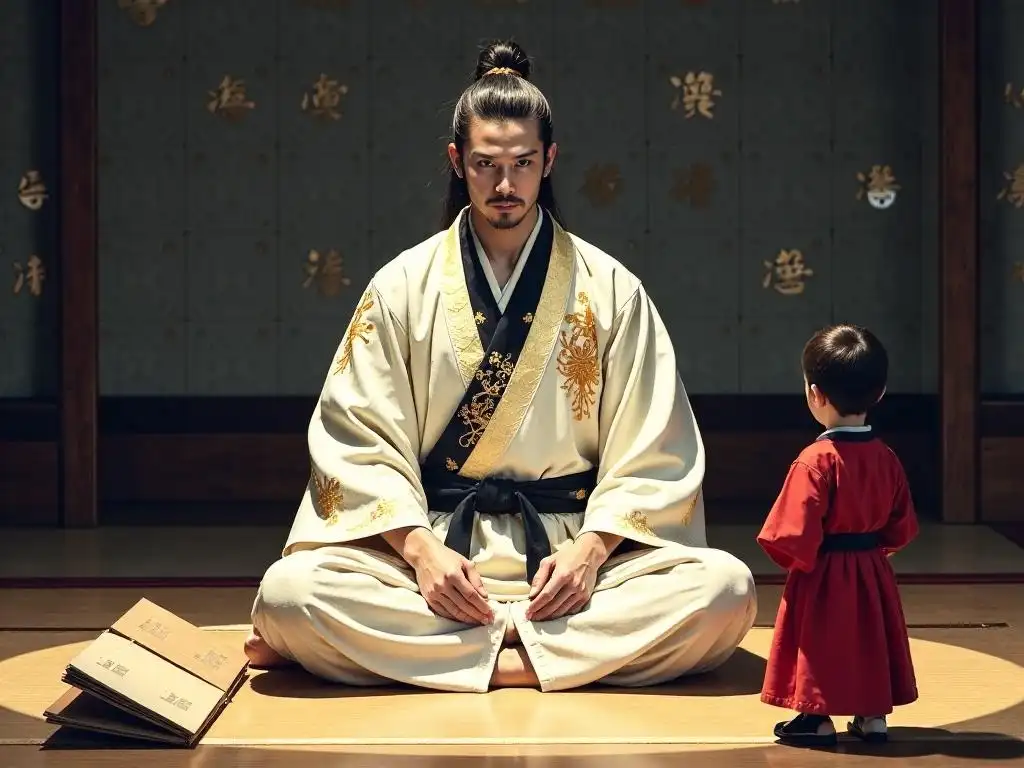
The methods employed in linguistic education during feudal Japan were diverse, reflecting the unique cultural and historical context of the time. Instruction was often personalized, emphasizing the development of individual skills through various techniques.
Traditional Teaching Techniques Used in Feudal Japan
Traditional teaching methods in feudal Japan were characterized by a blend of oral and written instruction, often involving direct mentorship from experienced educators.
- Socratic Method: Dialogue and questioning were commonly used to encourage critical thinking. Educators would engage students in discussions, prompting them to articulate their understanding and challenge their perspectives.
- Copying and Recitation: Students frequently practiced their writing skills by copying texts, which helped reinforce their understanding of language structure and vocabulary. Recitation of poetry and prose also played a vital role in developing fluency and memorization skills.
- Role-Playing and Simulation: To enhance comprehension, educators often employed role-playing scenarios that reflected real-life situations. This method allowed students to practice their language skills in a contextual setting, which was particularly beneficial for samurai who needed to communicate effectively in various situations.
The Role of Oral Tradition in Samurai Language Education
Oral tradition was a cornerstone of linguistic education in feudal Japan, particularly among the samurai. This method of education ensured that knowledge was preserved and transmitted through generations.
- Storytelling: Samurai were taught through storytelling, where educators would narrate historical events, legends, and moral tales. This approach not only engaged students but also embedded cultural values and language nuances within their learning.
- Public Speaking: Oral tradition emphasized the importance of eloquence and rhetoric. Samurai were trained in public speaking, enabling them to convey their thoughts and ideas compellingly during gatherings and in official settings.
- Memorization of Texts: The memorization of key texts and poems was common, helping students internalize linguistic structures and vocabulary. This practice not only enhanced their language skills but also connected them to their cultural heritage.
Linguistic education in feudal Japan was a multifaceted process that integrated various institutions and methods, shaping the language skills and cultural understanding of the samurai class. Through a combination of rigorous curriculum, traditional teaching techniques, and a strong emphasis on oral tradition, the samurai were equipped with the linguistic prowess necessary to navigate the complexities of their society.
In feudal Japan, linguistic education was not merely an academic pursuit; it was deeply intertwined with the social hierarchy and the status of the samurai class. Language proficiency served as a critical indicator of an individual's education, culture, and overall societal standing. The ability to read and write in classical Chinese, alongside the native Japanese language, was particularly esteemed among samurai, as it opened the door to a vast array of literature, philosophy, and official documentation.
The samurai, who occupied a high status in the feudal system, were expected to demonstrate their linguistic capabilities as a reflection of their honor and intelligence. Mastery of language was associated with wisdom, and thus, samurai who excelled in linguistic education could gain respect and admiration from their peers and the lower classes. Conversely, a lack of proficiency could lead to a diminished reputation and social standing, showcasing the profound implications that linguistic skills had on an individual's role within society.
Moreover, the educational practices surrounding language were also a means of reinforcing the samurai's commitment to the ethical and moral codes of bushido. By engaging with texts that emphasized virtue and loyalty, samurai not only honed their language skills but also cultivated their character, which was essential for their identity as warriors.
Connection Between Language Skills and Samurai Status
The connection between language skills and samurai status was firmly established in the cultural fabric of feudal Japan. Samurai were not only warriors but also cultural figures who participated in governance and diplomacy. Their linguistic abilities often determined their effectiveness in these roles. For instance, samurai who could articulate their thoughts eloquently in both spoken and written forms were more likely to gain favor with their lords and secure positions of influence.
Language skills also facilitated the transmission of knowledge among the samurai class, allowing them to engage with philosophical, political, and historical texts that were crucial to their training and responsibilities. This access was often restricted to those of higher status, as educational resources were limited and closely guarded. Consequently, the ability to read and interpret these texts became a marker of elite status, reinforcing the hierarchical structure of feudal Japan.
The interplay between language and status is further evidenced by the mentorship relationships that formed between seasoned samurai and their younger counterparts. The transfer of linguistic knowledge often came with lessons in etiquette and conduct, highlighting how language proficiency was essential for social integration within the samurai class.
Linguistic Education as a Tool for Social Mobility
Linguistic education provided a pathway for social mobility within the rigid class structure of feudal Japan. For lower-ranking samurai and even commoners aspiring to improve their status, acquiring language skills became a vital means of advancement. Those who sought to rise through the ranks recognized that proficiency in reading and writing could set them apart from their peers and demonstrate their intellectual capabilities.
Institutions such as temple schools and private tutors emerged as hubs for linguistic education, where students could learn not only the intricacies of the Japanese language but also classical Chinese, which was essential for accessing a broader range of literature and scholarly works. This educational pursuit was often viewed as an investment in one's future, with many aspiring samurai and merchants understanding that improved language skills could lead to better opportunities in governance, trade, and military service.
Moreover, the ability to communicate effectively in both verbal and written forms allowed individuals to navigate complex social networks, negotiate better terms in business dealings, and engage more fully in community leadership roles. As a result, linguistic education became a transformative tool that empowered individuals to transcend their prescribed social roles and contribute more significantly to society.
Key Figures in Linguistic Education During Feudal Japan
The landscape of linguistic education in feudal Japan was shaped by several key figures who made significant contributions to the development and dissemination of language skills among the samurai and beyond. These educators played a crucial role in instilling a sense of cultural identity and intellectual rigor, which were foundational to the ethos of the samurai class.
Influential Educators and Their Contributions
A notable figure in the realm of linguistic education was Mizuno Kantarō, a renowned scholar of the Edo period. Kantarō emphasized the importance of mastering classical Chinese texts, believing that such knowledge would cultivate a deeper understanding of ethics and governance among samurai. His teachings influenced many samurai who sought to enhance their language proficiency and apply it to their roles in society.
Another influential educator was Yamaga Soko, who advocated for a holistic approach to education that encompassed both martial and intellectual training. Soko's works highlighted the necessity of linguistic skills for samurai who wished to embody the principles of bushido. His philosophy encouraged samurai to engage with literature that fostered moral and ethical reflection, merging practical skills with intellectual growth.
These educators not only contributed to the linguistic education of their students but also shaped the broader cultural narrative of the samurai, reinforcing the idea that language mastery was integral to their identity and responsibilities.
Notable Texts and Literature in Samurai Linguistic Education
The education of samurai was significantly enriched by a variety of notable texts and literature that served as essential resources for linguistic training. One such text was the "Shūshin Shū," a collection of moral teachings and maxims that emphasized the virtues of loyalty, honor, and integrity. This work was often used in educational settings to instill the foundational principles of bushido while simultaneously improving reading comprehension and critical thinking skills.
Another influential piece was "The Book of Five Rings" by Miyamoto Musashi, which not only explored the philosophy of martial arts but also contained profound insights on strategy and human behavior. Musashi's writing style and the complexity of the text challenged samurai readers to refine their linguistic skills while engaging with deep philosophical concepts.
Additionally, the "Tale of Genji," a classic work of Japanese literature, provided samurai with exposure to the elegance of the Japanese language and its literary traditions. This text was instrumental in illustrating the cultural richness of Japan and offered lessons in aesthetics, human relations, and moral dilemmas that were pertinent to the samurai experience.
Together, these texts created a robust framework for linguistic education, fostering a culture of learning that extended beyond mere language proficiency to encompass the broader ethical and philosophical dimensions of samurai life.
Challenges in Linguistic Education in Feudal Japan

The process of linguistic education in feudal Japan was fraught with various challenges that shaped how language was taught and learned. These challenges were deeply intertwined with the societal structure, cultural norms, and educational resources available during this period. Understanding these difficulties is crucial in comprehending the broader context of education in feudal Japan.
Societal Attitudes Towards Language Learning
In feudal Japan, societal attitudes towards language learning were heavily influenced by the hierarchical structure of the samurai class and the broader social order. The samurai, as the ruling elite, prioritized martial skills and loyalty over scholarly pursuits. Language education was often viewed as a secondary concern, primarily reserved for those who were not engaged in the art of war.
Moreover, the perception of literacy varied significantly among different classes. While the samurai were encouraged to learn classical Chinese to engage with philosophical texts and poetry, lower classes were often discouraged from pursuing formal education. This created a divide where language learning was seen as a privilege of the elite, fostering a culture where practical communication was prioritized over literary education. Consequently, the societal attitude towards language learning contributed to an uneven educational landscape, limiting access and opportunities for many.
Limitations Faced by Lower Classes in Accessing Education
Access to linguistic education was predominantly restricted to the samurai and, to a lesser extent, the merchant class. For the lower classes, particularly farmers and laborers, the barriers to education were multifaceted. Economic constraints made it challenging for families to allocate time and resources for education. Many children were expected to contribute to household labor from a young age, leaving little room for formal schooling.
Additionally, educational institutions were scarce and often located in urban centers, far from rural areas where most peasants lived. This geographical limitation further exacerbated the difficulty in accessing linguistic education. When lower-class individuals did manage to attain some education, it was generally informal and focused on practical communication rather than the literary and classical studies that were the hallmark of samurai education. As a result, the linguistic landscape in feudal Japan was characterized by a stark disparity in education between the classes.
Legacy of Linguistic Education in Feudal Japan
The legacy of linguistic education in feudal Japan has left a profound impact on both modern Japanese language and educational practices. The influences of samurai culture and the linguistic skills developed during this era continue to resonate in contemporary Japan.
Impact on Modern Japanese Language and Education
Modern Japanese language and education reflect a synthesis of influences from feudal Japan. The use of kanji, derived from Chinese characters, is a direct result of the samurai's pursuit of literacy in the classical Chinese texts. This historical relationship has shaped not only the written language but also the curriculum of modern educational institutions.
Today, Japanese students learn kanji as a fundamental part of their education, and the emphasis on reading and writing reflects the linguistic priorities established during the feudal era. Furthermore, the samurai's literary traditions, including haiku and prose, continue to be celebrated and taught, showcasing the enduring impact of samurai linguistic education on Japan's cultural heritage.
Preservation of Samurai Language and Culture in Contemporary Japan
The preservation of the samurai language and culture is evident in various aspects of contemporary Japanese society. Traditional arts, such as calligraphy and poetry, are celebrated and practiced, reflecting the linguistic education of the samurai. Organizations dedicated to preserving these cultural practices contribute to a renewed interest in the samurai's linguistic heritage.
Moreover, educational initiatives aimed at reviving classical Japanese literature and language serve as a bridge to the past, allowing modern learners to appreciate the richness of samurai culture. Events, workshops, and academic programs focused on the literature and language of the samurai foster a recognition of this historical legacy, ensuring that the linguistic education of feudal Japan continues to inform and enrich contemporary Japanese identity.
Conclusion
The linguistic education of samurai in feudal Japan was a multifaceted process that intertwined the art of language with the values of the warrior class. This education was not merely about mastering reading and writing; it was about cultivating a mindset that reflected the principles of bushido—honor, loyalty, and discipline. As such, the samurai's linguistic capabilities were crucial in maintaining the social order and cultural identity of the time.
Summary of Key Points on Linguistic Education in Feudal Japan
- Language as a Tool of Power: The ability to read and write was considered essential for samurai, as it allowed them to engage with the governing texts, communicate effectively with their peers, and uphold their duties within the feudal system. The study of classical Chinese texts, in particular, was a significant aspect of their education, enabling samurai to connect with broader philosophical and governance concepts.
- Bilingual Proficiency: Samurai were generally trained in both Japanese and classical Chinese, reflecting the cultural exchanges between Japan and the Chinese mainland. This bilingualism not only facilitated diplomatic relations but also enriched their understanding of literature, philosophy, and history.
- Influence of Religion and Philosophy: The integration of Zen Buddhism and Confucianism into linguistic education highlighted the importance of moral and ethical teachings, shaping samurai into not just warriors but also thoughtful leaders. The language used in religious and philosophical discourses influenced their worldview and decision-making processes.
- Oral Traditions and Poetry: The education of samurai extended beyond written texts to include oral traditions, poetry, and rhetoric, which were vital for expressing emotions and ideas. The practice of composing poetry played a fundamental role in demonstrating one's cultural refinement and intellectual prowess.
Reflection on the Importance of Language in Cultural Heritage
The linguistic education of the samurai is a testament to the profound relationship between language and cultural heritage in feudal Japan. Language served as a vessel for preserving the ideologies, traditions, and values that defined the samurai class. By mastering language, samurai not only asserted their identity but also contributed to the continuity of Japan’s rich cultural tapestry.
Furthermore, the emphasis on language education fostered a sense of unity and shared purpose among the samurai, promoting a collective identity that transcended individual clans. This cohesion was essential in an era characterized by feudal fragmentation and conflict. As we reflect on this aspect of history, it becomes clear that the legacy of linguistic education extends beyond the samurai; it informs our understanding of Japan's cultural evolution and societal structures.
The study of linguistic education in feudal Japan reveals the intricate connections between language, culture, and identity, illuminating the pivotal role that education played in shaping the values and practices of one of history’s most iconic warrior classes. As we continue to explore this rich historical narrative, the lessons learned from the samurai's educational journey remain relevant, reminding us of the enduring power of language in shaping societies.
- Introduction to Linguistic Education in Feudal Japan
- The Evolution of Language in Feudal Japan
- Educational Institutions in Feudal Japan
- Methods of Linguistic Education for Samurai
- Language Proficiency and Its Social Implications
- Key Figures in Linguistic Education During Feudal Japan
- Challenges in Linguistic Education in Feudal Japan
- Legacy of Linguistic Education in Feudal Japan
- Conclusion
Frequently Asked Questions
What was the primary focus of linguistic education in feudal Japan?
The primary focus of linguistic education in feudal Japan was on mastering classical Chinese, which was essential for literary and scholarly pursuits among the samurai and elite classes.
How did samurai view education during the feudal era?
Samurai valued education highly, believing that a well-rounded education, including linguistic skills, was crucial for maintaining their status and responsibilities within society.
Were there any specific schools for linguistic education?
Yes, there were terakoya (temple schools) and private academies where students, including samurai, would receive linguistic training along with lessons in morality and philosophy.
How did linguistic education influence samurai culture?
Linguistic education significantly influenced samurai culture by fostering a sense of identity and discipline, enabling samurai to engage with literature and philosophy that shaped their ethos.
Did women receive linguistic education in feudal Japan?
While most formal linguistic education was aimed at men, some women from wealthy families were educated in reading and writing, although their opportunities were generally more limited than those of men.
Final Reflection: The Enduring Legacy of Linguistic Education in Feudal Japan
The exploration of linguistic education in feudal Japan reveals not only the intricacies of a unique cultural heritage but also its profound relevance in today's globalized world. As we navigate an era marked by rapid communication and cultural exchange, understanding the historical foundations of language education can illuminate the paths we take in fostering cross-cultural dialogue. The lessons learned from the samurai's dedication to linguistic mastery remind us that language is not merely a tool for communication but a bridge to understanding and connection.
Cultural and social landscapes are continuously shaped by the languages we speak and the education we receive. The samurai's commitment to linguistic education was not just about mastering words; it was about embodying values, ethics, and the very essence of their identity. This commitment resonates today, as we witness the ongoing impact of language on societal norms and personal relationships. Language is the road map of a culture. It tells you where its people come from and where they are going.
– Rita Mae Brown. This quote encapsulates the idea that our engagement with language is a reflection of our journey, both individually and collectively.
As we reflect on the lessons of linguistic education in feudal Japan, I invite you to consider how language shapes your own life and the world around you. Embrace the opportunity to learn and grow through language, recognizing its power to connect, empower, and transform. Whether you are delving into a new language or deepening your understanding of your own, remember that each word carries the weight of history and the potential for future connections. Let the legacy of the samurai inspire you to cultivate a deeper appreciation for the languages that enrich our lives and communities.
Embrace the Wisdom of the Samurai: Take Action Today!
Thank you for diving into the fascinating world of samurai language and education in feudal Japan! You've uncovered valuable insights into how language shaped culture and identity during this unique period. Now, it’s time to turn this knowledge into action!
Here are a few engaging steps you can take to further explore and celebrate this captivating theme:
- Delve deeper: Read a book or watch a documentary about samurai culture to enrich your understanding of their language and lifestyle.
- Join the conversation: Share your thoughts on social media or in our community forums. Let’s discuss how language influences culture today!
- Practice: Learn a few basic Japanese phrases that reflect samurai philosophy—you might be surprised at how meaningful they can be in your daily interactions.
How do you see the legacy of the samurai’s linguistic traditions impacting modern communication? Let’s spark a conversation!