
The Role of Festivals in Promoting Artisan Crafts in Feudal Japan

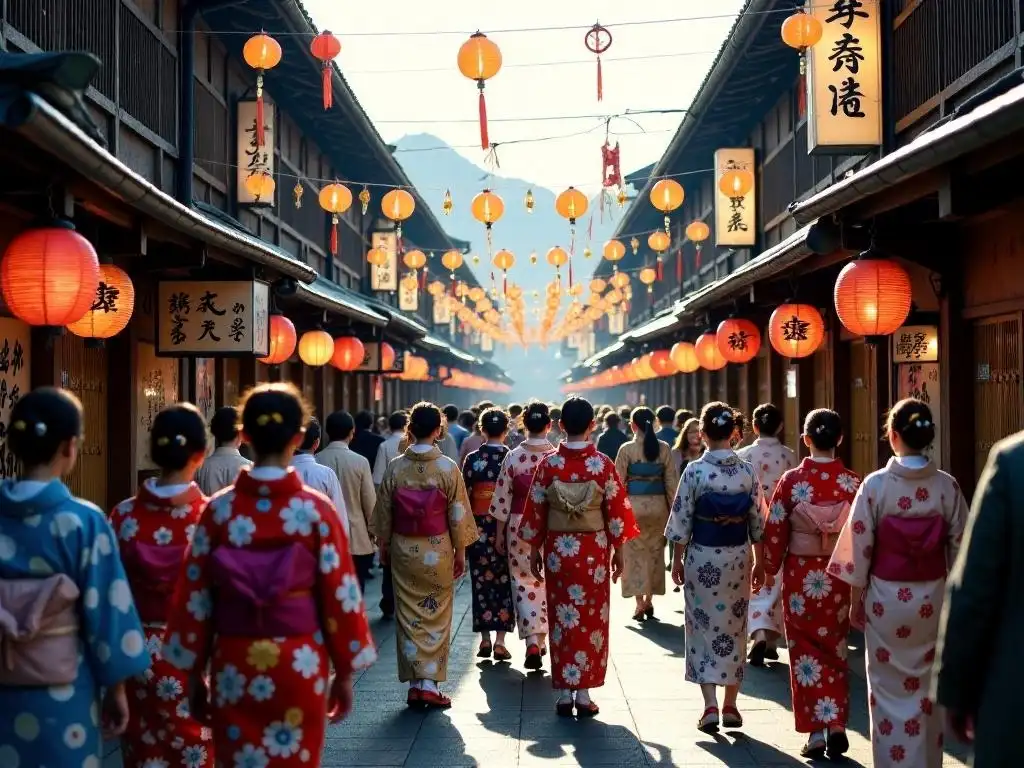
Welcome to Feudal Japan History, where we embark on a riveting journey through the intricate tapestry of Japan’s feudal era. Here, we delve into the fascinating interplay between culture and society, uncovering how artisan crafts were not only created but celebrated during vibrant festivals. In our featured article, "The Role of Festivals in Promoting Artisan Crafts in Feudal Japan," we invite you to explore the vibrant traditions that shaped an entire epoch.
What hidden stories lie behind these colorful celebrations? Join us as we unravel the connections between craftsmanship and community spirit in a time that continues to captivate our imaginations.
Festivals have long been a cornerstone of Japanese culture, serving not only as occasions for celebration but also as vital platforms for promoting and preserving artisan crafts. In feudal Japan, the intricate interplay between these festivals and the rich tapestry of artisan traditions played a significant role in shaping societal norms and enhancing community identity. This article delves into the symbiotic relationship between festivals and artisan crafts during the feudal era, exploring how cultural festivities provided artisans with unique opportunities to showcase their skills, foster economic growth, and contribute to the overall vibrancy of Japanese society.
Introduction to Artisan Crafts in Feudal Japan
Artisan crafts in feudal Japan were not merely trades; they were expressions of cultural identity, deeply rooted in the local traditions and practices of various regions. From the delicate art of pottery and textiles to the intricate woodworking and metal crafts, each craft carried significant historical and aesthetic value. The artisans, often organized into guilds, upheld high standards of quality and craftsmanship, ensuring that their work not only served practical purposes but also reflected the spiritual and artistic sensibilities of their time.
Importance of Artisan Crafts in Japanese Society
Artisan crafts played a pivotal role in the economy and social structure of feudal Japan. The following points illustrate their significance:
- Economic Contribution: Artisan crafts were a critical component of local economies, providing employment and supporting trade.
- Cultural Preservation: Craftsmen upheld traditional methods, ensuring the transmission of skills and cultural heritage to future generations.
- Social Status: The quality and type of crafts produced often influenced social hierarchies, with certain artisans achieving elevated status within their communities.
Overview of Festivals in Feudal Japan
Festivals in feudal Japan, known as matsuri, were vibrant celebrations that marked seasonal changes, agricultural cycles, and religious observances. These events not only fostered community spirit but also provided artisans with a platform to display their crafts. Key features of these festivals included:
- Religious Significance: Many festivals were tied to Shinto and Buddhist practices, celebrating deities and ensuring good harvests.
- Community Engagement: Festivals brought together people from various social strata, enhancing a sense of community and belonging.
- Economic Opportunities: Artisans often set up stalls to sell their crafts during festivals, leading to increased visibility and sales.
Historical Context of Festivals and Artisan Crafts
To truly understand the role of festivals in promoting artisan crafts, it is essential to examine the historical context in which they thrived. This includes an exploration of the evolution of festivals and significant historical events that influenced artisan practices.
The Evolution of Festivals in Feudal Japan
Festivals evolved significantly throughout the feudal period, adapting to societal changes and influences. Key stages in their evolution included:
- Early Shinto Festivals: Initially focused on agricultural deities, these festivals laid the groundwork for more elaborate celebrations.
- Influence of Buddhism: With the introduction of Buddhism in the 6th century, new festivals emerged, incorporating spiritual rituals and artistic displays.
- Samurai Influence: As the samurai class rose to prominence, festivals became opportunities to demonstrate power and prestige, often featuring elaborate processions and competitions.
Key Historical Events Influencing Artisan Crafts
Several historical events shaped the landscape of artisan crafts in feudal Japan, including:
- The Onin War (1467-1477): This conflict disrupted traditional craft production, leading to innovations in material use and design.
- The Edo Period (1603-1868): Marked by relative peace and stability, this period saw a flourishing of urban crafts and the proliferation of merchant festivals.
Through this comprehensive exploration, we can appreciate how festivals not only celebrated cultural heritage but also actively promoted the artisan crafts that defined feudal Japan.
Types of Festivals Celebrating Artisan Crafts
In feudal Japan, festivals played a crucial role in the promotion and celebration of artisan crafts, serving as vibrant platforms for artisans to showcase their skills and products. These festivals can be categorized into several distinct types, each with its unique significance and impact on the artisan community. Understanding these types is essential to grasping how festivals influenced both the economy and culture of the era.
Seasonal Festivals and Their Significance
Seasonal festivals were deeply rooted in the agricultural calendar of feudal Japan, marking key points in the farming year, such as planting and harvest times. These festivals not only celebrated the bounty of the land but also provided artisans an opportunity to present their crafts to the community. For example, during the rice planting season, artisans would create and display tools and ceremonial items used in agriculture, such as decorated wooden rice paddles and ceremonial sake cups.
The significance of these festivals extended beyond mere celebration; they fostered a communal spirit and reinforced the connection between agriculture and artisan crafts. Artisans often used these occasions to innovate their designs, incorporating seasonal motifs and colors that resonated with the time of year, thus enhancing their crafts' appeal.
Religious Festivals and Artisan Participation
Religious festivals in feudal Japan, often centered around Shinto or Buddhist traditions, provided artisans with a platform to display their craftsmanship in sacred contexts. Temples and shrines became focal points for these events, where artisans would create elaborate offerings, such as intricately carved wooden statues, ceremonial textiles, and decorative items for altars.
Participation in religious festivals allowed artisans to gain recognition and respect within their communities. The spiritual significance of their crafts elevated their status, as their works were not just seen as products but also as offerings to the divine. This connection between spirituality and craftsmanship fostered a unique environment where artisans could showcase their skills while simultaneously contributing to the cultural fabric of society.
Local Festivals Highlighting Regional Crafts
Local festivals celebrated the distinct artisan crafts that characterized different regions of Japan. Each locale often had its signature craft, whether it was pottery from Seto, textiles from Kyoto, or metalwork from Kanazawa. During these festivals, artisans would gather to showcase their creations, engage in demonstrations, and participate in competitions.
These festivals served as a vital means of preserving regional identities and fostering pride among local artisans. The unique styles and techniques displayed not only attracted visitors but also encouraged collaboration among artisans, leading to the exchange of ideas and methods. Such interactions enriched the local craft scene, resulting in innovative products that blended traditional techniques with new inspirations.
The Impact of Festivals on Artisan Crafts
The impact of festivals on artisan crafts in feudal Japan was profound, influencing both the economic and cultural landscape of the time. Festivals served as catalysts for growth and development within the artisan community, shaping their practices and enhancing their social status.
Economic Benefits for Artisans from Festivals
Festivals provided significant economic benefits for artisans. By drawing large crowds, they created lucrative opportunities for artisans to sell their crafts directly to consumers. This direct interaction not only increased sales but also allowed artisans to receive immediate feedback on their products, fostering a cycle of improvement and innovation.
Moreover, festivals often attracted merchants and buyers from distant regions, expanding the market for artisan goods. Artisans could capitalize on these events to establish networks, leading to long-term business relationships that would sustain their crafts beyond the festival period. The economic boost from festivals contributed to the thriving artisan economy, allowing craftspeople to support their livelihoods and invest in their craft.
Cultural Exchange and Artisan Innovation
Festivals facilitated cultural exchange, providing artisans the opportunity to interact with peers from different regions. This interaction led to the sharing of techniques, materials, and artistic influences, which spurred innovation within the artisan community.
For instance, a potter from one region may have learned new glazing techniques from a visiting artisan, while a textile maker could adopt color patterns inspired by another locality. Such exchanges fostered a dynamic environment where creativity flourished, resulting in new styles and products that reflected a blend of various cultural influences.
Promotion of Artisan Identity through Festivals
Festivals played a crucial role in promoting artisan identity, allowing craftspeople to showcase their unique skills and heritage. The visibility gained during these events helped artisans build a reputation for their crafts, strengthening their status within the community.
Through participation in festivals, artisans not only celebrated their work but also reinforced the cultural narratives surrounding their crafts. Each festival became an opportunity to tell stories of tradition, skill, and community, fostering a sense of pride among artisans. This promotion of artisan identity contributed to the preservation of traditional crafts, ensuring their relevance and continuity in a rapidly changing society.
Case Studies of Notable Festivals and Their Artisan Crafts
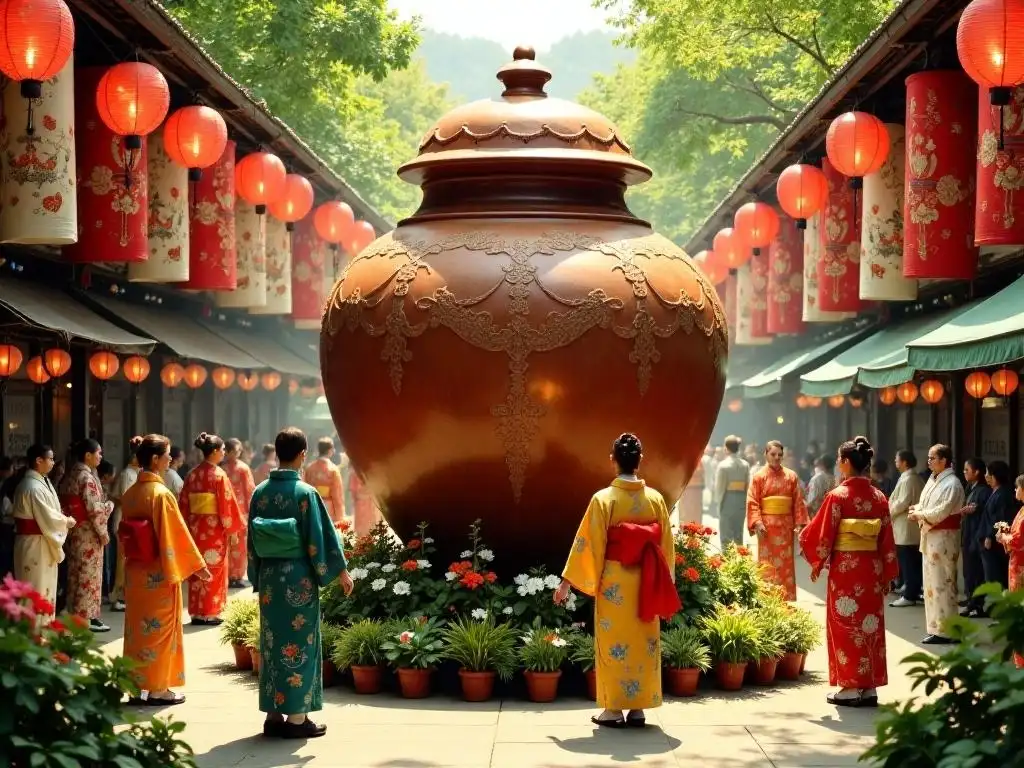
Festivals in feudal Japan were not merely occasions for celebration; they served as vital platforms for showcasing and promoting artisan crafts. Each festival often highlighted specific crafts, providing artisans an opportunity to connect with potential customers, share their skills, and maintain traditional practices. Below are notable festivals that played significant roles in promoting various artisan crafts throughout Japan.
The Gion Matsuri and Its Influence on Textile Crafts
The Gion Matsuri, held annually in Kyoto, is one of the most famous festivals in Japan, celebrated throughout July. Its origins trace back to the 9th century as a purification ritual to appease the gods during an epidemic. Central to this festival are the elaborate floats, known as "yamaboko," adorned with intricate textiles and craftsmanship.
Textile artisans take center stage during Gion Matsuri, as the floats are decorated with beautiful fabrics, including silk and brocade, showcasing traditional dyeing and weaving techniques. The festival features a procession where artisans display their skills in creating kimonos and other garments that reflect the rich cultural heritage of the region. The focus on textiles not only elevates these crafts but also encourages innovation and collaboration among artisans, as they blend traditional methods with contemporary designs to appeal to a broader audience.
The Takayama Matsuri and Woodworking Traditions
Takayama Matsuri, celebrated in spring and autumn, is renowned for its stunningly crafted floats and vibrant atmosphere. This festival, which takes place in Takayama, a mountainous region, has a history dating back to the 16th century. The floats, known as "yatai," are masterpieces of woodworking, showcasing the skills of local artisans.
The craftsmanship involved in creating these floats reflects the area's rich timber resources and the expertise of Takayama's carpenters. Each float is adorned with intricate carvings and decorations that highlight local legends and folklore. The festival is not only a showcase of woodworking but also a celebration of community, as artisans come together to prepare and maintain these floats. This cooperation fosters a sense of pride and encourages the transmission of skills from one generation to the next, ensuring the longevity of woodworking traditions in the region.
The Aoi Matsuri and Its Role in Ceramics and Pottery
The Aoi Matsuri, held in May, is one of Kyoto's oldest festivals, with roots in the Heian period. This festival is characterized by its elegant procession, where participants dress in traditional clothing and carry a variety of decorative items. One of the key features of the Aoi Matsuri is the emphasis on ceramics and pottery, particularly the exquisite pieces produced by local artisans.
Ceramic artisans display their works during the festival, showcasing the unique clay and glazing techniques that define their craft. The festival serves as a platform for artisans to gain recognition and for the public to appreciate the artistry involved in pottery. This exposure is crucial for the survival of these crafts, as it encourages new commissions and cultivates an appreciation for traditional Japanese ceramics. The Aoi Matsuri thus plays a pivotal role in promoting the heritage and evolution of pottery in feudal Japan.
Challenges Faced by Artisans During Festivals
While festivals provided significant opportunities for artisans, they also presented various challenges that could impact their crafts and livelihoods.
Competition Among Artisans at Festivals
Festivals often became battlegrounds for artisans vying for attention and sales, leading to fierce competition. With numerous artisans showcasing their work, distinguishing oneself became crucial. This competition could drive innovation, as artisans sought to create unique pieces that would catch the eye of festival-goers. However, it also placed immense pressure on craftsmen to constantly produce high-quality work, which could lead to stress and burnout. The desire to outperform peers often resulted in artisans investing considerable time and resources into their craft, sometimes at the expense of their traditional practices.
Changing Trends and the Impact on Traditional Crafts
As cultural preferences evolved, artisans faced the challenge of adapting their crafts to meet the changing demands of society. While festivals celebrated traditional crafts, the influence of modernization and Western styles began to seep into consumer preferences, leading to a decline in the demand for certain artisan products. Many artisans struggled to balance maintaining traditional techniques with incorporating contemporary aesthetics, creating a tension that could threaten the survival of age-old crafts. This adaptation was crucial for artisans to remain relevant, but it risked diluting the authenticity that defined their work.
Natural Disasters and Their Effects on Festival Celebrations
Natural disasters posed significant challenges for artisans and festival celebrations alike. Earthquakes, floods, and typhoons could disrupt not only the festivals but also the production of artisan crafts. Such events often resulted in damage to homes and workshops, making it difficult for artisans to create and showcase their work.
Additionally, festivals might be canceled or scaled down in the aftermath of a disaster, further impacting artisans' opportunities to sell their crafts and connect with the community. These challenges highlighted the resilience of artisans, who often had to rebuild and adapt their practices in the face of adversity, ensuring the continuity of their crafts amidst changing circumstances.
Conclusion: The Lasting Legacy of Festivals on Artisan Crafts
Festivals in feudal Japan played a pivotal role in nurturing and promoting artisan crafts, leaving a profound legacy that echoes through the ages. These vibrant celebrations not only showcased the immense skill and creativity of artisans but also fostered a sense of community and cultural identity. The intricate relationship between festivals and artisan crafts can be traced back to the ways in which local traditions were honored, allowing craftsmen to exhibit their work and gain recognition for their mastery.
As artisans put their craftsmanship on display during festivals, they contributed to the preservation of traditional techniques and the evolution of new styles. The rich tapestry of events, from rice planting ceremonies to seasonal celebrations, provided a platform for artisans to network, share knowledge, and inspire one another. This communal spirit and the competitive nature of festivals encouraged artisans to excel, ensuring that their crafts remained vibrant and relevant throughout the feudal era.
Reflections on the Cultural Significance of Festivals
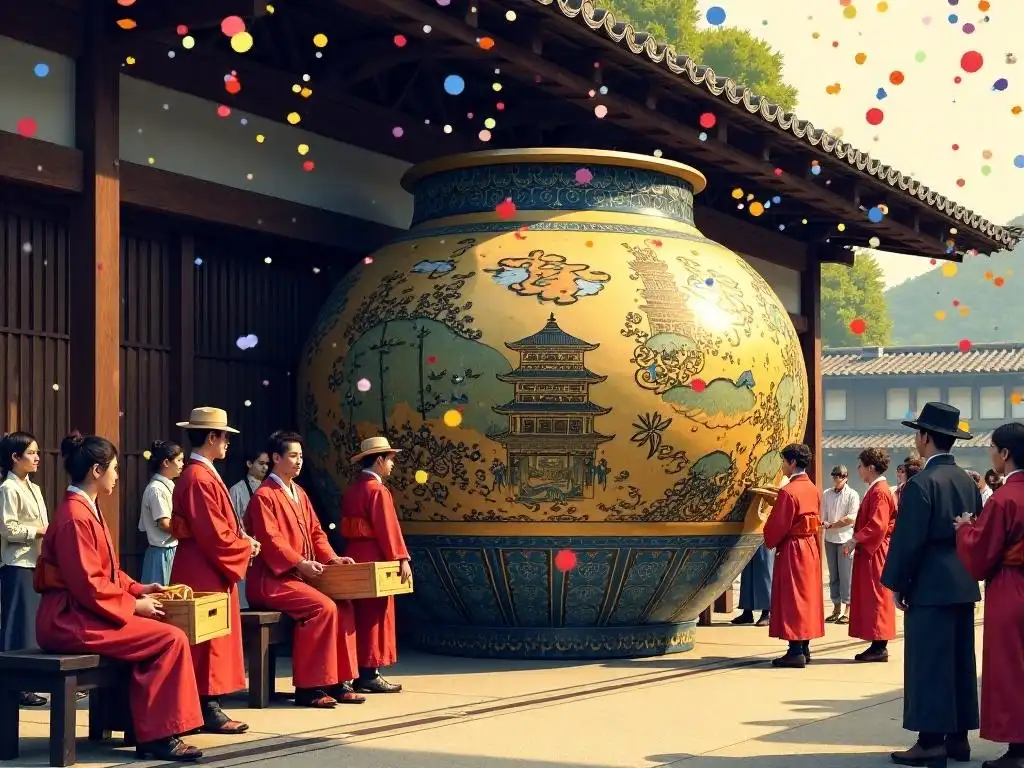
Festivals in feudal Japan were more than mere celebrations; they were integral to the cultural fabric of society. Each festival was steeped in historical significance, often linked to agricultural cycles, religious beliefs, and local deities. This connection to cultural heritage imbued festivals with a sense of purpose and belonging, as communities gathered to honor their shared history and traditions.
Artisan crafts played a crucial role in these celebrations, with artisans tasked to create intricate decorations, ceremonial items, and offerings that reflected the community's values and beliefs. The participation of artisans in festivals not only elevated their status within society but also reinforced the importance of craftsmanship as both a livelihood and a cultural expression. These events served as a reminder of the interconnectedness of the community, highlighting how individual skills contributed to the collective identity.
The Ongoing Influence of Feudal Festivals on Modern Artisan Crafts
The influence of feudal festivals on contemporary artisan crafts is evident in various aspects of modern Japanese culture. Many traditional crafts, such as pottery, textiles, and woodworking, continue to thrive, often drawing inspiration from the techniques and styles developed during the feudal era. Festivals still serve as vital platforms for artisans today, allowing them to showcase their work, engage with the public, and preserve their craft's cultural significance.
Moreover, modern festivals often incorporate elements from their feudal predecessors, celebrating local artisans and fostering a renewed appreciation for handmade goods. This ongoing relationship between festivals and artisan crafts not only sustains traditional practices but also encourages innovation, as artisans blend ancestral techniques with modern aesthetics to create unique products that resonate with contemporary audiences.
References
Suggested Reading on Artisan Crafts and Festivals in Feudal Japan
- "Crafting Tradition: Japanese Artisans in the Modern World" - An exploration of how traditional crafts have evolved while retaining their historical roots.
- "The Festivals of Japan: Cultural Significance and Artisan Participation" - A comprehensive overview of various festivals across Japan and their impact on local artisans.
Academic Sources on Social History of Feudal Japan
- "Feudal Japan: The Social Structure and Cultural Practices" - An academic study focusing on the social dynamics of feudal Japan, including the roles of artisans and merchants.
- "Artisans and Society in Medieval Japan" - This source provides an in-depth analysis of the significance of artisans in the broader context of feudal society and economy.
- Introduction to Artisan Crafts in Feudal Japan
- Historical Context of Festivals and Artisan Crafts
- Types of Festivals Celebrating Artisan Crafts
- The Impact of Festivals on Artisan Crafts
- Case Studies of Notable Festivals and Their Artisan Crafts
- Challenges Faced by Artisans During Festivals
- Conclusion: The Lasting Legacy of Festivals on Artisan Crafts
- Reflections on the Cultural Significance of Festivals
- The Ongoing Influence of Feudal Festivals on Modern Artisan Crafts
- References
- What were the primary artisan crafts in feudal Japan?
- How did festivals contribute to the promotion of artisan crafts?
- What role did societal structures play in artisan crafts during feudal Japan?
- Were there specific festivals dedicated to artisan crafts?
- How did artisans benefit from participating in festivals?
Frequently Asked Questions
What were the primary artisan crafts in feudal Japan?
Feudal Japan was known for its diverse artisan crafts, including pottery, textiles, and metalwork. These crafts were often linked to local traditions and showcased the skills of the artisans.
How did festivals contribute to the promotion of artisan crafts?
Festivals served as platforms for showcasing artisan crafts, allowing artisans to display and sell their work. These events fostered community spirit and encouraged the appreciation of craftsmanship.
What role did societal structures play in artisan crafts during feudal Japan?
The societal hierarchy of feudal Japan influenced artisan crafts by determining which crafts were valued and how artisans were organized. Guilds often formed to protect the interests of craftsmen.
Were there specific festivals dedicated to artisan crafts?
Yes, there were numerous festivals focused on artisan crafts, celebrating local traditions and skills. These events attracted visitors and highlighted the cultural significance of craftsmanship in the community.
How did artisans benefit from participating in festivals?
Participating in festivals provided artisans with opportunities for exposure, sales, and networking. It was a chance to showcase their work and connect with potential customers and other artisans.
Final Reflection: Celebrating Heritage Through Artisan Crafts and Festivals
The exploration of artisan crafts in feudal Japan and their connection to festivals reveals a profound relationship between cultural expression and community identity. Today, as we navigate a world increasingly dominated by mass production and digital interactions, the significance of these traditional crafts and the festivals that celebrate them becomes even more apparent. They serve as a reminder of the rich history and artistry that define our cultural heritage, urging us to appreciate the unique narratives woven into every handcrafted piece.
The influence of festivals on artisan crafts extends beyond mere celebration; they are a vital part of our social fabric. These gatherings foster a sense of belonging and continuity, linking generations through shared traditions. As we witness a resurgence of interest in handmade goods and local craftsmanship, it becomes clear that the values embodied in these festivals resonate deeply with contemporary society. Tradition is not the worship of ashes, but the preservation of fire.
This quote encapsulates the essence of how festivals can ignite passion for artisan crafts, ensuring that these skills and stories are not lost to time.
As we reflect on the lessons from feudal Japan's festivals, let us consider how we can incorporate this appreciation for artisan crafts into our modern lives. Take a moment to explore local artisans, attend craft fairs, or even engage in creating something with your own hands. By doing so, you not only honor the legacy of those who came before us but also contribute to the ongoing narrative of cultural preservation. Embrace the artistry around you, and let it inspire a deeper connection to your own heritage and community.
Unleash Your Creativity: Celebrate Artisan Crafts Today!
Thank you for diving into the fascinating world of festivals and artisan crafts in feudal Japan! We hope you’ve gained valuable insights into how these vibrant celebrations not only showcased artistry but also fostered community spirit. Now, it’s time to take inspiration from this rich history and make a meaningful impact today.
Here are some engaging actions you can take right now:
- Explore local craft fairs and embrace the unique creations of artisans in your community. Engage with their stories and support their work!
- Get creative yourself! Try your hand at a craft that interests you—whether it's pottery, weaving, or calligraphy. Share your journey on social media to inspire others!
- Join a local community group dedicated to preserving traditional crafts, where you can learn, share ideas, and connect with fellow enthusiasts.
Which artisan craft resonates with you the most, and how will you incorporate it into your life today? Share your thoughts below!