
The Art of the Samurai: Discover Ebooks That Illuminate Feudal Japan's Aesthetic


Welcome to Feudal Japan History! Embark on a captivating journey through the intricate tapestry of Japan's feudal era, where the legendary samurai reign supreme. In our latest article, "The Art of the Samurai: Discover Ebooks That Illuminate Feudal Japan's Aesthetic," we delve into the rich world of samurai art and culture ebooks. These digital treasures not only showcase the exquisite beauty of samurai aesthetics but also offer profound insights into their cultural significance. Are you ready to uncover the artistry that shaped a nation? Let’s explore together!
Introduction to Samurai Art and Culture Ebooks
The samurai, Japan's legendary warrior class, are renowned not only for their martial prowess but also for their profound influence on the arts and culture of feudal Japan. The aesthetic values of the samurai—rooted in principles such as loyalty, honor, and discipline—have left an indelible mark on various art forms, including painting, calligraphy, and poetry.
In the digital age, ebooks have emerged as a vital medium for exploring and disseminating knowledge about this fascinating period. This article delves into the world of samurai art and culture ebooks, highlighting their significance and the unique insights they offer into the rich tapestry of feudal Japan.
Understanding the Significance of Samurai Art in Feudal Japan
The art produced during the samurai era reflects a deep connection between the warrior class and the cultural life of Japan. Samurai art is characterized by:
- Symbolism: Many artworks encapsulate the values and beliefs of the samurai, often depicting themes of honor, bravery, and the transient nature of life.
- Techniques: Traditional methods such as ink wash painting (sumi-e) and the intricate designs of woodblock prints (ukiyo-e) provide insight into the craftsmanship of the time.
- Cultural Context: Art served not only as a means of expression but also as a tool for storytelling, conveying historical events and legends central to samurai identity.
Ebooks dedicated to samurai art illuminate these aspects, allowing readers to engage deeply with the cultural heritage of feudal Japan.
The Role of Ebooks in Preserving Samurai History and Aesthetic
Ebooks play a crucial role in preserving and sharing the aesthetic and historical dimensions of samurai culture. They offer several advantages:
- Accessibility: Ebooks can be accessed anywhere, making samurai art and culture more widely available to enthusiasts, students, and researchers alike.
- Interactive Features: Many ebooks include interactive elements such as audio narrations, video links, and high-resolution images, enhancing the learning experience.
- Updated Content: The digital format allows for the inclusion of the latest research and scholarship, ensuring that readers have access to the most current interpretations of samurai art.
By utilizing ebooks, scholars and enthusiasts can ensure that the legacy of samurai art continues to thrive and evolve in new and engaging ways.
Exploring the Richness of Samurai Art and Culture
Characteristics of Samurai Art: Key Features and Themes
Samurai art is distinguished by several key characteristics that reflect the ethos of the warrior class. These include:
- Minimalism: Often, samurai art embraces simplicity, using negative space to create a sense of calm and contemplation.
- Nature: Many artworks feature elements of nature, symbolizing the samurai's connection to the natural world and the philosophy of living in harmony with it.
- Martial Imagery: Depictions of battles, weaponry, and armor are prevalent, often showcasing the valor and might of samurai warriors.
These features not only provide aesthetic pleasure but also communicate deeper philosophical concepts central to samurai culture.
The Influence of Bushido on Samurai Aesthetic
Bushido, the code of conduct followed by samurai, significantly influenced the aesthetic principles of their art. Key concepts include:
- Honor and Loyalty: Artworks often reflect themes of fidelity to one's lord and the importance of honor in everyday life.
- Discipline and Restraint: The meticulous nature of samurai art mirrors the discipline required in both combat and personal conduct.
- Transience: The acknowledgment of impermanence, a central tenet of Zen Buddhism, is often depicted in samurai art, highlighting the beauty of fleeting moments.
Understanding these influences enriches the appreciation of samurai art and provides deeper insights into the philosophical underpinnings of the period.
Iconic Samurai Portraits and Their Historical Context
Iconic portraits of samurai not only serve as visual representations but also encapsulate the historical context of their time. Notable aspects include:
- Representation of Power: Many portraits were commissioned to commemorate the achievements of renowned samurai, showcasing their status and valor.
- Cultural Significance: Portraits often incorporate elements of the samurai’s life, such as their armor, weapons, and even their family crests (mon), which denote lineage and honor.
- Artistic Styles: Different artistic styles, such as the dynamic brush strokes of ukiyo-e, provide insight into the evolving aesthetics of samurai representation over time.
By examining these portraits, readers can gain a deeper understanding of the societal values and historical narratives that shaped the samurai experience in feudal Japan.
Recommended Samurai Art and Culture Ebooks
In the exploration of Samurai art and culture, several ebooks stand out for their insightful analysis, engaging narratives, and aesthetic appeal. Here are three highly recommended titles that offer unique perspectives on the Samurai tradition and its rich artistic heritage.
1. "The Soul of the Samurai: Modern Translations of Classic Texts"
This ebook serves as an invaluable resource for those interested in the philosophical underpinnings of the Samurai ethos. It features modern translations of classic texts such as "The Book of Five Rings" by Miyamoto Musashi and "Hagakure" by Yamamoto Tsunetomo.
- Key Features:
- Modern Language: The use of contemporary language makes these profound works accessible to a broader audience.
- Contextual Analysis: Each text is accompanied by commentary that places the teachings in historical and cultural contexts.
- Illustrative Artwork: The ebook includes illustrations that reflect the aesthetic values of the Samurai era, enhancing the reading experience.
This ebook is ideal for readers who seek to understand the philosophical depth and cultural significance of the Samurai beyond just their martial prowess.
2. "Samurai: The Story of a Warrior Tradition"
This ebook chronicles the history and evolution of the Samurai class, offering insights into their societal roles, values, and the art forms they embraced.
- Key Features:
- Chronological Narrative: The book provides a compelling chronological account that traces the Samurai from their origins to their decline.
- Rich Visuals: It is filled with high-quality images of Samurai armor, weaponry, and paintings that vividly capture the aesthetics of the time.
- Cultural Context: The narrative intertwines historical events with cultural developments, illustrating how the Samurai influenced Japanese society at large.
"Samurai: The Story of a Warrior Tradition" is perfect for readers interested in a comprehensive overview of Samurai history and its artistic legacy.
3. "The Art of War: Samurai Strategies and Visual Culture"
This ebook explores the intersection of Samurai warfare strategies and the visual arts that emerged during feudal Japan.
- Key Features:
- Strategic Insights: It delves into the military tactics of the Samurai while also examining how these strategies were reflected in art.
- Artistic Analysis: The book analyzes various art forms, including woodblock prints and paintings, that depict battles and Samurai life.
- Cultural Reflections: It discusses how visual culture served as a tool for propagating Samurai ideals and values.
"The Art of War: Samurai Strategies and Visual Culture" is a must-read for those fascinated by how art and warfare are interlinked within the Samurai tradition.
Comparative Analysis of Top Samurai Ebooks
When it comes to choosing the best ebook on Samurai art and culture, a comparative analysis can help identify which title aligns best with your interests and needs.
Comparing Features: What Makes Each Ebook Unique?
| Ebook Title | Unique Features |
|---|---|
| The Soul of the Samurai | Modern translations of classic texts, contextual analysis, and illustrative artwork. |
| Samurai: The Story of a Warrior Tradition | Comprehensive chronological narrative, rich visuals, and cultural context. |
| The Art of War | Insights into military strategies, artistic analysis, and cultural reflections on Samurai ideals. |
Each ebook offers distinct features that cater to different aspects of Samurai culture, making them valuable in their own right.
Advantages and Disadvantages of Each Recommended Ebook
| Ebook Title | Advantages | Disadvantages |
|---|---|---|
| The Soul of the Samurai | Accessible language, rich commentary | Limited focus on historical context |
| Samurai: The Story of a Warrior Tradition | Comprehensive overview, visually engaging | May be overwhelming for casual readers |
| The Art of War | Unique blend of art and strategy | Focuses more on warfare than on broader culture |
Understanding these strengths and weaknesses can help you decide which ebook to prioritize based on your interests.
When to Choose Each Ebook Based on Your Interests
- Choose "The Soul of the Samurai" if you are primarily interested in the philosophical and ethical dimensions of Samurai culture.
- Select "Samurai: The Story of a Warrior Tradition": if you seek a holistic view of the Samurai's historical narrative and cultural impact.
- Opt for "The Art of War" if your main interest lies in the interplay between Samurai military strategies and visual arts.
By considering your personal interests, you can select the ebook that best resonates with your quest to understand Samurai art and culture.
The Importance of Illustrations and Visual Aesthetics in Samurai Ebooks
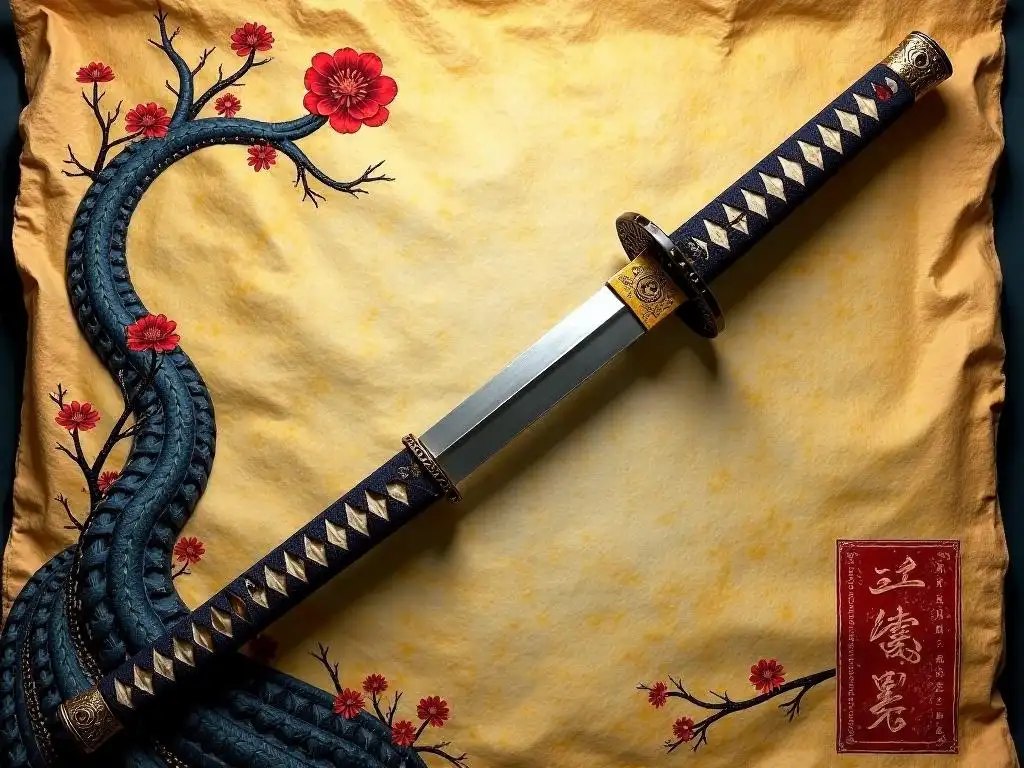
Illustrations and visual aesthetics play a pivotal role in enhancing the understanding and appreciation of Samurai art and culture. In the context of feudal Japan, where art was intricately linked to social status, philosophy, and the samurai code of conduct (Bushido), the visual elements in ebooks serve not only as decorative features but also as vital storytelling tools.
They provide readers with context and depth, allowing them to visualize the intricate beauty of samurai armor, weaponry, and landscapes that defined this era. Furthermore, the combination of text and imagery helps to bridge the gap between historical facts and the cultural significance of the samurai, making the learning experience both informative and engaging.
The use of color, composition, and traditional techniques in illustrations can evoke the aesthetic principles of wabi-sabi, which celebrates the beauty of imperfection and transience. This aesthetic resonates deeply with the samurai ethos, where every detail in art—from the brush strokes to the choice of materials—holds meaning. As a result, ebooks that prioritize rich visual content enable readers to connect with the samurai experience on a sensory level, fostering a deeper appreciation for the art form.
How Illustrations Enrich the Reading Experience
The integration of illustrations in samurai art ebooks enhances the reading experience in several meaningful ways:
- Visual Context: Illustrations provide readers with visual references that contextualize the text. This is particularly beneficial in understanding complex concepts or historical events associated with the samurai.
- Cultural Nuance: Detailed images can depict cultural practices, ceremonies, and the daily lives of samurai, helping to convey the nuances of feudal Japanese society that may not be easily captured in words alone.
- Engagement: Visual elements capture attention and maintain interest, making the reading experience more dynamic. Engaging illustrations can turn a simple narrative into a vivid journey through time, encouraging deeper exploration of the subject matter.
- Interpretation of Art: The ability to see samurai art in high quality allows readers to analyze techniques, styles, and themes that might be overlooked in a purely textual format. This encourages critical thinking and personal interpretation of the artwork.
By leveraging the power of illustrations, samurai art ebooks not only inform but also inspire readers to explore the aesthetic and cultural richness of feudal Japan.
Notable Artists Featured in Samurai Art Ebooks
A variety of artists have made significant contributions to the visual narrative of samurai art, and many of them are featured in ebooks on the subject. Some notable artists include:
- Utagawa Kuniyoshi: Renowned for his dynamic prints and illustrations, Kuniyoshi often depicted legendary samurai and mythological themes, blending historical narratives with captivating imagery.
- Hokusai Katsushika: While best known for his landscapes, Hokusai’s works also reflect samurai themes, showcasing the interdependence of nature and the warrior spirit.
- Yoshitoshi Tsukioka: A master of ukiyo-e, Yoshitoshi’s works often featured samurai in various dramatic contexts, providing a unique perspective on their valor and struggles.
- Katsushika Hokusai: Another pivotal figure in ukiyo-e, Hokusai’s vivid portrayals of samurai life and culture resonate with readers and art enthusiasts alike.
These artists not only shaped the visual landscape of the samurai era but also continue to influence modern interpretations of their art through the digital medium of ebooks. Their stories and techniques are essential for understanding the evolution of samurai art and its lasting impact.
Where to Find and Purchase Samurai Art and Culture Ebooks
Finding and purchasing ebooks focused on samurai art and culture has become increasingly accessible, thanks to various online platforms. Readers can explore a wealth of resources that cater specifically to their interests in feudal Japan.
Top Online Platforms for Purchasing Samurai Ebooks
Here are some of the top online platforms where readers can find and purchase samurai art and culture ebooks:
- Amazon Kindle Store: With an extensive collection of ebooks, Amazon offers a variety of titles on samurai art, history, and culture, making it a go-to destination for many readers.
- Barnes & Noble Nook: This platform features a selection of samurai art ebooks that cover various aspects of the samurai lifestyle, including illustrations and historical contexts.
- Kobo: Known for its wide range of ebooks, Kobo provides access to samurai art titles that can enhance readers' understanding of this unique cultural heritage.
- Google Play Books: Offering a diverse array of ebooks, Google Play Books includes many titles on samurai art and culture, available for purchase and download.
- Independent E-book Publishers: Many independent publishers specialize in historical and cultural content. Their websites often feature unique samurai art ebooks that may not be found on larger platforms.
Affiliate Opportunities: How to Buy While Supporting Our Site
Purchasing samurai art and culture ebooks through affiliate links can be a great way to support our site while enjoying your reading journey. By using affiliate links, you help us maintain and enhance the quality of our content without any additional cost to you. Here’s how it works:
- Choose Your Platform: Select one of the recommended platforms to browse and shop for your favorite samurai art ebooks.
- Use Affiliate Links: When you purchase through the links provided on our site, a small commission is generated that helps fund our ongoing research and content creation.
- Enjoy Your Reading: After making your purchase, dive into the rich world of samurai art and culture, equipped with the knowledge that your support contributes to the continued exploration of feudal Japan's history.
By integrating your love for samurai art with our affiliate program, you not only enrich your own understanding but also foster a community dedicated to preserving and sharing Japan’s cultural heritage.
Conclusion: Embracing the Aesthetic of the Samurai Through Ebooks
The world of the samurai is rich with artistry and culture, reflecting values such as honor, discipline, and beauty. Ebooks dedicated to samurai art and culture provide an accessible gateway for readers to delve into the intricate aesthetics of this fascinating era. From stunning illustrations of traditional armor and weaponry to the philosophies underpinning martial arts, these digital resources encapsulate the essence of samurai life and its enduring legacy. By embracing these ebooks, readers can cultivate a deeper appreciation for the visual language and cultural significance of the samurai.
Moreover, the convenience of ebooks allows for a more interactive learning experience. Many titles incorporate multimedia elements, such as videos, audio explanations, and interactive diagrams, which enhance the understanding of complex concepts. This modern approach not only makes the study of samurai art more engaging but also encourages readers to immerse themselves fully in the subject matter.
Encouragement to Explore Samurai Art and Culture Further
For those intrigued by the aesthetic of the samurai, there is a plethora of ebooks available that delve deeper into various aspects of this remarkable culture. Whether you are interested in the delicate brush strokes of traditional ink paintings, the symbolism behind each piece of samurai armor, or the poetic expressions found in historical texts, there is an ebook that can provide valuable insights.
Consider exploring titles that focus on:
- Samurai Weaponry: Understanding the craftsmanship behind swords like the katana, including their significance in battle and rituals.
- Traditional Arts: Discovering the relationship between samurai and various forms of art, including tea ceremonies, calligraphy, and Noh theater.
- Philosophical Texts: Engaging with writings that reflect the samurai's ethical codes, such as "Bushido" and its influence on modern Japanese society.
By pursuing these resources, readers can uncover the layers of meaning embedded in samurai art and culture, fostering a greater appreciation for this historical period.
Final Thoughts on the Value of Ebooks in Understanding Feudal Japan
Ebooks serve as invaluable tools for anyone seeking to understand the complexities of feudal Japan, particularly concerning samurai art and culture. They provide not only convenience and accessibility but also the ability to explore various topics at one's own pace. The dynamic nature of digital content allows for an enriching learning experience, equipping readers with knowledge that can be easily referenced and revisited.
Embracing ebooks on samurai art and culture is an invitation to explore the profound beauty and historical significance of the samurai era. By engaging with these resources, readers contribute to the preservation and appreciation of this unique aspect of Japan’s rich heritage. As you embark on your journey through the pages of these enlightening ebooks, let the art of the samurai inspire a deeper connection to the past and a greater understanding of the cultural legacy that continues to resonate today.
- Introduction to Samurai Art and Culture Ebooks
- Exploring the Richness of Samurai Art and Culture
- Recommended Samurai Art and Culture Ebooks
- Comparative Analysis of Top Samurai Ebooks
- The Importance of Illustrations and Visual Aesthetics in Samurai Ebooks
- Where to Find and Purchase Samurai Art and Culture Ebooks
- Conclusion: Embracing the Aesthetic of the Samurai Through Ebooks
- What is the significance of Samurai art and culture in Feudal Japan?
- Where can I find ebooks about Samurai art and culture?
- How does the art of the Samurai influence modern Japanese culture?
- What are some key themes explored in ebooks about Samurai culture?
- Can you recommend any specific ebooks that focus on Samurai art?
Frequently Asked Questions
What is the significance of Samurai art and culture in Feudal Japan?
The Samurai art and culture played a vital role in shaping Japan's aesthetic values, reflecting their warrior ethos as well as their appreciation for beauty in everyday life.
Where can I find ebooks about Samurai art and culture?
You can discover a variety of ebooks on platforms like Amazon, Google Books, or specialized online libraries that focus on historical and cultural topics of Feudal Japan.
How does the art of the Samurai influence modern Japanese culture?
The art of the Samurai continues to influence modern Japanese culture through martial arts, design, and literature, preserving the values and aesthetics of the feudal era.
What are some key themes explored in ebooks about Samurai culture?
These ebooks often explore themes like honor, loyalty, spirituality, and the interplay between art and warfare, showcasing how these aspects shaped Samurai life.
Can you recommend any specific ebooks that focus on Samurai art?
Yes, look for titles like "The Samurai: A Military History" or "The Art of War in Japan", which provide insights into the cultural and historical significance of Samurai art and their legacy.
Final Reflection: Embracing the Timeless Legacy of Samurai Art and Culture
The exploration of samurai art and culture through ebooks is not just a journey into the past; it is a vital connection to our present and future. In a world increasingly dominated by technology and rapid change, the enduring beauty and philosophy of the samurai resonate deeply, reminding us of the values of discipline, honor, and aesthetic appreciation. The samurai's legacy is not merely historical; it serves as a guiding light for contemporary society, urging us to reflect on our own values and the artistry that surrounds us.
Culture is a living entity, shaped by the stories we tell and the art we create. The impact of samurai art extends far beyond the confines of feudal Japan; it influences modern art, design, and even personal philosophies around the globe. As we delve into these ebooks, we uncover layers of meaning that challenge us to think critically about our own lives and the aesthetics we embrace. Art is the most beautiful of all lies.
This quote encapsulates the samurai's ability to transform the mundane into the extraordinary, urging us to find beauty in our own narratives.
As you close this chapter on samurai art and culture, I invite you to reflect on how these timeless lessons can be woven into your own life. Consider the principles of honor, discipline, and beauty that the samurai embodied and how they can inspire your daily actions and decisions.
Let the stories and artworks you encounter in these ebooks serve as a catalyst for personal growth and a deeper appreciation of the world around you. Embrace the art of the samurai, and carry its wisdom into the future, enriching not only your life but also the lives of those around you.
Unveil the Legacy of the Samurai Today!
Thank you for diving into the captivating world of the Samurai and their rich cultural heritage. We hope this exploration has ignited your passion for learning about the aesthetics of Feudal Japan. Now, it’s time to take the next step on your journey!
Here’s how you can further enrich your experience:
- Dive deeper into feudal aesthetics: Explore our curated selection of ebooks that provide insights into various aspects of Samurai culture, art, and philosophy.
- Join the conversation: Share your thoughts and favorite Samurai moments in the comments below—your insights could inspire others!
- Connect with fellow enthusiasts: Become part of our community on social media to exchange ideas and resources about the rich history of Feudal Japan.
Which aspect of Samurai culture are you most excited to explore further?