
Capturing Emotion: How to Convey Feelings Through Calligraphy

Welcome to Feudal Japan History, where we delve deep into the rich tapestry of Japan’s feudal era. Here, history is not just a collection of dates and events; it's an exploration of the cultural and societal nuances that shaped a nation. In our featured article, "Capturing Emotion: How to Convey Feelings Through Calligraphy," we invite you to discover the profound connection between Japan calligraphy and emotional expression. What secrets lie within the strokes of a brush?
How can the art of calligraphy transform feelings into visual poetry? Embark on this journey with us and unlock the emotional depth of an ancient tradition that still resonates today. Dive in and let your curiosity guide you!
Japanese calligraphy, or Shodō, is not merely a form of writing; it is a profound art that embodies the soul and emotions of the artist. This intricate practice intertwines the beauty of brush strokes with the subtleties of emotional expression, creating a visual language that transcends mere words.
In this article, we will explore how to effectively convey feelings through Japanese calligraphy, examining its historical roots, essential tools, and techniques that can enhance emotional communication on paper. By understanding the depth of this art form, one can appreciate the nuances of each stroke and the feelings they evoke, making the practice not just an exercise in skill, but a journey into the heart of expression.
Introduction to Japanese Calligraphy Emotional Expression
The emotional resonance of Japanese calligraphy stems from its ability to capture the essence of the moment, reflecting the artist's feelings and intentions. Whether it is the gentle curve of a character or the boldness of an ink splash, each element plays a crucial role in storytelling. This section will delve into the significance of emotional expression in Japanese calligraphy, highlighting how different styles and techniques can influence the viewer's perception and connection to the artwork.
Understanding the Fundamentals of Japanese Calligraphy
The History of Calligraphy in Japan
Japanese calligraphy has a rich history that dates back to ancient times. Originating from Chinese calligraphic traditions, it evolved uniquely within Japan, influenced by various historical periods and cultural shifts. Understanding this historical context is essential for appreciating the art form's development and its emotional depth.
- Introduction of Kanji: The arrival of Kanji from China in the 5th century marked the beginning of written expression in Japan.
- Heian Period: The emergence of Kana scripts allowed for a more personal and emotive form of writing, leading to the creation of literary works that expressed individual feelings.
- Edo Period: This era saw the flourishing of calligraphy as an art form, with masters innovating styles that conveyed a range of emotions, from tranquility to passion.
Essential Tools for Japanese Calligraphy
To effectively capture emotion in calligraphy, one must be familiar with the essential tools that define the practice. The choice of materials can significantly impact the emotional expression conveyed through the art. Here are the fundamental tools utilized in Japanese calligraphy:
- Brush (Fude): The primary tool for creating strokes, available in various sizes and shapes to achieve different effects.
- Ink (Sumi): Traditionally made from soot and animal glue, the ink's density and fluidity can alter the emotional tone of the writing.
- Paper (Washi): Handmade Japanese paper absorbs ink differently, affecting the overall aesthetic and emotional output of the calligraphy.
- Ink Stone (Suzuri): Used to grind ink sticks into liquid ink, the process itself can be meditative, setting the tone for the calligrapher's emotional state.
By mastering these tools and understanding their historical significance, artists can begin to explore the profound emotional expressions that Japanese calligraphy can offer.
Techniques to Convey Emotions in Japanese Calligraphy
Japanese calligraphy, or "shodō," is not just an art form; it is a profound means of emotional expression. By mastering various techniques, calligraphers can evoke feelings ranging from tranquility to passion. Understanding how to convey emotions through brushwork, color, and composition is essential for creating pieces that resonate deeply with viewers. This section explores the foundational techniques that can help artists capture emotion in their calligraphy.
Using Brush Strokes to Express Feelings
The brush strokes in Japanese calligraphy are fundamental to conveying emotion. Each stroke can reflect different feelings based on its characteristics:
- Thick vs. Thin Strokes: Thick strokes can suggest strength and boldness, while thin strokes may evoke delicacy and subtlety.
- Speed of Execution: A swift, fluid stroke can express excitement or urgency, whereas a slow, deliberate stroke may convey calmness or contemplation.
- Pressure Variation: Varying the pressure applied to the brush can create dynamic effects. Light pressure can produce soft, gentle lines, whereas heavy pressure adds intensity and gravity to the characters.
Moreover, the texture created by the brush can add another layer of emotional depth. A rough, uneven stroke might express turmoil or chaos, while smooth, flowing lines can indicate serenity and grace. By consciously choosing stroke styles, calligraphers can infuse their work with the desired emotional undertone.
Color Theory in Japanese Calligraphy
Color plays a significant role in enhancing the emotional impact of calligraphy. In Japanese culture, colors are imbued with specific meanings that can amplify the feelings conveyed through the written word:
- Red: Often symbolizes passion, energy, and excitement.
- Blue: Associated with calmness, serenity, and introspection.
- Black: Represents elegance, authority, and sophistication, but can also convey sadness or solemnity depending on context.
- Gold and Silver: Used to signify luxury and celebration, often adding a sense of importance to the piece.
Combining colors thoughtfully can create a harmonious emotional experience. For example, using a red character on a soft blue background can evoke feelings of love and tranquility simultaneously. Calligraphers should consider the psychological effects of colors and how they can be used to reinforce the emotional message of their work.
Creating Emotionally Charged Calligraphy Pieces
Creating calligraphy that resonates emotionally requires a thoughtful approach. Artists must not only focus on the technical aspects but also tap into their personal experiences and feelings. This section outlines a structured approach to crafting emotionally charged calligraphy pieces.
Step-by-Step Guide to Crafting an Emotional Calligraphy Work
- Choose a Theme: Start with an emotion or theme you wish to convey. This could be love, nostalgia, or hope.
- Select Your Words: Pick phrases or words that encapsulate your chosen emotion. Consider using traditional proverbs or poetic expressions to enhance depth.
- Sketch Layouts: Before committing to the final piece, sketch different layouts to see how the composition affects the emotional impact.
- Select Brushes and Inks: Choose brushes that suit the character styles you plan to use. Experiment with various inks and colors that align with your emotional theme.
- Practice Brush Strokes: Conduct practice sessions focusing on the brush strokes that best express your chosen emotion. Pay attention to pressure, speed, and stroke direction.
- Create the Final Piece: With your practices complete, create your final artwork. Allow your emotions to guide you during execution, staying true to the feelings you want to convey.
- Reflect: After completing the piece, take time to reflect on whether it captures the intended emotions. Solicit feedback from others to gauge the emotional impact.
Case Studies: Analyzing Famous Emotional Calligraphy Works
Examining renowned pieces of emotional calligraphy can provide valuable insights into techniques and approaches. Here are a few notable examples:
- Kōrin Ogata's "Red and White Plum Blossoms": While primarily a painting, the calligraphic elements within the work express a dynamic balance of tension and harmony, exemplifying how calligraphy can enhance visual art and evoke deep emotional responses.
- Shūbun's "Bamboo": This work demonstrates the use of fluid strokes that convey grace and tranquility. The simplicity of the characters, paired with the elegance of brushwork, evokes a strong sense of peace.
- Sōun Takeda's "The Heart of the Samurai": Through bold strokes and a striking use of black ink, this piece captures the warrior spirit, conveying emotions of strength, honor, and resilience.
By analyzing such works, calligraphers can learn how to incorporate emotional expression into their own pieces, using techniques that resonate with both the artist and the audience. Each piece serves as a testament to the power of calligraphy as a medium for emotional expression in Japanese culture.
Tips for Enhancing Emotional Expression in Calligraphy
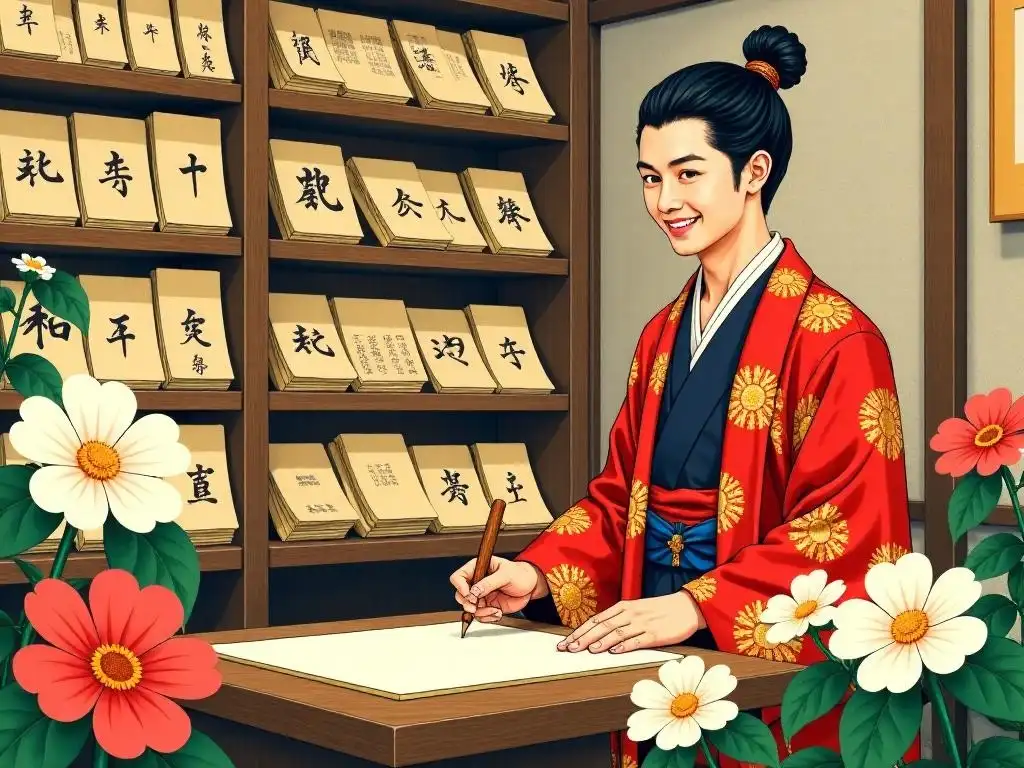
Capturing emotion through calligraphy is an art that transcends mere writing; it involves a deep connection between the artist's feelings and the strokes of the brush. Here are some effective tips to enhance emotional expression in your calligraphy work:
- Choose the Right Materials: The texture of your paper and the type of ink or brush you use can profoundly affect the emotional tone of your work. For instance, using handmade paper may evoke a sense of tradition and authenticity, while vibrant ink colors can convey energy and passion.
- Experiment with Stroke Techniques: Varying your brush pressure and angle can create different emotional effects. Soft, flowing strokes might convey gentleness or serenity, while bold, aggressive strokes can express anger or intensity. Practice different techniques to discover which best suits the emotion you wish to express.
- Incorporate Symbolism: Use symbols or kanji that resonate with the emotion you want to convey. For instance, the kanji for "love" (愛) or "peace" (平和) can be rendered in styles that enhance their meanings, allowing the viewer to connect emotionally with the work.
- Use Color Wisely: The psychology of color is essential in calligraphy. Colors like red can express passion and energy, while blue may convey calmness and tranquility. Choose colors that align with the emotion you aim to evoke.
- Reflect on Personal Experiences: Drawing from your own feelings and experiences can add authenticity to your calligraphy. Before starting, take a moment to reflect on the emotions you wish to portray, allowing that focus to guide your brush strokes.
Practicing Mindfulness While Creating Calligraphy
Mindfulness is a crucial element in conveying emotion through calligraphy. By being present in the moment, you can channel your feelings directly into your work. Here are some techniques to incorporate mindfulness into your practice:
- Create a Calm Environment: Set up your workspace to minimize distractions. Soft lighting, calming music, or even silence can help you focus your thoughts and emotions as you write.
- Begin with Breathing Exercises: Before you pick up your brush, take a few deep breaths to center yourself. This practice can help clear your mind and allow you to connect more deeply with your emotions.
- Engage in Slow, Deliberate Movements: As you write, pay attention to each stroke. Focus on the sensation of the brush against the paper, the flow of ink, and the rhythm of your movements. This attentiveness will not only enhance your skill but also deepen your emotional expression.
- Allow for Imperfections: Embrace flaws as part of the creative process. Each mistake or unexpected stroke can lead to unique expressions of emotion, reminding you that imperfection is often where true beauty lies.
Engaging with Cultural Context in Your Work
Understanding and integrating cultural context into your calligraphy practice can significantly enhance emotional expression. Here are ways to engage with the rich cultural heritage of Japan:
- Study Traditional Styles: Familiarize yourself with various styles of Japanese calligraphy, such as Shodo, which emphasizes the balance between beauty and meaning. Understanding historical contexts can inspire your own work and deepen its emotional resonance.
- Incorporate Poetry and Literature: Japanese literature contains a wealth of emotion. Incorporating lines from famous poems or literature can add layers of meaning to your work. The emotional weight of the text will enhance the overall impact of your calligraphy.
- Reflect on Japanese Aesthetics: Embrace concepts like "wabi-sabi," which celebrates beauty in imperfection and transience. This philosophy can influence how you approach emotional expression, encouraging a focus on natural beauty and authenticity.
- Connect with Nature: Nature plays a significant role in Japanese culture. Let the beauty of the seasons, landscapes, or natural elements inspire your calligraphy. This connection can evoke profound feelings and enhance your work's emotional depth.
Conclusion: The Power of Emotional Expression in Japanese Calligraphy
Emotional expression in Japanese calligraphy is a powerful means of communication that transcends language barriers. By embracing techniques that enhance emotional expression, practicing mindfulness, and engaging with cultural contexts, artists can create works that resonate deeply with viewers. Calligraphy is not just about the written word; it is an embodiment of feelings, thoughts, and cultural heritage. Through the brush, artists can channel their emotions, creating a lasting impact that speaks to the heart and soul of the audience. As you explore this art form, remember that each stroke holds the potential to convey a universe of emotion, inviting others to connect with your inner world.
Additional Resources for Aspiring Calligraphers
Exploring the world of Japanese calligraphy can be a deeply rewarding experience, especially when you aim to convey emotion through your brushstrokes. To help aspiring calligraphers enhance their skills and understanding, numerous resources are available that cater to different learning styles and levels of expertise. Here, we present a selection of valuable online courses, books, and guides that can aid you on your journey toward mastering the art of emotional expression in calligraphy.
Online Courses and Tutorials for Japanese Calligraphy
The digital age has opened up a wealth of opportunities for learning Japanese calligraphy without the need for in-person classes. Here are some notable online platforms that offer comprehensive courses:
- Skillshare: This platform features various courses that focus on different styles of calligraphy, including traditional Japanese techniques. Many instructors emphasize emotional expression, teaching how to infuse feelings into your work through brush control and ink flow.
- Udemy: With a range of options from beginner to advanced levels, Udemy provides structured courses that cover the fundamentals of Japanese calligraphy, alongside specialized modules focused on emotional expression. Look for courses that highlight the philosophy behind calligraphic strokes.
- YouTube: Countless tutorials are available for free, where skilled calligraphers demonstrate techniques in real-time. Channels dedicated to Japanese calligraphy often discuss how to express emotions through specific characters and styles.
- Virtual Workshops: Many local calligraphy schools and artists have transitioned to offering virtual workshops. These interactive sessions allow for direct feedback and personalized guidance, which can be invaluable in mastering emotional expression in your art.
Books and Guides on Japanese Calligraphy and Emotional Expression
Books remain a timeless resource for learning the intricacies of Japanese calligraphy, particularly when exploring the depth of emotional expression. Here are some essential reads:
- "The Art of Japanese Calligraphy" by Yuuko Nagayama: This book not only covers the technical aspects of calligraphy but also delves into the emotional connections that can be made through brushwork. It includes exercises designed to help readers convey feelings through their strokes.
- "The Spirit of Japanese Calligraphy" by Shodo Nakamura: This guide offers insight into the spiritual and emotional dimensions of calligraphy. It includes step-by-step instructions and visual examples to help readers understand how to express their inner feelings on paper.
- "Calligraphy and the Art of the Letter" by Aiko Tanaka: Focused on the intersection of calligraphy and emotional expression, this book provides practical exercises alongside philosophical discussions about the emotions tied to specific characters and styles.
- Online eBooks and PDF Guides: Various authors and calligraphers offer free downloadable resources that can be accessed online. These often include practice sheets and emotional expression prompts that can inspire your creativity.
Call to Action: Start Your Journey in Japanese Calligraphy Emotional Expression
Are you ready to embark on a journey that combines the beauty of art with the depth of emotional expression? Japanese calligraphy offers a unique avenue for personal exploration and creativity. Whether you choose to enroll in an online course, pick up a book, or watch tutorials, the key is to practice consistently and allow your emotions to flow through your brushstrokes.
Start today by gathering your materials—brushes, ink, and paper—and set aside time to explore the techniques discussed. Remember, the path to mastering emotional expression in calligraphy is a personal journey, and each stroke you make is a step along that path. Embrace the process, express your feelings, and let your art speak for you. Happy calligraphing! 🖌️✨
- Introduction to Japanese Calligraphy Emotional Expression
- Understanding the Fundamentals of Japanese Calligraphy
- Techniques to Convey Emotions in Japanese Calligraphy
- Creating Emotionally Charged Calligraphy Pieces
- Tips for Enhancing Emotional Expression in Calligraphy
- Conclusion: The Power of Emotional Expression in Japanese Calligraphy
- Additional Resources for Aspiring Calligraphers
- Call to Action: Start Your Journey in Japanese Calligraphy Emotional Expression
- What is the significance of calligraphy in feudal Japan?
- How does calligraphy convey emotional expression?
- What materials are traditionally used in Japanese calligraphy?
- How can beginners learn calligraphy to express emotions?
- Are there specific styles of calligraphy that emphasize emotional expression?
Frequently Asked Questions
What is the significance of calligraphy in feudal Japan?
Calligraphy was a highly regarded art form in feudal Japan, reflecting not only aesthetic beauty but also the emotional depth of the writer. It was often used in important documents and personal expressions.
How does calligraphy convey emotional expression?
Through the use of brush strokes, ink density, and character formations, calligraphy can evoke various emotions. Each stroke can represent a different feeling, allowing the artist to express complex sentiments visually.
What materials are traditionally used in Japanese calligraphy?
Traditional Japanese calligraphy utilizes ink, brush, and rice paper. These materials are essential for achieving the desired texture and flow, which greatly influence the emotional impact of the work.
How can beginners learn calligraphy to express emotions?
Beginners can start by practicing basic strokes and characters, focusing on the emotional intent behind their writing. Online tutorials and classes can provide guidance on techniques that enhance emotional expression.
Are there specific styles of calligraphy that emphasize emotional expression?
Yes, styles such as Shodō (the way of writing) often prioritize emotional expression through the gestural quality of the strokes. Different styles can impart varying moods and feelings based on the artist's intent.
Final Reflection: The Art of Emotion in Japanese Calligraphy
In a world increasingly dominated by digital communication, the art of Japanese calligraphy serves as a powerful reminder of the profound connection between emotion and expression. This ancient practice not only captures the beauty of the written word but also evokes feelings that transcend language barriers. As we navigate our fast-paced lives, the ability to convey emotions through the graceful strokes of a brush becomes more relevant than ever, reminding us of the importance of slowing down and appreciating the artistry in our surroundings.
Calligraphy is not merely a form of writing; it is a cultural bridge that connects us to our emotions and to each other. The intricate movements of the brush reflect the artist's inner state, allowing viewers to experience a spectrum of feelings, from joy to melancholy. As the renowned calligrapher Shozo Sato once said, "> Calligraphy is a dance of the brush that reveals the soul." This ongoing influence of calligraphy in contemporary art and personal expression highlights its significance in our cultural landscape, encouraging us to embrace our emotions and share them authentically.
As you reflect on the lessons of this article, consider how you can incorporate the principles of Japanese calligraphy into your own life. Take a moment to express your feelings through art, whether it be through writing, drawing, or simply appreciating the beauty around you. Allow the fluidity of calligraphy to inspire you to convey your emotions in a way that resonates with others, fostering deeper connections and understanding. In doing so, you not only honor the tradition of this beautiful art form but also enrich your own emotional landscape.
Unleash Your Creativity: Start Your Calligraphy Journey Today!
Thank you for diving into the world of calligraphy with us! You've uncovered valuable techniques to express emotions through this beautiful art form. Now, it’s time to put your newfound knowledge into action and truly embrace your creativity.
Here’s how you can take the next steps:
- Practice Your Technique: Grab your pen and paper! Spend some time each day honing different styles and integrating emotions into your letters. This practice will help you discover how to convey feelings through your art.
- Join a Calligraphy Group: Connect with fellow enthusiasts! Seek out a local or online community where you can share your work, receive constructive feedback, and inspire each other.
- Share Your Creations: Don’t keep your art to yourself! Showcase your calligraphy pieces on social media or in community forums to highlight your unique style and spark conversations about emotions and creativity.
What emotion will you choose to express in your next calligraphy piece, and how will it resonate with those who see it?