
Personalizing Your Calligraphy: Tips for Adding Unique Touches

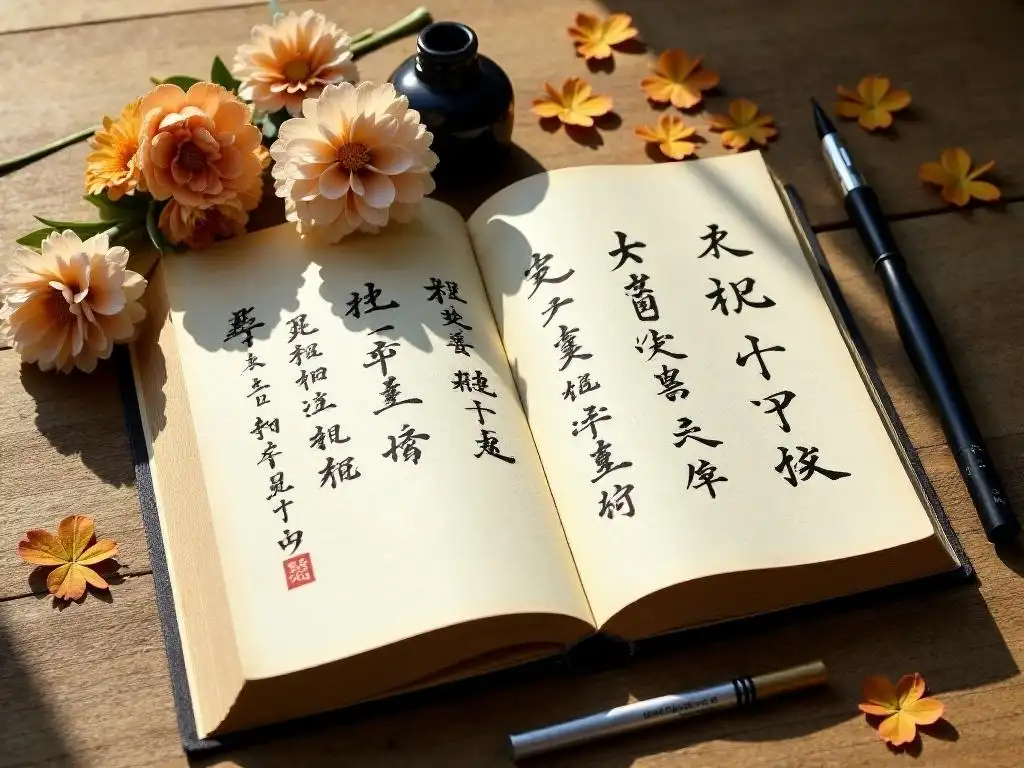
Welcome to Feudal Japan History! Here, we invite you to embark on a fascinating journey through the intricate tapestry of Japan's feudal era, where history, culture, and artistry intertwine. Our latest article, “Personalizing Your Calligraphy: Tips for Adding Unique Touches,” delves into the age-old custom calligraphy techniques that have shaped Japan's artistic expression. Discover the secrets behind these timeless practices and learn how you can infuse your own personality into your creations. Are you ready to explore the beauty and depth of feudal Japan’s calligraphy? Let’s dive in!
Introduction to Custom Calligraphy Techniques in Japan
In the realm of Japanese calligraphy, known as shodō, the art of writing transcends mere words; it is a profound expression of culture, emotion, and individuality. As we explore the topic of custom calligraphy techniques in Japan, we will delve into the ways that practitioners can infuse their own unique styles into this ancient art form. Personalization in calligraphy not only enhances the aesthetic appeal of the written word but also allows the artist to convey their personal narrative, cultural heritage, and creative vision.
The journey of mastering custom calligraphy techniques begins with a solid understanding of traditional practices, yet it encourages artists to explore and innovate, creating pieces that resonate on a personal level. From experimenting with various styles to incorporating unique elements, this article will provide valuable insights and tips for those looking to add distinct touches to their calligraphy work.
The Basics of Japanese Calligraphy
To effectively personalize your calligraphy, it is crucial to grasp the foundational aspects of Japanese calligraphy. This understanding will serve as a springboard for creativity and innovation in your practice.
Overview of Traditional Calligraphy Styles
Japanese calligraphy encompasses several traditional styles, each with its own characteristics and historical significance. Here are a few notable styles:
- Kaisho (楷書): The standard form, known for its clarity and structure.
- Gyōsho (行書): A semi-cursive script that allows for more fluidity and expression.
- Sōsho (草書): The cursive style, which emphasizes speed and aesthetics, often sacrificing legibility for artistic flair.
Understanding these styles will aid in choosing a base from which to personalize your calligraphy.
Essential Tools for Calligraphy in Japan
The right tools are essential for achieving the desired effects in your calligraphy. Here are the primary tools utilized in Japanese calligraphy:
- Brush (筆, fude): The main instrument for writing, available in various sizes and bristle types.
- Ink (墨, sumi): Traditionally made from soot, ink can be ground from an ink stick on an ink stone.
- Paper (和紙, washi): Special calligraphy paper that absorbs ink beautifully, enhancing the overall presentation.
- Seal (印鑑, inkan): A personal stamp used to sign and authenticate pieces, adding a unique touch.
By familiarizing yourself with these tools and their uses, you will be better equipped to explore customization options in your calligraphy.
Custom Calligraphy Techniques: Adding Unique Touches
Personalizing your calligraphy can elevate your work from simply beautiful to a unique expression of your artistic voice. Japanese calligraphy, or Shodō, is rich with tradition and encourages individual interpretation. By integrating custom techniques, you can not only enhance the aesthetic appeal of your pieces but also create a deeper connection to the art form. Here we explore how to infuse personal flair into your calligraphy, making each piece distinctly yours.
Exploring Personal Styles in Japanese Calligraphy
Japanese calligraphy is not merely about writing; it is a deeply expressive art that allows for individual styles to flourish. Each calligrapher develops a signature style influenced by various factors, including personal experiences, emotional states, and artistic preferences. The exploration of personal styles can involve:
- Line Variation: Experiment with different thicknesses and textures in your strokes. This can convey emotion and energy, giving your work a dynamic feel.
- Character Selection: Choose kanji or kana that resonate personally. This could be a favorite word, a meaningful quote, or a significant date, allowing your calligraphy to tell a story.
- Ink Techniques: Try using various inks or creating your own through mixing for different shades and textures, contributing to the uniqueness of your work.
Embracing these variations not only reflects your individuality but also connects your work to the broader narrative of Japanese calligraphy, where personal expression is celebrated.
Techniques for Customization
To further customize your calligraphy, consider incorporating the following techniques:
- Brush Techniques: Adjust your grip and pressure on the brush to achieve different effects. For instance, using lighter pressure for softer strokes can add elegance, while firmer pressure can create bold, commanding lines.
- Paper Choice: The texture and color of your paper significantly affect the final appearance. Experiment with handmade papers, washi, or colored backgrounds to create contrast that enhances your calligraphy.
- Layering Techniques: Layering multiple characters or images can add depth. Create a background with lighter ink or faint characters, then overlay your main text in bolder strokes.
These techniques allow you to create a signature style that reflects your artistic identity while engaging with the rich traditions of Japanese calligraphy.
Incorporating Cultural Elements into Your Calligraphy
Infusing cultural elements into your calligraphy not only pays homage to the rich heritage of Japan but also allows for a more profound personal connection. By integrating historical and cultural motifs, you can create pieces that resonate on multiple levels.
Utilizing Historical Motifs and Symbols
Japanese culture is filled with symbols and motifs that carry deep meanings. Incorporating these elements into your calligraphy can enrich your work:
- Nature Motifs: Cherry blossoms (sakura), waves, and mountains are traditional symbols that can add a natural element to your pieces, evoking feelings of beauty and tranquility.
- Seasonal Themes: Reflecting the four seasons through your calligraphy can connect your work to the cyclical nature of life in Japan. For example, using autumn leaves can symbolize change and reflection.
- Historical References: Drawing inspiration from historical texts or famous poets can lend depth to your work. Consider incorporating quotes from classical literature or traditional proverbs that resonate with your message.
By weaving these motifs into your calligraphy, you create a dialogue between your personal expression and the rich tapestry of Japanese culture.
Celebrating Personal Heritage Through Calligraphy
Calligraphy can serve as a powerful medium for celebrating your personal heritage. By reflecting your background and experiences in your work, you create a unique narrative that honors your identity. Here are some ways to achieve this:
- Cultural Symbols: Include symbols or characters that represent your family history or heritage. This might involve using specific kanji that reflect your family's values or traditions.
- Personal Stories: Write pieces that tell your personal story or the story of your ancestors, incorporating their influences and traditions into your calligraphy.
- Hybrid Styles: Combine elements from different calligraphy styles or cultural influences to create a new hybrid form that reflects your journey and experiences.
Through these methods, your calligraphy becomes a canvas for storytelling, connecting your personal heritage with the broader context of Japanese art and culture. By personalizing your calligraphy in this way, you not only create unique pieces but also contribute to the ongoing dialogue of cultural expression within the art form.
Recommended Products for Custom Calligraphy Techniques in Japan
When it comes to personalizing your calligraphy in the Japanese tradition, having the right tools is essential. This section highlights some of the best products available for enhancing your calligraphy experience. From brushes to inks and papers, each element plays a critical role in achieving unique and expressive results in your writing.
Best Brushes for Custom Calligraphy
The brush is arguably the most important tool in Japanese calligraphy, influencing the flow and style of your characters. Here are some of the best brushes you can use for customizing your calligraphy:
- Sumi Brushes: Made from the hair of various animals, sumi brushes are known for their flexibility and ability to hold ink. They come in various sizes, allowing for intricate details or bold strokes.
- Fude Brushes: These brushes are specifically designed for calligraphy and come in different shapes, such as flat, round, or pointed. Fude brushes allow for versatility in stroke style, making them ideal for personalized designs.
- Bamboo Brushes: Lightweight and durable, bamboo brushes are often used by beginners. They provide a unique texture that can add character to your work.
- Synthetic Brushes: For those looking for cruelty-free options, synthetic brushes offer a great alternative. They mimic the properties of traditional brushes and provide consistency in performance.
Choosing the right brush can greatly affect the outcome of your calligraphy. Experiment with different types to discover which best suits your unique style.
High-Quality Inks for Unique Calligraphic Expression
The ink you use is as vital as the brush. High-quality inks not only enhance the visual appeal of your calligraphy but also affect the flow and drying time. Here are some recommended inks for custom calligraphy:
- Sumi Ink: Traditionally made from soot and water, sumi ink is a staple in Japanese calligraphy. Its rich black color allows for deep, expressive strokes and is ideal for creating contrast.
- Pigment Inks: These inks are vibrant and come in a variety of colors. They are great for adding a personal touch to your calligraphy. Ensure you choose high-quality brands to avoid fading over time.
- Water-based Inks: Easy to clean and available in multiple shades, water-based inks can be used for both traditional and modern calligraphy styles. They allow for layering and blending, enhancing your customization options.
- Metallic Inks: For a unique flair, metallic inks can add shimmer and elegance to your calligraphy. They are perfect for special occasions or artistic projects.
Selecting the right ink will help you achieve a range of effects and personal touches in your calligraphy.
Specialty Papers for Calligraphy Projects
The paper you choose can significantly impact the final presentation of your calligraphy. Here are some specialty papers that work well for custom calligraphy:
- Washi Paper: Made from the fibers of the mulberry tree, washi paper is known for its durability and unique texture. It absorbs ink beautifully, allowing for smooth strokes and rich color.
- Calligraphy Practice Paper: Often printed with guidelines, this paper helps beginners practice their strokes while allowing for customization. It's perfect for honing your skills before moving on to final projects.
- Cotton Paper: This type of paper is soft and has a luxurious feel. It's excellent for projects requiring a more sophisticated touch, such as invitations or certificates.
- Rice Paper: Lightweight and slightly translucent, rice paper can create a delicate effect for your calligraphy. It’s often used in traditional settings and adds a cultural element to your work.
Investing in quality paper will ensure that your personalized calligraphy looks stunning and lasts over time.
Common Mistakes in Customizing Calligraphy and How to Avoid Them
Even seasoned calligraphers can encounter challenges when personalizing their work. Recognizing common pitfalls can help you refine your techniques and achieve better results.
Frequently Encountered Pitfalls
- Inconsistent Stroke Pressure: Failing to maintain consistent pressure on the brush can lead to uneven lines. Practice controlling your stroke pressure to ensure a uniform appearance in your characters.
- Rushing the Process: Calligraphy requires patience. Rushing can lead to mistakes and messy results, undermining your personalization efforts. Take your time to focus on each stroke and its placement.
- Poor Tool Maintenance: Not cleaning your brushes and tools properly can affect your writing quality. Always clean your brushes after use to preserve their shape and performance.
- Choosing the Wrong Materials: Using incompatible inks or papers can hinder the quality of your calligraphy. Always test materials together before starting your project to ensure compatibility.
By being aware of these common mistakes, you can better prepare yourself for successful customization of your calligraphy.
Tips for Successful Personalization
- Experiment with Styles: Don’t hesitate to mix different styles or techniques. Combining traditional and modern elements can create a unique signature look for your calligraphy.
- Practice Regularly: Consistent practice helps improve your skills. Set aside time each week to experiment with new techniques and styles, focusing on personalization.
- Seek Feedback: Don’t shy away from sharing your work with others. Constructive feedback can provide new perspectives and help you refine your approach.
- Stay Inspired: Look for inspiration in other artists’ works. Studying different styles can spark creativity and lead to innovative personal touches in your calligraphy.
Incorporating these tips into your practice will enhance your ability to personalize your calligraphy effectively, leading to unique and expressive pieces that reflect your individual style.
Conclusion: Elevating Your Calligraphy with Personal Touches
Incorporating unique elements into your calligraphy can transform a standard piece into a personalized masterpiece. By experimenting with various custom calligraphy techniques from Japan, you can infuse your own style and emotion into your work. Whether it's through the use of distinctive inks, brushes, or even personalized motifs, these touches not only enhance the visual appeal of your calligraphy but also create a deeper connection between the artist and the art.
Understanding the cultural significance behind certain styles and materials can further enrich your calligraphy. For instance, utilizing traditional Japanese characters or incorporating nature-inspired designs can reflect both your personality and the rich heritage of Japanese calligraphy. Ultimately, the aim is to create works that are not just visually stunning but also meaningful and reflective of your individuality.
Remember, the journey of developing your personal calligraphy style is ongoing. Allow yourself the freedom to explore, learn, and evolve. Each stroke you create is an opportunity to express who you are, making your calligraphy not only a form of art but also a representation of your unique story.
Call to Action
Ready to start your journey into the world of custom calligraphy techniques? Gather your tools, set aside some time for practice, and let your creativity flow! Don’t hesitate to share your creations with fellow enthusiasts and seek feedback to continue improving your skills.
Join our community for more tips, tutorials, and inspiration. Explore the rich tradition of Japanese calligraphy and discover how you can make it your own. Start your personalized calligraphy adventure today! ✍️
- Introduction to Custom Calligraphy Techniques in Japan
- The Basics of Japanese Calligraphy
- Custom Calligraphy Techniques: Adding Unique Touches
- Incorporating Cultural Elements into Your Calligraphy
- Recommended Products for Custom Calligraphy Techniques in Japan
- Common Mistakes in Customizing Calligraphy and How to Avoid Them
- Conclusion: Elevating Your Calligraphy with Personal Touches
- Call to Action
- What are the key custom calligraphy techniques in Japan?
- How can I add a unique touch to my calligraphy?
- What materials are essential for practicing Japanese calligraphy?
- Are there any cultural considerations when practicing calligraphy in Japan?
- Where can I find resources to learn custom calligraphy techniques?
Frequently Asked Questions
What are the key custom calligraphy techniques in Japan?
Japanese calligraphy, or Shodo, incorporates various techniques such as using different brushes, ink types, and paper, allowing for personalization and unique expression.
How can I add a unique touch to my calligraphy?
You can personalize your calligraphy by experimenting with color, brush strokes, and styles. Incorporating symbols or motifs that hold personal significance can also enhance your work.
What materials are essential for practicing Japanese calligraphy?
Essential materials include brushes, sumi ink, washi paper, and an ink stone. Each material contributes to the overall texture and appearance of your calligraphy.
Are there any cultural considerations when practicing calligraphy in Japan?
Yes, understanding the cultural significance of certain characters and styles is crucial. Respect for tradition and the symbolism behind the art can greatly enhance your practice.
Where can I find resources to learn custom calligraphy techniques?
Look for workshops, online tutorials, and books by experts in Japanese calligraphy. Many resources focus on both traditional techniques and ways to add personal flair.
Final Reflection: Embracing Individuality in Custom Calligraphy
In a world increasingly driven by uniformity, the art of custom calligraphy serves as a powerful reminder of the beauty of personalization. The techniques explored in this article not only highlight the intricate craftsmanship of Japanese calligraphy but also emphasize the importance of infusing one's unique identity into every stroke. As we navigate an era where digital communication often overshadows the handwritten word, the resurgence of custom calligraphy invites us to reconnect with the personal touch that makes our messages truly resonate.
Creativity and self-expression are at the heart of calligraphy, influencing not just individual artists but also the broader cultural landscape. The techniques discussed, such as incorporating personal symbols or experimenting with different styles, empower individuals to transform their written words into a reflection of their essence. As the renowned calligrapher, Shozo Sato, once said, Calligraphy is the art of expressing the inexpressible.
This sentiment captures the ongoing influence of calligraphy as a medium for personal storytelling, allowing us to share our narratives in a visually captivating manner.
As you embark on your journey to personalize your calligraphy, I invite you to reflect on the stories you wish to tell and the emotions you want to convey. Consider how you can incorporate your unique experiences and cultural heritage into your work. Let each piece be a testament to your individuality, inspiring others to appreciate the artistry of handwritten communication. In doing so, you not only honor the tradition of custom calligraphy but also contribute to a vibrant tapestry of personal expression that transcends time and space.
Elevate Your Calligraphy: Embrace Your Unique Style!
Thank you for diving into the world of personalized calligraphy with us! We hope you’ve uncovered valuable insights that inspire you to add your unique flair to this beautiful art form. Now, it’s time to take that inspiration and turn it into action!
Here are a few steps you can take to further enhance and personalize your calligraphy journey:
- Experiment with different styles: Choose a calligraphy style that resonates with you and practice it daily.
- Incorporate meaningful symbols: Add personal motifs or cultural elements that reflect your identity into your designs.
- Share your creations: Post your calligraphy on social media or connect with fellow enthusiasts in the calligraphy community.
Now that you’re equipped with some exciting ideas, what unique touches will you add to your calligraphy to tell your story? Let’s inspire each other in the comments below!