
Enhancing Your Skills: Intermediate Techniques in Japanese Calligraphy

Welcome to Feudal Japan History, where we invite you to embark on a captivating journey through the intricate tapestry of Japan's feudal era. Discover the art of Japanese calligraphy techniques as we delve into intermediate skills that elevate your mastery of this timeless craft. Our expert-driven articles are designed to enrich your understanding of not just the techniques, but also the rich cultural heritage that shaped them. Are you ready to enhance your skills and uncover the secrets behind each stroke? Join us as we explore the elegant world of calligraphy and much more!
Japanese calligraphy, or shodō, is an exquisite art form that has evolved over centuries, rooted deeply in the cultural and historical context of Japan. This article aims to guide you through the intermediate techniques of Japanese calligraphy, enhancing your skills and enabling you to appreciate the beauty and precision that this craft embodies. As you delve into the intricate strokes and styles, you will discover not only the technical aspects but also the philosophical underpinnings that make shodō a meditative practice.
In this exploration, we will cover various intermediate techniques, offering insights into how to master the balance between form and expression. Whether you have recently begun your journey or seek to refine your existing skills, the knowledge and practices shared here will elevate your understanding and execution of Japanese calligraphy.
Introduction to Japanese Calligraphy Techniques Intermediate
At the intermediate level of Japanese calligraphy, practitioners are expected to move beyond the basics of stroke order and character formation. This stage involves a deeper understanding of the tools, materials, and the artistic philosophy that governs shodō. Here, we will address key areas that are essential for enhancing your skills:
- Brush Techniques: Transitioning from basic strokes to more complex forms requires mastery of brush pressure, angle, and speed. Intermediate techniques emphasize how to manipulate these elements to create dynamic characters.
- Character Structure: Understanding the balance and proportion of characters is crucial. We will explore how to analyze and deconstruct kanji to grasp their structure effectively.
- Ink and Paper Selection: The choice of ink and paper can dramatically affect the outcome of your calligraphy. We will discuss how different materials influence texture and appearance, and how to select the right combination for your work.
- Personal Style Development: At this level, you are encouraged to begin developing your unique style. We will provide examples of different styles, allowing you to experiment and find your own voice within the art form.
As you progress through this article, you will find practical tips, exercises, and examples that will not only enhance your technical abilities but also deepen your appreciation for the artistry of Japanese calligraphy. Embrace this journey of creativity and expression, and let the strokes of your brush bring your vision to life!
- What are the key intermediate techniques in Japanese calligraphy?
- How can I improve my brush control in Japanese calligraphy?
- What materials are recommended for practicing Japanese calligraphy?
- Are there any online resources for intermediate Japanese calligraphy techniques?
- How long does it typically take to master intermediate techniques in Japanese calligraphy?
Essential Tools for Intermediate Japanese Calligraphy
Choosing the Right Calligraphy Brushes
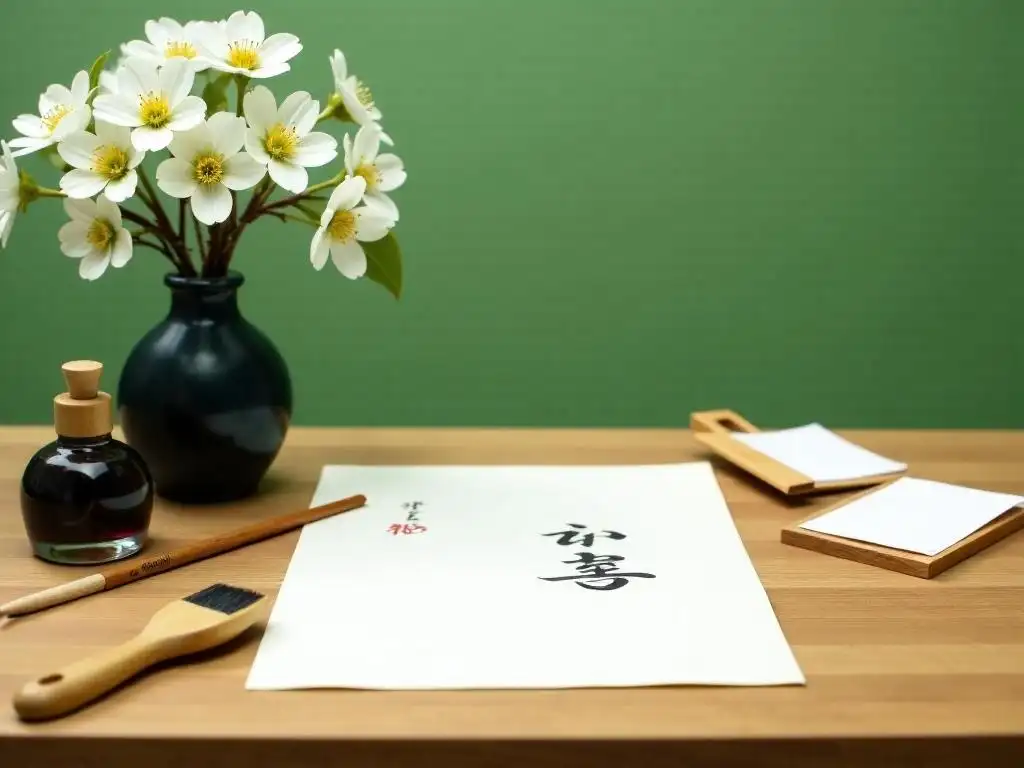
When progressing to intermediate techniques in Japanese calligraphy, the choice of brushes becomes crucial. Unlike beginner brushes, which may be more forgiving, intermediate brushes require a deeper understanding of stroke control and pressure application. Here are some key points to consider when selecting your calligraphy brushes:
- Brush Types: There are several types of calligraphy brushes, each offering unique characteristics:
- Fude: Traditional Japanese brushes made from animal hair. They come in various sizes and shapes, including pointed and flat.
- Sumi Brushes: These brushes are designed specifically for ink work and are excellent for achieving varying line thicknesses.
- Synthetic Brushes: These offer durability and are easier to clean, making them a good choice for those practicing frequently.
- Hair Quality: The quality of hair used in the brush significantly affects the outcome of your work. Natural hair brushes, such as those made from weasel or goat hair, provide better ink retention and flexibility, allowing for more expressive strokes.
- Brush Size: As an intermediate artist, you should have a range of brush sizes. Larger brushes are suitable for bold characters, while smaller brushes help with detailed work.
Investing in high-quality brushes tailored to your style can enhance your skill development and the overall quality of your calligraphy.
Inks and Paper: Key Components for Quality Work
The combination of ink and paper is fundamental in achieving the desired results in Japanese calligraphy. Understanding the properties of both will greatly enhance your work.
- Inks:
- Sumi Ink: Traditionally made from soot and animal glue, sumi ink is the preferred choice for calligraphy due to its rich black color and smooth application.
- Pre-mixed Inks: These can be convenient, but they may lack the depth and variation of traditional sumi ink. Always choose high-quality, lightfast inks to ensure your work lasts.
- Paper Types:
- Washi Paper: Made from long fibers of the mulberry tree, washi is highly absorbent and allows for crisp lines and smooth strokes. Different weights and textures can influence your technique.
- Rice Paper: This type of paper absorbs ink well, making it ideal for expressive brushwork. However, it can be fragile, so careful handling is necessary.
| Paper Type | Characteristics | Best For |
|---|---|---|
| Washi | Absorbent, durable | Traditional styles |
| Rice | Smooth, delicate | Expressive strokes |
By choosing the right ink and paper, you can better express your artistic vision and improve your calligraphy technique.
Setting Up Your Workspace for Calligraphy Practice
A well-organized workspace is essential for effective practice in Japanese calligraphy. Here are some tips to create an optimal environment:
- Table Height: Ensure your writing surface is at a comfortable height. A table that allows you to sit with your back straight and elbows supported will help maintain good posture during long sessions.
- Lighting: Good lighting is crucial. Natural light is ideal, but if that’s not possible, consider using bright, white LED lights to illuminate your workspace without casting shadows.
- Materials Organization: Keep your brushes, ink, and paper easily accessible. Consider using a dedicated calligraphy toolbox or cart to store your supplies neatly. This reduces the time spent searching for materials and allows you to focus on your work.
- Practice Space: Allocate a designated area free from distractions. This should be a quiet space where you can concentrate fully on your calligraphy practice.
By thoughtfully setting up your workspace, you create an environment conducive to mastering intermediate Japanese calligraphy techniques, allowing you to focus on developing your skills and expressiveness.
Intermediate Techniques in Japanese Calligraphy
Japanese calligraphy, known as Shodō, is an art form that beautifully combines aesthetics with technique. As practitioners move beyond the basics, intermediate techniques become essential for elevating their skillset. This section will delve into mastering the fundamental strokes, blending traditional and modern styles, and enhancing brush control techniques, providing a comprehensive guide for those looking to refine their Japanese calligraphy techniques.
Mastering the Basic Strokes
At the heart of Japanese calligraphy lies a series of fundamental strokes that form the building blocks of all characters. Mastering these strokes is crucial for any intermediate practitioner. Here are some key strokes to focus on:
- Hane (跳ね): This upward flick adds elegance to characters.
- Tate (立て): A vertical stroke that forms the backbone of many kanji.
- Yoko (横): The horizontal stroke that provides balance and structure.
- Kurabe (比べ): A comparative stroke that helps in understanding the relationship between different characters.
Practice Techniques
To effectively master these strokes, consider the following practice techniques:
- Repetition: Write each stroke repeatedly to build muscle memory.
- Slow Motion: Practice slowly to focus on form and pressure applied.
- Mirror Writing: Write strokes in reverse to enhance spatial awareness and control.
Combining Traditional and Modern Styles
One of the most compelling aspects of Japanese calligraphy is the seamless merging of traditional and modern styles. Intermediate practitioners can explore this fusion to create unique works that reflect personal expression.
Traditional Styles
- Kaisho (楷書): The standard script, emphasizing clarity and structure.
- Gyousho (行書): The semi-cursive style that allows for fluidity and speed.
Modern Styles
- Experimental Calligraphy: Incorporating elements like color and mixed media.
- Digital Calligraphy: Using tablets and software to create calligraphic art.
Techniques for Fusion
- Layering: Start with a traditional character and overlay modern elements.
- Contrast: Use bold colors against classic black ink to highlight differences.
- Incorporation of Symbols: Blend Western symbols or letters with Japanese characters to create a new narrative.
Advanced Brush Control Techniques
As you progress in your calligraphy journey, developing advanced brush control is vital. This technique allows for greater expression and precision in your writing.
Key Aspects of Brush Control
- Pressure Control: Varying the pressure applied to the brush can create dynamic line weights.
- Angle Adjustment: Changing the angle of the brush can alter the stroke appearance dramatically.
- Speed Variation: Adjusting the speed of your strokes can produce different textures and fluidity.
Practice Exercises
To enhance brush control, try these exercises:
- Stroke Variation: Write a single character multiple times, adjusting pressure and speed with each stroke.
- Controlled Breathing: Practice breathing techniques to maintain a steady hand while writing.
- Use of Different Brushes: Experiment with brushes of varying sizes and stiffness to understand how they affect your control and output.
By focusing on these intermediate techniques in Japanese calligraphy, practitioners can significantly enhance their skills. Mastering basic strokes, creatively blending styles, and honing brush control are essential steps in the journey toward becoming a proficient calligrapher. 🎨
Incorporating Cultural Elements into Your Calligraphy
Understanding the Cultural Significance of Characters
Japanese calligraphy, or shodō, is not merely an artistic endeavor; it is a profound expression of the culture, history, and philosophy of Japan. Each character, or kanji, carries a depth of meaning that extends beyond its visual representation, intertwining with the cultural narratives and values of Japanese society.
The Essence of Kanji
Kanji characters are derived from Chinese writing and have evolved over centuries. Each kanji encapsulates specific concepts and emotions, often reflecting the values attributed to different aspects of life. For example:
- 愛 (ai): Love
- 平和 (heiwa): Peace
- 夢 (yume): Dream
Understanding these characters' cultural significance is crucial when practicing intermediate Japanese calligraphy techniques. Each stroke and the overall composition of the kanji can evoke different feelings and interpretations, adding layers of meaning to your work.
Historical Context
The historical backdrop of Japan significantly influences the style and interpretation of kanji. The transition from the Heian era to the Edo period saw varying aesthetic preferences, which still resonate in contemporary calligraphy. For instance, the sōsho style, characterized by its flowing, cursive forms, emerged during the Muromachi period and reflects a more spontaneous, expressive approach to writing. Recognizing these historical elements can greatly enhance the depth of your calligraphic pieces.
Creating Art Pieces with Japanese Calligraphy
Creating art pieces using Japanese calligraphy involves a blend of technical skill and creative expression. As you progress in your intermediate techniques, consider the following aspects to elevate your artwork.
Selecting the Right Tools
The tools you choose play a crucial role in the outcome of your calligraphy. Traditional calligraphy tools include:
- Brush (fude): The primary tool for writing, available in various sizes and shapes.
- Ink (sumi): Made from soot and animal glue, sumi has a unique texture and depth.
- Rice Paper (washi): Known for its absorbency and texture, it enhances the visual impact of your work.
Experimenting with different combinations of these tools can lead to varying effects and styles, allowing you to find your unique artistic voice.
Composition and Layout
The composition of your calligraphy piece is just as important as the characters themselves. Pay attention to:
- Balance: Ensure that the visual weight of the characters is evenly distributed across the paper.
- Whitespace: Leaving appropriate whitespace can enhance the overall aesthetic and allow the characters to breathe.
- Flow: Consider the movement of the brush and how it guides the viewer's eye across the piece.
Thematic Inspiration
Drawing inspiration from various themes can significantly enrich your calligraphy. Whether it's nature, traditional poetry, or personal experiences, integrating these themes can give your work a unique identity. For instance, using a seasonal theme like 春 (haru) for spring can inspire a light, airy composition, while a winter theme such as 雪 (yuki) can evoke a more serene and subdued atmosphere.
Conclusion
Incorporating cultural elements and understanding the significance of characters in Japanese calligraphy not only enhances your technical skills but also deepens your appreciation for this beautiful art form. As you continue to explore intermediate techniques, remember that each stroke is an opportunity to connect with the rich history and culture of Japan, transforming your calligraphic practice into a meaningful artistic journey.
Resources for Further Learning
Online Courses and Tutorials
In the digital age, numerous platforms offer online courses and tutorials focused on Japanese calligraphy techniques intermediate. These resources cater to varying skill levels and learning preferences. Here are some notable options:
- Skillshare:
- Provides a range of courses from beginner to advanced levels.
- Classes cover specific techniques, such as kaisho (block style) and gyosho (semi-cursive style).
- Udemy:
- Features comprehensive courses that delve into historical aspects of Japanese calligraphy.
- Offers video lessons that guide you through the nuances of brush strokes and ink application.
- YouTube:
- A treasure trove of free content, where skilled calligraphers share tips and tricks.
- Channels like The Art of Japanese Calligraphy provide step-by-step demonstrations.
- Local Art Schools:
- Many art schools now offer online classes focusing on traditional arts, including Japanese calligraphy.
- Check local institutions for virtual workshops that might enhance your learning experience.
By participating in these courses, learners can not only improve their skills but also connect with instructors and fellow enthusiasts, fostering a community around the art of calligraphy.
Books and Guides on Japanese Calligraphy Techniques
Books remain a valuable resource for enhancing your understanding of Japanese calligraphy techniques intermediate. They often provide in-depth analysis, historical context, and practical exercises. Here are some recommended titles:
- "The Art of Japanese Calligraphy" by Kazuaki Tanahashi:
- Offers a comprehensive overview of various styles and techniques.
- Includes beautiful illustrations and examples from master calligraphers.
- "Japanese Calligraphy: A Complete Guide" by Shozo Sato:
- This guide provides a structured approach, discussing tools, materials, and methods.
- Each chapter includes exercises to practice intermediate techniques.
- "Calligraphy in Ten Steps" by Maryanne Grebenstein:
- While not exclusively about Japanese calligraphy, this book offers insight into brush control and lettering that can be applied to Japanese styles.
- Great for building foundational skills before advancing.
- "Kanji Calligraphy for Beginners" by Aiko Kato:
- Focuses specifically on kanji characters, integrating cultural meanings into practice.
- Ideal for those looking to enhance their understanding of character formation in calligraphy.
These books not only serve as instructional guides but also inspire creativity and appreciation for the rich history of Japanese calligraphy. Whether you are a novice or advancing your skills, these resources will enhance your practice and deepen your knowledge of this beautiful art form.
Frequently Asked Questions
What are the key intermediate techniques in Japanese calligraphy?
Intermediate techniques include kanji composition, brush control, and ink consistency, which help in creating more fluid and expressive characters.
How can I improve my brush control in Japanese calligraphy?
Practicing strokes consistently, focusing on pressure and angle, and using different brush sizes can significantly enhance your brush control skills.
What materials are recommended for practicing Japanese calligraphy?
For intermediate learners, using high-quality ink, rice paper, and a brush suited for calligraphy is essential to achieve the best results.
Are there any online resources for intermediate Japanese calligraphy techniques?
Yes, numerous websites and video platforms offer tutorials and demonstrations focusing on intermediate techniques that cater to different styles and preferences.
How long does it typically take to master intermediate techniques in Japanese calligraphy?
The time varies by individual, but with consistent practice and dedication, most practitioners can expect to see improvement within a few months.
Final Reflection: The Art of Mastery in Japanese Calligraphy
As we explore the intricate world of Japanese calligraphy techniques intermediate, it becomes evident that the pursuit of mastery in this art form is not just about perfecting strokes or understanding ink flow. It is a journey that mirrors our personal and professional growth, emphasizing the importance of patience, practice, and passion. In today's fast-paced environment, where instant gratification often overshadows the beauty of gradual improvement, the dedication required in mastering calligraphy stands as a powerful reminder of the value of perseverance and the joy found in the process of learning.
The influence of Japanese calligraphy extends far beyond the canvas; it permeates our cultural and social landscapes, encouraging mindfulness and creativity. Engaging with this art form fosters a deeper connection to tradition and self-expression, allowing individuals to reflect on their own journeys. As the renowned calligrapher Shozo Sato once said, Calligraphy is not just about writing; it is a way of seeing the world.
This perspective invites us to appreciate the nuances of our experiences and the beauty that arises from dedication and attention to detail.
As you reflect on the techniques discussed in this article, I encourage you to embrace your own journey in Japanese calligraphy. Consider how the lessons learned through each stroke can be applied to your life—whether in your career, relationships, or personal growth. Take a moment to pick up a brush, let your creativity flow, and remember that every masterpiece begins with a single stroke. Your path to mastery is not just about the destination; it is about the joy of the journey itself.
Embrace Your Creativity—Start Practicing Japanese Calligraphy Today!
Thank you for diving into the art of Japanese calligraphy with us! We hope this article has opened your eyes to the beauty of intermediate techniques and inspired you to refine your skills further. Now, it’s time to take action and incorporate these beautiful practices into your daily routine!
Here are some steps you can take to deepen your calligraphy journey:
- Set aside 30 minutes each day to practice the techniques discussed in this article and explore various styles.
- Join a local or online calligraphy group to connect with fellow enthusiasts, share your progress, and learn from one another.
- Experiment with different materials, such as ink and brushes. You may discover a unique combination that enhances your artistic expression!
As you embark on this journey, consider how calligraphy can serve as a form of mindfulness. What personal creation will you produce that reflects your unique relationship with this art form? We’d love to hear your thoughts in the comments!