
The Beauty of Hiragana: Creating Elegant Scripts with Ease

Welcome to Feudal Japan History, where we invite you to delve into the rich tapestry of Japan's feudal era—a period teeming with cultural marvels and historical significance. In this exploration, we shine a spotlight on a timeless art form: Japanese calligraphy techniques for beginners. Discover the elegance of Hiragana as we guide you through the enchanting world of script creation. Are you ready to unlock the secrets behind each stroke and breathe life into your own writing? Join us as we embark on this fascinating journey into the artistry that defined an era!
Japanese calligraphy, known as shodō (書道), is a revered art form that combines beauty, precision, and cultural significance. It is an intricate practice that transcends mere writing; it embodies the spirit and aesthetics of Japan. In this article, we will embark on a comprehensive exploration of Japanese calligraphy techniques for beginners, focusing on the elegant script of hiragana. Hiragana is essential for mastering Japanese written language, making it an ideal starting point for those new to the world of calligraphy.
As we delve into this fascinating subject, we will cover the fundamental principles of Japanese calligraphy, essential tools, and techniques that will empower you to create graceful and expressive scripts. Whether you are a complete novice or someone seeking to refine your skills, this guide aims to provide valuable insights and practical tips to foster your artistic journey.
Introduction to Japanese Calligraphy Techniques for Beginners
Japanese calligraphy, with its rich history and artistic depth, is more than just a method of writing; it is a profound expression of emotion and culture. For beginners, understanding the nuances of this art form can be both exciting and daunting. However, with the right approach and techniques, anyone can learn to create beautiful characters that reflect their personality and style.
The journey into the realm of Japanese calligraphy begins with the understanding of its foundational elements. Key aspects such as brush strokes, ink types, and paper selection are pivotal in mastering the art of writing hiragana. With a focus on these basics, beginners can develop their skills and appreciate the beauty inherent in Japanese scripts.
The Fundamentals of Japanese Calligraphy
To effectively engage with Japanese calligraphy, one must first grasp its fundamental principles. Here are some key components to consider:
- Tools of the Trade:
- Brush (Fude): The primary tool used in calligraphy, available in various sizes and shapes.
- Ink (Sumi): Traditional ink made from soot, which can be either liquid or solid.
- Paper (Washi): Special Japanese paper that absorbs ink beautifully.
- Strokes and Techniques:
- Understanding the basic strokes is crucial. Each character is composed of specific strokes that must be executed with precision.
- Practicing these strokes helps in achieving fluidity and consistency.
- Posture and Grip:
- Maintaining the proper posture and grip on the brush is essential for control and comfort during writing.
- Mindfulness and Focus:
- Calligraphy is not just about the result; it is a meditative process that encourages mindfulness and concentration.
By mastering these fundamentals, beginners can build a solid foundation that enhances their calligraphy practice.
Key Japanese Calligraphy Techniques for Beginners
As you embark on your journey into the world of Japanese calligraphy, here are some essential techniques to keep in mind:
- Basic Strokes Practice:
- Start with simple strokes such as horizontal and vertical lines, dots, and curves. Repetition is key to muscle memory.
- Character Formation:
- Break down complex hiragana characters into manageable components. Focus on one character at a time to ensure accuracy.
- Breath Control:
- Use your breath to guide your brush strokes, allowing for smoother transitions and more controlled movements.
- Experiment with Ink and Pressure:
- Varying the amount of pressure applied to the brush can create different thicknesses and textures in your writing.
- Regular Practice:
- Consistency is crucial in developing your skills. Set aside time each day to practice and refine your technique.
By incorporating these techniques into your practice, you will not only improve your calligraphy skills but also deepen your appreciation for this beautiful art form. Embrace the journey, and let each stroke tell your unique story.
Exploring Hiragana: The Elegant Script
Hiragana is one of the three scripts used in the Japanese writing system, alongside Katakana and Kanji. It is a phonetic alphabet consisting of 46 basic characters, each representing a distinct sound. This script is known for its fluidity and grace, making it a favorite among calligraphers. Hiragana is often used for native Japanese words, grammatical elements, and when teaching the language to beginners. Its flowing lines and rounded shapes create a visual harmony that captivates both the writer and the reader, embodying the aesthetic principles of Japanese calligraphy.
The beauty of Hiragana lies in its simplicity and elegance. Unlike Kanji, which can be complex and intricate, Hiragana characters are designed to be more approachable, allowing for a more personal and expressive style in calligraphy. This accessibility makes Hiragana an excellent starting point for beginners who wish to explore the art of Japanese calligraphy.
Moreover, mastering Hiragana unlocks the door to understanding the rhythm and flow of the Japanese language, providing a strong foundation for further studies in calligraphy and language arts.
The History of Hiragana in Japanese Calligraphy
The origins of Hiragana date back to the 8th century during the Heian period, when it was developed as a form of simplified writing derived from Kanji. Initially, Hiragana was used primarily by women, as the formal education of the time was predominantly reserved for men. Women employed Hiragana for literary works, poetry, and personal letters, leading to a rich tradition of female authorship in Japanese literature.
As time progressed, Hiragana gained acceptance and became an essential component of the Japanese writing system. By the Edo period (1603-1868), it was widely used in conjunction with Kanji, reflecting the evolving nature of Japanese society and language. The calligraphic style of Hiragana also matured, with renowned calligraphers developing unique techniques that emphasized the beauty of its flowing strokes.
Today, Hiragana is not only a vital aspect of language education but also a celebrated form of artistic expression in Japanese calligraphy. Calligraphers continue to explore and innovate within its framework, creating works that honor its rich history while pushing the boundaries of creativity.
Step-by-Step Guide: Writing Hiragana Characters
Learning to write Hiragana involves understanding the basic strokes and their order, which is crucial for creating elegant and legible characters. Here’s a simple step-by-step guide to get you started:
- Familiarize Yourself with the Characters: Start by studying the 46 Hiragana characters. Use flashcards or charts to help with memorization.
- Understand Stroke Order: Each character has a specific stroke order that needs to be followed. This order is essential for maintaining balance and fluidity in your writing.
- Practice Basic Strokes:
- Vertical Strokes: Practice drawing straight lines from top to bottom.
- Horizontal Strokes: Draw lines from left to right.
- Curved Strokes: Create smooth curves to form the rounded shapes characteristic of Hiragana.
- Write Individual Characters: Focus on one character at a time. Write it several times while paying attention to stroke order and proportions.
- Combine Characters: Once you feel comfortable with individual characters, start writing simple words or phrases. This will help you practice connecting letters fluidly.
- Refine Your Style: Experiment with different brush strokes and pressure levels to develop your unique calligraphic style.
- Seek Feedback: Share your work with peers or instructors who can provide constructive criticism and guidance.
- Consistent Practice: Regular practice is key to improvement. Set aside time each day to write and refine your Hiragana skills.
Tools and Resources for Japanese Calligraphy
To embark on your journey into Japanese calligraphy, having the right tools is essential. Here, we explore various resources that can assist beginners in mastering the art of Hiragana.
Recommended Products for Beginners
- Calligraphy Pens: Look for pens specifically designed for calligraphy, such as brush pens or fountain pens with flexible tips. These tools allow for greater control and variation in line thickness.
- Paper: Choose smooth, high-quality paper that can handle ink well. Practice papers often have guidelines printed to help beginners maintain proper proportions.
- Inks: Traditional calligraphy uses sumi ink, which is rich and dark. Beginners can also opt for bottled calligraphy ink or even brush pens filled with ink for convenience.
- Calligraphy Guides: Invest in instructional books or workbooks that provide examples, practice sheets, and stroke order guides for Hiragana characters.
- Workshops: Consider attending local or online workshops that focus on Japanese calligraphy. They provide valuable hands-on experience and guidance from experienced instructors.
Digital Tools for Practicing Japanese Calligraphy
In our digital age, various online resources and applications can enhance your calligraphy practice:
- Apps: Several mobile applications are designed specifically for learning Japanese scripts. These apps often feature interactive lessons on stroke order, character recognition, and practice exercises.
- Online Videos: Platforms like YouTube offer numerous tutorials where skilled calligraphers demonstrate techniques for writing Hiragana, providing visual guidance that can be immensely helpful.
- Digital Tablets: Using a digital tablet with a stylus allows for practice without the need for physical materials. Many drawing apps feature templates for Hiragana characters, enabling you to practice stroke order and character formation.
- Online Communities: Joining forums or social media groups dedicated to Japanese calligraphy can provide support, inspiration, and feedback from fellow learners and experts.
- Web-Based Courses: Many websites offer structured courses in Japanese calligraphy that cover both the artistic and historical aspects, allowing for a well-rounded learning experience.
By utilizing these tools and resources, beginners can cultivate their skills in Japanese calligraphy, especially in the elegant art of Hiragana.
Advanced Techniques in Japanese Calligraphy
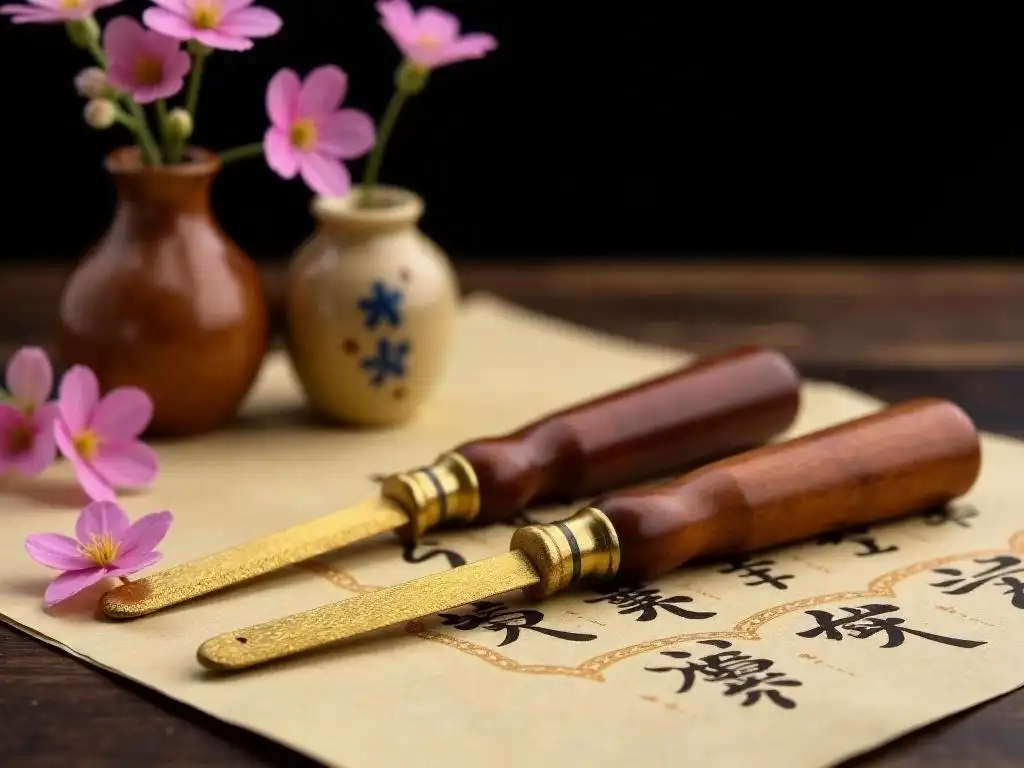
Japanese calligraphy, or shodō, is a beautiful art form that combines aesthetic expression with technical skill. Once you have mastered the basics of hiragana, you can explore advanced techniques that can elevate your calligraphy to new heights. Here are several methods to consider:
- Sumi-e Techniques: Incorporating traditional ink wash techniques can add depth and texture to your scripts. Practicing sumi-e alongside your hiragana can help you understand how to use brush strokes more dynamically.
- Variations in Stroke Order: Experimenting with different stroke orders can lead to unique styles. While traditional stroke order is crucial for consistency, exploring variations can help you develop a personal style.
- Using Different Brushes: The type of brush you use significantly affects your calligraphy. Try experimenting with brushes of varying sizes and shapes to see how they influence your strokes. A larger brush can create bold, sweeping lines, while a finer brush can help with intricate detail.
- Incorporating Color: While traditional calligraphy primarily uses black ink, adding color can bring a modern twist to your work. Watercolors or colored inks can be applied to enhance the visual appeal and expressiveness of your hiragana.
- Texture and Paper Choice: The choice of paper can greatly affect the outcome of your calligraphy. Experimenting with different textures and weights can yield various results, from smooth, flowing scripts to more textured, dynamic pieces.
Elevating Your Hiragana Skills
To truly elevate your hiragana skills, practice is essential. Here are some strategies that can help you improve:
- Daily Practice Routine: Establish a consistent practice schedule, dedicating at least 15-30 minutes each day to focus on your brushwork and stroke techniques. This regularity fosters muscle memory and promotes improvement.
- Mindful Observation: Take time to study the hiragana characters in various calligraphy styles. Observing the nuances in different artists’ work can inspire your own techniques and help you understand the subtleties of form.
- Utilize Guides and Grids: Using grids can help you maintain proportion and balance in your characters. Many calligraphy practice sheets are available that provide a structured approach to writing hiragana.
- Join a Community: Engaging with other calligraphy enthusiasts can provide valuable feedback and motivation. Consider joining a local class or an online community where you can share your work and learn from others.
- Record Your Progress: Keeping a calligraphy journal can help you track your improvements over time. Documenting your work allows you to reflect on your journey and identify areas for further development.
Common Challenges and Solutions in Japanese Calligraphy
Despite the beauty of hiragana, many beginners encounter challenges that can hinder their progress. Identifying these issues is the first step toward finding effective solutions.
- Inconsistent Stroke Pressure: Maintaining consistent pressure on the brush can be difficult for beginners. To address this, practice slow, deliberate strokes, gradually increasing your speed as you gain confidence.
- Improper Grip: An incorrect grip can lead to fatigue and poor control. Ensure you hold the brush lightly between your thumb and forefinger, allowing for fluid movement while supporting the brush with the other fingers.
- Lack of Confidence: Many beginners struggle with self-doubt, which can negatively impact their performance. Remind yourself that mastery takes time, and focus on enjoying the process rather than striving for perfection.
Troubleshooting Your Calligraphy Techniques
If you find yourself facing specific challenges in your calligraphy practice, consider these troubleshooting tips:
- Bumpy Lines: If your lines appear bumpy or shaky, slow down and concentrate on the mechanics of your stroke. Practicing basic strokes separately can help you regain control.
- Characters Too Small or Large: If your characters are inconsistent in size, use guides to help maintain proportion. When practicing, pay attention to the specified height and width of each character.
- Ink Blots or Smudges: To minimize blots, ensure your brush is not overloaded with ink. Additionally, practice writing with a lighter hand and allow ink to dry before handling your work.
- Uneven Character Spacing: Pay attention to the spacing between characters as you write. Consistent spacing contributes to a harmonious overall appearance. Utilizing grids can be particularly effective in helping you gauge spacing.
By addressing these common challenges with effective strategies, you can enhance your calligraphy practice and enjoy the art of creating elegant hiragana scripts.
Conclusion: Embracing the Art of Japanese Calligraphy
The art of Japanese calligraphy, particularly through the elegant strokes of Hiragana, is not merely a method of writing but a profound expression of culture and identity. As you delve into the intricate world of Japanese calligraphy techniques for beginners, you will discover that each stroke tells a story, reflecting the beauty and philosophy of the Japanese language.
Practicing Hiragana can cultivate patience and mindfulness, offering a meditative experience that transcends the act of writing. The fluidity and grace of the characters encourage artists, both novice and experienced, to develop their unique style. With time, one can appreciate the subtle nuances of each character, enhancing both the aesthetic and emotional resonance of their work.
Moreover, embracing this art form can lead to a greater understanding of Japanese culture, as Hiragana serves as a bridge between the past and the present. It connects the rich literary traditions of Japan with contemporary expressions of creativity. By mastering the foundational techniques of calligraphy, you not only enrich your artistic skills but also engage with a significant part of Japan's cultural heritage.
Call to Action: Start Your Japanese Calligraphy Journey Today
Are you ready to explore the enchanting world of Japanese calligraphy? Whether you're a complete beginner or someone looking to refine your skills, now is the perfect time to embark on your journey. Here’s how you can get started:
- Gather Your Materials: Invest in basic calligraphy tools such as brushes, ink, and rice paper. Many beginner kits are available that include all the essentials.
- Learn the Basics: Familiarize yourself with the fundamental strokes of Hiragana. Practice each character repeatedly to build muscle memory and confidence.
- Join a Community: Seek out local or online calligraphy groups where you can share your work, receive feedback, and learn from others. Engaging with fellow enthusiasts can greatly enhance your learning experience.
- Practice Regularly: Dedicate time each week to practice. Consistency is key in mastering any skill, and calligraphy is no exception.
- Explore Advanced Techniques: As you become more comfortable, experiment with different styles and techniques. Challenge yourself to create unique compositions that reflect your personal artistic voice.
Embark on your Japanese calligraphy adventure today! The beauty of Hiragana awaits you, promising not only artistic fulfillment but also a deeper connection to Japan’s rich history and culture. 🌸
- Introduction to Japanese Calligraphy Techniques for Beginners
- The Fundamentals of Japanese Calligraphy
- Exploring Hiragana: The Elegant Script
- Tools and Resources for Japanese Calligraphy
- Advanced Techniques in Japanese Calligraphy
- Common Challenges and Solutions in Japanese Calligraphy
- Conclusion: Embracing the Art of Japanese Calligraphy
- Call to Action: Start Your Japanese Calligraphy Journey Today
Frequently Asked Questions
What is Hiragana in Japanese calligraphy?
Hiragana is one of the three main scripts used in Japan, characterized by its curved and flowing lines. It is essential for beginners to learn as it forms the foundation of Japanese writing.
How can beginners start practicing Hiragana calligraphy?
Beginners can start by using guidelines and templates to practice strokes. Focusing on proper brush techniques and maintaining a consistent style will aid in developing elegant scripts.
What materials are needed for Hiragana calligraphy?
To practice Hiragana calligraphy, you will need calligraphy brushes, ink, and rice paper. These materials help achieve the smooth strokes and delicate finishes that characterize Japanese calligraphy.
Are there specific techniques for writing Hiragana elegantly?
Yes, specific techniques include stroke order, pressure control, and spacing. Mastering these techniques is crucial for creating balanced and aesthetically pleasing characters.
Where can I find resources to improve my Hiragana calligraphy skills?
Many online platforms offer tutorials, videos, and workshops focused on Hiragana calligraphy. Books on Japanese calligraphy techniques can also provide structured learning and practice exercises for beginners.
Final Reflection: Embracing the Elegance of Hiragana in Calligraphy
The art of Japanese calligraphy, particularly through the lens of Hiragana, remains profoundly relevant in today's fast-paced digital world. As we navigate an era dominated by technology, the timeless beauty of hand-written scripts serves as a reminder of the value of patience and mindfulness in our creative expressions. The elegance of Hiragana not only enriches our understanding of Japanese culture but also invites us to slow down and appreciate the artistry involved in each stroke.
Hiragana has transcended its role as a mere writing system to become a cultural symbol that fosters connection and creativity. The simplicity and fluidity of Hiragana encourage beginners to explore their artistic potential while deepening their appreciation for the nuances of Japanese language and culture. Calligraphy is a way of expressing the beauty of the heart.
This quote encapsulates the essence of how engaging with Hiragana can inspire us to reflect on our own emotions and experiences, making the practice of calligraphy a deeply personal journey.
As you embark on your own exploration of Japanese calligraphy techniques, I invite you to embrace the beauty of Hiragana as a means of self-expression and connection. Take a moment to reflect on how this art form can enrich your life, allowing you to cultivate patience, creativity, and a deeper appreciation for the world around you. Whether you are a beginner or an experienced artist, let the elegance of Hiragana guide you on a path of discovery and inspiration, reminding you that every stroke tells a story worth sharing.
Unleash Your Creativity with Hiragana Today!
Thank you for diving into the enchanting world of Hiragana! You've discovered how this elegant script can enhance your understanding of Japanese culture and language. Now, it's time to put that knowledge into action and let your creativity soar!
- Start practicing Hiragana by creating your own calligraphy pieces. Grab a brush and paper, and let the strokes flow!
- Share your creations on social media to inspire others and connect with a vibrant community of fellow learners.
- Explore online resources for advanced techniques and calligraphy styles to elevate your skills even further.
What unique Hiragana phrase will you transform into a work of art? Share your thoughts and inspire others in the comments below!