
Calligraphy in Japanese Culture: Understanding Its Historical Context

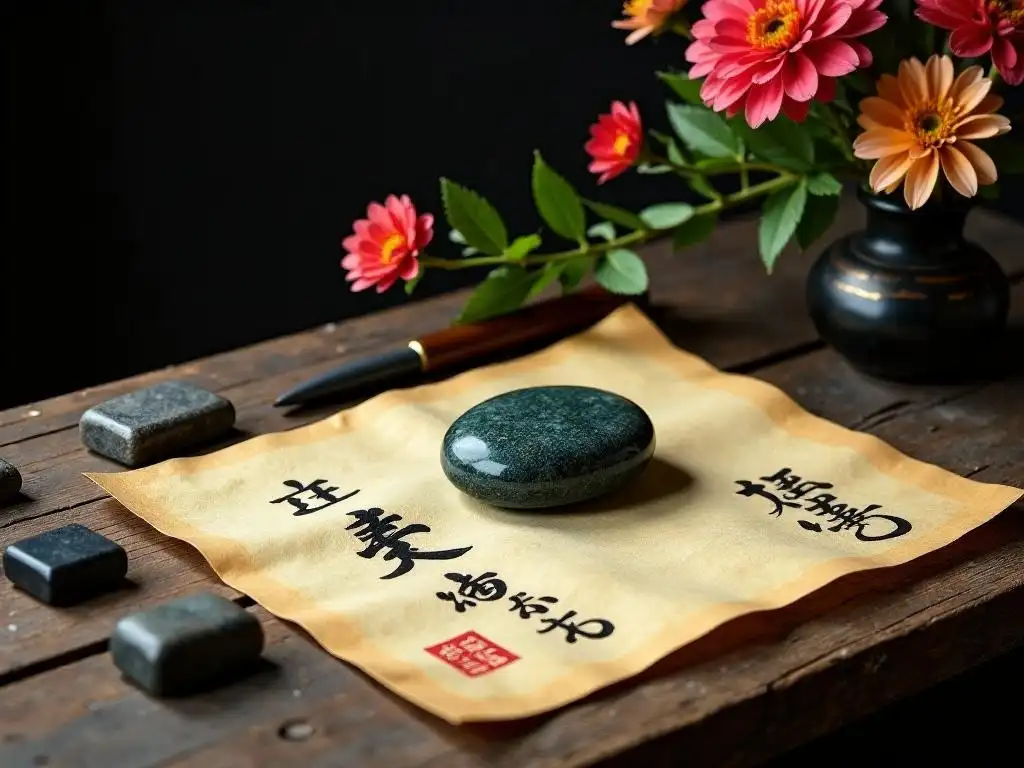
Welcome to Feudal Japan History, where we embark on a captivating journey through the intricate tapestry of Japan's feudal era. Here, we delve into the rich cultural and historical significance of various aspects, from traditions to art forms. In our featured article, "Calligraphy in Japanese Culture: Understanding Its Historical Context," we unravel the elegant strokes and profound meanings behind Japanese calligraphy. What secrets does this ancient art hold? Join us as we explore its role in shaping societal values and cultural identity, igniting your curiosity to discover more about this fascinating facet of Japanese heritage.
- Introduction to Japanese Calligraphy Historical Significance
- The Origins of Japanese Calligraphy
- The Role of Calligraphy in Feudal Japan
- Key Figures in Japanese Calligraphy History
- Techniques and Tools Used in Japanese Calligraphy
- Modern Interpretation and Practice of Japanese Calligraphy
- The Cultural Significance of Calligraphy Today
- Conclusion: The Lasting Legacy of Japanese Calligraphy
- Additional Resources
- Frequently Asked Questions
- Final Reflection: The Enduring Legacy of Japanese Calligraphy
- Unveil the Beauty of Calligraphy Today!
Introduction to Japanese Calligraphy Historical Significance
Japanese calligraphy, known as "shodō" (書道), is a profound and intricate art form that has played a significant role in the cultural and historical tapestry of Japan. This ancient practice transcends mere writing; it embodies the spirit and philosophy of the Japanese people, reflecting their values, aesthetics, and connection to nature.
The historical significance of Japanese calligraphy is not only rooted in its artistic expression but also in its impact on literacy, education, and the preservation of cultural identity throughout the centuries. Understanding the evolution of this art form offers insights into the broader societal changes that have shaped Japan's history, making it an essential topic for those interested in the cultural heritage of this remarkable nation.
Overview of Japanese Calligraphy
Japanese calligraphy finds its origins in the introduction of Chinese characters, or "kanji," to Japan around the 5th century. Over the centuries, this art evolved, with distinctive styles emerging that reflect local aesthetics and philosophies. Today, a variety of scripts are practiced, including kaisho (block style), gyōsho (semi-cursive), and sōsho (cursive), each with its unique characteristics and applications. Calligraphy has been utilized in various contexts, from religious texts to poetry and personal correspondence, highlighting its versatility and enduring influence.
- Key Features of Japanese Calligraphy:
- Tools: Traditionally, calligraphy requires a brush (fude), ink (sumi), inkstone (suzuri), and paper (washi). Each tool contributes to the unique expression of the calligrapher.
- Styles: Different styles can convey various emotions and messages, with each brushstroke reflecting the calligrapher's intent and spirit.
- Philosophy: Japanese calligraphy is often intertwined with Zen Buddhism, emphasizing mindfulness and the beauty of imperfection.
Importance of Calligraphy in Japanese Culture
Calligraphy holds a revered place in Japanese culture, serving as a bridge between the written word and artistic expression. It is not merely a method of communication but a form of meditation that fosters discipline, focus, and a deep appreciation for aesthetics. Throughout history, calligraphy has been an integral part of education, helping to cultivate literacy and artistic sensibility among the populace.
- Cultural Significance:
- Aesthetic Appreciation: Calligraphy is celebrated for its beauty and complexity, often displayed in homes, temples, and galleries.
- Ceremonial Use: Calligraphy plays a role in various ceremonies, including weddings and New Year celebrations, where auspicious characters are inscribed for blessings.
- Cultural Identity: As a uniquely Japanese art form, calligraphy contributes to the nation's cultural identity, preserving traditional values while adapting to contemporary practices.
Purpose of the Article
This article aims to provide an in-depth exploration of the historical significance of Japanese calligraphy, examining its evolution, cultural importance, and enduring legacy in modern society. Through expert insights and detailed analysis, readers will gain a comprehensive understanding of how this ancient art form continues to shape Japanese culture today. Whether you are a seasoned practitioner, a cultural enthusiast, or simply curious about the art, this article will serve as a valuable resource, shedding light on the fascinating journey of calligraphy in Japan.
The Origins of Japanese Calligraphy
Historical Roots of Calligraphy in Japan
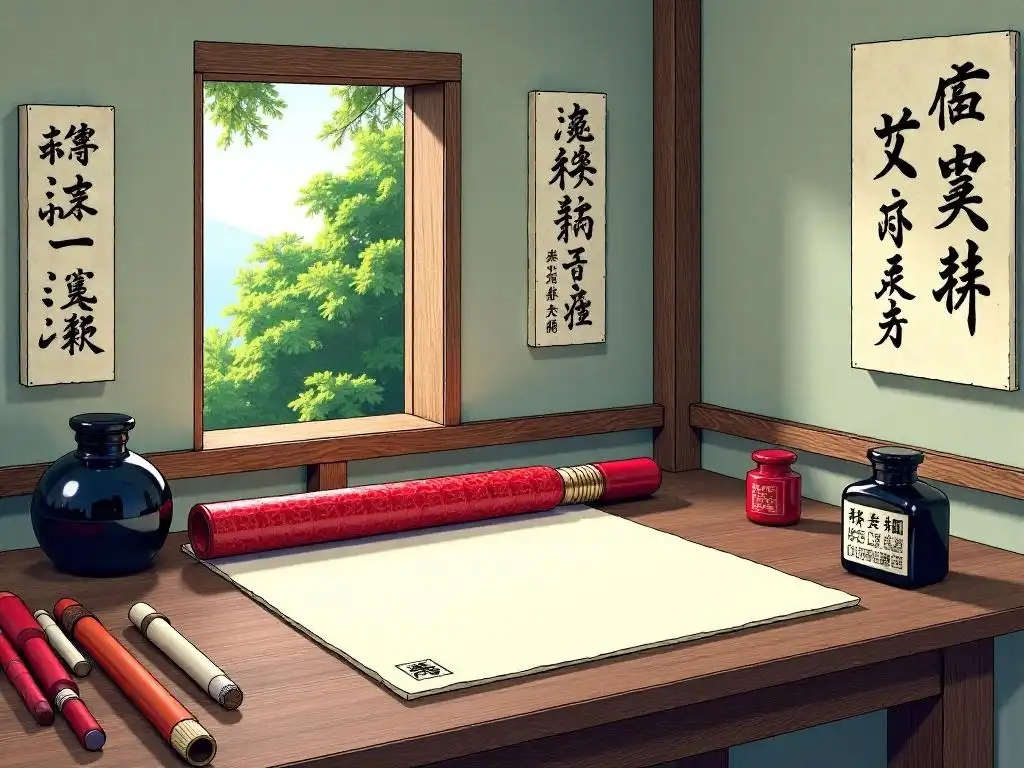
Japanese calligraphy, known as "shodō" (書道), has its origins deeply intertwined with the introduction of writing to the Japanese archipelago. The earliest forms of written communication in Japan can be traced back to the 5th century CE, when Chinese characters were brought over from the Asian continent. This marked a transformative period in Japanese culture, as the adoption of Chinese characters laid the groundwork for the development of the Japanese language and its literary traditions.
The process of integrating Chinese characters into Japanese society was gradual. Initially, these characters were used primarily for official documents and religious texts, often translated phonetically into the Japanese language. This led to the creation of several writing systems, including hiragana and katakana, which were derived from simplified forms of Chinese characters. The fusion of these systems with calligraphy gave rise to a unique Japanese aesthetic, emphasizing fluidity and grace in writing.
In the Heian period (794-1185), the art of calligraphy flourished among the aristocracy. This era saw the emergence of distinct styles, such as the "sōsho" (草書) or cursive style, which favored speed and spontaneity. The appreciation for calligraphy expanded beyond mere communication, evolving into a respected art form. Notable figures like Fujiwara no Teika contributed to this cultural shift, establishing calligraphy not just as a skill but as a means of artistic expression.
Influence of Chinese Calligraphy on Japanese Practices
The influence of Chinese calligraphy on Japanese practices is profound and multifaceted. Early Japanese calligraphers studied Chinese texts meticulously, seeking to master the techniques and styles of their Chinese counterparts. This influence can be observed in several key areas:
- Character Forms: The adoption of Chinese characters brought with it various styles, such as kaisho (block style), gyōsho (semi-cursive), and sōsho (cursive). Japanese calligraphers adopted these forms, adapting them to fit their aesthetic sensibilities and cultural contexts.
- Philosophical Foundations: The principles of Confucianism and Buddhism, both of which were introduced from China, shaped the spiritual and philosophical dimensions of Japanese calligraphy. Calligraphy became not only a means of communication but also a practice for self-cultivation and meditation.
- Cultural Exchange: During the Nara (710-794) and Heian periods, Japanese scholars and monks traveled to China, bringing back not only knowledge of calligraphy but also artistic techniques. This cultural exchange enriched Japanese calligraphy, leading to the development of unique styles that reflected both Chinese influences and indigenous aesthetics.
The enduring legacy of Chinese calligraphy is evident in the continued reverence for traditional techniques and philosophical underpinnings that guide contemporary Japanese calligraphers.
Evolution of Calligraphy Styles in Japan
The evolution of calligraphy styles in Japan has been marked by a dynamic interplay between tradition and innovation. As Japan moved through various historical periods, the art of calligraphy adapted to reflect societal changes, political shifts, and cultural transformations.
- Nara and Heian Periods (710-1185): The establishment of official scripts and the flourishing of court culture led to the development of refined styles that emphasized elegance and precision. Calligraphy was a prestigious skill among the nobility.
- Kamakura and Muromachi Periods (1185-1573): The rise of the samurai class shifted the focus of calligraphy. The aesthetic became more austere, reflecting the values of discipline and simplicity. The "bunjin" (literati) style emerged during this time, characterized by a blend of poetry and painting, highlighting the integration of arts.
- Edo Period (1603-1868): A period of peace and stability, the Edo era witnessed the democratization of calligraphy. New styles emerged, such as "yōgansō" (Western-style) and "hentai" (eccentric), showcasing more personal expression. Calligraphy schools proliferated, making the art form accessible to a broader audience.
- Modern Era (1868-Present): With the Meiji Restoration, the influence of Western art movements began to permeate Japanese calligraphy. Contemporary calligraphers experiment with new forms, materials, and techniques, often blending traditional methods with modern concepts. This evolution reflects a vibrant dialogue between the past and the present, illustrating the ongoing significance of Japanese calligraphy in cultural identity.
The historical significance of Japanese calligraphy is rooted in its ability to adapt and evolve while maintaining a connection to its origins. As it continues to flourish today, it remains a vital expression of Japan's rich cultural heritage.
The Role of Calligraphy in Feudal Japan
Calligraphy as a Form of Communication and Art
During the feudal era, Japanese calligraphy (書道, shodō) transcended mere communication, evolving into a revered art form that held significant cultural importance. This period saw the use of calligraphy as a primary means of correspondence among the samurai, aristocrats, and even commoners. The aesthetic appeal of calligraphy was deeply intertwined with its functionality, as beautifully crafted characters conveyed not only messages but also the writer's character and social standing.
The tools of calligraphy—brushes (筆, fude), ink (墨, sumi), and paper (和紙, washi)—were considered sacred. The act of writing was a meditative practice, reflecting the calligrapher's inner state. Each stroke was deliberate, embodying a balance between form and spirit. Notably, the various styles of calligraphy, such as kaisho (block style), gyosho (semi-cursive), and sosho (cursive), allowed for a personal expression that was highly valued among practitioners.
| Calligraphy Style | Characteristics | Usage |
|---|---|---|
| Kaisho | Clear, block-like characters | Official documents |
| Gyosho | Fluid, semi-cursive strokes | Letters and personal notes |
| Sosho | Highly stylized, cursive form | Artistic pieces and poetry |
The Connection Between Calligraphy and Samurai Culture
Calligraphy played a notable role in samurai culture, where it was regarded as an essential skill that complemented martial prowess. The samurai, who were not only warriors but also scholars, viewed calligraphy as a reflection of their discipline and refinement. Mastery of this art was often considered as important as proficiency in the sword.
The practice of calligraphy among samurai served multiple purposes:
- Cultural Identity: Calligraphy was tied to the samurai's identity, showcasing their educational background and aesthetic sensibility.
- Philosophical Expression: Many samurai were influenced by Zen Buddhism, which emphasized simplicity and mindfulness. The act of writing became a form of meditation, allowing them to cultivate inner peace and focus.
- Diplomatic Communication: Calligraphy facilitated communication in diplomatic and political affairs, allowing samurai to negotiate and convey messages with elegance and authority.
The legendary samurai, Miyamoto Musashi, famously illustrated this connection in his writings, emphasizing the importance of harmony between martial and artistic disciplines.
Calligraphy in Religious and Ceremonial Contexts
In feudal Japan, calligraphy was not limited to secular uses; it held profound significance in religious and ceremonial contexts. Temples and shrines often featured calligraphic inscriptions that conveyed sacred texts, prayers, and philosophical teachings. The act of writing these texts was seen as a form of worship, connecting the practitioner with the divine.
- Buddhist Sutras: Monks meticulously copied Buddhist scriptures, believing that each stroke brought them spiritual merit. This practice not only preserved sacred texts but also served as a meditative exercise.
- Shinto Rituals: In Shinto, calligraphy plays a critical role in rituals, where written prayers and wishes (納経, nakyō) are left at shrines to seek blessings and protection.
Moreover, calligraphy was a vital component of various ceremonies, such as:
- Coming-of-Age Ceremonies: Young individuals would learn calligraphy as part of their education, symbolizing their transition into adulthood.
- Tea Ceremonies: The aesthetics of calligraphy complemented the meditative practices of the tea ceremony, where calligraphic scrolls (掛軸, kakejiku) adorned the space, enhancing the overall atmosphere.
The historical significance of Japanese calligraphy is deeply rooted in its multifaceted roles throughout feudal Japan, revealing its enduring impact on culture, society, and spirituality. By understanding these contexts, we can appreciate the intricate artistry and profound meaning behind this ancient practice.
Key Figures in Japanese Calligraphy History
Prominent Calligraphers of the Feudal Era
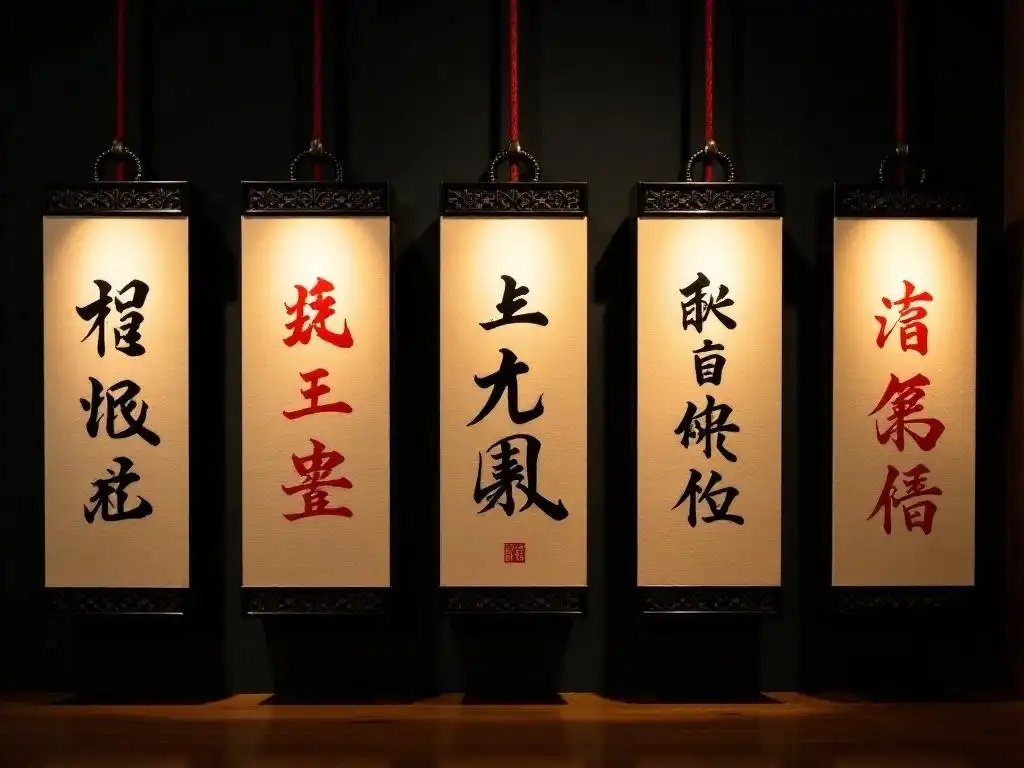
The feudal era of Japan was a time of significant artistic development, particularly in the realm of calligraphy, or shodō. This period saw the emergence of several prominent calligraphers whose works laid the foundation for Japanese calligraphy’s historical significance. Their contributions not only shaped the artistic landscape but also influenced cultural practices and aesthetic values.
Kūkai and the Development of Shodō
Kūkai, also known as Kōbō Daishi, was a pivotal figure in the development of Japanese calligraphy during the Heian period (794-1185). A Buddhist monk, scholar, and founder of the Shingon sect of Buddhism, Kūkai introduced the Chinese writing system and its stylistic elements to Japan. His study of calligraphy was deeply intertwined with his religious beliefs, as he viewed writing as a spiritual practice.
Kūkai's calligraphy is characterized by its fluidity and expressive form, reflecting his philosophical ideas. He emphasized the importance of spirituality in art, believing that the essence of the divine could be captured through the brush. His most notable contribution was the establishment of the Kōbō style, which integrated traditional Chinese calligraphic techniques with a distinctly Japanese flair. This style laid the groundwork for future generations of calligraphers, making Kūkai a central figure in the historical significance of Japanese calligraphy.
Fujiwara no Teika and His Contributions
Another monumental figure in the history of Japanese calligraphy is Fujiwara no Teika, an influential poet and calligrapher during the late Heian and Kamakura periods (1185-1333). Teika is renowned for his mastery of various calligraphic styles, particularly the kaisho and gyō styles, which are known for their clarity and elegance.
Teika's contributions extended beyond aesthetics; he was instrumental in codifying the principles of calligraphy. His work, Shodōgaku, serves as a comprehensive guide to calligraphic techniques, emphasizing the balance between form and expression. Teika's calligraphy was celebrated for its beauty and precision, and he was often commissioned by the imperial court to create significant texts. His ability to blend poetic expression with visual art solidified his legacy, marking him as a key figure in the historical context of Japanese calligraphy.
The Impact of Calligraphers on Japanese Aesthetics
The influence of calligraphers during the feudal era transcended mere artistic expression; it played a crucial role in shaping Japanese aesthetics. The principles established by figures like Kūkai and Fujiwara no Teika permeated various aspects of Japanese culture, including literature, visual arts, and even architecture.
Aesthetic Principles
The aesthetic principles derived from Japanese calligraphy emphasized simplicity, balance, and harmony. These ideals became foundational in other art forms, creating a cohesive cultural identity. For instance, the concept of wabi-sabi, which celebrates imperfection and the transient nature of beauty, can be traced back to the philosophical underpinnings of calligraphy.
Cultural Integration
Moreover, the works of these calligraphers were often integrated into important cultural artifacts, such as scrolls, poetry, and religious texts, enhancing their significance. The visual appeal of calligraphy not only served to beautify these items but also imbued them with deeper spiritual meanings.
Legacy
The legacy of these calligraphers continues to resonate today, as their contributions have shaped modern perceptions of Japanese calligraphy. The enduring popularity of shodō in contemporary Japan highlights its historical significance and its role in preserving cultural heritage.
The key figures of Japanese calligraphy history, particularly during the feudal era, have left an indelible mark on the aesthetic and cultural landscape of Japan. Their influence is a testament to the profound connection between art, spirituality, and identity in Japanese society.
Techniques and Tools Used in Japanese Calligraphy
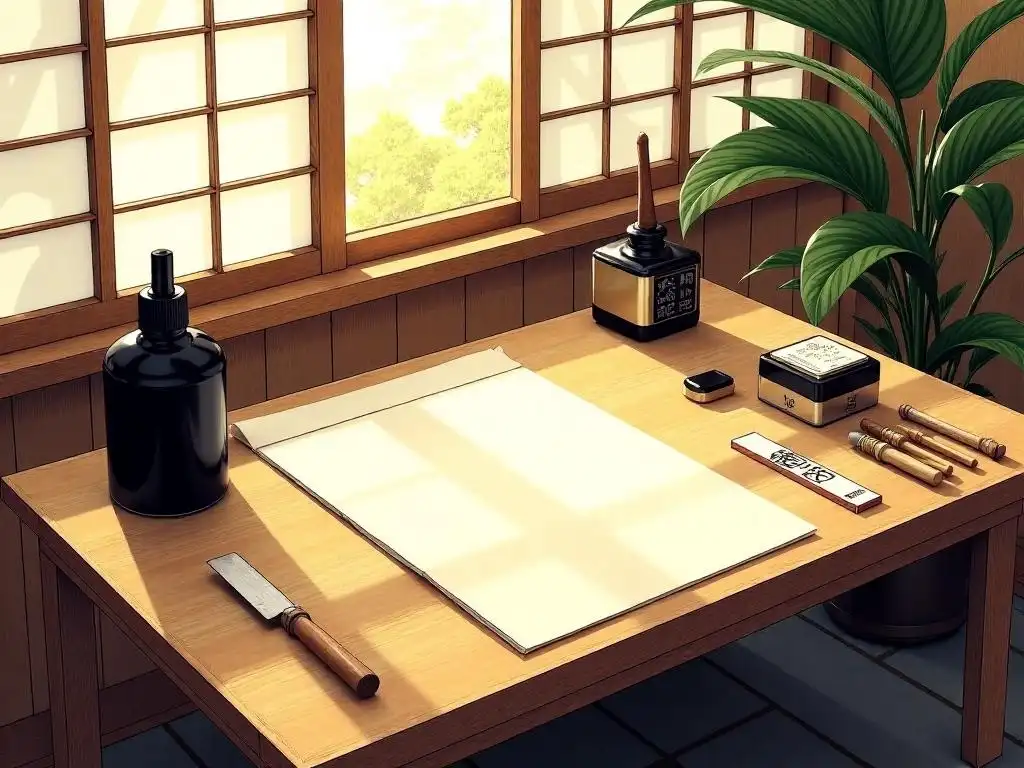
Japanese calligraphy, known as shodō (書道), is an art form that combines writing and aesthetics. To delve deeper into its practice, understanding the essential tools and techniques is crucial. This section will explore the tools necessary for calligraphy and the traditional techniques that define the craft.
Essential Tools for Practicing Calligraphy
To produce beautiful calligraphy, several key tools are indispensable. Each tool has a specific purpose and contributes to the overall quality of the artwork.
Brushes, Inks, and Rice Paper Explained
- Brushes (Fude):
- Types: Japanese calligraphy brushes come in various shapes and sizes, typically made from soft animal hair such as weasel, rabbit, or goat. The type of brush used can affect the texture and flow of the ink.
- Usage: The choice of brush impacts the brush strokes. For instance, a larger brush is better for bold characters, while a finer brush allows for intricate details.
- Inks (Sumi):
- Types: Traditional Japanese ink is made from soot and animal glue, available in solid ink sticks or liquid form. The ink's richness and depth depend on the quality of the ingredients used.
- Preparation: Ink sticks are ground on an ink stone with a few drops of water, allowing the calligrapher to adjust the ink's consistency to achieve various effects.
- Rice Paper (Washi):
- Characteristics: Washi is a traditional Japanese paper known for its absorbency and texture. This type of paper enhances the ink's appearance and allows for smooth brush strokes.
- Varieties: Different types of washi can be used depending on the desired aesthetic, ranging from thin and delicate to thicker and more textured options.
Understanding these tools is fundamental for anyone interested in Japanese calligraphy, as they directly influence the final outcome of the artwork.
Traditional Techniques of Japanese Calligraphy
Mastering traditional techniques is essential for achieving proficiency in Japanese calligraphy. The following methods focus on brush control and the importance of stroke order.
The Art of Brush Control and Stroke Order
- Brush Control:
- Grip and Posture: Proper grip of the brush and maintaining a relaxed posture are crucial for fluid movements. A firm but flexible grip allows for better control over the brush's pressure and angle.
- Stroke Variability: Calligraphers must learn to vary the pressure applied to the brush, which creates different thicknesses and textures in the strokes. This variability is key to producing dynamic characters.
- Stroke Order:
- Importance of Order: Each kanji character has a specific stroke order that should be followed to maintain its balance and form. Correct stroke order helps in creating aesthetically pleasing characters and aids in memorization for learners.
- Practice Techniques: Practicing the stroke order can be achieved through repetitive writing on practice sheets. Many calligraphers utilize grid paper to help maintain uniformity in size and spacing.
By mastering these techniques, practitioners can elevate their calligraphy skills, resulting in a more profound appreciation of its historical significance within Japanese culture. The combination of tools and techniques not only enhances the beauty of the characters but also connects artists to the rich heritage of Japanese calligraphy.
Modern Interpretation and Practice of Japanese Calligraphy
Contemporary Calligraphy Styles and Their Roots
Modern Japanese calligraphy, known as Shodo, has evolved significantly from its ancient origins, blending traditional techniques with contemporary artistic expressions. The roots of contemporary styles can be traced back to historical practices, including both the kanji (Chinese characters adapted into Japanese) and hiragana scripts, which formed the foundation of calligraphy in Japan.
Key Contemporary Styles:
- Minimalist Shodo: This style emphasizes simplicity and clarity, focusing on the beauty of each stroke while omitting unnecessary embellishments. The goal is to convey emotions through the economy of form.
- Abstract Calligraphy: Many modern calligraphers experiment with abstract forms, moving away from traditional legibility to convey feelings and concepts through shapes and lines. This approach often incorporates mixed media, creating a fusion of calligraphy and visual art.
- Fusion Styles: Some artists blend Western calligraphy techniques with Japanese practices, resulting in unique hybrids that reflect a global perspective. This style often uses Latin scripts alongside traditional Japanese characters.
The resurgence of interest in traditional arts has led many contemporary artists to revisit historical styles, integrating elements from the past into their modern works. This blending of old and new fosters a dialogue between different artistic traditions, enriching the cultural tapestry of Japanese calligraphy.
Online Resources for Learning Japanese Calligraphy
With the advent of digital technology, a wealth of resources has become available for those interested in learning Japanese calligraphy. These online platforms offer a variety of tutorials, instructional videos, and interactive content designed to cater to different skill levels.
Recommended Digital Products for Beginners
- Calligraphy Apps:
- CalliPro: This app provides step-by-step lessons on basic strokes and character formation, making it ideal for beginners.
- Sumi-e Painting: While primarily focused on painting, this app also includes calligraphy techniques, offering a holistic approach to brush art.
- E-books and Guides:
- "The Art of Japanese Calligraphy": This e-book covers the historical significance of Japanese calligraphy and includes practical exercises for beginners.
- "Shodo: The Way of Writing": A comprehensive guide that provides insights into various styles and techniques, along with practice sheets.
- YouTube Channels:
- Shodo with Sensei: Offers free video tutorials ranging from beginner to advanced techniques, focusing on traditional forms and modern interpretations.
- Japanese Calligraphy Lessons: A channel dedicated to exploring the cultural context and practice of calligraphy, featuring guest artists and live demonstrations.
Online Calligraphy Course for Mastering Techniques
For those serious about mastering Japanese calligraphy, various online courses provide structured learning experiences led by experienced instructors. These courses typically cover both the historical context and practical techniques of Shodo, ensuring a well-rounded education.
Course Highlights:
- Interactive Lessons: Many courses incorporate live sessions where students can receive real-time feedback on their technique, fostering a supportive learning environment.
- Comprehensive Curriculum: A good course will cover essential topics such as:
- The history of Japanese calligraphy
- Basic brush techniques
- Character strokes and formations
- Advanced stylistic approaches
- Community Engagement: Online platforms often feature forums or discussion groups, allowing students to share their progress and seek advice from peers and instructors alike.
By leveraging these resources, aspiring calligraphers can not only learn the techniques of Japanese calligraphy but also appreciate its profound historical significance within the broader context of Japanese culture.
The Cultural Significance of Calligraphy Today
Calligraphy as a Symbol of Japanese Identity
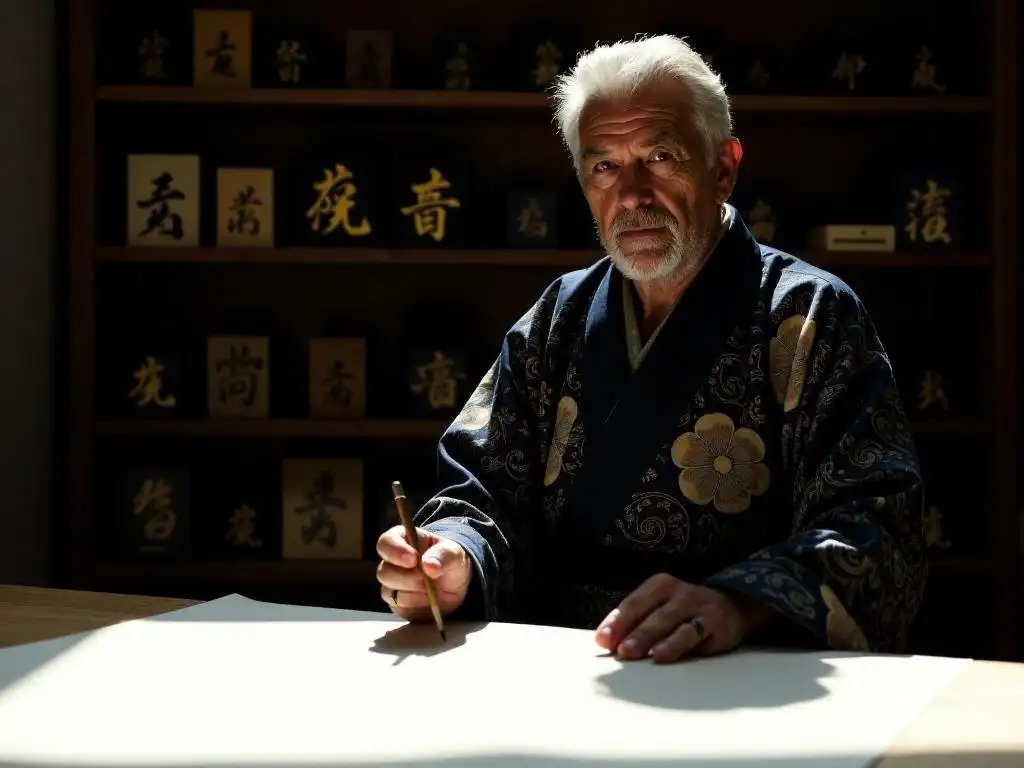
Japanese calligraphy, or shodō (書道), transcends mere artistic expression; it embodies the essence of Japanese identity. This art form, which literally translates to "the way of writing," encapsulates the historical, philosophical, and spiritual underpinnings of Japanese culture. Through its strokes and forms, calligraphy reflects the values of harmony, precision, and beauty that are ingrained in Japanese society.
- Historical Roots: Originating from Chinese calligraphy, shodō began to evolve distinctly in Japan during the Heian period (794-1185). It became a medium to express not only aesthetics but also the cultural and social dynamics of the time.
- Spiritual Dimension: Many practitioners view calligraphy as a form of meditation, where each brush stroke represents a moment of mindfulness. This spiritual aspect contributes to its significance, as it aligns with the broader Japanese principles of Zen.
- Educational Importance: In contemporary Japan, calligraphy is taught in schools, underscoring its role in nurturing cultural heritage. Students learn the techniques and philosophies behind shodō, fostering a deep understanding of their national identity.
Through these dimensions, calligraphy serves as a living testament to Japan's rich heritage, continuously shaping and reflecting the identity of its people.
The Role of Calligraphy in Modern Japanese Arts
In today's Japan, calligraphy has seamlessly integrated into various forms of modern art, influencing not only traditional practices but also contemporary expressions. The evolution of shodō demonstrates its adaptability and relevance in a rapidly changing cultural landscape.
- Fusion with Other Art Forms: Contemporary artists often blend calligraphy with other media, including painting, graphic design, and digital art. This fusion creates a dynamic dialogue between traditional techniques and modern aesthetics, attracting a wider audience.
- Performance Art: Calligraphy has found a place in performance art, where artists create live pieces that engage viewers in real-time. This interactive form enhances the appreciation of calligraphy as an art form, showcasing the skill and emotional expression involved in each stroke.
- Exhibitions and Collaborations: Various art exhibitions and collaborations highlight the significance of calligraphy in modern art. For instance, events that pair calligraphers with contemporary visual artists foster innovative interpretations of traditional techniques, thus revitalizing interest in shodō.
As a vital component of the modern art scene, Japanese calligraphy continues to inspire and challenge artists, reaffirming its significance as a cultural pillar.
The Influence of Japanese Calligraphy in Global Contexts
The global appreciation of Japanese calligraphy reflects its historical significance and the universal values it embodies. As shodō spreads beyond Japan, it fosters cross-cultural exchanges and influences international artistic practices.
- Cultural Exchange: Japanese calligraphy has inspired artists and calligraphers worldwide, leading to workshops, exhibitions, and cultural festivals celebrating this art form. These events encourage a deeper understanding of Japanese aesthetics and philosophy, fostering global appreciation.
- Integration into Western Art: In Western contexts, elements of Japanese calligraphy are often incorporated into modern design and art movements. The minimalist principles and emphasis on brushwork resonate with contemporary aesthetics, influencing graphic design and typography.
- Educational Initiatives: Institutions around the world now offer courses on Japanese calligraphy, emphasizing its historical significance and cultural value. These educational programs not only preserve the techniques but also promote a broader appreciation of Japanese culture.
Through these avenues, Japanese calligraphy transcends geographical boundaries, enriching global art and culture while maintaining its intrinsic historical significance.
Conclusion: The Lasting Legacy of Japanese Calligraphy
Summary of Historical Significance and Cultural Impact
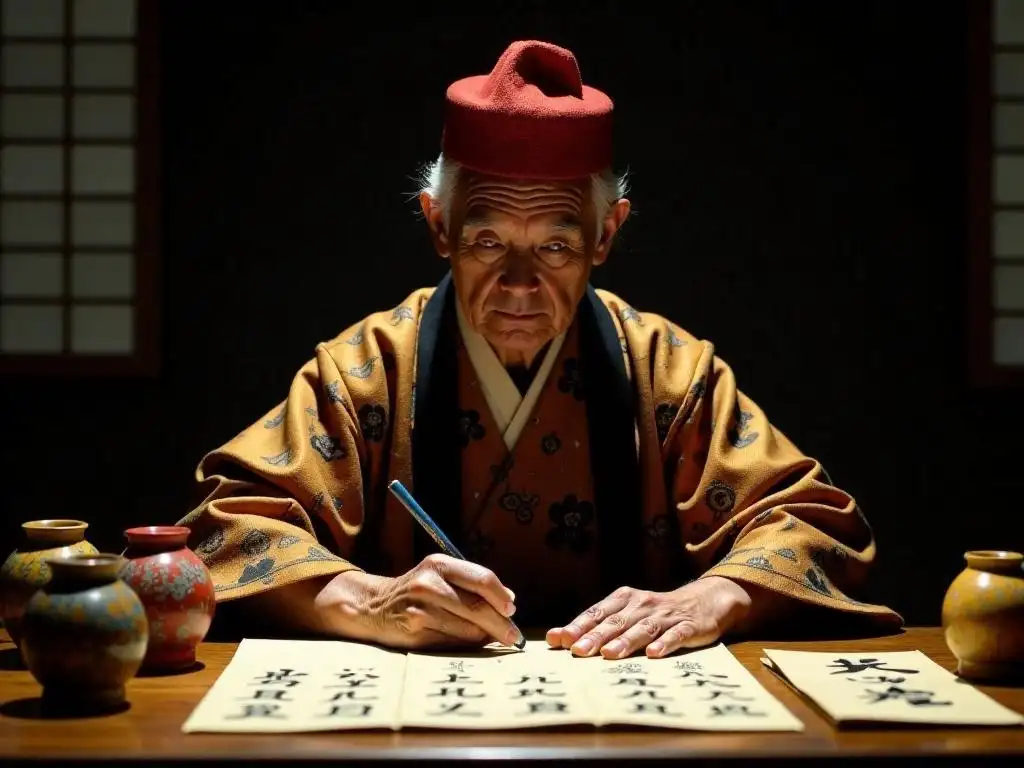
Japanese calligraphy, or shodō (書道), has played a pivotal role in shaping the cultural and artistic landscape of Japan. Its historical significance can be traced back to the introduction of Chinese characters, which laid the groundwork for the development of a unique Japanese writing system. Throughout the centuries, calligraphy evolved not only as a means of communication but also as a profound art form that encapsulates the aesthetics and philosophy of Japanese society.
The practice of Japanese calligraphy is deeply intertwined with the samurai culture, where it was regarded as an essential skill alongside martial arts. The Zen Buddhist influence further enriched calligraphy, emphasizing the meditative aspects of the art. Calligraphers often viewed their work as an extension of their spirit, leading to masterpieces that convey emotion and philosophy through brush strokes.
This art form has also been a reflection of societal changes. During the Edo period (1603-1868), calligraphy flourished as literacy rates rose, and it became accessible to the broader populace. Calligraphy schools emerged, fostering new styles and techniques. The blend of traditional and modern influences has kept Japanese calligraphy relevant, making it a symbol of national identity and cultural pride.
In contemporary times, the legacy of Japanese calligraphy continues to thrive. It is celebrated in exhibitions, workshops, and educational programs, where practitioners of all ages are encouraged to explore its nuances. The historical significance of Japanese calligraphy extends beyond mere aesthetics; it embodies a way of life, reflecting the values of harmony, balance, and respect for nature.
Encouragement to Explore Japanese Calligraphy Further
As we conclude our exploration of the historical significance of Japanese calligraphy, we encourage you to delve deeper into this fascinating art form. Whether you're a novice or an experienced artist, engaging with shodō offers a unique opportunity to connect with Japan's rich cultural heritage.
- Join a Workshop: Look for local classes or online tutorials that focus on the techniques of Japanese calligraphy. Participating in hands-on practice can provide valuable insights into the art form.
- Study Historical Texts: Familiarize yourself with the works of renowned calligraphers throughout history. Understanding their philosophies and styles can inspire your own practice.
- Create Your Own Pieces: Start experimenting with different brushes, inks, and papers. Allow yourself the freedom to express emotions and thoughts through your calligraphy, reflecting the meditative nature of the art.
By exploring Japanese calligraphy further, you not only enhance your artistic skills but also gain a deeper appreciation for its historical and cultural significance. Embrace the journey of discovery that shodō offers, and let it enrich your understanding of Japan's artistic legacy.
Additional Resources
Recommended Books on Japanese Calligraphy
Exploring the historical significance of Japanese calligraphy can be greatly enhanced through literature. Here are some essential books that cover various aspects of this art form:
-
"The Art of Japanese Calligraphy" by Shoji Sadao
This comprehensive guide delves into the techniques and philosophies behind Japanese calligraphy, offering both historical insights and practical tips for practitioners.
-
"Japanese Calligraphy: The Art of Line and Form" by John Stevens
Stevens provides an exploration of the aesthetics and forms of Japanese calligraphy, examining its evolution and cultural impact throughout history.
-
"Calligraphy in the East" by William A. Havens
A comparative study of calligraphic traditions across Eastern cultures, this book places Japanese calligraphy within a broader context, highlighting its unique characteristics.
-
"Zen and the Art of Calligraphy" by John McQuade
This insightful read connects Zen philosophies with the practice of calligraphy, providing a deeper understanding of the spiritual dimensions of this art form.
-
"The Essence of Japanese Calligraphy" by Yoko Aizawa
Aizawa's book focuses on the materials and techniques used in Japanese calligraphy, making it a valuable resource for both new and seasoned calligraphers.
Online Communities and Forums for Calligraphy Enthusiasts
Engagement with fellow calligraphy enthusiasts can significantly enrich your understanding and appreciation of Japanese calligraphy. Here are some online communities and forums to consider:
-
Reddit: r/Calligraphy
This subreddit serves as a hub for calligraphy lovers, offering a platform to share work, seek advice, and participate in discussions about techniques, tools, and historical context.
-
Calligraphy Forums
Dedicated forums like Calligraphy.org and The Fountain Pen Network feature sections specifically for Japanese calligraphy, where users can exchange tips and resources.
-
Facebook Groups
Groups such as "Japanese Calligraphy" and "Calligraphy Lovers" allow for community engagement, sharing of artwork, and feedback from peers.
-
Instagram and TikTok
Follow hashtags like #JapaneseCalligraphy to discover artists and educators sharing their work and tutorials, providing a modern twist to traditional practices.
Affiliate Links to Calligraphy Supplies and Tools
For those interested in pursuing Japanese calligraphy, having the right supplies is essential. Here are some recommended tools, along with affiliate links for purchase:
-
Calligraphy Brushes
A variety of brushes are essential for achieving different strokes. For example:
Type Description Link Fude Traditional brush for calligraphy Buy Here Sumi Brushes Ideal for inkwash techniques Buy Here -
Inks
High-quality inks are crucial for producing the best results.
Type Description Link Sumi Ink Traditional ink for Japanese calligraphy Buy Here Liquid Inks Various colors for creative expression Buy Here -
Paper
The right paper can enhance your calligraphy experience.
Type Description Link Rice Paper Perfect for traditional calligraphy Buy Here Bamboo Paper Excellent for inking and brushwork Buy Here
By utilizing these resources, enthusiasts can deepen their understanding and practice of Japanese calligraphy, appreciating its rich historical significance within Japanese culture.
Frequently Asked Questions
What is the historical significance of Japanese calligraphy?
The historical significance of Japanese calligraphy lies in its role as a medium for cultural expression and communication, reflecting the aesthetic values and philosophies of various eras in Japan.
How did calligraphy influence Japanese society during the feudal era?
During the feudal era, calligraphy was not only an art form but also a way to convey power and prestige, as samurai and nobility valued beautifully crafted writings as symbols of refinement and education.
What are the main styles of Japanese calligraphy?
Japanese calligraphy features several styles, including Kaisho (block style), Gyosho (semi-cursive), and Sosho (cursive), each reflecting different techniques and emotions in writing.
How does calligraphy relate to Zen Buddhism in Japan?
Calligraphy has deep ties to Zen Buddhism, where the practice of writing is seen as a form of meditative expression, promoting mindfulness and a connection to the spiritual.
What role did calligraphy play in Japanese education?
Calligraphy has been an integral part of Japanese education, teaching students not only the artistic techniques but also the values of discipline, patience, and an appreciation for cultural heritage.
Final Reflection: The Enduring Legacy of Japanese Calligraphy
Japanese calligraphy is not merely an art form; it is a profound expression of cultural identity that continues to resonate in today's society. As we explore its historical significance, we uncover layers of meaning that reflect the evolution of Japanese aesthetics and philosophy. In a world increasingly dominated by digital communication, the tactile beauty and intentionality of calligraphy remind us of the importance of mindfulness and the artistry inherent in written language.
Calligraphy has shaped not only the visual landscape of Japan but also its social fabric, influencing everything from education to spirituality. The practice of calligraphy fosters a deep connection between the artist and the medium, allowing for personal expression while honoring centuries of tradition. As the renowned calligrapher Shojiro Ishikawa once said, In every stroke, there is a heartbeat of history.
This sentiment encapsulates the idea that each brushstroke carries forward the wisdom and experiences of those who came before us, enriching our contemporary understanding of art and culture.
As you reflect on the historical significance of Japanese calligraphy, consider how this ancient practice can inspire your own journey. Embrace the lessons of patience, precision, and presence that calligraphy embodies. Whether you pick up a brush yourself or simply appreciate the beauty of the written word, let the spirit of this art form guide you toward a deeper appreciation of culture and creativity in your everyday life.
Unveil the Beauty of Calligraphy Today!
Thank you for diving into the fascinating world of Japanese calligraphy with us! You've explored the rich historical context that shapes this stunning art form, and now it’s time to take that inspiration and create your own piece of history.
Here are some exciting ways to connect further with the art of calligraphy:
- Try your hand at calligraphy: Gather some basic tools and start practicing traditional strokes. Challenge yourself to write your name in kanji or create a personalized poem!
- Join a local or online workshop: Immerse yourself in the community and learn from experienced calligraphers who can guide you on your artistic journey.
- Share your artwork: Post your creations on social media or in online forums dedicated to Japanese culture, and inspire others to explore this beautiful craft!
What new insights or feelings does practicing calligraphy evoke for you? Share your thoughts in the comments below!