
The Elegance of Kimono: Download FashionInspired Feudal Japan Wallpapers

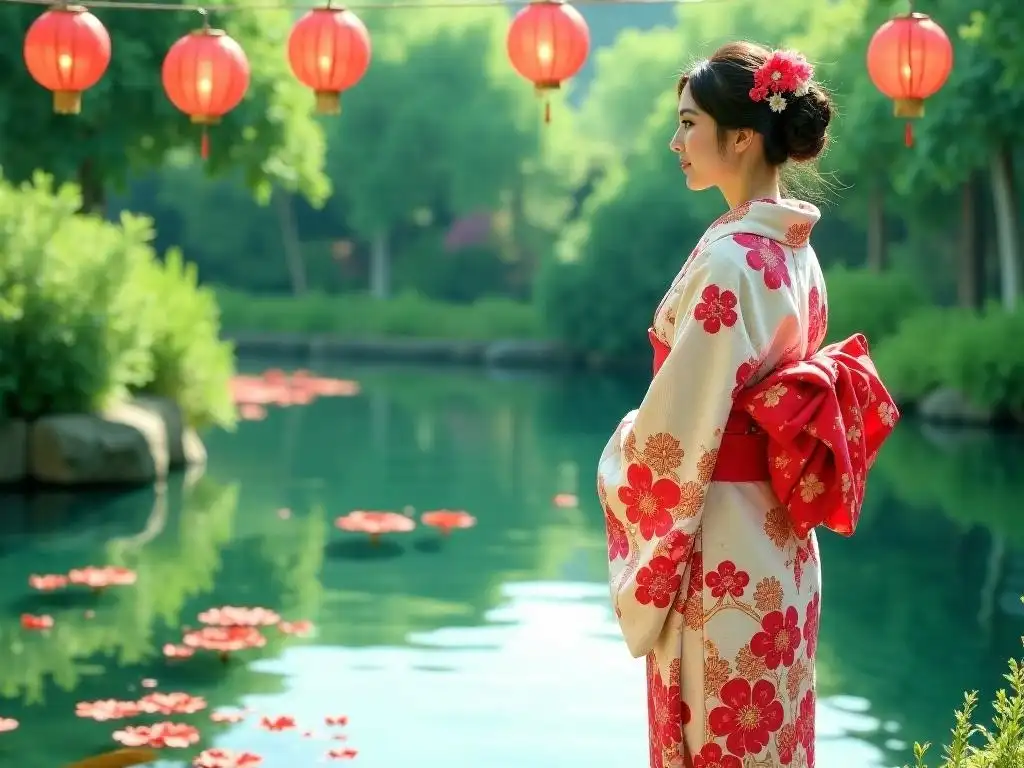
Welcome to Feudal Japan History, where we invite you to journey through the captivating tapestry of Japan’s feudal era. Here, we delve into the intricate details of historical, cultural, and societal aspects that shaped a nation. In our featured article, “The Elegance of Kimono: Download FashionInspired Feudal Japan Wallpapers,” discover how the exquisite art of kimono fashion not only reflects aesthetic beauty but also tells the story of a society steeped in tradition. What secrets lie within the folds of these garments? Explore further to unlock the elegance and history that transcends time!
The kimono, a quintessential symbol of Japanese culture, embodies the elegance and artistry of Feudal Japan. This traditional garment not only serves as a beautiful piece of clothing but also reflects the historical, cultural, and social nuances of the era. In this article, we will delve into the rich tapestry of Feudal Japan kimono fashion, exploring its evolution, significance, and the aesthetics that have inspired contemporary designs.
Additionally, we invite you to download stunning wallpapers that celebrate this iconic attire, allowing you to bring a piece of Japan's feudal history into your digital spaces. Prepare to embark on a journey through time, where fabric, color, and design narrate stories of tradition and identity.
Introduction to Feudal Japan Kimono Fashion
Kimono fashion during the feudal era was not merely a matter of style; it was deeply intertwined with the societal structure, cultural practices, and historical developments of Japan. The garments were crafted with meticulous care, often adorned with intricate patterns and symbols that conveyed messages about the wearer's status, profession, and even family lineage. Understanding the nuances of kimono fashion provides a window into the values and aesthetics of a society that prized craftsmanship, beauty, and meaning.
Understanding Kimono Fashion in Feudal Japan
The Evolution of Kimono Styles Through the Ages
The evolution of kimono styles in Feudal Japan is a fascinating narrative that spans centuries. From the Heian period (794-1185), where the emphasis was on layering and vibrant colors, to the Edo period (1603-1868), which saw the rise of distinct styles like the furisode for young women and the hakama for men, the kimono has transformed significantly.
- Heian Period:
- Layers of clothing called jūnihitoe (twelve-layered robes)
- Rich colors symbolizing seasonal changes
- Edo Period:
- Introduction of elaborate designs and patterns
- Different styles indicating social status and occasion
The transition between these periods showcases not only changes in fashion but also shifts in societal values, trade influences, and artistic expressions.
The Role of Kimono in Japanese Society
The kimono played a crucial role in the social fabric of Feudal Japan. It was more than just attire; it was a cultural artifact that communicated identity. Different styles were worn for various occasions, such as ceremonies, festivals, and daily life, each carrying its own significance.
- Social Status: The type of kimono a person wore often indicated their rank and class within society.
- Ceremonial Use: Specific kimonos were reserved for important life events, such as weddings and coming-of-age ceremonies.
- Cultural Identity: The kimono is often seen as a symbol of Japanese heritage and continues to influence modern fashion and design.
The enduring legacy of the kimono is reflected in contemporary fashion and art, making it a timeless element of Japanese culture. Through our downloadable wallpapers, you can appreciate the beauty and significance of kimono fashion in Feudal Japan, capturing the elegance of this historical garment in your digital world.
The Art of Kimono Fabric and Patterns
The kimono, a timeless symbol of Japanese culture, is not just a garment; it embodies artistry and tradition through its exquisite fabric and intricate patterns. The creation of a kimono involves meticulous craftsmanship, where each element from fabric to design tells a story. The artistry of kimono making begins with the selection of materials, which are often dyed and woven using techniques passed down through generations. The fabric is typically soft yet durable, allowing for both elegance and comfort.
Patterns on kimonos are deeply rooted in symbolism, representing nature, seasons, and various cultural motifs. This artistic expression transforms each kimono into a canvas that reflects the wearer's personality and social status. The colors and designs can signify different occasions, such as weddings or festivals, further emphasizing the cultural significance of kimono fashion in feudal Japan.
Materials Used in Kimono Production
The materials used in kimono production are integral to their beauty and functionality. Traditional kimonos are often made from silk, which is prized for its luster and drape. Other materials include cotton, linen, and synthetic fibers, each offering unique qualities:
- Silk: Known for its luxurious feel and vibrant colors, silk kimonos are often worn on special occasions.
- Cotton: Generally used for casual wear, cotton kimonos are lightweight and breathable, making them suitable for summer.
- Linen: A lesser-used material, linen kimonos are favored for their natural texture and comfort.
- Synthetic Fibers: These modern materials provide durability and ease of maintenance, appealing to contemporary fashion.
The choice of material not only influences the aesthetic appeal but also impacts the wearer's comfort and the kimono's longevity.
Iconic Kimono Patterns and Their Meanings
Each kimono pattern holds significant meaning, often inspired by nature, mythology, and cultural traditions. Some of the most iconic patterns include:
- Asanoha (Hemp Leaf): Symbolizes growth and resilience, often used for children's kimonos.
- Seigaiha (Blue Ocean Waves): Represents calmness and good fortune, frequently seen in formal wear.
- Kikkō (Tortoise Shell): A symbol of longevity and good luck, this pattern is popular in celebratory kimonos.
- Botan (Peony): Associated with wealth and prosperity, peony patterns are often featured in festive garments.
These patterns serve not only as decoration but also as a means of conveying messages and values within Japanese culture, enriching the historical context of feudal Japan kimono fashion.
Downloading Fashion-Inspired Feudal Japan Wallpapers
In today's digital age, it's possible to bring the elegance of feudal Japan into your personal space through fashion-inspired wallpapers. These digital designs celebrate the artistry of kimono fashion, allowing you to surround yourself with culturally rich visuals that reflect the beauty of this traditional garment.
Why Choose Kimono Wallpapers for Your Digital Space?
Choosing kimono wallpapers for your digital environment offers a unique way to appreciate and showcase Japanese culture. Here are a few reasons to consider:
- Cultural Appreciation: Displaying kimono-inspired designs honors the artistry and heritage of feudal Japan.
- Aesthetic Appeal: The intricate patterns and vibrant colors of kimono wallpapers can enhance the visual appeal of your devices.
- Inspiration: Surrounding yourself with beautiful imagery can inspire creativity and a sense of peace in your workspace.
These wallpapers are not only decorative; they serve as a daily reminder of the elegance and sophistication inherent in feudal Japan's fashion.
Best Websites for Downloading Feudal Japan Kimono Wallpapers
Finding the perfect kimono wallpapers is easier than ever, with numerous websites offering high-quality downloads. Here are some of the best resources:
- WallpaperAccess: A vast collection of thematic wallpapers, including stunning kimono designs.
- Unsplash: A platform featuring beautifully captured images that can be used as wallpapers, many showcasing traditional kimonos.
- Pexels: Offers free high-resolution images, including artistic representations of kimono fashion.
- DeviantArt: A community where artists share their work, including unique and creative interpretations of kimono designs.
These websites provide a variety of options that cater to different tastes, ensuring that anyone can find the perfect backdrop to celebrate the elegance of feudal Japan kimono fashion.
How to Choose the Right Kimono Wallpaper for Your Needs
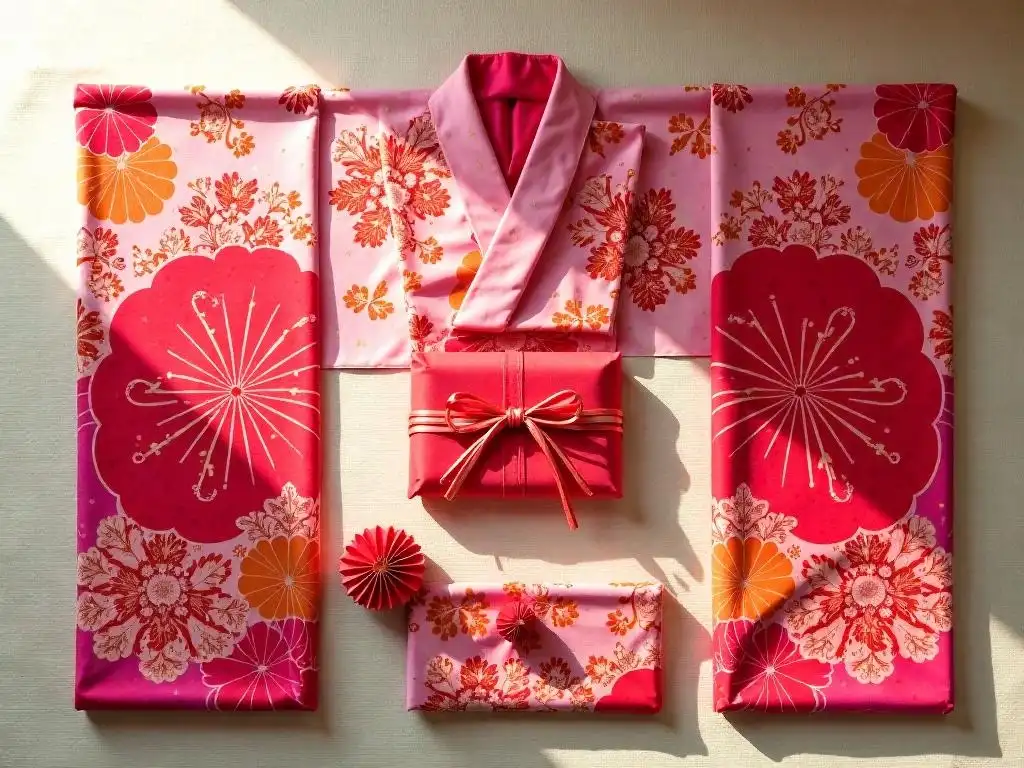
Choosing the right kimono wallpaper can greatly enhance your digital experience, allowing you to immerse yourself in the rich culture and history of Feudal Japan. When selecting a wallpaper, it's essential to consider various factors that align with your aesthetic preferences, the intended use of the wallpaper, and the overall ambiance you want to create in your digital space.
Take your time to explore different styles, colors, and patterns that resonate with you. A well-chosen wallpaper can serve as a daily reminder of the elegance and artistry inherent in kimono fashion, making it a delightful addition to your digital devices.
Factors to Consider When Selecting a Wallpaper
When selecting a kimono wallpaper, consider the following factors:
- Theme and Style:
- Decide whether you prefer traditional patterns, modern interpretations, or abstract designs inspired by kimono aesthetics.
- Look for themes that resonate with your personal style, such as seasonal motifs, floral patterns, or historical representations.
- Color Palette:
- Choose colors that complement your device’s interface and other visual elements.
- Soft pastels can create a serene atmosphere, while vibrant colors may energize your space.
- Resolution and Size:
- Ensure the wallpaper is high-resolution to maintain clarity and detail across different devices.
- Check the dimensions to fit your screen perfectly, whether on a desktop, tablet, or smartphone.
- Cultural Significance:
- Consider wallpapers that reflect historical and cultural narratives, featuring specific kimono styles or patterns associated with different eras or regions in Japan.
- Personal Connection:
- Choose designs that hold personal meaning or evoke fond memories. This could be a particular kimono color or pattern that resonates with your experiences or aspirations.
Recommended Kimono Wallpaper Designs
Here are some recommended kimono wallpaper designs that beautifully encapsulate the essence of Feudal Japan:
- Traditional Tsukioka Yoshitoshi Prints: These wallpapers feature striking designs inspired by the famous ukiyo-e artist, showcasing samurai and women in elegant kimonos.
- Seasonal Kimonos: Wallpapers that reflect the four seasons, such as cherry blossoms in spring or autumn leaves, capture the beauty of nature intertwined with kimono fashion.
- Modern Interpretations: Designs that mix traditional motifs with contemporary art styles offer a fresh take on kimono aesthetics, perfect for those who appreciate a blend of old and new.
- Textured Fabrics: Wallpapers that mimic the texture of silk and other kimono fabrics provide a tactile quality, enhancing the visual experience.
- Minimalist Designs: For a clean and sophisticated look, opt for wallpapers with simple, elegant patterns that embody the spirit of kimono fashion without overwhelming your screen.
Conclusion: Embracing the Elegance of Kimono in Your Digital Life
Incorporating kimono wallpapers into your digital life allows you to celebrate the elegance and artistry of Feudal Japan. By thoughtfully selecting designs that resonate with you, you not only beautify your devices but also connect with a rich cultural heritage.
As you navigate through the various styles and themes available, remember that the right wallpaper can serve as a daily inspiration, reminding you of the intricate beauty and historical significance of kimono fashion. Embrace this opportunity to adorn your digital landscape with the timeless charm of kimono artistry, enriching your daily interactions with a touch of elegance and cultural appreciation.
Call to Action
Embrace the timeless beauty of Feudal Japan kimono fashion by enhancing your digital spaces with our stunning wallpaper collection. Our carefully curated wallpapers celebrate the intricate designs, rich colors, and cultural significance of kimonos worn during the feudal era.
Explore Our Collection
- Diverse Designs: Whether you're drawn to the delicate patterns of the Edo period or the bold colors of the Muromachi era, our collection offers a variety of styles that reflect the elegance of kimono fashion.
- High-Quality Images: Each wallpaper is crafted to ensure that you enjoy vibrant colors and fine details, making your screens a canvas of historical artistry.
- Easy Downloads: With just a few clicks, you can download your favorite wallpapers and transform your devices into a tribute to the beauty of feudal Japan.
How to Download
- Browse our collection to find your ideal wallpaper.
- Click on the image you wish to download.
- Select the resolution that best fits your device.
- Enjoy your new background that showcases the elegance of Feudal Japan kimono fashion!
We invite you to share your chosen wallpapers on social media! Tag us and use the hashtag #FeudalJapanKimono to show how you celebrate the elegance of this beautiful fashion in your digital life.
Don't miss out on the chance to decorate your screens with the exquisite charm of feudal Japan. Start downloading today and bring a piece of history into your everyday life!
- Introduction to Feudal Japan Kimono Fashion
- Understanding Kimono Fashion in Feudal Japan
- The Art of Kimono Fabric and Patterns
- Downloading Fashion-Inspired Feudal Japan Wallpapers
- How to Choose the Right Kimono Wallpaper for Your Needs
- Conclusion: Embracing the Elegance of Kimono in Your Digital Life
- Call to Action
- Share Your Style
- What is the significance of kimono fashion in Feudal Japan?
- How did kimono styles evolve during the feudal era?
- What are some common materials used in Feudal Japan kimono fashion?
- How can I download Feudal Japan wallpapers related to kimono fashion?
- Where can I learn more about Feudal Japan kimono fashion?
Frequently Asked Questions
What is the significance of kimono fashion in Feudal Japan?
Kimono fashion played a crucial role in Feudal Japan, representing social status, regional identity, and cultural heritage. The designs, colors, and fabrics used in kimonos were often linked to the wearer's social class and occasion.
How did kimono styles evolve during the feudal era?
During the feudal era, kimono styles evolved significantly due to influences from political changes, trade, and cultural exchanges. Different regions developed their unique designs and patterns, reflecting local traditions and societal norms.
What are some common materials used in Feudal Japan kimono fashion?
Common materials included silk, cotton, and ramie. Each material was chosen based on seasonality, occasion, and the economic status of the wearer, with silk being the most prestigious.
You can download fashion-inspired Feudal Japan wallpapers by visiting the website and navigating to their download section. Look for the specific category featuring kimono designs to find a variety of options.
Where can I learn more about Feudal Japan kimono fashion?
For a deeper understanding of Feudal Japan kimono fashion, explore expert-driven articles on the Feudal Japan History website, which offers in-depth insights into the historical, cultural, and societal aspects of this iconic attire.
Final Reflection: Embracing the Timeless Elegance of Feudal Japan Kimono Fashion
In a world where fashion trends come and go at lightning speed, the enduring elegance of Feudal Japan kimono fashion stands as a testament to the beauty of tradition and craftsmanship. Today, as we navigate a landscape increasingly influenced by globalization and fast fashion, the rich history and intricate artistry of the kimono remind us of the importance of cultural heritage. The kimono is not just a garment; it is a story woven into fabric, a symbol of identity that transcends time and continues to inspire contemporary design.
The influence of kimono fashion extends beyond mere aesthetics; it shapes our understanding of cultural identity and expression. As we explore the layers of meaning embedded in each fold and stitch, we uncover a profound connection to the past that resonates in our modern lives. The kimono serves as a bridge between generations, inviting us to appreciate the artistry and significance of traditional attire. Fashion is the armor to survive the reality of everyday life.
– Bill Cunningham. This quote encapsulates how the kimono, with its vibrant patterns and historical significance, offers not just beauty but also a sense of resilience and continuity in our ever-changing world.
As we reflect on the elegance of kimono fashion, I invite you to consider how you can incorporate elements of this timeless style into your own life. Whether through embracing sustainable fashion choices, exploring cultural garments, or simply appreciating the artistry behind traditional attire, let the spirit of the kimono inspire you. Take a moment to celebrate the beauty of diversity in fashion and the stories that each piece tells. By doing so, we honor the past while paving the way for a more inclusive and thoughtful future in the world of fashion.
Embrace the Elegance: Transform Your Space with Kimono-Inspired Wallpapers!
Thank you for exploring the rich history of kimono fashion with us! We hope you’ve found inspiration in the exquisite beauty and cultural significance of these timeless garments. Now, it’s time to bring that elegance into your life!
Here are some **simple actions** you can take to celebrate and integrate this art into your everyday atmosphere:
- Download your favorite kimono-inspired wallpaper today to enhance your digital space and immerse yourself in the elegance of feudal Japan.
- Share your stylish new wallpaper on social media and tag us! Let’s spread the beauty of kimono fashion together.
- Explore more about the history and craftsmanship of kimonos in our other articles; there's a **wealth of knowledge** waiting for you!
What elements of kimono culture resonate most with you, and how do you plan to incorporate them into your life?