
The Meditative Practice of Calligraphy: A Journey into Zen Art

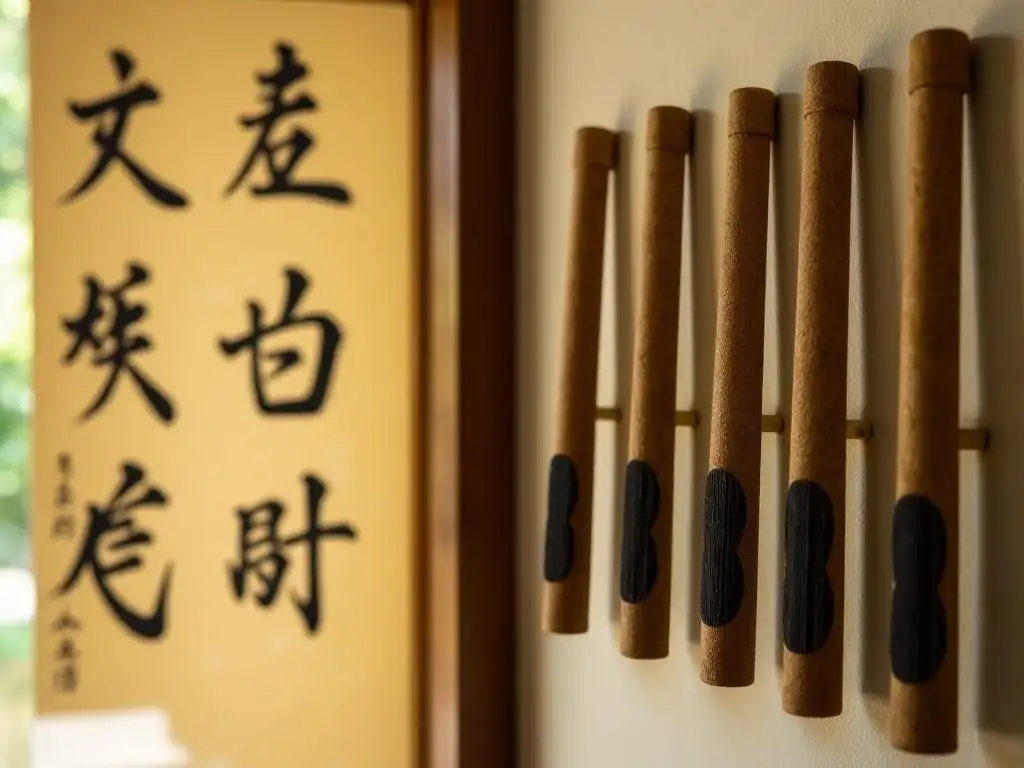
Welcome to Feudal Japan History, where we embark on a captivating journey through the rich tapestry of Japan’s feudal era. Our exploration delves deep into the historical, cultural, and societal aspects that shaped this fascinating time. Today, we invite you to uncover the art of Zen calligraphy practices in Japan, a meditative expression that transcends mere writing, inviting you to engage with the profound beauty and tranquility of this ancient craft. Are you ready to immerse yourself in the world of Zen calligraphy and discover how it embodies the spirit of mindfulness? Let’s begin this enlightening adventure together!
- Introduction to Zen Calligraphy Practices in Japan
- The Meditative Aspects of Zen Calligraphy Practices
- Essential Tools for Practicing Zen Calligraphy
- Step-by-Step Guide to Zen Calligraphy Practices
- The Role of Zen Philosophy in Calligraphy
- Exploring Different Styles of Zen Calligraphy
- How to Incorporate Zen Calligraphy into Daily Life
- Common Challenges in Zen Calligraphy Practices
- Recommended Resources for Zen Calligraphy Enthusiasts
- Conclusion: The Transformative Power of Zen Calligraphy Practices
- Frequently Asked Questions
- Final Reflection: Embracing the Serenity of Zen Calligraphy
- Unleash Your Creativity Through Calligraphy!
Introduction to Zen Calligraphy Practices in Japan
The meditative practice of calligraphy, known as Shodō in Japan, transcends mere writing; it embodies a deep connection between art, spirituality, and the philosophy of Zen. This intricate art form invites practitioners to engage in a process that fosters both self-discipline and mindfulness, making it a vital component of Japanese culture, particularly during the feudal era.
As we delve into the world of Zen calligraphy practices in Japan, we will explore not only the techniques and aesthetics involved but also the historical and cultural significance that has shaped this art form over centuries. With expert insights into the principles that underpin Shodō, this article will guide you through the enriching journey of Zen calligraphy, enhancing your understanding and appreciation of this meditative practice.
Understanding Zen Calligraphy: A Brief Overview
Zen calligraphy is not just about creating beautiful characters; it is a transformative practice that merges art with spiritual expression. Originating from the principles of Zen Buddhism, which emphasizes mindfulness, simplicity, and the beauty of imperfection, Zen calligraphy serves as a medium for practitioners to cultivate a sense of presence and tranquility. The act of wielding the brush becomes a form of meditation, allowing the artist to express their inner thoughts and emotions through fluid strokes and dynamic forms.
Key aspects of Zen calligraphy include:
- Mindfulness: Each stroke requires full concentration, promoting a deep sense of awareness.
- Simplicity: The aesthetic of Zen emphasizes minimalism, encouraging practitioners to focus on the essence of their expression.
- Impermanence: The transient nature of ink on paper reflects the Zen belief in the fleetingness of life, urging artists to embrace the moment.
Through these principles, Zen calligraphy offers a pathway not only to artistic expression but also to personal growth and enlightenment.
The Historical Roots of Calligraphy in Feudal Japan
Calligraphy in Japan has a rich history that dates back to ancient times, but it flourished during the feudal era, a period marked by social stratification and military governance. Influenced by Chinese calligraphy, Japanese calligraphy developed its unique styles and techniques, becoming an integral part of the cultural fabric.
During the feudal period (1185-1603), various schools of calligraphy emerged, each with its distinctive approach:
- The Shōtoku School: Known for its influence on Buddhist texts and the promotion of Zen ideals through art.
- The Tōhaku School: Focused on the aesthetic aspects of calligraphy, blending it with painting to create harmonious works.
- The Yamataka School: Emphasized the spiritual connection between the artist and their work, often integrating Zen philosophy into their practices.
These schools not only contributed to the evolution of calligraphy but also played a crucial role in the education of samurai and the elite, who were expected to master this art as a reflection of their cultural refinement. The practice of calligraphy became a symbol of status, intellect, and discipline, shaping the identity of feudal Japan and leaving a lasting legacy that continues to inspire modern practitioners.
The Meditative Aspects of Zen Calligraphy Practices
The Connection Between Zen Buddhism and Calligraphy
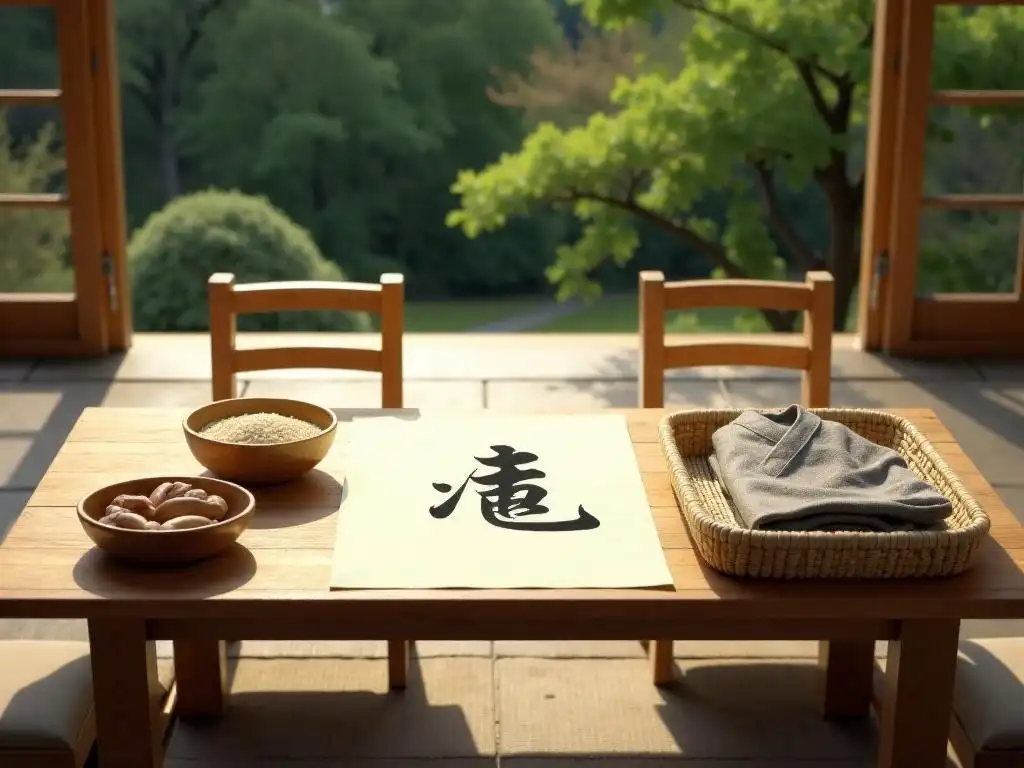
Zen Buddhism has a profound influence on various art forms in Japan, with calligraphy being one of the most significant. The practice of Zen calligraphy, or shodō (書道), is more than just writing; it is a meditative process that embodies the principles of Zen philosophy. This connection is deeply rooted in the belief that art can serve as a pathway to enlightenment and self-discovery.
- Simplicity and Spontaneity: Zen emphasizes simplicity and the beauty found in imperfection. In Zen calligraphy, artists strive to express their thoughts and emotions through spontaneous brush strokes, reflecting their inner state. This practice encourages the artist to let go of preconceived notions and embrace the moment, allowing for a genuine expression of self.
- Meditation in Motion: The act of creating calligraphy can be likened to a form of moving meditation. Practitioners often enter a trance-like state, where the focus is on the brush, the ink, and the paper. This immersion helps to quiet the mind, leading to a deeper understanding of oneself and the surrounding world.
- Expression of Zen Principles: Zen calligraphy often features characters and phrases that embody core Zen teachings, such as mu (無), which means "nothingness." Each stroke made on the paper is a reflection of the artist's mental clarity and spiritual journey, creating a visual representation of Zen concepts.
In essence, Zen calligraphy serves as a bridge between the artist's inner world and the external environment, allowing for a unique expression of Zen philosophy through the medium of ink and brush.
Mindfulness and Focus in Zen Calligraphy Techniques
Practicing Zen calligraphy requires a high level of mindfulness and focus, essential elements that contribute to the meditative experience. Here are some key techniques to cultivate these aspects:
- Preparation of the Mind and Space:
- Quiet Environment: Begin by creating a serene workspace, free from distractions. This helps in fostering a meditative atmosphere conducive to focus.
- Breath Control: Engage in deep breathing exercises to calm the mind. This prepares the practitioner mentally for the task ahead, establishing a sense of presence.
- Intentional Brushwork:
- Mindful Strokes: Each brush stroke should be approached with intention. Practitioners are encouraged to visualize the character they wish to create, allowing the brush to flow naturally without force.
- Rhythm and Flow: Establishing a rhythm in brushwork can enhance the meditative quality of the practice. Practitioners often find that a steady pace allows for deeper concentration.
- Embracing Imperfection:
- Acceptance of Mistakes: In Zen calligraphy, mistakes are viewed as part of the learning process. Practitioners are taught to embrace the imperfections, reflecting the transient nature of life.
- Reflection and Contemplation:
- Post-Practice Reflection: After completing a piece, practitioners are encouraged to take a moment to reflect on their experience. This contemplation allows them to connect with their emotions and thoughts, enhancing the overall meditative practice.
By integrating these mindfulness techniques into their practice, artists can achieve a deeper connection with both their work and themselves, making Zen calligraphy a truly transformative experience.
Essential Tools for Practicing Zen Calligraphy
The Importance of Quality Brushes: Recommended Brands
When it comes to Zen calligraphy practices in Japan, the brush is arguably the most crucial tool for achieving the desired fluidity and expression in each stroke. Quality brushes allow for a range of techniques, from delicate lines to bold, sweeping motions, embodying the essence of Zen philosophy. Here are some recommended brands that have earned acclaim among practitioners:
- Kuretake: Known for its high-quality brushes, Kuretake offers a variety of options suitable for both beginners and advanced artists. Their Fude brushes are particularly favored for their versatility in creating different stroke widths.
- Sumi-e: This brand specializes in traditional Japanese calligraphy brushes made from natural materials. Their brushes are designed for maximum control and precision, making them ideal for Zen calligraphy.
- Pentel: While not exclusively a traditional brand, Pentel produces excellent synthetic brushes that mimic the performance of natural hair brushes, making them an excellent choice for those who prefer modern tools.
The selection of a brush can significantly influence your practice, so consider trying different types to discover what best suits your style.
Choosing the Right Ink and Paper for Zen Calligraphy
In Zen calligraphy, ink and paper play vital roles in the overall experience and outcome of the artwork. The choice of ink affects the depth and richness of the strokes, while the paper can influence the texture and feel of the writing.
- Ink: Traditional Japanese calligraphy ink, known as sumi ink, is made from soot and animal glue. It provides a deep, rich black color and is often preferred for its quality. Brands like Yasutomo produce high-quality sumi ink that is widely recommended among calligraphers.
- Paper: When selecting paper, look for types specifically designed for calligraphy, such as washi paper. This paper is known for its absorbency and texture, allowing the ink to flow smoothly. Some popular choices include:
- Kizuki: A fine washi paper that absorbs ink beautifully, ideal for creating sharp and clear strokes.
- Shuen: This paper offers a unique texture that enhances the visual quality of each stroke, making it a favorite among Zen practitioners.
To achieve the best results in your Zen calligraphy practice, invest in high-quality ink and paper that complement each other.
Digital Tools for Zen Calligraphy Practice: Procreate and Alternatives
In today's digital age, many artists are exploring digital tools for their Zen calligraphy practices. Applications like Procreate have become popular for their versatility and ease of use. Here are some features and alternatives to consider:
- Procreate: This powerful drawing app allows users to create digital calligraphy with various brushes that simulate traditional brush strokes. With features like layering and adjustable brush settings, Procreate enables artists to experiment without the constraints of physical materials.
- Adobe Fresco: Another excellent option for digital calligraphy, Adobe Fresco offers a wide range of brushes and tools specifically designed for drawing and painting. Its live brushes mimic watercolors and oils, providing an immersive experience for artists.
- Calligraphy Pen Apps: There are several dedicated calligraphy apps available, such as iOrnate and Calligrapher, which provide unique tools and features tailored specifically for calligraphy enthusiasts.
Using digital tools can enhance your practice by allowing you to explore different styles and techniques without the fear of making mistakes, aligning perfectly with the Zen philosophy of experimentation and mindfulness.
By integrating traditional tools with modern technology, practitioners of Zen calligraphy can enrich their artistic journey and explore new dimensions of expression.
Step-by-Step Guide to Zen Calligraphy Practices
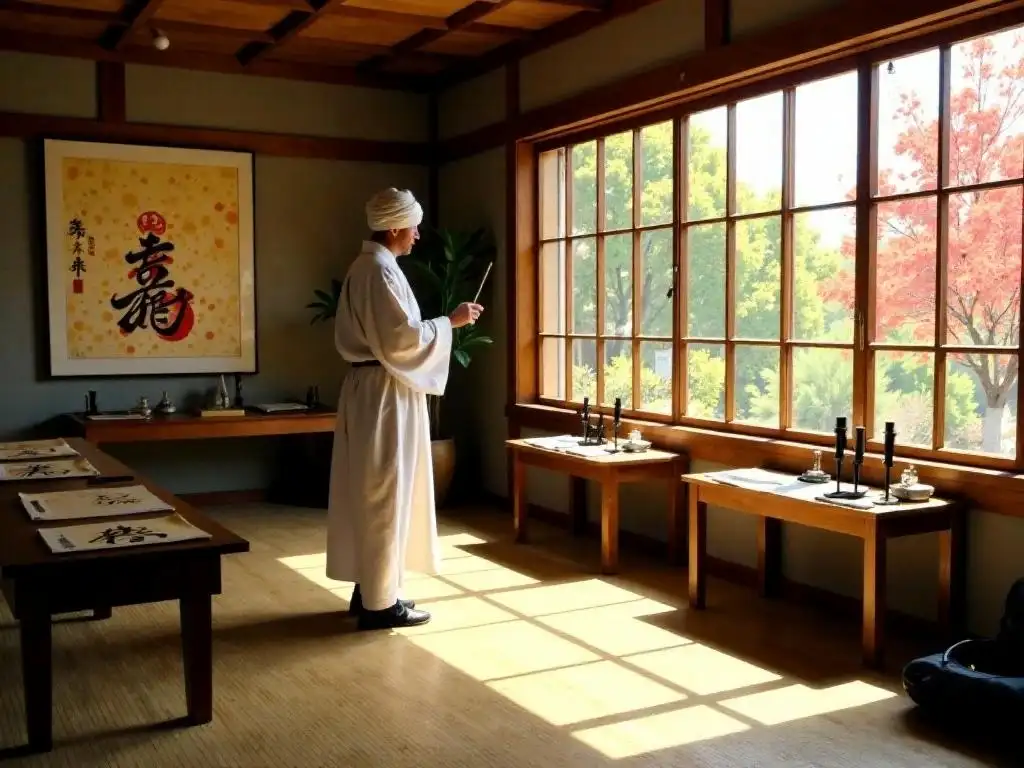
Zen calligraphy, or "Shodō," is a meditative art form that requires patience, focus, and a deep connection to the practice. This guide will lead you through essential steps to immerse yourself in the world of Zen calligraphy, highlighting the importance of mindfulness, technique, and artistic expression.
Preparing Your Workspace for Zen Calligraphy
Creating an appropriate environment is fundamental to the practice of Zen calligraphy. A well-prepared workspace not only enhances creativity but also promotes tranquility.
-
Choose a Quiet Space
Select a calm area free from distractions. This could be a dedicated room or a corner of your home where you feel comfortable and at ease.
-
Gather Essential Materials
- Paper: Use rice paper or washi for optimal ink absorption.
- Brushes: A variety of brushes (soft and hard) will allow for different strokes.
- Ink: Traditional sumi ink is preferred, but any black ink will suffice.
- Stone and Water: A stone for grinding ink and water to achieve the desired consistency.
-
Set Up Your Workspace
Organize your materials neatly on a table. Ensure you have enough space to move freely and comfortably. It's recommended to have a low table and kneeling cushion for a traditional feel.
-
Mindfulness Ritual
Before you begin, take a few moments to breathe deeply and center your mind. This practice allows you to transition from the chaos of daily life to the focused calm needed for Zen calligraphy.
“The brush should flow like water, and the mind should be still like a pond.”
Basic Strokes and Techniques: A Beginner’s Approach
Understanding the fundamental strokes is crucial for beginners in Zen calligraphy. Each stroke carries meaning and emotion, contributing to the overall expression of the work.
-
Vertical and Horizontal Strokes
- Vertical Strokes: Practice drawing straight lines from top to bottom. Focus on even pressure and fluid movement.
- Horizontal Strokes: Similarly, practice horizontal lines, learning to control the brush's pressure for varying thickness.
-
Diagonals and Curves
- Diagonal Strokes: These strokes require more precision; practice drawing them from various angles.
- Curves: Gentle curves can convey softness or strength. Experiment with different styles of curves.
-
Combining Strokes
Once you are comfortable with individual strokes, start combining them to form simple characters. Focus on the flow and continuity between strokes, allowing the brush to move gracefully across the paper.
-
Practice with Purpose
Regular practice is key. Set aside time each day to focus solely on these basic techniques. Keep your mindset positive and open to learning.
Advanced Techniques in Zen Calligraphy: Flourishes and Styles
For those who have mastered the basic strokes, diving into advanced techniques can elevate your Zen calligraphy practice.
-
Flourishes
Adding flourishes to your characters can enhance their beauty. Experiment with:
- Swirls: Create elegant swirls that extend from characters.
- Tails: Extend strokes into graceful tails that add movement.
-
Different Styles of Calligraphy
- Kaisho (Block Style): A clear and structured style, ideal for beginners.
- Gyōsho (Semi-Cursive Style): A more fluid and expressive style that allows for personal interpretation.
- Sōsho (Cursive Style): The most artistic and free-flowing style, often used for advanced practitioners.
-
Incorporating Zen Philosophy
Reflect on Zen principles such as simplicity and impermanence as you create. Allow your emotions and thoughts to flow onto the paper, embracing mistakes as part of the learning process.
-
Create a Personal Style
As you progress, strive to develop a unique style that reflects your personality. This journey is as much about self-discovery as it is about art.
Zen calligraphy practices in Japan offer a profound connection to both art and mindfulness. By following this step-by-step guide, practitioners can embrace the beauty of this ancient art form, cultivating both skill and serenity.
The Role of Zen Philosophy in Calligraphy
Zen philosophy plays a pivotal role in the practice of calligraphy, particularly in the context of Zen calligraphy practices in Japan. This discipline transcends mere artistic expression, serving as a meditative practice that aligns the mind, body, and spirit. Calligraphy in Zen is not just about producing beautiful characters; it is a form of meditation that fosters mindfulness and presence.
One of the fundamental principles of Zen is the idea of being fully present in the moment. This is mirrored in the process of creating calligraphy, where each stroke is executed with intention and awareness. Practitioners are encouraged to let go of distractions and immerse themselves in the experience of writing. This focus on the present moment helps cultivators of Zen calligraphy to tap into a deeper state of consciousness, allowing for a more profound connection with the art form.
Additionally, Zen emphasizes simplicity and clarity. This is reflected in the aesthetic of Japanese calligraphy, where the beauty lies in the elegance of the characters and the space around them. The use of ink and brush techniques embodies a sense of naturalness, where the intention behind each stroke is paramount. The Zen approach encourages artists to express their inner thoughts and emotions through their brushwork, resulting in a unique and personal representation of their inner selves.
Embracing Imperfection: The Art of Wabi-Sabi in Calligraphy
Wabi-sabi is a Japanese aesthetic that embraces imperfection, transience, and the beauty found in the natural cycle of growth and decay. In the realm of Zen calligraphy practices in Japan, wabi-sabi plays an essential role, influencing how practitioners approach the art form.
- Acceptance of Flaws: In calligraphy, each stroke is unique, and imperfections are not merely tolerated; they are celebrated. This acceptance fosters a deeper understanding of the art and encourages practitioners to appreciate the beauty in their mistakes. The belief is that flaws can convey the spirit of the artist and reflect their emotional state at the moment of creation.
- Natural Materials: The tools used in calligraphy, such as brushes and ink, often showcase the characteristics of wabi-sabi. For instance, a brush may fray over time, creating a distinctive texture in the strokes. Similarly, the ink may vary in density, leading to unexpected results. These elements contribute to the authenticity of the artwork, making each piece a unique representation of the artist’s journey.
- Impermanence: The act of creating calligraphy is inherently transient. Once a stroke is made, it cannot be altered, reinforcing the idea that the journey of creation is more important than the final product. This aligns with Zen teachings that emphasize the importance of the present moment and the acceptance of change.
By embracing wabi-sabi, practitioners of Zen calligraphy cultivate a mindset that values authenticity and the beauty of imperfection, allowing for a liberating and enriching artistic experience.
The Journey Over the Destination: Meditative Practices in Each Stroke
In Zen calligraphy, the process of writing is regarded as a meditative journey rather than a mere means to an end. Each stroke represents a moment of mindfulness, where the calligrapher engages deeply with their thoughts and emotions.
- Mindfulness in Movement: Practitioners focus on the physical act of writing, paying close attention to their breathing and the movement of the brush. This mindful approach transforms the act of calligraphy into a meditative practice, where the artist finds a sense of calm and clarity in each stroke.
- Rhythm and Flow: The creation of each character is approached with a rhythmic flow that fosters a deeper connection between the artist and the artwork. This rhythmic practice encourages a state of flow, where time seems to dissolve, and the artist becomes one with their brush.
- Reflection through Creation: As practitioners engage with their calligraphy, they often reflect on their thoughts, emotions, and experiences. The act of writing becomes a means of self-expression and introspection, allowing artists to convey their inner landscapes through the strokes of their brush.
Through these meditative practices, Zen calligraphy becomes a holistic journey that nurtures the mind and spirit, inviting practitioners to explore their creativity and connect with the essence of Zen philosophy. Ultimately, the focus on the journey rather than the destination enriches the practice, making each creation a testament to the artist's personal exploration.
Exploring Different Styles of Zen Calligraphy

Zen calligraphy is a profound art form that merges aesthetic beauty with spiritual practice, reflecting the core principles of Zen Buddhism. Within this realm, various styles emerge, each offering unique insights into the philosophy and practice of calligraphy. Understanding these styles is essential for anyone looking to engage deeply with Zen calligraphy practices in Japan.
Kanji vs. Kana: Understanding the Two Scripts
In Japanese calligraphy, two primary scripts are utilized: Kanji and Kana. Each script possesses distinct characteristics and cultural significance, influencing the practice of Zen calligraphy.
- Kanji:
- Origin: Derived from Chinese characters, Kanji represents ideas and concepts. Each character has its own meaning, often embodying complex philosophical principles.
- Complexity: Kanji characters can be intricate, with numerous strokes that require precision and a deep understanding of the structure.
- Use in Zen Calligraphy: In Zen calligraphy, Kanji is often used to express profound concepts such as enlightenment (悟, "satori") or impermanence (無常, "ujō"). The beauty of Kanji lies in its ability to convey deep meaning through a single character.
- Kana:
- Types: Kana consists of two scripts, Hiragana and Katakana. Hiragana is used for native Japanese words and grammatical elements, while Katakana is primarily for foreign words and names.
- Simplicity: Kana characters are simpler and more fluid compared to Kanji, making them more accessible for beginners.
- Use in Zen Calligraphy: Zen practitioners often use Kana for poetry or personal expressions, emphasizing the fluidity and spontaneity of the brush strokes. The use of Kana can evoke an intimate connection to one’s thoughts and feelings.
The interplay between Kanji and Kana in Zen calligraphy allows practitioners to explore a wide range of expressions. While Kanji conveys profound concepts, Kana offers a personal touch, making both scripts integral to Zen calligraphy practices in Japan.
The Influence of Sumi-e Painting on Zen Calligraphy
Sumi-e, the traditional Japanese ink painting technique, has significantly influenced the art of Zen calligraphy. This relationship stems from shared principles and aesthetics, creating a harmonious blend of visual artistry and spiritual expression.
- Philosophical Roots: Both Sumi-e and Zen calligraphy are deeply rooted in Zen philosophy. They emphasize spontaneity, simplicity, and the beauty of imperfection (wabi-sabi). This philosophical foundation encourages artists to express their inner thoughts and emotions through their work.
- Brush Techniques: The brushwork in Sumi-e painting parallels that of calligraphy. Techniques such as varying pressure and speed create dynamic strokes, allowing for a fluid representation of ideas. Practitioners often train in Sumi-e to enhance their brush skills, which directly translates to their calligraphy practice.
- Composition and Space: Both art forms prioritize composition and the use of negative space. In Sumi-e, the balance between painted and unpainted areas is crucial, a principle also vital in Zen calligraphy. This focus on space allows the viewer to engage with the artwork on a deeper level, inviting contemplation and reflection.
- Symbolism: Common themes in Sumi-e, such as nature and the seasons, often find their way into Zen calligraphy. For instance, a calligraphic representation of a cherry blossom may evoke themes of beauty and transience, resonating with the viewer's emotions.
The influence of Sumi-e on Zen calligraphy is evident in various aspects, from technique to philosophy. This relationship enriches the practice, allowing artists to explore new dimensions of expression within their Zen calligraphy practices in Japan.
How to Incorporate Zen Calligraphy into Daily Life
Daily Practices for Cultivating Mindfulness through Calligraphy
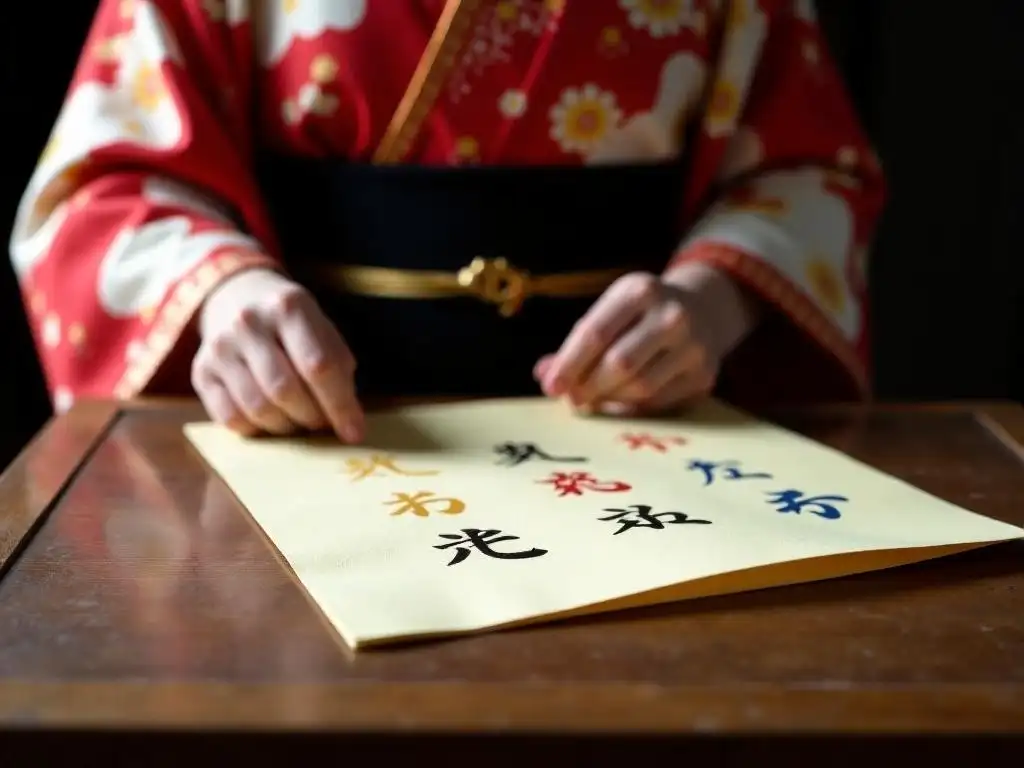
Incorporating Zen calligraphy into your daily routine can significantly enhance your mindfulness and overall well-being. Here are some practical daily practices to get started:
-
Set a Dedicated Time:
Choose a specific time each day, whether it's early morning or late evening, to practice calligraphy. Consistency is key in fostering a mindful habit.
-
Create a Tranquil Space:
Designate a quiet area in your home where you can practice without distractions. This space should reflect the tranquility you seek in your practice; consider adding elements like:
- A simple table
- Natural light
- Minimalist décor
-
Mindful Breathing Before Practice:
Spend a few minutes before you start writing to focus on your breath. Inhale deeply, hold for a moment, and exhale slowly. This sets a calm tone for your session.
-
Choose Meaningful Words or Phrases:
Selecting words that resonate with you can deepen your practice. Consider writing:
- Inspirational quotes
- Personal affirmations
- Zen proverbs such as “一日一善” (One good deed a day)
-
Focus on the Process, Not the Outcome:
Emphasize the act of writing rather than the finished product. Allow yourself to embrace imperfections; this aligns with the Zen philosophy of acceptance.
-
Limit Distractions:
Turn off electronic devices and create an environment conducive to focused practice. Consider using soft music or nature sounds to enhance your concentration.
Using Zen Calligraphy as a Form of Meditation: Tips and Techniques
Zen calligraphy serves as a powerful technique for meditation, combining art with mindfulness. Here are some tips and techniques to transform your calligraphy practice into a meditative experience:
-
Begin with a Clear Mind:
Before starting your writing, take a moment to clear your thoughts. Visualize a calm space in your mind and let go of any distractions.
-
Utilize the Right Tools:
Investing in quality materials can enhance your experience. Consider using:
- Brush: Choose a traditional calligraphy brush that feels comfortable in your hand.
- Ink: Use sumi ink for its rich texture and flow.
- Paper: Select rice paper or washi, which holds ink beautifully and adds to the meditative quality.
-
Practice Slow, Deliberate Movements:
As you write, focus on the movement of the brush and the flow of the ink. Slow down your strokes, and think of each movement as a form of meditation. This can help you enter a flow state, promoting tranquility.
-
Incorporate Visualizations:
While writing, visualize the meaning of the words you are creating. For instance, if writing the word “peace” (平和), imagine a serene landscape that embodies peace.
-
Embrace the Silence:
Silence can enhance your meditative state. Allow yourself to enjoy the quietude of your surroundings, which can deepen your focus and mindfulness.
-
Post-Practice Reflection:
After your session, take a few moments to reflect on your experience. Consider journaling about your feelings and thoughts during the practice, which can help to solidify the meditative benefits.
By integrating these Zen calligraphy practices into your life, you not only cultivate artistic skills but also foster a deeper sense of mindfulness and serenity. The journey into Zen calligraphy is as much about the process as it is about the final creation, making it a fulfilling and enriching practice.
Common Challenges in Zen Calligraphy Practices
Zen calligraphy, or "Shodō," embodies more than just the act of writing; it is an art form deeply intertwined with the principles of Zen Buddhism. While engaging in this meditative practice, many practitioners encounter specific challenges that can impede their progress and hinder their connection to the art. Recognizing and addressing these common obstacles is essential for a fulfilling journey in Zen calligraphy.
Overcoming Perfectionism in Your Calligraphy Journey
One of the most significant hurdles in Zen calligraphy is the tendency toward perfectionism. Practitioners often find themselves fixated on the idea of producing flawless characters, which can lead to anxiety and self-doubt. This obsession with perfection contradicts the fundamental Zen principle of embracing imperfection and the transient nature of life.
To overcome perfectionism, practitioners can adopt the following strategies:
- Shift Focus to the Process: Instead of solely aiming for a perfect outcome, concentrate on the act of writing itself. Allow yourself to immerse in the flow of ink on paper, appreciating each stroke as a moment of mindfulness.
- Practice Non-Attachment: Cultivating a mindset of non-attachment can help alleviate the pressure of perfectionism. Remind yourself that each character you create is a reflection of your current state of mind and that its value lies in the experience rather than the end result.
- Set Realistic Goals: Begin with achievable objectives, such as mastering basic strokes or specific characters. Gradually build up your skills without overwhelming yourself with high expectations.
- Embrace Mistakes: Understand that mistakes are an integral part of the learning process. Rather than viewing them as failures, see them as opportunities for growth and self-discovery. Each error can teach valuable lessons about balance, control, and the essence of Zen.
Dealing with Frustration: Maintaining Zen Mindset While Practicing
Frustration is another common challenge that can arise during Zen calligraphy practice, especially when progress seems slow or when one's work does not meet personal standards. However, maintaining a Zen mindset in the face of frustration is crucial for cultivating resilience and deepening one's practice.
Here are some techniques to help manage frustration:
- Mindful Breathing: Incorporate mindful breathing exercises before and during your practice. Taking a few deep breaths can ground you, allowing you to release tension and refocus your mind.
- Create a Dedicated Space: Establish a serene and uncluttered space for your calligraphy practice. This environment can enhance your concentration and promote a sense of calm, making it easier to navigate moments of frustration.
- Engage in Regular Reflection: After each practice session, take time to reflect on your experience. Consider what worked well and what felt challenging. This reflective process can help you identify patterns in your practice and develop strategies to address frustration.
- Cultivate Patience: Remember that mastery in Zen calligraphy takes time and dedication. Embrace the journey and allow yourself to progress at your own pace. Celebrating small victories along the way can foster a positive mindset and sustain motivation.
By addressing these common challenges—perfectionism and frustration—practitioners can deepen their connection to Zen calligraphy, transforming their practice into a more enriching and fulfilling experience. As you navigate your calligraphy journey, remember that the path itself holds as much significance as the characters you create.
Recommended Resources for Zen Calligraphy Enthusiasts

Online Courses and Workshops: The Complete Guide to Japanese Calligraphy and Others
For those interested in deepening their understanding of Zen calligraphy practices in Japan, various online courses and workshops offer a comprehensive way to engage with this art form. These programs cater to different skill levels and learning preferences, providing both the historical context and practical techniques necessary to excel in calligraphy.
- Beginner Courses:
- Introduction to Japanese Calligraphy: This course typically covers the fundamentals of brush handling, ink preparation, and basic stroke techniques. It often includes video demonstrations and assignments to practice at home.
- Zen Calligraphy Basics: Focused on the meditative aspects of calligraphy, this course emphasizes mindfulness and the spiritual connection to each stroke.
- Intermediate and Advanced Workshops:
- Mastering Kanji: Designed for those who have a basic understanding of calligraphy, this workshop dives into the intricacies of kanji characters, exploring their meanings and forms.
- Zen Practices in Calligraphy: This advanced workshop combines calligraphy with Zen meditation techniques, encouraging practitioners to find tranquility and focus through their art.
- Specialized Courses:
- Sumi-e and Calligraphy Fusion: This unique course blends the techniques of traditional Japanese ink painting (sumi-e) with calligraphy, allowing artists to explore creative expression in both forms.
- Live Online Workshops:
- Many experienced calligraphy masters offer live sessions where participants can interact, ask questions, and receive personalized feedback. These workshops often create a sense of community among learners, further enhancing the Zen experience.
By participating in these courses, enthusiasts can develop their skills while also gaining insights into the philosophical underpinnings of Zen calligraphy.
Books on Zen Calligraphy Practices: "The Art of Calligraphy: A Personal Journey" and Recommendations
Books serve as invaluable resources for those wishing to explore Zen calligraphy practices in Japan more deeply. They offer not only practical guidance but also rich narratives about the cultural significance of this art form.
- "The Art of Calligraphy: A Personal Journey" by Maki Kato: This book combines personal anecdotes with practical tips, offering readers both inspiration and instruction. Kato's work focuses on the emotional connection between the artist and the medium, making it a perfect read for those interested in the Zen aspect of calligraphy.
- "Zen Calligraphy: The Art of the Brush" by Shozo Sato: This book delves into the historical context of Zen calligraphy, illustrating its evolution and significance throughout Japanese culture. Sato provides step-by-step guidance on techniques, making it accessible for both beginners and experienced calligraphers.
- "The Spirit of Japanese Calligraphy" by Yoko Ota: This comprehensive resource explores the philosophy behind Japanese calligraphy, discussing how Zen principles influence the creation of each character. Ota incorporates beautiful illustrations and photographs, enhancing the reader's understanding of the art form.
- "Brush Pen Calligraphy: A Step-by-Step Guide" by Grace Song: While focused on modern techniques, this book connects traditional calligraphy practices with contemporary styles, including insights on how Zen mindfulness can enhance one’s artistic process.
Through these books, readers can immerse themselves in the world of Zen calligraphy, gaining both technical skills and a deeper appreciation for its cultural significance.
Whether through online courses or insightful literature, resources for learning and practicing Zen calligraphy are abundant. These materials not only support skill development but also foster a greater understanding of the meditative and artistic journey that defines this beautiful practice.
Conclusion: The Transformative Power of Zen Calligraphy Practices
Zen calligraphy, or "shodō," transcends mere writing; it represents a meditative practice that cultivates mindfulness, discipline, and creativity. Throughout this journey, practitioners engage in a profound exploration of self-expression and awareness, allowing the art form to serve as a bridge between the mind and body. The act of each stroke, executed with intention and focus, becomes not only a reflection of one’s thoughts but also a means of connecting with the deeper essence of existence.
As you conclude your exploration of Zen calligraphy practices in Japan, it is essential to recognize the transformative effects this discipline can have on your life. The process encourages patience and concentration, fostering a tranquil state of mind. The simplicity of materials—brush, ink, and paper—reminds us that complexity arises from our interpretation and engagement, inviting us to appreciate the beauty in the moment.
Reflecting on Your Journey in Zen Calligraphy
Reflecting on your journey through Zen calligraphy, consider the following aspects:
- Personal Growth: How has your practice influenced your personal development? Have you noticed improvements in your focus, patience, or creativity?
- Mindfulness: In what ways has engaging in Zen calligraphy deepened your mindfulness and connection to the present moment?
- Artistic Expression: What emotions or thoughts have emerged during your practice? Have you found new forms of expression that resonate with your inner self?
Taking time to reflect on these questions can enhance your appreciation for the art form and provide insight into your growth as a practitioner.
In the stillness of the brush strokes, you find the rhythm of the heart.
Encouragement to Continue Exploring the Art of Zen Calligraphy
As you move forward, embrace the ongoing journey of Zen calligraphy with an open heart and mind. Here are some encouragements to keep you inspired:
- Experiment: Don’t hesitate to explore different styles and techniques within Zen calligraphy. Each practice offers unique insights and challenges that can lead to personal breakthroughs.
- Community: Engage with fellow practitioners, whether in local workshops or online forums. Sharing experiences and techniques can enrich your understanding and appreciation of the art.
- Practice Regularly: Consistency is key in developing your skills. Set aside time each week dedicated to practice, allowing yourself to flow into the meditative state that Zen calligraphy offers.
By embracing the journey and practicing regularly, you can continue to unlock the profound wisdom and beauty held within Zen calligraphy practices in Japan. Remember, it is not just about the final piece but the transformative experience found in each stroke. Happy writing! ✍️
Frequently Asked Questions
What is Zen calligraphy?
Zen calligraphy, also known as Shodo, is a traditional Japanese art form that emphasizes meditation and spiritual expression through the practice of writing characters with brush and ink.
How does Zen calligraphy relate to meditation?
In Zen calligraphy, practitioners engage in a meditative state to enhance their focus and mindfulness, allowing them to express their inner thoughts and feelings through each brushstroke.
What materials are commonly used in Zen calligraphy?
The primary materials for Zen calligraphy include rice paper, brushes, ink sticks, and ink stones, all of which contribute to the authenticity and aesthetic quality of the art.
Can anyone practice Zen calligraphy?
Yes, anyone can practice Zen calligraphy, regardless of skill level. It is a practice that encourages self-expression and personal growth, making it accessible to all who seek to explore this artistic meditative journey.
What are the benefits of practicing Zen calligraphy?
Practicing Zen calligraphy can lead to improved concentration, enhanced creativity, and a deeper sense of inner peace. It allows individuals to connect with their spiritual selves and cultivate a mindful approach to art.
Final Reflection: Embracing the Serenity of Zen Calligraphy
In a world that often feels chaotic and fast-paced, the meditative practice of Zen calligraphy offers a sanctuary of peace and mindfulness. This ancient art form, deeply rooted in Japanese culture, invites us to slow down and connect with our inner selves through the graceful strokes of a brush. As we explore the nuances of Zen calligraphy practices in Japan, we uncover not just an artistic endeavor, but a profound journey toward self-discovery and tranquility that resonates with our modern lives.
The influence of Zen calligraphy extends far beyond the canvas; it permeates our cultural and social landscapes, fostering a deeper appreciation for mindfulness and presence. Engaging with this practice can transform our perception of art, encouraging us to see beauty in simplicity and imperfection. As the renowned Zen master D.T. Suzuki once said, The art of Zen is the art of living.
This sentiment captures the essence of how Zen calligraphy serves as a bridge between artistic expression and spiritual growth, reminding us that each stroke is an opportunity to cultivate awareness and harmony in our daily lives.
As you reflect on the lessons of Zen calligraphy, I invite you to embrace the stillness it offers and consider how you can integrate mindfulness into your own life. Take a moment to breathe, pick up a brush, and allow the flow of ink to guide you in this journey of self-exploration. Let the practice of Zen calligraphy inspire you to find balance and serenity amidst the noise, nurturing a deeper connection with yourself and the world around you.
Unleash Your Creativity Through Calligraphy!
Thank you for taking the time to explore the meditative practice of calligraphy with us! You’ve discovered how this beautiful art form not only enriches your creative skills but also serves as a pathway to mindfulness and tranquility. Now, it's time to take the next step on your journey!
Here are a few actionable ways to immerse yourself in the world of calligraphy:
- Start your own calligraphy practice by gathering your supplies and dedicating at least 15 minutes each day to writing. Embrace the tranquility of each stroke!
- Join a local or online calligraphy community where you can share your progress, receive constructive feedback, and learn from fellow enthusiasts.
- Explore unconventional materials, such as writing on fabric or experimenting with ink painting, to expand your creative horizons!
What unique message or quote would you love to express through your calligraphy journey?