
Daily Life in a Daimyo's Domain: Insights into Feudal Society

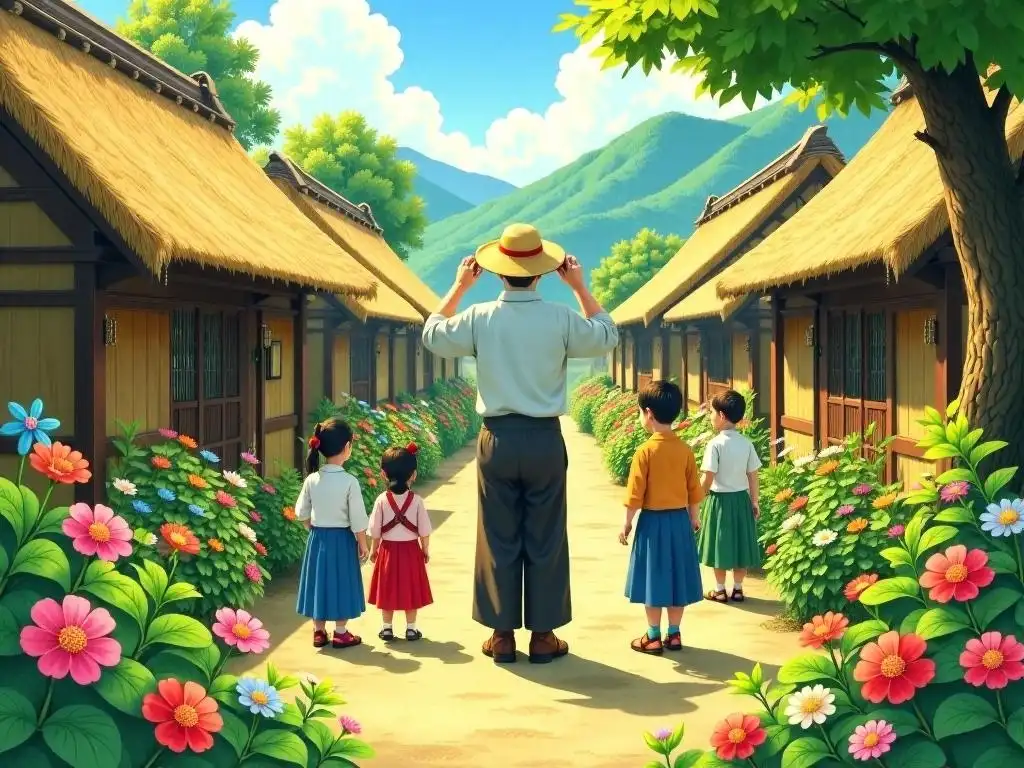
Welcome to Feudal Japan History, where we embark on a captivating journey through the intricate tapestry of Japan’s feudal era. In our featured article, "Daily Life in a Daimyo's Domain: Insights into Feudal Society," we delve into the rich and often overlooked nuances of daily life during this remarkable period. Have you ever wondered what it was like to navigate the complexities of a daimyo's household or to experience the vibrant culture that thrived amidst political intrigue?
Join us as we unveil the hidden stories and cultural treasures of feudal Japan, sparking your curiosity to explore the lives of samurai, farmers, and merchants alike. The past awaits—let's begin this adventure together!
Introduction to Daily Life in Feudal Japan
Feudal Japan, a period stretching from the late 12th century to the mid-19th century, is characterized by a complex social hierarchy and a unique way of life that revolved around the powerful figures known as daimyo. These feudal lords not only governed vast territories but also shaped the daily experiences of those within their domains. Understanding the daily life in feudal Japan requires a deep dive into the cultural practices, societal structures, and the intricate relationships that defined this era.
This article aims to illuminate the nuances of life under the daimyo, offering insights into how their rule influenced the lives of samurai, peasants, and artisans alike. By exploring the daily routines, customs, and responsibilities of various social classes, we can gain a comprehensive understanding of the vibrant tapestry that was feudal Japanese society.
Overview of Japan’s Feudal Era
The feudal era of Japan, often referred to as the "Edo period," witnessed significant political, economic, and cultural transformations. Beginning with the Kamakura shogunate in the late 12th century, this epoch was marked by a decentralized power structure where local lords (daimyo) held significant authority over their territories.
The shogunate system established a hierarchy where the shogun, as the military ruler, delegated power to the daimyo, who in turn governed their own vassals and subjects. This period was not only crucial for the consolidation of power but also for the development of distinct cultural practices, such as the samurai code of conduct, known as bushido, and the flourishing of art forms like tea ceremonies and kabuki theater.
Importance of the Daimyo in Feudal Society
Daimyo played a pivotal role in shaping the political landscape of feudal Japan. As feudal lords, they were responsible for maintaining order, collecting taxes, and providing protection to their subjects in exchange for loyalty and service. Their influence extended beyond governance; daimyo were also patrons of culture and the arts, sponsoring various artistic endeavors and encouraging the development of local craftsmanship.
Furthermore, the relationships between the daimyo and their samurai were foundational to the social fabric, as loyalty and honor were paramount in maintaining the stability of their domains. Understanding the significance of the daimyo allows us to appreciate the complexities of daily life within their territories, where power dynamics directly affected the lives of all classes.
The Structure of Feudal Society
Social Hierarchy in Feudal Japan
Feudal Japan was characterized by a rigid social hierarchy, often illustrated as a pyramid structure:
- Emperor (symbolic figurehead)
- Shogun (military ruler)
- Daimyo (feudal lords)
- Samurai (warrior class)
- Peasants (farmers and laborers)
- Artisans (craftsmen)
- Merchants (traders)
This hierarchy dictated the roles and responsibilities of each class, influencing their daily activities, privileges, and social interactions. While the emperor held a revered status, real political power resided with the shogun and the daimyo, who governed the samurai and lower classes.
Roles of the Daimyo and Samurai
Daimyo and samurai were central to the military and administrative functions of feudal Japan. The daimyo, as landholders, managed their domains with a focus on agricultural production and military readiness. Their samurai, bound by loyalty, served as both warriors and local administrators, ensuring the enforcement of the daimyo's rule and protection of the land. Daily life for a samurai involved rigorous training in martial arts, adherence to bushido, and duties such as managing the estate and attending to the needs of the daimyo.
Influence of Peasants and Artisans
While the samurai class often overshadowed them, peasants and artisans were essential to the functioning of feudal society. Peasants, who made up the majority of the population, were responsible for agricultural production, which was the backbone of the economy. Their daily lives revolved around farming, seasonal labor, and fulfilling obligations to their daimyo.
Artisans, on the other hand, contributed to the economy by producing goods ranging from textiles to tools, often working within the confines of their local communities. The interdependence of these classes highlights the complexities of daily life in a daimyo's domain, where each group played a vital role in sustaining the feudal structure.
Daily Activities of a Daimyo
The daily life of a daimyo, a feudal lord in Japan, was structured and multifaceted, reflecting both personal routines and the responsibilities that came with their status. From sunrise to sunset, a daimyo's activities encompassed various aspects of governance, military readiness, and cultural engagement, all aimed at maintaining their power and influence within the hierarchical structure of feudal Japan. These daily activities not only defined their roles as leaders but also shaped the society surrounding them.
Morning Rituals and Responsibilities
Morning rituals for a daimyo typically began at dawn. It was a time for personal reflection, prayer, and preparation for the day ahead. Many daimyos practiced Shinto or Buddhism, engaging in rituals that included offering prayers at household altars, which served to invoke blessings for their family and domain.
After these spiritual practices, the daimyo would attend to immediate family matters and personal grooming, often with the assistance of attendants. This included dressing in elaborate garments that signified their rank and status, which were often adorned with family crests.
By mid-morning, the daimyo would delve into governance, meeting with advisors and samurai to discuss pressing matters. This could involve decisions regarding land management, taxation, or military strategies. The daimyo's ability to manage these responsibilities effectively was crucial for maintaining loyalty and order within their domain.
Governance and Administrative Duties
Governance was a central pillar of a daimyo's daily life. The daimyo had the authority to rule over their territory, which required a balance between benevolence and firmness. Administrative duties often included:
- Land Management: Regular assessments of agricultural productivity and land use were essential. The daimyo would oversee the collection of taxes from peasants, ensuring that the resources could support both the local economy and the samurai class.
- Legal Matters: The daimyo served as the highest legal authority in their domain, addressing disputes and enforcing laws. This role involved adjudicating cases brought forth by peasants or samurai, maintaining a semblance of justice and order.
- Military Oversight: Ensuring the readiness of the samurai was paramount. The daimyo would often conduct inspections of troops, oversee training exercises, and strategize for potential conflicts.
These governance activities were critical for solidifying the daimyo's power and ensuring the loyalty of both the samurai and the peasantry.
Cultural and Social Engagements
In addition to their administrative responsibilities, a daimyo's daily life included rich cultural and social engagements. The daimyos were patrons of the arts, often supporting local artisans, poets, and musicians. Their involvement in culture was not merely for personal enjoyment; it was a means to display their power and sophistication.
Social engagements often took the form of feasts, ceremonies, and festivals where the daimyo would host other nobles and samurai. These gatherings were vital for political alliances, negotiations, and the reinforcement of social hierarchies. The daimyo's participation in traditional arts, such as tea ceremonies and Noh theater, showcased their refinement and appreciation for Japanese culture, further enhancing their status within the feudal system.
The Daily Life of Samurai
The samurai, the warrior class serving the daimyo, also had a structured daily life that revolved around discipline, duty, and family. Their routines were shaped by their commitment to martial arts and loyalty to their lord, as well as the responsibilities they bore within their households.
Training and Martial Arts Practice
Training was a fundamental part of a samurai's daily routine. These warriors were required to be proficient in various martial arts, including:
- Kenjutsu: The art of swordsmanship, which was essential for combat.
- Bojutsu: The use of the staff, which provided a different combat style.
- Kyujutsu: Archery training, crucial for ranged combat.
Samurai would typically spend hours each day honing their skills, practicing techniques, and engaging in mock battles. This rigorous training not only prepared them for potential conflicts but also reinforced the samurai code of honor, known as Bushido, which emphasized loyalty, courage, and discipline.
Family Life and Domestic Duties
While samurai were often focused on their martial duties, family life was also significant. Many samurai were married and had children, and they were expected to uphold family honor. Domestic duties included:
- Education of Children: Samurai fathers often took an active role in teaching their children, particularly in martial arts and literature, ensuring that the next generation was prepared to carry on the family's legacy.
- Household Management: Samurai wives managed the household, overseeing domestic affairs and the well-being of the family.
The balance between military obligations and family responsibilities was crucial for maintaining a samurai's honor and status within their society.
Social Status and Responsibilities
The social status of a samurai was intricately tied to their loyalty to the daimyo. As vassals, samurai were expected to serve their lord faithfully, often participating in military campaigns and fulfilling various duties that contributed to the daimyo's authority.
Additionally, samurai held a significant role in local governance, often acting as intermediaries between the daimyo and the peasantry. They were responsible for enforcing laws, collecting taxes, and ensuring the welfare of the populace. This dual role of warrior and administrator was essential for the stability and prosperity of the domain, illustrating the interconnectedness of samurai life and feudal society in Japan.
Peasant Life in the Daimyo's Domain
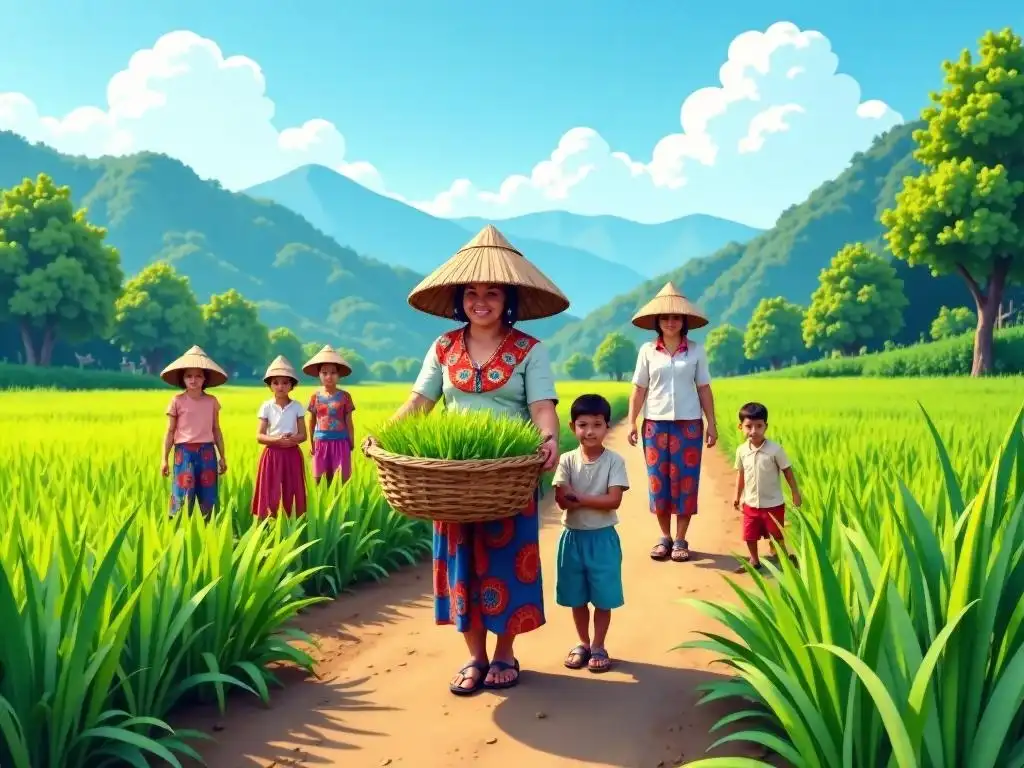
Peasant life in a daimyo's domain was characterized by a blend of hard work, community ties, and adherence to the feudal system. The majority of the population during Japan's feudal era comprised peasants who worked the land, producing rice and other crops essential for sustenance and trade. Their daily routines were dictated by the agricultural calendar, social structures, and the obligations imposed by their lords.
Life for peasants was often challenging; they faced harsh weather, the demands of agricultural labor, and the threat of famine. However, their close-knit communities provided a support network that was vital for survival. Family units worked collectively, sharing responsibilities not only for farming but also for household tasks, thereby fostering a spirit of cooperation and mutual assistance.
Agricultural Practices and Seasonal Cycles
The agricultural practices of peasants in a daimyo's domain were deeply tied to seasonal cycles, reflecting the rhythm of nature. The primary crop cultivated was rice, which was not only a staple food but also a measure of wealth and social status. The farming year began with the preparation of fields in spring, followed by rice planting during the rainy season. As the summer months progressed, careful maintenance of the fields was crucial, including weeding and irrigation.
By autumn, the harvest season brought a flurry of activity as families gathered to reap the fruits of their labor. This period was vital, as a good harvest could mean the difference between survival and hardship. Winter involved a time of rest and preparation for the next cycle, with farmers repairing tools and planning for future crops.
Peasants also practiced crop rotation and the cultivation of various vegetables and grains, which helped sustain their diets and provided a measure of food security. The integration of traditional knowledge and communal practices allowed them to adapt to the varying conditions of their environment.
Community Living and Social Interactions
Community living was central to the peasant experience in a daimyo's domain. Villages were typically composed of extended families who worked together and shared resources. Social interactions were frequent, as communal activities such as festivals, religious ceremonies, and seasonal celebrations fostered strong bonds among villagers.
Villagers often gathered for communal tasks, such as planting and harvesting, reinforcing social ties and ensuring that everyone contributed to the well-being of the community. This interdependence was vital, especially during times of hardship, when families relied on each other for support.
The social hierarchy within the village was often less rigid than in the samurai class, allowing for a certain degree of flexibility. Elders held respect, and decisions were made collectively, with the wisdom of experienced members guiding the community. However, while they enjoyed some autonomy, the peasants remained subject to the daimyo's authority, and their lives were continually influenced by the demands of the feudal system.
Taxation and Feudal Obligations
Taxation in the daimyo's domain was a defining feature of peasant life, reflecting their obligations to their lord. The primary form of taxation was a share of the harvest, typically around 40% of the rice produced. This tribute was essential for maintaining the daimyo's household and supporting the samurai class.
Peasants were also required to provide labor for various projects, such as building roads or maintaining irrigation systems, which were vital for agricultural productivity. These obligations often varied depending on the daimyo's policies and the specific needs of the domain.
Despite the burdens, peasants were granted certain rights, including the ability to cultivate their land and pass it down to their descendants, providing a sense of stability. However, any failure to meet obligations could result in severe consequences, including loss of land or increased taxation, perpetuating a cycle of dependence and hardship.
Cultural Aspects of Daily Life
Cultural life in a daimyo's domain was rich and varied, deeply influenced by the agricultural calendar, religious practices, and the social dynamics of the community. While the samurai class dominated the cultural narrative, the contributions of peasants and artisans were equally significant in shaping the cultural landscape of feudal Japan.
Traditional Japanese Cuisine in Feudal Times
Food played a central role in daily life, reflecting the geography and agricultural practices of the region. Traditional Japanese cuisine in feudal times was largely based on rice, vegetables, and fish, with meals often consisting of a bowl of rice accompanied by seasonal vegetables and miso soup.
The preparation of food was a communal affair, with families gathering to cook and share meals. Festivals and seasonal changes brought about specific dishes, celebrating the harvest with special foods made from newly gathered ingredients.
Preservation methods such as pickling and drying were commonly employed, ensuring that food could be stored for the leaner months. This connection to the land and seasonal cycles was integral to the peasant's identity, highlighting the importance of sustainability and respect for nature.
Festivals and Celebrations in a Daimyo's Domain
Festivals were pivotal in the cultural calendar of a daimyo's domain, serving as occasions for community bonding and spiritual reflection. These celebrations often coincided with agricultural milestones, such as planting and harvest festivals, allowing villagers to express gratitude for the bounty of the earth.
During these festivals, traditional music, dance, and folk performances brought vibrancy to the community. Participants donned colorful garments and engaged in rituals that honored deities and spirits, reinforcing cultural traditions.
In addition to agricultural festivals, seasonal events such as New Year celebrations and religious observances fostered a sense of unity and continuity among the people. These gatherings not only provided a respite from daily labor but also reinforced community identity, passing down cultural practices from one generation to the next.
Art, Literature, and Education
While the samurai class often dominated the realms of art and literature, peasants contributed significantly to the cultural fabric of feudal Japan. Oral traditions, folklore, and local stories were passed down, enriching the community's heritage.
Education in a daimyo's domain varied widely based on social class, but even among peasants, knowledge was valued. Basic literacy and numeracy were essential for managing agricultural tasks and understanding obligations to the daimyo. Some villages had temples or schools where children learned reading, writing, and local history, albeit in limited capacity.
Artisans, often from peasant backgrounds, created functional and aesthetic items, from pottery to textiles, contributing to the domain's cultural output. This blend of practicality and artistry underscored the importance of daily life and labor, as every object held significance beyond mere utility, embodying the community's spirit and creativity.
The Role of Religion and Spirituality
In feudal Japan, religion and spirituality played a pivotal role in shaping the daily lives of individuals, particularly within the domains of the daimyos. The intertwining of Shinto and Buddhist beliefs influenced not just personal practices but also the broader cultural and political landscape. Religion served as a guiding force, providing moral frameworks and community cohesion, while also legitimizing the power of the ruling classes.
Spirituality was deeply embedded in the daily routines of both the samurai and the peasantry. Rituals and ceremonies punctuated everyday life, reinforcing social hierarchies and communal bonds. The daimyos often patronized temples and shrines, using their resources to support religious institutions, which in turn helped to maintain their status and authority. This reciprocal relationship between the ruling class and religious institutions ensured that spirituality remained a cornerstone of feudal society.
Shinto and Buddhist Practices in Daily Life
Shinto, the indigenous spirituality of Japan, emphasized the worship of kami (spirits) associated with natural elements and ancestors. Daily practices often involved ritual offerings at home altars or local shrines, where families would pray for blessings and protection. The reverence for nature and ancestral spirits fostered a sense of harmony and gratitude among the people, influencing their interactions with the environment.
Buddhism, which was introduced from China and Korea, complemented Shinto practices and became prevalent, particularly among the samurai class. Zen Buddhism, in particular, found favor with warriors due to its emphasis on discipline, meditation, and the pursuit of enlightenment. Samurai engaged in practices such as zazen (seated meditation) to cultivate mental fortitude and clarity, essential traits for their martial roles. Temples served as places of retreat and education, where samurai could learn not only about martial strategies but also about ethics and philosophy.
Festivals and Religious Observances
Festivals, or matsuri, were significant communal events that intertwined religious observance with social and cultural activities. These festivals were often tied to agricultural cycles, celebrating harvests and seasonal changes with rituals to appease the kami. Such events fostered a sense of unity within the community, where people came together to participate in traditional dances, music, and feasts.
Religious observances were also marked by ceremonies that highlighted the seasonal changes and life events, such as births, marriages, and funerals. These practices provided a structure to the year and reinforced the community's cultural heritage. The daimyos would often host elaborate celebrations, showcasing their wealth and power while ensuring the loyalty of their subjects through generous patronage.
Challenges and Conflicts in Daily Life
Despite the rich cultural tapestry woven by religious and spiritual practices, daily life in a daimyo's domain was fraught with challenges and conflicts. The interplay of economic pressures, warfare, and social unrest constantly shaped the experiences of the people living under feudal rule.
Economic Struggles and Famine
Economic struggles were a harsh reality for many who lived in feudal Japan. The agrarian-based economy meant that the majority of the population relied on farming, making them vulnerable to natural disasters such as droughts or floods. Such events could lead to poor harvests, resulting in food shortages and famine.
During times of famine, the burden often fell disproportionately on the peasant class, who faced increasing taxes and demands from their lords. As resources dwindled, the desperation of the populace could lead to significant unrest, as people sought to survive in a system that often prioritized the wealth of the daimyos over the well-being of their subjects.
Warfare and Its Impact on Society
Warfare was a defining element of life in feudal Japan, with the constant threat of conflict among rival daimyos leading to instability. The samurai class, trained in the arts of war, often found themselves on the front lines, while the peasantry suffered the consequences of military campaigns. Villages could be ravaged, and crops destroyed, leading to further economic hardship.
The frequent skirmishes and large-scale battles not only affected the physical landscape but also instilled a culture of militarism and honor among the samurai. Daily life was overshadowed by the potential for violence, and families often lived in fear of raids or conscription into service.
Social Unrest and Rebellions
Social unrest was an inevitable byproduct of the struggles faced by the lower classes in feudal Japan. As economic conditions worsened and the gap between the wealthy and the impoverished widened, peasant uprisings became more common. These rebellions were often sparked by oppressive taxation and harsh living conditions, leading to significant turmoil within daimyos' domains.
The most notable uprisings, such as the Ikko-Ikki movement in the 15th century, demonstrated the potential for organized resistance against the ruling classes. Such movements were not only a response to economic grievances but also reflected deeper societal issues, including the desire for greater autonomy and justice. The daimyos, faced with internal dissent, had to navigate the complexities of maintaining control while addressing the needs and rights of their subjects, a balance that proved increasingly challenging in the volatile environment of feudal Japan.
Conclusion: Legacy of Daily Life in Feudal Japan
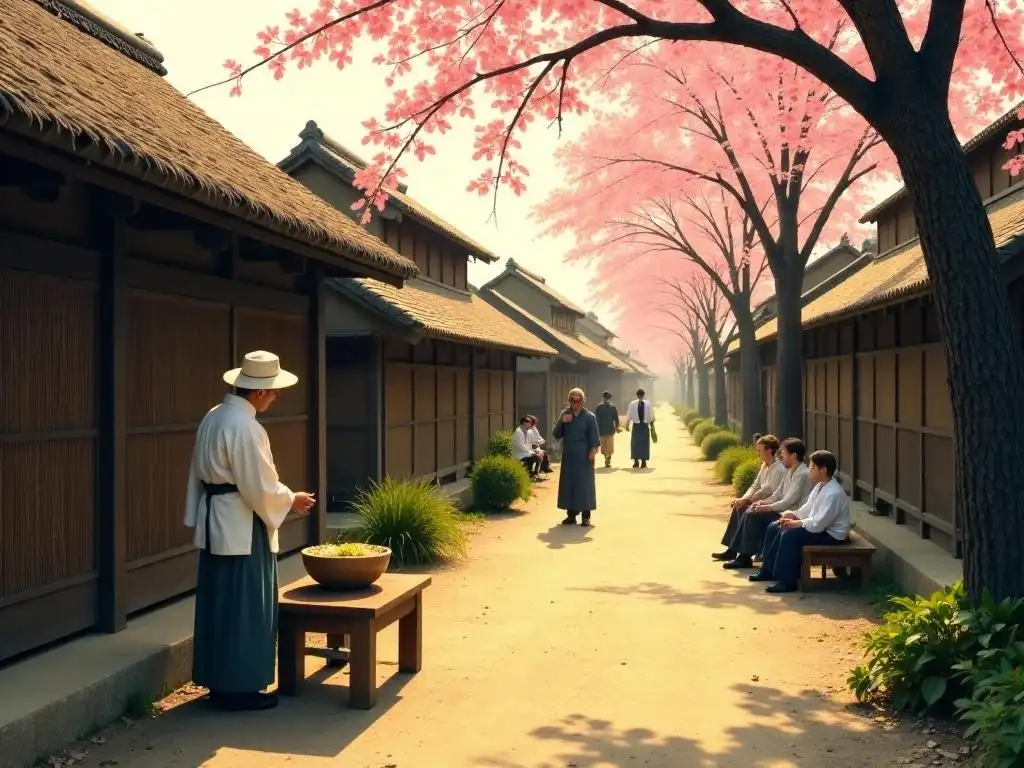
The daily life in a daimyo's domain during the feudal era of Japan is a reflection of the intricate social hierarchy and the cultural practices that defined the period. The experiences of samurai, peasants, artisans, and merchants within these domains illustrate a society that was rich in tradition and deeply influenced by Confucian ideals. As we examine the routines, customs, and interactions of these social classes, it becomes clear how these aspects contributed to a cohesive and functioning feudal society.
The legacy of daily life in feudal Japan is not merely a historical curiosity; it is a foundational element of modern Japanese culture. Many traditions, such as tea ceremonies, festivals, and martial arts, can be traced back to this era. The values of loyalty, honor, and respect for hierarchy that were emphasized during the feudal period continue to resonate in contemporary Japanese society, influencing everything from business practices to familial relationships.
Lasting Influences on Modern Japanese Society
The influences of daily life in a daimyo's domain extend into various facets of modern Japanese society.
- Cultural Practices: Many traditional arts, such as ikebana (flower arranging), calligraphy, and Noh theater, have roots in the aesthetic values of the samurai class and the refined culture that flourished during the feudal era.
- Social Structure: The rigid social hierarchy of the feudal period has left a mark on contemporary social interactions in Japan, where respect for seniors and adherence to group harmony remain vital components of interpersonal relations.
- Economic Models: The agricultural practices and trade systems established during feudal times set the groundwork for Japan's modern economy, influencing everything from land ownership patterns to contemporary agricultural policies.
Aspects of feudal life, such as communal living and collective responsibility, are echoed in the way communities operate today, showcasing a continuity of cultural values that have adapted yet remained recognizable through centuries.
Reflection on the Cultural Heritage of Feudal Japan
Feudal Japan’s cultural heritage offers a lens through which we can appreciate the complexities of its societal structure. The daily life of a daimyo's domain was characterized by a blend of practicality and artistry, where even mundane activities were imbued with cultural significance.
- Art and Aesthetics: The pursuit of beauty was paramount, seen in the architecture of castles, the design of gardens, and the meticulous craftsmanship of everyday objects. This emphasis on aesthetics continues to influence modern Japanese design and architecture.
- Philosophy and Ideals: The philosophical underpinnings of Confucianism and bushido (the way of the warrior) shaped the moral framework of society, instilling values that govern both personal conduct and societal expectations even today.
- Rituals and Festivals: Many rituals and seasonal festivals that originated during the feudal period are still celebrated, serving to connect modern Japanese individuals with their historical roots.
In reflecting on the cultural heritage of feudal Japan, we uncover not just a historical narrative, but a living legacy that informs and enriches the identity of contemporary Japan. The daily life of the daimyo, their retainers, and the common people encapsulated a world that, while different from today, laid the groundwork for the cultural richness that continues to define Japan.
- Introduction to Daily Life in Feudal Japan
- The Structure of Feudal Society
- Daily Activities of a Daimyo
- The Daily Life of Samurai
- Peasant Life in the Daimyo's Domain
- Cultural Aspects of Daily Life
- The Role of Religion and Spirituality
- Challenges and Conflicts in Daily Life
- Conclusion: Legacy of Daily Life in Feudal Japan
- Lasting Influences on Modern Japanese Society
- Reflection on the Cultural Heritage of Feudal Japan
Frequently Asked Questions
What was the structure of society in feudal Japan?
Feudal Japan had a hierarchical structure with the emperor at the top, followed by shoguns, daimyos, samurai, and peasants. This system established roles and responsibilities within the society.
Daily life in feudal Japan varied significantly among classes. Daimyos and samurai led privileged lifestyles, while peasants worked the land and lived in simpler conditions, focusing on agriculture and survival.
What role did the samurai play in feudal Japanese society?
The samurai were the warrior class, serving as loyal retainers to the daimyos. They upheld the code of bushido, which emphasized honor, loyalty, and martial prowess.
How did cultural practices influence daily life in feudal Japan?
Cultural practices, such as tea ceremonies, calligraphy, and martial arts, were integral to daily life. They fostered a sense of community and reflected the values of discipline and aesthetic appreciation.
What were common occupations for peasants in feudal Japan?
Most peasants were engaged in agriculture, cultivating rice and other crops. Some also worked as artisans or traders, contributing to the local economy within their daimyo's domain.
Final Reflection: Embracing the Echoes of Daily Life in Feudal Japan
The intricate tapestry of daily life in feudal Japan reveals not only the social hierarchies and cultural practices of the time but also resonates with our contemporary understanding of community and identity. In exploring the lives of the daimyo and their subjects, we uncover the essential values that shaped their existence—values that continue to influence our modern society. The lessons from this era remind us that our daily interactions and societal structures are deeply rooted in historical contexts, urging us to recognize the significance of our own roles within the community.
Cultural practices and social norms from feudal Japan have left an indelible mark on our world today, shaping everything from art to governance. The rigid class structures and the intricate relationships between the samurai, farmers, and merchants provide a lens through which we can examine our own societal dynamics.
As we reflect on this historical narrative, we are reminded of the words of historian John W. Hall: > “The past is not dead; it is not even past.” This quote encapsulates the ongoing influence of feudal Japan's daily life, encouraging us to draw parallels and learn from the complexities of our shared history.
As we conclude this exploration of daily life in a daimyo's domain, I invite you to reflect on how the lessons of the past can inform your present. Consider how the values of community, duty, and resilience that defined feudal Japan can inspire your own interactions and contributions to society. Let us carry forward the wisdom gleaned from history, fostering a deeper appreciation for our own daily lives and the interconnectedness of our experiences. Embrace the opportunity to create a meaningful impact in your community, just as those in feudal Japan did in theirs.
Step into the Past: Experience Feudal Life Today!
Thank you for diving into the fascinating world of a daimyo's domain! We hope you gained valuable insights into the intricate daily life and social structures of feudal Japan. Now, it's time to take your interest further and truly immerse yourself in this rich history.
Here are some exciting ways to engage with feudal Japanese culture:
- Visit a Historical Site: Plan a trip to a nearby museum or historical reenactment site that showcases feudal Japanese life. Here, you can see artifacts and demonstrations that bring history to life.
- Join a Discussion Group: Connect with fellow history enthusiasts by participating in forums or local meet-ups dedicated to feudal Japan. This is a great opportunity to share your thoughts and learn from the insights of others.
- Try Your Hand at Japanese Calligraphy: Discover the art of calligraphy by enrolling in a class or practicing at home. This will allow you to appreciate the skill and beauty that were highly valued in feudal society.
What aspect of feudal Japanese life intrigues you the most, and how do you plan to explore it further?