
Daimyo and the Formation of Regional Identity in Feudal Japan

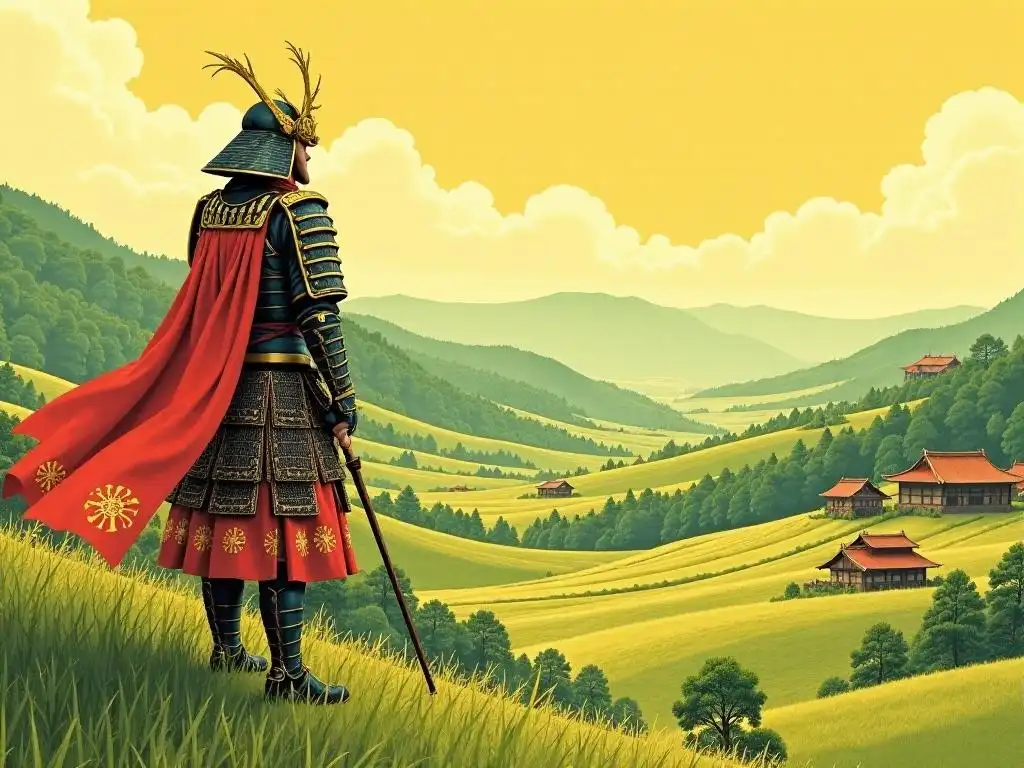
Welcome to Feudal Japan History, where we embark on a captivating journey through the intricate tapestry of Japan’s feudal era. Here, we delve into the Daimyo and the Formation of Regional Identity in Feudal Japan, uncovering how these powerful feudal lords shaped not only politics but the very essence of regional identities across the archipelago.
As you explore our expert-driven articles, prepare to be intrigued by the rich cultural and societal narratives that define this remarkable period. Discover the untold stories behind the Daimyo and their lasting impact on Japan’s historical landscape—your adventure into the depths of feudal history begins now!
- Introduction to Daimyo and Regional Identity in Feudal Japan
- The Role of Daimyo in Shaping Regional Identity
- Political Power and Territorial Control of Daimyo
- Economic Contributions of Daimyo to Regional Identity
- The Cultural Legacy of Daimyo in Regional Identity
- Case Studies of Prominent Daimyo and Their Regions
- The Decline of Daimyo Power and Its Impact on Regional Identity
- Conclusion: The Lasting Impact of Daimyo on Modern Japanese Identity
-
Frequently Asked Questions
- What role did the Daimyo play in Feudal Japan?
- How did the Daimyo contribute to the development of regional identity?
- What was the relationship between the Daimyo and the Samurai?
- How did the political structure of Feudal Japan affect Daimyo authority?
- What is the significance of Daimyo in understanding Japanese history?
- Final Reflection: The Enduring Legacy of Daimyo and Regional Identity in Japan
- Unveil the Rich Tapestry of Feudal Japan’s Regional Identities!
Introduction to Daimyo and Regional Identity in Feudal Japan
The feudal era of Japan, spanning from the late 12th century to the mid-19th century, is a rich tapestry of political intrigue, cultural evolution, and societal transformation. At the heart of this intricate system were the daimyo, powerful feudal lords who wielded significant authority over their domains. Understanding the role of daimyo is crucial to comprehending how regional identities formed and evolved throughout Japan during this period.
This article delves into the multifaceted relationship between daimyo and regional identity, highlighting how these influential figures shaped local cultures, governance, and societal structures. By exploring the dynamics of power, loyalty, and identity, we aim to provide a comprehensive view of how the daimyo contributed to the regional identities that define Japan's historical landscape.
Overview of the Feudal System in Japan
The feudal system in Japan was characterized by a hierarchical structure where land and power were exchanged for military service and loyalty. This system emerged during the Heian period and solidified in the Kamakura period, establishing a framework that would persist for centuries.
Key Features of the Feudal System:
- Shogunate Authority: The shogun was the military dictator who held ultimate power, while the emperor remained a symbolic figurehead.
- Daimyo: Below the shogun were the daimyo, who controlled vast territories and managed the local samurai, ensuring order and security in their regions.
- Samurai Class: The samurai served the daimyo, adhering to the code of bushido, which emphasized loyalty, honor, and martial prowess.
- Peasantry: Farmers and laborers formed the base of the social structure, providing the agricultural output necessary for sustaining the feudal economy.
This system created a complex network of relationships based on loyalty and obligation, where each class played a pivotal role in maintaining societal stability. The daimyo, as regional rulers, were instrumental in shaping the political landscape and influencing cultural developments within their respective domains.
Importance of Daimyo in Japanese Society
The daimyo were not merely rulers; they were cultural and political leaders whose actions and decisions had profound impacts on the identity of their regions. Their significance can be examined through several key dimensions:
- Political Influence: Daimyo held significant power over local governance, often enacting laws and policies that reflected their vision for their domains. This autonomy fostered a sense of regional pride and identity among the populace.
- Cultural Patronage: Many daimyo were patrons of the arts, sponsoring literature, theater, and architecture that celebrated local traditions and narratives. This cultural investment further solidified regional identities and fostered a sense of community.
- Economic Control: By managing agricultural production and trade, daimyo influenced the economic dynamics of their regions. Their decisions regarding land use and resource allocation directly affected the livelihoods of their subjects, reinforcing local identities tied to economic stability.
- Military Organization: The daimyo maintained their own armies of samurai, which allowed them to protect their territories and assert their power. This military organization not only emphasized loyalty to the daimyo but also fostered a collective identity among the samurai and their communities.
The daimyo were central figures in the formation and evolution of regional identities in feudal Japan, influencing political, cultural, and social aspects of life. Understanding their role helps illuminate the complexities of Japan's feudal society and the lasting impact of these regional identities.
The Role of Daimyo in Shaping Regional Identity
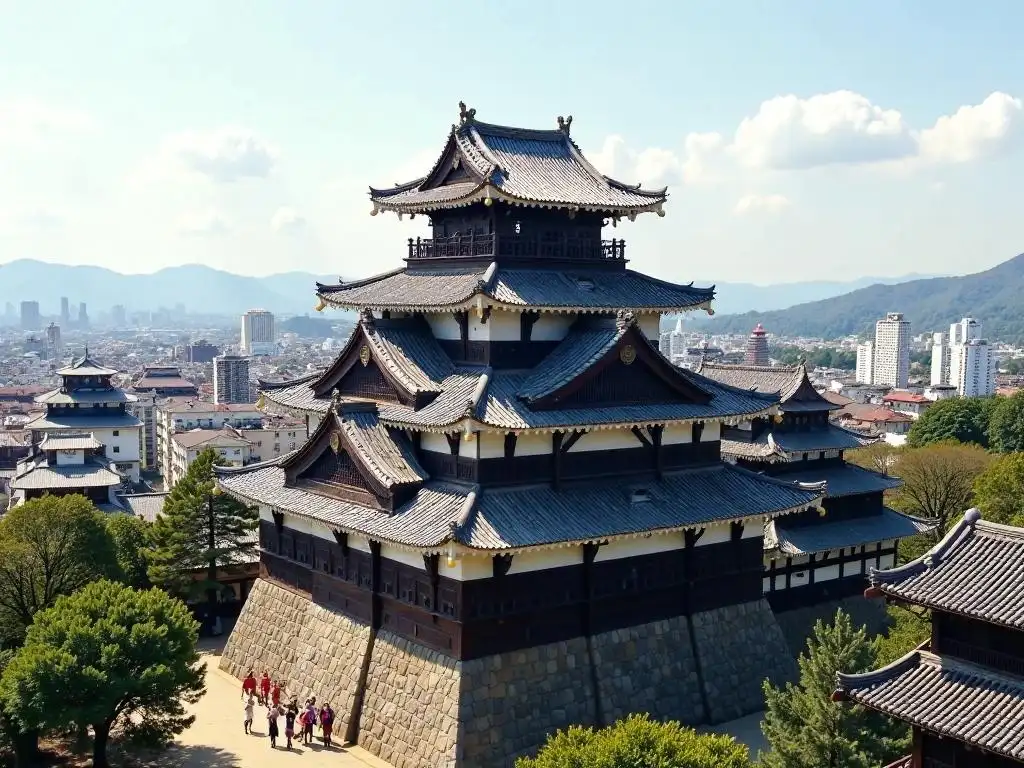
Defining Regional Identity in Feudal Japan
In feudal Japan, regional identity was a complex tapestry woven from historical, cultural, and social threads. At its core, regional identity can be understood as the collective sense of belonging and distinctiveness that emerged from local customs, language, and traditions. This identity was heavily influenced by the political and military structure of the time, with the daimyo—powerful feudal lords—playing a pivotal role in shaping it.
The concept of regional identity in this context can be defined through several key elements:
- Historical Legacy: Each region had its own historical narrative, often influenced by the actions of its daimyo. For instance, the legacy of Minamoto no Yoritomo in the Kamakura region or Oda Nobunaga in the Owari domain significantly shaped local pride and identity.
- Cultural Practices: The distinctive cultural practices fostered by different daimyo, such as unique styles of tea ceremonies, regional festivals, and local artisan crafts, contributed to a sense of identity. These practices were often patronized by the daimyo themselves, ensuring their establishment in the regional cultural landscape.
- Demographics and Ethnicity: The diverse demographic composition of regions, influenced by the daimyo's policies on settlement and migration, also played a role. Regions with distinct ethnic groups, such as the Ainu in Hokkaido, developed identities that were unique from the core Japanese identity.
The interaction between these elements created a rich tapestry of regional identities that were both celebrated and contested throughout feudal Japan. The daimyo, as local rulers and cultural patrons, were crucial in fostering and promoting these identities, leading to a dynamic interplay between loyalty to the shogunate and regional pride.
Influence of Daimyo on Local Culture and Traditions
The influence of daimyo on local culture and traditions was profound and multifaceted. Their decisions, patronage, and leadership not only shaped the political landscape but also significantly impacted the cultural identity of their domains.
- Cultural Patronage: Many daimyo actively supported the arts and crafts within their regions. For example, the Uesugi clan in the Echigo region is renowned for promoting Noh theater and unique regional crafts, which helped to cultivate a distinct local culture. This patronage was often a means to display power and attract loyalty from local populations.
- Religious Practices: Daimyo often sponsored specific religious institutions, which became focal points for local identity. The Takeda clan, for instance, had strong ties to the Shinto shrines in their territory, intertwining local governance with spiritual authority. This fostered a shared cultural identity among the populace, enhancing regional cohesion.
- Military and Social Organization: The daimyo's military organization helped to create social hierarchies that were unique to each region. The samurai class, which served the daimyo, became a significant part of local identity, with their codes of conduct and values influencing the local populace. For instance, the Bushido code, which was promoted by various daimyo, instilled a sense of honor and duty that permeated regional identities.
- Economic Policies: The economic strategies implemented by daimyo, such as the promotion of agriculture or trade, also left a lasting impact on regional identity. Areas like Kōzuke flourished under the policies of Takasugi Shinsaku, leading to a stronger local identity rooted in economic success.
The influence of daimyo on local culture and traditions was instrumental in shaping regional identity during the feudal era. Their patronage of the arts, support for religious practices, military organization, and economic policies all contributed to the rich and diverse identities that characterized feudal Japan. The legacies of these influences continue to resonate in contemporary Japanese culture, underscoring the enduring impact of daimyo on the formation of regional identities.
Political Power and Territorial Control of Daimyo
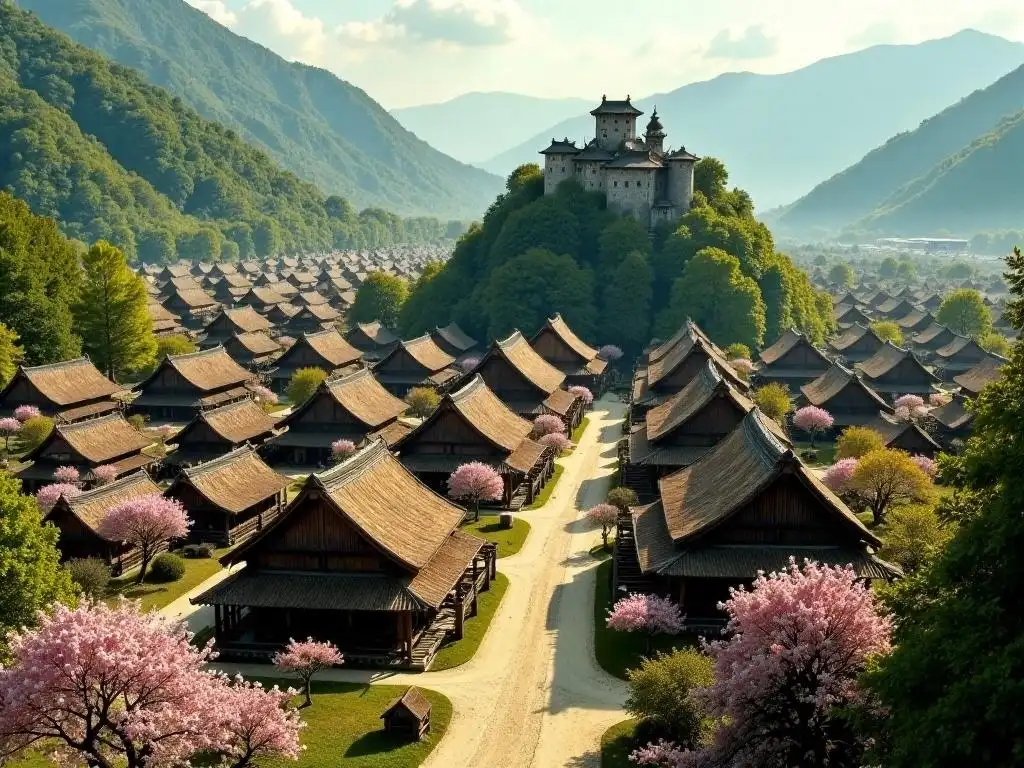
The political power and territorial control of the daimyo during Japan's feudal era were pivotal in shaping the regional identity of the nation. The term daimyo refers to powerful feudal lords who ruled over large domains and held significant military and administrative authority. Their influence extended beyond mere governance; they were instrumental in defining local identities, economies, and cultures.
Daimyo governed vast territories, often consisting of several provinces, which allowed them to wield considerable power. This power was not just military but also economic, as they controlled land, resources, and the peasant populations who worked them. The relationship between a daimyo and their domain was symbiotic; the daimyo provided protection and governance, while the subjects supplied labor and loyalty.
The Feudal Hierarchy: Daimyo's Place in Society
The social structure of feudal Japan was distinctly hierarchical, and the daimyo occupied a crucial position within this system. Below the emperor, who was more of a ceremonial figurehead, the shogun held the real political power, followed by the daimyo. The daimyo, in turn, were at the top of the local power structure, governing samurai and peasants.
- Emperor: Ceremonial leader with little political power.
- Shogun: Military ruler with authority over the daimyo.
- Daimyo: Feudal lords controlling regions and responsible for local governance.
- Samurai: Warriors serving the daimyo, enforcing their rule and providing military support.
- Peasants: The working class, primarily engaged in agricultural production.
This hierarchy led to a complex web of allegiances. While daimyo were independent in their domains, they were also expected to demonstrate loyalty to the shogun. This duality created a balance of power, allowing for a degree of regional autonomy while maintaining centralized control.
The influence of the daimyo extended to cultural identity as well, as they often patronized the arts and local customs, leading to the development of distinct regional identities. Each domain developed its own unique culture, influenced by the daimyo's preferences and the local populace's traditions.
The Relationship Between Daimyo and the Shogunate
The relationship between the daimyo and the shogunate was fraught with tension and negotiation. The shogunate, particularly during the Edo period (1603-1868), sought to maintain control over the daimyo to prevent potential uprisings and ensure stability. This was achieved through a system of sankin-kōtai, which required daimyo to spend alternating years in the capital, Edo, thereby limiting their power in their home territories.
- Control Mechanisms:
- Sankin-kōtai: A policy mandating daimyo to reside in Edo for part of the year, reducing their influence in their own domains.
- Marriage Alliances: The shogunate often arranged marriages between daimyo families to forge alliances and secure loyalty.
- Land Redistribution: The shogunate could grant or revoke land, thereby controlling the wealth and power of the daimyo.
Despite these controls, many daimyo maintained a degree of autonomy and often engaged in local governance, taxation, and military recruitment. Their ability to influence local economies and cultures solidified their status as regional leaders. This dynamic not only reinforced the power of the shogunate but also allowed the daimyo to cultivate a distinct regional identity, which contributed to the rich tapestry of Japanese culture during the feudal era.
The political power and territorial control of the daimyo were central to the formation of regional identity in feudal Japan. Their position in the feudal hierarchy and complex relationship with the shogunate allowed them to shape both local governance and cultural identity, resulting in a diverse and multifaceted society.
Economic Contributions of Daimyo to Regional Identity
The role of daimyo in the economic landscape of feudal Japan was pivotal not only for the prosperity of their domains but also for the formation of regional identities. The wealth and power of these feudal lords were largely derived from their control over land and resources, which facilitated various economic activities that contributed to the distinct characteristics of their regions. This section will explore the economic contributions of daimyo, focusing on agriculture, land management, trade, and overall economic development within their domains.
Agriculture and Land Management
Daimyo were responsible for the stewardship of vast tracts of land, which they governed through a complex system of land management and agricultural production. This role was crucial for several reasons:
- Rice Cultivation: Rice was not just a staple food; it was also a form of currency. The production of rice determined the wealth of a daimyo and, by extension, the economic stability of their domain. Efficient agricultural practices were essential for maximizing yields.
- Irrigation Systems: Many daimyo invested in innovative irrigation techniques, such as the construction of canals and water management systems, which enhanced agricultural productivity. Such investments not only improved food security but also established a strong regional identity based on agricultural prowess.
- Crop Diversity: Beyond rice, daimyo often encouraged the cultivation of various crops (e.g., millet, barley, and vegetables) to support local diets and trade. This diversity contributed to the unique agricultural identity of each region, influencing local customs and practices.
The management of land also extended to the social structure within the domains:
- Peasant Relationships: Daimyo maintained relationships with peasants that were often formalized through contracts, which outlined the obligations of both parties. This system fostered a sense of loyalty and community, further solidifying regional identities.
- Taxation and Tribute: The economic model of each domain was often shaped by the taxation system imposed by the daimyo. The tribute system, where peasants would pay a portion of their harvest as tax, reinforced the economic foundations of the daimyo's power and the identity of the region.
Trade and Economic Development in Daimyo Domains
Trade played a crucial role in the economic development of daimyo domains, contributing significantly to regional identity. The ability to engage in commerce and establish trade routes not only facilitated wealth accumulation but also allowed for cultural exchange and interaction among regions.
- Market Establishment: Daimyo often established local markets where goods produced within the domain could be traded. These markets became centers of economic activity and cultural exchange, attracting merchants from outside the region and thereby enhancing the local identity.
- Inter-Domain Trade: The trade of surplus agricultural products, crafts, and luxury goods among different daimyo domains created interdependencies. This exchange fostered a sense of regional pride and identity as specific products became synonymous with particular areas (e.g., certain textiles or ceramics).
- Infrastructure Development: To facilitate trade, daimyo invested in infrastructure such as roads and ports. Improved transportation networks enabled easier movement of goods and people, which further integrated the economic identity of the region into the broader market of feudal Japan.
The economic contributions of daimyo through effective agriculture, land management, and robust trade systems were instrumental in shaping the regional identities of their domains. This economic foundation not only supported their political power but also created unique cultural identities that would resonate throughout Japan's history.
The Cultural Legacy of Daimyo in Regional Identity
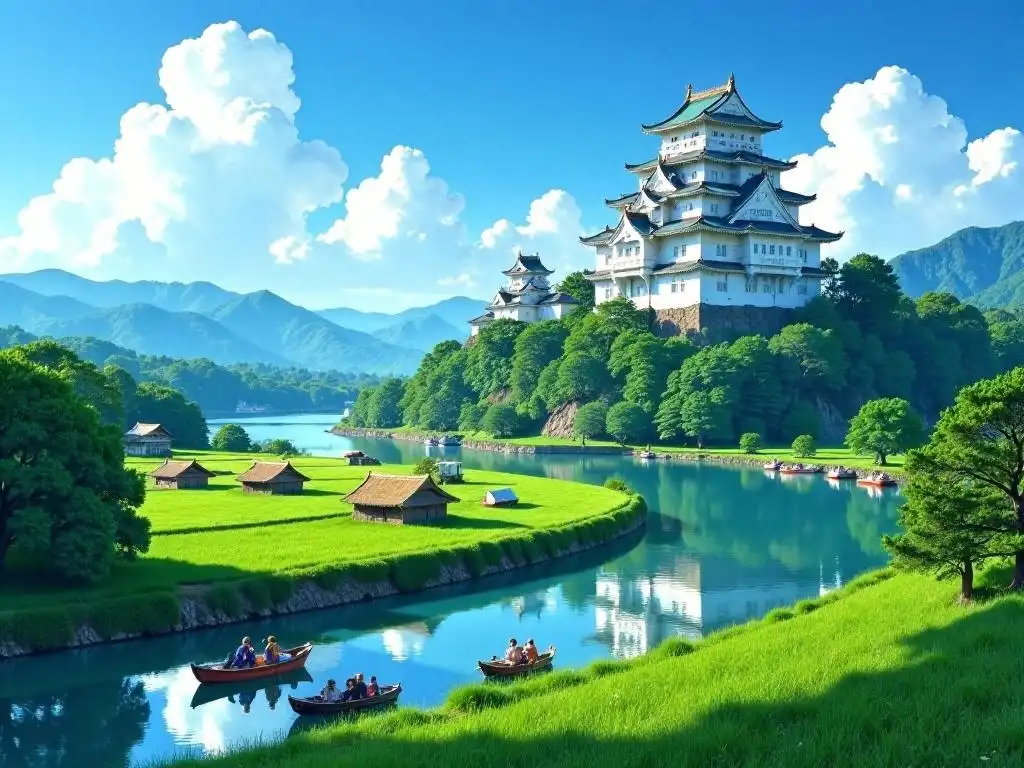
The daimyo played an instrumental role in shaping the cultural landscape of feudal Japan, directly influencing regional identity through their patronage of arts, religion, and local customs. By fostering distinct cultural practices, the daimyo not only asserted their power but also cultivated a sense of belonging among the people in their domains.
Patronage of Arts and Religion
The patronage of arts and religion by the daimyo was a crucial element in the formation of regional identity in feudal Japan. These powerful feudal lords often employed talented artisans, craftsmen, and religious leaders to create works that reflected their values and aspirations. This patronage can be summarized in the following key areas:
- Support for Traditional Arts: The daimyo sponsored various traditional art forms, including Noh theatre, tea ceremonies, and Ikebana (flower arranging). For instance, the daimyo of the Takeda clan were known for their support of Noh theatre, which became a significant cultural activity in their region. This not only provided entertainment but also served as a means of reinforcing the clan's social status and cultural sophistication.
- Religious Establishments: Many daimyo were strong supporters of Buddhism and Shintoism, funding the construction of temples and shrines. For example, the daimyos of the Matsudaira clan contributed to the development of the famous Tōdaiji Temple in Nara, which became a symbol of their power and devotion. These religious sites often became centers of local identity, drawing pilgrims and fostering community ties.
- Cultural Exchange: The movement of artisans and scholars between domains encouraged cultural exchange, leading to a blend of regional styles and practices. The daimyo often invited experts from other regions to introduce new techniques and ideas, enriching the local culture. This exchange was essential in forming distinct regional identities that celebrated local traditions while incorporating influences from other areas.
Overall, the patronage of arts and religion by the daimyo not only solidified their authority but also fostered a unique regional identity that resonated with the local populace.
Festivals and Local Customs Influenced by Daimyo
Festivals and local customs during the feudal era significantly reflected the influence of daimyo, serving as a means to celebrate regional identity. These events often highlighted the unique characteristics of a domain and were vital in uniting the people. Key aspects include:
- Seasonal Festivals: Many daimyo organized seasonal festivals to honor harvests or significant events related to their clan. These festivals often featured parades, traditional music, and dances, drawing participants from various social strata. For example, the Takeda clan's Harvest Festival celebrated the bountiful yields of the region, reinforcing community bonds and loyalty to the daimyo.
- Rituals and Ceremonies: The daimyo often initiated local customs that revolved around specific rituals and ceremonies. The Obon festival, a time for honoring ancestors, was often celebrated with unique local practices influenced by the daimyo’s preferences. The daimyo's role in these rituals often elevated their status and reinforced their connection to the local populace.
- Civic Engagement: Daimyo also promoted civic engagement through festivals that encouraged participation from all classes, fostering unity and shared identity. The festivals served as a platform for the daimyo to demonstrate their benevolence and commitment to the welfare of their subjects. This engagement created a sense of belonging and pride among the population, integral to the regional identity.
In essence, the festivals and local customs influenced by the daimyo were vital in shaping the cultural identity of their domains. They not only celebrated local traditions but also reinforced the social structures and power dynamics within feudal Japan, making the daimyo central figures in the formation of regional identity.
Case Studies of Prominent Daimyo and Their Regions
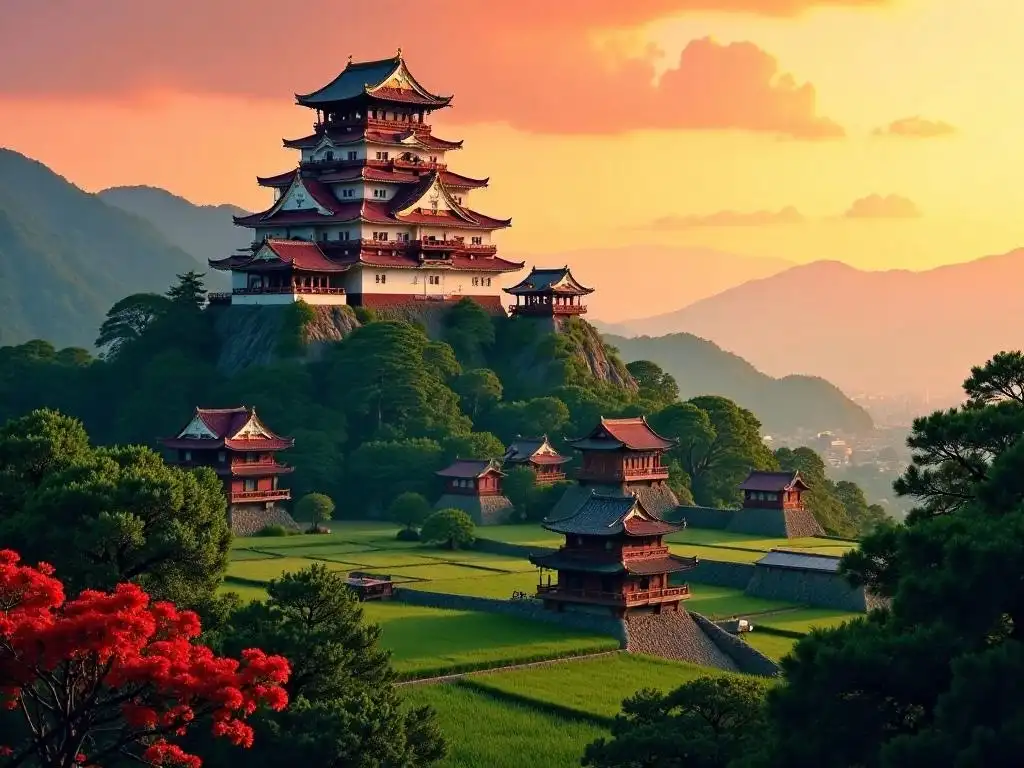
Tokugawa Ieyasu: Influence on the Kanto Region
Tokugawa Ieyasu, the founder of the Tokugawa shogunate, played a pivotal role in shaping the Kanto region's identity during the early modern period of Japan. After the tumultuous Sengoku era, Ieyasu established a centralized government that fostered stability and economic growth. This influence can be dissected into several key areas:
- Political Centralization
- Ieyasu's ascendance to power culminated in the Battle of Sekigahara in 1600, where he defeated rival factions. This victory enabled him to consolidate authority over the Kanto region, particularly in Edo (modern-day Tokyo), which he transformed into the political heart of Japan.
- The establishment of the Tokugawa shogunate in 1603 marked the beginning of a period characterized by strict social order and governance that reinforced the identity of the Kanto region.
- Economic Development
- Under Ieyasu's leadership, the Kanto region underwent significant economic transformation. The establishment of trade routes and infrastructure facilitated commerce and agriculture.
- The creation of the Five Routes (Gokaidō) connected major cities, enhancing commercial exchange and contributing to a burgeoning regional identity centered around economic prosperity.
- Cultural Flourishing
- Ieyasu promoted arts and culture in the Kanto region, encouraging the development of theater, literature, and traditional crafts. His patronage of the Noh and Kabuki theaters contributed to a distinct cultural identity that characterized the region.
- The construction of the Nikko Toshogu Shrine, a mausoleum for Ieyasu, not only served as a religious site but also became a symbol of the region's historical significance.
Oda Nobunaga: Contributions to Military Strategy and Arts
Oda Nobunaga, a formidable daimyo in the late 16th century, was instrumental in the unification of Japan and the emergence of a new regional identity, particularly in the central region of Honshu. His contributions can be examined through various lenses:
- Innovative Military Tactics
- Nobunaga revolutionized warfare with his introduction of firearms and innovative military strategies. The Battle of Nagashino (1575) is a prime example, where his troops effectively utilized matchlock guns, leading to a decisive victory against the Takeda clan. This strategic prowess not only secured his dominance but also reshaped military practices across Japan.
- His ability to adapt and implement new technologies significantly influenced the military landscape, fostering a regional identity rooted in martial excellence.
- Political Alliances and Control
- Through strategic marriages and alliances, Nobunaga expanded his influence across territories. His policies of incorporation and loyalty among vassals helped establish a sense of unity and identity among the regions he controlled.
- Nobunaga's ruthless elimination of rivals set a precedent for the concentration of power, encouraging a shift towards a more centralized political identity that would later be taken up by his successors.
- Cultural Patronage and the Arts
- Nobunaga's appreciation for the arts led to a cultural renaissance in his domain. He supported the development of tea ceremonies, Noh drama, and ink painting, which helped elevate the cultural identity of his region.
- The construction of Azuchi Castle not only served as a military stronghold but also as a cultural hub, reflecting the merging of military and artistic achievements that characterized Nobunaga's vision for Japan.
Both Tokugawa Ieyasu and Oda Nobunaga exemplify how daimyo shaped regional identities in Japan through their political maneuvers, military innovations, and cultural contributions. Their legacies continue to influence the historical narrative of feudal Japan, illustrating the intricate connection between leadership and regional identity.
The Decline of Daimyo Power and Its Impact on Regional Identity
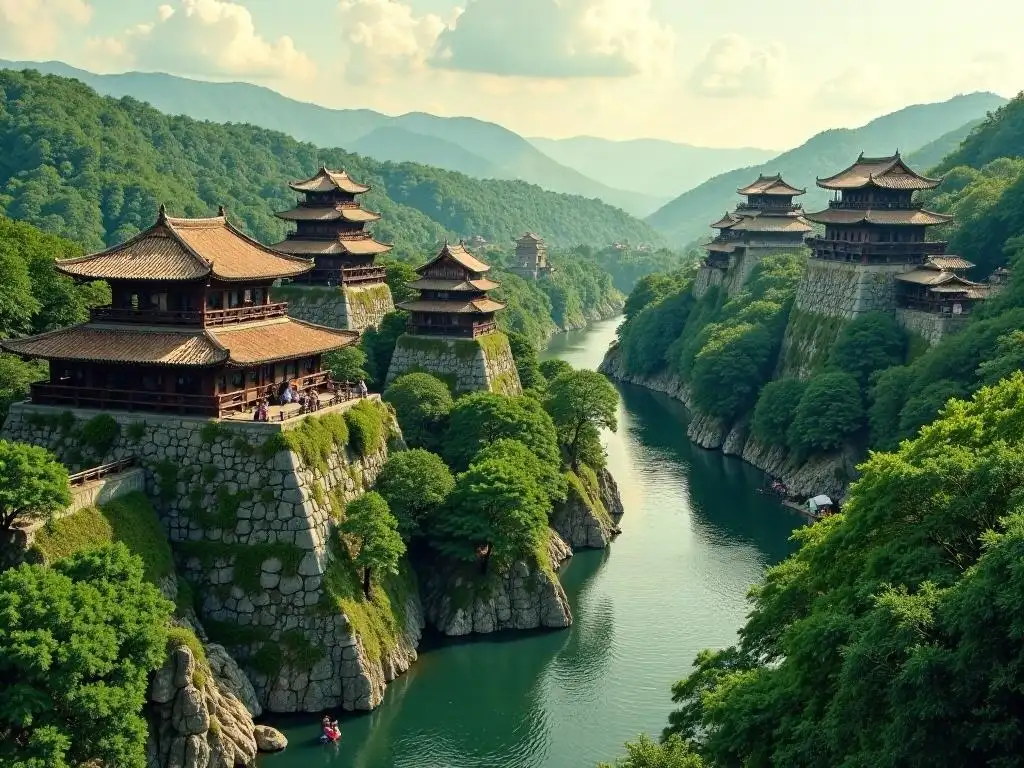
The decline of daimyo power during the late Edo period and the subsequent Meiji Restoration had profound implications for regional identity in Japan. As the centralized authority of the Tokugawa shogunate began to wane, the roles and influence of the daimyo shifted dramatically. This transition not only altered the political landscape but also reshaped the cultural and social identities of various regions within Japan.
Several key factors contributed to the erosion of daimyo authority, which ultimately impacted regional identity:
- Economic Changes:
- The rise of commerce and urbanization weakened the traditional agrarian economy. Merchants gained significant wealth and influence, challenging the economic dominance of the daimyo.
- Increased taxation and the burden of maintaining samurai retinues put financial strains on many domains, leading to further decline in their power.
- Political Centralization:
- The consolidation of power under the Tokugawa shogunate created a hierarchical system that limited the autonomy of the daimyo. The shogunate's policies often undermined local authority, as they sought to maintain control over feudal lords.
- The introduction of the sankin-kotai system required daimyo to spend alternate years in Edo (modern-day Tokyo), leading to increased expenses and reduced focus on local governance.
- Social Unrest:
- Economic hardships and famine led to widespread discontent among the peasantry, resulting in uprisings that challenged the authority of the daimyo.
- The growing dissatisfaction with the ruling class's inability to address these issues further diminished their legitimacy and control.
- Western Influence:
- The arrival of Western powers in the mid-19th century pressured Japan to open its ports and modernize. This influx of foreign ideas and technologies prompted discussions about reform and governance, further eroding traditional daimyo power.
- The necessity to adapt to new political realities led to the decline of the feudal system and the emergence of a centralized state.
These factors collectively contributed to the diminishing influence of the daimyo, which in turn had significant implications for the regional identities they once represented.
Transformation of Regional Identity Post-Daimyo Era
Following the decline of daimyo power, regional identity in Japan underwent a notable transformation. This evolution can be understood through several key aspects:
- Emergence of National Identity:
- The Meiji Restoration of 1868 heralded a new era characterized by the promotion of a unified national identity. This shift emphasized loyalty to the nation-state over regional allegiances, thereby transforming the way people identified themselves.
- The creation of a national education system further reinforced this unity, fostering a sense of collective identity among Japanese citizens.
- Cultural Revival and Preservation:
- While regional identities were overshadowed by national ambitions, there was a concurrent movement to preserve local traditions and cultures. Regions began to celebrate their unique heritage, leading to a revival of local festivals, crafts, and customs.
- This cultural preservation played a crucial role in maintaining a sense of identity, even as political power shifted away from the daimyo.
- Industrialization and Urbanization:
- The rapid industrialization during the Meiji period led to significant demographic shifts, with many people moving to cities for work. This urban migration altered the traditional social fabric and regional identities, as individuals began to identify more with their urban environments than their rural origins.
- The development of infrastructure, such as railways, further connected different regions, fostering a more integrated national identity while still allowing for regional distinctions.
- Legacy of Daimyo Domains:
- The historical legacy of the daimyo continued to influence regional identity. Former domains became known for specific cultural practices, local cuisines, and historical landmarks, which residents took pride in.
- Modern regional branding efforts often highlight these historical ties, allowing for a celebration of regional uniqueness within the broader context of a unified Japan.
The decline of daimyo power significantly impacted regional identity in Japan, marking a transition from feudal allegiances to a more complex tapestry of national and regional identities. The interplay between cultural preservation and modernization continues to shape Japan's social landscape today.
Conclusion: The Lasting Impact of Daimyo on Modern Japanese Identity
The legacy of the daimyo extends far beyond the boundaries of feudal Japan; their influence is deeply woven into the fabric of contemporary Japanese identity. By examining the social structures, cultural practices, and political landscapes established during the feudal era, we can better understand how these historical figures shaped modern Japan.
Reflection on How Daimyo Shaped Contemporary Japan
The daimyo's role in shaping regional identity significantly impacted Japan's social hierarchy and cultural landscape. They were not only military leaders but also cultural patrons who fostered the arts, religion, and education within their domains. This influence persists in several ways:
- Cultural Heritage: Many local traditions, festivals, and art forms can be traced back to the daimyo's patronage. For instance, the tea ceremony, which flourished under daimyo support, continues to be an important aspect of Japanese culture today.
- Architecture and Urban Planning: The architectural styles and urban layouts established during the feudal era can still be seen in many towns and cities. Castles, temples, and shrines built by daimyo serve as historical landmarks and cultural touchstones.
- Regional Pride: The regional identities fostered by the daimyo have evolved into a sense of pride among modern Japanese people. Each region cherishes its distinct characteristics, often influenced by the historical governance of a particular daimyo, which continues to shape local customs and dialects.
In these ways, the influence of the daimyo on contemporary Japan is profound, fostering a blend of regionalism and national identity.
The Legacy of Regional Identity from Feudal Japan to Today
The legacy of regional identity established by the daimyo can be observed in various facets of modern Japanese society, including:
| Aspect | Influence of Daimyo | Modern Reflection |
|---|---|---|
| Political Structure | Daimyo were influential in local governance and military strategy. | Local governments retain significant autonomy, reflecting historical feudal divisions. |
| Cultural Practices | Festivals, arts, and crafts were often unique to each domain. | Local festivals (matsuri) celebrate regional heritage, attracting tourism. |
| Economic Systems | The economic practices, such as rice production and trade routes, were developed under daimyo rule. | Regional economies still rely on traditional industries and local products. |
The continued reverberation of daimyo-led regional identities is evident in Japan's multicultural landscape. The pride in local traditions and the preservation of historical sites signify a respect for the past while contributing to a unified national identity.
The impact of the daimyo on Japan's regional identity is a testament to the enduring relevance of historical figures in shaping modern society. By understanding this foundational role, we can appreciate the complexities of contemporary Japanese identity, which is a tapestry of its feudal past interwoven with modern aspirations.
Frequently Asked Questions
What role did the Daimyo play in Feudal Japan?
The Daimyo were powerful feudal lords who governed specific regions, wielding significant political and military power. Their influence was crucial in shaping regional identities during the feudal era.
How did the Daimyo contribute to the development of regional identity?
The Daimyo fostered regional identity through their patronage of local culture, promotion of regional customs, and support for local economies. This created a unique sense of community and belonging among the people.
What was the relationship between the Daimyo and the Samurai?
The Daimyo employed Samurai as their retainers, providing them with land and status in exchange for military service. This relationship reinforced loyalty and contributed to the social hierarchy of Feudal Japan.
The political structure of Feudal Japan allowed Daimyo to operate with considerable autonomy, often leading to the establishment of regional power bases. This independence helped solidify their regional identities.
What is the significance of Daimyo in understanding Japanese history?
Studying the Daimyo provides insight into the political, social, and cultural dynamics of Feudal Japan. Their actions and governance were pivotal in shaping the regional identities that define Japan's history.
Final Reflection: The Enduring Legacy of Daimyo and Regional Identity in Japan
The exploration of the daimyo's role in shaping regional identity in feudal Japan remains profoundly relevant today. As we navigate an increasingly globalized world, understanding how local leaders and historical figures have influenced cultural identities can illuminate our contemporary social dynamics. The daimyo were not just feudal lords; they were architects of regional identity, weaving together the threads of culture, governance, and community that resonate even in modern Japan.
Clearly, the impact of the daimyo extends far beyond their time, influencing Japan's cultural and social landscape in ways that continue to be felt. The regional identities fostered by these leaders have laid the groundwork for Japan's rich tapestry of traditions and local pride. As historian John W. Hall noted, The past is never dead. It's not even past.
This sentiment underscores the importance of recognizing how the legacies of the daimyo still inform our understanding of regionalism and identity today, reminding us that history is a living narrative that shapes our present.
As you reflect on the themes presented in this article, I invite you to consider how the lessons from the daimyo era can inspire your own understanding of identity and community. What aspects of your own regional identity resonate with the historical influences of leadership and culture? Embrace the opportunity to explore and celebrate the unique characteristics of your own community, recognizing that, like the daimyo, we all have the power to shape and define the identities that bind us together.
Unveil the Rich Tapestry of Feudal Japan’s Regional Identities!
Thank you for delving into the fascinating world of **daimyo** and their role in shaping regional identities during Japan's feudal era. Your interest in this pivotal period enriches our collective understanding of history. Now, it’s time to take the next step toward deepening your knowledge!
Here are some actions you can take to further explore this captivating subject:
- Join a local or online community focused on Japanese history to share insights and discuss the influence of daimyo on regional cultures.
- Dive into further reading by visiting our recommended resources here and expand your knowledge beyond this article.
- Consider visiting museums or historical sites that highlight feudal Japan’s heritage—experience the history firsthand!
What aspect of the daimyo’s influence intrigues you the most, and how do you think it resonates in modern Japanese culture? Share your thoughts below!