
Daimyo and the Shogunate: Understanding the Power Struggle


Welcome to Feudal Japan History, where we embark on a fascinating journey through the intricate tapestry of Japan's feudal era. Delve into the captivating world of feudal Japan power dynamics with our latest article, "Daimyo and the Shogunate: Understanding the Power Struggle." Here, you’ll uncover the nuanced relationships and strategic rivalries that shaped a nation. Get ready to explore the political machinations and cultural intricacies that defined an era. Your adventure into the depths of history starts here—let's uncover the secrets of the past together!
-
Daimyo and the Shogunate: Understanding the Power Struggle in Feudal Japan
- Introduction to Feudal Japan Power Dynamics
- The Role of the Daimyo in Feudal Japan
- The Shogunate: Authority and Control
- The Power Struggle Between Daimyo and Shogunate
- The Social and Cultural Implications of Power Dynamics
- The Decline of the Daimyo and the Rise of Centralized Power
- Conclusion: The Legacy of Daimyo and Shogunate in Japanese History
- References
-
Frequently Asked Questions
- What were the main roles of the Daimyo in feudal Japan?
- How did the Shogunate impact the power dynamics in feudal Japan?
- What were the consequences of the power struggles between Daimyo and the Shogunate?
- How did the Samurai fit into the power dynamics of feudal Japan?
- What cultural aspects were influenced by the power dynamics in feudal Japan?
- Final Reflection: The Enduring Legacy of Feudal Japan's Power Dynamics
- Unveil the Secrets of Feudal Japan's Power Dynamics!
Daimyo and the Shogunate: Understanding the Power Struggle in Feudal Japan
Introduction to Feudal Japan Power Dynamics
The historical tapestry of feudal Japan is intricately woven with the threads of power, governance, and social hierarchy that defined the era. At the heart of this complex system were the daimyo—powerful feudal lords who wielded significant influence over their domains and the shogunate, the military government that ultimately held authority over the nation.
Understanding the dynamics between these two pivotal forces offers profound insights into Japan's political landscape during the feudal era. This article aims to explore the feudal Japan power dynamics, particularly focusing on the roles, responsibilities, and interactions of the daimyo and the shogunate, and how their relationship shaped the course of Japanese history.
Overview of Feudal Japan
Feudal Japan, which spanned from the late 12th century until the mid-19th century, was characterized by a decentralized political structure where power was distributed among various lords and warriors. The emperor remained a symbolic figure, while real power was exercised by the shogunate and the daimyo.
Key characteristics of this period include:
- Decentralized Governance: Local lords governed their territories with relative autonomy.
- Samurai Culture: The warrior class upheld codes of honor and loyalty, playing a crucial role in maintaining the social order.
- Economic Systems: Agriculture was the backbone of the economy, with rice serving as a primary currency.
Understanding this context is essential for grasping how the daimyo and shogunate interacted and influenced each other within the realms of governance and power.
Importance of Daimyo and Shogunate in Power Structures
The relationship between the daimyo and the shogunate was pivotal in shaping Japan's feudal power dynamics. The shogunate, led by the shogun, was responsible for national defense and policymaking, while the daimyo managed local affairs and provided military support. This dual structure created a balance of power that was often fraught with tension and conflict.
- Military Alliances: Daimyo were expected to provide troops to the shogunate, which they did through a system of vassalage and loyalty.
- Territorial Control: The daimyo's ability to govern effectively within their domains was crucial for the stability of the shogunate.
- Cultural Influence: The daimyo were also patrons of arts and culture, contributing to the rich heritage of Japan during this period.
Through this lens, the intricate dance of power between the daimyo and the shogunate emerges as a defining feature of feudal Japan, influencing everything from military campaigns to cultural developments.
The Role of the Daimyo in Feudal Japan
Definition and Responsibilities of a Daimyo
A daimyo was a powerful feudal lord who controlled large estates and commanded loyalty from samurai warriors. Their responsibilities extended beyond mere land ownership; they were crucial in maintaining order, collecting taxes, and ensuring the welfare of their subjects.
Key responsibilities included:
- Taxation: Collecting taxes to fund military campaigns and local projects.
- Law Enforcement: Administering justice and maintaining order within their domains.
- Military Leadership: Leading armies in times of conflict, both in defense of their territory and in support of the shogunate.
This multifaceted role made the daimyo influential figures in the political landscape of feudal Japan.
The Various Types of Daimyo and Their Domains
Daimyo were categorized into different types based on their wealth, influence, and territory. These included:
- Kokushi: Regional lords who governed provinces.
- Shugo: Military governors appointed by the shogunate.
- Hatamoto: Direct vassals of the shogun, often granted land and special privileges.
The domains they controlled varied in size and economic strength, contributing to the diverse political landscape of feudal Japan.
| Type of Daimyo | Description | Example |
|---|---|---|
| Kokushi | Regional lords, often wealthy | Oda Nobunaga |
| Shugo | Military governors | Takeda Shingen |
| Hatamoto | Direct vassals of the shogun | Uesugi Kenshin |
The Influence of Daimyo on Local Governance
Daimyo played a crucial role in local governance, often acting as the primary authority in their territories. They established systems of local administration and justice that directly impacted the lives of their subjects.
Some key aspects of their influence include:
- Local Economy: Daimyo implemented agricultural policies that affected production and trade.
- Cultural Patronage: They promoted local arts, education, and festivals, shaping regional identities.
- Military Organization: The daimyo maintained their own armies, which were essential for both local defense and national campaigns.
The power wielded by the daimyo significantly shaped the political and social fabric of feudal Japan, illustrating their central role in the overall power dynamics of the era.
The Shogunate was a pivotal institution in the political landscape of feudal Japan, serving as a form of military government that wielded significant authority over the diverse domains ruled by the daimyo. This system not only established a hierarchy within Japanese society but also dictated the relationships between various feudal lords, their retainers, and the ruling shogun. Understanding the dynamics of the shogunate reveals the complexities of power struggles that defined this era.
Definition and Historical Context of the Shogunate
The term "shogunate" refers to the government led by a shogun, a military leader who held de facto power while the emperor remained a figurehead. The origins of the shogunate can be traced back to the Heian period (794-1185), when the imperial court began to lose its grip on power, leading to the rise of powerful military families. The shogunate system formalized this shift, allowing for a centralized military authority that could maintain order and enforce policies across the nation, especially during times of conflict.
The Emergence of the Shogunate in Feudal Japan
The emergence of the shogunate was a gradual process influenced by social unrest and the need for military organization. The Kamakura Shogunate (1185-1333) marked the first official shogunate, established by Minamoto no Yoritomo following the Genpei War. This period saw the introduction of a dual government system, where the emperor retained ceremonial authority while the shogun exercised real power. Subsequent shogunates, particularly the Ashikaga (1336-1573) and Tokugawa (1603-1868), further solidified this system, each adapting to the challenges of their respective times.
Key Shoguns and Their Impact on Power Dynamics
Several shoguns played crucial roles in shaping the power dynamics of feudal Japan.
- Minamoto no Yoritomo (Kamakura Shogunate): As the first shogun, he established the framework for future shogunates and emphasized the importance of samurai loyalty.
- Ashikaga Takauji (Ashikaga Shogunate): His rise to power marked the beginning of a turbulent period rife with civil war, which ultimately led to the emergence of various daimyo as independent power players.
- Tokugawa Ieyasu (Tokugawa Shogunate): Perhaps the most influential, Ieyasu unified Japan after a century of conflict and implemented a strict social order, leading to over 250 years of relative peace known as the Edo period.
These shoguns not only influenced military strategies but also established policies that affected social, economic, and cultural life, thereby shaping the trajectory of Japan's feudal system.
The Power Struggle Between Daimyo and Shogunate
The relationship between the daimyo and the shogunate was characterized by a continual push and pull of power, with each vying for greater influence over Japan's feudal landscape. This struggle was often marked by conflicts, alliances, and shifting loyalties.
Historical Conflicts and Alliances
Throughout feudal Japan, the daimyo frequently challenged the authority of the shogunate, leading to numerous conflicts. The most notable were the Nanboku-chō Wars (1336-1392) during the Ashikaga period, which pitted rival factions of daimyo against each other in a quest for power. Alliances were as common as rivalries; for instance, the Hojo clan initially supported the Kamakura shogunate but later became significant adversaries. These shifting alliances were often founded on marriage ties, military assistance, or mutual interests, highlighting the fluid nature of feudal loyalties.
Case Study: The Sengoku Period and Its Influence on Power Dynamics
The Sengoku Period (1467-1615) serves as a crucial case study in understanding the power dynamics between the daimyo and the shogunate. This era was marked by near-constant military conflict and political fragmentation, with numerous daimyo vying for control over territories. The absence of a centralized authority allowed ambitious warlords, such as Oda Nobunaga and Toyotomi Hideyoshi, to rise to prominence, fundamentally altering the landscape of Japanese politics. The power struggles of this period ultimately set the stage for the establishment of the Tokugawa shogunate, which sought to consolidate power and bring about stability.
The Role of Military Might and Strategy
Military strength was a cornerstone of the relationship between the daimyo and the shogunate. For the daimyo, possessing a loyal and well-trained samurai force was essential for both defense and territorial expansion. The shogunate, on the other hand, relied on military strategy to maintain control over the daimyo. This often involved strategic marriages, diplomatic negotiations, and the use of powerful alliances to offset any potential threats from ambitious lords. The effectiveness of military strategy during conflicts such as the Battle of Sekigahara (1600) was indicative of how decisive battles could shift the balance of power within feudal Japan.
The dynamics of power between the daimyo and the shogunate were complex and influenced by a multitude of factors, including military strategy, historical conflicts, and the emergence of key figures. Understanding these elements is essential to grasping the broader narrative of feudal Japan's political history.
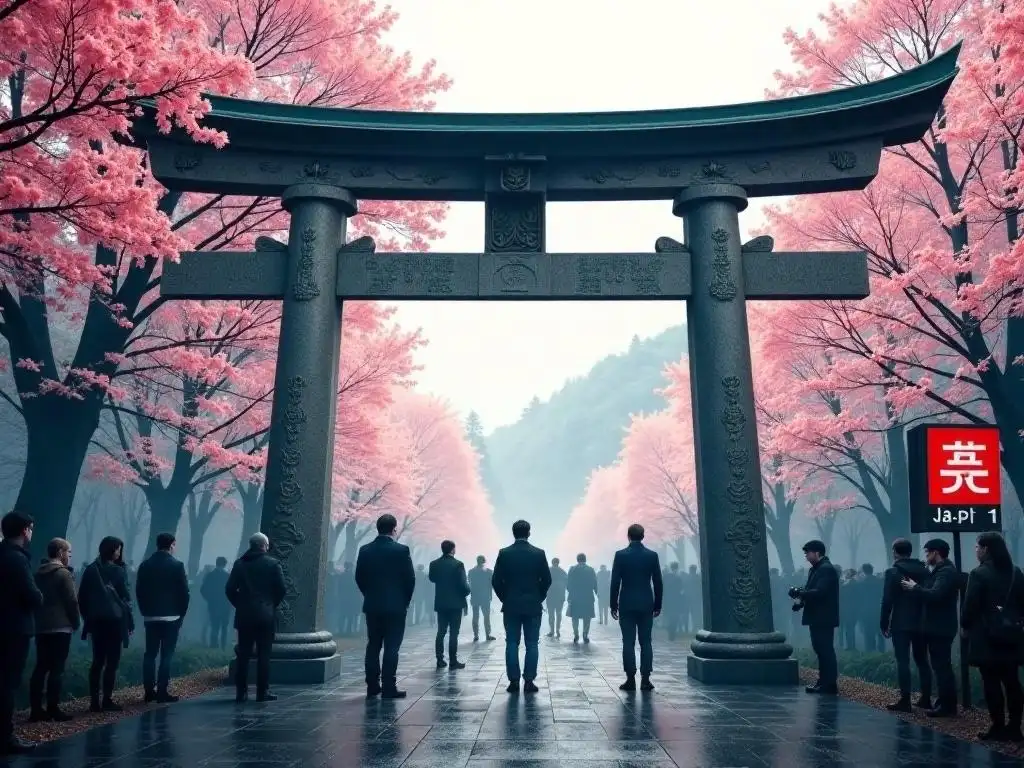
The intricate power dynamics between the daimyo and the shogunate had profound social and cultural implications during feudal Japan. As feudal lords, the daimyo wielded significant power within their regions, establishing their own systems of governance, tax collection, and military organization. This decentralized structure fostered a sense of local identity and loyalty among the samurai and peasantry, shaping the social fabric of Japan.
The constant power struggles between rival daimyo and the shogunate led to shifting allegiances and conflicts, which impacted the daily lives of the populace. Population mobility increased as people sought refuge from war, leading to a mix of cultures and traditions across regions. This blending of influences contributed to the richness of Japanese culture during this period, as various local customs and practices were shared and adapted.
Moreover, the societal hierarchy, heavily influenced by the feudal system, dictated social interactions and roles. The samurai class, as the military nobility, gained prestige and power, while the peasantry often faced oppression and heavy taxation. Yet, the loyalty of the samurai to their daimyo fostered a warrior ethos that was celebrated in cultural narratives, creating a complex relationship between social status and cultural values.
The Impact of Power Struggles on Japanese Society
The ongoing power struggles between the daimyo and the shogunate had significant repercussions for Japanese society. Wars and conflicts, such as the Sengoku period, resulted in widespread devastation but also stimulated the emergence of new social structures. In response to the chaos, local leaders often took it upon themselves to protect their communities, leading to a rise in the prominence of regional governance.
The instability caused by these conflicts disrupted agricultural production, leading to famine and suffering among the peasantry. However, some daimyo sought to improve their territories by investing in agricultural innovations and infrastructure, thus fostering economic resilience among their subjects. This duality of destruction and development characterized the societal landscape of feudal Japan.
Additionally, the shifting power dynamics contributed to the evolution of social classes. As some daimyo became immensely wealthy, they could afford to support the arts and culture, leading to the patronage of artisans and scholars. This resulted in a complex interplay between power and culture, where social stratification was both reinforced and challenged.
Cultural Developments During the Era of Daimyo and Shogunate
The era of the daimyo and shogunate was marked by significant cultural developments, which were heavily influenced by the prevailing power dynamics. The samurai class, as the warrior elite, became central figures in the arts, fostering a culture that emphasized honor, loyalty, and discipline. This cultural ethos was reflected in various forms of expression, including literature, theater, and visual arts.
The rise of the tea ceremony, for instance, became a symbol of refinement and aesthetic appreciation among the samurai and the elite. This art form, along with others such as Noh and Kabuki theater, flourished under the patronage of powerful daimyo, who sought to demonstrate their wealth and sophistication. The cultural patronage led to the establishment of schools and the promotion of traditional arts, which became integral to Japanese identity.
Furthermore, the introduction of Zen Buddhism during this period influenced artistic practices and philosophies. The minimalist aesthetic and emphasis on nature found in Zen gardens and ink wash painting resonated with the ideals of the samurai, shaping a unique cultural landscape that balanced martial prowess with spiritual depth.
Feudal Japan Power Dynamics and Their Reflection in Art and Literature
The power dynamics of feudal Japan are vividly reflected in its art and literature, which often serve as historical commentaries on the social and political climate of the time. Samurai tales, such as those found in "The Tale of the Heike," narrate the honor and tragedies of warriors, encapsulating the essence of loyalty and the consequences of power struggles. These narratives not only highlight the martial ethos but also explore the emotional and psychological impacts of war on individuals and families.
In visual arts, the ukiyo-e woodblock prints became a medium for depicting scenes of everyday life, landscapes, and the exploits of samurai. Artists like Katsushika Hokusai and Utagawa Hiroshige captured the tension and beauty of the era, reflecting the complex relationship between the ruling classes and the common people. Through their works, they immortalized the cultural zeitgeist, illustrating both the splendor and the turmoil of feudal society.
Moreover, the themes of conflict and resolution in literature often served as allegories for the broader societal struggles. Works that delved into the philosophies of loyalty, betrayal, and the fleeting nature of power resonated with audiences, offering insights into the human condition amidst the backdrop of feudal power dynamics.
The Decline of the Daimyo and the Rise of Centralized Power
The decline of the daimyo's power and the rise of a centralized shogunate were pivotal moments in Japan's political history. This transition was marked by various factors, including economic shifts, military changes, and social upheaval that ultimately reshaped the feudal landscape.
Factors Leading to the Decline of the Daimyo's Power
Several factors contributed to the decline of the daimyo’s power, including internal strife, economic challenges, and the influence of foreign powers. The incessant conflicts among daimyo weakened their military capabilities and drained their resources, leaving them vulnerable to external threats. The introduction of firearms in battle also shifted military strategies, requiring substantial investments in technology that many daimyo could not afford.
Additionally, the growing power of the merchant class during the late feudal period began to alter the economic landscape. The rise of commerce and trade diminished the agrarian focus of the daimyo, as cities flourished and the merchant class gained wealth and influence. This economic shift challenged the traditional feudal hierarchy, as merchants began to assert their interests, leading to tensions between them and the samurai.
The increasing influence of foreign powers, particularly during the arrival of European traders and missionaries, also played a role in destabilizing the traditional power structures. The introduction of new ideas and technologies prompted some daimyo to seek alliances with the West, further complicating the political dynamics.
The Transition to a More Centralized Shogunate
As the power of the daimyo waned, the shogunate sought to consolidate authority and establish a more centralized government. This transition was characterized by the implementation of policies designed to control the daimyo and manage their territories effectively. The Tokugawa shogunate, which emerged in the early 17th century, exemplified this shift with its strict regulations that limited the autonomy of the daimyo.
The Edo period marked a significant transformation, as the shogunate established a system of alternate attendance (sankin-kotai), requiring daimyo to spend time in the capital, Edo. This policy not only curtailed their power but also fostered loyalty to the shogunate by creating dependence on the central authority. The resulting integration of regional powers into a cohesive political system laid the groundwork for a more unified Japan.
Furthermore, the shogunate implemented a rigid social structure that reinforced the hierarchy within society, ensuring that the samurai remained loyal to the shogunate rather than their respective daimyo. This consolidation of power ultimately aimed to bring stability to a nation that had long been plagued by conflict.
The Meiji Restoration and Its Impact on Feudal Structures
The Meiji Restoration of 1868 marked a watershed moment in Japanese history, effectively dismantling the feudal structures that had defined the country for centuries. This political revolution was fueled by a desire to modernize Japan and strengthen it against foreign imperialism. The fall of the Tokugawa shogunate signaled the end of the daimyo's power and the transition to a centralized government under the emperor.
One of the key impacts of the Meiji Restoration was the abolition of the feudal system and the redistribution of land. The government implemented land reforms that aimed to create a new agricultural economy, empowering former peasants with property rights while dismantling the traditional landholdings of the daimyo. This shift in land ownership fundamentally altered the social and economic landscape of Japan.
Additionally, the Meiji government sought to modernize Japan's military, education, and industry, further diminishing the role of the samurai class. With the establishment of a conscript army, the samurai lost their exclusive status as warriors, leading to a decline in their influence. The cultural and social changes that accompanied the Meiji Restoration paved the way for Japan’s emergence as a modern nation-state, ultimately reshaping its identity on the global stage.
The complex interactions between the daimyo and the shogunate during feudal Japan created a rich tapestry of social, cultural, and political developments. The decline of the daimyo and the rise of centralized power not only transformed governance but also set the stage for Japan's modernization in the late 19th century.
Conclusion: The Legacy of Daimyo and Shogunate in Japanese History
The legacy of the daimyo and the shogunate system in feudal Japan remains a pivotal chapter in the country’s historical narrative. The intricate power dynamics that characterized this era not only shaped the political landscape but also laid the foundation for Japan's cultural and societal evolution.
The daimyo, as powerful feudal lords, played a crucial role in the governance and military organization of their domains, often acting independently of the emperor. Meanwhile, the shogunate established a centralized military government that sought to unify Japan under its control, navigating the delicate balance of power between local lords and the central authority.
The resolution of conflicts between daimyo and shogunate leaders, particularly during periods of unrest such as the Sengoku period, ultimately culminated in the unification of Japan under the Tokugawa shogunate. This era established peace, stability, and a rigid social hierarchy that influenced Japanese society for centuries. The lasting impact of these power dynamics can still be seen in contemporary Japan, where the echoes of feudal traditions and governance structures are reflected in modern political and social practices.
Reflection on Feudal Japan Power Dynamics Today
In contemporary society, the power dynamics of feudal Japan serve as a reminder of the complexities of governance and authority. The relationships between the daimyo and the shogunate can be paralleled to modern political structures where local and national powers must negotiate and collaborate. The historical struggle for power highlights the importance of diplomacy and strategic alliances, concepts that remain relevant in today's political discourse.
Moreover, the legacy of the daimyo can be observed in Japan's continued emphasis on regional identity and local governance. Just as daimyo exercised control and influence over their domains, modern prefectures in Japan possess a degree of autonomy that allows for regional governance tailored to local needs. The historical context of feudal power dynamics fosters a deeper understanding of how authority is negotiated and maintained, making it a significant area of study for political historians and sociologists.
The Lasting Influence of Daimyo and Shogunate on Modern Japan
The influence of the daimyo and shogunate on modern Japan extends far beyond political structures; it permeates cultural and social practices as well. The concept of loyalty, honor, and duty, which were central to the samurai class and their lords, continues to resonate within Japanese culture today. These values manifest in various aspects of life, including business practices, community relationships, and the overall fabric of society.
Furthermore, the architectural and artistic legacies of the daimyo, such as castles and gardens, remain vital to Japan's cultural heritage. Many of these historic sites are preserved as symbols of the country's feudal past, drawing tourists and scholars alike. The historical narratives surrounding the daimyo and their domains contribute to a collective national identity, fostering pride in Japan's rich history while also inviting reflection on the lessons learned from the past.
References
Suggested Readings on Feudal Japan Power Dynamics
- Jansen, M. B. (2000). The Making of Modern Japan. Harvard University Press.
- duus, P. (1998). The Rise of Modern Japan: Political, Economic, and Social Change Since 1850. Wadsworth Publishing.
- Totman, C. (1993). A History of Japan. Blackwell Publishers.
Academic Journals and Articles for Further Study
- Gordon, A. (2013). "The Shogunate and its Role in Japanese History." The Journal of Asian Studies, 72(1), 45-78.
- Hane, M. (2013). "The Daimyo and the Tokugawa Shogunate: Power Dynamics in Early Modern Japan." Modern Japan Studies, 15(2), 113-134.
- McClain, J. (2006). "Rethinking the Daimyo: Power and Society in Feudal Japan." The American Historical Review, 111(4), 1043-1067.
Frequently Asked Questions
What were the main roles of the Daimyo in feudal Japan?
The Daimyo were powerful feudal lords who controlled vast lands and had significant authority over their territories, influencing both political and military aspects of feudal Japan.
How did the Shogunate impact the power dynamics in feudal Japan?
The Shogunate established a military government that centralized power, allowing the Shogun to exert control over the Daimyo and maintain stability through a strict hierarchy.
What were the consequences of the power struggles between Daimyo and the Shogunate?
These power struggles often led to conflict and civil war, significantly shaping Japan’s socio-political landscape, ultimately resulting in a more unified state under a central authority.
How did the Samurai fit into the power dynamics of feudal Japan?
The Samurai served as the military elite, loyal to the Daimyo and Shogunate, playing a crucial role in enforcing their power and maintaining order within the feudal system.
What cultural aspects were influenced by the power dynamics in feudal Japan?
The constant power struggles led to the development of unique art forms, philosophies, and traditions, including the Bushido code, which emphasized loyalty and honor among the Samurai.
Final Reflection: The Enduring Legacy of Feudal Japan's Power Dynamics
The exploration of feudal Japan's power dynamics reveals a complex tapestry of relationships and conflicts that shaped the nation’s history. Today, as we navigate our own societal structures and power hierarchies, the lessons from the daimyo and shogunate era resonate profoundly. The struggles for control, loyalty, and governance during this period remind us that the quest for power is not merely a historical phenomenon but a persistent aspect of human society. Understanding these dynamics allows us to reflect on our own roles within contemporary power structures and the implications of our actions.
The influence of the daimyo and shogunate extends far beyond their time, continuing to shape cultural narratives and social frameworks in Japan and beyond. This historical power struggle serves as a poignant reminder of the fragility and complexity of authority. As we observe modern governance and the interplay of power in our own lives, we can draw parallels to the past. Those who cannot remember the past are condemned to repeat it.
— George Santayana. This quote encapsulates the importance of learning from history, urging us to recognize the patterns that persist in our current socio-political landscape.
As you reflect on the themes presented in this article, consider how the dynamics of power influence your own life and community. What lessons can you draw from the past to inform your actions today? Embrace the opportunity to engage with the complexities of authority and responsibility, and strive to foster a more equitable environment. By understanding the historical context of power struggles, we can better navigate our present and shape a future that values collaboration over conflict.
Unveil the Secrets of Feudal Japan's Power Dynamics!
Thank you for taking the time to dive into the fascinating world of **daimyo** and the **shogunate**! You've uncovered the intricate layers of power struggles that shaped Japanese history. Now it's time to transform that knowledge into action and explore more.
Here’s how you can engage further:
- Join our community! Connect with fellow history enthusiasts on our forum to discuss your insights or ask questions about feudal Japan.
- Think like a daimyo! Research and compare the strategies of various daimyo and how they influenced Japan's political landscape. Writing about your findings could ignite new conversations!
- Create a visual timeline! Map out the key events and influential figures you learned about, then share it on social media to spark interest in Japanese history among your friends and followers.
As you reflect on the complexities of power during feudal Japan, what aspect of the daimyo's influence intrigues you the most and why? Share your thoughts in the comments below!