
The Influence of Daimyo on Japanese Culture and Religion

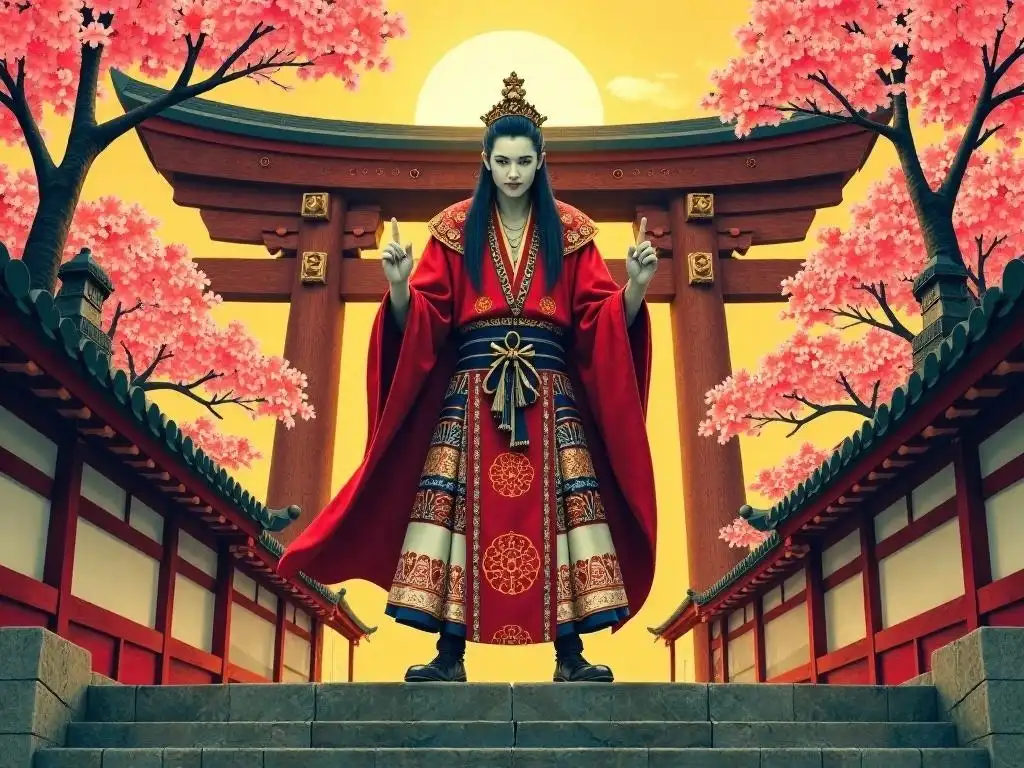
Welcome to Feudal Japan History, where we embark on a fascinating journey through the complex tapestry of Japan's feudal era. Here, we delve into the significant influence of Daimyo on Japanese culture and religion, uncovering the intricate ways these powerful feudal lords shaped societal norms, artistic expressions, and spiritual beliefs. Prepare to be captivated as we unravel the layers of history that define this remarkable period. What secrets do the Daimyo hold that continue to echo through time? Join us as we explore the profound impact of these influential figures and their legacy in shaping modern Japan.
Introduction to Daimyo Influence on Japanese Culture
The Daimyo, powerful feudal lords in Japan from the 12th to the 19th centuries, played a pivotal role in shaping not only the political landscape but also the cultural and religious fabric of Japanese society. Their influence extended beyond mere governance; it permeated various aspects of daily life, arts, and spirituality.
This article delves into the profound impact that the Daimyo had on Japanese culture and religion, exploring their historical significance and the legacies they left behind. By examining the intricate relationships between the Daimyo, their domains, and the broader society, we can gain a deeper understanding of how these feudal lords helped to forge the distinctive identity of Japan during its feudal era.
Definition of Daimyo in Feudal Japan
The term Daimyo refers to the feudal lords who ruled over large estates in Japan. These individuals held significant power and were vassals of the Shogun, the military dictator of Japan. The Daimyo operated within a hierarchical structure, commanding samurai warriors and overseeing agricultural production, trade, and local governance. They were distinguished by their wealth and land ownership, which were vital for sustaining their military forces.
Overview of the Feudal System in Japan
Japan's feudal system was characterized by a complex network of allegiances and responsibilities. At the top of this hierarchy was the Shogun, followed by the Daimyo, and then the samurai. This system was largely agrarian, with land being the primary source of wealth. The feudal structure created a society where loyalty and honor were paramount, and the Daimyo played an essential role in maintaining order and governance within their territories.
Historical Context of Daimyo and Their Power
Rise of the Daimyo Class in Japan
The emergence of the Daimyo class can be traced back to the late Heian period (794-1185), when powerful families began to amass land and military strength. With the decline of imperial authority and the rise of the samurai class, these lords capitalized on the political instability to establish their dominance. By the late 16th century, during the Sengoku period, Japan was divided into numerous domains ruled by competing Daimyo, leading to significant social and cultural developments as they sought to assert their influence.
Political Role of Daimyo in Feudal Society
Daimyo were not only military leaders but also key political players who shaped the governance of their domains. They were responsible for law enforcement, tax collection, and the organization of local economies. Their political maneuvers often influenced national policies, as alliances and conflicts among Daimyo could lead to shifts in power dynamics across Japan.
Key Historical Events Shaping Daimyo Influence
Several historical events significantly impacted the role and influence of the Daimyo in Japan. The Onin War (1467-1477) marked the beginning of widespread conflict among competing lords, leading to the fragmentation of power.
The Tokugawa Shogunate (1603-1868) later established a centralized government, which sought to control the Daimyo through a system of alternate attendance (sankin-kōtai), compelling them to spend part of each year in the capital, Edo. These events not only shaped the political landscape but also influenced cultural practices, as Daimyo engaged in patronage of the arts and religious institutions, further embedding their influence into Japanese culture and religion.
Cultural Contributions of Daimyo
The daimyo, as powerful feudal lords in Japan, played a significant role in shaping the cultural landscape of the country during the feudal era. Their influence extended beyond mere governance; they were pivotal patrons of various forms of art, literature, and architectural advancements. The cultural contributions of the daimyo reflect their status and aspirations, leading to a flourishing of Japanese culture that combined local traditions with new ideas and aesthetics.
Patronage of the Arts and Literature
Daimyo were instrumental in the patronage of arts and literature, providing financial support and resources to artists, writers, and scholars. This patronage helped to cultivate a vibrant cultural environment in which various art forms thrived. Notably, during the Muromachi period, many daimyo embraced the aesthetics of the tea ceremony, leading to the development of the wabi-sabi philosophy that celebrates simplicity and natural beauty.
Furthermore, the daimyo often commissioned works from renowned artists and poets, leading to a rich exchange of ideas and styles. For instance, the famous painter Sesshu Toyo received patronage from various daimyo, allowing him to develop his unique ink painting style, which greatly influenced subsequent generations of artists. The literary world also benefited, with daimyo sponsoring the writing of historical chronicles, poetry collections, and Noh theater, reflecting both their personal interests and the cultural ethos of their times.
Through their patronage, the daimyo not only fostered artistic talent but also helped to establish cultural legacies that continue to be celebrated in modern Japan.
Architectural Innovations and Castle Building
The architectural innovations during the feudal era were largely driven by the daimyo, particularly through the construction of imposing castles that symbolized their power and influence. These castles were not merely military fortifications; they were also expressions of the daimyo’s wealth and status. Each castle featured unique designs, reflecting the local resources and architectural styles, with many incorporating elements of traditional Japanese aesthetics.
The use of stone foundations, intricate wooden joinery, and decorative elements became hallmarks of castle architecture under the daimyo's direction. Notable examples include Himeji Castle, known for its elegant white exterior and complex defensive structures, and Matsumoto Castle, which features a distinctive black exterior and is surrounded by a scenic moat.
In addition to castles, the daimyo contributed to the development of temples and other public buildings, which served both functional and spiritual purposes. These structures often became central to community life, hosting festivals and religious ceremonies, thereby intertwining the political and cultural aspects of the daimyo's influence.
Religious Influence of Daimyo in Japan
The religious landscape of Japan during the feudal era was significantly shaped by the daimyo, who wielded both political and spiritual authority. Their support for various religious practices not only reinforced their power but also helped to maintain social order and cultural cohesion within their domains.
Support of Shinto Practices and Temples
Daimyo played a crucial role in the promotion and support of Shinto practices, which were deeply intertwined with the Japanese identity and culture. Many daimyo constructed Shinto shrines within their territories, commissioning elaborate structures that honored deities and local spirits. By doing so, they sought to legitimize their authority and foster loyalty from their subjects.
The daimyo's support for Shinto was not merely a means of control; it was also a reflection of their personal beliefs and the importance of spirituality in samurai culture. Festivals and rituals were often sponsored by the daimyo, serving to strengthen community ties and reinforce the social hierarchy. The celebration of these Shinto practices created a sense of unity and shared identity among the people, further embedding the daimyo into the fabric of local culture.
Impact on Buddhism in Japanese Society
Buddhism also flourished under the influence of the daimyo, who recognized its importance in promoting social stability and cultural development. Many daimyo established temples and monasteries, which served as centers for education, culture, and spiritual guidance. This support allowed Buddhism to permeate various aspects of daily life and contributed to its evolution in Japan.
The daimyo often patronized specific sects, such as Zen Buddhism, which appealed to the samurai class for its emphasis on discipline and meditation. This relationship between the daimyo and Buddhist institutions facilitated the integration of Buddhist principles into the samurai ethos, influencing their conduct and governance.
Moreover, the daimyo's involvement in Buddhist practices extended to the arts, with many supporting the creation of temple art, calligraphy, and gardens that embodied Buddhist philosophies. These contributions helped to establish a rich cultural dialogue between Buddhism and the samurai class, ultimately shaping the spiritual landscape of feudal Japan and leaving a lasting legacy that resonates in contemporary Japanese culture.
The Legacy of Daimyo Influence on Modern Japanese Culture
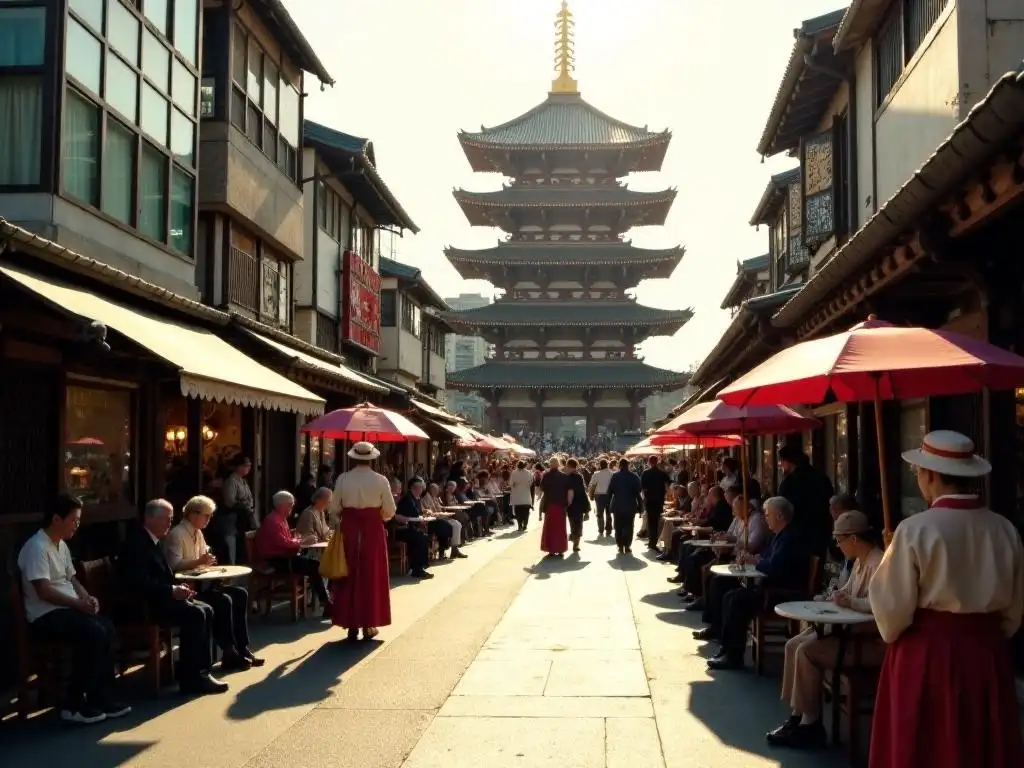
The daimyo, feudal lords during Japan's medieval period, played a pivotal role in shaping the cultural and religious landscape of the nation. Their influence persists in various aspects of contemporary Japanese culture, from arts to societal norms. The legacy of the daimyo is evident in the preservation of traditional practices, the evolution of artistic expressions, and the ongoing reverence for historical figures who once wielded considerable power. As we explore the lasting effects of daimyo influence, it becomes clear that their contributions have left an indelible mark on modern Japan.
Lasting Effects on Contemporary Japanese Arts
The impact of daimyo on contemporary Japanese arts is profound and multifaceted. During the Edo period, many daimyo were patrons of the arts, commissioning works that reflected their power and status. This patronage fostered the development of various art forms, including:
- Painting: The daimyo supported artists like Katsushika Hokusai and Utagawa Hiroshige, whose landscapes and woodblock prints continue to influence modern Japanese art.
- Theater: Traditional forms such as Noh and Kabuki were often performed under the sponsorship of daimyo, embedding these theatrical styles into the cultural fabric of Japan.
- Literature: Many daimyo were literate and engaged in poetry and literature, promoting the development of genres such as haiku, which remains popular today.
These artistic traditions, rooted in the patronage of the daimyo, continue to thrive, showcasing the seamless blend of history and modernity in Japanese culture.
Cultural Traditions Rooted in Daimyo Influence
Numerous cultural traditions in Japan can trace their origins to the practices established by the daimyo. These traditions not only reflect the values and aesthetics of the time but also serve as a bridge connecting past and present. Some notable examples include:
- Tea Ceremony (Chanoyu): The practice of tea drinking was elevated to an art form by daimyo, who embraced the spiritual and aesthetic dimensions of the tea ceremony. Today, it remains a respected cultural ritual.
- Martial Arts: Many martial disciplines, such as Kendo and Iaido, were cultivated by samurai under the daimyo's patronage. These practices emphasize discipline, respect, and mental focus, principles that resonate in modern training.
- Festivals and Rituals: Local festivals, often a blend of Shinto and Buddhist influences, owe their origins to daimyo-sponsored events that celebrated harvests, religious observances, and community cohesion.
These cultural traditions continue to be practiced and celebrated, showcasing the enduring influence of daimyo on Japanese society.
Modern Perception of Daimyo in Japanese Society
The perception of daimyo in contemporary Japanese society is one of respect and nostalgia. While the feudal system has long been abolished, the legacy of the daimyo shapes modern identity. Many people view them as symbols of regional pride and cultural heritage. This perception is evident in various ways:
- Historical Sites: Castles and residences of daimyo serve as popular tourist attractions, providing insights into Japan's feudal history and architectural advancements.
- Media Representation: Daimyo often appear in literature, film, and television, portrayed as complex characters who navigated the turbulent politics of their time. These representations contribute to a romanticized view of the past.
- Cultural Events: Events celebrating the history of daimyo, such as parades and reenactments, are held throughout Japan, fostering a sense of community and connection to historical roots.
Overall, the modern perception of daimyo reflects an appreciation for their role in shaping the cultural and historical narrative of Japan.
Conclusion
Summary of Daimyo's Role in Shaping Japanese Culture and Religion
The daimyo were instrumental in shaping Japanese culture and religion during the feudal era. Their influence extended through their patronage of the arts, the establishment of cultural traditions, and their lasting impact on societal values. The cultural landscape of Japan today is a testament to the legacy of these powerful lords, whose actions and decisions helped mold the nation’s identity.
Reflection on the Importance of Historical Understanding of Daimyo Influence
Understanding the historical influence of the daimyo is essential for appreciating the complexities of modern Japanese culture. By recognizing their contributions, we gain insight into the values and practices that continue to define Japan. This historical perspective fosters a deeper appreciation for the rich tapestry of cultural traditions and artistic expressions that characterize contemporary Japanese society, highlighting the importance of preserving and honoring this legacy.
References
The exploration of the influence of Daimyo on Japanese culture and religion is deeply rooted in historical texts, scholarly analyses, and cultural studies. Below is a compilation of recommended readings and key texts that provide valuable insights into this fascinating topic.
Recommended Readings on Daimyo and Japanese Cultural History
- "The Daimyo: A History" by Charles J. Dunn
- This book offers a comprehensive overview of the evolution and significance of the Daimyo in Japanese history, exploring their roles as feudal lords and cultural patrons.
- "Warriors of Japan: The Role of the Samurai" by Stephen Turnbull
- A detailed examination of the samurai class, this text highlights the relationship between the Daimyo and their samurai retainers, shedding light on how this dynamic influenced Japanese culture.
- "Japan's Feudal Age" by Robert J. Smith
- This work delves into the broader societal structures of feudal Japan, with particular emphasis on the impact of the Daimyo on cultural practices and regional governance.
- "The Culture of Japan as Seen Through Its Leisure" by Sepp Linhart and Sabine Wilke
- This book explores how the leisure activities sponsored by the Daimyo contributed to the development of Japanese culture, including arts, theater, and religion.
- "Daimyo and the Samurai: The Rise of the Warrior Class" by John W. Hall
- Hall’s analysis examines the political and social power of the Daimyo and the cultural implications of their governance during the feudal era.
Key Historical Texts on Feudal Japan
- "The Tale of Heike"
- An epic account of the Genpei War, this historical narrative reflects the power struggles between the Taira and Minamoto clans, with insights into the role of the Daimyo during this tumultuous period.
- "The Chronicles of Japan" (Nihon Shoki)
- As one of the oldest historical texts in Japan, the Nihon Shoki provides context on the early formation of feudalism and the emergence of the Daimyo as influential figures in society.
- "The Book of Five Rings" by Miyamoto Musashi
- Written by the famous samurai, this text not only discusses martial strategy but also reflects the philosophical and cultural values that were promoted by the Daimyo during their reign.
- "The Records of the Three Genji"
- This historical compilation offers insights into the political dynamics and cultural exchanges fostered by the Daimyo, particularly during the Heian and Kamakura periods.
- "The Shogunate: The Rise and Fall of Japan's Military Power" by John T. Kuehn
- Kuehn provides an analysis of the shogunate's governance and the role of the Daimyo within it, linking their influence to broader cultural trends throughout Japan's feudal history.
These references serve as a vital resource for understanding the multifaceted influence of the Daimyo on Japanese culture and religion, illustrating their enduring legacy in shaping the nation's historical narrative.
- Introduction to Daimyo Influence on Japanese Culture
- Historical Context of Daimyo and Their Power
- Cultural Contributions of Daimyo
- Religious Influence of Daimyo in Japan
- The Legacy of Daimyo Influence on Modern Japanese Culture
- Conclusion
- References
Frequently Asked Questions
What was the role of the Daimyo in feudal Japan?
The Daimyo were powerful feudal lords who controlled vast lands and had significant political and military influence, shaping the socio-political landscape of Japan during the feudal era.
How did Daimyo contribute to Japanese culture?
The Daimyo played a crucial role in promoting art, architecture, and literature, fostering cultural developments that reflected their wealth and status, which greatly enriched Japanese culture.
In what ways did Daimyo influence religion in Japan?
Daimyo often supported various religious institutions and practices, commissioning temples and shrines, which helped to integrate religion into everyday life and establish a sense of community.
Did Daimyo have a role in the political structure of Japan?
Yes, the Daimyo were integral to the political structure, serving as local rulers who maintained order and enforced the will of the shogunate, thereby ensuring the stability of feudal Japan.
How did the Daimyo impact Japanese society as a whole?
The Daimyo influenced societal hierarchies by defining class structures and roles, as their patronage and policies affected the lives of the samurai, peasants, and artisans, shaping the fabric of Japanese society.
Final Reflection: The Enduring Legacy of Daimyo Influence on Japanese Culture
The intricate relationship between the daimyo and Japanese culture remains profoundly relevant today, as we continue to witness the echoes of their influence in modern society. The power wielded by these feudal lords shaped not only the political landscape of their time but also the very fabric of cultural and religious practices that define Japan.
The daimyo's patronage of the arts, their role in the dissemination of religious beliefs, and their impact on social structures are threads woven into the tapestry of contemporary Japanese identity, reminding us that history is not merely a record of the past but a living influence that shapes our present.
The legacy of the daimyo extends far beyond their reigns, permeating the cultural and social landscape of Japan in ways that are both subtle and profound. From the architectural marvels of their castles to the traditional arts they supported, the daimyo's contributions continue to inspire and inform modern Japanese culture. As we navigate a world that often feels disconnected from its roots, we can find wisdom in the words of historian John W. Hall: The past is not dead; it is not even past.
This sentiment resonates deeply as we explore how the values and traditions established by the daimyo still resonate in contemporary practices, festivals, and even in the realm of spirituality.
As we reflect on the daimyo's influence, let us take a moment to consider how we can honor and integrate these lessons into our own lives. What aspects of cultural heritage do we cherish, and how can we actively participate in preserving them for future generations?
Embrace the opportunity to explore your own cultural roots and engage with the traditions that shape your identity. By doing so, we not only pay homage to the past but also ensure that the rich legacy of the daimyo and their impact on Japanese culture continues to thrive in the hearts and minds of those who come after us.
Unveil the Lasting Legacies of the Daimyo!
Thank you for diving into the fascinating world of the daimyo and their profound impact on Japanese culture and religion! Your interest in this pivotal era not only enriches your understanding but also connects you to the vibrant history that shapes Japan today. Now that you’re inspired, it’s time to take action and further explore the legacies of the daimyo.
Here are a few steps you can take to deepen your journey:
- Delve deeper into the past: Visit your local library or browse online databases for more in-depth books and articles about specific daimyo and their contributions to culture and religion.
- Join a community: Engage with fellow history enthusiasts in forums or local clubs focused on feudal Japan. Share insights and discuss your favorite daimyo stories!
- Share your knowledge: Write a blog post or create a social media thread about what you've learned. Encourage others to join the conversation about this captivating chapter in history.
How do you think the legacy of the daimyo influences modern Japanese society today? We’d love to hear your thoughts in the comments!