
The Role of Daimyo in Japan's International Relations

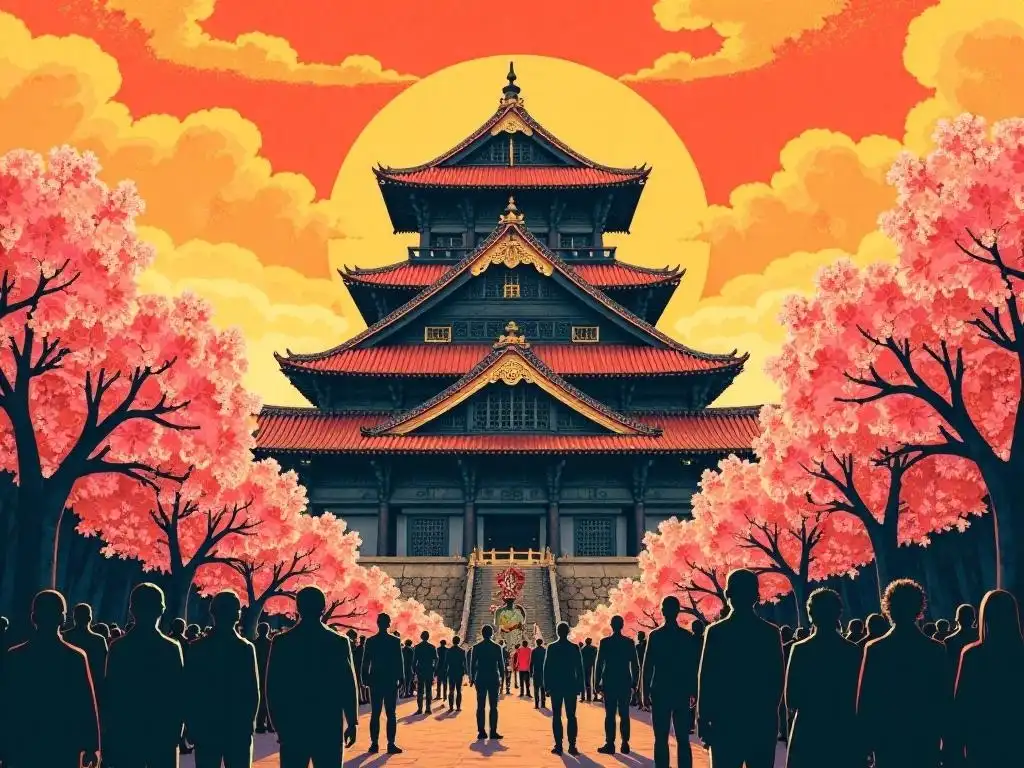
Welcome to Feudal Japan History, where we embark on a captivating journey through the intricate layers of Japan’s feudal era. Here, we unravel the Influence of Daimyo on Diplomacy, diving deep into the pivotal roles these powerful feudal lords played in shaping international relations. What strategies did they employ to navigate the complex landscape of alliances and conflicts? Join us as we explore the fascinating interplay of power, culture, and diplomacy that defined an era. Your adventure into the rich political history of Japan begins now!
Introduction to Daimyo and Their Influence on Diplomacy
The feudal era of Japan, stretching from the 12th to the 19th century, witnessed the rise of powerful warlords known as Daimyo. These influential figures not only governed vast territories but also played a pivotal role in shaping the diplomatic landscape of Japan.
Understanding the influence of Daimyo on diplomacy requires a deep dive into their multifaceted roles within society, their governance, and their interactions with both domestic and foreign entities. This article aims to explore the intricate relationship between the Daimyo and Japan's international relations, shedding light on how these leaders navigated the complexities of diplomacy in a time marked by conflict and change.
Definition of Daimyo in the Feudal Era
Daimyo were feudal lords who held significant power and land during Japan's feudal period. They were vassals of the shogun and governed their domains with considerable autonomy. Typically, a Daimyo controlled a specific territory, known as a han, where they managed the local economy, military, and governance. The role of a Daimyo was not merely administrative; they were also military leaders and strategic players in both internal and international politics.
Overview of Daimyo's Role in Japanese Society
In Japanese society, Daimyo were central figures in the hierarchical structure that defined feudalism. They collected taxes, maintained order, and provided protection to their subjects. The loyalty of samurai, who served the Daimyo, was crucial in maintaining power. This feudal loyalty and the obligation of protection established a network of alliances that could extend beyond local borders, allowing Daimyo to engage in diplomatic relationships to secure their interests.
- Key responsibilities of Daimyo:
- Military Leadership: Commanding armies and leading campaigns.
- Governance: Enforcing laws and managing local administration.
- Economic Management: Overseeing agricultural production and trade.
Importance of Diplomacy in Feudal Japan
Diplomacy during Japan's feudal era was essential for maintaining peace, securing alliances, and fostering trade. The Daimyo often engaged in diplomatic missions, negotiating treaties or forming alliances with other Daimyo or foreign powers. Given the fragmented political landscape, effective diplomacy was vital for survival and prosperity. Moreover, it facilitated cultural exchanges and introduced foreign ideas and technologies to Japan, enriching its own culture and society.
Historical Context of Daimyo and International Relations
The Emergence of Daimyo in the 12th Century
The concept of Daimyo emerged prominently during the Kamakura period (1185-1333), when the feudal system began to take shape. With the decline of imperial authority, regional warlords rose to fill the power vacuum. These early Daimyo played crucial roles in military campaigns against rival clans, establishing their territories and asserting their independence from the central government. This period marked the beginnings of what would become complex diplomatic relationships among the Daimyo.
Key Historical Events Influencing Daimyo Diplomacy
Several key historical events significantly impacted the diplomacy of the Daimyo:
- The Mongol Invasions (1274 and 1281): These invasions led to a united front among the Daimyo, fostering alliances that would influence future diplomatic strategies.
- The Onin War (1467-1477): This conflict sparked the Sengoku period, creating an environment where diplomacy became essential for survival amid widespread warfare.
These events exemplified how external threats could unify Daimyo for a common cause, while also highlighting their individual interests in diplomacy.
The Impact of the Sengoku Period on International Relations
The Sengoku period (1467-1603), characterized by incessant warfare among rival Daimyo, dramatically reshaped Japan's political landscape. During this time, the struggle for power led to a complex web of alliances and betrayals. Diplomacy became a necessary tool for negotiating peace or forming military coalitions.
- Notable impacts include:
- Increased Inter-Daimyo Diplomacy: Alliances formed to counteract stronger rivals.
- Engagement with Foreign Powers: The period saw heightened interactions with European traders and missionaries, introducing new diplomatic dynamics.
Understanding these aspects of Daimyo diplomacy sheds light on their substantial influence on both domestic and international relations in feudal Japan.
The Influence of Daimyo on Diplomacy
The influence of daimyo on diplomacy during Japan's feudal era cannot be understated. As regional lords, they wielded significant power and autonomy over their domains, which allowed them to engage in diplomatic activities that often rivaled the authority of the central shogunate. The daimyo acted as intermediaries between their territories and foreign powers, playing a crucial role in shaping Japan's foreign relations through treaties, trade agreements, and military alliances. Their unique position enabled them to cultivate relationships with European nations, particularly during the 16th and 17th centuries.
Daimyo were motivated by various factors, including economic benefits, military alliances, and the pursuit of political power. Their diplomatic endeavors were often aimed at securing resources, technology, and support against rival clans or the shogunate itself. Moreover, the daimyo's personal ambitions and relationships with foreign powers influenced the broader landscape of Japanese diplomacy, as they navigated the complex interplay of loyalty, rivalry, and cultural exchange.
Power Dynamics Between Daimyo and the Shogunate
The relationship between the daimyo and the shogunate was characterized by a delicate balance of power. While the shogun held nominal supremacy over the daimyo, the latter often operated with considerable independence, especially in foreign affairs. This dynamic was particularly evident during the Sengoku period, a time of intense conflict and fragmentation in Japan. Many daimyo sought to expand their influence and territory, which sometimes led to direct challenges against the shogunate’s authority.
As the Tokugawa shogunate established a more centralized regime in the early 17th century, it implemented policies to curb the power of the daimyo. The shogunate enforced strict regulations on diplomatic activities, limiting the ability of daimyo to engage with foreign powers without shogunal approval. Despite these restrictions, some daimyo continued to pursue their diplomatic interests, creating a tension between local autonomy and central authority that would shape Japan’s political landscape for centuries.
Diplomatic Missions and Envoys Sent by Daimyo
Daimyo actively engaged in sending diplomatic missions and envoys to foreign nations, which facilitated cultural and technological exchanges. These missions were often tasked with negotiating trade agreements, securing alliances, or gathering intelligence about foreign powers. Notable examples include the missions to Europe, where daimyo sought to learn about Western technologies and military strategies.
One of the most famous diplomatic missions was the 1582 embassy led by the daimyo of Sendai, Date Masamune, to the Pope in Rome. This mission, which aimed to establish formal relations with the Catholic Church, demonstrated the ambitious nature of daimyo diplomacy. The envoys were instructed not only to negotiate but also to gather knowledge that could be leveraged to enhance their own military and economic standing.
In addition to formal missions, daimyo also engaged in informal diplomatic exchanges through trade. They established relationships with Portuguese and Spanish traders, which played a significant role in the introduction of Christianity and Western goods into Japan, further complicating the diplomatic landscape.
Case Studies of Prominent Daimyo and Their Diplomatic Efforts
Oda Nobunaga: Unifying Power and International Relations
Oda Nobunaga was a pivotal figure in Japan’s unification during the late 16th century. His approach to diplomacy was marked by strategic alliances and military conquests. Nobunaga understood the importance of foreign relations in strengthening his position, particularly in dealing with European powers. He welcomed Portuguese traders and missionaries, leveraging their technology and firearms to enhance his military capabilities.
Nobunaga’s diplomatic efforts included establishing trade relations that not only enriched his domain but also allowed him to gain insights into Western political dynamics. His willingness to engage with foreign entities set the stage for future daimyo to explore international relations, significantly impacting Japan’s diplomatic trajectory.
Toyotomi Hideyoshi: Diplomacy and Foreign Relations
Following Nobunaga's death, Toyotomi Hideyoshi continued the legacy of diplomatic engagement but with a more expansive vision. Hideyoshi sought to consolidate his power and expand Japanese influence beyond its borders. He launched invasions of Korea, which were partly motivated by the desire to establish Japan as a dominant regional power.
Hideyoshi also recognized the value of diplomacy and maintained contacts with European powers, particularly the Spanish and Portuguese. He issued a decree that allowed Christian missionaries to operate, seeing the potential for economic and cultural exchange. His diplomatic maneuvers were aimed at both securing alliances and promoting trade, significantly influencing Japan's foreign relations during his reign.
Tokugawa Ieyasu: The Establishment of Sakoku and Its Implications
Tokugawa Ieyasu, the founder of the Tokugawa shogunate, adopted a more isolationist approach with the implementation of the Sakoku (closed country) policy in the early 17th century. This policy restricted foreign influence and limited Japan’s diplomatic relations primarily to the Dutch and Chinese, reflecting a shift in the daimyo's role in international relations.
While Ieyasu recognized the importance of foreign trade, he prioritized stability and control over the potentially disruptive influences of foreign powers. His diplomatic strategy focused on maintaining peace within Japan while carefully managing external relationships. This era marked a significant transformation in the influence of daimyo on diplomacy, as their roles were increasingly curtailed under the shogunate's centralized authority, leading to a prolonged period of isolation that would last for over two centuries.
Cultural Aspects of Daimyo Diplomacy
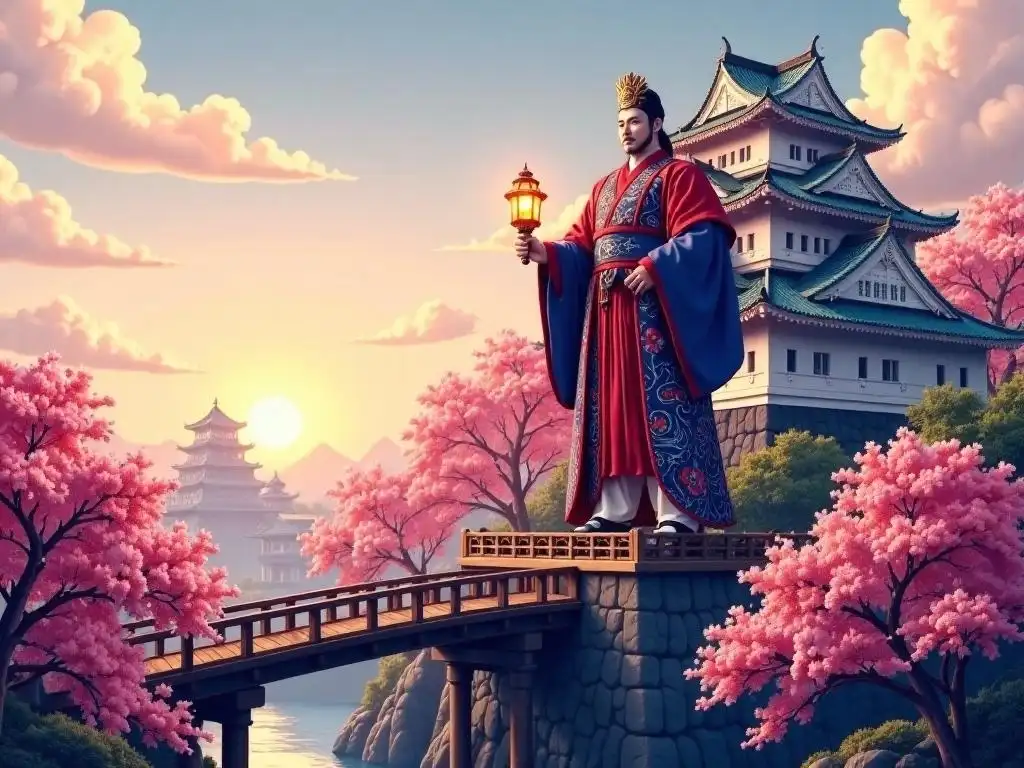
The cultural dimensions of diplomacy during the feudal era in Japan were significantly shaped by the actions and decisions of the daimyo. As powerful regional lords, daimyo wielded not only military and political authority but also substantial cultural influence. Their diplomatic endeavors were often intertwined with cultural expressions, which played a critical role in fostering relationships and alliances with both domestic and foreign powers.
The Role of Art and Culture in Diplomatic Relations
Art and culture were indispensable tools for the daimyo in their diplomatic interactions. They utilized various art forms, including painting, poetry, and traditional crafts, to convey messages of peace and goodwill. For instance, the presentation of beautifully crafted gifts, such as ceramics or textiles, was a common practice among daimyo when engaging with foreign emissaries. These gifts served not only as tokens of respect but also as reflections of the daimyo's cultural sophistication.
Moreover, the patronage of arts by daimyo often led to the establishment of cultural exchanges with foreign nations, such as the Portuguese and Dutch, who were active in Japan during the 16th and 17th centuries. This exchange enriched Japanese art and culture while simultaneously allowing the daimyo to project power and influence through artistic representation.
Marriage Alliances and Their Influence on Diplomacy
Marriage alliances were a strategic tool employed by daimyo to strengthen diplomatic ties. By marrying their children to the offspring of other powerful families or foreign dignitaries, daimyo could forge lasting bonds that transcended mere political agreements. These alliances often resulted in increased security and stability, as well as enhanced trade opportunities.
For example, the marriage between the Tokugawa family and the powerful Matsudaira family not only solidified their political standing but also facilitated cooperation among various domains. Such unions were often celebrated through grand ceremonies that underscored the significance of the alliance and the cultural values shared between the families involved.
The Significance of Rituals and Ceremonies in Diplomacy
Rituals and ceremonies played a pivotal role in the diplomatic practices of daimyo, signaling respect and adherence to cultural traditions. Events such as the tea ceremony, which emphasized harmony, respect, and tranquility, served as a medium for diplomatic discussions. These gatherings allowed daimyo to engage in dialogues while showcasing their refined tastes and commitment to cultural values.
Additionally, formal receptions and banquets were organized to honor foreign dignitaries, where elaborate rituals were observed. Such events were designed to create a favorable impression of the host and solidify diplomatic relations. The meticulous attention to detail in these ceremonies reflected the importance of etiquette in maintaining diplomatic decorum.
The Legacy of Daimyo in Modern Japanese Diplomacy
The legacy of the daimyo continues to echo in contemporary Japanese diplomacy, with historical practices influencing modern diplomatic strategies and national identity.
How Historical Daimyo Influence Contemporary Diplomatic Practices
Today, the historical relationships and diplomatic practices established by the daimyo serve as a foundation for Japan’s current approach to international relations. The emphasis on cultural diplomacy, inherited from the daimyo era, remains a vital aspect of Japan's engagement with the world. Modern Japanese diplomats often draw upon the lessons of the past, utilizing cultural exchange programs, art exhibitions, and academic collaborations to foster goodwill and mutual understanding with other nations.
Furthermore, the concept of tatemae (the public facade) and honne (the true feelings), which were crucial to navigating diplomatic relationships during the feudal era, continue to influence interpersonal relations in contemporary diplomacy. This nuanced approach helps Japan maintain harmony in its international dealings.
The Role of Daimyo in Shaping National Identity
The daimyo played a significant role in shaping Japan's national identity, with their contributions to culture, governance, and social structures leaving a lasting imprint. The rise of regional lords fostered a sense of local pride and identity that laid the groundwork for the eventual unification of Japan under the Tokugawa shogunate.
In modern times, this historical legacy contributes to Japan’s cohesive national identity, as citizens recognize and appreciate the rich tapestry of regional cultures that emerged during the feudal era. The recognition of this heritage enhances Japan's diplomatic stance, allowing it to present itself as a nation deeply rooted in tradition while actively engaging in the global community.
Lessons from Daimyo Diplomacy for Modern International Relations
The diplomatic strategies employed by daimyo offer valuable lessons for contemporary international relations. The importance of building relationships based on mutual respect and cultural understanding is more relevant than ever. In a globalized world, the principles of diplomacy that emphasize cultural exchange, strategic alliances, and the significance of rituals can guide modern diplomats in their efforts to navigate complex international landscapes.
Furthermore, the concept of using soft power, as demonstrated by daimyo through art, culture, and diplomacy, remains a potent tool for nations seeking to enhance their global influence. The ability to engage and connect with others through shared cultural values can lead to more effective and sustainable diplomatic outcomes in today’s interconnected world.
Conclusion: The Enduring Influence of Daimyo on Japan's International Relations
The role of daimyo in shaping Japan's international relations cannot be overstated. These powerful feudal lords wielded significant influence not only within their domains but also in the broader context of Japan's interactions with foreign powers. Through their strategic alliances, diplomatic negotiations, and military engagements, daimyo played a pivotal role in defining Japan's foreign policy during the feudal era. Their actions set the stage for the future of Japan's diplomatic relations, impacting everything from trade to military alliances and cultural exchanges.
As we reflect on the legacy of the daimyo, it's clear that their influence extended far beyond the battlefield. The relationships they fostered with other nations laid the groundwork for Japan's eventual emergence as a unified state. The intricate web of diplomacy woven by the daimyo illustrates the complexities of feudal governance and the multifaceted nature of Japan's international relations, which continue to resonate in the country's modern diplomatic framework.
Summary of Key Points on Daimyo's Diplomacy
- Political Authority and Influence: Daimyo were not only local rulers but also key players in national politics, often influencing the direction of Japan's foreign relations through their alliances and conflicts.
- Strategic Alliances: Many daimyo formed alliances with European powers, such as the Portuguese and the Dutch, which facilitated trade and cultural exchanges, significantly impacting Japan's economy and society.
- Military Engagements: The daimyo's role in military conflicts, including the unification campaigns and skirmishes with external forces, shaped Japan's territorial integrity and defense strategies.
- Cultural Exchange: Through diplomacy, daimyo facilitated cultural exchanges, introducing foreign ideas, technologies, and religions, which enriched Japanese society and its global perspective.
- Legacy of Diplomacy: The diplomatic practices established by daimyo during the feudal era laid the foundation for Japan's later foreign policy approaches, influencing how Japan navigated international relations in the modern era.
Final Thoughts on the Role of Daimyo in Historical Context
The historical context of the daimyo's influence on Japan's international relations highlights the intricate interplay between local power dynamics and global interactions. In a time marked by fragmentation and regionalism, the ability of daimyo to engage diplomatically with foreign entities showcased their political acumen and adaptability.
As Japan transitioned from a feudal society to a more centralized state, the contributions of the daimyo remained integral to understanding the evolution of Japanese diplomacy. Their legacy serves as a reminder of the importance of local actors in shaping national and international narratives, emphasizing that diplomacy is often a product of multifaceted relationships rather than mere state-to-state interactions.
References and Further Reading on Daimyo and International Relations
For those interested in delving deeper into the fascinating interplay of daimyo and Japan's international relations, a variety of resources are available that provide comprehensive insights into this historical era.
Recommended Books and Articles
- "Daimyo: The Powerful Lords of Feudal Japan": by [Author Name]: This book offers an in-depth exploration of the daimyo's role in Japanese history, focusing on their political, military, and diplomatic engagements.
- "The Samurai and the Daimyo: Cultural Exchange in Feudal Japan": by [Author Name]: This title examines the cultural aspects of diplomacy during the feudal period, highlighting how interactions with foreign powers influenced samurai culture.
- "Japan's Foreign Relations in the Feudal Era" by [Author Name]: A scholarly analysis of the various diplomatic efforts undertaken by daimyo and their impact on Japan's historical trajectory.
Online Resources for Further Exploration
- The National Diet Library of Japan: Offers digital archives and resources related to Japanese history, including the role of daimyo in international relations.
- The Japan Society: Provides access to articles and publications discussing the historical context of daimyo and their influence on Japan's foreign policy.
- YouTube Documentaries: Various channels offer documentaries focusing on the feudal era of Japan, discussing the role of daimyo in shaping the country's diplomatic landscape.
- Introduction to Daimyo and Their Influence on Diplomacy
- Historical Context of Daimyo and International Relations
- The Influence of Daimyo on Diplomacy
- Case Studies of Prominent Daimyo and Their Diplomatic Efforts
- Cultural Aspects of Daimyo Diplomacy
- The Legacy of Daimyo in Modern Japanese Diplomacy
- Conclusion: The Enduring Influence of Daimyo on Japan's International Relations
- References and Further Reading on Daimyo and International Relations
Frequently Asked Questions
What is a Daimyo?
A Daimyo was a powerful feudal lord in Japan who held significant land and military power during the feudal era, influencing local governance and international relations.
How did Daimyo influence diplomacy in feudal Japan?
Daimyo played a crucial role in diplomatic interactions, often forming alliances through marriage, trade agreements, and military pacts to secure their territorial interests and maintain peace.
What were the key responsibilities of a Daimyo?
A Daimyo was responsible for managing land, collecting taxes, and maintaining order within their domain, while also overseeing the samurai who served them and engaging in diplomatic relations with other lords.
How did the rise of the Tokugawa shogunate affect the Daimyo's role?
With the establishment of the Tokugawa shogunate, the Daimyo's power was somewhat curtailed as the shogunate centralized authority, leading to a reduction in their autonomy and influence over international diplomacy.
What impact did diplomacy among Daimyo have on Japan's history?
The diplomatic relationships forged by Daimyo often shaped political alliances, affected trade routes, and contributed to the unification of Japan, ultimately influencing its historical trajectory during the feudal period.
Final Reflection: The Enduring Influence of Daimyo on Diplomacy
The role of daimyo in shaping Japan's international relations remains profoundly relevant today, as their historical influence on diplomacy illustrates the intricate balance of power and cultural exchange. As we navigate a world increasingly defined by globalization and interdependence, understanding the dynamics of past diplomatic practices offers invaluable insights into contemporary international relations. The legacy of the daimyo serves as a reminder that diplomacy is not merely a matter of political strategy but also a reflection of cultural identity and mutual respect.
The impact of the daimyo on Japan's diplomatic landscape is a testament to the power of local leaders in shaping national narratives and fostering international connections. Their ability to negotiate, form alliances, and engage with foreign powers highlights the importance of grassroots diplomacy in a globalized world. As historian John W. Hall noted, The daimyo were not just feudal lords; they were pivotal players in the theater of international relations, bridging cultures and fostering dialogue.
This observation underscores the ongoing relevance of their strategies and relationships, which continue to inform how we approach diplomacy today.
As we reflect on the lessons from the daimyo's influence on diplomacy, I invite you to consider how you can embody these principles in your own life. Think about the ways you can foster understanding and build bridges in your community and beyond. In an era where divisions often overshadow collaboration, let us draw inspiration from the past and strive to engage in meaningful dialogue, embracing the complexities of our interconnected world. Your actions, no matter how small, can contribute to a more harmonious and diplomatic future.
Uncover the Impact of Daimyo in Today's World!
Thank you for exploring the fascinating role of daimyo in Japan's international relations! Your interest not only enriches your understanding but also connects you to a pivotal part of history that shapes cultural interactions today. As you reflect on these connections, consider taking meaningful steps toward further exploration and engagement.
- Explore further: Investigate the influences of daimyo on modern diplomacy in Japan and how historical leadership styles shape current global strategies.
- Join the conversation: Share your thoughts and insights in our comments section! How do you think the legacy of the daimyo influences today's leaders?
- Expand your knowledge: Check out our recommended resources for a deeper understanding of feudal Japan's impact on international relations.
What lessons do you believe contemporary leaders can learn from the daimyo's approach to negotiation and alliance-building?