
Exploring the Domains: How Daimyo Governed Their Territories

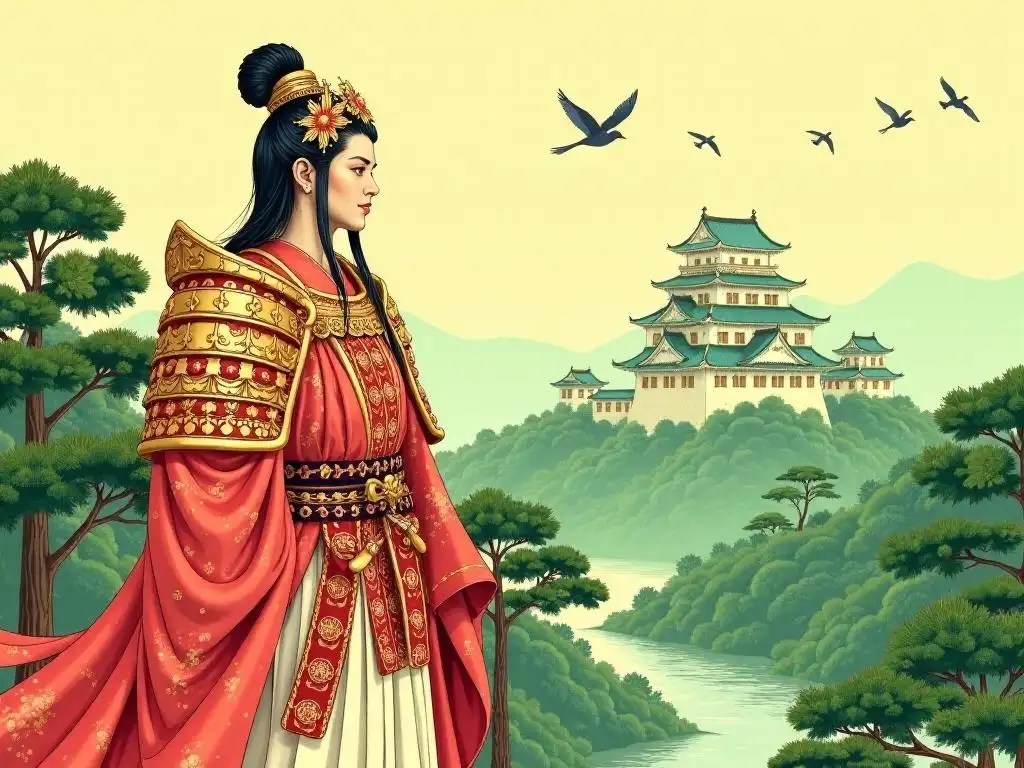
Welcome to Feudal Japan History, where we invite you to embark on a fascinating journey through the depths of Japan's feudal era. In our featured article, “Exploring the Domains: How Daimyo Governed Their Territories,” you'll unveil the intricate tapestry of power dynamics and governance that shaped the lives of countless individuals during this transformative period. Discover how the daimyo, as influential feudal lords, wielded authority over vast territories, balancing loyalty, strategy, and culture in their quest for dominance.
Curious about the unique systems they employed and the societal impacts that rippled through their domains? Dive deeper into our rich collection of expert-driven articles and uncover the compelling stories of a time that continues to resonate in Japan's history.
Introduction to the Daimyo and Their Role in Feudal Japan
The daimyō were powerful feudal lords who played a pivotal role in shaping the political landscape of Japan during its feudal era, a period that spanned from the late 12th century until the 19th century. Understanding how daimyo governed their territories is crucial for comprehending the broader context of Japanese history, culture, and society during this time.
The governance methods of these lords not only affected their immediate regions but also contributed to the intricate web of alliances, conflicts, and power dynamics that defined the era. This article aims to delve into the complexities of daimyō governance, exploring their roles, responsibilities, and the historical context that influenced their rule.
Definition of Daimyo in the Feudal System
In the feudal system of Japan, the term daimyō refers to the large landholders who were vassals of the shōgun. They were granted control over specific territories, known as han, and were expected to manage these lands, collect taxes, and provide military support when called upon. The daimyōs were not just mere landowners; they were influential figures responsible for the administration, justice, and welfare of their subjects.
The structure of their governance typically included:
- Land Management: Overseeing agricultural production and land distribution.
- Tax Collection: Ensuring a steady income through taxes and tributes from peasants.
- Military Organization: Maintaining and training samurai to defend their territories.
Understanding the definition and role of the daimyō is essential for grasping the complexities of their governance.
Importance of Daimyo in Japanese Political History
The daimyō were central to Japan's political history, especially during the Sengoku period, a time of social upheaval and constant military conflict. They not only wielded significant power within their domains but also influenced national politics through alliances and rivalries. Their governance methods set precedents for administrative practices, military organization, and even cultural patronage, which would echo throughout subsequent periods of Japanese history.
The legacy of the daimyō can be seen in:
- Cultural Development: Patronage of the arts, religion, and local culture.
- Political Alliances: Forming strategic marriages and alliances to strengthen power.
- Social Hierarchies: Establishing social structures that influenced later governance.
Their importance extends beyond mere territorial control; they were instrumental in shaping the very fabric of Japanese society.
Historical Context of Daimyo Governance
Overview of Japan's Feudal Era
The feudal era of Japan is characterized by a decentralized political structure where power was fragmented among various feudal lords. This period began in earnest with the rise of the Minamoto clan in the late 12th century and continued until the Meiji Restoration in 1868, which marked the end of feudalism. During this time, the country was divided into numerous domains, each ruled by a daimyō, leading to a complex tapestry of loyalty, rebellion, and shifting alliances.
Key features of this era include:
- Military Conflicts: Frequent battles among rival daimyōs seeking control over territory.
- Cultural Flourishing: Development of distinct regional cultures and arts influenced by local lords.
- Social Stratification: A rigid class structure that placed the samurai at the top, followed by peasants, artisans, and merchants.
This historical backdrop is crucial for understanding the dynamics of daimyō governance.
Emergence of the Daimyo Class
The emergence of the daimyō class can be traced back to the Heian period (794-1185) when powerful provincial leaders began to consolidate power in response to central authority's weakening. As the shōgunate established itself, these leaders transitioned into daimyōs, managing vast territories with increasing autonomy.
Factors that contributed to their rise include:
- Land Grants: Receiving land from the shōgun in exchange for loyalty and military service.
- Economic Control: Exploiting agricultural resources to build wealth and power.
- Political Maneuvering: Engaging in alliances and conflicts to expand their influence.
Their emergence was not just a shift in power but a transformation of the socio-political landscape of Japan.
Key Historical Events Influencing Daimyo Rule
Several key historical events significantly influenced the governance of the daimyō.
- The Gempei War (1180-1185): This conflict between the Minamoto and Taira clans established the foundation for the shōgunate system and the rise of daimyōs.
- The Sengoku Period (1467-1603): Marked by constant warfare among daimyōs, this era saw the rise of significant figures like Oda Nobunaga and Toyotomi Hideyoshi, who sought to unify Japan.
- The Edo Period (1603-1868): Under the Tokugawa shōgunate, daimyōs were required to reside in Edo (modern-day Tokyo) for part of the year, which influenced their governance styles and administrative practices.
These events collectively shaped the governance strategies of daimyōs and their interactions with each other, establishing a legacy that would endure long after the feudal system's decline.
This exploration sets the stage for a deeper understanding of the intricacies involved in how daimyō governed their territories, revealing a fascinating interplay of power, culture, and societal evolution in feudal Japan.
Structure of Governance in Daimyo Territories
The governance of territories in feudal Japan was a complex system that revolved around the daimyo, powerful feudal lords who held significant authority over their domains. This structure was characterized by a hierarchical system that organized power and responsibilities among various levels of officials, samurai, and commoners. Each daimyo governed a specific domain, which was further divided into administrative units, allowing them to maintain control and facilitate governance effectively.
The daimyo were not only military leaders but also political and economic rulers who had to navigate the intricacies of local governance, economic management, and military obligations. This multifaceted role made them crucial figures in maintaining stability and order within their territories. The governance structure was deeply rooted in the principles of loyalty, honor, and social hierarchy, which defined the relationship between the daimyo and their vassals, as well as the common people.
Feudal Hierarchy and the Role of Daimyo
At the top of the feudal hierarchy were the shogun, who held the most power, followed by the daimyo, who governed various domains on behalf of the shogun. The daimyo were often samurai themselves and wielded significant influence, both politically and militarily. Below the daimyo were the samurai, who acted as vassals and warriors for their lords, and further down the hierarchy were the peasants and townsfolk who formed the economic backbone of the domain.
The daimyo were responsible for the well-being of their subjects and the security of their territories. They operated under a system of loyalty, where samurai pledged allegiance to their daimyo in exchange for land, protection, and the promise of a stable living. This mutual obligation was central to the feudal system, ensuring that each level of the hierarchy played a role in maintaining order and governance.
Administrative Divisions within Domains
Daimyo territories were divided into several administrative units to facilitate governance. Each domain was typically segmented into smaller regions known as "han." Each han had its own local officials, known as "gundai," who managed day-to-day affairs and reported back to the daimyo.
These divisions allowed for more localized governance, where officials could address regional issues more effectively. The han system also enabled the daimyo to delegate responsibilities and maintain oversight over their vast territories. In addition to han, there were other subdivisions such as villages and towns, each with their own local leadership, which contributed to the overall management of the domain.
Responsibilities of Daimyo in Local Governance
The responsibilities of the daimyo in local governance were extensive and varied. They were tasked with the following key duties:
- Maintaining Order: Ensuring stability and security within their domains was paramount. This included suppressing uprisings, managing conflicts, and maintaining peace among the populace.
- Taxation and Resource Management: The daimyo collected taxes from their subjects, which were crucial for funding military campaigns and local projects. They also had to manage resources effectively to sustain their domains.
- Justice and Law Enforcement: The daimyo held judicial power, establishing laws and overseeing their enforcement. They were responsible for administering justice and resolving disputes among their subjects.
- Infrastructure Development: Improving infrastructure, such as roads and castles, was essential for trade, defense, and communication within the territory.
Methods of Control and Administration
The methods employed by daimyo to control and administer their territories were multifaceted, encompassing military, economic, and legal strategies. These methods ensured their authority and the stability of their domains.
Military Power and Its Role in Governance
Military power was a fundamental aspect of a daimyo's governance. By maintaining a loyal and well-trained samurai army, the daimyo could exert control over their territories and defend against external threats. Military prowess was not only essential for protection but also served as a means of asserting authority over rival daimyo and maintaining order within the domain.
Daimyo often held military parades and training exercises to showcase their strength and instill loyalty among their samurai. Furthermore, the threat of military action was a deterrent against rebellion or dissent among the populace, ensuring that the daimyo's rule remained unchallenged.
Economic Management: Taxation and Resource Allocation
Economic management was crucial for the sustainability of a daimyo's domain. The daimyo collected taxes primarily in the form of rice, which was the staple currency of the time. This taxation system was structured to ensure that the daimyo could fund their military and administrative needs while also providing for the welfare of their subjects.
Resource allocation was another critical aspect of economic management. Daimyo had to balance the needs of their samurai, who required compensation and support, with the needs of the peasantry, who were vital for agricultural production. Effective resource management was essential not only for the daimyo's power but also for the prosperity of their domains.
Legal Authority: Justice and Law Enforcement
The legal authority of the daimyo encompassed the establishment and enforcement of laws within their territories. They had the power to create regulations that governed daily life and to adjudicate disputes among their subjects.
This judicial authority was exercised through local courts, where the daimyo or appointed officials would hear cases and dispense justice. The daimyo's commitment to justice was crucial in maintaining their legitimacy and authority. A fair and effective legal system helped foster loyalty among subjects, while corruption or injustice could lead to unrest and rebellion, undermining the daimyo's power.
The governance of daimyo territories was a sophisticated system rooted in military strength, economic management, and legal authority, all working in tandem to maintain control and ensure the well-being of the population.
Cultural Influence of Daimyo on Their Territories

The cultural influence of daimyo on their territories was profound and multifaceted, shaping not only the political landscape but also the social and cultural fabric of Japan during the feudal era. Daimyo were not simply warlords; they were also patrons of the arts, education, and local customs, which fostered a unique cultural identity within their domains. This influence was instrumental in promoting the development of regional cultures that, while distinct, contributed to the overall tapestry of Japanese culture.
Patronage of Arts and Culture
Daimyo played a critical role in the patronage of arts and culture during the feudal period. Many daimyo sponsored artists, craftsmen, and musicians, leading to a flourishing of various artistic forms. This patronage was not merely an act of generosity but a strategic move to showcase their power and prestige. For example, the tea ceremony, known as chanoyu, was significantly influenced by the daimyo, who often hosted grand tea gatherings, bringing together samurai and scholars.
The construction of ornate castles and gardens also reflected the aesthetic values promoted by the daimyo. These structures served as both residences and symbols of authority, embodying the wealth and sophistication of the ruling class. Moreover, the development of Noh and Kabuki theater during this time can be traced back to the support of the daimyo, who funded performances and helped establish these art forms as vital components of Japanese culture.
Development of Education and Literacy
Daimyo recognized that an educated populace could contribute to the stability and prosperity of their territories. As a result, many established schools and educational institutions to promote literacy and learning among their subjects. The samurai class, in particular, was encouraged to study Confucian texts, which emphasized moral governance and the importance of education.
These schools often taught not only traditional subjects like calligraphy and poetry but also practical skills necessary for administration and governance. The promotion of education led to the rise of a literate merchant class, which enhanced economic activity within the domains. Additionally, the spread of knowledge contributed to the emergence of a more informed citizenry, capable of engaging with the political and social issues of the day.
Influence on Local Customs and Traditions
The daimyo's governance extended beyond political control; it also encompassed the promotion and preservation of local customs and traditions. Each daimyo often integrated aspects of their own cultural heritage into the local practices of their territories, resulting in a rich blend of traditions. Festivals, rituals, and local customs were often sponsored or modified to reflect the daimyo's values and beliefs.
For instance, the celebration of harvest festivals was frequently supported by daimyo, who would participate in and fund these events to solidify their connection with the peasantry. This not only reinforced their authority but also fostered loyalty among their subjects. Consequently, local traditions evolved under daimyo influence, contributing to regional identities that were distinct yet interconnected with the broader Japanese culture.
Challenges Faced by Daimyo in Governing Territories
Despite their significant cultural influence, daimyo faced numerous challenges in governing their territories. These challenges ranged from internal power struggles to external threats, as well as economic issues that complicated their rule. Understanding these challenges is crucial to appreciating the complexities of daimyo governance.
Internal Conflicts and Power Struggles
Internal conflicts were a common challenge for daimyo, often arising from rivalries with other daimyo and factions within their own domains. The feudal system was marked by a lack of centralized authority, leading to fragmented power dynamics. Daimyo frequently engaged in battles for territory, resources, and influence, which not only weakened their own positions but also destabilized their territories.
Moreover, the loyalty of samurai could be fickle; vassals sometimes rebelled against their daimyo, leading to further conflict. These power struggles necessitated constant vigilance and military readiness, diverting resources and attention away from governance and cultural development. The Sengoku period (1467-1603), known as the "Age of Warring States," exemplifies this turmoil, highlighting the difficulties daimyo faced in maintaining control over their domains.
External Threats: Invasions and Rivalries
External threats posed significant challenges to the daimyo as well. Throughout the feudal era, Japan experienced various invasions and conflicts with foreign powers. The most notable example is the Mongol invasions in the late 13th century, which forced daimyo to unite against a common enemy. Although these invasions were ultimately repelled, they demonstrated the vulnerabilities of individual territories.
Additionally, rivalries between different clans and the emergence of powerful entities like the Ashikaga shogunate created a constantly shifting political landscape. Daimyo had to navigate these complex relationships carefully, forming alliances or preparing for potential conflicts, which often strained their resources and governance strategies.
Economic Challenges and Resource Management
The economic challenges faced by daimyo were crucial in determining their ability to govern effectively. Managing resources, ensuring agricultural productivity, and collecting taxes were essential for sustaining their territories. However, natural disasters, such as droughts or floods, could disrupt agricultural output, leading to famine and unrest among the peasantry.
Moreover, as the population grew, the daimyo had to balance the needs of the peasant class with their own ambitions. The wealth generated from land and trade was vital for maintaining their armies and funding cultural initiatives, but overtaxing the peasantry could lead to rebellion and discontent. Effective resource management was, therefore, a delicate balancing act that required both foresight and strategic planning.
Case Studies of Notable Daimyo
The history of feudal Japan is rich with influential figures known as daimyo, who played critical roles in shaping the political and social landscape of the time. Examining the governance styles and administrative strategies of notable daimyo like Oda Nobunaga, Toyotomi Hideyoshi, and Tokugawa Ieyasu provides valuable insights into how they managed their territories, implemented policies, and influenced the trajectory of Japan's development. These case studies highlight distinct approaches to governance that left lasting legacies in Japanese history.
Analysis of Oda Nobunaga and Their Governance Style
Oda Nobunaga (1534–1582) was a prominent daimyo known for his innovative military strategies and ruthless tactics in his quest to unify Japan. His governance style was marked by several key characteristics:
- Meritocracy: Nobunaga was one of the first to implement a merit-based system in his domain. He promoted talented individuals regardless of their social status, enabling a more efficient and effective administration.
- Economic Reforms: Understanding the importance of a stable economy, Nobunaga encouraged trade, improved agricultural production, and revamped taxation systems to enhance revenue. His policies led to greater economic prosperity in his territories.
- Military Innovation: Nobunaga modernized his armies by adopting firearms, which gave him a significant advantage in battles. He understood the importance of military might in governance and used it strategically to expand his influence.
- Centralized Power: By consolidating power and diminishing the authority of local warlords, Nobunaga established a more centralized governance structure that allowed for quicker decision-making and implementation of policies.
His unique approach to governance set a precedent for future daimyo, blending military prowess with administrative innovation.
Lessons Learned from Toyotomi Hideyoshi's Administration
Toyotomi Hideyoshi (1537–1598) rose from humble origins to become one of Japan's most effective leaders. His administration offers several lessons in governance:
- Social Mobility: Hideyoshi's ascent emphasized the concept of social mobility, as he rewarded loyalty and talent over noble birth. This approach fostered a sense of loyalty and encouraged talented individuals to contribute to governance.
- Land Surveys: He conducted comprehensive land surveys (the taikō kenchi) to assess agricultural productivity and ensure fair taxation. This not only enhanced revenue but also improved the lives of the peasantry by encouraging responsible land management.
- Cultural Patronage: Hideyoshi invested in cultural projects, including the construction of temples and tea houses, which promoted cultural unity and national identity. His support for the arts helped to elevate the cultural status of his domain.
- Diplomacy and Alliances: Recognizing the importance of alliances, Hideyoshi forged strategic relationships with other daimyo and influential figures, solidifying his power and creating a more stable political environment.
These lessons from Hideyoshi's governance illustrate the importance of inclusive policies, cultural investments, and strategic diplomacy in effective leadership.
Impact of Tokugawa Ieyasu on the Region's Development
Tokugawa Ieyasu (1543–1616) is best known for founding the Tokugawa shogunate, which ushered in a period of peace and stability known as the Edo period. His impact on regional development can be summarized through several key factors:
- Political Stability: By establishing a centralized government and a strict social hierarchy, Ieyasu created a stable political environment that allowed commerce and culture to flourish. His policies drastically reduced the frequency of civil wars.
- Economic Growth: Ieyasu promoted infrastructure development, including roads and trade routes, which facilitated commerce. The emphasis on agriculture and urbanization during his rule led to significant economic growth.
- Cultural Flourishing: The Edo period saw a rise in cultural activities, including literature, theater, and art. Ieyasu’s governance allowed for the patronage of these activities, contributing to a rich cultural legacy.
- Isolationist Policies: Although controversial, Ieyasu's policies of sakoku (closed country) limited foreign influence and trade, shaping Japan's unique development trajectory during the Edo period.
Ieyasu's governance profoundly influenced Japan's political landscape, leading to a long-lasting era of peace and cultural growth.
The Legacy of Daimyo Governance in Modern Japan

The governance of daimyo during the feudal era has left an indelible mark on modern Japan, shaping its political structures and societal norms. Understanding this legacy provides context for contemporary governance and cultural identity.
Transition from Feudalism to Modern Governance
The Meiji Restoration in 1868 marked a pivotal transition from the feudal system to a modern state. The dissolution of the daimyo's power paved the way for a centralized government that adopted Western political structures and ideas. This transition involved:
- Abolition of the Samurai Class: The end of the feudal hierarchy eliminated the privileges of the samurai, leading to the formation of a new social structure based on merit and education.
- Constitutional Developments: Influenced by Western models, Japan adopted a constitution and developed democratic institutions, transitioning governance from feudal lords to elected representatives.
- Industrialization and Modernization: The new government focused on industrialization, leading to rapid economic growth and modernization, which reshaped Japan's role in the global arena.
This shift from feudalism laid the foundation for Japan's emergence as a modern nation-state.
Lasting Effects of Daimyo Rule on Contemporary Japanese Society
The governance styles and policies of the daimyo have had lasting effects on contemporary Japanese society:
- Cultural Heritage: The cultural investments made by daimyo during their rule have contributed to Japan's rich cultural heritage, evident in traditional arts, festivals, and practices that continue to thrive today.
- Administrative Practices: Modern governance in Japan retains some elements of the daimyo's administrative practices, such as meritocracy and local governance, which reflect the historical evolution of political structures.
- Social Norms: The emphasis on loyalty, honor, and community, fostered during the feudal era, still resonates in contemporary Japanese society and influences interpersonal relationships and business practices.
These lasting effects illustrate how the governance of daimyo continues to shape the fabric of modern Japanese life.
Reflection on How Daimyo Governed Territories Today
Understanding how daimyo governed their territories provides valuable insights into the principles of effective governance that can still be applied today. Key reflections include:
- Inclusive Leadership: The meritocratic practices of daimyo underscore the importance of recognizing talent and fostering inclusive leadership in contemporary governance.
- Cultural Investment: The recognition of culture as a unifying force is crucial in modern governance, emphasizing the need for investment in cultural heritage to maintain national identity.
- Strategic Alliances: The alliances formed by daimyo reflect the importance of collaboration and partnership in achieving political stability and economic growth in today’s interconnected world.
By examining these principles, modern leaders can draw lessons from the past to address contemporary challenges in governance and society.
Conclusion: The Enduring Influence of Daimyo Governance
The governance of territories by daimyo during Japan's feudal era was a complex and multifaceted system that significantly shaped the political landscape of the country. The daimyo, as powerful feudal lords, wielded considerable authority over their domains, implementing a range of administrative, economic, and military strategies to maintain control and ensure the loyalty of their vassals. Their governance structure was characterized by a blend of traditional practices and adaptations to the shifting political dynamics of the time, culminating in a legacy that still resonates in contemporary Japan.
The influence of daimyo governance can be seen not only in the historical context but also in its lasting impact on Japanese culture, social hierarchy, and regional identities. The systems they established laid the groundwork for modern governance and local administration, echoing in the structures of Japan's present political framework. Furthermore, the intricate relationships between the daimyo and the samurai class highlight the social stratification and the values of loyalty and honor that permeated society, providing insights into the cultural fabric of feudal Japan.
Summary of Key Points on Daimyo and Their Territories
- Feudal Hierarchy: Daimyo were at the top of the feudal structure, commanding loyalty from samurai and peasants within their domains.
- Territorial Control: Governance involved managing agricultural production, trade, and resource distribution to ensure economic stability.
- Military Authority: Daimyo maintained private armies, which were essential for defense and asserting power against rival clans.
- Bureaucratic Administration: Many daimyo established bureaucracies to enforce laws, collect taxes, and oversee local affairs, showcasing an early form of governance that influenced later Japanese state structures.
- Cultural Patronage: The daimyo played a crucial role in promoting arts, religion, and education within their territories, contributing to regional cultural identities.
Final Thoughts on the Historical Significance of Daimyo Rule in Japan
The rule of daimyo was pivotal in shaping Japan's political and social landscape during the feudal era. Their governance not only facilitated the consolidation of power among the samurai class but also fostered a sense of regional identity that transcended mere territorial claims. The conflicts and alliances formed between daimyo contributed to the complex tapestry of feudal relations, ultimately leading to significant historical events such as the unification of Japan under the Tokugawa shogunate.
Moreover, the legacy of daimyo governance continues to be relevant in discussions of power dynamics, local governance, and cultural heritage in Japan today. Understanding the intricacies of how daimyo governed their territories provides valuable insights into the evolution of political authority and social structures that have defined Japan throughout its history.
References for Further Reading on Daimyo Governance
Suggested Books and Articles on Feudal Japan
- "Daimyo: Lords of the Samurai": by John M. M. Hurst - This book provides an in-depth analysis of the role and influence of daimyo within the samurai class and their territories.
- "The Making of Modern Japan" by Joshua S. Mostow - A comprehensive exploration that covers the transition from feudalism to modern governance in Japan.
- "Feudal Japan: The History of the Samurai and the Daimyo": - An insightful article that outlines the historical context and significance of the daimyo in Japanese society.
Online Resources for Exploring Daimyo History
- The Samurai Archives - A comprehensive resource featuring articles, forums, and discussions on various aspects of samurai and daimyo history.
- Japan National Tourism Organization (JNTO) - Offers insights into historical sites related to daimyo and their territories, along with cultural information.
- The Digital Museum of Japanese History - A platform containing digital exhibits and resources dedicated to the study of feudal Japan and the role of daimyo.
By delving into these resources, readers can gain a deeper understanding of the governance of daimyo and their enduring influence on Japan's history and culture.
- Introduction to the Daimyo and Their Role in Feudal Japan
- Historical Context of Daimyo Governance
- Structure of Governance in Daimyo Territories
- Methods of Control and Administration
- Cultural Influence of Daimyo on Their Territories
- Challenges Faced by Daimyo in Governing Territories
- Case Studies of Notable Daimyo
- The Legacy of Daimyo Governance in Modern Japan
- Conclusion: The Enduring Influence of Daimyo Governance
- References for Further Reading on Daimyo Governance
Frequently Asked Questions
What was the role of a daimyo in feudal Japan?
A daimyo was a powerful feudal lord who governed a specific territory, known as a han. They were responsible for managing land, collecting taxes, and maintaining order within their domains.
How did daimyo maintain control over their territories?
Daimyo maintained control through a combination of military power, alliances with other lords, and a structured hierarchy of samurai who served as their loyal retainers. This ensured loyalty and stability within their domains.
What were the key responsibilities of a daimyo?
The key responsibilities included administration, justice, and defense. Daimyo had to ensure the well-being of their subjects while also protecting their territories from external threats.
How did the governance of daimyo change over time?
Over time, the governance of daimyo evolved due to shifts in power, the influence of the Tokugawa shogunate, and changing social structures. This led to a more centralized form of governance by the early modern period.
What impact did daimyo have on Japanese culture?
Daimyo played a significant role in shaping Japanese culture by supporting the arts, religion, and local traditions. Their patronage helped foster a rich cultural heritage that still influences Japan today.
Final Reflection: The Enduring Legacy of Daimyo Governance
The governance of territories by daimyo during Japan's feudal era remains a compelling topic that resonates with contemporary discussions on leadership and authority. As we navigate our complex world today, the lessons drawn from how daimyo governed their domains offer valuable insights into the balance of power, responsibility, and community engagement. The intricate systems they established not only shaped their immediate surroundings but also laid the groundwork for modern governance structures, reminding us that effective leadership is as much about stewardship as it is about control.
Clearly, the influence of daimyo governance extends beyond historical interest; it continues to shape our cultural and social landscapes. The principles of local governance, community involvement, and the delicate interplay between power and responsibility echo in our current political discourse. As we reflect on the past, we can see how these historical figures navigated the complexities of their time, providing a framework for understanding leadership today. History is not a burden on the memory but an illumination of the soul.
This quote encapsulates the essence of learning from the past, urging us to recognize the wisdom embedded in historical governance practices.
As we conclude this exploration, I invite you to reflect on the lessons of the daimyo and consider how their approaches to governance can inform your own leadership style and community involvement. What can you learn from their methods of managing power and fostering loyalty? Embrace the opportunity to apply these insights in your life, whether in your personal relationships, professional endeavors, or civic engagement. By doing so, you not only honor the legacy of the daimyo but also contribute to a more thoughtful and responsible approach to governance in your own sphere of influence.
Unveil Your Own Daimyo Journey!
Thank you for diving into the intricate world of the Daimyo and their governance! You’ve gained valuable insights into how these powerful lords shaped feudal Japan. Now, let's turn that knowledge into action!
- Explore a local history museum or library to discover more about Japanese feudalism. You might encounter artifacts or narratives that deepen your understanding.
- Join a history forum or an online community centered on Japanese history to connect with others who share your passion and discuss the implications of feudal governance in today's context.
- Start writing your own narrative! Reflect on how modern leaders can learn from the governance styles of the Daimyo—consider composing a blog post or an article to share your insights.
Which aspect of the Daimyo’s governance resonates most with you, and how do you believe it can address today's leadership challenges?